
A Thousand Acres
by Jane Smiley
On This Page
Description
Dark truths and long-suppressed emotions come to the surface in 1979 when a successful Iowa farmer decides to cut one of his daughters out of his will.Tags
Recommendations



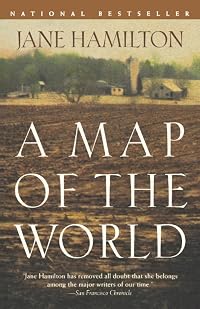


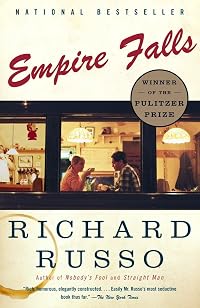


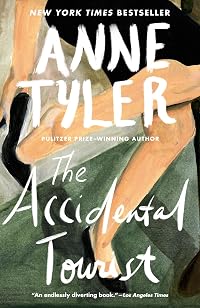



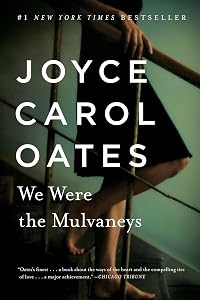








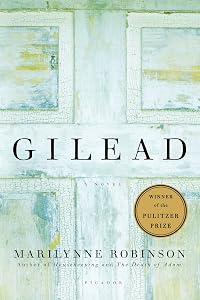
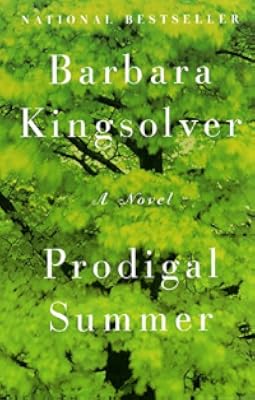



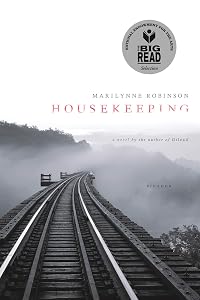

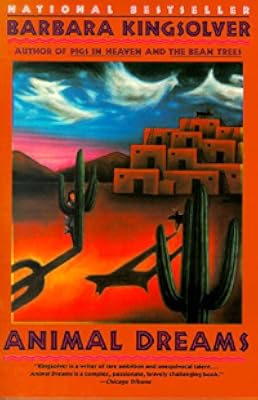

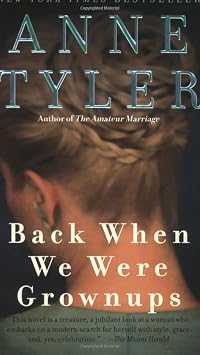
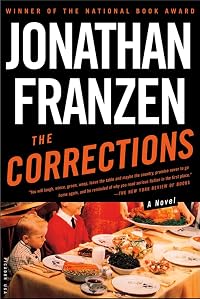



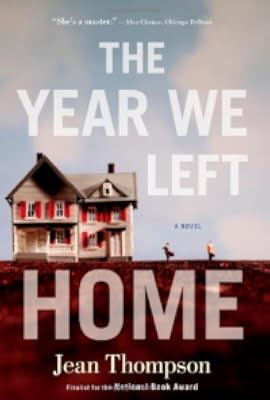







Member Recommendations

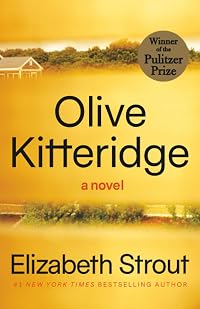
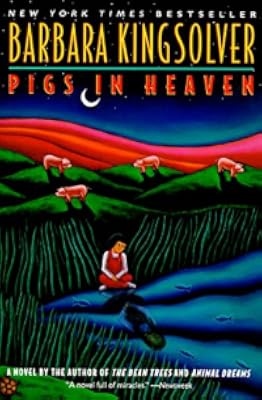
browner56 The original and a modern retelling of a powerful story involving some very strong women
90

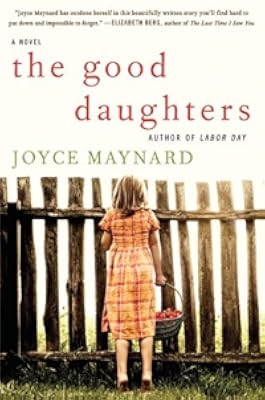
lyzadanger Similar treatment of broad-open landscapes and middle American family values.
10

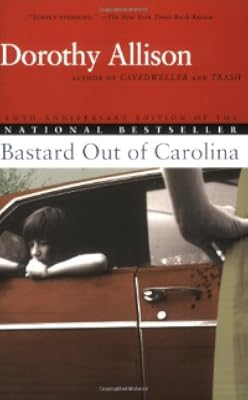
kjgormley They are both King Lear retellings.

amarie Insight into King Lear source and everything else happening that year.
01
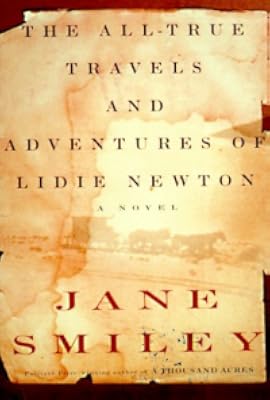
AlisonY Similarities in terms of relationships that breakdown between families. Both are like watching a car crash in slow motion.
Member Reviews
There are two ways to look at this novel - as a King Lear reinterpretation set in 1979 Iowa or as a novel of rural Iowa. Both will be correct - and both will be incomplete. It is the masterful mix of the two that makes this novel what it is.
In the spring of 1979, the patriarch of the Cook family in Zebulon County, Iowa, decides to split his farm between his 3 daughters. The decision comes as a surprise -- he had been a farmer all his life and stepping away is not what anyone expected. Except that one of them, his youngest, does not show enough enthusiasm so is cut out and leaves for her lawyer career (it is 1979, invasion won't happen - the battles when they come will be in court). In case you had ever read King Lear, you already know show more where this one is going... or can go. Smiley does not change the main fabric of the play... but she shifts it.
The second family drama is also in full play - being born out of wedlock is not such a big deal anymore so the son is a draft-dodger instead.
Shakespeare gave us the "external viewer" viewpoint; Smiley gives the oldest daughter, Ginny, the speaker part. And that changes things - partially because now we may be dealing with unreliable narrator and partially because Goneril was never given a chance to explain herself. But that shift also means that we see the underside of the play - the good son is almost just a shadow because the 2 older sisters rarely have anything to do with him.
The novel follows the plot of the play faithfully... which initially worried me - because it almost sounded like a recipe for a predictable plotline. But instead it helped - if you knew what was coming, you were always looking into things thinking on how they tie into it; if you did not know (because you never read King Lear), some of the turns may come as a shock.
But when you remove the veneer of King Lear, you find another novel under it - the novel of the changing times of 1979 in rural America when the farmers were facing the changes in the world. Smiley writes this novel with as much mastery as she does the overlaying story - with all the nitty gritty details (get yourself access to wikipedia if you had not read about farming before -- a lot of the descriptions are extremely detailed but they are done by a farmer's daughter who is herself a farmer.
And as a third layer is the back story of Zebulon county and the Cook family - which is the story of the people that made Iowa and its neighboring states and how American farming came to be what it was.
There is a lot of personal heartbreak in this novel - on all 3 levels of the text and there are awful things that happen and that had happened. The evil sisters of the play turn into the victims here (how much they are and how much of it is the narrator is open to interpretation) and the formerly good characters appear to be either vindictive or just shadows. Old secrets also resurface - some of them so disturbing that it makes you wonder if another play's line about things being rotten should not apply here. The sexual tension of the play is also here - as it cannot not be - and unlike the bawdiness of Shakespeare, it is also explored a lot more carefully.
The end is expected - everything dies. Not literally this time (although enough people do die) - but a way of a life is dead nevertheless and the people still standing are different people.
It is a hard novel to read in some parts - some of them because of the farming narrative, some of them because of the pure awfulness of the past of some of the characters. And it is not a happy story - for anyone. But then... the dying of a way of life never is. show less
In the spring of 1979, the patriarch of the Cook family in Zebulon County, Iowa, decides to split his farm between his 3 daughters. The decision comes as a surprise -- he had been a farmer all his life and stepping away is not what anyone expected. Except that one of them, his youngest, does not show enough enthusiasm so is cut out and leaves for her lawyer career (it is 1979, invasion won't happen - the battles when they come will be in court). In case you had ever read King Lear, you already know show more where this one is going... or can go. Smiley does not change the main fabric of the play... but she shifts it.
The second family drama is also in full play - being born out of wedlock is not such a big deal anymore so the son is a draft-dodger instead.
Shakespeare gave us the "external viewer" viewpoint; Smiley gives the oldest daughter, Ginny, the speaker part. And that changes things - partially because now we may be dealing with unreliable narrator and partially because Goneril was never given a chance to explain herself. But that shift also means that we see the underside of the play - the good son is almost just a shadow because the 2 older sisters rarely have anything to do with him.
The novel follows the plot of the play faithfully... which initially worried me - because it almost sounded like a recipe for a predictable plotline. But instead it helped - if you knew what was coming, you were always looking into things thinking on how they tie into it; if you did not know (because you never read King Lear), some of the turns may come as a shock.
But when you remove the veneer of King Lear, you find another novel under it - the novel of the changing times of 1979 in rural America when the farmers were facing the changes in the world. Smiley writes this novel with as much mastery as she does the overlaying story - with all the nitty gritty details (get yourself access to wikipedia if you had not read about farming before -- a lot of the descriptions are extremely detailed but they are done by a farmer's daughter who is herself a farmer.
And as a third layer is the back story of Zebulon county and the Cook family - which is the story of the people that made Iowa and its neighboring states and how American farming came to be what it was.
There is a lot of personal heartbreak in this novel - on all 3 levels of the text and there are awful things that happen and that had happened. The evil sisters of the play turn into the victims here (how much they are and how much of it is the narrator is open to interpretation) and the formerly good characters appear to be either vindictive or just shadows. Old secrets also resurface - some of them so disturbing that it makes you wonder if another play's line about things being rotten should not apply here. The sexual tension of the play is also here - as it cannot not be - and unlike the bawdiness of Shakespeare, it is also explored a lot more carefully.
The end is expected - everything dies. Not literally this time (although enough people do die) - but a way of a life is dead nevertheless and the people still standing are different people.
It is a hard novel to read in some parts - some of them because of the farming narrative, some of them because of the pure awfulness of the past of some of the characters. And it is not a happy story - for anyone. But then... the dying of a way of life never is. show less
I was always aware, I think, of the water in the soil, the way it travels from particle to particle, molecules adhering, clustering, evaporating, heating, cooling, freezing, rising upward to the surface and fogging the cool air or sinking downward, dissolving this nutrient and that, quick in everything it does, endlessly working and flowing, a river sometimes, a lake sometimes. When I was very young, I imagined it ready at any time to rise and cover the earth again, except for the tile lines. Prairie settlers always saw a sea or an ocean of grass, could never think of any other metaphor, since most of them had lately seen the Atlantic. The Davises did find a shimmering sheet punctuated by cattails and sweet flag. The grass is gone, now, show more and the marshes, “the big wet prairie,” but the sea is still beneath our feet, and we walk on it.
Jane Smiley translated the timeless elements of Shakespeare's King Lear to a Midwestern farm family. In many respects, Smiley's adaptation improves on Shakespeare's Lear. Larry Cook owns one of the most productive farms in Iowa's Zebulon County – one thousand acres resulting from the consolidation of several adjoining acreages. The widower Cook farms with the assistance of two sons-in-law, the husbands of two of his three daughters. Cook's sudden decision to incorporate the farm and cede control to his daughters and sons-in-law is the first in a chain of events that leads to tragedy. The return of draft dodger Jess Clark, prodigal son of Cook's neighbor, Harold Clark, becomes a catalyst for growing feelings of discontent in Cook's eldest daughter, Ginny, the first-person narrator. As sisters Ginny and Rose and their husbands extend themselves beyond their means, the family rift grows, and their neighbors in the small farming community choose sides.
The Midwest farm crisis was an inspired choice as the modern setting for this tragedy. This was a period when many multi-generation family farms were lost to corporations. Many smaller tragedies took place throughout the Midwest during this time period. Smiley's novel carries an authenticity that will resonate with readers with ties to the Midwest and its farmers. Highly recommended. show less
Jane Smiley translated the timeless elements of Shakespeare's King Lear to a Midwestern farm family. In many respects, Smiley's adaptation improves on Shakespeare's Lear. Larry Cook owns one of the most productive farms in Iowa's Zebulon County – one thousand acres resulting from the consolidation of several adjoining acreages. The widower Cook farms with the assistance of two sons-in-law, the husbands of two of his three daughters. Cook's sudden decision to incorporate the farm and cede control to his daughters and sons-in-law is the first in a chain of events that leads to tragedy. The return of draft dodger Jess Clark, prodigal son of Cook's neighbor, Harold Clark, becomes a catalyst for growing feelings of discontent in Cook's eldest daughter, Ginny, the first-person narrator. As sisters Ginny and Rose and their husbands extend themselves beyond their means, the family rift grows, and their neighbors in the small farming community choose sides.
The Midwest farm crisis was an inspired choice as the modern setting for this tragedy. This was a period when many multi-generation family farms were lost to corporations. Many smaller tragedies took place throughout the Midwest during this time period. Smiley's novel carries an authenticity that will resonate with readers with ties to the Midwest and its farmers. Highly recommended. show less
This book is so firmly and evocatively placed in the struggles of a farming community; the thousand acre farm and the demands it requires of those who live on it (the ceaseless cooking and cleaning and ploughing and scrubbing and buying and selling, all to compelling rhythms of nature and man) is juxtaposed to the tragedy of King Lear. Smiley's retelling of the story could be described as a feminist take on the tragedy, but it is a deep and complex response to a deep and complex play. Smiley digs deep into her characters, but leaves them ultimately mysterious and unknowable. She keeps the essential elements of the plot - the three sisters, the division of the land, the storm, the father/daughter relationships - so that we know what will show more happen, but see it from another place, with our sympathies twisted from where we might expect them to be and then twisted back again. Half way through I needed to come up for air; the poisoned well and the relentless progress of the plot seemed altogether too much to read at one time - but it is a compelling read and a beautifully written book. show less
[A Thousand Acres], Jane Smiley's 1992 Pulitzer Prize winning novel, re-enacts [The Tragedy of King Lear] in an Iowa farming community. For decades, Larry Cook farmed land he inherited from his father and grandfather. An ambitious man, he expanded his farm through shrewd acquisitions and investments. Before his wife died, he fathered three daughters, two of whom (Ginny and Rose) married men (Ty and Pete) who now do the actual farming. The third and youngest daughter (Caroline) left home for college and never really returned for more than day visits; she's now a lawyer in Des Moines, a several hour drive from the farm. In setting the scene, Ginny, the narrator, explains the vastness of the farm:
Never a pleasant man, Larry is becoming more taciturn and remote as he ages, chosing not involve himself in conversation nor answer questions directed to him. He's demanding, insisting, for example, that someone have his breakfast on his table at 6 a.m., no delays, no substitutions. His temper is always cocked and ready to blow. His sudden and implacable decision to transfer ownership of his farm to his two older daughters triggers internecine warfare amongst himself, his daughters and their husbands, and even some neighbors. If you know King Lear, you know the story is an inevitable, slow descent, injuring everyone swept into it. But this King Lear is told from a daughter's perspective, from a woman's viewpoint.
At a family picnic, Larry lays out his plan:
Several days later, with the legal papers prepared, the family again gathers, this time with attorney Ken LaSalle. Larry is impatient; "Okay, Kenny, let's get to it. Now's the time." The attorney wants to wait a bit. Ginny sees Caroline coming up onto the porch, "composing herself to be conciliatory." She starts to open the door. "But my father stepped around me and took the door in his hand and slammed it shut in her face, and then he whirled Ken around with a hand on his arm, and said, 'Now.' We went into the dining room."
With the transfer completed, work begins to transform and expand an existing dairy barn for a big hog operation. Tension is up, not simply between Larry and his daughters, but between husbands and wives, and between sisters. Then Larry has a tantrum mostly directed at Ginny.
In the face of this withering tirade, Ginny flashes back to her childhood, to an incident triggered by her loss of a shoe.
Her attention is recalled to Larry's current outburst.
He storms off into a deluge, a downpour so intense he wanders aimlessly for more than an hour before a neighbor finds him and takes him into his house. Thereafter, Larry stays with the neighbor, refusing to stay in the house he's lived in most of his life. He has the lawyer file papers to revoke the land transfer. The bank halts the construction. In short order he's being ushered about by Caroline. Larry's moving to Des Moines is the word on the streets of all the Zebulon County towns. His application for revocation is pending.
During this lull, Ginny is in a local clothing shop when she sees Larry, escorted by Caroline, approaching the door. She grabs a couple of blouses and ducks into the changing booth. They're shopping for socks and underwear, when Larry sits and wheedles his daughter to sit beside him. Ginny hears every word of their chat, but remains hidden until they leave. Back at the farm, Ginny goes straight to Rose:
I think this book is a hell of an achievement. Smiley has produced a fresh, female-oriented take on an old story. She's enriched it with memorable, recognizable characters, pouring out the full range of emotion such a story provokes. I guess that now I must read [King Lear] to see if it measures up. show less
show more
…[O]n this tiny rise, you could see our
buildings, a mile distant, at the southern edge of the farm. A mile to the east, you could see three silos that marked the northeastern corner, and if you raked your gaze from the silos to the house and barn, then back again, you would take in the immensity of the piece of land my father owned, six hundred forty acres, a whole section, paid for, no encumbrances, as flat and fertile, black, friable, and exposed as any piece of land on the face of the earth.
Never a pleasant man, Larry is becoming more taciturn and remote as he ages, chosing not involve himself in conversation nor answer questions directed to him. He's demanding, insisting, for example, that someone have his breakfast on his table at 6 a.m., no delays, no substitutions. His temper is always cocked and ready to blow. His sudden and implacable decision to transfer ownership of his farm to his two older daughters triggers internecine warfare amongst himself, his daughters and their husbands, and even some neighbors. If you know King Lear, you know the story is an inevitable, slow descent, injuring everyone swept into it. But this King Lear is told from a daughter's perspective, from a woman's viewpoint.
At a family picnic, Larry lays out his plan:
He glanced at me, then at Caroline, and, looking at her all the while, he said, "We're going to form this corporation, Ginny, and you girls are all going to have shares, then we're going to build this new Slurrystore, and maybe a Harvestore, too, and enlarge the hog operation." He looked at me. "You girls and Ty and Pete and Frank [Caroline's fiance] are going to run the show. You'll each have a third part in the corporation. What do you think?"
…In spite of that inner clang, I tried to sound agreeable. "It's a good idea."
Rose said, "It's a great idea."
Caroline said, "I don't know."
…My father glared at her. In the sudden light of the porch, there was no way to signal her to shut up, just shut up, he'd had too much to drink. He said, "You don't want it, my girl, you're out. It's as simple as that." Then he pushed himself up from his chair and lumbered past me down the porch steps and into the darkness.
Several days later, with the legal papers prepared, the family again gathers, this time with attorney Ken LaSalle. Larry is impatient; "Okay, Kenny, let's get to it. Now's the time." The attorney wants to wait a bit. Ginny sees Caroline coming up onto the porch, "composing herself to be conciliatory." She starts to open the door. "But my father stepped around me and took the door in his hand and slammed it shut in her face, and then he whirled Ken around with a hand on his arm, and said, 'Now.' We went into the dining room."
With the transfer completed, work begins to transform and expand an existing dairy barn for a big hog operation. Tension is up, not simply between Larry and his daughters, but between husbands and wives, and between sisters. Then Larry has a tantrum mostly directed at Ginny.
He leaned his face toward mine. "You don't have to drive me around any more, or cook the goddamned breakfast or clean the goddamned house." His voiced modulated into a scream. "Or tell me what I can do and what I can't do. You barren whore! I know all about you, you slut. You've been creeping here and there all your life, making up to this one and that one. But you're not really a woman, are you? I don't know what you are, just a bitch, is all, just a dried-up whore bitch."
In the face of this withering tirade, Ginny flashes back to her childhood, to an incident triggered by her loss of a shoe.
…[I]t was like he turned to fire right there. He came for me and started spanking me with the flat of his hand, on the rear and the thighs. I backed up till I got between the range and the window, and I could hear Mommy saying, "Larry! Larry! This is crazy!" He turned to her and said, "You on her side?"
Mommy said, "No, but—"
"Then you tell her to come out from behind there. There's only one side here, and you'd better be on it."
Her attention is recalled to Larry's current outburst.
…"How can you treat your father like this? I flattered you when I called you a bitch! What do you want to reduce me to? I'll stop this building! I'll get the land back! I'll throw you whores off this place. You'll learn what it means to treat your father like this. I curse you! You'll never have children, Ginny, you haven't got a hope. And your children [speaking to Rose] are going to laugh when you die!"
He storms off into a deluge, a downpour so intense he wanders aimlessly for more than an hour before a neighbor finds him and takes him into his house. Thereafter, Larry stays with the neighbor, refusing to stay in the house he's lived in most of his life. He has the lawyer file papers to revoke the land transfer. The bank halts the construction. In short order he's being ushered about by Caroline. Larry's moving to Des Moines is the word on the streets of all the Zebulon County towns. His application for revocation is pending.
During this lull, Ginny is in a local clothing shop when she sees Larry, escorted by Caroline, approaching the door. She grabs a couple of blouses and ducks into the changing booth. They're shopping for socks and underwear, when Larry sits and wheedles his daughter to sit beside him. Ginny hears every word of their chat, but remains hidden until they leave. Back at the farm, Ginny goes straight to Rose:
I fell into an armchair. I said, "I was in Roberta's and Daddy and Caroline came in. I can't tell you the tone of voice he used to her. All soft and affectionate, but with something underneath that I can't describe. I thought I was going to faint."
…Rose gazed down at me with utter seriousness, her eyes deep and dark, her mouth carved from marble. She said, "Say it."
"Say what?"
"Say it."
"It happened like you said. I realized it when I was making the bed…in my old room. I lay down on the bed, and I remembered."
I think this book is a hell of an achievement. Smiley has produced a fresh, female-oriented take on an old story. She's enriched it with memorable, recognizable characters, pouring out the full range of emotion such a story provokes. I guess that now I must read [King Lear] to see if it measures up. show less
This is one of the most emotionally heart-rending stories I can remember, a devastating interpretation of King Lear transposed to an Iowa farm. The psychological impacts of trauma are peeled away as Ginny recalls suppressed memories of how her father physically, emotionally and sexually abused her and her sister Rose after their mother died. None of the men come out well; the husbands fail to recognise their wives' anguish and the wider conservative community closes against them as their situation collapses. This is also a grander history - the fabled story of farming success hide the backdrop of taking advantage of anyone weaker and poisoning the land. Ginny finally puts her bloke straight "Do I think Daddy came up with beating and show more fucking us on his own. No, I think he had lessons." Rose says on her deathbed "Forgiveness is a reflex for when you can't stand what you know. I resisted that reflex. That's my sole, solitary, lonely accomplishment." The author is ultimately saying fuck you to Shakespeare and every other story steeped in patriarchy. What's more she can write beautifully with great depth of character and control of narrative. show less
This was a tremendous read with incredible characters and a vivid sense of place. Coming from a country background I've seen first-hand how the question of farm inheritance (who? when? how?) can be so difficult to navigate smoothly, between sibling jealousies and parental inabilities to let go of the reins. It's a fantastic plot base for a novel, and Smiley handles so deftly the repeated misunderstandings and horrific family skeletons in the closet that gradually seep under the doors of the families involved like filthy rising water, soaking into every aspect of their daily lives until everything is rotten.
Much too great a book for me to ever have a hope of doing it justice in a review, so I'll leave it there.
4.5 stars - gripping and show more much deserved of it's Pulitzer award. show less
Much too great a book for me to ever have a hope of doing it justice in a review, so I'll leave it there.
4.5 stars - gripping and show more much deserved of it's Pulitzer award. show less
What an incredible book; it is definitely going down on my list of best books for 2024. I knew by the end of the first chapter that I was going to love it, and I did partly because of the writing, but also because I understand how some inheritances can cause friction in families.
Three sisters, Ginny, Rose and Caroline were raised on a farm, 1000 acres, by their father after their mother had died. Many years later at a family gathering, their father announced that he was giving the farm over to his daughters which Rose and Ginny accepted but Caroline asked to think about it. In a fit of pique, their father cut her out of the will and handed the farm over to the two sisters and their husbands, both of whom worked on it. And, it is at this show more point that you know things are going to go downhill.
If this plot sounds familiar to you, it is because Smiley has hung her plot on King Lear. Lear leaves his kingdom to the two daughters who flatter him through their behaviour and inability to stand up to him, cutting out of his inheritance his third daughter who was the only one that truly loved him. This all happened as he slowly sank into madness.
Ginny and Rose had lives that must at times have felt overwhelming. They cleaned and cooked in their own houses and then went over to their father's to do his house work and also helped on the farm. The cleaning was not just a bit of dusting but full-scale taking down of curtains to wash and starch them and moving furniture to hoover underneath (?!). In reality, this obsessive cleaning was a way to restore order in their lives which were really in chaos. They both had marriages that weren't working, Rose had breast cancer and Ginny had had five miscarriages. The story is told through Ginny's eyes and she is drawn as someone who always wants to give people the benefit of the doubt, to restore harmony, whilst Rose is a fighter, standing up for herself and her children and facing reality. This difference in attitude also leads to differing memories of their father.
Rose remembers that he beat them and sexually abused them whilst Ginny has pushed these memories from her mind. Eventually, through a series of every day events and domestic chores, Ginny recalls these events and realises the damage her father has caused. Caroline, who was protected from her father by her sisters, refuses to contenance anything anything such as this and has a relationship with her father that is oblivious. Hinted at in the book is the idea that her father may also have been a victim of sexual abuse.
What is portrayed vividly is the difference between appearances and reality. Everything that happened to the family Ginny viewed through the filter of wondering what the neighbours would think. A 'good' farm was one that was well-maintained and tidy with everyone judged by this standard, with wives judged by their ability to keep the farm out of the house. There were people who pretended to be friends of the family but really weren't with the pastor being one of these people. There were the missing emotions and sex in their marriages which appeared on the surface to be working but weren't and in the end there was the gap between Rose and Ginny over a man, Jess, who like a prodigal son had returned home after being away for over a dceade. Both women slept with him but Rose was clear about his behaviours where Ginny wasn't. To Ginny, he was a man who wanted to farm differently, who noticed her and for whom sex was more than the creation of a child. To Rose he was a man obsessed with eating the right things, meditating at the exact rise of the sun and running - as if farm work weren't physical enough.
Their father was seen in the community as one of the best farmer (neat and tidy), wise and dependable but of course the daughters knew the reality behind closed doors. This is what happens when families keep secrets. The reality ends up being so different from the appearance and there were a lot of secrets in this family.
Smiley's writing is wonderful: precise, descriptive and structured for effect. There are several shocking events towards the end of the book with each one having a lengthy build up only for the event to be over and done with in one short paragraph, leaving you slightly winded. Her descriptions of place and community make me think that she must have lived a rural life herself.
This is a book about families and relationships, about the damage secrets can do, about order and chaos, about inheritance and fairness but what Smiley has slyly done is inject a theme of eco-awareness into the book.
At the start, the descriptions of the place are grounding and almost idyllic. There is a long section where we read about the land and the swamp that it is but, as in so much of America, the land was drained by manually digging trenches and laying tiles and pipes to take the water down to the well. It was these trenches that allowed the family to farm the land but also allowed herbicides, pesticides and fertilisers to run with the water into the well and poison all who drank the water causing cancer and miscarriages. It is a very Shakespearean idea to prosper and kill from the same event.
I am no the lookout for more of Smiley's work. show less
Three sisters, Ginny, Rose and Caroline were raised on a farm, 1000 acres, by their father after their mother had died. Many years later at a family gathering, their father announced that he was giving the farm over to his daughters which Rose and Ginny accepted but Caroline asked to think about it. In a fit of pique, their father cut her out of the will and handed the farm over to the two sisters and their husbands, both of whom worked on it. And, it is at this show more point that you know things are going to go downhill.
If this plot sounds familiar to you, it is because Smiley has hung her plot on King Lear. Lear leaves his kingdom to the two daughters who flatter him through their behaviour and inability to stand up to him, cutting out of his inheritance his third daughter who was the only one that truly loved him. This all happened as he slowly sank into madness.
Ginny and Rose had lives that must at times have felt overwhelming. They cleaned and cooked in their own houses and then went over to their father's to do his house work and also helped on the farm. The cleaning was not just a bit of dusting but full-scale taking down of curtains to wash and starch them and moving furniture to hoover underneath (?!). In reality, this obsessive cleaning was a way to restore order in their lives which were really in chaos. They both had marriages that weren't working, Rose had breast cancer and Ginny had had five miscarriages. The story is told through Ginny's eyes and she is drawn as someone who always wants to give people the benefit of the doubt, to restore harmony, whilst Rose is a fighter, standing up for herself and her children and facing reality. This difference in attitude also leads to differing memories of their father.
Rose remembers that he beat them and sexually abused them whilst Ginny has pushed these memories from her mind. Eventually, through a series of every day events and domestic chores, Ginny recalls these events and realises the damage her father has caused. Caroline, who was protected from her father by her sisters, refuses to contenance anything anything such as this and has a relationship with her father that is oblivious. Hinted at in the book is the idea that her father may also have been a victim of sexual abuse.
What is portrayed vividly is the difference between appearances and reality. Everything that happened to the family Ginny viewed through the filter of wondering what the neighbours would think. A 'good' farm was one that was well-maintained and tidy with everyone judged by this standard, with wives judged by their ability to keep the farm out of the house. There were people who pretended to be friends of the family but really weren't with the pastor being one of these people. There were the missing emotions and sex in their marriages which appeared on the surface to be working but weren't and in the end there was the gap between Rose and Ginny over a man, Jess, who like a prodigal son had returned home after being away for over a dceade. Both women slept with him but Rose was clear about his behaviours where Ginny wasn't. To Ginny, he was a man who wanted to farm differently, who noticed her and for whom sex was more than the creation of a child. To Rose he was a man obsessed with eating the right things, meditating at the exact rise of the sun and running - as if farm work weren't physical enough.
Their father was seen in the community as one of the best farmer (neat and tidy), wise and dependable but of course the daughters knew the reality behind closed doors. This is what happens when families keep secrets. The reality ends up being so different from the appearance and there were a lot of secrets in this family.
Smiley's writing is wonderful: precise, descriptive and structured for effect. There are several shocking events towards the end of the book with each one having a lengthy build up only for the event to be over and done with in one short paragraph, leaving you slightly winded. Her descriptions of place and community make me think that she must have lived a rural life herself.
This is a book about families and relationships, about the damage secrets can do, about order and chaos, about inheritance and fairness but what Smiley has slyly done is inject a theme of eco-awareness into the book.
At the start, the descriptions of the place are grounding and almost idyllic. There is a long section where we read about the land and the swamp that it is but, as in so much of America, the land was drained by manually digging trenches and laying tiles and pipes to take the water down to the well. It was these trenches that allowed the family to farm the land but also allowed herbicides, pesticides and fertilisers to run with the water into the well and poison all who drank the water causing cancer and miscarriages. It is a very Shakespearean idea to prosper and kill from the same event.
I am no the lookout for more of Smiley's work. show less
Members
- Recently Added By
Published Reviews
ThingScore 75
Does this sound familiar?
At the opening of Jane Smiley's latest novel, "A Thousand Acres," the narrator, a woman named Virginia Cook Smith, describes the farm in Zebulon County, Iowa, that she and her two younger sisters, Rose and Caroline, have grown up on: "Paid for, no encumbrances, as flat and fertile, black, friable and exposed as any piece of land on the face of the earth."
And then show more comes the shock of recognition. In 1979, the three sisters' father, Laurence (Larry) Cook, decides to form a corporation out of his farm holdings and give each of his daughters a third of it. What do they think of the plan? "It's a good idea," says the oldest, who is called Ginny. "It's a great idea," says the second daughter, Rose. "I don't know," says the youngest, Caroline, who is a lawyer.
"You don't want it, my girl, you're out," says Larry to Caroline. "It's as simple as that." So the farm is divided into two instead of three, with Ginny and Rose to take turns looking after Larry. And a tragedy of ingratitude, madness and generational conflict begins. . . . show less
At the opening of Jane Smiley's latest novel, "A Thousand Acres," the narrator, a woman named Virginia Cook Smith, describes the farm in Zebulon County, Iowa, that she and her two younger sisters, Rose and Caroline, have grown up on: "Paid for, no encumbrances, as flat and fertile, black, friable and exposed as any piece of land on the face of the earth."
And then show more comes the shock of recognition. In 1979, the three sisters' father, Laurence (Larry) Cook, decides to form a corporation out of his farm holdings and give each of his daughters a third of it. What do they think of the plan? "It's a good idea," says the oldest, who is called Ginny. "It's a great idea," says the second daughter, Rose. "I don't know," says the youngest, Caroline, who is a lawyer.
"You don't want it, my girl, you're out," says Larry to Caroline. "It's as simple as that." So the farm is divided into two instead of three, with Ginny and Rose to take turns looking after Larry. And a tragedy of ingratitude, madness and generational conflict begins. . . . show less
added by PLReader
Lists

The Guardian's 1000 Novels Everyone Must Read
1,005 works; 551 members

Pulitzer Prize Winners for Fiction
102 works; 54 members

Best Contemporary Literary Fiction (Around the Last 30 Years)
400 works; 122 members

Read the book and saw the movie
1,170 works; 195 members

Great American Novels
158 works; 42 members

Best Books With Sisters
130 works; 30 members
20th Century Literature
1,161 works; 55 members
Best Family Stories
241 works; 22 members

Recommend the 20 best books you've read in the last five years
2,168 works; 602 members

Female Author
1,234 works; 67 members
Favourite Books
1,820 works; 316 members

Unread books
1,063 works; 87 members

Women's Stories
88 works; 13 members
Female Protagonist
1,056 works; 57 members

Pulitzer Prize-Winning Books
42 works; 10 members

Family Drama
56 works; 14 members

Banned or Challenged Books
402 works; 43 members

50 Books from the Past 50 Years
50 works; 8 members

100 New Classics
101 works; 13 members
500 Great Books by Women
507 works; 60 members

Nineties
43 works; 10 members

Books Set in Iowa
34 works; 8 members

Novels featuring siblings
133 works; 8 members

The American Experience
173 works; 18 members

Contemporary Fiction
109 works; 7 members

Top Five Books of 2018
802 works; 265 members

BBC Radio 4 Bookclub
341 works; 13 members
Small Town Fiction
66 works; 13 members
TML 200 Best Books 1950-1999
202 works; 10 members
Literature About Women and Girls
394 works; 39 members

Dysfunctional Families
133 works; 7 members

METAfiction
21 works; 4 members

Best family sagas
244 works; 34 members

One Book, Many Authors
441 works; 40 members

1990s
309 works; 17 members

Allie's Favourite 150 Books
145 works; 3 members

Stories Inspired by Other Fiction
127 works; 24 members
Favourite books by Female Authors
43 works; 4 members
Best Domestic Fiction
77 works; 6 members
Books Set in Small Towns and Villages
278 works; 16 members
USA Road Trip
50 works; 3 members

Books Read in 2016
4,666 works; 197 members

Books With Numbers in the Title
308 works; 13 members

the mother of all novels (parenting theme)
15 works; 4 members
Novels featuring Fathers
56 works; 7 members
Literary Travelogue of the United States Challenge
133 works; 6 members
Best Books of the 20th Century
193 works; 5 members

Books Read in 2008
336 works; 8 members

Pleasant Surprises
18 works; 1 member

Books About Older People
50 works; 11 members
Books Read in 2015
3,299 works; 129 members

Retellings of Shakespeare Plays
42 works; 12 members

Favourite Books
50 works; 1 member
American Lit for Eng 11 Research Project
368 works; 6 members
Tour of Iowa
25 works; 3 members

Women Writers
16 works; 2 members

The Modern Library (The Two Hundred Best Novels....
202 works; 1 member

BBC World Book Club
267 works; 5 members

AP Lit
363 works; 6 members

Inheritance and Succession Literature
24 works; 5 members

Books Read in 2013
1,630 works; 51 members

Books Read in 2018
4,360 works; 110 members

Books Tagged Abuse
152 works; 4 members

World Book Club (BBC World Service)
212 works; 1 member
Talk Discussions
Past Discussions
What It’s Like to Have Your Book Banned in Banned Books (February 2024)
Author Information

50+ Works 25,587 Members
Jane Smiley was born in Los Angeles, California on September 26, 1949. She received a B. A. from Vassar College in 1971 and an M.F.A. and a Ph.D from the University of Iowa. From 1981 to 1996, she taught undergraduate and graduate creative writing workshops at Iowa State University. Her books include The Age of Grief, The Greenlanders, Moo, Horse show more Heaven, Ordinary Love and Good Will, Some Luck, and Early Warning. In 1985, she won an O. Henry Award for her short story Lily, which was published in The Atlantic Monthly. A Thousand Acres received both the National Book Critics Circle Award and the Pulitzer Prize. (Bowker Author Biography) show less
Some Editions
Awards and Honors
Awards
Distinctions
Notable Lists
Work Relationships
Is abridged in
Was inspired by
Has as a reference guide/companion
Has as a student's study guide
Has as a teacher's guide
Common Knowledge
- Canonical title
- A Thousand Acres
- Original title
- A Thousand Acres
- Original publication date
- 1991-10-15
- People/Characters
- Larry Cook; Ginny Cook Smith; Rose Cook Lewis; Caroline Cook Rasmussen; Ty Smith; Jess Clark (show all 8); Harold Clark; Loren Clark
- Important places
- Iowa, USA; Zebulon County, Iowa, USA
- Related movies
- A Thousand Acres (1997 | IMDb)
- Epigraph
- The body repeats the landscape. They are the source of each other and create each other. We were marked by the seasonal body of earth, by the terrible migrations of people, by the swift turn of a century, verging on change ne... (show all)ver before experienced on this greening planet.
-- Meridel Le Sueur,
"The Ancient People and the Newly Come" - Dedication
- To Steve, as simple as that.
- First words
- At sixty miles per hour, you could pass our farm in a minute, on County Road 686, which ran due north into the T intersection at Cabot Street Road.
- Last words
- (Click to show. Warning: May contain spoilers.)This is the gleaming obsidian shard I safeguard above all others.
- Original language*
- Inglese
- Canonical DDC/MDS
- 813.54
- Canonical LCC
- PS3569.M39
*Some information comes from Common Knowledge in other languages. Click "Edit" for more information.
Classifications
Statistics
- Members
- 6,653
- Popularity
- 1,825
- Reviews
- 144
- Rating
- (3.72)
- Languages
- 10 — Danish, Dutch, English, French, German, Italian, Norwegian (Bokmål), Slovenian, Spanish, Swedish
- Media
- Paper, Audiobook, Ebook
- ISBNs
- 63
- UPCs
- 1
- ASINs
- 39