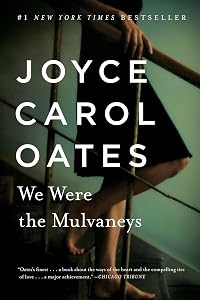
We Were the Mulvaneys
by Joyce Carol Oates
On This Page
Description
A family of six disintegrates after a daughter is raped by a high-school student. It happens to the wealthy Mulvaneys in upstate New York. The disgrace--there is some question if it was rape--sends the father to drink and financial ruin, the girl leaves home, the others follow. By the author of What I Lived For.Tags
Recommendations
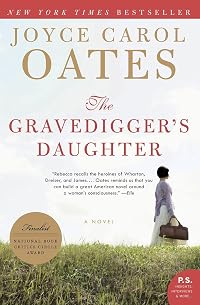
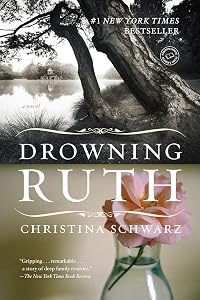
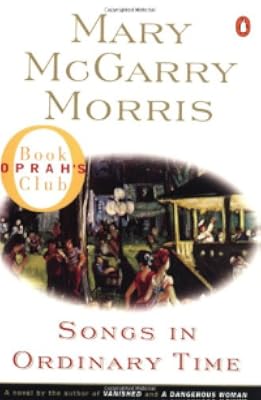
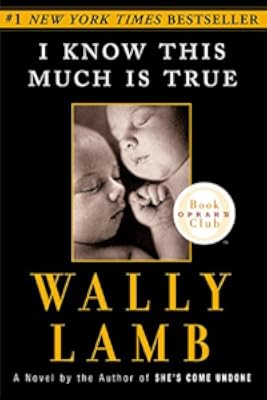
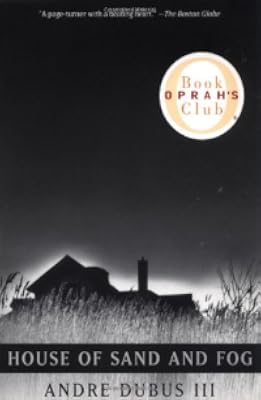
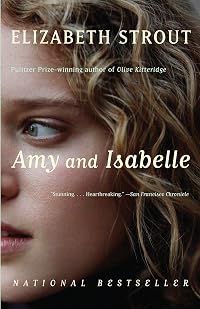
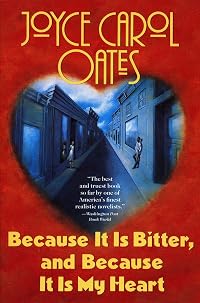
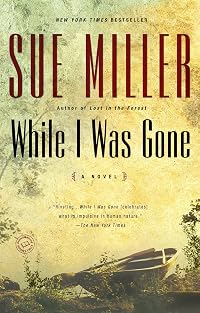
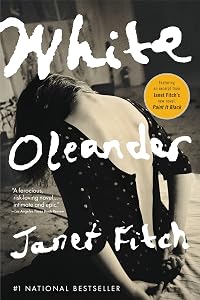
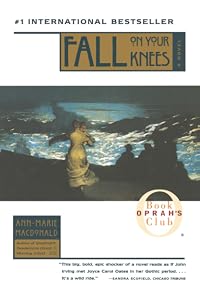
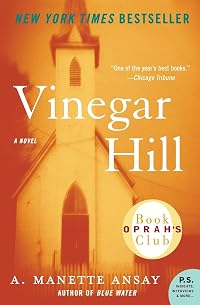
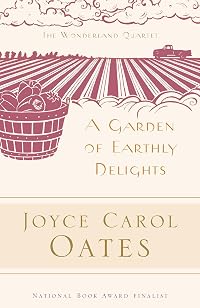
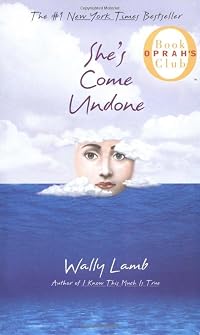
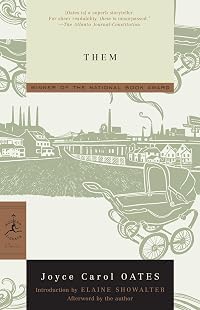
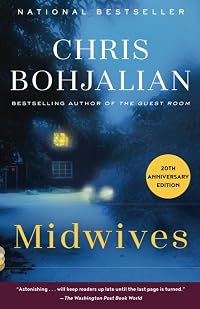
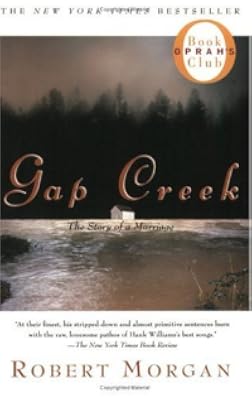

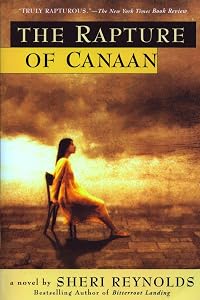
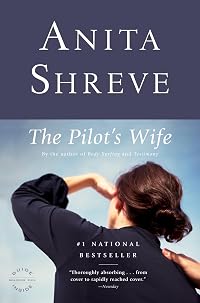
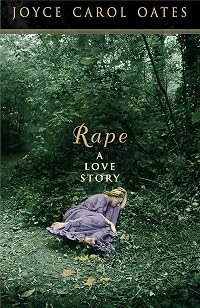

Member Recommendations
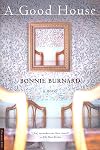
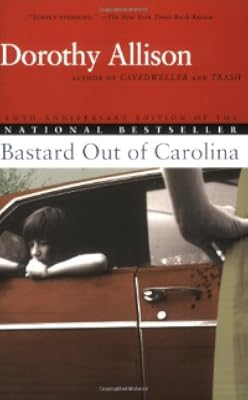
Nickelini Both books are set in small towns and cover the story of one family over many years. Oates's book is darker and more satirical; the characters in Burnard's book are more likeable and believable.
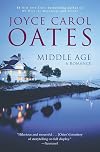
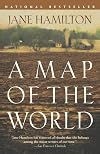
BookshelfMonstrosity These literary coming-of-age novels each hauntingly explore the repercussions of a rape on small communities. A large family falls apart in We Were the Mulvaneys, while My Sunshine Away portrays the residents of a single street.
by aprille
Member Reviews
SPOILER ALERT!
This novel mad me angry on so many levels, but angry most at mom and pop Mulvaney. Michael Mulvaney, Sr. did more damage to his daughter, Marianne, than her physical abuser ever did. A lifetime of emotional abuse because his frail male ego couldn't handle supporting his daughter! And mom, Corrine, was complicit in all of it! I found myself wanting to scream at them both, and shake some sense into Marianne. I was also left pondering how Marianne's strong sense of faith and morality was not only what stopped her from receiving justice ("I can't bear false witness") but, ultimately, is also what helped her move beyond the pain of the incident and her exile from the family. That being said, I just couldn't shake the feeling show more that Marianne just got f-ed over by everyone - her abuser, her family, and society in general.
This is a book worth reading. show less
This novel mad me angry on so many levels, but angry most at mom and pop Mulvaney. Michael Mulvaney, Sr. did more damage to his daughter, Marianne, than her physical abuser ever did. A lifetime of emotional abuse because his frail male ego couldn't handle supporting his daughter! And mom, Corrine, was complicit in all of it! I found myself wanting to scream at them both, and shake some sense into Marianne. I was also left pondering how Marianne's strong sense of faith and morality was not only what stopped her from receiving justice ("I can't bear false witness") but, ultimately, is also what helped her move beyond the pain of the incident and her exile from the family. That being said, I just couldn't shake the feeling show more that Marianne just got f-ed over by everyone - her abuser, her family, and society in general.
This is a book worth reading. show less
It's the perfect title for this novel. There's a pain of loss in it, and that captures the novel's dominant sentiment. It was both refreshing and heartbreaking to read about the Mulvaney family, a family that loves to laugh, the kind of family you'd like to have as your own. Heartbreaking for the tragedy that befalls them and unearths their fragility, their inexperience at grappling with something on this scale, and what it does to them.
It's a story about mistakenly believing normality can be restored without effort, about how religion both heals and harms, about powerlessness and blame and responsibility. Most importantly, this novel (set in 1976) brilliantly expresses the argument for everything we are fighting to have happen today show more when these circumstances arise, and why we have fought for it. The primary counterargument at the time would have been, what happens to the Mulvaneys would have happened to the whole town. But a burden shared among many eases the burden for all, and pulling together is not the same as pulling apart. That goes for families, too. show less
It's a story about mistakenly believing normality can be restored without effort, about how religion both heals and harms, about powerlessness and blame and responsibility. Most importantly, this novel (set in 1976) brilliantly expresses the argument for everything we are fighting to have happen today show more when these circumstances arise, and why we have fought for it. The primary counterargument at the time would have been, what happens to the Mulvaneys would have happened to the whole town. But a burden shared among many eases the burden for all, and pulling together is not the same as pulling apart. That goes for families, too. show less
Boken Det var vi som var Mulvaneys av Joyce Carol Oates handlar om familjen Mulvaney som bor på gården High Point norr om New York. De framstår länge som en idealfamilj: framgångsrik, karismatisk och med en stor framtidstro. Fadern är en framgångsrik företagare, modern älskar antikviteter, och de har fyra till synes lyckade barn – tre söner och en dotter, Marianne.
Romanen skildrar familjens liv från 1955 fram till 1993, men fokus ligger på hur deras tillvaro raseras efter en traumatisk händelse: dottern Marianne blir våldtagen på en fest. Denna katastrof fungerar som en vändpunkt som förändrar villkoren för alla i familjen.
Boken utforskar familjens gradvisa sönderfall, hur de hanterar skam, skuld och förlust show more av respekt i samhället, samt hur de olika familjemedlemmarna förhåller sig till händelsen och varandra, särskilt i relation till faderns reaktion och Marannes svåra situation. Det är en berättelse om hur bräcklig även den lyckligaste familj kan vara och den skildrar en amerikansk familj i sönderfall. : Älskar Joyce Carol Oates hon skapar en stämning i böcker och hennes beskrivningar är så målande att det känns som man är mitt inne i berättelsen. Att få ta del i hur familjen Mulvaneys krossades var en smärtsam läsning. Personskildringar och även miljöbeskrivningar är som vanligt utöver. Jag tycker inte att boken var för lång , varje ord var viktig och en del av något större. Mulvaneys är en stor och bullrig familj som bor på en stor gård med många djur där alla djuren har namn och är en del av familjen. Det är en typisk amerikansk medelklass på en liten ort där alla känner alla. Familjen har byggt upp sitt rykte som en hårt arbetande familj.
Men allt förändras plötsligt när deras populära dottern går på bal och där händer det något. Joyce Carol Oates skildrar en familj fall, hur allt det de har byggt upp raseras på grund av att pojken Marianne träffar på balen tillhör än mäktigare familj
Handling & Tema : 4/5
Karaktärerna: 5/5
Miljöbeskrivning: 5/5
Språk & berättar konst 5/5 show less
Romanen skildrar familjens liv från 1955 fram till 1993, men fokus ligger på hur deras tillvaro raseras efter en traumatisk händelse: dottern Marianne blir våldtagen på en fest. Denna katastrof fungerar som en vändpunkt som förändrar villkoren för alla i familjen.
Boken utforskar familjens gradvisa sönderfall, hur de hanterar skam, skuld och förlust show more av respekt i samhället, samt hur de olika familjemedlemmarna förhåller sig till händelsen och varandra, särskilt i relation till faderns reaktion och Marannes svåra situation. Det är en berättelse om hur bräcklig även den lyckligaste familj kan vara och den skildrar en amerikansk familj i sönderfall. : Älskar Joyce Carol Oates hon skapar en stämning i böcker och hennes beskrivningar är så målande att det känns som man är mitt inne i berättelsen. Att få ta del i hur familjen Mulvaneys krossades var en smärtsam läsning. Personskildringar och även miljöbeskrivningar är som vanligt utöver. Jag tycker inte att boken var för lång , varje ord var viktig och en del av något större. Mulvaneys är en stor och bullrig familj som bor på en stor gård med många djur där alla djuren har namn och är en del av familjen. Det är en typisk amerikansk medelklass på en liten ort där alla känner alla. Familjen har byggt upp sitt rykte som en hårt arbetande familj.
Men allt förändras plötsligt när deras populära dottern går på bal och där händer det något. Joyce Carol Oates skildrar en familj fall, hur allt det de har byggt upp raseras på grund av att pojken Marianne träffar på balen tillhör än mäktigare familj
Handling & Tema : 4/5
Karaktärerna: 5/5
Miljöbeskrivning: 5/5
Språk & berättar konst 5/5 show less
He querido leer este libro desde hace años, cualquiera que me conozca sabe lo mucho que lo busqué por todos lados, incluso en librerías en Estados Unidos, por algún motivo su edición había sido descontinuada y se habían retirado todas las copias disponibles de librerías.
Por fin lo puedo tener en mis manos y he podido darme el enorme gusto de leerlo, no solo ha cubierto mis expectativas, las ha superado, no me ha defraudado.
Cuando leí hace algún tiempo el Libro de los Baltimore de Joël Dicker, alguien comentó que era un tipo remake de este libro, bueno, es verdad que tienen su punto de coincidencia, creo que sobre todo en el estilo literario escogido por ambos autores y que cuentan la historia de una familia, por lo demás, show more bueno, no puedo compararlos.
Ya había leído a Joyce Carol Oates antes, así que si, conocía su enorme calidad literaria, pero por sobre cualquier tema técnico que se pueda decir de su estilo narrativo, hay algo que la caracteriza y es su gran y tremenda capacidad para transmitir, es apabullante leer cualquier cosa que ella escriba porque indudablemente te enfrentarás a sentir cada cosa que cuenta y muchas veces no son cosas agradables, sin embargo en mi caso particular me encanta encontrarme con libros que me muevan la fibra, que me lleguen.
Este libro está contado en mi primera persona por el hijo pequeño de los Mulvaney, Judd quien nos va narrando toda la historia del gran declive de esta preciosa y perfecta familia americana.
No voy a decir o a comentar nada sobre la historia porque de verdad es algo que vale la pena conocer y lo que en ella se desvela es tremendo, leerlo sin saber nada es algo que hay que vivir.
Solo decir que es un impresionante libro, en historia, en narrativa y por sobre cualquier otra cosa, en hacer que se te mueva desde la punta de los pies hasta el último de los cabellos.
Con esta autora siempre termino preguntándome ¿cómo le hace para sentarse a escribir en primera persona cosas como estas?
Un libro absoluta, completa y totalmente recomendable, un libro que tiene una reputación completamente ganada. show less
Por fin lo puedo tener en mis manos y he podido darme el enorme gusto de leerlo, no solo ha cubierto mis expectativas, las ha superado, no me ha defraudado.
Cuando leí hace algún tiempo el Libro de los Baltimore de Joël Dicker, alguien comentó que era un tipo remake de este libro, bueno, es verdad que tienen su punto de coincidencia, creo que sobre todo en el estilo literario escogido por ambos autores y que cuentan la historia de una familia, por lo demás, show more bueno, no puedo compararlos.
Ya había leído a Joyce Carol Oates antes, así que si, conocía su enorme calidad literaria, pero por sobre cualquier tema técnico que se pueda decir de su estilo narrativo, hay algo que la caracteriza y es su gran y tremenda capacidad para transmitir, es apabullante leer cualquier cosa que ella escriba porque indudablemente te enfrentarás a sentir cada cosa que cuenta y muchas veces no son cosas agradables, sin embargo en mi caso particular me encanta encontrarme con libros que me muevan la fibra, que me lleguen.
Este libro está contado en mi primera persona por el hijo pequeño de los Mulvaney, Judd quien nos va narrando toda la historia del gran declive de esta preciosa y perfecta familia americana.
No voy a decir o a comentar nada sobre la historia porque de verdad es algo que vale la pena conocer y lo que en ella se desvela es tremendo, leerlo sin saber nada es algo que hay que vivir.
Solo decir que es un impresionante libro, en historia, en narrativa y por sobre cualquier otra cosa, en hacer que se te mueva desde la punta de los pies hasta el último de los cabellos.
Con esta autora siempre termino preguntándome ¿cómo le hace para sentarse a escribir en primera persona cosas como estas?
Un libro absoluta, completa y totalmente recomendable, un libro que tiene una reputación completamente ganada. show less
LOL one reviewer asked who would want to hear, in great detail, about the guy that drove Marianne to a funeral? Me!!!!!
Many other reviewers complained that it takes over 100 pages to get to the big event that broke the Mulvaneys apart. Not me. I wouldn't care if it took 200 pages. I wanted more, more, more. JCO can't give me enough detail.
Having come from a small family, I love reading about large families who have a lot of fun times together. It's so awful how one horrible event can break a family like the Mulvaneys. I was hanging on every word, waiting to see how each one would get through it, or not. Sigh.
Many other reviewers complained that it takes over 100 pages to get to the big event that broke the Mulvaneys apart. Not me. I wouldn't care if it took 200 pages. I wanted more, more, more. JCO can't give me enough detail.
Having come from a small family, I love reading about large families who have a lot of fun times together. It's so awful how one horrible event can break a family like the Mulvaneys. I was hanging on every word, waiting to see how each one would get through it, or not. Sigh.
"We Mulvaneys are joined at the heart!"
Written, as interpreted by the youngest boy of the family (Judd, Ranger, among half a dozen other nicknames), before and after a calamity that changes their family forever, the Mulvaneys are seemingly the prized possession of American life in the mid-1970s.
Each one of the four miniature Mulvaneys (some more pipsqueak than the others, and not including the countless number of animals on their farm, which to them are practically family) have their own unique emotional attachment with each other. They do things as one single entity, but also differently; they are provided their own space and free will to certain limits. Call it family. Finding a platform amongst the rising sense of chaos, a war show more looming, the fear of falling apart. When Ranger, the youngest, our narrator, hears his mom's tale about providence, when she was saved by God one snowy night, he felt as if his mother was clutching his heart, keeping it from escaping his chest. These are caring people each in their own ways.
These God-fearing people had a child's inquisitiveness, and many of them too sensitive to the real world that the outside community began to see them as weak, in need of putting out of their misery (once they succumbed to it) just like an injured and unrecoverable animal. The other town folk, after Marianne is raped by one of her own classmates, see a need to relieve them of their pain, ignore them, cast them out into the wilderness that was not there. And maybe they too prophesied a similar sensitivity and couldn't bare to see them suffer anymore. The reader doesn't know. The reader is only aware of the events and Corrine's (mostly) fevered attempts at patching together the family--an obvious parallel to Joyce Carol Oates herself. And this is one among many problems that progressively worsen after the big reveal.
After the Mulvaney clan has been decimated and the secret is out, and although the father acts realistically, it's still cold, and unnatural, and unwarranted for his character and back story (we're merely presented with facts ranging from that he's a tough, hard working Republican, to that he supports the war effort). Once the family is dispersed things become directionless. The first 200 pages didn't build a showcase of individual isolation, so when that isolation eventually comes rolling by, we couldn't care less.
I wanted more emotional investment. Corrine, or the mother's story about being saved by angels, that once touched Ranger's heart, was a great escape, and something I could've used more of to warrant Part II of the book.
The second major problem I had with this book is that it becomes too cutesy it begins to drown in the character's own stoic charm. There are too many exclamation marks. Characters are always on the brink of unrivaled giddy. My stomach churns. What was endearing at first makes way for the melodramatic. Italics run rampant. Internal dialogue, those long passages that profess to reveal everything to the reader, needed to be caged and leashed. (It's my own personal judgement, but exclamations only work this obtusely for sarcasm and actual screaming, not a character's intrinsic lack of depth.)
This all doesn't come easily, though. I wanted to like this book, but no kind of magic could bestow this kind of lackluster development into my continuing attention. Oats is not only a prolific writer, but sometimes even a great one. Various sections of We Were the Mulvaneys revealed her true greatness, but nowhere near the breadth of the book.
"We're not like that," Corrine says to her husband when she finds out that he beat up the boy that raped his daughter.
He responds by saying, "Maybe we are."
And thus, we are supposed to believe the next 250 pages that follow, the idea that perfection is only perfect because it has been left alone, spared from the real world, their children growing up in a chaotic environment like all children have to. All of this must be acquired and processed within just a few lines of dialogue.
Good luck taking that adventure yourself when the writer isn't even there to tell you north from south. show less
Written, as interpreted by the youngest boy of the family (Judd, Ranger, among half a dozen other nicknames), before and after a calamity that changes their family forever, the Mulvaneys are seemingly the prized possession of American life in the mid-1970s.
Each one of the four miniature Mulvaneys (some more pipsqueak than the others, and not including the countless number of animals on their farm, which to them are practically family) have their own unique emotional attachment with each other. They do things as one single entity, but also differently; they are provided their own space and free will to certain limits. Call it family. Finding a platform amongst the rising sense of chaos, a war show more looming, the fear of falling apart. When Ranger, the youngest, our narrator, hears his mom's tale about providence, when she was saved by God one snowy night, he felt as if his mother was clutching his heart, keeping it from escaping his chest. These are caring people each in their own ways.
These God-fearing people had a child's inquisitiveness, and many of them too sensitive to the real world that the outside community began to see them as weak, in need of putting out of their misery (once they succumbed to it) just like an injured and unrecoverable animal. The other town folk, after Marianne is raped by one of her own classmates, see a need to relieve them of their pain, ignore them, cast them out into the wilderness that was not there. And maybe they too prophesied a similar sensitivity and couldn't bare to see them suffer anymore. The reader doesn't know. The reader is only aware of the events and Corrine's (mostly) fevered attempts at patching together the family--an obvious parallel to Joyce Carol Oates herself. And this is one among many problems that progressively worsen after the big reveal.
After the Mulvaney clan has been decimated and the secret is out, and although the father acts realistically, it's still cold, and unnatural, and unwarranted for his character and back story (we're merely presented with facts ranging from that he's a tough, hard working Republican, to that he supports the war effort). Once the family is dispersed things become directionless. The first 200 pages didn't build a showcase of individual isolation, so when that isolation eventually comes rolling by, we couldn't care less.
I wanted more emotional investment. Corrine, or the mother's story about being saved by angels, that once touched Ranger's heart, was a great escape, and something I could've used more of to warrant Part II of the book.
The second major problem I had with this book is that it becomes too cutesy it begins to drown in the character's own stoic charm. There are too many exclamation marks. Characters are always on the brink of unrivaled giddy. My stomach churns. What was endearing at first makes way for the melodramatic. Italics run rampant. Internal dialogue, those long passages that profess to reveal everything to the reader, needed to be caged and leashed. (It's my own personal judgement, but exclamations only work this obtusely for sarcasm and actual screaming, not a character's intrinsic lack of depth.)
This all doesn't come easily, though. I wanted to like this book, but no kind of magic could bestow this kind of lackluster development into my continuing attention. Oats is not only a prolific writer, but sometimes even a great one. Various sections of We Were the Mulvaneys revealed her true greatness, but nowhere near the breadth of the book.
"We're not like that," Corrine says to her husband when she finds out that he beat up the boy that raped his daughter.
He responds by saying, "Maybe we are."
And thus, we are supposed to believe the next 250 pages that follow, the idea that perfection is only perfect because it has been left alone, spared from the real world, their children growing up in a chaotic environment like all children have to. All of this must be acquired and processed within just a few lines of dialogue.
Good luck taking that adventure yourself when the writer isn't even there to tell you north from south. show less
'1976 when everything came apart for us and was never again put together in quite the same way', 14 Jan. 2013
By
sally tarbox
This review is from: We Were the Mulvaneys (Paperback)
Wonderful book, that starts off with the perfect American family: cheerleader daughter, sportsman eldest son, genius middle son...and the youngest, Judd, who narrates much of it. Loving mother, father who's 'made it' in business and socially....
And then Marianne is raped by a local boy. The whole story is on how this throws their whole lives out of kilter, breaks up the family, sends certain members on a downward spiral.
I thought the character of Patrick (the intellectual one) was BRILLIANTLY drawn; I understood his thinking as he embarked on an unexpected show more course of action. That's the great thing with Oates' writing- you may disapprove of her characters' actions, but you fully understand their thinking and motivation for what they do.
I couldn't put it down...it's the third one of her books that I've read and I think the best. show less
By
sally tarbox
This review is from: We Were the Mulvaneys (Paperback)
Wonderful book, that starts off with the perfect American family: cheerleader daughter, sportsman eldest son, genius middle son...and the youngest, Judd, who narrates much of it. Loving mother, father who's 'made it' in business and socially....
And then Marianne is raped by a local boy. The whole story is on how this throws their whole lives out of kilter, breaks up the family, sends certain members on a downward spiral.
I thought the character of Patrick (the intellectual one) was BRILLIANTLY drawn; I understood his thinking as he embarked on an unexpected show more course of action. That's the great thing with Oates' writing- you may disapprove of her characters' actions, but you fully understand their thinking and motivation for what they do.
I couldn't put it down...it's the third one of her books that I've read and I think the best. show less
Members
- Recently Added By
Published Reviews
ThingScore 75
In her gracefully sprawling new novel, Joyce Carol Oates delivers a modern family tragedy with a theme as painfully primal as “Oedipus Rex.”
added by prosperosbook
What keeps us coming back to Oates Country is something stronger and spookier: her uncanny gift of making the page a window, with something happening on the other side that we'd swear was life itself.
added by prosperosbook
Lists

Novels from The Guardian's Great American Novelist Tournament
148 works; 24 members

Favorite Long Books
330 works; 42 members

Oprah's Book Club (original and 2.0)
91 works; 21 members

Best Family Stories
241 works; 22 members

Female Author
1,234 works; 66 members

Unread books
1,063 works; 83 members

1990s
309 works; 17 members

Best family sagas
244 works; 34 members

20th Century Literature
1,161 works; 55 members
The American Experience
173 works; 18 members

BBC Radio 4 Bookclub
341 works; 13 members

Books Read in 2023
5,638 works; 147 members

The bookshelf of Lisa Simpson
23 works; 4 members

Carole's List
445 works; 13 members

Best Domestic Fiction
77 works; 6 members
Elegant Prose
80 works; 4 members
My list of 100 books to read next
100 works; 4 members

Llibres que he llegit el 2011
15 works; 1 member
American Lit for Eng 11 Research Project
368 works; 6 members

le donne raccontano
116 works; 1 member

Books Read in 2001
199 works; 4 members

AP Lit
363 works; 6 members

Books mentioned in Vandermeer's Wonderbook
34 works; 2 members

Bookshelf from Interstellar
62 works; 1 member
Author Information

475+ Works 63,298 Members
Joyce Carol Oates was born on June 16, 1938 in Lockport, New York. She received a bachelor's degree in English from Syracuse University and a master's degree in English from the University of Wisconsin. She is the author of numerous novels and collections of short stories. Her works include We Were the Mulvaneys, Blonde, Bellefleur, You Must show more Remember This, Because It Is Bitter, Because It Is My Heart, Solstice, Marya : A Life, and Give Me Your Heart. She has received numerous awards including the National Book Award for Them, the PEN/Malamud Award for Excellence in Short Fiction, and the F. Scott Fitzgerald Award for Lifetime Achievement in American Literature. She was a finalist for the 2015 Pulitzer Prize for Fiction with her title Lovely, Dark, Deep. She also wrote a series of suspense novels under the pseudonym Rosamond Smith. In 2015, her novel The Accursed became listed as a bestseller on the iBooks chart. She worked as a professor of English at the University of Windsor, before becoming the Roger S. Berlind Distinguished Professor of Humanities at Princeton University. She and her late husband Raymond J. Smith operated a small press and published a literary magazine, The Ontario Review. (Bowker Author Biography) Joyce Carol Oates is one of the most eminent and prolific literary figures and social critics of our times. She has won the National Book Award and several O. Henry and Pushcart prizes. Among her other awards are an NEA grant, a Guggenheim fellowship, the PEN/Malamud Lifetime Achievement Award, and the F. Scott Fitzgerald Award for Lifetime Achievement in American Literature. (Publisher Provided) show less
Awards and Honors
Awards
Distinctions
Notable Lists
Series
Belongs to Publisher Series
Work Relationships
Is contained in
Has as a reference guide/companion
Has as a student's study guide
Common Knowledge
- Canonical title
- We Were the Mulvaneys
- Original publication date
- 1996
- People/Characters
- Michael Mulvaney; Corinne Mulvaney; Michael Mulvaney Jr.; Patrick Mulvaney; Marianne Mulvaney; Judd Mulvaney
- Important places
- Mt. Ephraim, New York, USA; Salamanca, New York, USA
- Related movies
- We Were the Mulvaneys (2002 | IMDb)
- Epigraph
- I bequeath myself to the dirt to grow from the grass I love,
If you want me again look for me under your boot-soles.
You will hardly know who I am or what I mean,
But I shall be good health to you nevertheless, ... (show all)
And filter and fibre your blood.
Failing to fetch me at first keep encouraged.
Missing me one place search another,
I stop some where waiting for you.
from Walt Whitman, Song of Myself - Dedication
- for my "Mulvaneys" . . .
- First words
- We were the Mulvaneys, remember us?
- Last words
- (Click to show. Warning: May contain spoilers.)I laughed, poking Patrick in the arm, had to laugh at that expression in his face he'd had when we were boys, when we were the Mulvaneys.
- Canonical DDC/MDS
- 813.54
- Canonical LCC
- PS3565.A8
- Disambiguation notice
- ISBN 0393064778 belongs to The Hemingses of Monticello: An American Family by Annette Gordon-Reed
Classifications
Statistics
- Members
- 6,689
- Popularity
- 1,813
- Reviews
- 101
- Rating
- (3.62)
- Languages
- 9 — English, Estonian, French, German, Italian, Norwegian (Bokmål), Norwegian, Spanish, Swedish
- Media
- Paper, Audiobook, Ebook
- ISBNs
- 56
- UPCs
- 2
- ASINs
- 23