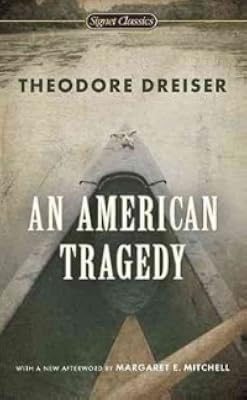
An American Tragedy
by Theodore Dreiser
On This Page
Description
On one level, An American Tragedy is the story of the corruption and destruction of one man, Clyde Griffiths, who forfeits his life in desperate pursuit of success. On a deeper, more profound level, the novel represents a massive portrayal of the society whose values both shape Clyde's tawdry ambitions and seal his fate.Tags
Recommendations




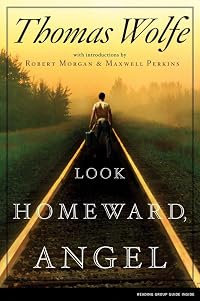
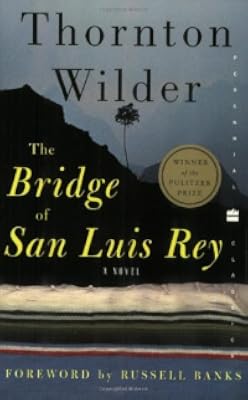

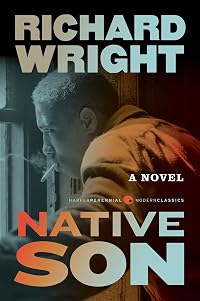
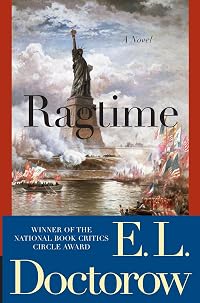
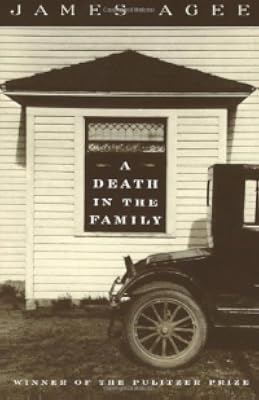
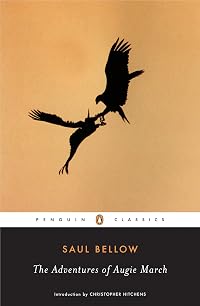

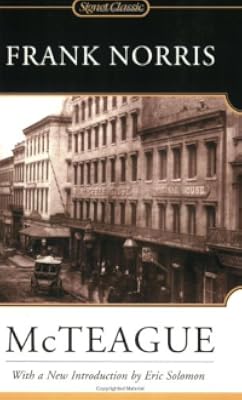
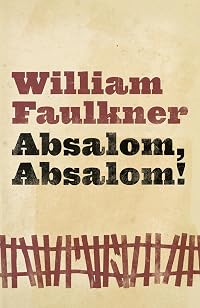
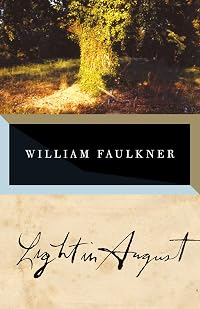

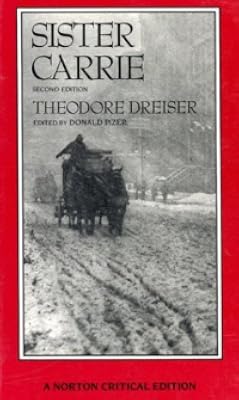
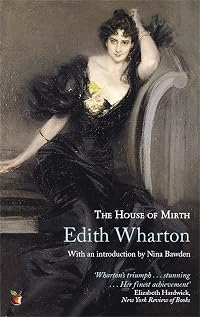
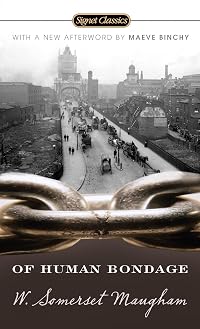


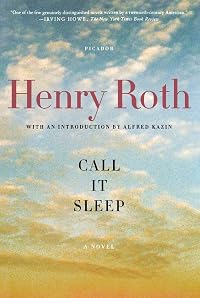
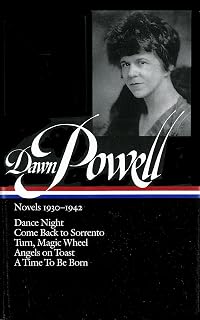

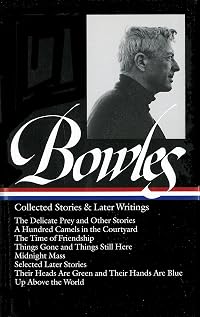
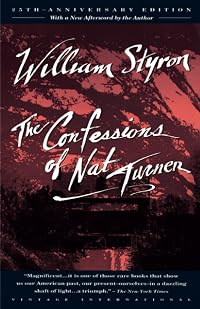



Member Recommendations

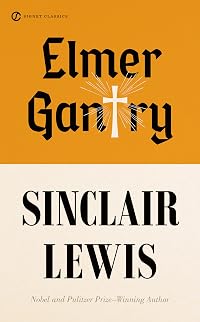
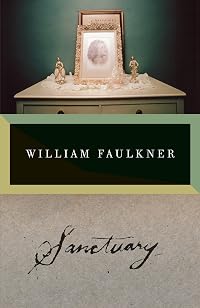
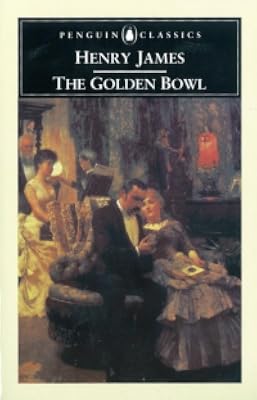
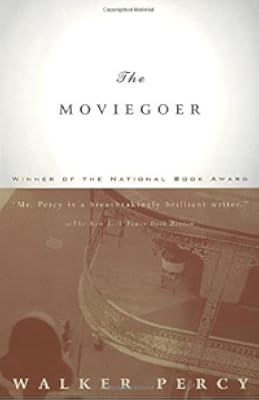
fuzzy_patters Both are books about the follies of chasing the American dream.

TheLittlePhrase film is based on the book

quartzite Similar tale but more concise

Member Reviews
[Note: No, this will not be another of my stage-of-life crisis reviews.]
“An American Tragedy” justly deserves the designation of a classic. Not having read Dreiser previously (and being skeptical of American authors in general) I started the book with some trepidation. However, I was pleasantly surprised.
Dreiser presents an astonishingly detailed account of a young man of ill fortune. We are given so much insight into the main character that one comes to feel that we actually know the person. Despite the character’s very troubling behaviors, the reader comes to understand and yes, reluctantly sympathize with his plight.
“An American Tragedy” lives up to its title in that it is not a cheerful or uplifting read. Many show more characters, both likable and not, are seen as frequently trapped by the circumstances of their lives. Yet, some characters no doubt evidence a form of nobility. These characters do their best to be true to themselves and their values through challenges beyond their control and ability to cope.
The book provided so much detail over an expanded period of time and circumstance that I came to see it almost as a screenplay for an extended media presentation. I do have some doubts about how popular this novel would be to a modern reader. I found it very enjoyable but the book and the story are long. How many readers are willing to invest the patience and persistence required to appreciate this great classic work? However, in my view, it is worth the investment. show less
“An American Tragedy” justly deserves the designation of a classic. Not having read Dreiser previously (and being skeptical of American authors in general) I started the book with some trepidation. However, I was pleasantly surprised.
Dreiser presents an astonishingly detailed account of a young man of ill fortune. We are given so much insight into the main character that one comes to feel that we actually know the person. Despite the character’s very troubling behaviors, the reader comes to understand and yes, reluctantly sympathize with his plight.
“An American Tragedy” lives up to its title in that it is not a cheerful or uplifting read. Many show more characters, both likable and not, are seen as frequently trapped by the circumstances of their lives. Yet, some characters no doubt evidence a form of nobility. These characters do their best to be true to themselves and their values through challenges beyond their control and ability to cope.
The book provided so much detail over an expanded period of time and circumstance that I came to see it almost as a screenplay for an extended media presentation. I do have some doubts about how popular this novel would be to a modern reader. I found it very enjoyable but the book and the story are long. How many readers are willing to invest the patience and persistence required to appreciate this great classic work? However, in my view, it is worth the investment. show less
Reading this book is like eating pre-chewed food. Every part -- every scene, character, motivation, action, expectation, or thought -- has been pre-masticated for your pleasure. Don't worry about analyzing the book, because Theodore Dreiser has already explained all the ramifications for you!
The plot follows Clyde Griffiths, a poor young man with lofty aspirations, as he tries to achieve success in the grinding capitalist machine of the United States prior to the Great Depression. When a rich girl falls in love with him, he thinks he finally has a chance -- if only he didn't have an inconveniently pregnant factory-girl insisting on immediate marriage. Unable to return to a life of futile deprivation, Clyde drowns his pregnant millstone. show more Unfortunately, he's an inept murderer, and it's not long before the police come knocking...
With that as the basic plot, it would be easy to construct a suspenseful, interesting story. Apparently, Dreiser thought differently. Or maybe he just thought, "Suspense? Tension? Dramatic escalation? Pah! I'm a social naturalist! I spit on your petty narrative tricks! I'm going to tell this story in the most boring way possible." show less
The plot follows Clyde Griffiths, a poor young man with lofty aspirations, as he tries to achieve success in the grinding capitalist machine of the United States prior to the Great Depression. When a rich girl falls in love with him, he thinks he finally has a chance -- if only he didn't have an inconveniently pregnant factory-girl insisting on immediate marriage. Unable to return to a life of futile deprivation, Clyde drowns his pregnant millstone. show more Unfortunately, he's an inept murderer, and it's not long before the police come knocking...
With that as the basic plot, it would be easy to construct a suspenseful, interesting story. Apparently, Dreiser thought differently. Or maybe he just thought, "Suspense? Tension? Dramatic escalation? Pah! I'm a social naturalist! I spit on your petty narrative tricks! I'm going to tell this story in the most boring way possible." show less
Dreiser is a turgid prose stylist, certainly, and some of the situations in this book are now dated (the notion of single motherhood being a ruinous disgrace, for example). Nevertheless, Dreiser's portrait of a young man willing to do literally anything that allows him to climb the social ladder hasn't become much less relevant in the almost 100 years since this book was written.
Every hour of it at Golgotha!
The words used to describe what the Eastern Griffiths felt during Clyde's trial and the same words that describe how I felt from the beginning to end of this book.
Theodore Dreiser introduces the character Clyde in a manner that is sympathetic. The first male child of staunch christian missionaries, forced to walk the streets and sing with his family as they preached.
The first two parts of the book are spent fully describing the scenes and state Clyde Griffiths finds himself in, and Mr. Dreiser takes the reader step by excruciating step of all the misteps that Clyde Griffiths takes in his ambitious quest for money, power, beauty and wealthy and the tragic incident that leads to the downfall that was imminent show more from the beginning.
The book is not short of imperfections. For one it is perhaps 400 pages more than it ought to have been. Too repetitive and wordy.
Howeveer, the author manages to toy with the reader's emotions in a way that I love yet hate at the same time. Building up sympathy and love for Clyde who commits a murder, which was plotted and thus arouses disgust yet Mr. Dreiser still builds up sympathy for him in a cruel and conflicting manner as we are taken to "Golgotha" and lashed during Clyde's trial and the book's eventual end. Yet I absolutely loved the hell that Dreiser put me through in a masochistic way, through and through an incredible book and one od the best I have read thus far! show less
The words used to describe what the Eastern Griffiths felt during Clyde's trial and the same words that describe how I felt from the beginning to end of this book.
Theodore Dreiser introduces the character Clyde in a manner that is sympathetic. The first male child of staunch christian missionaries, forced to walk the streets and sing with his family as they preached.
The first two parts of the book are spent fully describing the scenes and state Clyde Griffiths finds himself in, and Mr. Dreiser takes the reader step by excruciating step of all the misteps that Clyde Griffiths takes in his ambitious quest for money, power, beauty and wealthy and the tragic incident that leads to the downfall that was imminent show more from the beginning.
The book is not short of imperfections. For one it is perhaps 400 pages more than it ought to have been. Too repetitive and wordy.
Howeveer, the author manages to toy with the reader's emotions in a way that I love yet hate at the same time. Building up sympathy and love for Clyde who commits a murder, which was plotted and thus arouses disgust yet Mr. Dreiser still builds up sympathy for him in a cruel and conflicting manner as we are taken to "Golgotha" and lashed during Clyde's trial and the book's eventual end. Yet I absolutely loved the hell that Dreiser put me through in a masochistic way, through and through an incredible book and one od the best I have read thus far! show less
7.0/10
UNCLE!
While I am claiming a DNF on this round, I am still claiming my gold stars rating because I have already read it once. (As if once wasn't enough, she sighed.)
This book was really swell, boys and girls. Really it was. I mean, it was swingin'. It had all the home-grown-gee-whiz about it that everyone wants from the great american novel. Lots of dancin' and jivin' and rootin-toot-toot-tin' fun. Man, you really get to know your onions 'bout life in the bowery, guys and gals.
Well, that's my limit of 1920s slang. I mean, I could go on -- and on -- much as Dreiser does, but I ain't in the mood, ya know. And besides, I still want to have friends when I finally leave this behind.
I realized half way through this rich plum pudding of show more Americana, dense as it is, and dripping with Dreiser's peculiar brand of rum sauce, that Dreiser had a perfect (contemporaneous) counterpart in Cecil B. DeMille. In fact, I'd go out on a limb, dancin' and jivin' all the way, to say he was the literary DeMille. There is that same obsessive quality to overperform and overcomplicate; to over-describe and over-compensate. Dreiser doesn't see a room but he has to describe all the furniture in it, right down to the dust motes in the flea's eye.
Like DeMille, he has great stories to tell and is an absolute genius for detail, which is what make the stories rich and memorable. But where DeMille had a grand canvas and knew just when to pull back the camera, Dreiser continues drilling into the center of the mote.
He is able to capture the pathos of an entire generation with a simple, throw-away action like eyelashes fluttering for the wrong boy, at the wrong time; for within that innocuous flutter shared between the "wrong people" an entire life can come to ruin. He is a genius at depicting the unravelling, between the flutter and the fall -- and one would be hard pressed to find anyone who could do it better for it would be difficult indeed to find someone with such an exacting mind and formidable imagination.
He is unflagging in his pursuit for truth at all costs -- for he has moved, in this novel, far beyond the yawning gape holes of Sister Carrie -- and into a world where truth is the prime, and only, mover. Despite all costs, despite all pending tragedy, each character moves in a trajectory as if on a conveyor belt to ultimate damnation.
The true cost here, however, is wielded with a double-edged sword because while Dreiser sticks to the truth of a story, a character, he realizes there are as many truths as there are situations in a person's life; and the ultimate complication is that he tries to address each truth from different points of view. It -- truly -- redefines the meaning of omniscient narrator.
If only Dreiser had learned to pull back the camera a bit, like deMille, for the sake of the story, the tale would hang so much better. I can forgive Dreiser much, including his abominable style, his exhaustive descriptions, his tortured prose, but the final hiccup comes when I am bidden to understand everything for everyone without being given sufficient reason.
Still, I am very glad I read this -- at least once; and made a valiant attempt the second time 'round.
When one wades through the prose style of possibly the worst writer in history, there is much to like, and ponder, and empathize with what happens between the flutter and the fall. show less
UNCLE!
While I am claiming a DNF on this round, I am still claiming my gold stars rating because I have already read it once. (As if once wasn't enough, she sighed.)
This book was really swell, boys and girls. Really it was. I mean, it was swingin'. It had all the home-grown-gee-whiz about it that everyone wants from the great american novel. Lots of dancin' and jivin' and rootin-toot-toot-tin' fun. Man, you really get to know your onions 'bout life in the bowery, guys and gals.
Well, that's my limit of 1920s slang. I mean, I could go on -- and on -- much as Dreiser does, but I ain't in the mood, ya know. And besides, I still want to have friends when I finally leave this behind.
I realized half way through this rich plum pudding of show more Americana, dense as it is, and dripping with Dreiser's peculiar brand of rum sauce, that Dreiser had a perfect (contemporaneous) counterpart in Cecil B. DeMille. In fact, I'd go out on a limb, dancin' and jivin' all the way, to say he was the literary DeMille. There is that same obsessive quality to overperform and overcomplicate; to over-describe and over-compensate. Dreiser doesn't see a room but he has to describe all the furniture in it, right down to the dust motes in the flea's eye.
Like DeMille, he has great stories to tell and is an absolute genius for detail, which is what make the stories rich and memorable. But where DeMille had a grand canvas and knew just when to pull back the camera, Dreiser continues drilling into the center of the mote.
He is able to capture the pathos of an entire generation with a simple, throw-away action like eyelashes fluttering for the wrong boy, at the wrong time; for within that innocuous flutter shared between the "wrong people" an entire life can come to ruin. He is a genius at depicting the unravelling, between the flutter and the fall -- and one would be hard pressed to find anyone who could do it better for it would be difficult indeed to find someone with such an exacting mind and formidable imagination.
He is unflagging in his pursuit for truth at all costs -- for he has moved, in this novel, far beyond the yawning gape holes of Sister Carrie -- and into a world where truth is the prime, and only, mover. Despite all costs, despite all pending tragedy, each character moves in a trajectory as if on a conveyor belt to ultimate damnation.
The true cost here, however, is wielded with a double-edged sword because while Dreiser sticks to the truth of a story, a character, he realizes there are as many truths as there are situations in a person's life; and the ultimate complication is that he tries to address each truth from different points of view. It -- truly -- redefines the meaning of omniscient narrator.
If only Dreiser had learned to pull back the camera a bit, like deMille, for the sake of the story, the tale would hang so much better. I can forgive Dreiser much, including his abominable style, his exhaustive descriptions, his tortured prose, but the final hiccup comes when I am bidden to understand everything for everyone without being given sufficient reason.
Still, I am very glad I read this -- at least once; and made a valiant attempt the second time 'round.
When one wades through the prose style of possibly the worst writer in history, there is much to like, and ponder, and empathize with what happens between the flutter and the fall. show less
Based on the real life criminal Chester Gillette, who was convicted of murdering Grace Brown in 1906, Dreiser’s Clyde Griffiths is a complex picture of the American dream gone wrong. There is perhaps no greater American novel that paints the portrait of one young man striving towards the wealth and glamour of the social class above him except The Great Gatsby.
Published in the 1920s, the main character Clyde did remind me a bit of Nick Caraway from The Great Gatsby. He's a complete outsider to the world of wealth, but unlike Nick he's completely enrapture by the opulence. He was raised by mild-mannered religious parents who eschewed any sort of fancy clothes or drinking. He is quickly seduced by a life of partying when he begins show more working as a bellhop in Kansas City.
Things spiral out of control for Clyde as he starts to value the high society life of his cousin above all else. He realizes that he'll do anything to get what they have no matter what the consequences are. That’s a gross simplification of a novel that is almost 1,000 pages long, but there’s so much more to the plot.
“The beauty of that world in which they moved. The luxury and charm as opposed to this of which he was a part. Dillard! Rita! Tush! They were really dead to him. He aspired to this other or nothing.”
SPOILERS
The book is split into three almost equal parts. The first introduces Clyde to the world of luxury and excess and all of its temptations. The second involves his rise in the social world and his relationship with both Roberta and Sondra. The third deals with the murder trial and his conviction. For a short time I thought maybe the first section wasn’t necessary, but it sets the stage for the rest of his life. It shows us why he values money and status. It builds a foundation for doing wrong and believing you can get away with it.
The way he sees women is shaped by his trip to the brothel and by his sister’s experience with becoming pregnant and being jilted. The car accident that ends in a little girl’s death teaches him that man slaughter might be ok as long as you can escape without consequences. The section with Roberta is where much of this unfolds, but the seeds were planted in the first section. As it unfolds you value the structure of the novel more and more.
As Clyde progresses down that path of selfishness it becomes harder and harder to sympathize with him. He takes no responsibility for his actions and seems completely surprised when he finds himself in one difficult situation after another. He never acknowledges the fact that his own actions and decisions lead to the situations. He falls in love with someone, seduces her, gets her pregnant and he then thinks that the universe trying to keep him from achieving greatness. He was strangely delusional at times and had an overwhelming sense of entitlement.
“For to say the truth, Clyde had a soul that was not destined to grow up. He lacked decidedly that mental clarity and inner directing application that in so many permits them to sort out from the facts and avenues of life the particular thing or things that make for their direct advancement.”
Honestly I wasn't sure that he ever loved Sondra. I think he loved what Sondra embodied; the lifestyle and wealth, but he never loved her. Instead of dealing with the situations he creates, all he wanted to do was escape. He wanted a perfect life with wealth and power and status, but he didn't want to have to work for any it.
SPOILERS OVER
American Tragedy at its core is the story of the dangers of pursuing the American dream with no moral code. We put such an emphasis on success and wealth in our country, that the “ends justify the means” mentality is so prevalent. But is it really worth it if you lose your soul in the process?
This story seems to be a common one in American literature. I couldn’t help but be reminded of Gatsby’s ambition, the awful outcome in “A Lesson Before Dying,” and of Richard Wright’s “Native Son” and his disastrous end. We seem to repeat this pattern of longing for something else and making horrible decisions attempting to reach our goal.
BOTTOM LINE: Although the moral message can be a bit heavy handed at times, this epic novel was unforgettable. The attention to detail, the large scope, the rise and fall of Clyde’s social standing, all of these elements meddled together to create a tragic picture of ambition and selfishness.
“There are moments when in connection with the sensitively imaginative or morbidly anachronistic . . . the mind [is] befuddled to the extent that for the time being, at least, unreason or disorder and mistaken or erroneous counsel would appear to hold against all else. In such instances the will and the courage confronted by some great difficulty which it can neither master nor endure, appears in some to recede in precipitate flight, leaving only panic and temporary unreason in its wake.”
“Titus Alden was one of that vast company of individuals who are born, pass through and die out of the world without ever quite getting any one thing straight. They appear, blunder, and end in a fog.” show less
Published in the 1920s, the main character Clyde did remind me a bit of Nick Caraway from The Great Gatsby. He's a complete outsider to the world of wealth, but unlike Nick he's completely enrapture by the opulence. He was raised by mild-mannered religious parents who eschewed any sort of fancy clothes or drinking. He is quickly seduced by a life of partying when he begins show more working as a bellhop in Kansas City.
Things spiral out of control for Clyde as he starts to value the high society life of his cousin above all else. He realizes that he'll do anything to get what they have no matter what the consequences are. That’s a gross simplification of a novel that is almost 1,000 pages long, but there’s so much more to the plot.
“The beauty of that world in which they moved. The luxury and charm as opposed to this of which he was a part. Dillard! Rita! Tush! They were really dead to him. He aspired to this other or nothing.”
SPOILERS
The book is split into three almost equal parts. The first introduces Clyde to the world of luxury and excess and all of its temptations. The second involves his rise in the social world and his relationship with both Roberta and Sondra. The third deals with the murder trial and his conviction. For a short time I thought maybe the first section wasn’t necessary, but it sets the stage for the rest of his life. It shows us why he values money and status. It builds a foundation for doing wrong and believing you can get away with it.
The way he sees women is shaped by his trip to the brothel and by his sister’s experience with becoming pregnant and being jilted. The car accident that ends in a little girl’s death teaches him that man slaughter might be ok as long as you can escape without consequences. The section with Roberta is where much of this unfolds, but the seeds were planted in the first section. As it unfolds you value the structure of the novel more and more.
As Clyde progresses down that path of selfishness it becomes harder and harder to sympathize with him. He takes no responsibility for his actions and seems completely surprised when he finds himself in one difficult situation after another. He never acknowledges the fact that his own actions and decisions lead to the situations. He falls in love with someone, seduces her, gets her pregnant and he then thinks that the universe trying to keep him from achieving greatness. He was strangely delusional at times and had an overwhelming sense of entitlement.
“For to say the truth, Clyde had a soul that was not destined to grow up. He lacked decidedly that mental clarity and inner directing application that in so many permits them to sort out from the facts and avenues of life the particular thing or things that make for their direct advancement.”
Honestly I wasn't sure that he ever loved Sondra. I think he loved what Sondra embodied; the lifestyle and wealth, but he never loved her. Instead of dealing with the situations he creates, all he wanted to do was escape. He wanted a perfect life with wealth and power and status, but he didn't want to have to work for any it.
SPOILERS OVER
American Tragedy at its core is the story of the dangers of pursuing the American dream with no moral code. We put such an emphasis on success and wealth in our country, that the “ends justify the means” mentality is so prevalent. But is it really worth it if you lose your soul in the process?
This story seems to be a common one in American literature. I couldn’t help but be reminded of Gatsby’s ambition, the awful outcome in “A Lesson Before Dying,” and of Richard Wright’s “Native Son” and his disastrous end. We seem to repeat this pattern of longing for something else and making horrible decisions attempting to reach our goal.
BOTTOM LINE: Although the moral message can be a bit heavy handed at times, this epic novel was unforgettable. The attention to detail, the large scope, the rise and fall of Clyde’s social standing, all of these elements meddled together to create a tragic picture of ambition and selfishness.
“There are moments when in connection with the sensitively imaginative or morbidly anachronistic . . . the mind [is] befuddled to the extent that for the time being, at least, unreason or disorder and mistaken or erroneous counsel would appear to hold against all else. In such instances the will and the courage confronted by some great difficulty which it can neither master nor endure, appears in some to recede in precipitate flight, leaving only panic and temporary unreason in its wake.”
“Titus Alden was one of that vast company of individuals who are born, pass through and die out of the world without ever quite getting any one thing straight. They appear, blunder, and end in a fog.” show less
Clyde Griffiths - trapped between worlds. Though flush with raw ability, his ambition is much greater than the station in life to which he was born. Clyde's sad life begins on the streets, helping his fundamentalist family attmept to spread their version of the gospel, busking hymns and homilies. He grows to hate what his family stands for as he watches the wealthy and the succesful walk by, condescending and aloof. Clyde, able to suppress his deisre for a life of money and fame and fortune no more, abandons his family and takes a job as a bellhop at a hotel that caters to the rich. His outside-in view of the upper class only reinforces his belief that, if he could match his talents to a class standing equal to his dreams, he would show more staisfy his every desire. Running with the fast crowd, exposing himself to every pleasure and vice, Clyde is eventually caught up in a terrible accident and, rather than face the consequences, he runs, exhibiting a weakness of will and moral fiber that will define the rest of his tragic life.
After a short exile into workaday life, Clyde lands on his feet again, connecting with an estranged uncle who is part of the social strata that he has always dreamed of accessing. Samuel Griffiths, the owner of a large shirt collar manufaturing plant, takes pity on Clyde and offers to give him a chance to work his way up in the company. Uncle Griffiths, though, is loathe to simply give Clyde the keys to the kingdom, worried that the boy's lack of education and meek social standing will reflect badly on his own family. So, Clyde is put to work in the company, his name offering him a taste of the treatment those born to wealth enjoy but he is never truly accepted by his uncle into the social class that matches their shared name. Clyde is again only able to view the world of money, favor, and ease from afar, invited to participate only as an amusement to some of the other young, rich family heirs.
Lonely and frustrated, Clyde turns to one of the pretty, female plant workers, Roberta Alden, for comfort and companionship. Trapped between the world he feels his name should place him in and the world his birth ties him to, Clyde refuses to engage in a normal and open relationship with Roberta, courting her in secret and eventually seducing her. When Roberta announces to him that she is pregnant and expects Clyde to marry her, he is faced with losing his tenuous foothold in the world of his family name. Clyde, frightened and desperate, kills Roberta, hoping to unbind himself from the shame and humiliation his connection to Roberta is sure to bring if exposed. Even in murder, though, Clyde is weak and unfocused, leaving a trail of evidence that easily identifies him as the killer.
Clyde is tried and convicted of the murder, judged by a group of simple, workaday people, primarily of the same social strata from which he so desperately tried to escape. His trial is a hearing not only on the crime but also on Clyde's empty ambition to achieve money and success and pleasure at any cost. His conviction is a comment on the unmoored desires of a society, eager for the life of entitlement without responsibility.
Dreiser's narrative is slow, detailed, and methodical. Though, every time the reader begins to grow impatient with the pastoral pace, Dreiser throws Clyde's life into chaos. Dreiser's plodding voice allows him to provide a complete and thorough review of Clyde's background and thought process in a way that is not typical of novels. By the time Clyde finally kills Roberta, his meandering thoughts and feelings have been examined to the point that the reader is almost as confused as Clyde himself about his murderous act. In the end, Dreiser's tempo and completeness are a positive, though they make the novel a bit long and difficult.
Another positive for Dreiser is his attention to detail and his ultra -realistic portrayal of both Clyde's crime and the investigation and prosecution that follows. Dreiser maintains an uncharacteristically good eye for the minutiae and subtlety of the crime investigation, interrogation, and the presentation of a case to a jury. Written in 1925, Dreiser's novel, though not your typical crime novel, is far ahead of its time. Modern crime writters would do well to read the last section of Dreiser's novel before they put pen to paper.
Some critics have claimed that Dreiser's novel was an attempt to convict the growing American consumer values and pleasure seeking without substance, focusing on Clyde's obssessive desires which are ultimately his undoing. While this explanation fits the novel, an alternate explanation is to see Clyde, his weak will and bankrupt moral sense, as the focus of Dreiser's disdain. The only difference in these explanations is who bears the ultimate responsibility for Clyde's make-up, society as whole or Clyde and his parents. I tend towards the later in viewing the book because it opens and closes with a scene describing Clyde's family in the midst of their religious mission. As you read about Clyde's parents and their Pharisaic piety, it seems equally empty as compared to the upper crust society toward which Clyde gravitates. Neither life or social strata ultimately has any value for Clyde and both contribute to his destruction.
Highly recommended!!!!
Four bones!!!! show less
After a short exile into workaday life, Clyde lands on his feet again, connecting with an estranged uncle who is part of the social strata that he has always dreamed of accessing. Samuel Griffiths, the owner of a large shirt collar manufaturing plant, takes pity on Clyde and offers to give him a chance to work his way up in the company. Uncle Griffiths, though, is loathe to simply give Clyde the keys to the kingdom, worried that the boy's lack of education and meek social standing will reflect badly on his own family. So, Clyde is put to work in the company, his name offering him a taste of the treatment those born to wealth enjoy but he is never truly accepted by his uncle into the social class that matches their shared name. Clyde is again only able to view the world of money, favor, and ease from afar, invited to participate only as an amusement to some of the other young, rich family heirs.
Lonely and frustrated, Clyde turns to one of the pretty, female plant workers, Roberta Alden, for comfort and companionship. Trapped between the world he feels his name should place him in and the world his birth ties him to, Clyde refuses to engage in a normal and open relationship with Roberta, courting her in secret and eventually seducing her. When Roberta announces to him that she is pregnant and expects Clyde to marry her, he is faced with losing his tenuous foothold in the world of his family name. Clyde, frightened and desperate, kills Roberta, hoping to unbind himself from the shame and humiliation his connection to Roberta is sure to bring if exposed. Even in murder, though, Clyde is weak and unfocused, leaving a trail of evidence that easily identifies him as the killer.
Clyde is tried and convicted of the murder, judged by a group of simple, workaday people, primarily of the same social strata from which he so desperately tried to escape. His trial is a hearing not only on the crime but also on Clyde's empty ambition to achieve money and success and pleasure at any cost. His conviction is a comment on the unmoored desires of a society, eager for the life of entitlement without responsibility.
Dreiser's narrative is slow, detailed, and methodical. Though, every time the reader begins to grow impatient with the pastoral pace, Dreiser throws Clyde's life into chaos. Dreiser's plodding voice allows him to provide a complete and thorough review of Clyde's background and thought process in a way that is not typical of novels. By the time Clyde finally kills Roberta, his meandering thoughts and feelings have been examined to the point that the reader is almost as confused as Clyde himself about his murderous act. In the end, Dreiser's tempo and completeness are a positive, though they make the novel a bit long and difficult.
Another positive for Dreiser is his attention to detail and his ultra -realistic portrayal of both Clyde's crime and the investigation and prosecution that follows. Dreiser maintains an uncharacteristically good eye for the minutiae and subtlety of the crime investigation, interrogation, and the presentation of a case to a jury. Written in 1925, Dreiser's novel, though not your typical crime novel, is far ahead of its time. Modern crime writters would do well to read the last section of Dreiser's novel before they put pen to paper.
Some critics have claimed that Dreiser's novel was an attempt to convict the growing American consumer values and pleasure seeking without substance, focusing on Clyde's obssessive desires which are ultimately his undoing. While this explanation fits the novel, an alternate explanation is to see Clyde, his weak will and bankrupt moral sense, as the focus of Dreiser's disdain. The only difference in these explanations is who bears the ultimate responsibility for Clyde's make-up, society as whole or Clyde and his parents. I tend towards the later in viewing the book because it opens and closes with a scene describing Clyde's family in the midst of their religious mission. As you read about Clyde's parents and their Pharisaic piety, it seems equally empty as compared to the upper crust society toward which Clyde gravitates. Neither life or social strata ultimately has any value for Clyde and both contribute to his destruction.
Highly recommended!!!!
Four bones!!!! show less
Members
- Recently Added By
Published Reviews
...a thrillingly detailed social panorama onto which a vivid, sobering tale of ambition and murder and their consequences is painstakingly grafted. The tragedy is an “American” one because of its central action: the drowning of pregnant Roberta Alden by her lover Clyde Griffiths (based on a real 1905 murder case), ensuing from the latter’s seduction by “the American dream” of rising show more from humble origins to wealth and social success. show less
added by Lemeritus
My suspicion is that Dreiser’s books (with the exception of “Sister Carrie”) are now considered too long for high-school students, too earnest for college literature classes, and too odd for many common readers. Dreiser’s reputation has always been vexed, and the long debate over his stature has been accompanied by a secondary debate—a malignant shadow of the first—devoted to the show more question of whether he could write at all.... The greatness of “An American Tragedy” is that Dreiser took this crime sensation and dissolved the violent but meaningless frame of the story into its innumerable constituent episodes: the social condition of murderer and victim and friends; the moments of obsession, doubt, and rage; the slowly forming moral hardness; the evasions, the hundred hesitations and velleities; the acts rejected as well as those committed. No such story is truly banal, Dreiser seems to be saying; there is only inadequate representation of what happened....“An American Tragedy” is clumsy and heavy-spirited, and dated in its sexual arrangements, yet it has an extraordinary dignity and power that carry one through the taffied, redundant sentences. A Samson who cut off his own hair, Dreiser struggled mightily with language without enjoying the resources of language. But he was a hero nonetheless. show less
added by Lemeritus
Lists

The Guardian's 1000 Novels Everyone Must Read
1,005 works; 551 members

Radcliffe's 100 Best Novel of the 20th Century
100 works; 32 members

Newsweek's Top 100 Books: The Meta-List
100 works; 18 members
Literature About Social Class
134 works; 19 members
20th Century Literature
1,161 works; 55 members

Recommend the 20 best books you've read in the last five years
2,168 works; 603 members

Read the book and saw the movie
1,170 works; 195 members
Larry McCaffery's 20th Century Greatest Hits: 100 English-Language Books
103 works; 12 members

Favorite Long Books
330 works; 41 members

Canon de la narrativa universal del siglo XX
254 works; 6 members
Legal Stories
84 works; 12 members

Unread books
1,063 works; 87 members
Time Magazine's "All-Time 100"
113 works; 15 members
Banned Books Week 2014
268 works; 63 members
The American Experience
173 works; 18 members

Books Featured on Gilmore Girls
307 works; 21 members

Pleasant Surprises: Books That Exceeded Our Expectations
418 works; 143 members

Western World's Greatest Books - Project Gutenberg
295 works; 15 members

Banned or Challenged Books
402 works; 43 members
Harold Bloom - The Western Canon: D. The Chaotic Age
833 works; 24 members
Time's All-Time 100 Novels
100 works; 27 members

40 Books to Read Before You’re 40
40 works; 4 members

1964 College Preparatory Reading List
202 works; 8 members

Best Antiheroes and Antiheroines
119 works; 7 members

The Greatest Books
99 works; 5 members
The College Board: 101 Great Books Recommended for College-Bound Readers
111 works; 7 members
Mensa for Kids Excellence in Reading Award Program (Grades 9-12)
116 works; 5 members

Top 100 to Read before you Die
109 works; 7 members
Best of American Literature
146 works; 9 members
1920s
141 works; 6 members

Books mentioned in The Diary of a Provincial Lady
59 works; 4 members

A's favorite novels
100 works; 3 members

SHOULD Read Books!
354 works; 9 members

Books Read in 2022
5,226 works; 115 members

Llibres que he llegit el 2013
47 works; 1 member
American Lit for Eng 11 Research Project
368 works; 6 members

For Further Reading: A List of 160 Novels from 15 Literatures
160 works; 4 members

Recommended Reading : 600 Classics Reviewed, Editors of Salem Press, 2015
634 works; 6 members
.
396 works; 1 member
The Complete Rory Gilmore Reading List
506 works; 5 members

DigitalDreamDoor top 300
300 works; 4 members

Classics Reading List
16 works; 1 member
Canon de la narrativa universal del s. XX (cicutadry)
499 works; 3 members

The 150 Greatest Novels of All Time
150 works; 6 members
Rory Gilmore Challenge 1-100
27 works; 1 member

Haycraft Queen Cornerstones
181 works; 3 members

The Atlantic's The Great American Novel
136 works; 12 members
Rory Gilmore Reading Challenge
34 works; 2 members

AP Lit
363 works; 6 members

Read
293 works; 4 members

thinking of reading in 2016
99 works; 1 member
Mensa for Kids Excellence in Reading Award Program (Grades 9-12)
116 works; 3 members
Trinity College Booklist (1951): Class Ten, English Literature
358 works; 5 members
Modern Library's 100 Best Novels
100 works; 2 members
Author Information

160+ Works 13,819 Members
Theodore Dreiser was born in Terre Haute, Indiana, the twelfth of 13 children. His childhood was spent in poverty, or near poverty, and his family moved often. In spite of the constant relocations, Dreiser managed to attend school, and, with the financial aid of a sympathetic high school teacher, he was able to attend Indiana University. However, show more the need for income forced him to leave college after one year and take a job as a reporter in Chicago. Over the next 10 years, Dreiser held a variety of newspaper jobs in Pittsburgh, St. Louis, and finally New York. He published his first novel, Sister Carrie in 1900, but because the publisher's wife considered its language and subject matter too "strong", it was barely advertised and went almost unnoticed. Today it is regarded as one of Dreiser's best works. It is the story of Carrie, a young woman from the Midwest, who manages to rise to fame and fortune on the strength of her personality and ambition, through her acting talent, and via her relationships with various men. Much of the book's controversy came from the fact that it portrayed a young woman who engages in sexual relationships without suffering the poverty and social downfall that were supposed to be the "punishment" for such "sin." Dreiser's reputation has increased instrumentally over the years. His best book and first popular success, An American Tragedy (1925), is now considered a major American novel, and his other works are widely taught in college courses. Like Sister Carrie, An American Tragedy also tells the story of an ambitious young person from the Midwest. In this case, however, the novel's hero is a man who is brought to ruin because of a horrible action he commits - he murders a poor young woman whom he has gotten pregnant, but whom he wants to discard in favor of a wealthy young woman who represents luxury and social advancement. As Dreiser portrays him, the young man is a victim of an economic system that torments so many with their lack of privilege and power and temps them to unspeakable acts. Dreiser is also known for the Coperwood Trilogy - The Financier (1912), The Titan (1914), and the posthumously published The Store (1947). Collectively the three books paint the portrait of a brilliant and ruthless "financial buccaneer." Dreiser is associated with Naturalism, a writing style that also includes French novelist Emile Zola. Naturalism seeks to portray all the social forces that shape the lives of the characters, usually conveying a sense of the inevitable doom that these forces must eventually bring about. Despite this apparent pessimism, Dreiser had faith in socialism as a solution to what he saw as the economic injustices of American capitalism. His socialist views were reinforced by a trip to the newly socialist Soviet Union, and in fact, Dreiser is still widely read in that country. There, as here, he is seen as a powerful chronicler of the injustices and ambitions of his time. Dreiser officially joined the Communist Party shortly before his death in 1945. (Bowker Author Biography) show less
Some Editions
Awards and Honors
Distinctions
Notable Lists
Series
Belongs to Publisher Series
Work Relationships
Is contained in
Contains
Has the adaptation
Has as a commentary on the text
Has as a student's study guide
Common Knowledge
- Canonical title
- An American Tragedy
- Original title
- An American tragedy
- Original publication date
- 1925
- People/Characters
- Clyde Griffiths; Roberta Alden; Hortense Briggs; Sondra Finchley; Samuel Griffiths; Asa Griffiths (show all 8); Elvira Griffiths; Gilbert Griffiths
- Important places
- Kansas City, Missouri, USA; Excelsior Springs, Missouri, USA; Chicago, Illinois, USA; Lycurgus, New York, USA; San Francisco, California, USA
- Related movies
- An American Tragedy (1931 | IMDb); A Place in the Sun (1951 | IMDb); Um Lugar ao Sol (1959 | IMDb); Americká; tragédia (1976 | IMDb); Nakaw na pag-ibig (1980 | IMDb); Hi no ataru basho (1982 | IMDb)
- First words
- Dusk – of a summer night.
- Last words
- (Click to show. Warning: May contain spoilers.)The small company, minus Russell, entered the yellow, unprepossessing door and disappeared.
- Original language
- English
- Canonical DDC/MDS
- 813.52
- Canonical LCC
- PS3507.R55
- Disambiguation notice
- "Tragic America" and "An American Tragedy" are not the same book. Do not combine them.
Please do not list this book as part of a series. The LT instructions state: Also avoid publisher series, unless the publisher h... (show all)as a true monopoly over the "works" in question. So, the Dummies guides are a series of works. But the Loeb Classical Library is a series of editions, not of works. This also applies to Library of America, Harvard Classics, etc. etc.
Classifications
Statistics
- Members
- 4,384
- Popularity
- 3,422
- Reviews
- 53
- Rating
- (3.92)
- Languages
- 15 — Czech, Dutch, English, Finnish, French, German, Hungarian, Italian, Norwegian (Bokmål), Norwegian, Portuguese, Russian, Slovak, Spanish, Swedish
- Media
- Paper, Audiobook, Ebook
- ISBNs
- 97
- UPCs
- 4
- ASINs
- 104