
The Red and the Black
by Stendhal
On This Page
Description
The nineteenth century was a time of turmoil and social change, during which the immutable caste system that had defined European society for thousands of years finally began to shift. This transitional period is brought to life in the exhilaratingly ambitious historical novel, The Red and the Black, which follows the life of Julien Sorel, born of a working-class family, who attempts to improve his station in life. Can Sorel overcome the influence of the powers that be through his sheer show more force of will?. show less
Tags
Recommendations




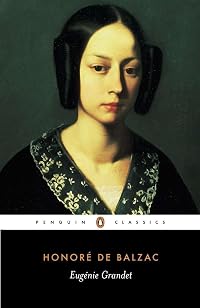
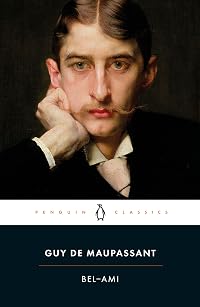



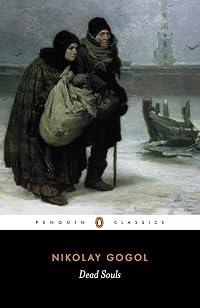

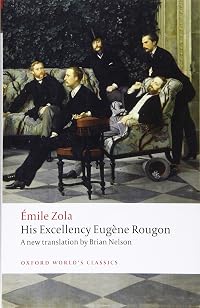





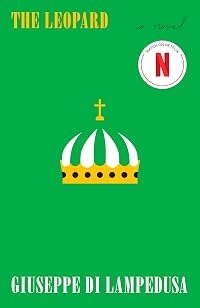


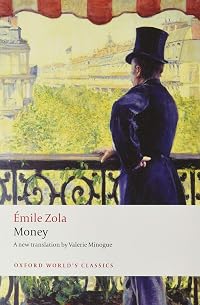
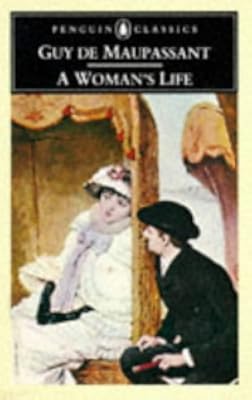
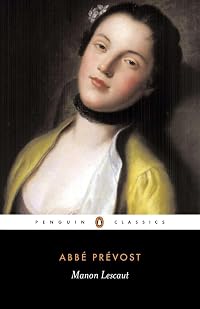









Member Recommendations





CGlanovsky Shady social upstarts rising to prominence in societies dealing with fundamental class upheaval and entertaining romantic aspirations outside their traditional spheres.
11
Jozefus De boeken zijn qua sfeer en thematiek vergelijkbaar. Bovendien verwijst Stendhal rechtstreeks naar Goethe: hoofdstuk I-7 heet "Les Affinités électives" en dat is ook de titel van de Franse vertaling van "Die Wahlverwandtschaften".
11
Member Reviews
I have enjoyed rereading Le Rouge et le Noir (The Red and the Black) by Stendahl. It is a historical psychological novel in two volumes, published in 1830, that chronicles the attempts of a provincial young man to rise socially beyond his lowly upbringing through a combination of intelligence, talent, hard work, deception, and hypocrisy. He ultimately allows his passions to betray him.
While the novel is usually classified as a bildungsroman or novel of education, in entitling it Le Rouge et le Noir: Chronique du XIXe siècle (The Red and the Black: A Chronicle of the 19th Century) Stendhal suggests a two-fold literary purpose as both a psychological portrait of the romantic protagonist, Julien Sorel, and an analytic, sociological show more satire of the French social order under the Bourbon Restoration. The title refers to the tension between the clerical (black) and secular (red) interests of the protagonist, which is a matter of some debate.
The story tells of a young man, Julien Sorel, whose provincial nature is inflamed with the passion of youth, a passion for the ideals of the Napoleonic age, but whose greatest passion is his ambition which, overwhelming any natural pudency, takes him to the heights and sets in motion his tragic fall. His passion is contrasted with his intellect which is strong enough to allow him to escape both his difficult home life and his lowly status. Stendhal is able to present his narrative with unmatched, for his time, psychological depth and realism. The love affairs of Julien and the political intrigues in which he participates are spellbinding for the reader even today. This novel truly presents a "mirror" of reality and provides an engaging challenge for the reader. The story presents a protagonist torn between his passion for the ideal of Napoleon represented by the red of the cavalry dragoons and the black of the bishops of the church. Ultimately he finds hypocrisy on all sides and turns upon one of his loves while rejecting his only true friend.
Stendhal repeatedly questions the possibility, and the desirability, of “sincerity”, because most of the characters, especially Julien Sorel, are acutely aware of having to play a role to gain social approval. In that 19th-century context, the word “hypocrisy” denoted the affectation of high religious sentiment; in The Red and the Black it connotes the contradiction between thinking and feeling. Le Rouge et le Noir is set in the latter years of the Bourbon Restoration (1814–30) and the days of the 1830 July Revolution that established the Kingdom of the French (1830–48). Stendhal was consciously writing a historical novel set in the present. The subtitle, "a chronicle of 1830," made his contemporary readers aware of not only the historical context of the novel but of their own lives as well. Julien's choice between the black of the Church and the red of the army was a decision that many of Stendhal's readers had to make themselves. His worldly ambitions are motivated by the emotional tensions, between his idealistic Republicanism (especially nostalgic allegiance to Napoleon), and the realistic politics of counter-revolutionary conspiracy, by Jesuit-supported legitimists, notably the Marquis de la Mole, whom Julien serves, for personal gain.
Even though Stendhal does not directly refer to the 1830 Revolution, he highlights the political tensions and corruption that had reached a recent boiling point. But this emphasis on history also serves as a warning to readers: Julien's failure to succeed in French society and his betrayal by M. Valenod present a foreboding distrust of the victorious liberal bourgeoisie. Would the death of the aristocracy mark the death of French society? Stendhal's comparison of the gamble of revolution to the red and black of a roulette wheel, presents a harrowing glimpse of the volatility of French politics--a vision that still fascinates readers today.
In his famous book of literary criticism, Deceit, Desire and the Novel, philosopher and critic René Girard identifies in Le Rouge et le Noir the triangular structure he denominates as “mimetic desire”, which reveals how a person’s desire for another is always mediated by a third party, i.e. one desires a person only when he or she is desired by someone else. Girard’s proposition accounts for the perversity of Julien's relationship with Mathilde, the daughter of the Marquis de la Mole. This becomes clear when he begins courting the widow Mme de Fervaques to pique Mathilde’s jealousy, but also for Julien’s fascination with and membership of the high society he simultaneously desires and despises.
To help achieve a literary effect, Stendhal headed each chapter with epigraphs—literary, poetic, historic quotations—that he attributed to others. The first book of the novel is headed with the following epigraph, "Truth, bitter truth." - Danton. This quote, presumably from the works of the famous revolutionary leader who was sent to the guillotine in 1794 by Robespierre is prescient in hindsight as we read of the rise and ultimate fall of young Julien. With its psychological insight, social criticism, and political intrigue this is still an exciting, even exhilarating read and truly a great book for all time. show less
While the novel is usually classified as a bildungsroman or novel of education, in entitling it Le Rouge et le Noir: Chronique du XIXe siècle (The Red and the Black: A Chronicle of the 19th Century) Stendhal suggests a two-fold literary purpose as both a psychological portrait of the romantic protagonist, Julien Sorel, and an analytic, sociological show more satire of the French social order under the Bourbon Restoration. The title refers to the tension between the clerical (black) and secular (red) interests of the protagonist, which is a matter of some debate.
The story tells of a young man, Julien Sorel, whose provincial nature is inflamed with the passion of youth, a passion for the ideals of the Napoleonic age, but whose greatest passion is his ambition which, overwhelming any natural pudency, takes him to the heights and sets in motion his tragic fall. His passion is contrasted with his intellect which is strong enough to allow him to escape both his difficult home life and his lowly status. Stendhal is able to present his narrative with unmatched, for his time, psychological depth and realism. The love affairs of Julien and the political intrigues in which he participates are spellbinding for the reader even today. This novel truly presents a "mirror" of reality and provides an engaging challenge for the reader. The story presents a protagonist torn between his passion for the ideal of Napoleon represented by the red of the cavalry dragoons and the black of the bishops of the church. Ultimately he finds hypocrisy on all sides and turns upon one of his loves while rejecting his only true friend.
Stendhal repeatedly questions the possibility, and the desirability, of “sincerity”, because most of the characters, especially Julien Sorel, are acutely aware of having to play a role to gain social approval. In that 19th-century context, the word “hypocrisy” denoted the affectation of high religious sentiment; in The Red and the Black it connotes the contradiction between thinking and feeling. Le Rouge et le Noir is set in the latter years of the Bourbon Restoration (1814–30) and the days of the 1830 July Revolution that established the Kingdom of the French (1830–48). Stendhal was consciously writing a historical novel set in the present. The subtitle, "a chronicle of 1830," made his contemporary readers aware of not only the historical context of the novel but of their own lives as well. Julien's choice between the black of the Church and the red of the army was a decision that many of Stendhal's readers had to make themselves. His worldly ambitions are motivated by the emotional tensions, between his idealistic Republicanism (especially nostalgic allegiance to Napoleon), and the realistic politics of counter-revolutionary conspiracy, by Jesuit-supported legitimists, notably the Marquis de la Mole, whom Julien serves, for personal gain.
Even though Stendhal does not directly refer to the 1830 Revolution, he highlights the political tensions and corruption that had reached a recent boiling point. But this emphasis on history also serves as a warning to readers: Julien's failure to succeed in French society and his betrayal by M. Valenod present a foreboding distrust of the victorious liberal bourgeoisie. Would the death of the aristocracy mark the death of French society? Stendhal's comparison of the gamble of revolution to the red and black of a roulette wheel, presents a harrowing glimpse of the volatility of French politics--a vision that still fascinates readers today.
In his famous book of literary criticism, Deceit, Desire and the Novel, philosopher and critic René Girard identifies in Le Rouge et le Noir the triangular structure he denominates as “mimetic desire”, which reveals how a person’s desire for another is always mediated by a third party, i.e. one desires a person only when he or she is desired by someone else. Girard’s proposition accounts for the perversity of Julien's relationship with Mathilde, the daughter of the Marquis de la Mole. This becomes clear when he begins courting the widow Mme de Fervaques to pique Mathilde’s jealousy, but also for Julien’s fascination with and membership of the high society he simultaneously desires and despises.
To help achieve a literary effect, Stendhal headed each chapter with epigraphs—literary, poetic, historic quotations—that he attributed to others. The first book of the novel is headed with the following epigraph, "Truth, bitter truth." - Danton. This quote, presumably from the works of the famous revolutionary leader who was sent to the guillotine in 1794 by Robespierre is prescient in hindsight as we read of the rise and ultimate fall of young Julien. With its psychological insight, social criticism, and political intrigue this is still an exciting, even exhilarating read and truly a great book for all time. show less
I really like this Stendhal character. He may have written in the 1800's, but his prose is far easier to grasp and enjoy than other authors of the period. His writing is bold, emotional, and unafraid to speak its mind truthfully on many of the matters society chooses to ignore in order to benefit itself. It reads like an intellectual rant at times, angry and scathing and ultimately delightful in its keen critique of the hypocrisies that riddle the world of the novel. And what better way of exploring these issues than through Julien, a peasant from the province who rose to prominence, capturing not one but two of the most elevated hearts among the nobility. And what contrast between the two women! What is amazing about these love affairs show more is that the actions of the lovers are no less ridiculous than those of many literary romances, but Stendhal explores the reasoning behind them so thoroughly that it reads not like silly interactions, but like logical results of the characters' upbringings and educational experiences. It makes the ultimate conclusion that much more sorrowful, to know the characters were well and fully trapped in their reasoning taken mostly from books of historical prowess as well as philosophical teachings. They never had the real world experience to know that what works in writing rarely works in practice, and it takes an unfortunate end to teach them this. Plot points aside, I thoroughly enjoyed this social critique, one that didn't bother to fully hide behind its story, but thrust out its opinions in a manner that would stir the heart of any reader. show less
What recourse for the rural, ambitious and abused son of a French sawyer who wants to rise above his station but to join the army? Except that France is embroiled in a time of peace in the 1820s, so he turns instead to the church though Napoleon is his hero. He will be a man of peace, though he doesn't believe a single word of liturgy or of the Latin Bible he's memorized word and verse. Soon after he is entering Parisian society in the company of the nobility, where his own brand of innate pride suits the company. His own pride is more genuine, being based neither on birth nor wealth. It is both a flaw in his character and a strength as well. His lack of self-doubt - or self-awareness - gives him an edge in his ambitions. In fact it is show more probably their entire impetus, driving everything he does. He does experience real love, but only after his pride leads him into it; never does it come first.
Stendhal's failing is his pacing, especially in the early chapters. He breezes over incidents that could have yielded an abundance of drama, and dwells for pages mining it from scenes that have little to offer. Consequently I'd find myself struggling through it one day, then more deeply absorbed the next. For a man so driven by his ambition, it's curious to observe how little of Julien's story is actually driven by himself. Nearly every step forward is achieved either through chance or by the good will of a mentor. His prodigious memory and a strong work ethic win him recognition, but Julian has no plan. When he does indulge a willful passion, it is only one liable to place all of his gains at risk. These insights are beyond his means to apprehend, given his lack of self-reflection. As things turn out, it's a mercy the illusion holds. show less
Stendhal's failing is his pacing, especially in the early chapters. He breezes over incidents that could have yielded an abundance of drama, and dwells for pages mining it from scenes that have little to offer. Consequently I'd find myself struggling through it one day, then more deeply absorbed the next. For a man so driven by his ambition, it's curious to observe how little of Julien's story is actually driven by himself. Nearly every step forward is achieved either through chance or by the good will of a mentor. His prodigious memory and a strong work ethic win him recognition, but Julian has no plan. When he does indulge a willful passion, it is only one liable to place all of his gains at risk. These insights are beyond his means to apprehend, given his lack of self-reflection. As things turn out, it's a mercy the illusion holds. show less
When I visited Venice in 2024, I was struck by the dull hues of the paintings in the Doge’s Palace. Unwittingly outing myself as an art naïf, I asked our tour guide if this was a mark of Venetian culture, only to learn that the original paintings had been bright and vivid. Time’s hand, not the artist’s, was responsible for a majestic flatness shared by The Most Serene Republic itself, once master of Mediterranean waves and now a tourist trap for gawking Americans.
Napoleon Bonaparte was equally responsible for the humiliation of Venice and the ennui of France in Stendahl’s novel “The Red and the Black,” set in the author’s present day of 1830. Like the Doge’s paintings, the France trudging through its post-Napoleonic show more hangover is a drab shell. For Julien Sorel, son of a provincial carpenter and closet worshiper of the late master of Europe, the restoration of the Bourbon monarchy is a roadblock to ambition. The day of the common man rising on the strength of his own courage has passed, so the only way to rise now is to play the aristocrats' game better than they do.
As a protagonist, Julien is complicated in ways that are unsettling in these latter days of #MeToo. Julien is blessed with three assets only: an eidetic memory, intense masculine energy, and insatiable ambition. The first opens the circles of great men, the second opens the legs of their ladies, and both support the ravenous hunger of the third. Julien is a climber with a hatred of his social betters fueled by his own insecurities; and one who believes that when the lords of France have lost all heart, only a fool would sacrifice his power to their impotence. But because Julien is a man of feeling, he has a habit of falling in love with his female conquests, and love has a way of undercutting ambition at its roots.
Julien may not be an admirable man, at least not by my standards; but he draws the eye because he’s a meteor cutting across a twilight of fixed stars. The men of the provinces care for nothing but their accounts receivable, the Church is a pack of factions and mercenaries, and Parisian elites scuttle from drawing room to drawing room jumping at shadows of resurgent Jacobins or the poison pens of a hostile liberal press. Ambition rises no further than clinging to what you have; so when a man with Julien’s drive encounters a provincial Madame de Rênal or a Parisian Mathilde de La Mole, they sense in him the dangerous attraction of a flame France hasn’t seen in 15 years.
The thing is, even dangerous flames burn dimly in a pedestrian age. No one is inspired by the corpse of a nation propped up by France’s enemies and animated less by a great soul than by petty politics and grubby merchants. Julien yearns for Napoleon’s splendor, aristocrats yearn for the ancien régime, Mathilde yearns for 16th-century chivalry, and Madame de Rênal is so thoroughly nailed into her class coffin that she doesn’t know enough to yearn for anything. When the glory departs from the temple, the inchoate egoism of a Julien is all that passes for holy fire. Stendahl’s life spanned the entirety of France’s glorious apocalypse, and he clearly found the post-apocalypse a dissatisfying farce. There’s a lesson here, I think, for Americans desperately searching the funhouse mirrors of social media for meaning in the unheroic ebb tide following the titanic tsunamis of the 20th century.
“The Red and the Black” is a profoundly psychological novel, and its lack of action will discourage some readers as surely as its ambiguous morality will discourage the virtuous. The interior lives of the main characters are frothy seas where each charts a lonely voyage of self-discovery or, more often, self-delusion. Prose that seems at first breathless, overwrought, and melodramatic gradually assumes the proportions of an uncomfortable truth: that we are each so infatuated with our own centrality to the universal story that our inner monologues are in fact breathless, and overwrought, and melodramatic. We adore the sounds of our own heartbeats and confuse that for love. We’re discontent with our time and confuse that with keen insight. This incestuous affair with our own souls blinds us not only to our own best interests, but also to the fact that we're not as special as we imagine. Everyone else, it turns out, is just as giddily writing private operas in which we occupy no greater role than supporting actors for their star performances. show less
Napoleon Bonaparte was equally responsible for the humiliation of Venice and the ennui of France in Stendahl’s novel “The Red and the Black,” set in the author’s present day of 1830. Like the Doge’s paintings, the France trudging through its post-Napoleonic show more hangover is a drab shell. For Julien Sorel, son of a provincial carpenter and closet worshiper of the late master of Europe, the restoration of the Bourbon monarchy is a roadblock to ambition. The day of the common man rising on the strength of his own courage has passed, so the only way to rise now is to play the aristocrats' game better than they do.
As a protagonist, Julien is complicated in ways that are unsettling in these latter days of #MeToo. Julien is blessed with three assets only: an eidetic memory, intense masculine energy, and insatiable ambition. The first opens the circles of great men, the second opens the legs of their ladies, and both support the ravenous hunger of the third. Julien is a climber with a hatred of his social betters fueled by his own insecurities; and one who believes that when the lords of France have lost all heart, only a fool would sacrifice his power to their impotence. But because Julien is a man of feeling, he has a habit of falling in love with his female conquests, and love has a way of undercutting ambition at its roots.
Julien may not be an admirable man, at least not by my standards; but he draws the eye because he’s a meteor cutting across a twilight of fixed stars. The men of the provinces care for nothing but their accounts receivable, the Church is a pack of factions and mercenaries, and Parisian elites scuttle from drawing room to drawing room jumping at shadows of resurgent Jacobins or the poison pens of a hostile liberal press. Ambition rises no further than clinging to what you have; so when a man with Julien’s drive encounters a provincial Madame de Rênal or a Parisian Mathilde de La Mole, they sense in him the dangerous attraction of a flame France hasn’t seen in 15 years.
The thing is, even dangerous flames burn dimly in a pedestrian age. No one is inspired by the corpse of a nation propped up by France’s enemies and animated less by a great soul than by petty politics and grubby merchants. Julien yearns for Napoleon’s splendor, aristocrats yearn for the ancien régime, Mathilde yearns for 16th-century chivalry, and Madame de Rênal is so thoroughly nailed into her class coffin that she doesn’t know enough to yearn for anything. When the glory departs from the temple, the inchoate egoism of a Julien is all that passes for holy fire. Stendahl’s life spanned the entirety of France’s glorious apocalypse, and he clearly found the post-apocalypse a dissatisfying farce. There’s a lesson here, I think, for Americans desperately searching the funhouse mirrors of social media for meaning in the unheroic ebb tide following the titanic tsunamis of the 20th century.
“The Red and the Black” is a profoundly psychological novel, and its lack of action will discourage some readers as surely as its ambiguous morality will discourage the virtuous. The interior lives of the main characters are frothy seas where each charts a lonely voyage of self-discovery or, more often, self-delusion. Prose that seems at first breathless, overwrought, and melodramatic gradually assumes the proportions of an uncomfortable truth: that we are each so infatuated with our own centrality to the universal story that our inner monologues are in fact breathless, and overwrought, and melodramatic. We adore the sounds of our own heartbeats and confuse that for love. We’re discontent with our time and confuse that with keen insight. This incestuous affair with our own souls blinds us not only to our own best interests, but also to the fact that we're not as special as we imagine. Everyone else, it turns out, is just as giddily writing private operas in which we occupy no greater role than supporting actors for their star performances. show less
I’ve tried before and failed. This time it clicked. The protagonist, Julien Sorel, is torn between the red (the army/the military) and the black (the church) but ambition is what he’s all about. It’s a coming of age tale in its own way, the story of a poor provincial young man whose psychology this is all about. Set in France in the 1820s, Sorel uses seduction as his weapon. The story isn't what matters since it is, ultimately, a very simple story whose focus is Sorel's mind and how his actions proceed from his thoughts.
Another barn burning classic of French literature! There is so much to enjoy here, but the challenge is figuring out Stendhal's attitude towards Julien. The over the top melodrama of the ending makes it even more ambiguous.
It would be easy to read this as a straight up cautionary tale, with Julien as the noble figure whose overriding passions and ambitions lead to his downfall. However, there is so much sly commentary on the Church, Bonapartism, and the post Napoleonic aristocracy, that I can't escape the feeling that Stendhal has larger point to make about French society. Julien could be read as a Napoleon type figure whose erratic actions belie a great mind.
I really enjoyed the description of Julien's time in the seminary, show more especially his condescending description of his peers, whose happiness is based solely on the satisfaction of their stomachs. show less
It would be easy to read this as a straight up cautionary tale, with Julien as the noble figure whose overriding passions and ambitions lead to his downfall. However, there is so much sly commentary on the Church, Bonapartism, and the post Napoleonic aristocracy, that I can't escape the feeling that Stendhal has larger point to make about French society. Julien could be read as a Napoleon type figure whose erratic actions belie a great mind.
I really enjoyed the description of Julien's time in the seminary, show more especially his condescending description of his peers, whose happiness is based solely on the satisfaction of their stomachs. show less
The Red and the Black doesn’t get mentioned as often as Anna Karenina or Pride and Prejudice. It should. There are few novels that will make you laugh so much or feel so deeply. Julien Sorel, our hero, hails from the mountainous east of France, a poor provincial. But he plans, with his brains and bravery, to take Paris by storm. Stendhal balances irony and seriousness like no author I have read. Sorel’s story is both a perfect romance and the finest satire.
Members
- Recently Added By
Published Reviews
ThingScore 100
Qua schrijfstijl zou Stendhal maar wat aanrommelen, maar in Het rood en het zwart, nu opnieuw uitgebracht in de Perpetua-reeks, bereikt hij het gewenste effect door inzet van de juiste middelen....
added by Jozefus
Lists

1001 Books You Must Read Before You Die
1,448 works; 1,137 members

The Guardian's 1000 Novels Everyone Must Read
1,005 works; 552 members

Classics you know you should have read but probably haven't
421 works; 409 members
501 Must-Read Books
529 works; 72 members

Best of French Literature
138 works; 27 members

Favourite 19th century fiction
257 works; 62 members

Unread books
1,063 works; 84 members

The 100 Best Books of All Time by Norwegian Book Club (World Library)
104 works; 23 members
The Top Ten: Writers Pick Their Favorite Books
240 works; 33 members

Philip Ward's Lifetime Reading Plan
592 works; 22 members

Recommend the 20 best books you've read in the last five years
2,168 works; 609 members

Favourite Books
1,820 works; 316 members

19th Century
190 works; 16 members

French Books
102 works; 15 members
Favorite Coming of Age Novels.
164 works; 51 members
Harold Bloom - The Western Canon: C. The Democratic Age
336 works; 15 members

Western World's Greatest Books - Project Gutenberg
295 works; 15 members
LibraryThingers' 1001 Books You Must Read Before You Die
442 works; 29 members
Folio Society
831 works; 53 members

1,001 BYMRBYD Concensus
723 works; 27 members

W. S. Maugham's Reading Suggestions for Spiritual Enrichment: Continental
19 works; 3 members

F. Scott Fitzgerald's 22 Essential Books (1936)
22 works; 3 members
College Reads (Lit Edition)
75 works; 5 members

A Novel Cure
742 works; 23 members

Books You Read During High School (For School)
301 works; 52 members

Best Antiheroes and Antiheroines
119 works; 7 members
How to Read a Book's Recommended Reading List
309 works; 10 members
Lamont's Hundred Best Novels (1947)
100 works; 4 members
Love Triangles in Literature
108 works; 15 members
Jordan B. Peterson's Recommended Books
104 works; 5 members

W. Somerset Maugham's "Ten Best Novels of the World"
10 works; 4 members

Fake Top 100 Fiction
81 works; 4 members

Books Read in 2023
5,638 works; 147 members

All Things France
100 works; 8 members

Books Read in 2016
4,666 works; 199 members

Livres français
9 works; 1 member

CCE 1000 Good Books List
1,033 works; 12 members

Europe
205 works; 6 members

Books with Colourful Titles
171 works; 8 members

100
56 works; 1 member

SHOULD Read Books!
354 works; 9 members
Paris, City of Lights
103 works; 17 members
Literature About Adultery
69 works; 10 members

DigitalDreamDoor top 300
300 works; 4 members
Books in Riverdale
123 works; 3 members
New Lifetime Reading Plan by Fadiman and Major
225 works; 5 members

The 150 Greatest Novels of All Time
150 works; 6 members

.
194 works; 2 members

Recommended Reading : 600 Classics Reviewed, Editors of Salem Press, 2015
634 works; 6 members

Leídos en 2024 por primera vez: Excelentes (R. D.)
12 works; 1 member
.
396 works; 1 member

100 knjiga
100 works; 1 member

Bibliografia essenziale
86 works; 2 members

Mustich's 1000 Books to Read Before You Die: A Life Changing List
1,001 works; 20 members
Favorite Romance Fiction
247 works; 115 members

Greatest Books, allegedly
484 works; 9 members

A Reading List
100 works; 3 members

Books Read in 2021
5,361 works; 114 members

1964 College Preparatory Reading List
202 works; 8 members

Books Read in 2018
4,360 works; 110 members
Trinity College Booklist (1951): Class Nine, Foreign Literatures
161 works; 3 members

A Rainbow of Books: Colors in the Title
570 works; 24 members

Tagged 19th Century
104 works; 7 members
Read These Too
458 works; 9 members

Favorite French Fiction
232 works; 110 members
Talk Discussions
Past Discussions
1001 Group Read for September: The Red and the Black in 1001 Books to read before you die (September 2012)
Author Information

535+ Works 22,051 Members
One of the great French novelists of the nineteenth century, Stendhal (pseudonym for Marie-Henri Beyle) describes his unhappy youth with sensitivity and intelligence in his autobiographical novel The Life of Henri Brulard. It was written in 1835 and 1836 but published in 1890, long after his death. He detested his father, a lawyer from Grenoble, show more France, whose only passion in life was making money. Therefore, Stendhal left home as soon as he could. Stendhal served with Napoleon's army in the campaign in Russia in 1812, which helped inspire the famous war scenes in his novel The Red and the Black (1831). After Napoleon's fall, Stendhal lived for six years in Italy, a country he loved during his entire life. In 1821, he returned to Paris for a life of literature, politics, and love affairs. Stendhal's novels feature heroes who reject any form of authority that would restrain their sense of individual freedom. They are an interesting blend of romantic emotionalism and eighteenth-century realism. Stendhal's heroes are sensitive, emotional individuals who are in conflict with the society in which they live, yet they have the intelligence and detachment to analyze their society and its faults. Stendhal was a precursor of the realism of Flaubert. He once described the novelist's function as that of a person carrying a mirror down a highway so that the mirror would reflect life as it was, for all society. (Bowker Author Biography) show less
Some Editions
Awards and Honors
Distinctions
Notable Lists
Daniel S. Burt's Novel 100 (031 – 31)
Hungarian Big Read (41)
Series
Belongs to Publisher Series
Perpetua reeks (3)
Doubleday Dolphin (C17)
La nostra biblioteca Edipem (34-35)
Amstelboeken (103-104)
GF Flammarion (1514)
Sammlung Hofenberg (Stendhal)
A tot vent (215)
insel taschenbuch (213)
Modern Library (157)
Everyman's Library (945-946)
Penguin Classics (L030)
Gallimard, Folio (17-3380)
Work Relationships
Is contained in
Has the adaptation
Has as a reference guide/companion
Has as a commentary on the text
Has as a student's study guide
Common Knowledge
- Canonical title
- The Red and the Black
- Original title
- Le rouge et le noir
- Alternate titles
- Scarlet and Black
- Original publication date
- 1830 (original French) (original French)
- People/Characters
- Julien Sorel; Mathilde de la Mole; Madame de Rênal; L'abbé Pirard
- Important places
- Paris, Île-de-France, France; Verrières, France (fictional)
- Important events*
- Franse Revolutie
- Related movies*
- The Red and the Black (1954 | IMDb); The Red and the Black (1997 | IMDb); Le rouge et le noir (1961 | IMDb)
- Epigraph
- [To Part One, Shaw trans.]
Truth – Truth in all her rugged harshness
La vérité, l'âpre vérité
– Danton
[To Part Two, Shaw trans.]
She is not pretty, she wears no rouge.
Elle... (show all) n'est pas jolie, elle n'a point de rouge.
– Sainte-Beuve - Dedication
- To the happy few
- First words
- The small town of Verrières may be regarded as one of the prettiest in the Franche-Comte.
- Last words
- (Click to show. Warning: May contain spoilers.)She did not seek in any way at all to take her own life; but three days after Julian, she died with her children in her arms.
- Original language
- French
- Disambiguation notice*
- De e-boekversie van Het rood en het zwart bevat vrij veel transscriptiefouten en is niet aangepast aan de spellingswijzigingen van 1996.
*Some information comes from Common Knowledge in other languages. Click "Edit" for more information.
Classifications
Statistics
- Members
- 10,843
- Popularity
- 874
- Reviews
- 144
- Rating
- (3.86)
- Languages
- 33 — Bosnian, Bulgarian, Catalan, Chinese, Czech, Danish, Dutch, English, Estonian, Finnish, French, German, Galician, Greek, Hungarian, Italian, Korean, Latvian, Lithuanian, Norwegian (Bokmål), Norwegian, Polish, Romanian, Russian, Serbian, Croatian, Slovak, Slovenian, Spanish, Swedish, Turkish, Ukrainian, Portuguese (Portugal)
- Media
- Paper, Audiobook, Ebook
- ISBNs
- 590
- UPCs
- 1
- ASINs
- 351