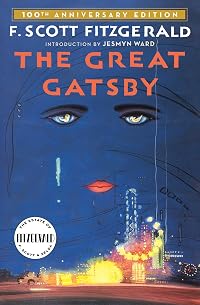
The Great Gatsby
by F. Scott Fitzgerald
On This Page
Description
The year is 1922, and young Nick Carraway moves to the village of West Egg, where he discovers that his neighbor is the eclectic millionaire Jay Gatsby. As he and Gatsby become acquainted, Nick is thrown into a world full of dazzling parties, unrequited love, and unchecked idealism. Gatsby, surrounded by riches, yearns for the love of a woman who chose another man. He waits for her every night, using a green light at the end of his dock to call out to her from across the water. Daisy, stuck show more in a loveless marriage, dreams of what could have been-and gets a taste for it after she is re-acquainted with Gatsby through Nick. Considered by critics to be one of the greatest novels ever written, this 1925 masterpiece is a portrait of the Roaring Twenties that's full of literary intrigue, resounding metaphors, and decadent glimpses into the glitz and glam of early twentieth-century America. As relevant today as ever, it offers a cautionary tale of the American Dream, warning against the temptation to believe that enough money paired with equal desire can achieve anything-even reverse the deepest regrets. show lessTags
Recommendations


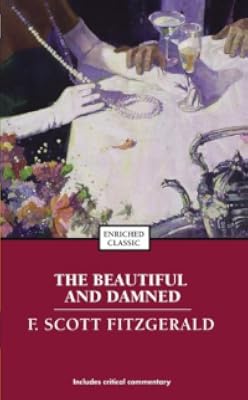


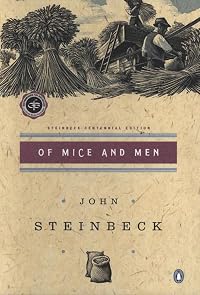
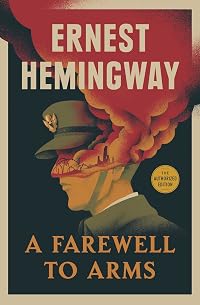
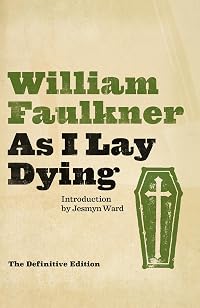

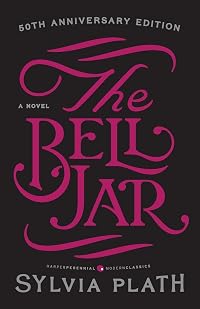
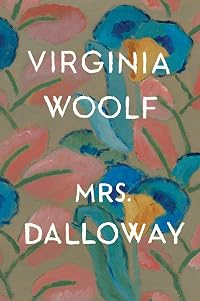
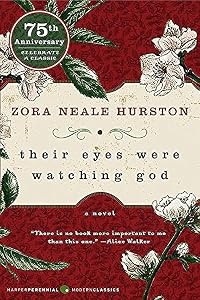
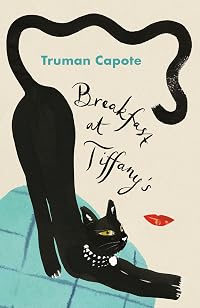
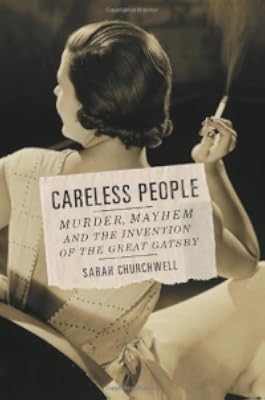


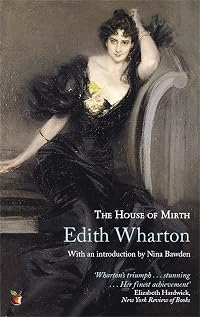
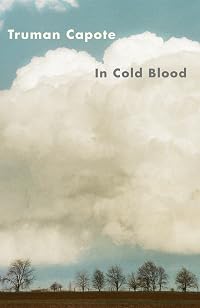


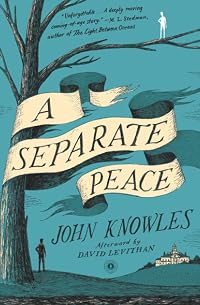
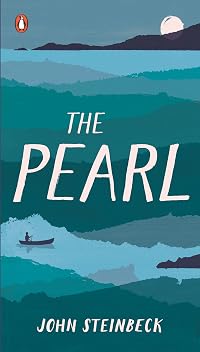
Member Recommendations
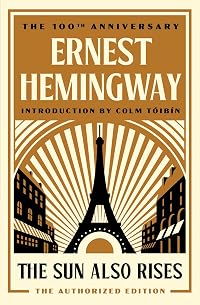
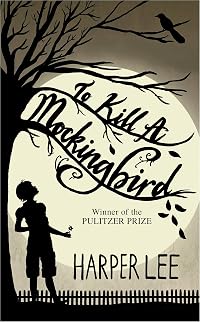
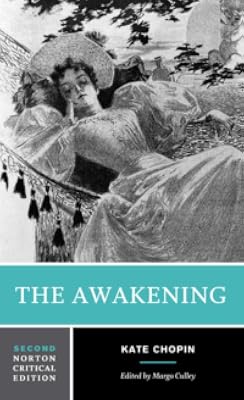
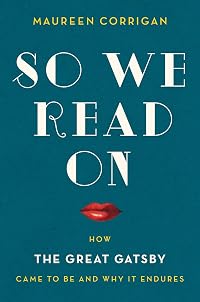
sturlington Great novels of the Jazz Age.
Also recommended by themephi
167

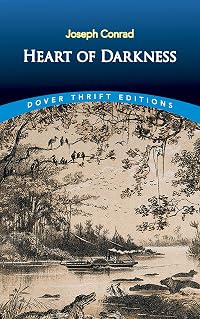
Rebeki Also narrated by a shadowy "outsider" figure and set in the glamorous 1920s.
31

anonymous user Ten times longer, a hundred times harder to read, and a thousand times greater than Fitzgerald's lame and hysterical melodrama. Published only eight months later and nowadays largely forgotten, Dreiser's magnum opus is a much more powerful depiction of the rich and poor in America of the 1920s.
21
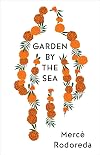
bluepiano Garden by the Sea is set in same period & similar milieu & leaves behind a deeper impression.
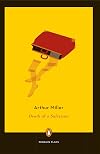
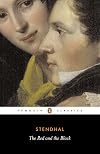
CGlanovsky Shady social upstarts rising to prominence in societies dealing with fundamental class upheaval and entertaining romantic aspirations outside their traditional spheres.
32

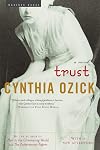
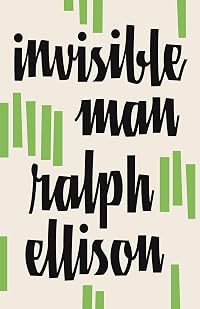
lottpoet This book features a well-off family, pillars of the community, taking things to quite tragic lengths. It follows an African-American family and so adds colorism and racism to the mix.
11

elenchus Unfinished Season is set in the 1950s in and around Chicago, but elsewise an interesting parallel to The Great Gatsby in terms of setting and basic plot: class and manners among the society elite, and a young man wrestling with changes in family, caste, and personal relations.
12


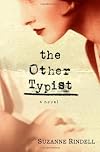
akblanchard In the afterword of The Other Typist, Suzanne Rindell acknowledges that her work was inspired by The Great Gatsby.
24
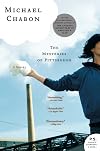
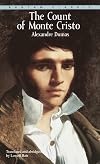
TomWaitsTables The story of a man with a mysterious past and wealth, consumed by his obsession, but instead of revenge, Gatsby is chasing the American dream.
713
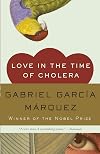
mike_frank Another great story about never giving up on love, fighting against the odds, and surviving economic 'classism'.
410
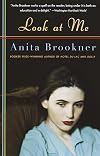
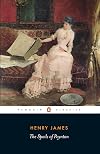
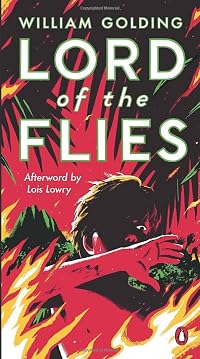
lottpoet similarly has a peripheral narrator showing rich people behaving badly about some of the strangest things
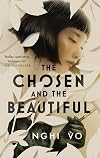
susanbooks Gatsby retold from Jordan’s perspective.
Member Reviews
A deserved classic that bears repeated reading. An excoriating portrayal of how wealth affects personal relationships, creating emotional poverty. As relevant today as when it was written (and set) in the 1920s jazz age. A genuine contender for the Great American Novel.
Scott Fitzgerald is not a literary writer. He's the king of what I call faux-literature: fill your bowl with plot, add a dash of panache, a cup of nostalgia, three whiffs of yearning, and a drop of insight, and ice it with some fruity prose. Bang, you're done.
But people love him. And who am I to stop the people from having their fun? Like many young people, I adored Gatsby on first reading it during my 17th year. Its exquisite art deco finishing, its sublime sense of pathos, its richness without being threatening like all those disturbing Modernists... Of course, with each passing year, my appreciation of its values lessens, but my appreciation of that feeling remains strong. And perhaps that's the real secret of Gatsby? Like so many show more folk tales, we can never disassociate the book from the way it drew out our youthful sense of envy, of pain, of ambition, and ultimately of loss. This novel lives within me, and within so many, even though it no longer forms a conscious part of how I view the world. (And say what you will about him; few people have written a closing paragraph as perfect as what Fitzgerald does here.)
A towering piece of 20th century American fiction, nevertheless. show less
But people love him. And who am I to stop the people from having their fun? Like many young people, I adored Gatsby on first reading it during my 17th year. Its exquisite art deco finishing, its sublime sense of pathos, its richness without being threatening like all those disturbing Modernists... Of course, with each passing year, my appreciation of its values lessens, but my appreciation of that feeling remains strong. And perhaps that's the real secret of Gatsby? Like so many show more folk tales, we can never disassociate the book from the way it drew out our youthful sense of envy, of pain, of ambition, and ultimately of loss. This novel lives within me, and within so many, even though it no longer forms a conscious part of how I view the world. (And say what you will about him; few people have written a closing paragraph as perfect as what Fitzgerald does here.)
A towering piece of 20th century American fiction, nevertheless. show less
Necesité 3 intentos para terminar El gran Gatsby.
Tal vez porque conocía la historia por las películas, nunca leí más allá de un par de páginas. Hoy lo hice, estoy muy feliz por ello. Puede resumir sentimientos complejos de la vida real como nadie.
El mensaje también es conmovedor.
Pobrecito Gatsby, creías en el sueño americano, creías en el amor, creías en todas las historias románticas y en las historias románticas, creías que podías pretender ascender. Que tu dinero te daría clase.
Pero todo lo que necesitaba era una confrontación con Tom y tu castillo de naipes, tu imagen de cristal se hizo mil pedazos.
Daisy ni siquiera estuvo nunca en tu mismo universo. Ella ES dinero, tu simplemente lo tienes temporalmente.
Moriste solo, olvidado, descartado. Al mundo nunca le importaste realmente.
El libro golpea duro.
show less
Tal vez porque conocía la historia por las películas, nunca leí más allá de un par de páginas. Hoy lo hice, estoy muy feliz por ello. Puede resumir sentimientos complejos de la vida real como nadie.
El mensaje también es conmovedor.
Pobrecito Gatsby, creías en el sueño americano, creías en el amor, creías en todas las historias románticas y en las historias románticas, creías que podías pretender ascender. Que tu dinero te daría clase.
Pero todo lo que necesitaba era una confrontación con Tom y tu castillo de naipes, tu imagen de cristal se hizo mil pedazos.
Daisy ni siquiera estuvo nunca en tu mismo universo. Ella ES dinero, tu simplemente lo tienes temporalmente.
Moriste
El libro golpea duro.
show less
The Great Gatsby is an iconic book. You can’t just write a review of it as if it weren’t. A lot has been said about it. If you are going to add something, say something different, or something personal, or both! I’ll try to do that.
But I’ll start with something pretty standard — the American Dream angle. But I’ll work that into something that may be a little different.
Gatsby, the character, is entwined with the idea of “the American dream.” Gatsby is wealthy. We don’t know how he got there, and, given the mystery about it, the rumors about him, the disinformation he seems to encourage or even spread, and especially given his close relationship with Meyer Wolfsheim, there’s reason to think his wealth may be tainted show more with ill-gotten gains.
This is the Roaring Twenties, and there’s a flimsy, paper-doll version of the American Dream in currency. In that setting, the story, among other things, explores the severing of the dream from its substance — becoming wealthy by doing great things replaced by becoming wealthy, period. Grift, crime, corruption, pretense, . . . take the place of achievement of great and good things.
Of course, Fitzgerald is writing this in the twenties himself, without the benefit of hindsight into the crash and depression that follows. But I think he does see the one-dimensionality of wealth. Gatsby is a front — his name isn’t even real. And the parties and the grandeur of his lifestyle are as grounded as movie set shrubbery.
And that grandeur, and Gatsby’s wealth itself, are tied to Gatsby’s own dream — his reuniting with Daisy, who he met when he was poor and unaccomplished. But his wealth makes him worthy of Daisy, now inconveniently married to Tom Buchanan, and sighted as a green light on a dock in the distance across the bay from Gatsby’s own dock. Gatsby’s Rosebud.
It turns out that that particular dream might have been better kept a dream — an inspiration, or even a wistful romanticism. As a reality, it’s an outright mess for all involved.
Just as the Roaring Twenties became the Great Depression, dreams and reality have their way of sorting themselves out.
Take another angle on the story. Nick Carraway, it has been said, is an odd choice to narrate the story. He’s almost an observer. He knows everyone involved, or comes to know them. But his own actions are relatively peripheral, facilitating and telling the story but not driving it.
Suppose it were told from another point of view. The obvious choices would be Gatsby himself, in which case the story might be a tragedy. Or Daisy — it would be fun to know what actually goes on in her mind after Gatsby confronts Tom with his determination to take Daisy from him. What are her thoughts of Gatsby at that point and forward? Or, what is Daisy’s reaction to Myrtle Wilson’s death?
Just as interesting maybe is to imagine the story told from Myrtle or George Wilson’s perspective. Almost a Rosencrantz and Guildenstern are Dead version of the story. The Wilsons are not wealthy, not happy either. They live under the eye of Dr. Eckleburg between East and West Egg, between the Buchanans and Gatsby, like a crossroads for their lives. As it is, Fitzgerald almost treats them as collateral damage to the drama of the main protagonists/antagonists.
And what do we make of Nick himself? Just for fun, contrast Fitzgerald’s Nick Carraway with Somerset Maugham’s Larry Darrell in The Razor’s Edge. The two novels were written about 20 years apart, but both address post-WWI America, the lead into the Roaring Twenties. Both Nick and Larry are figuring out their lives in the aftermath of their service during the war.
Larry’s experiences during the war lead him to philosophical questions about life and how to lead a worthy life. By contrast, during the war, Nick “enjoyed the counter-raid so thoroughly that I came back restless.” Nick moves to New York to get into the bond business. Larry declines a presumed position in an investment firm to do something he considers more important and more compelling — the substance, not the dream.
Okay, I think that’s enough. Good novels change the way you think about life. show less
But I’ll start with something pretty standard — the American Dream angle. But I’ll work that into something that may be a little different.
Gatsby, the character, is entwined with the idea of “the American dream.” Gatsby is wealthy. We don’t know how he got there, and, given the mystery about it, the rumors about him, the disinformation he seems to encourage or even spread, and especially given his close relationship with Meyer Wolfsheim, there’s reason to think his wealth may be tainted show more with ill-gotten gains.
This is the Roaring Twenties, and there’s a flimsy, paper-doll version of the American Dream in currency. In that setting, the story, among other things, explores the severing of the dream from its substance — becoming wealthy by doing great things replaced by becoming wealthy, period. Grift, crime, corruption, pretense, . . . take the place of achievement of great and good things.
Of course, Fitzgerald is writing this in the twenties himself, without the benefit of hindsight into the crash and depression that follows. But I think he does see the one-dimensionality of wealth. Gatsby is a front — his name isn’t even real. And the parties and the grandeur of his lifestyle are as grounded as movie set shrubbery.
And that grandeur, and Gatsby’s wealth itself, are tied to Gatsby’s own dream — his reuniting with Daisy, who he met when he was poor and unaccomplished. But his wealth makes him worthy of Daisy, now inconveniently married to Tom Buchanan, and sighted as a green light on a dock in the distance across the bay from Gatsby’s own dock. Gatsby’s Rosebud.
It turns out that that particular dream might have been better kept a dream — an inspiration, or even a wistful romanticism. As a reality, it’s an outright mess for all involved.
Just as the Roaring Twenties became the Great Depression, dreams and reality have their way of sorting themselves out.
Take another angle on the story. Nick Carraway, it has been said, is an odd choice to narrate the story. He’s almost an observer. He knows everyone involved, or comes to know them. But his own actions are relatively peripheral, facilitating and telling the story but not driving it.
Suppose it were told from another point of view. The obvious choices would be Gatsby himself, in which case the story might be a tragedy. Or Daisy — it would be fun to know what actually goes on in her mind after Gatsby confronts Tom with his determination to take Daisy from him. What are her thoughts of Gatsby at that point and forward? Or, what is Daisy’s reaction to Myrtle Wilson’s death?
Just as interesting maybe is to imagine the story told from Myrtle or George Wilson’s perspective. Almost a Rosencrantz and Guildenstern are Dead version of the story. The Wilsons are not wealthy, not happy either. They live under the eye of Dr. Eckleburg between East and West Egg, between the Buchanans and Gatsby, like a crossroads for their lives. As it is, Fitzgerald almost treats them as collateral damage to the drama of the main protagonists/antagonists.
And what do we make of Nick himself? Just for fun, contrast Fitzgerald’s Nick Carraway with Somerset Maugham’s Larry Darrell in The Razor’s Edge. The two novels were written about 20 years apart, but both address post-WWI America, the lead into the Roaring Twenties. Both Nick and Larry are figuring out their lives in the aftermath of their service during the war.
Larry’s experiences during the war lead him to philosophical questions about life and how to lead a worthy life. By contrast, during the war, Nick “enjoyed the counter-raid so thoroughly that I came back restless.” Nick moves to New York to get into the bond business. Larry declines a presumed position in an investment firm to do something he considers more important and more compelling — the substance, not the dream.
Okay, I think that’s enough. Good novels change the way you think about life. show less
Recently, I had the experience of being told by a group of five or six people how "bored" they all were by "The Great Gatsby." I'm sorry they feel that way, but I can't agree. "Gatsby" holds a special place in my heart, and a strange nostalgic memory of a certain time in my middle adolescence - discovering my mother's old, yellowed college paperback, with the appropriately brown-and-yellow-hued cover illustration, and taking it back with me to be read, stealthily, in the corner of my spacious bathroom.
I spent a lot of time in the bathroom, then. In the cold winter months, my bedroom and bath - the farthest rooms in the house - were always the hardest to heat, and the warmest place in my small, teenage refuge was just by the bathtub, show more next to the heater set in the wall near the floor. Whichever year it was - was I 15? 16? - I spent a lot of afternoons there, lulled by the warmth and the calm, sea green tiled floors. I read "The Scarlet Letter" there, and tried to read "Moby Dick"; I plowed through Alfred Bester's "The Demolished Man," and finally learned that while I had no love for "Huckleberry Finn," there was a lot of Twain I thought was really good. Most of all, I remember "Gatsby," devoured quickly in just two or three reading sessions, and for once I don't recall my mother ever insisting I "come out and rejoin the world."
It's interesting coming back to "Gatsby" after all this time. I've lived a lot since those days of whenever-teen, and I come back to "Gatsby" as someone who has at least *thought* herself in love, and definitely someone who has been caught up, unhealthily and unavoidably, in an attraction to someone I couldn't have. It's appropriate that I re-experience the book just as I've made a clean break of that relationship, and while there weren't any big scenes or tragic consequences, it all makes those feelings Fitzgerald writes about - loss, betrayal, the realization that you won't be the one "chosen" - much more personal. And of course, what "Gatsby" proves is that we all have those feelings. We all lie to each other; we all cheat; we all play mercilessly with each others' hearts. It's true. It's not the whole picture of human relationship, but that much is true. And we always hurt others as much, if not more than we hurt ourselves.
When I was a teenager, Jay Gatsby was a mysterious character, a figure both tragic and a bit sexy - the Beast of the famous fairy tale, waiting for Beauty to break his enchantment. I grieved for him but I didn't understand how much he had sown his own destruction. He built himself up, and in almost one fell movement, he knocked himself down. Now I see him in less mythic and far more familiar terms. Gatsby is anyone who knows they shouldn't say something, but says it anyway. Gatsby is anyone who can't stop themselves manipulating for their own advantage. Gatsby is anyone who plows ahead without stopping to think.
More specifically, Gatsby is what Americans train themselves to be. He is the exact inverse of the mythical American, raising him or herself up above meager roots to triumph supreme. He's the guy who did all that, who won't be told no, who thinks himself invincible and is never happy with his lot. And the amazing part of Fitzgerald's writing is that he manages to make Gatsby sympathetic - in fact, more than that, he makes him someone you can *empathize* with. Gatsby, in the end, is everyone - or at least, anyone likely to read his story.
I still don't understand how anyone could be bored by "The Great Gatsby." It's a beautiful and tragic novel, so simple yet so rich. It doesn't take long to read, and it's not exactly dense, old-fashioned prose. Compared to most classic literature it's an absolute breeze. But never mind. I love it, just as I loved all those afternoons ago - huddled in my bathroom, turning the dog-eared pages of an old paperback, waiting for the winter to end. show less
I spent a lot of time in the bathroom, then. In the cold winter months, my bedroom and bath - the farthest rooms in the house - were always the hardest to heat, and the warmest place in my small, teenage refuge was just by the bathtub, show more next to the heater set in the wall near the floor. Whichever year it was - was I 15? 16? - I spent a lot of afternoons there, lulled by the warmth and the calm, sea green tiled floors. I read "The Scarlet Letter" there, and tried to read "Moby Dick"; I plowed through Alfred Bester's "The Demolished Man," and finally learned that while I had no love for "Huckleberry Finn," there was a lot of Twain I thought was really good. Most of all, I remember "Gatsby," devoured quickly in just two or three reading sessions, and for once I don't recall my mother ever insisting I "come out and rejoin the world."
It's interesting coming back to "Gatsby" after all this time. I've lived a lot since those days of whenever-teen, and I come back to "Gatsby" as someone who has at least *thought* herself in love, and definitely someone who has been caught up, unhealthily and unavoidably, in an attraction to someone I couldn't have. It's appropriate that I re-experience the book just as I've made a clean break of that relationship, and while there weren't any big scenes or tragic consequences, it all makes those feelings Fitzgerald writes about - loss, betrayal, the realization that you won't be the one "chosen" - much more personal. And of course, what "Gatsby" proves is that we all have those feelings. We all lie to each other; we all cheat; we all play mercilessly with each others' hearts. It's true. It's not the whole picture of human relationship, but that much is true. And we always hurt others as much, if not more than we hurt ourselves.
When I was a teenager, Jay Gatsby was a mysterious character, a figure both tragic and a bit sexy - the Beast of the famous fairy tale, waiting for Beauty to break his enchantment. I grieved for him but I didn't understand how much he had sown his own destruction. He built himself up, and in almost one fell movement, he knocked himself down. Now I see him in less mythic and far more familiar terms. Gatsby is anyone who knows they shouldn't say something, but says it anyway. Gatsby is anyone who can't stop themselves manipulating for their own advantage. Gatsby is anyone who plows ahead without stopping to think.
More specifically, Gatsby is what Americans train themselves to be. He is the exact inverse of the mythical American, raising him or herself up above meager roots to triumph supreme. He's the guy who did all that, who won't be told no, who thinks himself invincible and is never happy with his lot. And the amazing part of Fitzgerald's writing is that he manages to make Gatsby sympathetic - in fact, more than that, he makes him someone you can *empathize* with. Gatsby, in the end, is everyone - or at least, anyone likely to read his story.
I still don't understand how anyone could be bored by "The Great Gatsby." It's a beautiful and tragic novel, so simple yet so rich. It doesn't take long to read, and it's not exactly dense, old-fashioned prose. Compared to most classic literature it's an absolute breeze. But never mind. I love it, just as I loved all those afternoons ago - huddled in my bathroom, turning the dog-eared pages of an old paperback, waiting for the winter to end. show less
The story of Jay Gatsby's rise, who pursues unrequited love by making himself a millionaire through bootlegging, and eventual downfall is a chronicle of the Jazz Age and an enduring indictment of the myth of the American Dream.
I have been slowly and fitfully working my way through the classic novels I last read in high school and college, in order to enjoy them without a term paper or final exam hanging over my head. In rereading The Great Gatsby, I was less concerned with the symbolic meaning of the gigantic eyes of T. J. Ecklesburg and more struck by the alien landscape of the ash field those eyes looked down upon. I was less worried about what the green light at the end of Daisy’s dock meant exactly and just knocked down by the show more image of romantic futility painted by Gatsby waving his arms at that dock. In other words, I was more open to the experience of the novel as a great story, rather than great literature. I feel like Daisy and Tom, with their vapid shallowness and complete lack of compassion for other people, are as relevant representations of our culture today as they were of Fitzgerald’s then. The American dream is still a powerful myth that has not yet been debunked, and Gatsby could have been as easily victimized by it in the early 21st century as he was in the premiere age of the nouveau riche. The mark of a true classic is not that it is still being taught in college classrooms, but that it is still a recognizable and moving story decades after it was written.
Fitzgerald didn’t like the title. Judging by his preferences – Trimalchio in West Egg; On the Road to West Egg; Under the Red, White, and Blue; Gold-Hatted Gatsby; and The High-Bouncing Lover – it was probably best that someone else had chosen the title for him. show less
I have been slowly and fitfully working my way through the classic novels I last read in high school and college, in order to enjoy them without a term paper or final exam hanging over my head. In rereading The Great Gatsby, I was less concerned with the symbolic meaning of the gigantic eyes of T. J. Ecklesburg and more struck by the alien landscape of the ash field those eyes looked down upon. I was less worried about what the green light at the end of Daisy’s dock meant exactly and just knocked down by the show more image of romantic futility painted by Gatsby waving his arms at that dock. In other words, I was more open to the experience of the novel as a great story, rather than great literature. I feel like Daisy and Tom, with their vapid shallowness and complete lack of compassion for other people, are as relevant representations of our culture today as they were of Fitzgerald’s then. The American dream is still a powerful myth that has not yet been debunked, and Gatsby could have been as easily victimized by it in the early 21st century as he was in the premiere age of the nouveau riche. The mark of a true classic is not that it is still being taught in college classrooms, but that it is still a recognizable and moving story decades after it was written.
Fitzgerald didn’t like the title. Judging by his preferences – Trimalchio in West Egg; On the Road to West Egg; Under the Red, White, and Blue; Gold-Hatted Gatsby; and The High-Bouncing Lover – it was probably best that someone else had chosen the title for him. show less
“The Great Gatsby” by F. Scott Fitzgerald captures the decrepit side of the American Dream, which truly erupted during the 1920s.
With a darkness stirring inside Gatsby, a feeling of loneliness takes hold, and his longing for an old flame sparks into reality. Readers come to learn that life as a glamourous host is not all it’s cracked up to be; his heart, head, and identity is jumbled beyond recognition; the person he could have married is seemingly unattainable; the green light he is so set on is merely a feebly lit lantern. All in all, superficiality reigns supreme in the mansion Gatsby calls his “home”.
The snazzy millionaire changed everything about himself, from his name to the uneducated dialect of his youth. While show more watching his story unfold, one uncovers the languished lifestyle of the rich and infamous. Looking for a taste of champagne with a dash of insanity? Pick up this book and join the party, old sport. show less
With a darkness stirring inside Gatsby, a feeling of loneliness takes hold, and his longing for an old flame sparks into reality. Readers come to learn that life as a glamourous host is not all it’s cracked up to be; his heart, head, and identity is jumbled beyond recognition; the person he could have married is seemingly unattainable; the green light he is so set on is merely a feebly lit lantern. All in all, superficiality reigns supreme in the mansion Gatsby calls his “home”.
The snazzy millionaire changed everything about himself, from his name to the uneducated dialect of his youth. While show more watching his story unfold, one uncovers the languished lifestyle of the rich and infamous. Looking for a taste of champagne with a dash of insanity? Pick up this book and join the party, old sport. show less
Members
- Recently Added By
Published Reviews
Why do we keep reading The Great Gatsby? Why do some of us keep taking our time reading it? F. Scott Fitzgerald kept it short. A week is unwarranted. It should be consumed in the course of a day. Two at most. Otherwise, all the mystery seeps away, leaving Jay Gatsby lingering, ethereal but elusive, like cologne somebody else is wearing.
added by jww7575
Lists

The Guardian's 1000 Novels Everyone Must Read
1,005 works; 551 members

1001 Books You Must Read Before You Die
1,448 works; 1,134 members

Classics you know you should have read but probably haven't
421 works; 407 members

Read the book and saw the movie
1,170 works; 193 members
BBC Big Read
191 works; 46 members

Radcliffe's 100 Best Novel of the 20th Century
100 works; 32 members
501 Must-Read Books
529 works; 72 members
David Bowie's Top 100
97 works; 23 members
Le Monde - Les 100 livres du siècle
121 works; 25 members

Great American Novels
158 works; 40 members
20th Century Literature
1,161 works; 55 members

The Top Ten: Writers Pick Their Favorite Books
240 works; 31 members

Favourite Books
1,820 works; 309 members
New York Public Library's Books of the Century
120 works; 20 members
Newsweek's Top 100 Books: The Meta-List
100 works; 18 members
Novels from The Guardian's Great American Novelist Tournament
148 works; 24 members
PBS The Great American Read
100 works; 21 members
In and About the 1920s
181 works; 31 members
Banned Books Week 2014
268 works; 62 members
Literature About Social Class
134 works; 19 members
Larry McCaffery's 20th Century Greatest Hits: 100 English-Language Books
103 works; 12 members

Best Psychological Fiction
81 works; 16 members

New York Public Library's Books of the Century - All
170 works; 14 members

Books I've Read More Than Once
602 works; 49 members

100 books to read in a lifetime
102 works; 37 members
Favorite Literary Love Stories
182 works; 101 members
Time Magazine's "All-Time 100"
113 works; 15 members

Top Five Books of 2013
1,562 works; 715 members

Books recommended by Barack Obama
295 works; 28 members

The Guardian's 100 greatest novels of all time
100 works; 16 members
Harold Bloom - The Western Canon: D. The Chaotic Age
833 works; 24 members
Unreliable Narrators
170 works; 43 members

Best high-school English books reread later in life
30 works; 21 members
Books Set in New York City
127 works; 21 members

Best Love Stories
107 works; 14 members
LibraryThingers' 1001 Books You Must Read Before You Die
442 works; 30 members
Historical Fiction
889 works; 91 members
Canon de la narrativa universal del siglo XX
254 works; 6 members

Books Featured on Gilmore Girls
307 works; 21 members
Folio Society
831 works; 49 members
BBC Big Read
100 works; 10 members
Books That Changed Me
158 works; 47 members

Recommend the 20 best books you've read in the last five years
2,168 works; 606 members
Love and Marriage
93 works; 10 members
The American Experience
173 works; 18 members

Books You Read During High School (For School)
301 works; 53 members
Books Set in New York State
65 works; 11 members
Lithub: 50 Great Classic Novels Under 200 pages
50 works; 10 members

Top Five Books of 2021
604 works; 181 members
Banned or Challenged Books
400 works; 41 members
Blue Pyramid 1,276 Best Books of All Time
1,248 works; 32 members
Time's All-Time 100 Novels
100 works; 27 members

Pleasant Surprises: Books That Exceeded Our Expectations
418 works; 143 members

Western World's Greatest Books - Project Gutenberg
295 works; 15 members
Readable Classics
110 works; 15 members

Best Revenge Stories
69 works; 9 members

1964 College Preparatory Reading List
202 works; 8 members
The Well-Educated Mind Reading Challenge
75 works; 7 members
Best of American Literature
146 works; 9 members
1,001 BYMRBYD Concensus
723 works; 27 members
100 Most Recommended Works
100 works; 11 members

Books tagged favorites
390 works; 29 members
Fiction For Men
142 works; 11 members

Twentieth Century Greatest Hits
27 works; 11 members
Out of Copyright
244 works; 14 members
Mensa for Kids Excellence in Reading Award Program (Grades 9-12)
116 works; 5 members
Short and Sweet
246 works; 24 members
Books read by Pat in "The Silver Linings Playbook"
7 works; 2 members

The Guardian's 100 Best Novels Written in English
105 works; 13 members
1920s
141 works; 6 members

Best Antiheroes and Antiheroines
119 works; 7 members

Top Five Books of 2015
811 works; 241 members
Love Triangles in Literature
108 works; 15 members
Best First Lines
133 works; 8 members
The Greatest Books
99 works; 5 members
Top 100 to Read before you Die
109 works; 7 members
100 World Classics
99 works; 15 members
Books read by Charlie in "The Perks of Being a Wallflower"
12 works; 2 members
The Modern Library's 100 Best Novels: The Board's List
85 works; 6 members

Books Set on Islands
190 works; 24 members

NPRs audience picks: 100 best beach reads
105 works; 12 members
Great Books Favorites
71 works; 6 members

Modernism
140 works; 8 members
Fake Top 100 Fiction
81 works; 4 members

Top Five Books of 2017
757 works; 231 members

Books Read in 2015
3,299 works; 126 members
Elegant Prose
80 works; 4 members

Movie Adaptations
111 works; 4 members
Mensa for Kids Excellence in Reading Award Program (Grades 9-12)
116 works; 3 members
The College Board: 101 Great Books Recommended for College-Bound Readers
111 works; 7 members

Rory Gilmore Book Club
193 works; 5 members

posh people behave badly
23 works; 6 members
Shaking a Leg
111 works; 3 members

Amanda's Guaranteed Books
110 works; 5 members
David Bowie's List of Top 100 Books
94 works; 6 members

CCE 1000 Good Books List
1,033 works; 12 members
Carole's List
445 works; 13 members

Tagged by Tim or Meh!
91 works; 9 members

Well-Educated Mind
150 works; 3 members
Lit Lattes Ep 004
13 works; 1 member

BBC Top Books
78 works; 3 members
Overdue Podcast
808 works; 9 members
Books with a Character's Name as the Title
130 works; 10 members

Books Read in 2023
5,638 works; 147 members
Books on my Kindle
162 works; 3 members

Generation Joshua
115 works; 3 members

Books I've read
87 works; 2 members
Best Books of the 20th Century
193 works; 5 members
Books Read in 2016
4,666 works; 199 members

99 Bücher, die man gelesen haben muss
37 works; 1 member

Books Read in 2006
423 works; 8 members

Favorite Books from the 1920s
33 works; 3 members

aijowenuwaneaw
10 works; 1 member

Books Read in 2020
4,379 works; 124 members

100
56 works; 1 member
Literature About Adultery
69 works; 10 members
Five star books
1,767 works; 110 members

Books Read in 2022
5,226 works; 115 members

Secrets Books
94 works; 3 members
http://thegreatestbooks.org's Greatest Fiction Books
59 works; 1 member

A Good Read (Radio 4)
287 works; 1 member
DELETE
48 works; 2 members
Favourite Love Stories
53 works; 1 member

Books About Murder
313 works; 7 members
American Lit for Eng 11 Research Project
368 works; 6 members

Plan to Read Books
75 works; 1 member

Recommended Reading : 600 Classics Reviewed, Editors of Salem Press, 2015
634 works; 6 members
TBR
77 works; 1 member
The Complete Rory Gilmore Reading List
506 works; 5 members
'Books You Can't Live Without: The Top 100', The Guardian, 2007
156 works; 7 members
The Well-Educated Mind, Susan Wise Bauer, 2016
179 works; 3 members
Canon de la narrativa universal del s. XX (cicutadry)
499 works; 3 members
The 150 Greatest Novels of All Time
150 works; 6 members

The Luca Guadagnino Universe
62 works; 1 member
Books in Riverdale
123 works; 3 members
Works Cited in The History of White People by Nell Irvin Painter
321 works; 2 members

DigitalDreamDoor top 300
300 works; 4 members

Titles to Avoid
6 works; 1 member
Widely acclaimed, one book per year
105 works; 3 members

Top Five Books of 2025
954 works; 303 members

.
194 works; 2 members
el
1,139 works; 1 member
Gilmore Girls Complete Reading List
30 works; 1 member

Books We Resisted Reading
178 works; 110 members

100 knjiga
100 works; 1 member
bound
100 works; 1 member

World Book Club (BBC World Service)
212 works; 1 member

The Five Books That Represent Us
391 works; 149 members

Books referenced in the Astral Library
60 works; 1 member
Goalhanger Book Club
21 works; 1 member
Modern Library's 100 Best Novels
100 works; 2 members

TDCD BOOK LIST
62 works; 1 member

BBC World Book Club
267 works; 5 members
David Bowie’s Top 100 Favourite Reads
100 works; 3 members
Books Read 2026
21 works; 1 member
.
396 works; 1 member

Check Library
177 works; 1 member
English Literature Class
25 works; 1 member

Favorite Reads of 2025
25 works; 1 member
NPR Books You Love: Books That Shaped You in High School
26 works; 1 member

Books Read in 2025
4,128 works; 98 members
Reading LIst
648 works; 1 member
School Made Us Read It
380 works; 196 members

𓐩hought Daughter ♱♰✟✞✝︎☨†˚₊‧꒰ა ♱ ໒꒱ ‧
38 works; 1 member
Vlogbrothers Book Recommendations
307 works; 4 members

Books We Love to Reread
688 works; 297 members

Books Read in 2018
4,360 works; 110 members
BitLife
212 works; 4 members

Literary Works Read in College
316 works; 15 members

Books Read in 2010
631 works; 11 members

Simon & Schuster
136 works; 4 members

Ambleside Books
459 works; 18 members
Read
28 works; 1 member

The Books I Read in 2016
54 works; 1 member

Used books to buy next
565 works; 1 member
Puffin Books 70th anniversary handbook recommendations
537 works; 10 members
Tagged 20th Century
33 works; 4 members
Banned Books
40 works; 2 members
School Library Journal - 2012 Top 100 Children's Novels
68 works; 8 members
Read These Too
458 works; 9 members

Sonlight Books
1,487 works; 25 members

Books Read in 2013
1,630 works; 51 members
Delete This List
18 works; 2 members
Best books I read in 2013
152 works; 3 members
Accidents in Fiction
22 works; 5 members

Biggest Disappointments
606 works; 168 members
Protagonists - Men
32 works; 2 members
Retrospective of 20th- and 21st-century literature
154 works; 1 member

Novels that you shouldn't waste your time on
94 works; 52 members

AP Lit
363 works; 6 members
The Atlantic's The Great American Novel
136 works; 12 members
Five Star Novels
20 works; 2 members

Audio Books
29 works; 3 members
Great Short Books: A Year of Reading-Briefly
59 works; 4 members

Jim's Bookshelf
16 works; 1 member
Franklit
95 works; 1 member

Mustich's 1000 Books to Read Before You Die: A Life Changing List
1,001 works; 20 members

Recommended Literary Books
111 works; 1 member
Books available on Open Library
171 works; 4 members
books featured on the book struggles twt
97 works; 2 members
Talk Discussions
Past Discussions
The Great Gatsby, LE (10.iv.2025) in Folio Society Devotees (April 2025)
Century Press - Letterpress The Great Gatsby in Fine Press Forum (November 2022)
The Great Gatsby - FS editions in Folio Society Devotees (March 2015)
The Great Gatsby in Geeks who love the Classics (June 2013)
GR: The Great Gatsby- get in and read before the film release! in 75 Books Challenge for 2013 (April 2013)
Author Information

636+ Works 143,434 Members
F(rancis) Scott Fitzgerald was born in St. Paul, Minnesota, on September 24, 1896. He was educated at Princeton University and served in the U.S. Army from 1917 to 1919, attaining the rank of second lieutenant. In 1920 Fitzgerald married Zelda Sayre, a young woman of the upper class, and they had a daughter, Frances. Fitzgerald is regarded as one show more of the finest American writers of the 20th Century. His most notable work was the novel, The Great Gatsby (1925). The novel focused on the themes of the Roaring Twenties and of the loss of innocence and ethics among the nouveau riche. He also made many contributions to American literature in the form of short stories, plays, poetry, music, and letters. Ernest Hemingway, who was greatly influenced by Fitzgerald's short stories, wrote that Fitzgerald's talent was "as fine as the dust on a butterfly's wing." Yet during his lifetime Fitzgerald never had a bestselling novel and, toward the end of his life, he worked sporadically as a screenwriter at motion picture studios in Los Angeles. There he contributed to scripts for such popular films as Winter Carnival and Gone with the Wind. Fitzgerald's work is inseparable from the Roaring 20s. Berenice Bobs Her Hair and A Diamond As Big As The Ritz, are two short stories included in his collections, Tales of the Jazz Age and Flappers and Philosophers. His first novel The Beautiful and Damned was flawed but set up Fitzgerald's major themes of the fleeting nature of youthfulness and innocence, unattainable love, and middle-class aspiration for wealth and respectability, derived from his own courtship of Zelda. This Side of Paradise (1920) was Fitzgerald's first unqualified success. Tender Is the Night, a mature look at the excesses of the exuberant 20s, was published in 1934. Much of Fitzgerald's work has been adapted for film, including Tender is the Night , The Great Gatsby, and Babylon Revisited which was adapted as The Last Time I Saw Paris by Metro-Goldwyn-Mayer in 1954. The Last Tycoon, adapted by Paramount in 1976, was a work in progress when Fitzgerald died of a heart attack on December 21, 1940, in Hollywood, California. Fitzgerald is buried in the historic St. Mary's Cemetery in Rockville, Maryland. (Bowker Author Biography) show less
Some Editions
Awards and Honors
Awards
Distinctions
Notable Lists
BBC's Big Read (43)
Torchlight List (#77)
The Great American Novels (1925)
Daniel S. Burt's Novel 100 (020 – 20)
Bulgarian Big Read (57)
Series
Belongs to Publisher Series
Grandes éxitos (2)
Biblioteca Folha (5)
New Directions Classics (NC9)
Arion Press (15)
Světová četba (248)
Lanterne (L 30)
Blackbirds (2014)
Westvaco American Classics (2004)
L&PM Pocket (971)
detebe (20183)
Penguin English Library, 2012 series (2018-06)
Penguin Modern Classics (746)
Gallimard, Folio (5338)
Reclams Universal-Bibliothek (9242)
Work Relationships
Is contained in
The "Great Gatsby" and "The Diamond as Big as the Ritz" (Collector's Library) by F. Scott Fitzgerald
The Great Gatsby / Tender is the Night / This Side of Paradise / The Beautiful and the Damned / The Last Tycoon by F. Scott Fitzgerald
Tender Is the Night / This Side of Paradise / The Great Gatsby / The Last Tycoon by F. Scott Fitzgerald
F. Scott Fitzgerald Collection: The Great Gatsby, The Beautiful and Damned and Tender is the Night (Collins Classics) by F. Scott Fitzgerald
A este lado del paraíso ; El gran Gatsby ; [traducción, A este lado del paraíso, Juan Benet Goitia ; traducción, El gran Gatsby, E. Piñas] by F. Scott Fitzgerald
F. Scott Fitzgerald: The Great Gatsby, All the Sad Young Men & Other Writings 1920–26 (LOA #353) (Library of America, 353) by F. Scott Fitzgerald
Three Great American Novels: The Great Gatsby; A Farewell to Arms; Ethan Frome by F. Scott Fitzgerald
Is retold in
Has the (non-series) prequel
Has the adaptation
Is abridged in
Is parodied in
Inspired
Has as a reference guide/companion
Has as a study
Has as a commentary on the text
Has as a concordance
Has as a student's study guide
Has as a teacher's guide
Common Knowledge
- Canonical title
- The Great Gatsby
- Original title
- The Great Gatsby
- Alternate titles*
- Geṭsbi ha-gadol
- Original publication date
- 1925-04-10
- People/Characters
- Jay Gatsby; Nick Carraway; Daisy Fay Buchanan; Tom Buchanan; Jordan Baker; James Gatz (show all 18); Myrtle Wilson; George B. Wilson; Catherine; Lucille McKee; Chester McKee; Meyer Wolfsheim; Owl-Eyes; Ewing Klipspringer; Pammy Buchanan; Michaelis; Henry C. Gatz; Dan Cody
- Important places
- North Shore, Long Island, New York, USA; Long Island, New York, USA; East Egg, Long Island, New York, USA; Louisville, Kentucky, USA; West Egg, Long Island, New York, USA; New York, New York, USA
- Important events
- World War I (1914 ∙ | 1918); Jazz Age
- Related movies
- The Great Gatsby (1949 | IMDb); The Great Gatsby (1974 | IMDb); The Great Gatsby (1926 | IMDb); The Great Gatsby (2013 | IMDb); The Great Gatsby (2000 | IMDb)
- Epigraph
- Then wear the gold hat, if that will move her;
If you can bounce high, bounce for her too,
Till she cry "Lover, gold-hatted, high-bouncing lover,
I must have you!"
—Thomas Parke D'Invilliers - Dedication
- ONCE AGAIN
TO
ZELDA - First words
- In my younger and more vulnerable years my father gave me some advice that I've been turning over in my mind ever since.
- Quotations
- Let us learn to show our friendship for a man when he is alive and not after he is dead.
All right ... I'm glad it's a girl. And I hope she'll be a fool—that's the best thing a girl can be in this world, a beautiful little fool.
This is a valley of ashes—a fantastic farm where ashes grow like wheat into ridges and hills and grotesque gardens, where ashes take the forms of houses and chimneys and rising smoke and finally, with a transcendent effort,... (show all) of men who move dimly and already crumbling through the powdery air. Occasionally a line of gray cars crawls along an invisible track, gives out a ghastly creak and comes to rest, and immediately the ash-gray men swarm up with leaden spades and stir up an impenetrable cloud which screens their obscure operations from your sight.
"Whenever you feel like criticizing any one," he told me. "just remember that all the people in this world haven't had the advantages that you've had."
I rented a house ... on that slender riotous island which extends itself due east of new york -- where there are, among other natural curiosities, two unusual formations of land. Twenty miles from the city a pair of enormous ... (show all)eggs, identical in contour and seprated only by a courtesy bay, jut out into the most domesticated body of salt water in the Western hemisphere, the great wet barnyard of Long Island Sound. They are not perfect ovals ... but their physical resembalnce must be a source of perpetual wonder to the gullsthat fly overhead.
. . . he must have felt that he had lost the old warm world, paid a high price for living too long with a single dream. He must have looked up at an unfamiliar sky through frightening leaves and shivered as he found what a gr... (show all)otesque thing a rose is and how raw the sunlight was upon the scarcely created grass. A new world, material without being real, where poor ghosts,breathing dreams like air, drifted fortuitously about . . . like that ashen, fantastic figure gliding toward him through the amorphous trees.
They were careless people, Tom and Daisy - they smashed things up and creatures and then retreated back into their money or their vast carelessness or whatever it was that kept them together, and let other people clean up the... (show all) mess they had made...
Most of the big shore places were closed now and there were hardly any lights except the shadowy, moving glow of a ferryboat across the Sound. And as the moon rose higher the inessential houses began to melt away until gradua... (show all)lly I became aware of the old island here that flowered once for Dutch sailors' eyes — a fresh, green breast of the new world. Its vanished trees, the trees that had made way for Gatsby's house, had once pandered in whispers to the last and greatest of all human dreams; for a transitory enchanted moment man must have held his breath in the presence of this continent, compelled into an aesthetic contemplation he neither understood nor desired, face to face for the last time in history with something commensurate to his capacity for wonder.
And as I sat there, brooding on the old unknown world, I thought of Gatsby's wonder when he first picked out the green light at the end of Daisy's dock. He had come a long way to this blue lawn and his dream must have seemed so close that he could hardly fail to grasp it. He did not know that it was already behind him, somewhere back in that vast obscurity beyond the city, where the dark fields of the republic rolled on under the night.
Gatsby believed in the green light, the orgastic future that year by year recedes before us. It eluded us then, but that's no matter — tomorrow we will run faster, stretch out our arms farther.... And one fine morning —
"I'm thirty," I said. "I'm five years too old to lie to myself and call it honor."
And I like large parties. They're so intimate. At small parties there isn't any privacy.
“If it wasn't for the mist we could see your home across the bay," said Gatsby. "You always have a green light that burns all night at the end of your dock."
Daisy put her arm through his abruptly, but he seemed abso... (show all)rbed in what he had just said. Possibly it had occurred to him that the colossal significance of that light had now vanished forever. Compared to the great distance that had separated him from Daisy it had seemed very near to her, almost touching her. It had seemed as close as a star to the moon. Now it was again a green light on a dock. His count of enchanted objects had diminished by one. - Last words
- (Click to show. Warning: May contain spoilers.)So we beat on, boats against the current, borne back ceaselessly into the past.
- Blurbers
- Dickey, James
- Original language
- English
- Canonical DDC/MDS
- 813.52
- Canonical LCC
- PS3511.I9
- Disambiguation notice
- This work is the book.
*Some information comes from Common Knowledge in other languages. Click "Edit" for more information.
Classifications
Statistics
- Members
- 83,113
- Popularity
- 12
- Reviews
- 1,306
- Rating
- (3.84)
- Languages
- 46 — Albanian, Arabic, Armenian, Basque, Bulgarian, Catalan, Czech, Danish, Dutch, English, Esperanto, Estonian, Finnish, French, Georgian, German, Galician, Greek, Hebrew, Hindi, Hungarian, Icelandic, Indonesian, Italian, Japanese, Korean, Lithuanian, Norwegian (Bokmål), Norwegian, Panjabi, Farsi/Persian, Polish, Romanian, Russian, Serbian, Croatian, Slovak, Slovenian, Spanish, Swedish, Thai, Turkish, Ukrainian, Portuguese (Portugal), Portuguese (Brazil), Chinese, simplified
- Media
- Paper, Audiobook, Ebook
- ISBNs
- 1,218
- UPCs
- 9
- ASINs
- 476