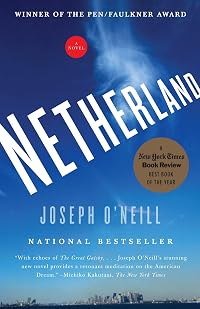
Netherland
by Joseph O'Neill
On This Page
Description
In a New York City made phantasmagorical by the events of 9/11, Hans -- a banker originally from the Netherlands -- finds himself marooned among the strange occupants of the Chelsea Hotel after his English wife and son return to London. Alone and untethered, feeling lost in the country he had come to regard as home, Hans stumbles upon the vibrant New York subculture of cricket, where he revisits his lost childhood and, thanks to a friendship with a charismatic and charming Trinidadian named show more Chuck Ramkissoon, begins to reconnect with his life and his adopted country.--From publisher description. show lessTags
Recommendations
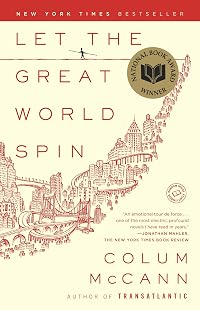
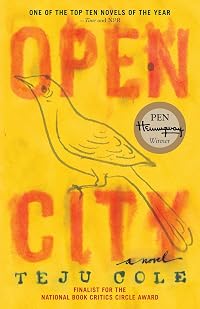
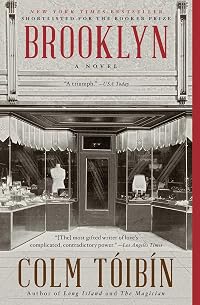
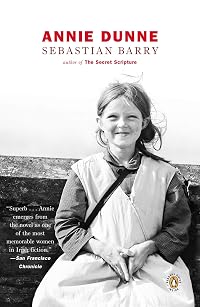


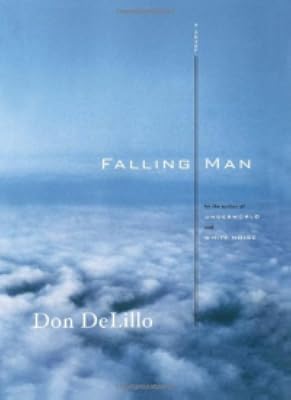
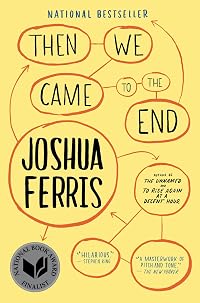

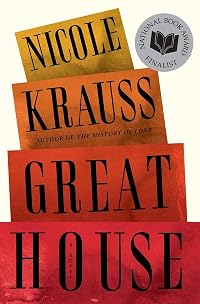

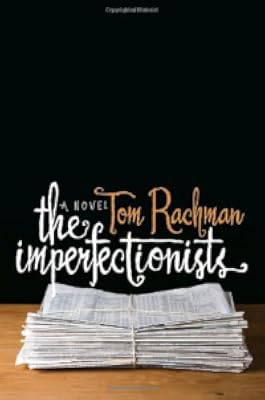
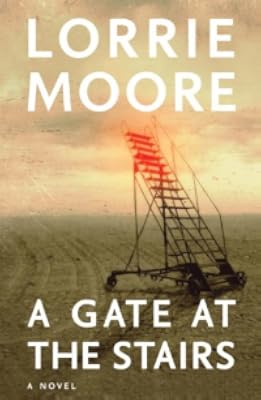
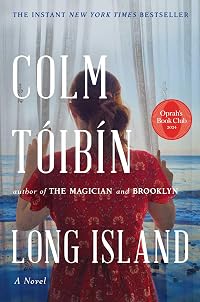
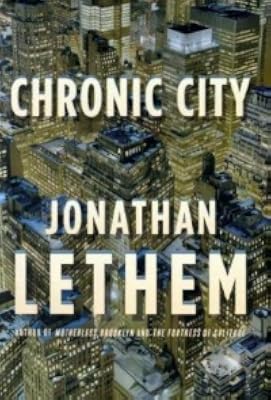
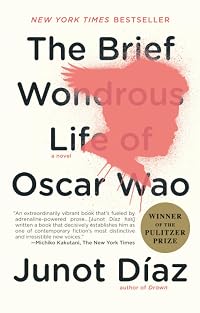
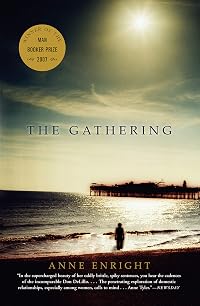
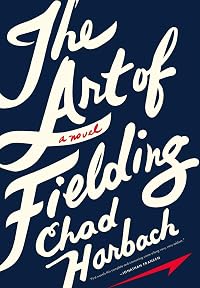
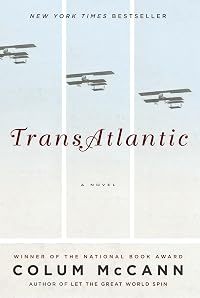
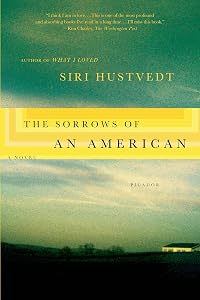
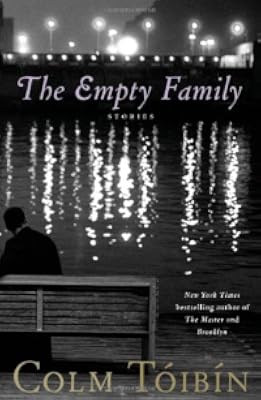

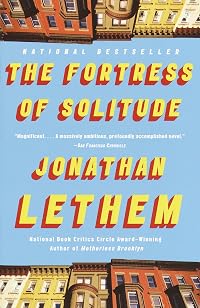
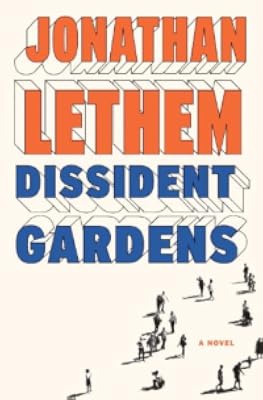
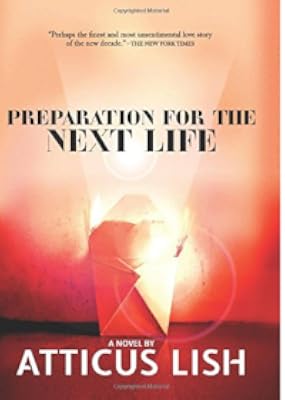
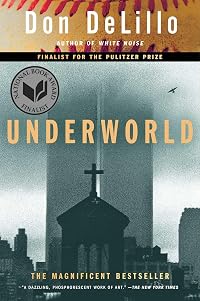
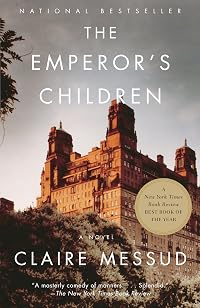
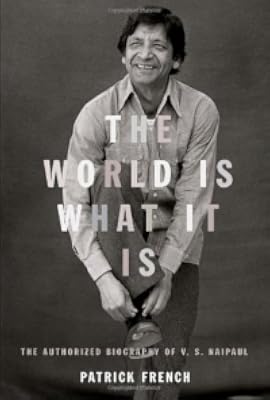

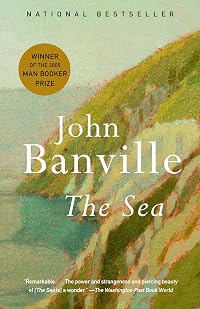
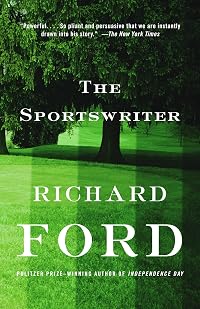
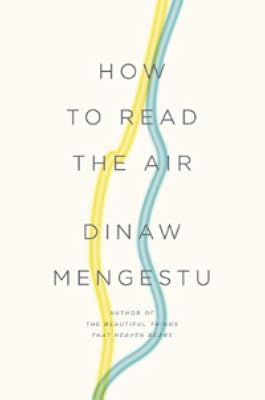
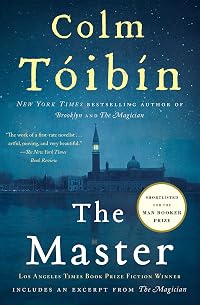
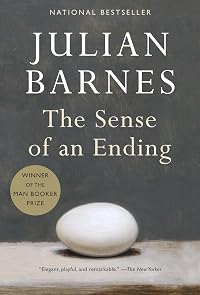
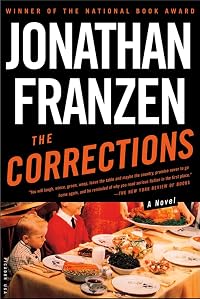
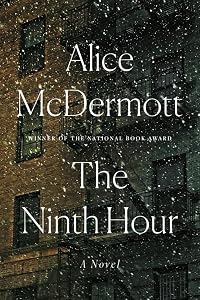
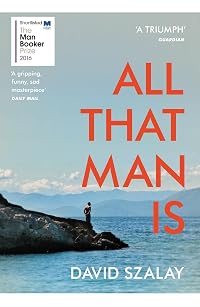
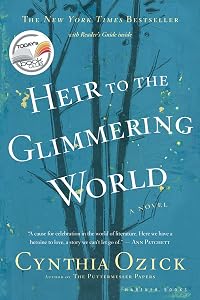
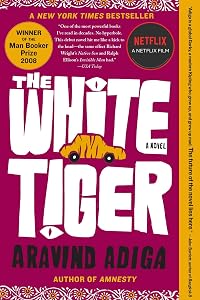
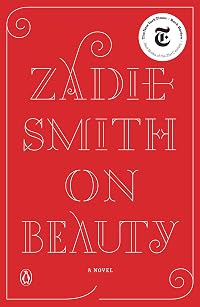
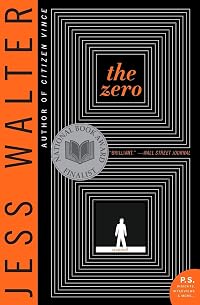
Member Recommendations


jayne_charles Both have stunning writing making up for absence of plot, and common ground in terms of the immigrant experience in New York
Member Reviews
This guy can’t stop writing about cricket! And the fothermucker dissed baseball at one point. Instead of Netherland it should be called “Cricketland”. Or “About Cricket”. Or “Cricket, Cricket, and more Cricket”. Or “Everything You Never Wanted to Know About Cricket”.
And the back of the book says absolutely nothing about cricket. Not one word. There should be a disclaimer: “Warning: this guy loves to write about cricket. If you do not like cricket or if cricket offends you in any way, step away from this book immediately”.
Random paragraph from page 48:
In the world of men’s cricket, I surprised myself. Aged thirty-four, troubled increasingly by backache, I found I could still fling the ball into the show more wicket-keeper’s gloves with a flat throw from forty yards, could still stand under a skyer and hold the catch, could still run up and bowl outswingers at a medium pace. I could also still hit a cricket ball; but the flame of rolling leather, caught up in long weeds, almost always was quickly put out. The bliss of batting was denied to me.
ARRRRRRRRRGGGGGGGGGGGGGGGHHHHHHHHHHHHHHHH!!!!!!!!!!!!!!!!!!!!!!!
I am off to purchase a cricket bat just so I can beat the shit out of this book with it. show less
And the back of the book says absolutely nothing about cricket. Not one word. There should be a disclaimer: “Warning: this guy loves to write about cricket. If you do not like cricket or if cricket offends you in any way, step away from this book immediately”.
Random paragraph from page 48:
In the world of men’s cricket, I surprised myself. Aged thirty-four, troubled increasingly by backache, I found I could still fling the ball into the show more wicket-keeper’s gloves with a flat throw from forty yards, could still stand under a skyer and hold the catch, could still run up and bowl outswingers at a medium pace. I could also still hit a cricket ball; but the flame of rolling leather, caught up in long weeds, almost always was quickly put out. The bliss of batting was denied to me.
ARRRRRRRRRGGGGGGGGGGGGGGGHHHHHHHHHHHHHHHH!!!!!!!!!!!!!!!!!!!!!!!
I am off to purchase a cricket bat just so I can beat the shit out of this book with it. show less
“Perhaps the relevant truth—and it’s one whose existence was apparent to my wife, and I’m sure to much of the world, long before it became apparent to me—is that we all find ourselves in temporal currents and that unless you’re paying attention you’ll discover, often too late, that an undertow of weeks or of years has pulled you deep into trouble.”
Hans van den Brock, originally from the Netherlands, is living alone in New York City in 2006. He is estranged from his wife Rachel who has returned to their former home in England with their young son due to the experience of living in NYC on and just after 9/11. Hans is a cricketer, and he finds there is a cricket playing community in NYC. He joins people from the West Indies show more and the Indian sub-continent playing cricket in a local park. He meets cricket referee Chuck Ramkissoon, a charismatic Trinidadian. Chuck is a man of many talents, dreams, and schemes. He is passionate about bringing the sport of cricket to the US and wants to raise funds to build a regulation cricket pitch. The storyline follows two relationships – the developing friendship between Hans and Chuck, and the marital troubles between Hans and Rachel.
Themes include the variety of immigrant experiences, pursuit of the “American Dream,” identity, alienation, loneliness, and dealing with sadness and loss. The writing is stellar. The plot involves the death of Chuck Ramkissoon by nefarious means (revealed in the opening pages). The storyline is full of flashbacks, storytelling, and digressions that provide a more complete picture of the characters’ lives. For me, the title is a dual representation of Hans’ place of origin and Chuck’s interactions with the “underworld” of NYC, which Chuck navigates as part of his foray into gambling. I particularly enjoyed the multicultural environment of NYC, and the references to cricket (which I have recently discovered). Anyone who has been to NYC will recognize buildings, landmarks, street names, and the general milieu. I do not think this will be a book for everyone, but I found myself glued to it. show less
Hans van den Brock, originally from the Netherlands, is living alone in New York City in 2006. He is estranged from his wife Rachel who has returned to their former home in England with their young son due to the experience of living in NYC on and just after 9/11. Hans is a cricketer, and he finds there is a cricket playing community in NYC. He joins people from the West Indies show more and the Indian sub-continent playing cricket in a local park. He meets cricket referee Chuck Ramkissoon, a charismatic Trinidadian. Chuck is a man of many talents, dreams, and schemes. He is passionate about bringing the sport of cricket to the US and wants to raise funds to build a regulation cricket pitch. The storyline follows two relationships – the developing friendship between Hans and Chuck, and the marital troubles between Hans and Rachel.
Themes include the variety of immigrant experiences, pursuit of the “American Dream,” identity, alienation, loneliness, and dealing with sadness and loss. The writing is stellar. The plot involves the death of Chuck Ramkissoon by nefarious means (revealed in the opening pages). The storyline is full of flashbacks, storytelling, and digressions that provide a more complete picture of the characters’ lives. For me, the title is a dual representation of Hans’ place of origin and Chuck’s interactions with the “underworld” of NYC, which Chuck navigates as part of his foray into gambling. I particularly enjoyed the multicultural environment of NYC, and the references to cricket (which I have recently discovered). Anyone who has been to NYC will recognize buildings, landmarks, street names, and the general milieu. I do not think this will be a book for everyone, but I found myself glued to it. show less
“Perhaps the relevant truth is that we all find ourselves in temporal currents and that unless you're paying attention you'll discover, often too late, that an undertow of weeks or of years has pulled you deep into trouble.”
Set in New York shortly after the 9/11 bombings this novel is in part immigrants chasing the American dream but also about re-building one's life after traumatic events.
The narrator, Dutchman Hans van den Broek, finds himself marooned when his wife and young son leave to live in England as his marriages disintegrates. Hans has a high powered job which keeps him occupied on week days but at the weekend he is at a loss as to what to do with his life until he joins a local cricket club which rekindles memories of show more a happier childhood in Holland.
Umpiring one of the games is Chuck Ramkissoon, a shady but charming Trinidadian businessman whose dream is to build a major international cricket stadium in Brooklyn. Under the cover of teaching him to drive Chuck allows Hans to chauffeur him around town as Chuck runs a numbers racket. The two form an unlikely friendship. Chuck’s innate optimism and force of purpose come to represent a lifeline to Hans if he is brave enough to grasp. However, it is not without possible cost as Chuck's driving ambition seems to mean that he is willing to do almost anything to make his dream come true. When Chuck's murdered body turns up in a New York river Hans is forced to re-evaluate their relationship.
The plot of this novel thus runs on two tracks. In the first it is about a couple of blokes living in Manhattan and enjoying the game of cricket. However, as Hans marriage fails he is forced to re-evaluate his take on family, identity and self-worth.
O’Neill’s prose is well thought out and written scattered with closely observed and powerful emotions which seem to be well in touch with the technical age we live in now as Hans goes “flying on Google’s satellite function,” searching for his son's bedroom window thousands of miles away. It is also full of cricketing terms but this shouldn't really deter non-fans of the sport. Overall an interesting read but in truth one that failed to grab me fully. show less
Set in New York shortly after the 9/11 bombings this novel is in part immigrants chasing the American dream but also about re-building one's life after traumatic events.
The narrator, Dutchman Hans van den Broek, finds himself marooned when his wife and young son leave to live in England as his marriages disintegrates. Hans has a high powered job which keeps him occupied on week days but at the weekend he is at a loss as to what to do with his life until he joins a local cricket club which rekindles memories of show more a happier childhood in Holland.
Umpiring one of the games is Chuck Ramkissoon, a shady but charming Trinidadian businessman whose dream is to build a major international cricket stadium in Brooklyn. Under the cover of teaching him to drive Chuck allows Hans to chauffeur him around town as Chuck runs a numbers racket. The two form an unlikely friendship. Chuck’s innate optimism and force of purpose come to represent a lifeline to Hans if he is brave enough to grasp. However, it is not without possible cost as Chuck's driving ambition seems to mean that he is willing to do almost anything to make his dream come true. When Chuck's murdered body turns up in a New York river Hans is forced to re-evaluate their relationship.
The plot of this novel thus runs on two tracks. In the first it is about a couple of blokes living in Manhattan and enjoying the game of cricket. However, as Hans marriage fails he is forced to re-evaluate his take on family, identity and self-worth.
O’Neill’s prose is well thought out and written scattered with closely observed and powerful emotions which seem to be well in touch with the technical age we live in now as Hans goes “flying on Google’s satellite function,” searching for his son's bedroom window thousands of miles away. It is also full of cricketing terms but this shouldn't really deter non-fans of the sport. Overall an interesting read but in truth one that failed to grab me fully. show less
As the author admits in an interview I read, this is more a novel of voice than one of plot. I won’t try to summarize what little actually does happen because it would sound crazy and turn you off. It’s like when I try to explain to people down here in Texas what I love about New York City – it’s dirty and loud and chaotic and sometimes scary – sure, it might sound awful but you really need to experience it for yourself.
O’Neill has written a dense, genuine, and verging-on-heartbreaking-but-there’s-a-bit-of-hope-in-the-end portrait of alienation, identity, connectedness, and loss. The title has multiple meanings, and I think you could pick whichever resonates the most on a personal level and write a lovely review based on show more that one piece. But it’s a kaleidoscope of images and voices and emotions. And despite how some people want to categorize it, Netherland is not a book about 9/11. It is, maybe, a book of 9/11 in that I doubt the same story could have been written and had such resonance absent that event. It’s a book about the American Dream, as seen by a Dutch equities trader from London and a Trinidadian crook from Brooklyn. As the old hackneyed saying goes, “Only in New York…” show less
O’Neill has written a dense, genuine, and verging-on-heartbreaking-but-there’s-a-bit-of-hope-in-the-end portrait of alienation, identity, connectedness, and loss. The title has multiple meanings, and I think you could pick whichever resonates the most on a personal level and write a lovely review based on show more that one piece. But it’s a kaleidoscope of images and voices and emotions. And despite how some people want to categorize it, Netherland is not a book about 9/11. It is, maybe, a book of 9/11 in that I doubt the same story could have been written and had such resonance absent that event. It’s a book about the American Dream, as seen by a Dutch equities trader from London and a Trinidadian crook from Brooklyn. As the old hackneyed saying goes, “Only in New York…” show less
Really enjoyed this book. Narrated from the viewpoint of a Dutch Wall Street analyst Hans Van Den Broek who moves to New York in 1999, the story follows the period post 9/11 when his marriage becomes frayed and his English wife moves back to London with their young son. Emotionally numbed and estranged both from his family and the unfamiliar city in which he lives, and increasingly, from his job, Hans' discovery of a cricket club (played mostly by immigrants) allows him him to discover both a sense of camaraderie, friendship (with a Trinidadian immigrant and Brooklyn hustler Chuck Ramkissoon) and a way to reconnect with his own childhood and memories. Chuck meanwhile is driven by a gloriously unlikely dream - to build a cricket ground show more in NY that would become the staging ground for international cricket clashes between the best teams in the world.
Having for a short time been an immigrant studying in the USA as well as a cricketing aficionado, Hans' circumstances struck a real chord. Cricket is one of those odd sports which is virtually a religion in a handful of countries but almost absolutely unknown in the US. Almost but not quite, for the US is a also a country of immigrants and just as Hans does in the book, one can suddenly stumble upon a small group of cricket fans or an impromptu cricket match in the most unexpected nooks and crannies of the country. The realization sets in that there is a community with whom one has something in common - like a secret handshake, a love of cricket gives you access to a secret society hidden beneath the surface of everyday American life. So some of my fondest memories are of unlikely cricket matches played in an open field with a motley band of cricketers - mostly of Indian descent with a couple of Bangladeshis and Pakistanis and a solitary New Zealander. We managed to entice one of the natives to join us and of course he batted like a baseball player, using the long handle and swinging high and hard to send the ball soaring in to the air. I on the other hand preferred batting in a compact, restrained fashion, much like Hans in the book, playing the ball along the ground in the technically correct manner. In the book Chuck encourages Hans to play his shots with more abandon, urging him to play like an American and hit the ball up in the air.
In many ways the story is about Chuck more than the Hans. Certainly he is the fizzing soul of the book, though it seems fitting to the tone of the book that the narrator is at the periphery of events. (Most of the major 'events' that occur in the book occur off-page as it were and are referred to only obliquely - whether 9/11 itself, Hans' reconciliation with his wife, his decision to move and most importantly Chuck's demise). Another reviewer has pointed out Chuck's evocation of James Gatz of The Great Gatsby, right down to an obsession with the green of the cricket ground he wants to build which seems to exercise the same fascination over him as the green light on the docks did for Gatz. Like Gatz's dreams, Chuck's dreams come to nothing in the end. But if in The Great Gatsby Gatz's move across the USA from the western state of North Dakota to the eastern one of New York is also his journey from a solid moral grounding to immoral crass materialism (and Gatsby's narrator, Nick Carraway's decision to leave New York to head out west a rejection of that same materialism), then what are we to make of Hans and Joseph's move from across the eastern seas to New York and Hans' final decision to move back to England? A reconnection with family and reconciliation and acceptance of his past perhaps? If so the Netherland of the title could be the New York Hans inhabits in his day-to-day life as a stock analyst and which he eventually leaves. There are other interpretations, of course, but one of the hallmarks of an evocative phrase is that it may have multiple meanings. The prose O'Neill uses is wonderfully crafted with wonderful turns of phrase which manage to contain both beauty and ambiguity (I was sometimes reminded of Ishiguro). Some may find that maddening, but I found it wonderful. show less
Having for a short time been an immigrant studying in the USA as well as a cricketing aficionado, Hans' circumstances struck a real chord. Cricket is one of those odd sports which is virtually a religion in a handful of countries but almost absolutely unknown in the US. Almost but not quite, for the US is a also a country of immigrants and just as Hans does in the book, one can suddenly stumble upon a small group of cricket fans or an impromptu cricket match in the most unexpected nooks and crannies of the country. The realization sets in that there is a community with whom one has something in common - like a secret handshake, a love of cricket gives you access to a secret society hidden beneath the surface of everyday American life. So some of my fondest memories are of unlikely cricket matches played in an open field with a motley band of cricketers - mostly of Indian descent with a couple of Bangladeshis and Pakistanis and a solitary New Zealander. We managed to entice one of the natives to join us and of course he batted like a baseball player, using the long handle and swinging high and hard to send the ball soaring in to the air. I on the other hand preferred batting in a compact, restrained fashion, much like Hans in the book, playing the ball along the ground in the technically correct manner. In the book Chuck encourages Hans to play his shots with more abandon, urging him to play like an American and hit the ball up in the air.
In many ways the story is about Chuck more than the Hans. Certainly he is the fizzing soul of the book, though it seems fitting to the tone of the book that the narrator is at the periphery of events. (Most of the major 'events' that occur in the book occur off-page as it were and are referred to only obliquely - whether 9/11 itself, Hans' reconciliation with his wife, his decision to move and most importantly Chuck's demise). Another reviewer has pointed out Chuck's evocation of James Gatz of The Great Gatsby, right down to an obsession with the green of the cricket ground he wants to build which seems to exercise the same fascination over him as the green light on the docks did for Gatz. Like Gatz's dreams, Chuck's dreams come to nothing in the end. But if in The Great Gatsby Gatz's move across the USA from the western state of North Dakota to the eastern one of New York is also his journey from a solid moral grounding to immoral crass materialism (and Gatsby's narrator, Nick Carraway's decision to leave New York to head out west a rejection of that same materialism), then what are we to make of Hans and Joseph's move from across the eastern seas to New York and Hans' final decision to move back to England? A reconnection with family and reconciliation and acceptance of his past perhaps? If so the Netherland of the title could be the New York Hans inhabits in his day-to-day life as a stock analyst and which he eventually leaves. There are other interpretations, of course, but one of the hallmarks of an evocative phrase is that it may have multiple meanings. The prose O'Neill uses is wonderfully crafted with wonderful turns of phrase which manage to contain both beauty and ambiguity (I was sometimes reminded of Ishiguro). Some may find that maddening, but I found it wonderful. show less
I ran out of gas about halfway through. The writing is very good and the story and setting are interesting, but I can't read another book about a rich white guy's problems, especially when I have to read about his unsatisfying sexual experiences and his marriage on the rocks (from his perspective). Sorry,book, it's not you, it's me. I may come back to it.
Excellent! "Netherland" is so many things at once. First, and perhaps most obviously, it's a book about men who play cricket in New York City. It's also that rarest of all things: a distinctly post-9/11 work that refuses to get unnecessarily hysterical or shamelessly sentimental. The author does not describe the events of that day, nor does he portray them as a world-ending catastrophe. "Netherland's" characters, like most New Yorkers, survived the attacks but were left in a city that was shaken and scared. In this novel, the attacks function mostly as a disruptive event that prompts new questions, and poses new challenges, for its survivors. Hans, our Dutch narrator, mostly seems inconvenienced: he didn't lose any friends or family show more members, but he's been moved out of his Tribeca apartment and into the Chelsea Hotel and he's just trying to get on with things. It's a remarkably level-headed depiction of the aftermath of the terrorist attacks, and it mirrors the experiences of most New Yorkers I knew more closely than just about anything else I've ever read in the past ten years.
Writing from Hans's point of view, O'Neill seems to be asking if the safe, conventional, financially comfortable European life that his main character prepared for himself in Europe is all that is available to him. It's a question that preoccupied many of the modernist writers who wrote in the first half of the twentieth century, and I'm both pleased and surprised to see O'Neill take it up in a decidedly twenty-first century context. The attacks didn't just move Hans out his apartment, they also shook him loose from the web of cultural associations that he assumed would endure until well after his death. After his wife, who fears another attack, decamps to London with his son, he finds himself spending time with the Caribbean and African immigrants who make up New York's cricket clubs. O'Neill is good at tracing the way that cultural identities shift and blend in a thoroughly globalized city like New York, and I expect that many New Yorkers – native and otherwise – will recognize their city in this novel's pages. What really sets O'Neill apart from so many other contemporary writes who deal with similar material is what he makes of all of this delightfully promiscuous cultural exchange. Hans's willingness to connect, perhaps for the first time, with the different cultures and communities that make up his city is, at the end of the day, a far better response to the attacks of September, 2001 than his wife's decision to flee to the safety of her childhood home. "Netherland" is, among other things, a sort of blueprint for what a personal response to the cultural and religious absolutism of that motivated the terrorist attacks might look like. As a pluralist call-to-arms, it's both important and inspiring.
It's also a very good novel. O'Neill's prose throughout most of the book is precise and restrained, a reflection, perhaps, of his narrator's upbringing. At its center, however, is Chuck Ramkisson, a Trinidadian of Indian descent, a first-generation American, an unlikely mentor to Hans, and one of the greatest bullshit artists I've ever met, fictional or otherwise. Verbose, ambitious, seductive, and self-confident to the point of grandiosity, he fairly leaps off the page. O'Neill is also very canny about how he presents Chuck to his readers, gradually revealing more and more about his business dealings, personal history, and inner life as his role in Hans's life grows in importance. In closing, I'd also like to mention that I read this novel expecting one of its characters to criticize baseball, the bat-and-ball game that I love, as nothing more than a degraded form of cricket. In a truly cosmopolitan act of tolerance, however, both O'Neill and his characters reserve their judgment. Chuck, in fact, dreams that Americans might one day play cricket in their own way. "This is the United States," he advises Hans, who is typically a stiff and timid batsman, "you've got to hit that thing in the air." show less
Writing from Hans's point of view, O'Neill seems to be asking if the safe, conventional, financially comfortable European life that his main character prepared for himself in Europe is all that is available to him. It's a question that preoccupied many of the modernist writers who wrote in the first half of the twentieth century, and I'm both pleased and surprised to see O'Neill take it up in a decidedly twenty-first century context. The attacks didn't just move Hans out his apartment, they also shook him loose from the web of cultural associations that he assumed would endure until well after his death. After his wife, who fears another attack, decamps to London with his son, he finds himself spending time with the Caribbean and African immigrants who make up New York's cricket clubs. O'Neill is good at tracing the way that cultural identities shift and blend in a thoroughly globalized city like New York, and I expect that many New Yorkers – native and otherwise – will recognize their city in this novel's pages. What really sets O'Neill apart from so many other contemporary writes who deal with similar material is what he makes of all of this delightfully promiscuous cultural exchange. Hans's willingness to connect, perhaps for the first time, with the different cultures and communities that make up his city is, at the end of the day, a far better response to the attacks of September, 2001 than his wife's decision to flee to the safety of her childhood home. "Netherland" is, among other things, a sort of blueprint for what a personal response to the cultural and religious absolutism of that motivated the terrorist attacks might look like. As a pluralist call-to-arms, it's both important and inspiring.
It's also a very good novel. O'Neill's prose throughout most of the book is precise and restrained, a reflection, perhaps, of his narrator's upbringing. At its center, however, is Chuck Ramkisson, a Trinidadian of Indian descent, a first-generation American, an unlikely mentor to Hans, and one of the greatest bullshit artists I've ever met, fictional or otherwise. Verbose, ambitious, seductive, and self-confident to the point of grandiosity, he fairly leaps off the page. O'Neill is also very canny about how he presents Chuck to his readers, gradually revealing more and more about his business dealings, personal history, and inner life as his role in Hans's life grows in importance. In closing, I'd also like to mention that I read this novel expecting one of its characters to criticize baseball, the bat-and-ball game that I love, as nothing more than a degraded form of cricket. In a truly cosmopolitan act of tolerance, however, both O'Neill and his characters reserve their judgment. Chuck, in fact, dreams that Americans might one day play cricket in their own way. "This is the United States," he advises Hans, who is typically a stiff and timid batsman, "you've got to hit that thing in the air." show less
Members
- Recently Added By
Published Reviews
ThingScore 83
added by AAGP
...the narrative is unwieldily organised, the supporting characters are underdeveloped and the dialogue is often pretty bad....
The biggest problem, though, is Hans himself. In addition to being much less interesting than Chuck, he tells the story in a determinedly overambitious style....
O'Neill's take on the notion of the American dream is both unsentimental and cleverly attuned to that show more notion's grip on the local imagination. Perhaps stories of striving immigrants and America's ambiguous promise speak to New York reviewers on frequencies inaudible to outsiders. O'Neill has said that he wrote the book as "an American novel ... My first novel as an American novelist", and in this respect, he seems to have succeeded. show less
The biggest problem, though, is Hans himself. In addition to being much less interesting than Chuck, he tells the story in a determinedly overambitious style....
O'Neill's take on the notion of the American dream is both unsentimental and cleverly attuned to that show more notion's grip on the local imagination. Perhaps stories of striving immigrants and America's ambiguous promise speak to New York reviewers on frequencies inaudible to outsiders. O'Neill has said that he wrote the book as "an American novel ... My first novel as an American novelist", and in this respect, he seems to have succeeded. show less
added by zhejw
Netherland has been described variously as a "post-colonial" and a "Great American" novel. But this beguilingly subtle work transcends old geographical, political and temporal confinements as it renders the strange mutations, partial visions and bewilderments of our globalised world.
added by zhejw
Lists

1001 Books You Must Read Before You Die
1,448 works; 1,136 members

Booker Prize
491 works; 62 members

Books recommended by Barack Obama
295 works; 29 members

Top Five Books of 2015
811 works; 241 members

Pen/Faulkner Winners and Finalists
178 works; 9 members

International IMPAC Dublin Literary Award
179 works; 6 members

2000s decade
85 works; 7 members

Man Booker Prize Longlist 2008
13 works; 2 members

September 11, 2001
19 works; 4 members

Obama Reads
181 works; 3 members

To Read
617 works; 7 members
Penguin Random House
458 works; 4 members

Novels about Sport
10 works; 1 member
Author Information

7+ Works 4,297 Members
Some Editions
Awards and Honors
Awards
Distinctions
Series
Belongs to Publisher Series
Common Knowledge
- Canonical title
- Netherland
- Original title
- Netherland
- Original publication date
- 2008-05-21
- People/Characters
- Hans van den Broek; Rachel van den Broek; Jake van den Broek; Chuck Ramkissoon
- Important places
- London, England, UK; Chelsea Hotel, New York, New York, USA; New York, New York, USA; The Hague, South Holland, Netherlands
- Important events
- September 11 Attacks (2001-09-11)
- Related movies
- Netherland (2013 | IMDb)
- Epigraph
- I dream'd in a dream, I saw a city invincible to the attacks of the whole of the rest of the earth;
I dream'd that was the new City of Friends.
Whitman - Dedication
- To Sally
- First words
- The afternoon before I left London for New York - Rachel had flown out six weeks previously - I was in my cubicle at work, boxing up my possessions, when a senior vice president at the bank, an Englishman in his fifties, came... (show all) to wish me well.
- Last words
- (Click to show. Warning: May contain spoilers.)Then I turn to look for what it is we're supposed to be seeing.
- Blurbers
- Foer, Jonathan Safran; O'Connor, Joseph; Barry, Sebastian; Kakutani, Michiko; Wood, James; Wolff, Carlo (show all 8); Freeman, John; Garner, Dwight
- Original language*
- Amerikanisch
*Some information comes from Common Knowledge in other languages. Click "Edit" for more information.
Classifications
Statistics
- Members
- 3,592
- Popularity
- 4,580
- Reviews
- 157
- Rating
- (3.40)
- Languages
- 10 — Czech, Danish, Dutch, English, French, German, Italian, Portuguese, Spanish, Swedish
- Media
- Paper, Audiobook, Ebook
- ISBNs
- 37
- ASINs
- 12