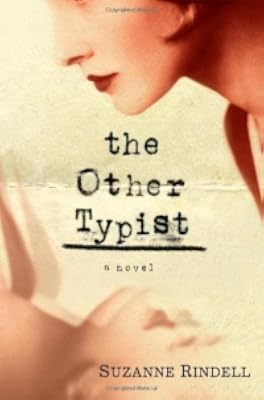
The Other Typist
by Suzanne Rindell
On This Page
Description
A haunting debut novel set against the background of New York City in the 1920s...Confessions are Rose Baker's job. A typist for the New York City Police Department, she sits in judgment like a high priestess. Criminals come before her to admit their transgressions, and, with a few strokes of the keys before her, she seals their fate. But while she may hear about shootings, knifings, and crimes of passion, as soon as she leaves the room, she reverts to a dignified and proper lady. Until show more Odalie joins the typing pool.
As Rose quickly falls under the stylish, coquettish Odalie's spell, she is lured into a sparkling underworld of speakeasies and jazz. And what starts as simple fascination turns into an obsession from which she may never recover.
From the Trade Paperback edition.. show less
Tags
Recommendations


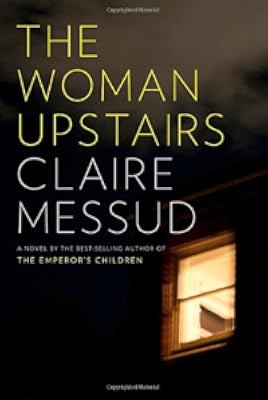
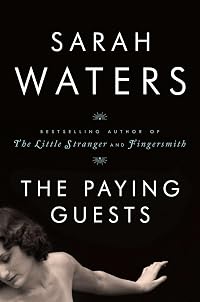
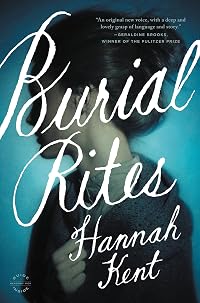
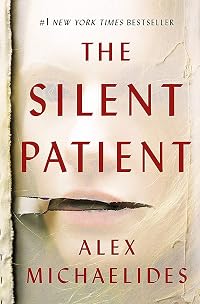




Member Recommendations
akblanchard In the afterword of The Other Typist, Suzanne Rindell acknowledges that her work was inspired by The Great Gatsby.
40
Member Reviews
4.5 stars I've had a run of 1920s books lately, yet each has had fresh perspective and material. All seem to touch on the changing role and perception of women in the scandalous Jazz Age. In this story, the narrator, Rose Baker a self-described conventional, rule-following, traditional young woman (non-bobbed hair) is nonetheless propelled into the changing times by nature of having to support herself. She is an orphan since childhood, but had the good fortune to be educated in typing and steno and has a steady job at a NYC police precinct, typing up reports and taking confessions of criminals. She idolizes the old Sargeant, but is disdainful of the young, flippant Leiutenant-Detective. She lives in a modest boarding house where she show more shares a room with another young woman, but they are not friends. Rose seems very regimented and somewhat aloof -- she seems to miss social cues often (for example, the Lt. Detective is warm and friendly and even flirty, but Rose takes umbrage and disdains him). By about chapter 7, you realize you are dealing with an unreliable narrator. She makes reference to telling us the story "after the fact" from an institution and we learn what all has transpired in between. It seems to hinge on the appearance of the Other Typist, another young woman who is hired at the precinct. Odalie Lazare is everything Rose is not: cosmopolitan, polished, self-assured, calculating and rule-breaking. Rose quickly and easily falls under her spell, even as she reflects on the ways Odalie manipulates others, especially men. Odalie takes Rose to speakeasies and parties and bohemian salons, and Rose sticks out like a sore thumb, begging the question, what is the (fatal) attraction and whose side is it on? Finally, Rose moves in with Odalie to a very well-appointed apartment, with luxuries that Rose has only dreamed of. Odalie is bank-rolled by someone and Rose has trouble sorting the conflicting stories she hears from those in Odalie's orbit (bootlegger, sugar-baby, rich girl on the run, murderess) and Odalie herself (parents died, beloved younger sister died). Rose begins to let go of some of her regimented rules. She drinks, smokes, falsifies a criminal confession, all to gain Odalie's respect and favor. This is all escalating toward something and Rose is in further than she knows, but is enamored of a "true" friendship, and Odalie's sparkle, and a rather bizarre "obsession" she admits to. Creepy vibe all around. There are no boiled rabbits, but a shiny broach serves the same purpose. When Rose finally realizes she's had enough (her beloved Sargeant seems to be accepting favors from Odalie) and she takes action on what she knows of Odalie's past, she inadvertently springs her own trap and is blamed for a murder Odalie commits (?) This is where it falls apart a bit, because the about-face of the facts coupled with Rose's instability leave the reader wondering what exactly happened and what the truth is. Too many "but what about??????" loose ends, but still satisfying and probably a great one to discuss. Very well written with thoughtful reflection on a broader scale. show less
It all went on harmoniously, that is, until they hired the other typist. - from The Other Typist -
It is Prohibition and Rose Baker is working as a typist in the New York City Police Department. Each day she carefully records confessions, then returns to her gloomy boarding house where she shares a room with a woman she dislikes. The times are changing – gone are the Victorian standards women have become accustomed to, and behind the closed doors of Speakeasy’s, women with bobbed hair are drinking and dancing on tables. Rose, who is rather traditional, views all these changes as an outsider…until the Police Department hires a new typist, a woman with shiny bobbed hair and a charismatic personality named Odalie. Rose is smitten, and show more as she and Odalie become friends, everything Rose has come to depend upon begins to change.
The Other Typist is Suzanne Rindell’s debut novel and it is a wonderfully plotted page-turner. Early on, the reader begins to suspect that Rose, as well as Odalie, are not who they first appear. Rose narrates the tale after the fact, hinting that things go terribly wrong, but keeping the reader on the edge of her seat as she unspools the story.
A horrible disaster was looming on my horizon, so to speak, but from the very moment I met Odalie I was rendered utterly powerless to do anything other than watch it hurtle toward me. But, of course, if I am to tell it all in order, as I keep promising to do, there are other things I must tell first. – from The Other Typist -
Rose is a fascinating, unreliable character and throughout this novel I was never sure whether the “facts” she was relating were true, embellished, or simply false. Rindell spins her story deftly with plenty of twists and turns to keep the reader guessing…and the ending was perfect.
Rindell captures the mood and feel of the mid-1920s spectacularly with wonderful descriptions of New York Speakeasy’s. The police characters and the suspects they interview reminded me of the hard boiled detective novels that have been so popular. I could almost see this as a black and white noir film.
I cannot reveal more about this novel without spoiling it, so all I will say is: Pick up a copy and read it for yourself. I guarantee that readers are going to be talking about this book and book clubs will be choosing it to discuss. It is hard to believe this is a first novel.
Readers who love unreliable narrators, twisty tales, and stories set during Prohibition, will want to read The Other Typist.
Highly recommended. show less
It is Prohibition and Rose Baker is working as a typist in the New York City Police Department. Each day she carefully records confessions, then returns to her gloomy boarding house where she shares a room with a woman she dislikes. The times are changing – gone are the Victorian standards women have become accustomed to, and behind the closed doors of Speakeasy’s, women with bobbed hair are drinking and dancing on tables. Rose, who is rather traditional, views all these changes as an outsider…until the Police Department hires a new typist, a woman with shiny bobbed hair and a charismatic personality named Odalie. Rose is smitten, and show more as she and Odalie become friends, everything Rose has come to depend upon begins to change.
The Other Typist is Suzanne Rindell’s debut novel and it is a wonderfully plotted page-turner. Early on, the reader begins to suspect that Rose, as well as Odalie, are not who they first appear. Rose narrates the tale after the fact, hinting that things go terribly wrong, but keeping the reader on the edge of her seat as she unspools the story.
A horrible disaster was looming on my horizon, so to speak, but from the very moment I met Odalie I was rendered utterly powerless to do anything other than watch it hurtle toward me. But, of course, if I am to tell it all in order, as I keep promising to do, there are other things I must tell first. – from The Other Typist -
Rose is a fascinating, unreliable character and throughout this novel I was never sure whether the “facts” she was relating were true, embellished, or simply false. Rindell spins her story deftly with plenty of twists and turns to keep the reader guessing…and the ending was perfect.
Rindell captures the mood and feel of the mid-1920s spectacularly with wonderful descriptions of New York Speakeasy’s. The police characters and the suspects they interview reminded me of the hard boiled detective novels that have been so popular. I could almost see this as a black and white noir film.
I cannot reveal more about this novel without spoiling it, so all I will say is: Pick up a copy and read it for yourself. I guarantee that readers are going to be talking about this book and book clubs will be choosing it to discuss. It is hard to believe this is a first novel.
Readers who love unreliable narrators, twisty tales, and stories set during Prohibition, will want to read The Other Typist.
Highly recommended. show less
This story of an unassuming young woman in Jazz Age New York City started off well enough. It's a time period and setting I love to read about, and Rose's life as a working woman (a typist at a police precinct) was interesting. When a new woman joins the typing pool, Rose quickly falls under her spell, desperate for friendship and connection. The relationship upends Rose's carefully constructed, quiet life.
Ultimately, this novel didn't hang together well for me. It got a bit more ludicrous with every chapter and the denouement beggared belief. My experience was not helped by a very pedestrian narration of the audio book by the actress Gretchen Mol.
3 stars
Ultimately, this novel didn't hang together well for me. It got a bit more ludicrous with every chapter and the denouement beggared belief. My experience was not helped by a very pedestrian narration of the audio book by the actress Gretchen Mol.
3 stars
The Other Typist by Suzanne Rindell is set in the mid-1920s in New York during Prohibition. The story is narrated by Rose, who becomes obsessed with another typist at their workplace, the local police precinct. The other typist is Odalie who is beautiful, charming, alluring and mysterious. In a sense this story acts as Rose’s confession, yet I couldn’t help but wonder if Rose was being truthful about everything as during the course of the tale, there were a number of discrepancies that led me to realize that Rose is an unreliable narrator.
An orphan, raised by nuns, Rose is a play-it-safe and follow the rules type of girl and at first she is unsure about Odalie, but at the same time she watches her closely and takes notes on her show more behavior. When Odalie drops a valuable broach, Rose calmly picks it up and keeps it. Eventually the two women become friendly and before too long Rose moves into Odalie’s apartment and adjusts her lifestyle to fit in with her world of speakeasys, jazz and bathtub gin. Men are never far away from Odalie and soon one comes to Rose with a story of murder and betrayal.
The Other Typist is a twisty, riveting story about two unreliable women that keeps the reader involved and questioning what exactly is going on. One starts the book thinking they are in for a read about young women entering the workplace in the 1920s, but instead find yourself reading a page turner that is eerie, compelling and confusing. It’s a fun read but the bizarre and confusing end has kept me from rating it higher. show less
An orphan, raised by nuns, Rose is a play-it-safe and follow the rules type of girl and at first she is unsure about Odalie, but at the same time she watches her closely and takes notes on her show more behavior. When Odalie drops a valuable broach, Rose calmly picks it up and keeps it. Eventually the two women become friendly and before too long Rose moves into Odalie’s apartment and adjusts her lifestyle to fit in with her world of speakeasys, jazz and bathtub gin. Men are never far away from Odalie and soon one comes to Rose with a story of murder and betrayal.
The Other Typist is a twisty, riveting story about two unreliable women that keeps the reader involved and questioning what exactly is going on. One starts the book thinking they are in for a read about young women entering the workplace in the 1920s, but instead find yourself reading a page turner that is eerie, compelling and confusing. It’s a fun read but the bizarre and confusing end has kept me from rating it higher. show less
Rose Baker has not had the easiest life. Orphaned, she feels strongly the lack of emotional connection typically fostered among families. Raised among nuns, her sense of propriety is especially fervent. However, her demand for proper etiquette does not extend to her career as one of the leading typists within the police department. While there, she can relish the appalling behavior of others while remaining proud of her own stellar deportment. This all changes upon the arrival of Odalie, a new typist within the precinct and one with decidedly modern ideals. Soon, Odalie takes Rose under her wing, something which Rose will never forget. Suzanne Rindell’s The Other Typist explores the confusing boundaries from when the Victorian era show more morphed into the Jazz Age. As tradition meets progress and old standards quickly become ridiculous, Rose must navigate her way through this tumultuous time, following Odalie’s lead in what may prove to be her saving grace – or her downfall.
Nothing about The Other Typist is as it seems. Rose reveals herself early on as an unreliable narrator with references to her doctor and his opinions. Then there is the ease with which the characters shed one persona for another. Everyone with whom Rose comes into contact is either hiding a secret or becomes a different person at night with its lure of hidden speakeasies and illicit booze. This holds true for the story as well, as the plot takes some completely unexpected twists that leave a reader wondering what happened, using more than a few curse words in shock and frustration, and filled with awe at the masterful way in which Ms. Rindel manipulates her characters and a reader.
Gretchen Mol has the ideal voice for Rose. There is a properness to it that meshes perfectly with Rose’s prudishness and insistence on correct etiquette while allowing the hints of darkness pervade her performance as necessary. As a result, it is very easy for a listener to envision Rose’s indignation at some of Odalie’s escapades, Rose’s growing comfort with Odalie’s progressiveness, and her own transformation into a modern woman. More importantly, Ms. Mol gives nothing away regarding Rose’s ultimate fate. Her remoteness not only plays perfectly into Rose’s insistence upon propriety, it also allows Rose to tell her own story and readers to draw their own conclusions about what really happened between the girls. It is a strong performance for a difficult novel to narrate.
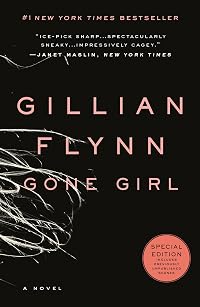
The Other Typist is the type of novel that begs to be hotly debated. With the prevailing ambiguity and its heavy use of psychology, the story leaves plenty of room for interpretation, while the shock-and-awe aspects of the story will both thrill and frustrate readers. In a year where every other novel has been declared as the next Gone Girl, Ms. Rindel has managed to provide just that. The Other Typist is every bit as twisted and misleading as Gillian Flynn’s smash hit but may even be more enjoyable given the brilliance of the ending. This is one novel that deserves to be on everyone’s must-read list. show less
Nothing about The Other Typist is as it seems. Rose reveals herself early on as an unreliable narrator with references to her doctor and his opinions. Then there is the ease with which the characters shed one persona for another. Everyone with whom Rose comes into contact is either hiding a secret or becomes a different person at night with its lure of hidden speakeasies and illicit booze. This holds true for the story as well, as the plot takes some completely unexpected twists that leave a reader wondering what happened, using more than a few curse words in shock and frustration, and filled with awe at the masterful way in which Ms. Rindel manipulates her characters and a reader.
Gretchen Mol has the ideal voice for Rose. There is a properness to it that meshes perfectly with Rose’s prudishness and insistence on correct etiquette while allowing the hints of darkness pervade her performance as necessary. As a result, it is very easy for a listener to envision Rose’s indignation at some of Odalie’s escapades, Rose’s growing comfort with Odalie’s progressiveness, and her own transformation into a modern woman. More importantly, Ms. Mol gives nothing away regarding Rose’s ultimate fate. Her remoteness not only plays perfectly into Rose’s insistence upon propriety, it also allows Rose to tell her own story and readers to draw their own conclusions about what really happened between the girls. It is a strong performance for a difficult novel to narrate.
The Other Typist is the type of novel that begs to be hotly debated. With the prevailing ambiguity and its heavy use of psychology, the story leaves plenty of room for interpretation, while the shock-and-awe aspects of the story will both thrill and frustrate readers. In a year where every other novel has been declared as the next Gone Girl, Ms. Rindel has managed to provide just that. The Other Typist is every bit as twisted and misleading as Gillian Flynn’s smash hit but may even be more enjoyable given the brilliance of the ending. This is one novel that deserves to be on everyone’s must-read list. show less
Can watching a train wreck be a good thing? The author skillfully lets you know that something is badly amiss early in the novel, but the fun is in watching the way Rindell selectively parcels out the information a tidbit at a time. The historical details of Prohibition provide a great setting for this spiral into crime, and I haven't enjoyed an "unreliable narrator" novel this much since I read The Lace Reader!
The excesses of the 1920s are very popular right now in books and movies. From a new movie version of The Great Gatsby to several books featuring Zelda Fitzgerald to Suzanne Rindell's amazing debut novel, The Other Typist, the 1920s certainly have captured our imaginations lately. I am just as susceptible to the glamour and allure of the times as anyone else and I was absolutely captivated by this tale of Rose Baker, a straightlaced, rather colorless young woman raised by nuns and making her own way in a New York City police precinct working as a typist.
Rose is one of a new breed of women working in an arena previously dominated by men. As a stenographer, she types up confessions and other potentially gruesome bits of information for show more the police department. She prides herself on being incapable of being shocked and of being scrupulously honest in her work. She comes across as old-fashioned, repressed, and morally decisive and definitive, unable to entertain the existence of shades of grey. But then the beautiful, secretive, and dangerously seductive Odalie arrives in the precinct. Rose, initially disgruntled by the other typist, is eventually attracted to the glitter, glamour, and aura of unconcerned wealth that Odalie wears like a perfume. When Odalie chooses Rose as her closest friend in the typing pool, Rose feels superior and never questions anything about her new friend's unusual circumstances. She is too drawn to the sparkle and apparent riches after living a lifetime of "must needs" and doing without, pinching pennies and being careful. She is utterly seduced, agreeing to move into a fashionable hotel apartment with Odalie, to take cabs to work every day, and to visit speakeasies to party the nights away. But everything is not as it seems on the surface as Rose comes to slowly understand.
The novel is told as if it is Rose's official confession of something as yet not revealed, complete with small throwaway comments full of foreboding and foreshadowing. Right from the start, Rose's narration hints that there's a chance things are not quite straightforward, not quite as they seem. But if Rose's dawning comprehension about her toxic relationship with Odalie is glacially slow, the reader never has doubts. Odalie's character right from the start comes across as an enchantress drawing all those around her into her web. As described by Rose in hindsight, she is the very embodiment of "'Will you walk into my parlour?' said the Spider to the Fly." But Rose, thrilled to be included and enticed by the lavish lifestyle they lead, unbends from her staid and repressed character and embraces a looser persona, willing to bend or abandon her heretofore trumpeted scruples. Although Rose is intended to be a naïve character, she is also clearly unreliable in her narration, obsessed as she is with Odalie's story or stories, her slick presentation, and her sumptuous lifestyle. As the story threads become more and more tangled in this tale of temptation and lies, the reader is as drawn into the escalating mess as Rose is.
Rindell has done a marvelous job evoking 1920s New York City and the shifting morals of the time, presenting historical facts that enhance the story and which bare her characters to the reader. The precinct and the detectives in it are real as is the atmosphere surrounding Prohibition, the crack-downs as well as the benign turning of blind eyes. The whole of it is addictive and makes for completely compelling reading. Throughout the novel there is a question of what is real and what is imagined and the unexpected and unexplained open ending only reinforces the mystery of it all. What, after all, is the truth? When you close the book, you still might not know, but you will know that you've read a masterful, thrilling novel you will ponder for a long time to come. show less
Rose is one of a new breed of women working in an arena previously dominated by men. As a stenographer, she types up confessions and other potentially gruesome bits of information for show more the police department. She prides herself on being incapable of being shocked and of being scrupulously honest in her work. She comes across as old-fashioned, repressed, and morally decisive and definitive, unable to entertain the existence of shades of grey. But then the beautiful, secretive, and dangerously seductive Odalie arrives in the precinct. Rose, initially disgruntled by the other typist, is eventually attracted to the glitter, glamour, and aura of unconcerned wealth that Odalie wears like a perfume. When Odalie chooses Rose as her closest friend in the typing pool, Rose feels superior and never questions anything about her new friend's unusual circumstances. She is too drawn to the sparkle and apparent riches after living a lifetime of "must needs" and doing without, pinching pennies and being careful. She is utterly seduced, agreeing to move into a fashionable hotel apartment with Odalie, to take cabs to work every day, and to visit speakeasies to party the nights away. But everything is not as it seems on the surface as Rose comes to slowly understand.
The novel is told as if it is Rose's official confession of something as yet not revealed, complete with small throwaway comments full of foreboding and foreshadowing. Right from the start, Rose's narration hints that there's a chance things are not quite straightforward, not quite as they seem. But if Rose's dawning comprehension about her toxic relationship with Odalie is glacially slow, the reader never has doubts. Odalie's character right from the start comes across as an enchantress drawing all those around her into her web. As described by Rose in hindsight, she is the very embodiment of "'Will you walk into my parlour?' said the Spider to the Fly." But Rose, thrilled to be included and enticed by the lavish lifestyle they lead, unbends from her staid and repressed character and embraces a looser persona, willing to bend or abandon her heretofore trumpeted scruples. Although Rose is intended to be a naïve character, she is also clearly unreliable in her narration, obsessed as she is with Odalie's story or stories, her slick presentation, and her sumptuous lifestyle. As the story threads become more and more tangled in this tale of temptation and lies, the reader is as drawn into the escalating mess as Rose is.
Rindell has done a marvelous job evoking 1920s New York City and the shifting morals of the time, presenting historical facts that enhance the story and which bare her characters to the reader. The precinct and the detectives in it are real as is the atmosphere surrounding Prohibition, the crack-downs as well as the benign turning of blind eyes. The whole of it is addictive and makes for completely compelling reading. Throughout the novel there is a question of what is real and what is imagined and the unexpected and unexplained open ending only reinforces the mystery of it all. What, after all, is the truth? When you close the book, you still might not know, but you will know that you've read a masterful, thrilling novel you will ponder for a long time to come. show less
Members
- Recently Added By
Lists

Books Read in 2014
2,343 works; 86 members

Kirkus Reviews Best Fiction of 2013
99 works; 6 members

Books Read in 2013
1,630 works; 51 members
Author Information

6 Works 1,683 Members
Awards and Honors
Awards
Common Knowledge
- Canonical title*
- Un'amicizia pericolosa
- Original title
- The Other Typist
- Original publication date
- 2013
- People/Characters
- Rose Baker; Odalie Lazare
- Important places
- New York, New York, USA
- Dedication
- For my parents, Arthur and Sharon Rindell. I owe you everything.
- First words
- They said the typewriter would unsex us.
*Some information comes from Common Knowledge in other languages. Click "Edit" for more information.
Classifications
Statistics
- Members
- 1,096
- Popularity
- 23,196
- Reviews
- 91
- Rating
- (3.47)
- Languages
- 8 — Catalan, Dutch, English, French, German, Italian, Russian, Spanish
- Media
- Paper, Audiobook, Ebook
- ISBNs
- 26
- ASINs
- 8