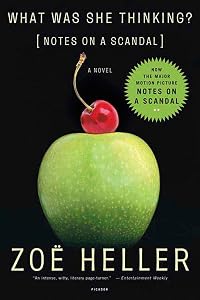
Notes on a Scandal
by Zoë Heller
On This Page
Description
Schoolteacher Barbara Covett has led a bitter, lonely life as a self-made careerist. Sheba Hart is the ethereal, inexperienced new pottery teacher at St. George's school. When Barbara hears of Sheba's problems in the classroom, her sympathy soon leads to friendship and confidence. But Barbara is unprepared for the secret she will learn: that Sheba has begun a passionate affair with an underage male student. Barbara's confusion, disapproval, and jealousy are helpless to prevent the coming show more disaster.When the story comes to light and Sheba falls prey to the inevitable media circus, Barbara decides to write an account in her friend's defense, an account that reveals not only Sheba's secrets but her own. What results is a complex psychological portrait framed as a wicked satire, a story of passion and repression, mercy and betrayal.
. show less
Tags
Recommendations








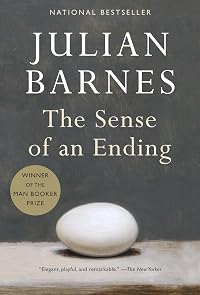
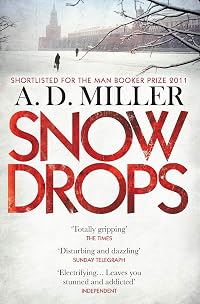
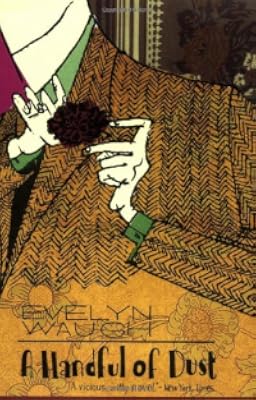
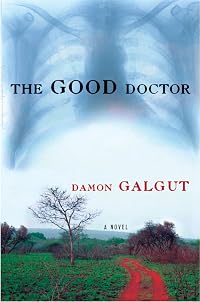

Member Recommendations
Member Reviews
Spoiler possible.
Despite her character flaws (or perhaps because of them) I found Barbara to be one of the most distinctive and compelling narrators I’ve ever read. She was unlike anyone else. Bitter and quick to find fault but wryly amusing in her merciless observations, she puts everyone except herself under scrutiny. I didn’t like her, but I did agree with some of the things she said and I understood where she was coming from. It wasn’t a good or healthy place, but I understood how she got there. Sometimes I wanted to smack her or shake her into being more human.
Clearly, she had an enormous crush on Sheba. When Sheba formed another friendship first, Barbara wickedly tells us how unworthy that other friend is. As soon as she show more can, Barbara worms Sheba away from the inappropriate and unworthy friendship and corrals her for all her own. Of course none of this is done overtly – it is all oblique and Sheba senses none of it. She is too naive to see her own manipulation.
Because Barbara is so disconnected from humanity in general, she cannot understand what would compel Sheba to embark on such a forbidden love and she does not. Barbara guesses at motive but can’t give us any depth of feeling. She is truly clueless. All she can offer us are observations of Sheba’s behavior.
In the end, she betrays Sheba to a colleague who she thought had designs on her. In reality, the man only asked Barbara out on a date so that he could ferret information from her about Sheba. He has a crush on her too. Barbara kicks him to the curb for Sheba and then stabs her in the back. This way Sheba will be abandoned by all and truly need Barbara in her life. Normally Barbara is an afterthought. Someone to pay attention to when there is nothing else. This stops when Barbara betrays her. It was a shock to me and I read the line 3 times before moving on, but I really should have seen it coming.
Now in the end Barbara is mother to Sheba even after Sheba discovers her betrayal. They await her trial together, Sheba forever tied to Barbara. show less
Despite her character flaws (or perhaps because of them) I found Barbara to be one of the most distinctive and compelling narrators I’ve ever read. She was unlike anyone else. Bitter and quick to find fault but wryly amusing in her merciless observations, she puts everyone except herself under scrutiny. I didn’t like her, but I did agree with some of the things she said and I understood where she was coming from. It wasn’t a good or healthy place, but I understood how she got there. Sometimes I wanted to smack her or shake her into being more human.
Clearly, she had an enormous crush on Sheba. When Sheba formed another friendship first, Barbara wickedly tells us how unworthy that other friend is. As soon as she show more can, Barbara worms Sheba away from the inappropriate and unworthy friendship and corrals her for all her own. Of course none of this is done overtly – it is all oblique and Sheba senses none of it. She is too naive to see her own manipulation.
Because Barbara is so disconnected from humanity in general, she cannot understand what would compel Sheba to embark on such a forbidden love and she does not. Barbara guesses at motive but can’t give us any depth of feeling. She is truly clueless. All she can offer us are observations of Sheba’s behavior.
In the end, she betrays Sheba to a colleague who she thought had designs on her. In reality, the man only asked Barbara out on a date so that he could ferret information from her about Sheba. He has a crush on her too. Barbara kicks him to the curb for Sheba and then stabs her in the back. This way Sheba will be abandoned by all and truly need Barbara in her life. Normally Barbara is an afterthought. Someone to pay attention to when there is nothing else. This stops when Barbara betrays her. It was a shock to me and I read the line 3 times before moving on, but I really should have seen it coming.
Now in the end Barbara is mother to Sheba even after Sheba discovers her betrayal. They await her trial together, Sheba forever tied to Barbara. show less
I really enjoyed this wonderfully observed novel, with its unreliable narrator and feckless, selfish, but ultimately pitiable heroine. It was full of great observervations and stark, very compact writing. I
Zoë Heller’s novel of obsessive and, ultimately, destructive infatuation is a skilfully rendered portrait of a woman embittered by loneliness and solitude who is pathologically unable to make and keep friends. A teacher with many years of service at a London comprehensive school behind her, Barbara Covett is in her sixties and on the cusp of retirement when the school hires a new art instructor, 40-ish Sheba Hart. Barbara is on the rebound from a failed friendship with another female teacher, and it gives the reader some sense of Barbara’s domineering nature to learn that the former friend, Jennifer, has cut ties with her and threatened legal action if Barbara tries to contact her again. For her part, Barbara claims ignorance show more regarding the cause of the rift. The novel, which recounts events from Barbara’s perspective, is presented as a document that Barbara is composing in defense of Sheba’s actions, though she ends up revealing as much about herself as she does about Sheba. Sheba, bohemian by nature, attired in gauzy outfits, parades her waiflike beauty with casual nonchalance, oblivious to the comments, flattering and unflattering, that follow in her wake. Married to a man 20 years her senior, saddled with a sullen, temperamental teenage daughter and a son with Down’s Syndrome, she lives a privileged life crammed with material things but is emotionally adrift. Enter student Steven Connelly, 15, whose rough exterior, working-class origins and nascent artistic talent go a long way toward breaking down Sheba’s resistance to his sexual advances. In the meantime, Barbara manages to finagle her way into Sheba’s life to the point of becoming the younger woman’s intimate and confessor. All of these factors come into play when the affair between teacher and student is exposed and attains public notice in the form of salacious tabloid headlines. Sheba, crumbling under the notoriety, her life and career in ruins, is left with no one but Barbara to rely on. Zoë Heller, a journalist, is a master of the stunningly apt turn of phrase, particularly where her characters—their appearance and gestures—are concerned, and throughout the book the prose is vivid and rich with metaphor. On the other side of the ledger, the action occasionally descends into melodrama, and it’s possible some readers will find the construct of Barbara piecing together the story from details gleaned from Sheba during conversations a bit awkward and far-fetched. Despite these minor reservations, What Was She Thinking? [Notes on a Scandal], which tells a sordid and unhappy tale in which there are virtually no sympathetic characters, remains highly entertaining and absolutely gripping. show less
In the US, this was published as "What Was She Thinking?", with "Notes on a Scandal" in brackets, as a subtitle.
Having just read Lolita (see my review HERE), I thought it would be interesting to read a more modern take on such a difficult subject, albeit with sexes reversed.
It's the story of Sheba, a married middle-class middle-aged pottery teacher who has an affair with a 15 year old pupil.
It is told by Barbara, a sixty-ish spinster who teaches in the same school, in a voice that could easily have been written by Alan Bennett - except that she's far nastier than any protagonist of his.
Innocence - and Not
Unlike Humbert in Lolita, there is no premeditation on the part of the Sheba; instead she succumbs through weakness (not that show more that's a justification) and excitement. In many ways she is the most childlike character, having married very young and been babied to some extent ever since, first by her husband and more recently by the manipulative Barbara.
Although Steven is a victim, he is also sexually assertive (as Humbert claims Lolita is), and Sheba is prey to both him and Barbara (described as a succubus, by Sheba's husband). The fact that Sheba started going out with her husband when he was her lecturer perhaps makes her feel it's not crossing such a big boundary for her to have a sexual relationship with Steven.
Compared with Lolita and others
Lolita was a child, a victim of rape as well as psychological abuse. Stephen, too. They are unquestionably victims of abuse by adults.
It's precisely because they are not passive, not conventionally pure or innocent (not that we can trust Humbert's account), that these are troubling and intriguing books. Both children are allegedly sexually experienced (possibly from abuse by other adults) before they meet the protagonists of these stories, and both apparently seek out and try to seduce their abusers. That absolutely does not justify the adults succumbing to that, but it does create a complex and twisted scenario for readers to judge. And we never get either story from the child's point of view.
Having a male victim of an older woman also changes the dynamic. See also John Banville's Ancient Light (my review is HERE), in which an aging man fondly remembers a teenage fling with a friend's mother.
For another slant of the young girl/older man, there's Marguerite Duras' autobiographical The Lover, set in 1929 Vietnam, which I reviewed HERE.
Amanda's comment, highlighting "toxic female friendship" made me realise this links intriguingly to Atwood's brilliant Cat's Eye, which I reviewed HERE.
Who is the Power?
Although the headline relationship is between Sheba and Steven, it is arguably that of Barbara and Sheba that is more twisted and exploitative. Barbara thinks she is lonely and that Sheba is insensitive to that, but Sheba is at least as lonely in a different way, and not as self-centred. Barbara wheedles her way into Sheba's life, with clear, but implicit Sapphic undertones, and loves the reflected glory of being friends with an attractive family.
She subsequently relishes her disgust and revels in the power of secrets. Even when the story breaks in the press, Barbara still gets a vicarious kick out of the scandal and her place in it.
Overall, a fascinating book, with lots to think about. show less
Having just read Lolita (see my review HERE), I thought it would be interesting to read a more modern take on such a difficult subject, albeit with sexes reversed.
It's the story of Sheba, a married middle-class middle-aged pottery teacher who has an affair with a 15 year old pupil.
It is told by Barbara, a sixty-ish spinster who teaches in the same school, in a voice that could easily have been written by Alan Bennett - except that she's far nastier than any protagonist of his.
Innocence - and Not
Unlike Humbert in Lolita, there is no premeditation on the part of the Sheba; instead she succumbs through weakness (not that show more that's a justification) and excitement. In many ways she is the most childlike character, having married very young and been babied to some extent ever since, first by her husband and more recently by the manipulative Barbara.
Although Steven is a victim, he is also sexually assertive (as Humbert claims Lolita is), and Sheba is prey to both him and Barbara (described as a succubus, by Sheba's husband). The fact that Sheba started going out with her husband when he was her lecturer perhaps makes her feel it's not crossing such a big boundary for her to have a sexual relationship with Steven.
Compared with Lolita and others
Lolita was a child, a victim of rape as well as psychological abuse. Stephen, too. They are unquestionably victims of abuse by adults.
It's precisely because they are not passive, not conventionally pure or innocent (not that we can trust Humbert's account), that these are troubling and intriguing books. Both children are allegedly sexually experienced (possibly from abuse by other adults) before they meet the protagonists of these stories, and both apparently seek out and try to seduce their abusers. That absolutely does not justify the adults succumbing to that, but it does create a complex and twisted scenario for readers to judge. And we never get either story from the child's point of view.
Having a male victim of an older woman also changes the dynamic. See also John Banville's Ancient Light (my review is HERE), in which an aging man fondly remembers a teenage fling with a friend's mother.
For another slant of the young girl/older man, there's Marguerite Duras' autobiographical The Lover, set in 1929 Vietnam, which I reviewed HERE.
Amanda's comment, highlighting "toxic female friendship" made me realise this links intriguingly to Atwood's brilliant Cat's Eye, which I reviewed HERE.
Who is the Power?
Although the headline relationship is between Sheba and Steven, it is arguably that of Barbara and Sheba that is more twisted and exploitative. Barbara thinks she is lonely and that Sheba is insensitive to that, but Sheba is at least as lonely in a different way, and not as self-centred. Barbara wheedles her way into Sheba's life, with clear, but implicit Sapphic undertones, and loves the reflected glory of being friends with an attractive family.
She subsequently relishes her disgust and revels in the power of secrets. Even when the story breaks in the press, Barbara still gets a vicarious kick out of the scandal and her place in it.
Overall, a fascinating book, with lots to think about. show less
Notes on a Scandal is dark and scandalous!
Lonely spinster Barbara Covett is nearing retirement as a history teacher at St George’s when vivacious Bathsheba Hart joins the staff as a newbie art teacher. As their friendship blossoms the obsessive side of their nature unfurls with dramatic consequences.
Barbara and Sheba are an unlikely pairing. Stand-offish, scathing Barbara has a rigid routine, lives within her meagre means and has only Portia the cat for company. Magnetic, mesmerising Sheba is married with two children, upbeat and naive, spontaneous and well off.
Yet both are driven by an irrational obsession.
Both are unlikeable, unreliable, unpredictable and calculating.
Notes on a Scandal is really well written. The characterisation show more of 15-year old, special needs student Steve Connolly, Bangs the totally weird Maths teacher and the ghastly Pabblem, St George’s Headteacher, are scarily convincing.
Funny and brutal, creepy and disturbing, and well worth a read. show less
Lonely spinster Barbara Covett is nearing retirement as a history teacher at St George’s when vivacious Bathsheba Hart joins the staff as a newbie art teacher. As their friendship blossoms the obsessive side of their nature unfurls with dramatic consequences.
Barbara and Sheba are an unlikely pairing. Stand-offish, scathing Barbara has a rigid routine, lives within her meagre means and has only Portia the cat for company. Magnetic, mesmerising Sheba is married with two children, upbeat and naive, spontaneous and well off.
Yet both are driven by an irrational obsession.
Both are unlikeable, unreliable, unpredictable and calculating.
Notes on a Scandal is really well written. The characterisation show more of 15-year old, special needs student Steve Connolly, Bangs the totally weird Maths teacher and the ghastly Pabblem, St George’s Headteacher, are scarily convincing.
Funny and brutal, creepy and disturbing, and well worth a read. show less
This is a tight glimpse into the worlds of two women caught in a scandal. A high school teacher is discovered to have been having sex with her 17 year old pupil, bringing complete ruination to her career, her marriage, and her social world. Facing legal consequences, she is befriended by an older teacher who narrates the story. This narrator's life and motivations are evoked indirectly (she is somewhat unaware of her own motives or how she is perceived by others). The characterization of the narrator is particularly acute
I wasn't certain I was going to like this book when I began it. It starts out in the present tense, a conceit that I generally dislike. However, it soon changes, as the author alternates tenses to differentiate between the narration of past and present events. And then it works.
The story is of a forty-ish school teacher who has an affair with one of her students, and is told by a sixty-ish school teacher who has befriended her. As the book starts, the affair has already been discovered and Sheba is out on bail pending trial, living in her brother's home with her friend Barbara. Barbara is writing a journal about the events and her relationship with Sheba, and that is how the story unfolds.
All of Heller's characters are realistic, from show more the inarticulate 15-year-old with a crush on his teacher, to the teacher herself, new at the job, anxious to do good and make good, to her rebellious teen-aged daughter, to the pompous headmaster and the spinster friend. It is the character of Barbara, however, who is most interesting, despite the rather stereotypical "repressed lesbian spinster with cat" image. She is very clever, dead on with her analysis of other people and their actions, yet totally oblivious to her own inappropriate behavior and full of self-justification. She is at once sympathetic, and not sympathetic, a very neat stunt to pull off!
The same is true of Sheba. The knee-jerk reaction is to think, well, she should have known better than to have it off with a student. But the situation is far more complicated than that. As Barbara muses, "The sorts of young people who become involved in this kind of imbroglio are usually pretty wily about sexual matters. I don't mean just that they're sexually experienced -- although that is often the case. I mean that they possess some instinct, some natural talent, for sexual power play. For various reasons, our society has chosen to classify people under the age of sixteen as children. In most of the rest of the world, boys and girls are understood to become adults somewhere around the age of twelve. . .We may have very good reasons for choosing to prolong the privileges and protections of childhood. But at least let us acknowledge what we are up against when attempting to enforce that extension. Connolly was officially a minor, and Sheba's actions were, officially speaking, exploitative; yet any honest assessment of their relationship would have to acknowledge not only that Connolly was acting of his own volition but that he actually wielded more power in the relationship than Sheba." That is often the case.
A very good read. show less
The story is of a forty-ish school teacher who has an affair with one of her students, and is told by a sixty-ish school teacher who has befriended her. As the book starts, the affair has already been discovered and Sheba is out on bail pending trial, living in her brother's home with her friend Barbara. Barbara is writing a journal about the events and her relationship with Sheba, and that is how the story unfolds.
All of Heller's characters are realistic, from show more the inarticulate 15-year-old with a crush on his teacher, to the teacher herself, new at the job, anxious to do good and make good, to her rebellious teen-aged daughter, to the pompous headmaster and the spinster friend. It is the character of Barbara, however, who is most interesting, despite the rather stereotypical "repressed lesbian spinster with cat" image. She is very clever, dead on with her analysis of other people and their actions, yet totally oblivious to her own inappropriate behavior and full of self-justification. She is at once sympathetic, and not sympathetic, a very neat stunt to pull off!
The same is true of Sheba. The knee-jerk reaction is to think, well, she should have known better than to have it off with a student. But the situation is far more complicated than that. As Barbara muses, "The sorts of young people who become involved in this kind of imbroglio are usually pretty wily about sexual matters. I don't mean just that they're sexually experienced -- although that is often the case. I mean that they possess some instinct, some natural talent, for sexual power play. For various reasons, our society has chosen to classify people under the age of sixteen as children. In most of the rest of the world, boys and girls are understood to become adults somewhere around the age of twelve. . .We may have very good reasons for choosing to prolong the privileges and protections of childhood. But at least let us acknowledge what we are up against when attempting to enforce that extension. Connolly was officially a minor, and Sheba's actions were, officially speaking, exploitative; yet any honest assessment of their relationship would have to acknowledge not only that Connolly was acting of his own volition but that he actually wielded more power in the relationship than Sheba." That is often the case.
A very good read. show less
Members
- Recently Added By
Lists

Read the book and saw the movie
1,170 works; 195 members

Booker Prize
491 works; 62 members

Unreliable Narrators
170 works; 43 members

Best Books Set in London
157 works; 40 members

The Guardian's 100 best books of the 21st century
100 works; 21 members

Female Author
1,234 works; 65 members
Best School Stories
219 works; 22 members

Top Five Books of 2014
1,064 works; 397 members

did I say that I didn't mean that (unreliable narrators)
34 works; 7 members

50 Books by Women Authors
50 works; 10 members
Booker Prize Shortlist: Titles Read
103 works; 10 members

Top Five Books of 2017
757 works; 230 members

Man Booker Prize Longlist 2003
23 works; 3 members

Academia in Fiction
158 works; 23 members

My E-Book Collection - Opinions Welcome
92 works; 10 members

Watched the Movie, Probably Won't Read the Book
185 works; 34 members
Love Triangles in Literature
108 works; 15 members

Bibliography for How to be a Heroine
148 works; 12 members

Anti-heroines in fiction
59 works; 9 members

Reading list
170 works; 1 member

Books Read in 2019
4,052 works; 108 members

living room bookshelf
150 works; 1 member
Author Information

7+ Works 4,677 Members
Zoe Heller has been a contributing editor of Vanity Fair and a staff member of the London Sunday Times, the Times Supplement, Esquire, Vogue, the London Review of Books and The New York Times. Her 2003 novel, What Was She Thinking?: Notes on a Scandal, earned tremendous acclaim, including a spot on the short list for the prestigious Man Booker show more Prize. The audio release coincided with the 2007 film adaptation, Notes on a Scandal, starring Cate Blanchett and Judi Dench. She was born and educated in Britain and now divides her time between Brooklyn, NY and Bucks County, PA. (Bowker Author Biography) show less
Some Editions
Awards and Honors
Awards
Notable Lists
Series
Belongs to Publisher Series
Penguin Celebrations (20)
Common Knowledge
- Canonical title
- Notes on a Scandal
- Original title
- Notes on a Scandal
- Alternate titles
- Notes on a Scandal
- Original publication date
- 2003
- People/Characters
- Sheba Hart; Stephen Connolly; Barbara Covett; Polly Hart; Richard Hart; Sue
- Important places
- London, England, UK
- Related movies
- Notes on a Scandal (2006 | IMDb)
- Dedication
- For Larry and Frankie
- First words
- March 1, 1998
The other night, at dinner, Sheba talked about the first time that she and the Connolly boy kissed. (Foreword) - Last words
- (Click to show. Warning: May contain spoilers.)And she knows by now not to go too far without me.
- Blurbers
- Levy, Lisa; Marcus, James; Fox, Paula; O'Faolain, Nuala; Bevan, Kate; Begley, Adam
- Disambiguation notice
- Originally published in the UK and elsewhere under the title Notes on a Scandal, this book was also released in the USA under the titles What Was She Thinking? Notes on a Scandal and then Notes on a Scandal: ... (show all)What Was She Thinking?
Classifications
Statistics
- Members
- 3,271
- Popularity
- 5,255
- Reviews
- 108
- Rating
- (3.64)
- Languages
- 15 — Czech, Danish, Dutch, English, Estonian, French, German, Italian, Lithuanian, Norwegian (Bokmål), Norwegian, Portuguese, Slovak, Spanish, Swedish
- Media
- Paper, Audiobook, Ebook
- ISBNs
- 58
- ASINs
- 18