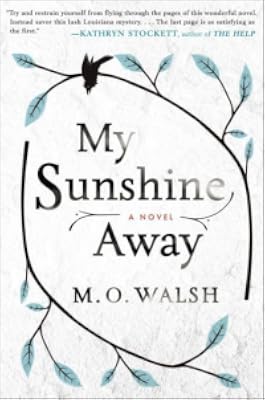
My Sunshine Away
by M.O. Walsh 
On This Page
Description
The debut novel everyone is talking about...“The last page is as satisfying as the first.” —Kathryn Stockett
“I really loved this book... I can't praise it enough.”—Anne Rice
“It's a book to read and reread, one that will only get better with time.”—Tom Franklin
It was the summer everything changed.…
My Sunshine Away unfolds in a Baton Rouge neighborhood best known for cookouts on sweltering summer afternoons, cauldrons of spicy crawfish, and passionate show more football fandom. But in the summer of 1989, when fifteen-year-old Lindy Simpson—free spirit, track star, and belle of the block—experiences a horrible crime late one evening near her home, it becomes apparent that this idyllic stretch of Southern suburbia has a dark side, too.
In My Sunshine Away, M.O. Walsh brilliantly juxtaposes the enchantment of a charmed childhood with the gripping story of a violent crime, unraveling families, and consuming adolescent love. Acutely wise and deeply honest, it is an astonishing and page-turning debut about the meaning of family, the power of memory, and our ability to forgive. . show less
Tags
Recommendations
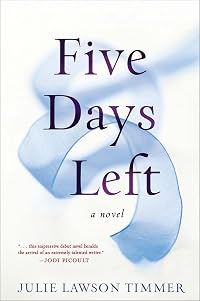
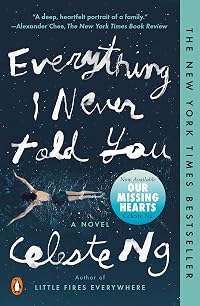
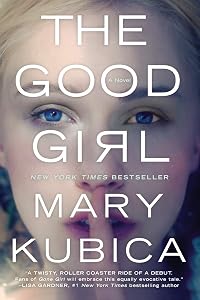
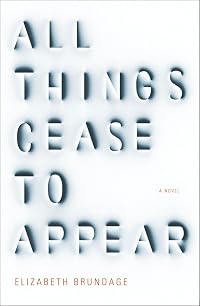
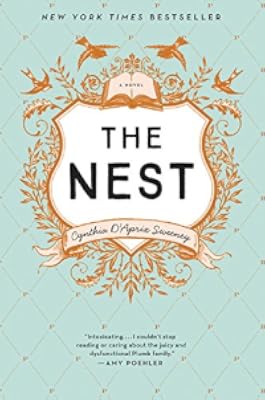
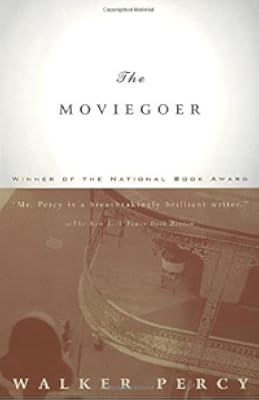
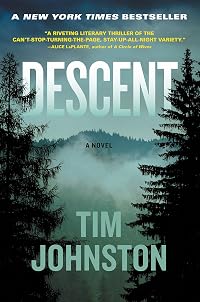
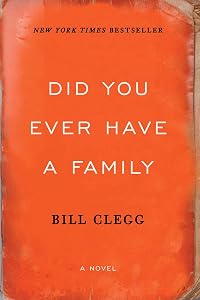
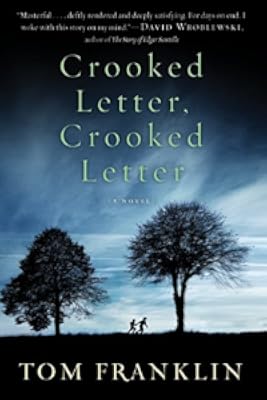
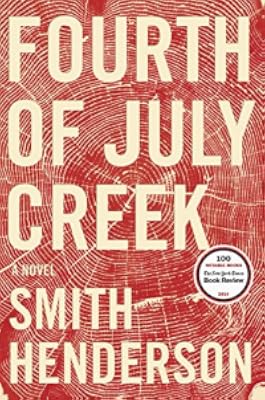
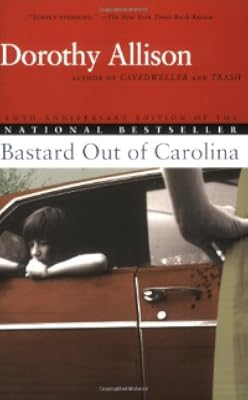

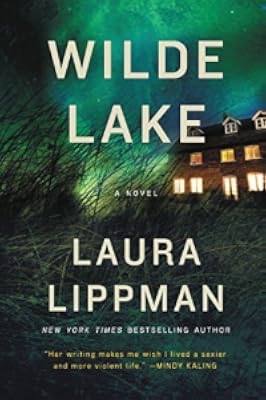

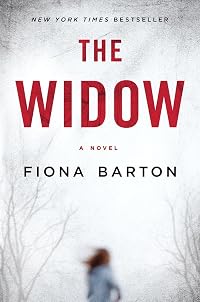
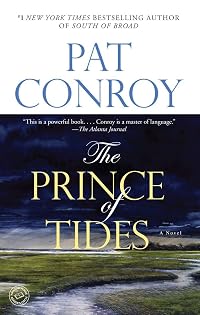
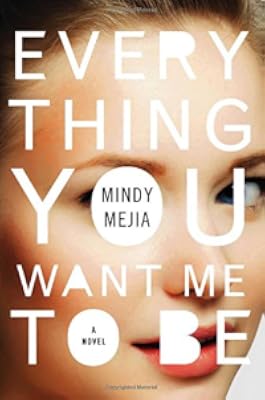
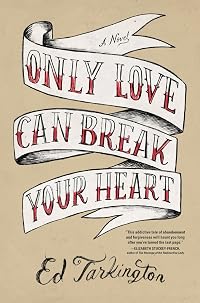

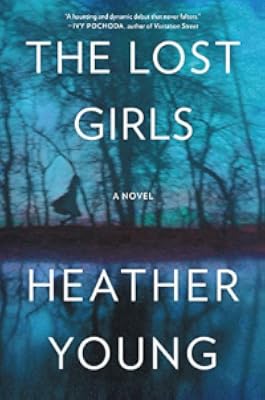
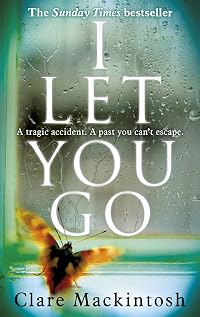
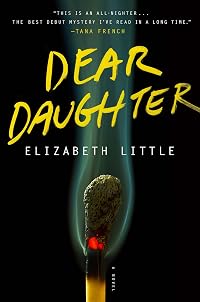
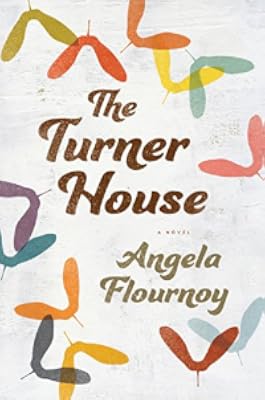
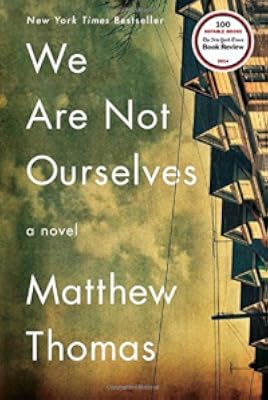
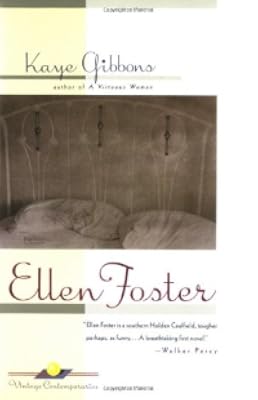
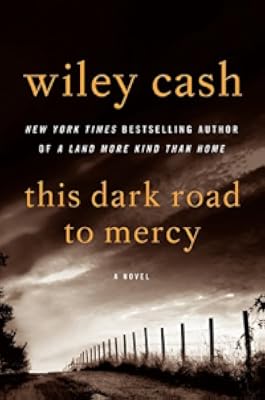
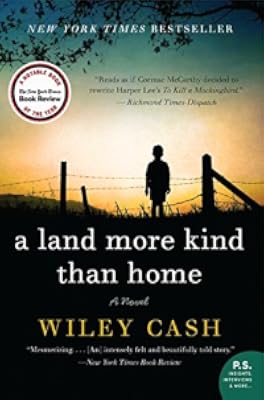


Member Recommendations
BookshelfMonstrosity These literary coming-of-age novels each hauntingly explore the repercussions of a rape on small communities. A large family falls apart in We Were the Mulvaneys, while My Sunshine Away portrays the residents of a single street.
achedglin Both are well-written Southern gothic bildungsromans set roughly in the late 1980s. They both involve a central crime and betrayal of trust, but are both largely about community. They're not exactly the same, but a fan of one will probably appreciate the other.
Member Reviews
The subject matter of My Sunshine Away is rough. Not only does it discuss Lindy’s rape and the lingering effects of it on her but also on the entire neighborhood, it also details the mindset of an adolescent boy. To make things even more uncomfortable for readers, the narrator is an adolescent boy obsessed with the very girl struggling to make sense of the crime done to her. This could turn My Sunshine Away into a very crude and uncomfortable story about one man’s biased version of a traumatic childhood event and other happenings during his formative years. Instead, under Mr. Walsh’s stellar prose, it becomes a stunning story about memory, family, secrets, and love.
From the opening chapter, readers know that they are in for show more something different, as the narrator sets the tone for the story by declaring himself one of the four suspects of Lindy’s crime. While this should make him an unreliable narrator, it instead establishes his honesty and willingness to tell the whole truth, no matter how poorly it reflects on his thoughts and actions. He is totally besotted with Lindy but hides nothing from readers. He is quite frank about his lewd sketches, his spying, his fantasies, and his collection of Lindy memorabilia. Again, this should disgust readers and turn them against him. Instead, he is so open and ashamed looking back on his behavior as an adult that readers have no issues forgiving him. In many ways, his inability to hide even his most perverted fantasies make him rather pathetic as he desperately seeks Lindy’s approbation regardless of what it means to his family and friends.
What prevents My Sunshine Away from being just another whodunnit about a long-ago unsolved crime is Mr. Walsh’s writing. Mr. Walsh captures the essence of what it was like to grow up during the early 1990s. The narrator’s recall of huge events like the Challenger tragedy, the discovery and subsequent trial of the Dahmer murders, and so forth are evocative and immediately place readers back to those key dates in their own lives. However, it is his description of the mundane details of life before computers, when watching TV was a family event and talking on the phone with a friend became a daily hours-long ritual, that truly take the stage. He captures the simultaneous hope and ennui that defined the generation that created grunge and does so with breathtaking clarity and a wonderful sense of nostalgia that befits someone reflecting on past events.
The other element of My Sunshine Away which makes it truly spectacular is Mr. Walsh’s use of Baton Rouge as its own character. His descriptions of the steamy summer heat, the ritual of meals, the sense of neighborhood, as well as the dangers lurking in the woods, and the jungle-like quality of a neighborhood bordered by swamps are lovingly detailed. More importantly, they are so vibrant that readers will find it effortless to imagine the neighborhood and its eclectic inhabitants. While the basic plot could occur anywhere in the world, there are certain elements unique to Baton Rouge which make it impossible for the story to unfold anywhere else.
My Sunshine Away has some of the most gorgeous, poetic sentences one can find in a novel. Mr. Walsh has a way of filling a simple statement with a thought so profound that readers will automatically pause to reflect. Similarly, the trip down memory lane to the late 1980s and early 1990s are poignant but exquisitely detailed to make them fun. All the while, the narrator earns a special spot in a reader’s heart for being so guilt-ridden by his adolescent thoughts and behaviors that it is easy to forgive him all his transgressions, real or imagined. My Sunshine Away is the type of novel that will astound readers with its simple but powerful message and well-crafted delivery. show less
From the opening chapter, readers know that they are in for show more something different, as the narrator sets the tone for the story by declaring himself one of the four suspects of Lindy’s crime. While this should make him an unreliable narrator, it instead establishes his honesty and willingness to tell the whole truth, no matter how poorly it reflects on his thoughts and actions. He is totally besotted with Lindy but hides nothing from readers. He is quite frank about his lewd sketches, his spying, his fantasies, and his collection of Lindy memorabilia. Again, this should disgust readers and turn them against him. Instead, he is so open and ashamed looking back on his behavior as an adult that readers have no issues forgiving him. In many ways, his inability to hide even his most perverted fantasies make him rather pathetic as he desperately seeks Lindy’s approbation regardless of what it means to his family and friends.
What prevents My Sunshine Away from being just another whodunnit about a long-ago unsolved crime is Mr. Walsh’s writing. Mr. Walsh captures the essence of what it was like to grow up during the early 1990s. The narrator’s recall of huge events like the Challenger tragedy, the discovery and subsequent trial of the Dahmer murders, and so forth are evocative and immediately place readers back to those key dates in their own lives. However, it is his description of the mundane details of life before computers, when watching TV was a family event and talking on the phone with a friend became a daily hours-long ritual, that truly take the stage. He captures the simultaneous hope and ennui that defined the generation that created grunge and does so with breathtaking clarity and a wonderful sense of nostalgia that befits someone reflecting on past events.
The other element of My Sunshine Away which makes it truly spectacular is Mr. Walsh’s use of Baton Rouge as its own character. His descriptions of the steamy summer heat, the ritual of meals, the sense of neighborhood, as well as the dangers lurking in the woods, and the jungle-like quality of a neighborhood bordered by swamps are lovingly detailed. More importantly, they are so vibrant that readers will find it effortless to imagine the neighborhood and its eclectic inhabitants. While the basic plot could occur anywhere in the world, there are certain elements unique to Baton Rouge which make it impossible for the story to unfold anywhere else.
My Sunshine Away has some of the most gorgeous, poetic sentences one can find in a novel. Mr. Walsh has a way of filling a simple statement with a thought so profound that readers will automatically pause to reflect. Similarly, the trip down memory lane to the late 1980s and early 1990s are poignant but exquisitely detailed to make them fun. All the while, the narrator earns a special spot in a reader’s heart for being so guilt-ridden by his adolescent thoughts and behaviors that it is easy to forgive him all his transgressions, real or imagined. My Sunshine Away is the type of novel that will astound readers with its simple but powerful message and well-crafted delivery. show less
My Sunshine Away by M.O. Walsh is a haunting yet beautiful tale about a tragic childhood.
This book has blown me away with how thought provoking it is! M.O. Walsh's beautiful writing style tells the tale of fifteen year old Lindy (in our narrator's point of view) and the horrors that occur in their neighborhood. Add in the setting of Baton Rouge, Louisiana in the late 80s and you've got yourself the perfect coming of age story addressing some really tough issues that we are still seeing today.
This is another book that I wish would have been around in my high school years. I think this would have been perfect reading material that addresses the growth and change of a child to an adult, and the big issues in society that are still show more happening. M.O. Walsh made the story light hearted and fun (at times) in a setting that could have been extremely brutal.
As the book moves forward, the effects on the town and Lindy slowly unravel and the mystery of it all falls into place. The ghosts of everyone's past comes to a nice close at the end of the book, so don't worry about cliffhangers! The last few pages of the book are the perfect summary, better than anything I've ever seen before. It's a real shame I don't see this book (or eventually more) by M.O. Walsh on bookshelves at my local bookstore. This book is top tier writing!
My Sunshine Away had effects on me similar to 1984, To Kill a MockingBird and Shakespeare's best works. The book tells a story and a narrative, but has grande themes that can be picked apart. On top of that, the book feels nostalgic of what most adults had in their childhood (I can relate to talking on the phone when your parents answer it and hold it for you). The surprise of a safe neighborhood not really being all that safe. Also seeing some of the non-fictitious aspects of our world (like the Challenger and Jeffrey Dahmer) really made this book feel real.
The characters also felt like people I would have known in my childhood - nerdy kids, the "weirdos", that one girl everyone loves - they all were relatable. Seeing them change and how they ended up in adulthood was also a nice touch that helped close the story.
When I read this book, I thought it was a very soft adult novel - but apparently it's a Young Adult novel! It's a really nice read that Young Adults could handle. It has some tough themes, but nothing graphic. I'm actually even happier that this book should be on a Young Adult shelf, so those readers can get the impact of this story in their environment.
Overall, this book is an emotional, yet melancholic ride that will pull at your heartstrings and play with your emotions. It's so well developed, it's hard to believe that this is a debut novel! It feels like an expert in his craft wrote it! I highly recommend this book, and it's a definite must read! I'm sad I didn't pick this book up years ago! What a truly fantastic novel!
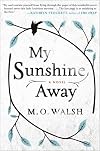
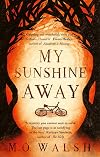
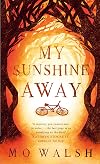
PS - What a stunning cover! This cover calls out to me, even though it's so simple yet so elegant! What a gem!
Five out of five stars!
I received this book for free through Goodreads First Reads. show less
This book has blown me away with how thought provoking it is! M.O. Walsh's beautiful writing style tells the tale of fifteen year old Lindy (in our narrator's point of view) and the horrors that occur in their neighborhood. Add in the setting of Baton Rouge, Louisiana in the late 80s and you've got yourself the perfect coming of age story addressing some really tough issues that we are still seeing today.
This is another book that I wish would have been around in my high school years. I think this would have been perfect reading material that addresses the growth and change of a child to an adult, and the big issues in society that are still show more happening. M.O. Walsh made the story light hearted and fun (at times) in a setting that could have been extremely brutal.
As the book moves forward, the effects on the town and Lindy slowly unravel and the mystery of it all falls into place. The ghosts of everyone's past comes to a nice close at the end of the book, so don't worry about cliffhangers! The last few pages of the book are the perfect summary, better than anything I've ever seen before. It's a real shame I don't see this book (or eventually more) by M.O. Walsh on bookshelves at my local bookstore. This book is top tier writing!
My Sunshine Away had effects on me similar to 1984, To Kill a MockingBird and Shakespeare's best works. The book tells a story and a narrative, but has grande themes that can be picked apart. On top of that, the book feels nostalgic of what most adults had in their childhood (I can relate to talking on the phone when your parents answer it and hold it for you). The surprise of a safe neighborhood not really being all that safe. Also seeing some of the non-fictitious aspects of our world (like the Challenger and Jeffrey Dahmer) really made this book feel real.
The characters also felt like people I would have known in my childhood - nerdy kids, the "weirdos", that one girl everyone loves - they all were relatable. Seeing them change and how they ended up in adulthood was also a nice touch that helped close the story.
When I read this book, I thought it was a very soft adult novel - but apparently it's a Young Adult novel! It's a really nice read that Young Adults could handle. It has some tough themes, but nothing graphic. I'm actually even happier that this book should be on a Young Adult shelf, so those readers can get the impact of this story in their environment.
Overall, this book is an emotional, yet melancholic ride that will pull at your heartstrings and play with your emotions. It's so well developed, it's hard to believe that this is a debut novel! It feels like an expert in his craft wrote it! I highly recommend this book, and it's a definite must read! I'm sad I didn't pick this book up years ago! What a truly fantastic novel!
PS - What a stunning cover! This cover calls out to me, even though it's so simple yet so elegant! What a gem!
Five out of five stars!
I received this book for free through Goodreads First Reads. show less
A truly stunning and endlessly surprising novel. Beyond the beautifully plotted and paced story, with just the right about of subtext and perfectly timed reveals, I'm struck by Walsh's prose in particular. Although never overly showy or self-aware, it's lyric in all the right ways. (Chapter 32 is something of a masterclass.) The word choices are precise and delicate and delightful, and I could have gone on reading for a long time. He manages to find the perfect balance between elegy and suspense, meditation and mystery. It is at once deeply psychological and completely irresistible.
Highly recommended.
Highly recommended.
A nameless teenage boy is our narrator and our guide through Baton Rouge in 1989, when Lindy Simpson, the girl on whom he has a crush, is raped. He is questioned, but never, it seems, seriously suspected, and he claims his innocence from the first page. I believed him, though it turned out he does hold back some information till near the end. The story is one of innocent teenage obsession, creepy neighbors, and disintegrating families, set in atmospheric Louisiana. Walsh's voice is confident and carries the story well, all the way through to near the present, when the identity of the rapist is eventually solved, and the identity of the "you" to whom the story is addressed becomes clear.
Quotes (from galley)
It's a form of joy to have no show more other choice. (85)
Still, I have to wonder about the accuracy of these things.
How much of the truth was I spared? In turn, how much truth am I sparing you? (116)
I want to rely on my memory....What else, besides love, do we have? (116)
...maybe the real reason she hadn't spoken to me in all that time was...because my adoration had become too obvious for her to dear. There's nothing worse, after all, is there, than having to endure a love that you don't return? (140)
It stuns me, now, the limited information kids operate with. (244)
Once the trust is gone, you know, all of history changes. A person doesn't know what to believe. (260)
It was June and it was hot and I was young and turned completely inside out by what I thought at that time was love. 294)
In other words, I did not get a good look because I did not stop to get a good look. (295) show less
Quotes (from galley)
It's a form of joy to have no show more other choice. (85)
Still, I have to wonder about the accuracy of these things.
How much of the truth was I spared? In turn, how much truth am I sparing you? (116)
I want to rely on my memory....What else, besides love, do we have? (116)
...maybe the real reason she hadn't spoken to me in all that time was...because my adoration had become too obvious for her to dear. There's nothing worse, after all, is there, than having to endure a love that you don't return? (140)
It stuns me, now, the limited information kids operate with. (244)
Once the trust is gone, you know, all of history changes. A person doesn't know what to believe. (260)
It was June and it was hot and I was young and turned completely inside out by what I thought at that time was love. 294)
In other words, I did not get a good look because I did not stop to get a good look. (295) show less
completed 3.14.15,
This is a very, very good coming of age novel. A 15 year old girl, Lindy Simpson, is raped in a safe, upper class suburban neighborhood. The narrator is one of many possible suspects. Not necessarily to the police but to his mother and to the reader as we discover how obsessed he was with Lindy. The story moves back and forth between the before and the after, the changes and difficulties in his own family. Occasionally, we are taken to irrelevant time periods like Hurricane Katrina as part of the author's attempt to make this novel appear Southern. This is suspenseful but not meant to be a fast-paced race to the end. We are given an intricate look at the story while at the same time we realize, like the narrator, how show more we miss the big picture when we are young. The actual identity of the rapist isn't relevant to the story, though we do learn who it was. The story lies within the journey of becoming an adult and how differently we see the past. Though not a tearjerker, I felt emotionally drained once I finished. I also really enjoyed that this story took place pre-cell phones, internet, social media.
I really did enjoy this novel, I read it in an afternoon. But there are many critical reviews that greatly mischaracterize what this novel is about and make comparisons that really hurt and not help the author as there are bound to be disappointed readers expecting something else.
This is NOT: Southern Gothic fiction, anything like The Help (which almost made me not want to read this) or Midnight in the Garden of Good and Evil or To Kill A Mockingbird (sacrilege). The story takes place in an upper class white suburban neighborhood in Baton Rouge. It could have been any upper class white suburban neighborhood in any city in any state in the US, no matter how frequently the author refers to New Orleans, Hurricane Katrina, LSU, or hot weather. The story was very well-written but as for creating an atmosphere of the South, it didn't happen. Most likely because it wasn't needed, it wasn't the point of the novel at all. show less
This is a very, very good coming of age novel. A 15 year old girl, Lindy Simpson, is raped in a safe, upper class suburban neighborhood. The narrator is one of many possible suspects. Not necessarily to the police but to his mother and to the reader as we discover how obsessed he was with Lindy. The story moves back and forth between the before and the after, the changes and difficulties in his own family. Occasionally, we are taken to irrelevant time periods like Hurricane Katrina as part of the author's attempt to make this novel appear Southern. This is suspenseful but not meant to be a fast-paced race to the end. We are given an intricate look at the story while at the same time we realize, like the narrator, how show more we miss the big picture when we are young. The actual identity of the rapist isn't relevant to the story, though we do learn who it was. The story lies within the journey of becoming an adult and how differently we see the past. Though not a tearjerker, I felt emotionally drained once I finished. I also really enjoyed that this story took place pre-cell phones, internet, social media.
I really did enjoy this novel, I read it in an afternoon. But there are many critical reviews that greatly mischaracterize what this novel is about and make comparisons that really hurt and not help the author as there are bound to be disappointed readers expecting something else.
This is NOT: Southern Gothic fiction, anything like The Help (which almost made me not want to read this) or Midnight in the Garden of Good and Evil or To Kill A Mockingbird (sacrilege). The story takes place in an upper class white suburban neighborhood in Baton Rouge. It could have been any upper class white suburban neighborhood in any city in any state in the US, no matter how frequently the author refers to New Orleans, Hurricane Katrina, LSU, or hot weather. The story was very well-written but as for creating an atmosphere of the South, it didn't happen. Most likely because it wasn't needed, it wasn't the point of the novel at all. show less
3 Book Giveaway here: https://cynthiarobertson.wordpress.com/2015/02/07/my-sunshine-away-a-review-and-...
The adult remembrances of a teenaged boy who is never named, My Sunshine Away, by M.O. Walsh begins with an attack on a neighborhood girl. The quintessential, pony-tail swinging girl next door, Lindy Simpson is the object of the narrator’s somewhat creepy obsession. After this opening event the narrative rummages about a bit in Baton Rouge boyhood nostalgia, but by page 32 becomes interesting enough to keep reading. The explosion of the Challenger as the main character’s entire school watches on TV results in chaos, and the ensuing slapstick hilarity bothered me, but this is fiction, so I told the squeamish PC part of me that show more was offended to pipe down. There is a lot about this book that could offend, as it deals with teenaged boys spying on and obsessing over a girl, often to her detriment.
As the adult narrator says of himself as a kid:
“I was a pubescent boy at the time, remember, and my mind was a brothel, and nothing more.”
At the beginning the narrator felt vaguely like a Humbert Humbert type character, complete with all the excuse-making and deflection. It wasn’t apparent whether this ambiguity was deliberate. In retrospect I believe the author was striving for misdirection; a sort of unreliable narrator effect. By the middle of the novel the story settles down and begins to resemble a mystery: The danger of an older, jaded boy, Tyler, who is taken in by a neighborhood family that keeps fosters – in a home with a mysterious locked and darkened room; the unexplained rage of the burly foster father toward a stray dog; the dime-sized scars on the back of yet another foster boy.
The brief focus on Dahmer’s 1991 arrest, complete with the teenagers’ gruesome fascination with the details of the serial killer’s most notorious crimes, and remembrances of the chaos and destruction of Hurricane Katrina, augment the dark heart of this novel.
Walsh aptly captures the pathos of the narrator’s mother, dumped by her Peter Pan husband for a college-age girl: her phone conversations with her best friend as she drinks wine and dreams of her shallow husband’s return, which the reader understands will never happen. Walsh also credibly portrays the PTSD-like behavior of Lindy, whose world is so altered by the attack, and the gossip of her peers. Her resulting anger and acting out are well done and believable, so much so that I found myself feeling for her while at the same time not much liking her, and the resolution at the end of the book was a relief for this reviewer’s Pollyanna heart.
As debut novels go this one is good: wandery in places, devoid of the figurative language that, for me, would unequivocally define it as literary, the story nevertheless kept me reading to the end, and left a lingering impression.
Read and reviewed for Penguin/Random House show less
The adult remembrances of a teenaged boy who is never named, My Sunshine Away, by M.O. Walsh begins with an attack on a neighborhood girl. The quintessential, pony-tail swinging girl next door, Lindy Simpson is the object of the narrator’s somewhat creepy obsession. After this opening event the narrative rummages about a bit in Baton Rouge boyhood nostalgia, but by page 32 becomes interesting enough to keep reading. The explosion of the Challenger as the main character’s entire school watches on TV results in chaos, and the ensuing slapstick hilarity bothered me, but this is fiction, so I told the squeamish PC part of me that show more was offended to pipe down. There is a lot about this book that could offend, as it deals with teenaged boys spying on and obsessing over a girl, often to her detriment.
As the adult narrator says of himself as a kid:
“I was a pubescent boy at the time, remember, and my mind was a brothel, and nothing more.”
At the beginning the narrator felt vaguely like a Humbert Humbert type character, complete with all the excuse-making and deflection. It wasn’t apparent whether this ambiguity was deliberate. In retrospect I believe the author was striving for misdirection; a sort of unreliable narrator effect. By the middle of the novel the story settles down and begins to resemble a mystery: The danger of an older, jaded boy, Tyler, who is taken in by a neighborhood family that keeps fosters – in a home with a mysterious locked and darkened room; the unexplained rage of the burly foster father toward a stray dog; the dime-sized scars on the back of yet another foster boy.
The brief focus on Dahmer’s 1991 arrest, complete with the teenagers’ gruesome fascination with the details of the serial killer’s most notorious crimes, and remembrances of the chaos and destruction of Hurricane Katrina, augment the dark heart of this novel.
Walsh aptly captures the pathos of the narrator’s mother, dumped by her Peter Pan husband for a college-age girl: her phone conversations with her best friend as she drinks wine and dreams of her shallow husband’s return, which the reader understands will never happen. Walsh also credibly portrays the PTSD-like behavior of Lindy, whose world is so altered by the attack, and the gossip of her peers. Her resulting anger and acting out are well done and believable, so much so that I found myself feeling for her while at the same time not much liking her, and the resolution at the end of the book was a relief for this reviewer’s Pollyanna heart.
As debut novels go this one is good: wandery in places, devoid of the figurative language that, for me, would unequivocally define it as literary, the story nevertheless kept me reading to the end, and left a lingering impression.
Read and reviewed for Penguin/Random House show less
My Sunshine Away is a moving and poignant coming of age narrative from debut author M.O. Walsh.
The unnamed narrator of My Sunshine Away is fourteen during the summer of 1989. He lives with his mother in middle class Baton Rouge, where he rakes leaves, plays baseball in the streets, chases the ice cream van and spies on the object of his obsessive crush, fifteen year old Lindy Simpson. One late summer evening his suburban idyll is disrupted when Lindy is is attacked on their street on her way home from a track practice.
This is a story of memory and hindsight, innocence and heartache, blessings and tragedy. Walsh brilliantly recalls the emotional intensity of adolescence, the confusion, the conviction, the naivete, and the regrets that show more can linger into adulthood. He highlights the joy and melancholy of first love, the shock of first disappointments, and the way in which these things stay with us.
The intensity of the first person narrative is tempered slightly by the adult perspective as the narrator segues between recall and rumination of Lindy's rape and the aftermath.
"Every moment is crucial. And if we recognize this and embrace it, we will one day be able to look back and understand and feel and regret and reminisce and, if we are lucky, cherish."
Referencing defining events such as the Challenger explosion, the capture of Jeffrey Dahmer and Hurricane Katrina, Walsh evokes nostalgia for long summer days on neighborhood streets, before the advent of cell phones and the internet. He explores the way in which the experiences of childhood and adolescence help to shape who we become as adults, but also the ways in which our memories of that time may be deeply flawed.
"But for every adult person you look up to in life there is trailing behind them an invisible chain gang of ghosts, all of which, as a child, you are generously spared from meeting."
Evocative, tender and sincere My Sunshine Away is an absorbing, beautifully observed tale. show less
The unnamed narrator of My Sunshine Away is fourteen during the summer of 1989. He lives with his mother in middle class Baton Rouge, where he rakes leaves, plays baseball in the streets, chases the ice cream van and spies on the object of his obsessive crush, fifteen year old Lindy Simpson. One late summer evening his suburban idyll is disrupted when Lindy is is attacked on their street on her way home from a track practice.
This is a story of memory and hindsight, innocence and heartache, blessings and tragedy. Walsh brilliantly recalls the emotional intensity of adolescence, the confusion, the conviction, the naivete, and the regrets that show more can linger into adulthood. He highlights the joy and melancholy of first love, the shock of first disappointments, and the way in which these things stay with us.
The intensity of the first person narrative is tempered slightly by the adult perspective as the narrator segues between recall and rumination of Lindy's rape and the aftermath.
"Every moment is crucial. And if we recognize this and embrace it, we will one day be able to look back and understand and feel and regret and reminisce and, if we are lucky, cherish."
Referencing defining events such as the Challenger explosion, the capture of Jeffrey Dahmer and Hurricane Katrina, Walsh evokes nostalgia for long summer days on neighborhood streets, before the advent of cell phones and the internet. He explores the way in which the experiences of childhood and adolescence help to shape who we become as adults, but also the ways in which our memories of that time may be deeply flawed.
"But for every adult person you look up to in life there is trailing behind them an invisible chain gang of ghosts, all of which, as a child, you are generously spared from meeting."
Evocative, tender and sincere My Sunshine Away is an absorbing, beautifully observed tale. show less
Members
- Recently Added By
Lists

International Dublin Literary Award Longlist 2017
147 works; 3 members

Dublin Literary Award Longlist 2017
147 works; 2 members
Kirkus Starred Fiction Reviews of Books Published in 2015
310 works; 6 members

Kirkus Reviews Best Fiction of 2015
98 works; 6 members
Author Information

3+ Works 962 Members
M.O. Walsh is a LibraryThing Author, an author who lists their personal library on LibraryThing.
Awards and Honors
Awards
Common Knowledge
- Original publication date
- 2015-02-10
- Dedication
- For Kathy, who called me Bird
Classifications
Statistics
- Members
- 747
- Popularity
- 37,642
- Reviews
- 57
- Rating
- (3.62)
- Languages
- Dutch, English, Italian, Portuguese
- Media
- Paper, Audiobook, Ebook
- ISBNs
- 17
- ASINs
- 7