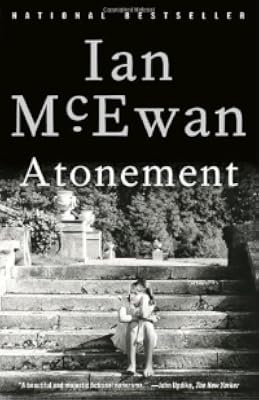
Atonement
by Ian McEwan
On This Page
Description
On the hottest day of the summer of 1935, thirteen-year-old Briony Tallis sees her sister, Cecilia, strip off her clothes and plunge into the fountain in the garden of their country house. Watching her is Robbie Turner, her childhood friend who, like Cecilia, has recently come down from Cambridge. By the end of that day, the lives of all three will have been changed forever. Robbie and Cecilia will have crossed a boundary they had not even imagined at its start, and will have become victims show more of the younger girl's imagination. Briony will have witnessed mysteries and committed a crime that creates in her a sense of guilt that will color her entire life. Ian McEwan has in each of his novels drawn the reader brilliantly into the intimate lives and situations of his characters. But never before has he written on a canvas so large: taking the reader from a manor house in England in 1935, to the retreat to Dunkirk in 1941, to a London hospital soon after where the maimed, broken, and dying soldiers are shipped from the evacuation, to a reunion of the Tallis clan in 1999. Atonement is Ian McEwan's finest achievement. Brilliant and utterly enthralling in its depiction of childhood, love and war. England and class, it is at its center a profound-and profoundly moving-exploration of shame and forgiveness, of atonement and the difficulty of absolution. show lessTags
Recommendations
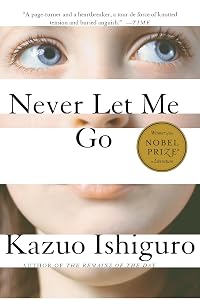
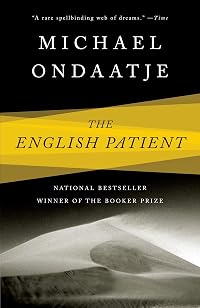
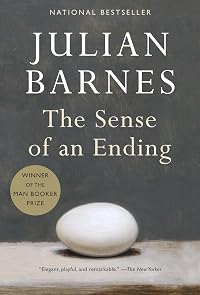
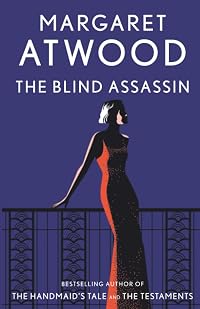
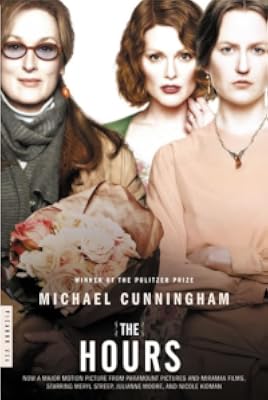
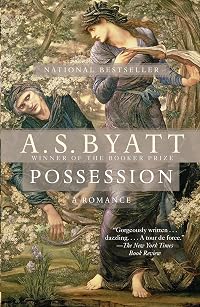
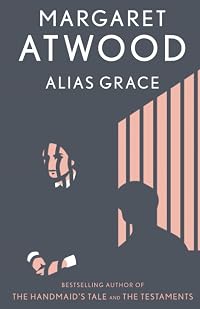

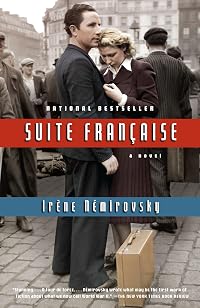

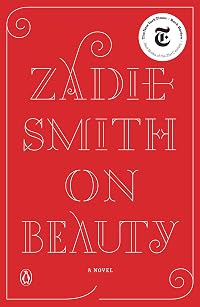
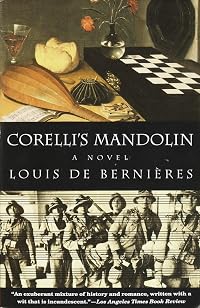
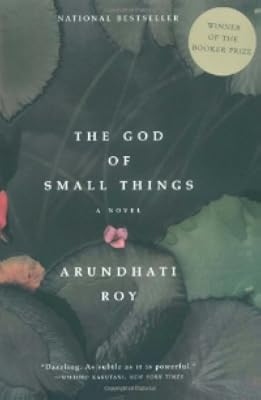
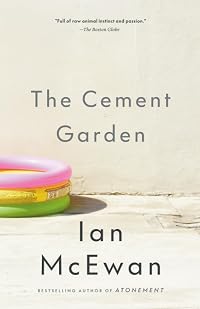

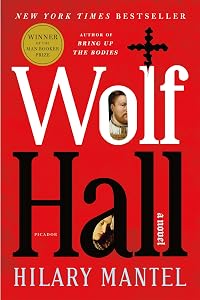
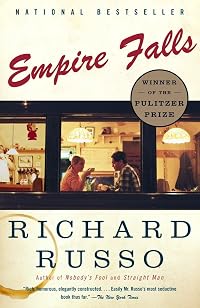
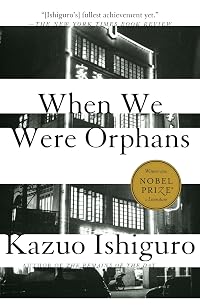
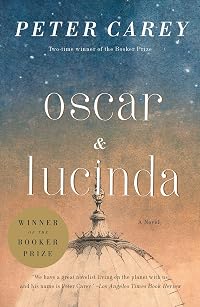


Member Recommendations
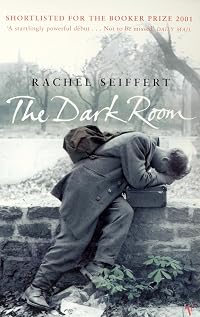
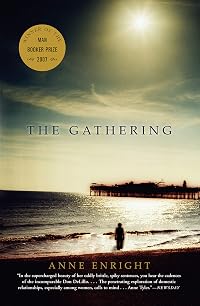
rbtanger I know that the Library Thing Recommendations aren't always completely spot-on, but I just want to say that if I were writing the recommend list, The Blind Assassin by Margaret Atwood would be top of the list. These books have so many similarities that it's hard to count them all.
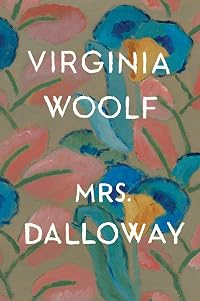
browner56 Two superbly crafted explorations of the cathartic power that comes from the act of writing.
110
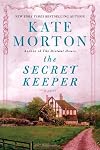
jordantaylor Both books begin with a young girl witnessing a crime of sorts that will powerfully affect her own life and the lives of her family members. Both books also are set in England during World War II.
30

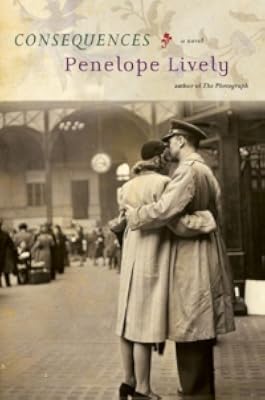
BookshelfMonstrosity These character-driven literary novels set in 20th-century England offer haunting, reflective narratives of secrets, shame and guilt. In each, children make decisions or perform actions that have unintended, tragic consequences and lasting repercussions.
Also recommended by JeaniusOak
20
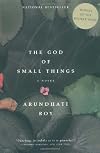
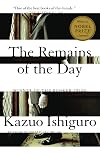
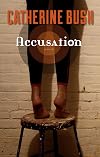

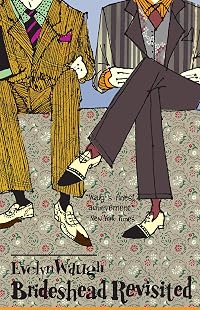
librorumamans Also a look at the consequences of a childhood crime. For me, though, Fifth Business is better crafted and a more complex examination.
BookshelfMonstrosity Atonement, like Rules of Civility, paints a picture of events that instantly turn characters' worlds upside down. Also set in the 1930s, it highlights the lingering opulence of the age and how that can disappear amid tragedy.
11
MarieSeltenrych A wonderful work of literary prose that I can still remember, over 50 years after reading it. It gives the reader a glimpse into a different world that inspired my imagination and even my life.
01

by anonymous user
Member Reviews
This is exceptionally good and has a sting in the tale that leaves you entirely uncertain of what to make of what you've just been reading. Starting in an idylic 1935 this is full of mixed messages and confusions about what is seen and what is the truth of that seeing. We see this through the eyes of Briony, the youngest of the three Tallis children. She is 13 in 1935 and just at that difficult juntcure between childish enthusiam and the adult world. She has written a play for her three cousins from the North to perform with her in celebration of her brother Leon's return home. What she sees over the course of the next day and how she badly misinterprets what she sees will mark the lives of the family for the rest of their lives. She show more observes interactions between her older sister Cecelia and the charlady's son, Robbie and is entirely out of her depth. She also completely puts the wrong impression on how her cousin Lola gets to be in a particular state. What she then thinks she knows has happened (putting 2 and 2 together and coming up with a bushel of potatoes) is not what happened, and yet once it is said there is no drawing back. There are estrangements and marriages formed this day that persist for much longer.
The main part of the book was excelllent, the sting in the tail takes palce in the epilogue. Here we discover that Briony has taken that talent for the inventive and become a novellist and what you have been reading is her novel of the events. And the way this is written makes you doubt a lot of what you've just read, particularly with respect to the relaitonship status of Cecelia and Robbie. Is Briony as unreliable now as she was then? Despite the passing of time? Has she made the relationship one way in the novel but did it end differently in real life? nd did she follow through on the novels seeming offer of retraction (and atonement) for the mistake that led to the rupture in family life? We're not to know, but that seed of doubt has been planted, most particularly by the seeming absence of certain people in the birthday party of the epilogue. It is really very well done, this undermining of everything that has been built up over the last 350 pages. I read this almost in one go, while travelling, and it was engrossing. show less
The main part of the book was excelllent, the sting in the tail takes palce in the epilogue. Here we discover that Briony has taken that talent for the inventive and become a novellist and what you have been reading is her novel of the events. And the way this is written makes you doubt a lot of what you've just read, particularly with respect to the relaitonship status of Cecelia and Robbie. Is Briony as unreliable now as she was then? Despite the passing of time? Has she made the relationship one way in the novel but did it end differently in real life? nd did she follow through on the novels seeming offer of retraction (and atonement) for the mistake that led to the rupture in family life? We're not to know, but that seed of doubt has been planted, most particularly by the seeming absence of certain people in the birthday party of the epilogue. It is really very well done, this undermining of everything that has been built up over the last 350 pages. I read this almost in one go, while travelling, and it was engrossing. show less
At the age of 13, aspiring writer Briony Tallis has a play in mind to present to friends and family when her cousins come from the north. When she sees something between her older sister Cecilia and Robbie Turner, the young man whom her father is putting through college and the son of their washerwoman, her story about what happened changes their lives forever.
This is the second time I read Atonement, a book I disliked the first time around and would never have picked up again if we had not chosen it for book group. Though it was eight years ago and I was not reviewing every book I read at the time, vivid images from the story stayed in my mind, and the anger and betrayal I felt at the end of the story stayed with me a long time show more afterwards. I picked it up again with reluctance. Because I knew the story, however, I could look at it with new eyes. I noticed a lot more what the author was doing playing with narrative and point of view, symmetry, and the idea that real life is so much more messy than what we read in books. His writing is exquisite, with an ear for language and description that took my breath away at times and had me reading slowly - less out of reluctance than having to follow the rhythm he set for the story. Having World War 2 as a setting is no accident, either, as it is a backdrop for the individual, human story of Briony and her unforgivable ignorance. What ignorance did people have in allowing Hitler as much freedom as he had in the years leading up to the war? And how did we rewrite the story to sound better, to make us less culpable? Does silence implicate someone as much as willful deceit? These are some of the very challenging human questions the story poses, and we are not given any easy answers. show less
This is the second time I read Atonement, a book I disliked the first time around and would never have picked up again if we had not chosen it for book group. Though it was eight years ago and I was not reviewing every book I read at the time, vivid images from the story stayed in my mind, and the anger and betrayal I felt at the end of the story stayed with me a long time show more afterwards. I picked it up again with reluctance. Because I knew the story, however, I could look at it with new eyes. I noticed a lot more what the author was doing playing with narrative and point of view, symmetry, and the idea that real life is so much more messy than what we read in books. His writing is exquisite, with an ear for language and description that took my breath away at times and had me reading slowly - less out of reluctance than having to follow the rhythm he set for the story. Having World War 2 as a setting is no accident, either, as it is a backdrop for the individual, human story of Briony and her unforgivable ignorance. What ignorance did people have in allowing Hitler as much freedom as he had in the years leading up to the war? And how did we rewrite the story to sound better, to make us less culpable? Does silence implicate someone as much as willful deceit? These are some of the very challenging human questions the story poses, and we are not given any easy answers. show less
Of course there is always something spellbinding and touching in a love that’s faithful enough it crosses boundaries of distance and surmounts the passing time. A love that endures, as one might say, is both a blessing and a curse for it doesn’t deter from any kind of struggle, however the affliction, and reunites with a soulful fervour. But when it’s weathered by insufferable theatrics it becomes almost a borderline melodramatic excess. Such is Atonement. Told in paragraphs much too beautiful it can be emotionally dismantling, it successfully distracts from its subtle mediocrity. For one, Atonement is almost irredeemable with its usage of rape as a cheap, underwhelming plot device. As if it is not disturbing enough that the show more victim and perpetrator reach the most appalling of conclusions, the others are too caught up in their own confusing snobbishness, selfishness, and tiring anguish to prevent it at all. What’s more surprising here is my utter indifference to Briony Tallis which near the end turned to sympathy then pity of some sort. I don’t believe she is completely and solely culpable. A child exposed to some kind of trauma can’t be fully held accountable for acting out of fear. Some of the characters’ decisions are absurd (looking at you, Cecilia Tallis) too. And without any relevant interactions to invest much on, Cecilia and Robbie’s love story gets diluted into that one lustful library encounter. And perhaps if some form of explanation to Briony was provided after, it’d have been entirely different. Nonetheless, the chapters about the second world war are the strongest in the novel as they capture, also mirror, a life-altering catastrophe which victimises everyone. Nobody goes out unscathed. A theme present throughout the book. Amidst some flaws and predictability, McEwan’s prose kept me tangled (and fairly satisfied) in its depressing mess.
“A person is, among all else, a material thing, easily torn and not easily mended.”
If there’s anything of genuine value here, it’s how we tend to forget that words can be both sharp and dull: they can alter a moment, injure those closest to us, and they become smoke when they have burnt a cellophane of emotions. That and it’s surely romantic to be made love to against a row of bookshelves (but mind the cunt-calling please). show less
“A person is, among all else, a material thing, easily torn and not easily mended.”
If there’s anything of genuine value here, it’s how we tend to forget that words can be both sharp and dull: they can alter a moment, injure those closest to us, and they become smoke when they have burnt a cellophane of emotions. That and it’s surely romantic to be made love to against a row of bookshelves (but mind the cunt-calling please). show less
In 1935, 13-year-old Briony is witness to a sexual assault, but thanks to a series of bad assumptions, her limited child's viewpoint, and a willingness to let herself express more certainty than was actually justified, she identifies the wrong man, only admitting her mistake to herself years later. The result is a novel about guilt, but also about human fallibility, the art of writing, and war.
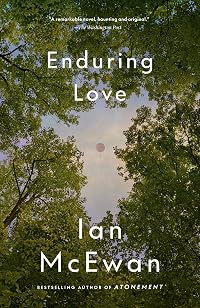
I can't say it's my favorite of the McEwan novels I've read so far -- that might be Enduring Love, actually -- but it does remind me of a thought I've had about McEwan's writing before: that his characters are so realistically human that they make me realize, with a sense of startlement, just how fictional everyone else's are.
I can't say it's my favorite of the McEwan novels I've read so far -- that might be Enduring Love, actually -- but it does remind me of a thought I've had about McEwan's writing before: that his characters are so realistically human that they make me realize, with a sense of startlement, just how fictional everyone else's are.
I really wanted to like this book. You'll notice I said book, not story. The story wasn't the problem, per say, although the very end left me completely unsatisfied and with an immense book hangover that had people at the airport asking if I was ok.
I loved the story; I really did. Robbie was everything I wanted him to be and more. Cecilia could have probably used a little more depth, but it was relatively tolerable since she didn't factor into the story as much as I'd anticipated she would. I think I still would have liked more background on her though. No. Maybe not more background. Perhaps "dimension" would be a better word. She felt very... flat as a character.
Briony, however, was the most insufferable little snot of a character show more I've ever had the displeasure to come to know in my literary adventures. I almost couldn't finish the book because of how much I hated her. She reminded me of every unflattering stereotype of the youngest child and an only child combined into one character. I couldn't have been happier when the first section of the book ended and I didn't have to deal with her 13 year old self for a few pages while we explored Robby's brushes with death in WWII France.
I wish I could give this book separate ratings, one for the story itself and one for the overall book. Despite the 3 stars, I give the book only 2. The story however is at 4.5 stars for me. show less
I loved the story; I really did. Robbie was everything I wanted him to be and more. Cecilia could have probably used a little more depth, but it was relatively tolerable since she didn't factor into the story as much as I'd anticipated she would. I think I still would have liked more background on her though. No. Maybe not more background. Perhaps "dimension" would be a better word. She felt very... flat as a character.
Briony, however, was the most insufferable little snot of a character show more I've ever had the displeasure to come to know in my literary adventures. I almost couldn't finish the book because of how much I hated her. She reminded me of every unflattering stereotype of the youngest child and an only child combined into one character. I couldn't have been happier when the first section of the book ended and I didn't have to deal with her 13 year old self for a few pages while we explored Robby's brushes with death in WWII France.
I wish I could give this book separate ratings, one for the story itself and one for the overall book. Despite the 3 stars, I give the book only 2. The story however is at 4.5 stars for me. show less
I have had this on my reading list ever since I heard Nancy Pearl in a radio interview raving about it. It fit this week’s genre choice for a class I’m taking, so I thought I’d take the opportunity to finally knock it off the list.
I had so much to say, but the last 10% of the book has undone me. Now I begin to understand why the publisher’s description seems so misleading. It’s hard to describe this book without giving away everything.
I went into it with the knowledge that the character Briony does something horrible, with long-lasting ramifications. I spent the first half of the book bracing for the Horrible Thing, which I expected to happen fairly early, since I assumed it would be the catalyst for everything else that show more happened in the plot. Instead, I was treated to exquisite description and a deep dive into the minds of Briony, Cecelia, Robbie, and Emily. I vacillated between admiring McEwan’s writing and impatience for the Horrible Thing to happen already so the story could get going.
At the 25% point, I thought to myself, “OK, here we go.”
At the halfway point, I thought, “Wow, here? OK, clearly this isn’t what I thought it would be.”
At the 75% point, I thought, “OK, still good, and I have thoughts,” and at the end, I thought, “Well, shit.”
McEwan masterfully portrayed how subjective our interpretations of others’ thoughts and motives are and how that skews our internal narratives of their stories and ours. I saw Briony’s horrible act as the embodiment of that idea. And then he turned everything on its head at the end and sent my mind spinning. To find out that the whole book is Briony’s voice, that it’s the reason for the title, but that the atonement comes too late for justice, to find that she fictionalized what brought me so much relief for Robbie and Cecilia, to find that she’s the one writing about flawed perceptions but the whole thing is her flawed perception...it utterly blew my mind and killed me.
This book really stretched me and made me think. The author is monumentally talented. It didn’t get a full 5 stars because sometimes it was such a describe-a-thon it wore me out. It’s still a fantastic book, and worth the time and effort. show less
I had so much to say, but the last 10% of the book has undone me. Now I begin to understand why the publisher’s description seems so misleading. It’s hard to describe this book without giving away everything.
I went into it with the knowledge that the character Briony does something horrible, with long-lasting ramifications. I spent the first half of the book bracing for the Horrible Thing, which I expected to happen fairly early, since I assumed it would be the catalyst for everything else that show more happened in the plot. Instead, I was treated to exquisite description and a deep dive into the minds of Briony, Cecelia, Robbie, and Emily. I vacillated between admiring McEwan’s writing and impatience for the Horrible Thing to happen already so the story could get going.
At the 25% point, I thought to myself, “OK, here we go.”
At the halfway point, I thought, “Wow, here? OK, clearly this isn’t what I thought it would be.”
At the 75% point, I thought, “OK, still good, and I have thoughts,” and at the end, I thought, “Well, shit.”
McEwan masterfully portrayed how subjective our interpretations of others’ thoughts and motives are and how that skews our internal narratives of their stories and ours. I saw Briony’s horrible act as the embodiment of that idea. And then he turned everything on its head at the end and sent my mind spinning.
This book really stretched me and made me think. The author is monumentally talented. It didn’t get a full 5 stars because sometimes it was such a describe-a-thon it wore me out. It’s still a fantastic book, and worth the time and effort. show less
First read: August 2016
Re-read: September 2016
What a difference a re-read can make. Only a few weeks ago I posted a one-star review of this book after getting to about 20%. I wrote that I couldn’t get into the story and I couldn’t connect to the characters. I don’t know why but I decided to try again with it from the beginning and it was like reading a different book. I read it in two days and loved it from the first page to the last.
There is so much to this novel I don’t even know where to begin with a review. Atonement is the story of the Tallis family, written in four distinct tales that are set years apart from each other.
Part one introduces us to the family in 1934; Emily is the matriarch, prone to migraines, ruling the show more household from her bedroom and embittered by unresolved childhood issues with her sister; Cecilia, the Cambridge student and oldest daughter; Leon, the urbane and kindly son; and Briony, thirteen years old, the youngest daughter. She is a frustrated playwright and thwarted actress, desperate to be taken seriously by the adults around her.
I love this passage describing Briony’s writing process; it sums up her character perfectly;
The long afternoons she spent browsing through dictionary and thesaurus made for constructions that were inept, but hauntingly so: the coins a villain concealed in his pocket were ‘esoteric’, a hoodlum caught stealing a car wept in ‘shameless auto-exculpation’, the heroine on her thoroughbred stallion made a ‘cursory’ journey through the night, the king’s furrowed brow was the ‘hieroglyph’ of his displeasure. Pg. 6
Then there are the extended family and acquaintances; the Quincey cousins; the manipulative fifteen-year-old Lola and her mischievous younger brothers Jackson and Perriot; Robbie Turner, the only son of the Tallis’s housekeeper and childhood friend of Leon and Cecilia; and Paul Marshall, a visiting friend of Leon’s with more than a passing interest in Lola.
The events of part one take up the first half of the novel but only span one day. I want to write a review with as few spoilers as possible, and so I won’t go into any detail regarding the events of that evening only to say that it was utterly riveting to read. McEwan gives us a balanced and astute portrayal of a child who is swept along in a drama that began inside her own mind and ended with very real consequences.
Parts two and three are written from the perspective of Robbie and Briony respectively, and they can be read almost as a mirror of each other; both enduring the hardships and heartbreak of the war, both physical and psychological.
The difference in the style and tone of writing is very obvious between the different parts of the story. Part one starts off slowly, building the characters and the little world of the Tallis family, before the shocking event that changes the future of the main characters. Parts two and three are fast paced and more straightforward in tone.
Part two is more brutal and throws us straight into the retreat at Dunkirk with Robbie. It is much more psychological; speculating on a soldier’s frame of mind, how numb and hardened the men have to be to survive every day in this nightmarish scenario where it is possible to gunned down or blown to bits by a bomb at every moment.
Some everyday principle of continuity, the humdrum element that told him where he was in his own story, faded from his use, abandoning him to a waking dream in which there were thoughts, but no sense of who was having them. No responsibility, no memory of the hours before, no idea of what he was about, where he was going, what his plan was. And no curiosity about these matters. Pg. 231
Part three is set just a year after part two and Briony is still struggling to cope with the guilt of the events that took place on that day in 1934. She represses that guilt with hard work as a trainee nurse while at the same time expressing it through her writing.
Finally, part four takes places in 1999 and brings us full circle back to the old Tallis family house. It was bittersweet to see how the characters have aged, what has happened in their lives and finally, to see Briony’s play The Trials of Arabella performed.
It is revealed at the end of part three that Briony is the author of Atonement, and the whole book is her apology to Robbie and Cecilia. This revelation makes the different parts so much more heart-breaking, especially as she reveals that parts two and three were from her own imagination…probably. Briony admits to blurring fact and fiction, hoping to write her own salvation, and her sister’s forgiveness into reality.
I utterly, completely fell in love with this book on the second read and am so ashamed by my initial one-star review! Now I can’t recommend it highly enough. show less
Re-read: September 2016
What a difference a re-read can make. Only a few weeks ago I posted a one-star review of this book after getting to about 20%. I wrote that I couldn’t get into the story and I couldn’t connect to the characters. I don’t know why but I decided to try again with it from the beginning and it was like reading a different book. I read it in two days and loved it from the first page to the last.
There is so much to this novel I don’t even know where to begin with a review. Atonement is the story of the Tallis family, written in four distinct tales that are set years apart from each other.
Part one introduces us to the family in 1934; Emily is the matriarch, prone to migraines, ruling the show more household from her bedroom and embittered by unresolved childhood issues with her sister; Cecilia, the Cambridge student and oldest daughter; Leon, the urbane and kindly son; and Briony, thirteen years old, the youngest daughter. She is a frustrated playwright and thwarted actress, desperate to be taken seriously by the adults around her.
I love this passage describing Briony’s writing process; it sums up her character perfectly;
The long afternoons she spent browsing through dictionary and thesaurus made for constructions that were inept, but hauntingly so: the coins a villain concealed in his pocket were ‘esoteric’, a hoodlum caught stealing a car wept in ‘shameless auto-exculpation’, the heroine on her thoroughbred stallion made a ‘cursory’ journey through the night, the king’s furrowed brow was the ‘hieroglyph’ of his displeasure. Pg. 6
Then there are the extended family and acquaintances; the Quincey cousins; the manipulative fifteen-year-old Lola and her mischievous younger brothers Jackson and Perriot; Robbie Turner, the only son of the Tallis’s housekeeper and childhood friend of Leon and Cecilia; and Paul Marshall, a visiting friend of Leon’s with more than a passing interest in Lola.
The events of part one take up the first half of the novel but only span one day. I want to write a review with as few spoilers as possible, and so I won’t go into any detail regarding the events of that evening only to say that it was utterly riveting to read. McEwan gives us a balanced and astute portrayal of a child who is swept along in a drama that began inside her own mind and ended with very real consequences.
Parts two and three are written from the perspective of Robbie and Briony respectively, and they can be read almost as a mirror of each other; both enduring the hardships and heartbreak of the war, both physical and psychological.
The difference in the style and tone of writing is very obvious between the different parts of the story. Part one starts off slowly, building the characters and the little world of the Tallis family, before the shocking event that changes the future of the main characters. Parts two and three are fast paced and more straightforward in tone.
Part two is more brutal and throws us straight into the retreat at Dunkirk with Robbie. It is much more psychological; speculating on a soldier’s frame of mind, how numb and hardened the men have to be to survive every day in this nightmarish scenario where it is possible to gunned down or blown to bits by a bomb at every moment.
Some everyday principle of continuity, the humdrum element that told him where he was in his own story, faded from his use, abandoning him to a waking dream in which there were thoughts, but no sense of who was having them. No responsibility, no memory of the hours before, no idea of what he was about, where he was going, what his plan was. And no curiosity about these matters. Pg. 231
Part three is set just a year after part two and Briony is still struggling to cope with the guilt of the events that took place on that day in 1934. She represses that guilt with hard work as a trainee nurse while at the same time expressing it through her writing.
Finally, part four takes places in 1999 and brings us full circle back to the old Tallis family house. It was bittersweet to see how the characters have aged, what has happened in their lives and finally, to see Briony’s play The Trials of Arabella performed.
I utterly, completely fell in love with this book on the second read and am so ashamed by my initial one-star review! Now I can’t recommend it highly enough. show less
Members
- Recently Added By
Published Reviews
ThingScore 95
McEwan is technically at the height of his powers, and can do more or less anything he likes with the novel form. He shows this fact off in the first section of Atonement, in which he does one of the hardest things a good writer can do: engrossingly, sustainedly, and convincingly impersonate a bad one.
added by jburlinson
McEwan is crafty. Even as he shows us the damages of story-telling, he demonstrates its beguilements on every page. Atonement is full of timeworn literary contrivances--an English country house, lovers from different classes, an intercepted letter--rendered with the delicately crafted understanding of E.M. Forster.
added by Shortride
If it's plot, suspense and a Bergsonian sensitivity to the intricacies of individual consciousnesses you want, then McEwan is your man and ''Atonement'' your novel. It is his most complete and compassionate work to date.
added by Shortride
Lists

1001 Books You Must Read Before You Die
1,448 works; 1,137 members

The Guardian's 1000 Novels Everyone Must Read
1,005 works; 552 members

Best Historical Fiction
620 works; 262 members

Classics you know you should have read but probably haven't
421 works; 409 members

Best Contemporary Literary Fiction (Around the Last 30 Years)
400 works; 124 members

Read the book and saw the movie
1,170 works; 193 members

Best 21st Century Books (So Far)
679 works; 86 members
BBC Big Read
191 works; 46 members

Historical Fiction
889 works; 90 members
Booker Prize
491 works; 62 members

Books With a Twist
69 works; 46 members
Best of British Literature
226 works; 40 members
Favorite Coming of Age Novels.
164 works; 51 members
Favourite Booker Prize contenders
73 works; 21 members
20th Century Literature
1,161 works; 54 members

Favorite Literary Love Stories
182 works; 100 members
Best Books With Sisters
130 works; 30 members

Unreliable Narrators
170 works; 43 members
Favourite Books
1,820 works; 311 members

Books About World War II
102 works; 29 members

Recommend the 20 best books you've read in the last five years
2,168 works; 608 members

The Guardian's 100 best books of the 21st century
100 works; 21 members

Top Five Books of 2014
1,064 works; 397 members
501 Must-Read Books
529 works; 72 members
Time Magazine's "All-Time 100"
113 works; 15 members

The Guardian's 100 greatest novels of all time
100 works; 16 members
Best War Stories
87 works; 16 members

2000s (the decade, not the century)
184 works; 10 members

Best Psychological Fiction
81 works; 16 members

Books Featured on Gilmore Girls
307 works; 21 members
Booker Prize Shortlist: Titles Read
103 works; 10 members
LibraryThingers' 1001 Books You Must Read Before You Die
442 works; 30 members
BBC Big Read
100 works; 10 members

Female Protagonist
1,056 works; 57 members

French Books
102 works; 15 members

Most thought-provoking novels
30 works; 28 members

Pleasant Surprises: Books That Exceeded Our Expectations
418 works; 143 members
Five star books
1,767 works; 110 members

Best Love Stories
107 works; 14 members

Books Set in Great Britain
191 works; 13 members

Vulture's 100 Best Books of the 21st Century (So Far)
98 works; 9 members

Stories of War and Revolution
146 works; 55 members

Top Five Books of 2015
811 works; 240 members

Story Within a Story
65 works; 17 members

Houses and Buildings as Characters in Fiction
182 works; 28 members

Books about World War II
241 works; 22 members

Best Crime Fiction
262 works; 39 members

A Novel Cure
742 works; 23 members

Novels featuring siblings
133 works; 8 members

Best family sagas
244 works; 34 members

100 New Classics
101 works; 13 members
Contemporary Fiction
109 works; 7 members
Time's All-Time 100 Novels
100 works; 27 members

did I say that I didn't mean that (unreliable narrators)
34 works; 7 members

Top 100 to Read before you Die
109 works; 7 members

One Book, Many Authors
441 works; 40 members
Literature About Women and Girls
426 works; 40 members
1,001 BYMRBYD Concensus
723 works; 27 members

2000s decade
85 works; 7 members

Rory Gilmore Book Club
193 works; 5 members

Movie Adaptations
111 works; 4 members

Writers as Characters in Fiction
120 works; 19 members

Adult Books for YA Readers
194 works; 6 members
Best Domestic Fiction
77 works; 6 members

Books Read in 2017
4,249 works; 129 members

Unread books
1,063 works; 83 members
Books tagged favorites
390 works; 30 members

Man Booker Prize Longlist 2001
24 works; 2 members
Elegant Prose
80 works; 4 members

Stories that turns out to be "written" by a character within the story
5 works; 3 members

I Can't Finish This Book
189 works; 22 members

Books Read in 2009
464 works; 11 members

Summer Books
82 works; 9 members
Books Read in 2007
326 works; 8 members
United Kingdom
82 works; 5 members

Llibres que he llegit el 2022
32 works; 1 member

Tracks of my tears ~ novels that I sobbed through
15 works; 2 members

Books Read in 2022
5,226 works; 112 members

Books Read in 2016
4,666 works; 199 members

Eton's list - the books every bright 16 year-old should read
40 works; 6 members
World War II Novels
28 works; 3 members
Tagged 20th Century
33 works; 4 members
Books I’ve yeeted
1 work; 1 member
'Books You Can't Live Without: The Top 100', The Guardian, 2007
156 works; 7 members

Top Five Books of 2025
954 works; 304 members
.
396 works; 1 member
Books Featuring Teens
25 works; 4 members

.
194 works; 2 members

.
184 works; 1 member
The Complete Rory Gilmore Reading List
506 works; 5 members

Books referenced in the Astral Library
60 works; 1 member

DigitalDreamDoor top 300
300 works; 4 members
Retrospective of 20th- and 21st-century literature
154 works; 1 member

Recommended Reading : 600 Classics Reviewed, Editors of Salem Press, 2015
634 works; 6 members

Queen Camilla's Reading Room
65 works; 6 members

NYT Readers best of 21st C
100 works; 8 members
NYT 100 best books of 21st C
100 works; 31 members

living room bookshelf
150 works; 1 member

BBC World Book Club
267 works; 5 members
Rory Gilmore Reading Challenge
34 works; 2 members

AP Lit
363 works; 6 members

Recommended Literary Books
111 works; 1 member
Rory Gilmore Challenge 1-100
27 works; 1 member

Same Title
115 works; 3 members
Contemporary Fiction
17 works; 2 members

Best books I read in 2013
152 works; 3 members

Alphabetical Books
211 works; 3 members

Books About Girls
219 works; 17 members

World Book Club (BBC World Service)
212 works; 1 member

Novels that you shouldn't waste your time on
94 works; 52 members
Talk Discussions
Past Discussions
Ian McEwan in Someone explain it to me... (July 2014)
Author Information

82+ Works 100,255 Members
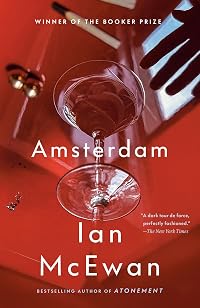
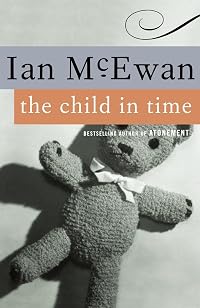
Ian McEwan was born in Aldershot, England on June 21, 1948. He received a B.A. in English Literature from the University of Sussex and an M.A. in English Literature from the University of East Anglia. He writes novels, plays, and collections of short stories including In Between the Sheets, The Cement Garden, The Comfort of Strangers, The show more Innocent, Black Dogs, The Daydreamer, Enduring Love, Sweet Tooth, The Children Act and Nutshell. He has won numerous awards including the 1976 Somerset Maugham Award for First Love, Last Rites; the 1987 Whitbread Novel Award and the 1993 Prix Fémina Etranger for The Child in Time; the 1998 Booker Prize for Fiction for Amserdam; the 2002 W. H. Smith Literary Award, the 2003 National Book Critics' Circle Fiction Award, the 2003 Los Angeles Times Prize for Fiction, and the 2004 Santiago Prize for the European Novel for Atonement; and the 2006 James Tait Black Memorial Prize for Saturday. (Bowker Author Biography) show less
Some Editions
Awards and Honors
Awards
Distinctions
Notable Lists
BBC's Big Read (154)
Whitcoulls Top 100 Books (53 – 2008)
Whitcoulls Top 100 Books (91 – 2010)
Series
Belongs to Publisher Series
ספריה לעם (504)
Work Relationships
Is contained in
Contains
Has the adaptation
Has as a study
Has as a student's study guide
Common Knowledge
- Canonical title
- Atonement
- Original title
- Atonement
- Original publication date
- 2001-09-20
- People/Characters
- Briony Tallis; Cecilia Tallis; Robbie Turner; Lola Quincey; Paul Marshall; Leon Tallis (show all 13); Jackson Quincey; Pierrot Quincey; Emily Tallis; Grace Turner; Danny Hardman; Jack Tallis; Hermoine Quincey
- Important places
- Dunkirk, Hauts-de-France, France; Surrey, England, UK; London, England, UK; England, UK
- Important events
- World War II (1939 | 1945); Fall of France (1940-05-10 | 1940-06-22); Battle of Britain (1940); The Blitz (1940 | 1941)
- Related movies
- Atonement (2007 | IMDb)
- Epigraph
- "Dear Miss Morland, consider the dreadful nature of the suspicions you have entertained. What have you been judging from? Remember the country and the age in which we live. Remember that we are English: that we are Christians... (show all). Consult your own understanding, your own sense of the probable, your own observation of what is passing around you. Does our education prepare us for such atrocities? Do our laws connive at them? Could they be perpetrated without being known in a country like this, where social and literary intercourse is on such a footing, where every man is surrounded by a neighbourhood of voluntary spies, and where roads and newspapers lay everything open? Dearest Miss Morland, what ideas have you been admitting?"
They had reached the end of the gallery; and with tears of shame she ran off to her own room.
Jane Austen, Northanger Abbey - Dedication
- To Annalena
- First words
- The play—for which Briony had designed posters, programs and tickets, constructed the sales booth out of a folding screen tipped on its side, and lined the collection box in red crêpe paper—was written by her in a two-da... (show all)y tempest of composition, causing her to miss a breakfast and a lunch.
- Quotations
- Novels and movies, being relentlessly modern, propel you forwards or backwards through time, through days, years or even generations. But to do its noticing and judging, poetry balances itself on the pinprick of the moment. S... (show all)lowing down, stopping yourself completely, to read and understand a poem is like trying to acquire an old-fashioned skill like drystone walling or trout tickling.
How much growing up do you need to do?
It wasn’t only wickedness and scheming that made people unhappy, it was confusion and misunderstanding; above all, it was the failure to grasp the simple truth that other people are as real as you.
A person is, among all else, a material thing, easily torn and not easily mended.
Find you, love you, marry you, and live without shame.
Finally he spoke the three simple words that no amount of bad art or bad faith can ever quite cheapen. She repeated them, with exactly the same slight emphasis on the second word, as though she were the one to say them first.... (show all) He had no religious belief, but it was impossible not to think of an invisible presence or witness in the room, and that these words spoken aloud were like signatures on an unseen contract.
The anticipation and dread he felt at seeing her was also a kind of sensual pleasure, and surrounding it, like an embrace, was a general elation--it might hurt, it was horribly inconvenient, no good might come of it, but he h... (show all)ad found out for himself what it was to be in love, and it thrilled him.
(p313) For all the fine rhythms and nice observations, nothing much happens after a beginning that has such promise.
(p349) She was calm as she considered what she had to do. Together, the note to her parents and the formal statement would take no time at all. Then she would be free for the rest of the day. She knew what was required of her... (show all). Not simply a letter, but a new draft, an atonement, and she was ready to begin.
BT
London 1999
(p371) The problem these fifty-nine years has ben this: how can a novelist achieve atonement when, with her absolute power of deciding outcomes, she is also God? There is no-one, no entity or higher form that she can appeal t... (show all)o, or be reconciled with, or that can forgive her. There is nothing outside her. In her imagination she has set the limits and the terms. No atonement for God, or novelists, even if they are atheists. It was always an impossible task, and that was precisely the point. The attempt was all. - Last words
- (Click to show. Warning: May contain spoilers.)But now I must sleep.
- Publisher's editor*
- Seal Books
- Blurbers
- Updike, John; Messud, Claire
- Original language
- English UK
- Canonical DDC/MDS
- 823.914
- Canonical LCC
- PR6063.C4
*Some information comes from Common Knowledge in other languages. Click "Edit" for more information.
Classifications
Statistics
- Members
- 28,829
- Popularity
- 131
- Reviews
- 667
- Rating
- (3.93)
- Languages
- 27 — Arabic, Catalan, Chinese, Czech, Danish, Dutch, English, Estonian, Finnish, French, German, Greek, Hebrew, Hungarian, Icelandic, Italian, Latvian, Lithuanian, Norwegian (Bokmål), Polish, Portuguese, Romanian, Russian, Slovenian, Spanish, Swedish, Turkish
- Media
- Paper, Audiobook, Ebook
- ISBNs
- 166
- UPCs
- 1
- ASINs
- 60