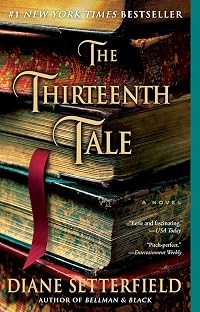
The Thirteenth Tale
by Diane Setterfield
On This Page
Description
When her health begins failing, the mysterious author Vida Winter decides to let Margaret Lea, a biographer, write the truth about her life, but Margaret needs to verify the facts since Vida has a history of telling outlandish tales.Tags
Recommendations



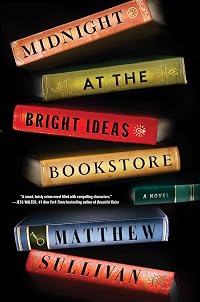
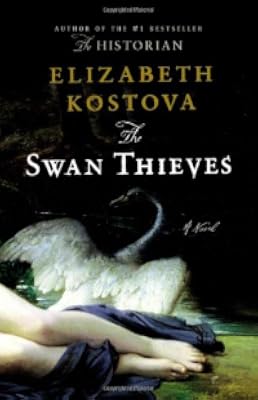
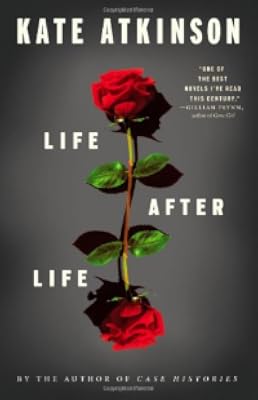
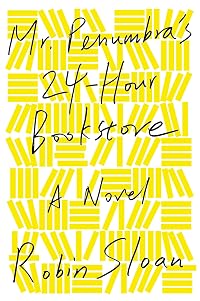
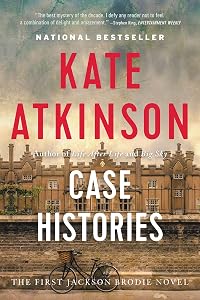
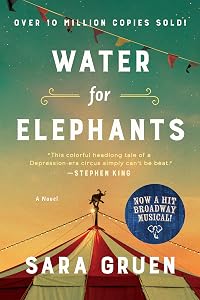
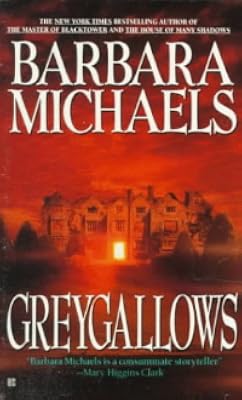
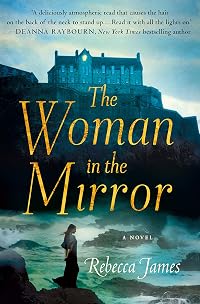
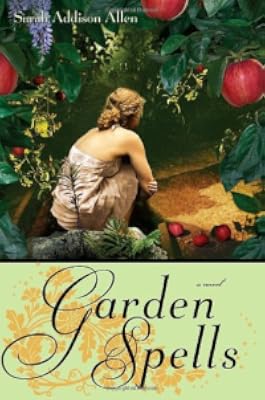
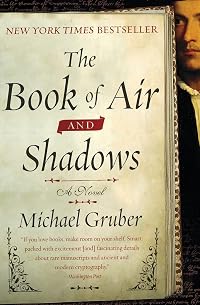
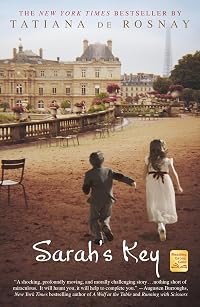
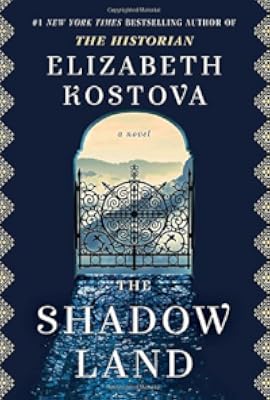
Member Recommendations
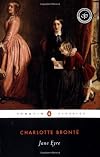
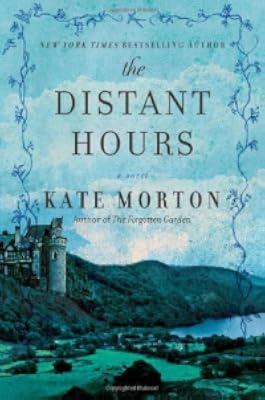
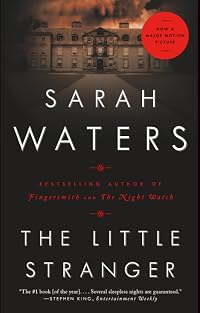
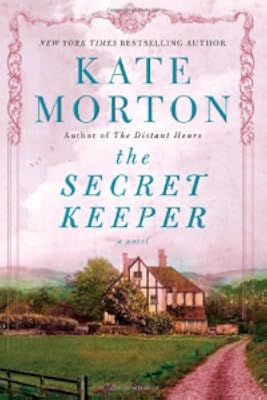
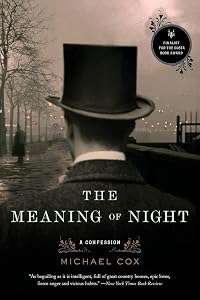
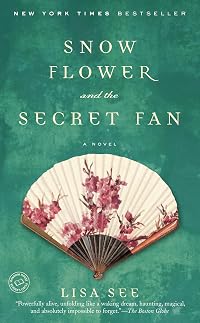
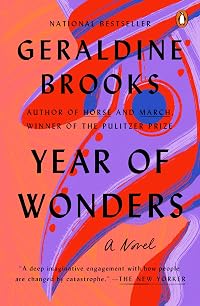
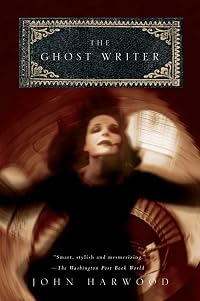
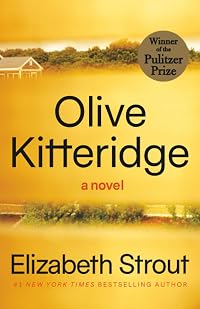
norabelle414 Both gothic novels, with a big ol' creepy house, and theme of hidden family secrets
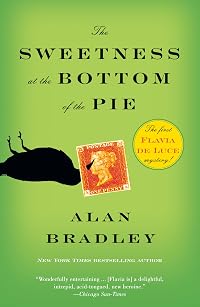
Voracious_Reader Both beautiful, almost Gothic tales told through the eyes of precocious unusual young women.
Also recommended by ladybug74, Contusions
592
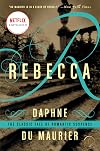
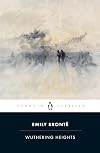
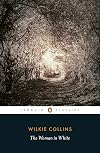
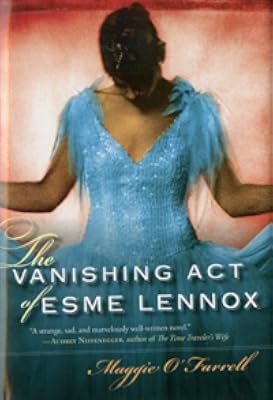
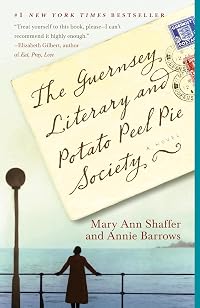
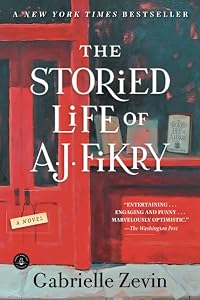
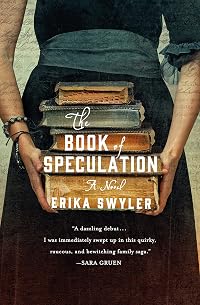
elizabeth.a.coates Both centre around books/literature, both are eloquently written, both have an element of mystery
1911
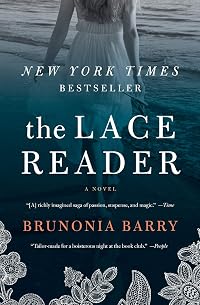
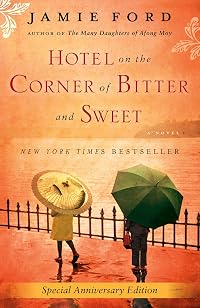
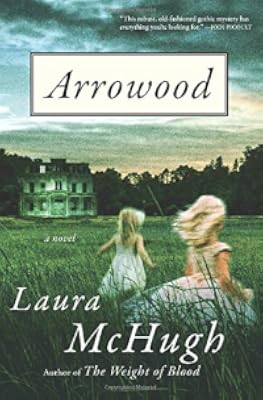
Becchanalia Pretty much the same plot, secrets, family ties and tragedy set in the ancestral home.
Also recommended by library_gal
141
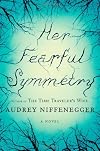
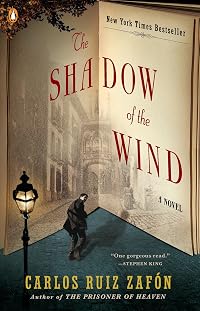
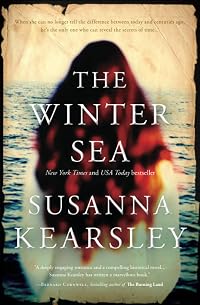
lahochstetler Gothic tales of devoted twin sisters, love, and death.
Also recommended by sruszala
124
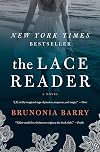
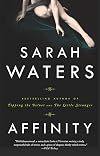
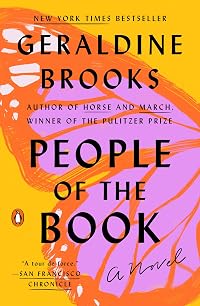
Citizenjoyce The ambiance is the same. Both stories draw the reader in with promises of deeper mysteries to solve.
70

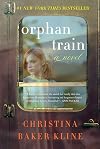
akblanchard Isolated old ladies benefit by telling their stories to younger women.
50
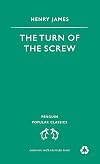
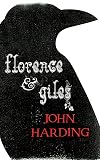
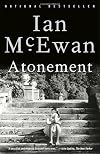

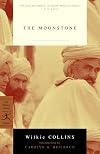
BookshelfMonstrosity These novels offer gothic suspense's classic creepy atmosphere, though with somewhat different story-lines. Fingersmith takes place in Victorian England while The Thirteenth Tale is contemporary, but both emphasize books, mysteries about birth and identity, insanity, and grand houses.
30
Ozma333 Same style of story-telling where there is a mystery from the past that reflects or explains current situations. Also, similar writing styles - descriptive and rich. Both entertaining and both referencing dark fairytales.
Also recommended by PaperbackPirate
43
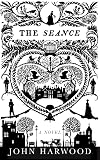

lahochstetler Very similar gothic feel, artists investigate the traumatic secrets of the past in the English countryside.
10
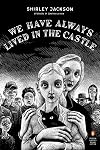
Becchanalia Similar plot and character dynamics but has less of the gothic tale about it.
21

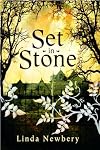
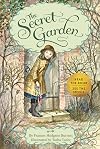

BookshelfMonstrosity Both novels have a generally dark mood and complex characters who are searching for answers. The Gargoyle is more graphic and violent, but both weave together the past and present in an intricate plot that encourages self-reflection.
01
BookshelfMonstrosity Using Gothic elements and literary references, both novels have a fairytale-like quality, balancing reality with a bit of magic as each female protagonist solves a mystery important to her. Intricate plots and rich details create lush literary landscapes in these novels.

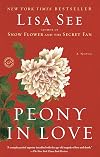

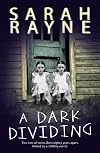

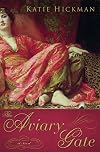
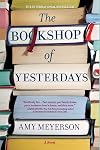
passion4reading Though covering slightly different time periods, each novel explores the discovery of long-held family secrets by a biographer; coincidentally, both characters at the heart of the mystery are authors.
Member Reviews
Diane Setterfield’s debut novel, The Thirteenth Tale is a darkly rich, many layered read that drew me into it’s pages and held me there while I read of crumbling mansions, feral twins, ghosts and old books.
Reading this book became like peeling the layers of an onion. Intertwining tales, distinctly drawn characters, strange revelations all building to a rewarding climax. Mystery after mystery was laid before us, clues were scattered through the pages, and finally all was revealed. The author gave many nods of approval to some of the great classics, pieces of Jane Eyre, The Turn of the Screw, Wuthering Heights were all there to be discovered.
This is a book that I can see wanting to re-read in the future. Preferably on a stormy night show more while curled up under a blanket in front of a warm fire. By far the most atmospheric book I have read this year, I truly was carried off to a different time and place every time I picked it up.
I would highly recommend this book, especially to anyone with a love of the great gothic romantic tales of the past. show less
Reading this book became like peeling the layers of an onion. Intertwining tales, distinctly drawn characters, strange revelations all building to a rewarding climax. Mystery after mystery was laid before us, clues were scattered through the pages, and finally all was revealed. The author gave many nods of approval to some of the great classics, pieces of Jane Eyre, The Turn of the Screw, Wuthering Heights were all there to be discovered.
This is a book that I can see wanting to re-read in the future. Preferably on a stormy night show more while curled up under a blanket in front of a warm fire. By far the most atmospheric book I have read this year, I truly was carried off to a different time and place every time I picked it up.
I would highly recommend this book, especially to anyone with a love of the great gothic romantic tales of the past. show less
Another review of this is superfluous, but I can't stop myself. This is the sort of book that when it finally ends, you just know that the next books in your reading queue will disappoint -- pale and dry, lackluster and brittle-- but it's not the fault of their authors; it's the fault of Diane Setterfield. From the first few pages you know that this woman (author or protagonist) is a reader's reader and that she will not disappoint. Superb storytelling, spellbinding settings, sumptuous descriptions, slippery details, and a literate voice so otherworldly that you feel like you're inside a fantasy novel even though you're not. I'm going to let this sit for a few days. I might upgrade to 5 stars. Oh, heck. Let's do 5 right now. After all, show more this book must have been sent from the gods of storytelling. show less
Over time I have discovered I particularly enjoy stories about storytelling, and this is one such book! Diane Setterfield is rapidly becoming one of my favorite authors. I had previously read Once Upon a River and it has become one of my favorites. The Thirteenth Tale is a well-written, clever, and engrossing mystery about a reclusive writer being interviewed by her selected biographer. This writer is a popular author and storyteller who has not been forthcoming in prior interviewers, so there is always that doubt in the mind as to whether she is telling the truth of her life or making up another tall tale. The biographer has her own private story, which adds a layer of complexity to the plot. The author explores whether knowing the show more truth is always best, as sometimes the truth is difficult to bear. Themes include seclusion, abandonment, and identity. As a bonus it articulates why readers love books and references many 19th century classics.
The author places clues along the way such that the reader is brought to the same conclusions as the biographer as the story progresses. It has a gothic flavor throughout including a “haunted house,” possible ghosts, an overgrown garden, and eccentric inhabitants. I thought the plot well-developed and the characters deeply formed. For me, it could have ended sooner, but will satisfy those that like the loose ends tied up. Recommended to readers of Victorian literature, slowly-burning mysteries, books about reading, or anyone that appreciates a well-told story.
4.5 stars, rounded up.
Memorable quotes:
“A birth is not really a beginning. Our lives at the start are not really our own but only the continuation of someone else’s story.”
“The hours between eight in the evening and one or two in the morning have always been my magic hours. Against the blue candlewick bedspread the white pages of my open book, illuminated by a circle of lamplight, were the gateway to another world.”
“There is something about words. In expert hands, manipulated deftly, they take you prisoner. Wind themselves around your limbs like spider silk, and when you are so enthralled you cannot move, they pierce your skin, enter your blood, numb your thoughts. Inside you they work their magic.” show less
The author places clues along the way such that the reader is brought to the same conclusions as the biographer as the story progresses. It has a gothic flavor throughout including a “haunted house,” possible ghosts, an overgrown garden, and eccentric inhabitants. I thought the plot well-developed and the characters deeply formed. For me, it could have ended sooner, but will satisfy those that like the loose ends tied up. Recommended to readers of Victorian literature, slowly-burning mysteries, books about reading, or anyone that appreciates a well-told story.
4.5 stars, rounded up.
Memorable quotes:
“A birth is not really a beginning. Our lives at the start are not really our own but only the continuation of someone else’s story.”
“The hours between eight in the evening and one or two in the morning have always been my magic hours. Against the blue candlewick bedspread the white pages of my open book, illuminated by a circle of lamplight, were the gateway to another world.”
“There is something about words. In expert hands, manipulated deftly, they take you prisoner. Wind themselves around your limbs like spider silk, and when you are so enthralled you cannot move, they pierce your skin, enter your blood, numb your thoughts. Inside you they work their magic.” show less
Just what I needed right now in my reading life. Nice, easy, spoon-fed, syrupy-sweet, fiction. This book has all the makings of what I term either "chick-lit" or a "beach read." Although my definitions of these two categories may be a bit more strict than you are used to; I've never read Nora Roberts or Jodi Picoult. This book is smart, witty, very well written but what makes it fall into the beach read cannon is it's extreme ease in storyline- details are laid bare, connections fully explained, lots of "hey, remember when I brought this up in chapter 2? Well, here it is again!" No challenge or mental exercises needed! And it was perfect. I flew through the pages, devouring the story, getting caught up in the incredible character show more development, and mysteriously dark tale.
Vida Winter, a reclusive author, ready to lay the dark, terrible tale of her life at the feet of Margaret Lea (a smart, young lady living with her father in an antique bookstore who carries painful secrets all her own); the unspooling of breaks open more secrets, rips off the scabs, and ultimately leaves both women with bloody palms up in full surrender. Ghosts, twins, incest, self-mutilation, arson, literature, snow, and lots more disturbing yet intriguing details pull the reader into its trance. This book would make an excellent book-club pick. Highly readable with tons of discussion points. show less
Vida Winter, a reclusive author, ready to lay the dark, terrible tale of her life at the feet of Margaret Lea (a smart, young lady living with her father in an antique bookstore who carries painful secrets all her own); the unspooling of breaks open more secrets, rips off the scabs, and ultimately leaves both women with bloody palms up in full surrender. Ghosts, twins, incest, self-mutilation, arson, literature, snow, and lots more disturbing yet intriguing details pull the reader into its trance. This book would make an excellent book-club pick. Highly readable with tons of discussion points. show less
This novel is a book lover's dream; it's lush, gorgeously written, and the way the author lovingly talks about reading and the power of books makes you want to curl up with this unique novel even more. Margaret Lea, a book lover of the highest order and part time antiquarian book dealer and amateur biographer, finds a mysterious note. It turns out to be from the world's most famous living author, Vida Winter. Margaret is stunned, she has never even read one of Vida's 50+ novels, and how on earth does Vida even know who she is? Vida knows she is reaching the end of her life and she wants to set the record straight. For years, she has spun tales about her life, fearful for people to peer too closely in at her. However, now she is ready to show more get it off her chest, so she asks Margaret to be her biographer and thus begins a complex tale of deceit, mental health issues, and overall a most peculiar childhood where nothing is as it seems. Once you get started reading this there is no stopping, you have to barrel along to the end where even more surprises wait. A complex, beautiful, and haunting read. I can't wait to discuss this with my book club! show less
I really loved this book, The Thirteenth Tale. It entirely engrossed me; I did little else today but read and nap and cuddle my dark-grey cat.
Ordinarily, I would give a book this gripping five stars. Alas, the story was populated with ghosts, and I am starting at every sound the house makes, jumping when the cat moves. I fell asleep reading this past evening and I dreamed of ghosts, awoke frightened, in a day suddenly darkened into dusk.
Margaret Lea lives in a small city and helps her father in his antiquarian bookshop. She also writes academic papers. Margaret is very surprised when the popular writer, Vida Winter, asks her to visit with a view to writing her biography. She goes to meet the writer in her isolated house on the show more Yorkshire moors, near Harrogate and to the Bronte Parsonage. Anyone who has only few books will sense that the story will be creepy. It was.
Creepy, yes, but this was nothing like a dime-store novel; it was a work of literary excellence. Diane Setterfield writes beautifully. The novel made me notice nothing of time passing, of hunger unsatisfied, of muscles cramping from disuse. It engulfed me like a dense fog. I have stayed up until 4:00 a.m. to finish it, while dawn is imminent and the sounds of the early birds enter through an open window in my living room.
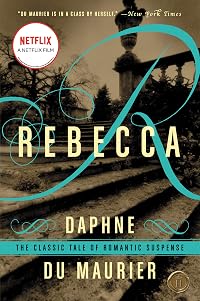
I noticed, while reading, that Setterfield's novel was scary in the way that Daphne duMaurier's are. I remember reading Rebecca with the uncomfortable feeling that I was being watched. Today I had the same sensation, although today I think it was the cat watching me, not a visitor from a vividly distressing and haunting book.
I wouldn't advise reading this book at night unless you want to be frightened or sleepless or both. Otherwise, the book has my full reserve of recommendations. show less
Ordinarily, I would give a book this gripping five stars. Alas, the story was populated with ghosts, and I am starting at every sound the house makes, jumping when the cat moves. I fell asleep reading this past evening and I dreamed of ghosts, awoke frightened, in a day suddenly darkened into dusk.
Margaret Lea lives in a small city and helps her father in his antiquarian bookshop. She also writes academic papers. Margaret is very surprised when the popular writer, Vida Winter, asks her to visit with a view to writing her biography. She goes to meet the writer in her isolated house on the show more Yorkshire moors, near Harrogate and to the Bronte Parsonage. Anyone who has only few books will sense that the story will be creepy. It was.
Creepy, yes, but this was nothing like a dime-store novel; it was a work of literary excellence. Diane Setterfield writes beautifully. The novel made me notice nothing of time passing, of hunger unsatisfied, of muscles cramping from disuse. It engulfed me like a dense fog. I have stayed up until 4:00 a.m. to finish it, while dawn is imminent and the sounds of the early birds enter through an open window in my living room.
I noticed, while reading, that Setterfield's novel was scary in the way that Daphne duMaurier's are. I remember reading Rebecca with the uncomfortable feeling that I was being watched. Today I had the same sensation, although today I think it was the cat watching me, not a visitor from a vividly distressing and haunting book.
I wouldn't advise reading this book at night unless you want to be frightened or sleepless or both. Otherwise, the book has my full reserve of recommendations. show less
Over time I have discovered I particularly enjoy stories about storytelling, and this is one such book! Diane Setterfield is rapidly becoming one of my favorite authors. I had previously read Once Upon a River and it has become one of my favorites. The Thirteenth Tale is a well-written, clever, and engrossing mystery about a reclusive writer being interviewed by her selected biographer. This writer is a popular author and storyteller who has not been forthcoming in prior interviewers, so there is always that doubt in the mind as to whether she is telling the truth of her life or making up another tall tale. The biographer has her own private story, which adds a layer of complexity to the plot. The author explores whether knowing the show more truth is always best, as sometimes the truth is difficult to bear. Themes include seclusion, abandonment, and identity. As a bonus it articulates why readers love books and references many 19th century classics.
The author places clues along the way such that the reader is brought to the same conclusions as the biographer as the story progresses. It has a gothic flavor throughout including a “haunted house,” possible ghosts, an overgrown garden, and eccentric inhabitants. I thought the plot well-developed and the characters deeply formed. For me, it could have ended sooner, but will satisfy those that like the loose ends tied up. Recommended to readers of Victorian literature, slowly-burning mysteries, books about reading, or anyone that appreciates a well-told story.
4.5 stars, rounded up.
Memorable quotes:
“A birth is not really a beginning. Our lives at the start are not really our own but only the continuation of someone else’s story.”
“The hours between eight in the evening and one or two in the morning have always been my magic hours. Against the blue candlewick bedspread the white pages of my open book, illuminated by a circle of lamplight, were the gateway to another world.”
“There is something about words. In expert hands, manipulated deftly, they take you prisoner. Wind themselves around your limbs like spider silk, and when you are so enthralled you cannot move, they pierce your skin, enter your blood, numb your thoughts. Inside you they work their magic.” show less
The author places clues along the way such that the reader is brought to the same conclusions as the biographer as the story progresses. It has a gothic flavor throughout including a “haunted house,” possible ghosts, an overgrown garden, and eccentric inhabitants. I thought the plot well-developed and the characters deeply formed. For me, it could have ended sooner, but will satisfy those that like the loose ends tied up. Recommended to readers of Victorian literature, slowly-burning mysteries, books about reading, or anyone that appreciates a well-told story.
4.5 stars, rounded up.
Memorable quotes:
“A birth is not really a beginning. Our lives at the start are not really our own but only the continuation of someone else’s story.”
“The hours between eight in the evening and one or two in the morning have always been my magic hours. Against the blue candlewick bedspread the white pages of my open book, illuminated by a circle of lamplight, were the gateway to another world.”
“There is something about words. In expert hands, manipulated deftly, they take you prisoner. Wind themselves around your limbs like spider silk, and when you are so enthralled you cannot move, they pierce your skin, enter your blood, numb your thoughts. Inside you they work their magic.” show less
Members
- Recently Added By
Published Reviews
ThingScore 58
A family saga with Gothic overtones, dark secrets, lost twins, a tragic fire, a missing manuscript and over-obvious nods to Jane Eyre, Rebecca and The Woman in White, it reads like something a creative writing class might write as a committee, for the sole purpose of coming up with a novel that would suit a book group (and tellingly, there are "Reading Group Study Notes" at the back suggesting show more topics for discussion). show less
added by Nickelini
The Thirteenth Tale is not without fault. The gentle giant Aurelius is a stock character, and the ending is perhaps a little too concerned with tying up all loose ends. But it is a remarkable first novel, a book about the joy of books, a riveting multi-layered mystery that twists and turns, and weaves a quite magical spell for most of its length.
added by Nickelini
"The Thirteenth Tale" keeps us reading for its nimble cadences and atmospheric locales, as well as for its puzzles, the pieces of which, for the most part, fall into place just as we discover where the holes are. And yet, for all its successes -- and perhaps because of them -- on the whole the book feels unadventurous, content to rehash literary formulas rather than reimagine them.
added by Shortride
Lists

1001 Books You Must Read Before You Die
1,448 works; 1,134 members

Recommend the 20 best books you've read in the last five years
2,168 works; 606 members

Best Historical Fiction
620 works; 261 members

Best Contemporary Literary Fiction (Around the Last 30 Years)
388 works; 124 members

Best books about books
209 works; 106 members

Best Gothic Fiction
110 works; 31 members

Top-Rated Books on LibraryThing
272 works; 117 members

Best 21st Century Books (So Far)
670 works; 86 members

Best Books about Readers
23 works; 14 members
Historical Fiction
889 works; 91 members
Best of British Literature
226 works; 41 members

Top Five Books of 2013
1,562 works; 721 members

Female Author
1,234 works; 67 members
Favourite Books
1,819 works; 316 members

Pleasant Surprises: Books That Exceeded Our Expectations
418 works; 143 members

novels in or about bookshops (or libraries)
59 works; 21 members
Best Family Stories
241 works; 22 members

Best Books With Sisters
130 works; 30 members
Female Protagonist
1,056 works; 57 members

Magic Realism
371 works; 52 members
...read all, pay nowt (Books set in Yorkshire)
86 works; 14 members

Books With a Twist
69 works; 46 members

Female Friendship
54 works; 12 members

Unreliable Narrators
170 works; 43 members
Scary Stories for the Season
160 works; 94 members

Survey of Mysteries and Crime Fiction
96 works; 17 members

Crime and Mysteries to Read
746 works; 31 members

Best family sagas
244 works; 34 members

Top Five Books of 2014
1,064 works; 398 members

Books about Books
149 works; 24 members

Women's Stories
88 works; 13 members

Scary ghost stories - no zombies, vampires or werewolves, please
53 works; 20 members
Houses and Buildings as Characters in Fiction
182 works; 28 members

Unread books
1,063 works; 87 members

Story Within a Story
65 works; 17 members

Best books read in 2011
200 works; 51 members
Page Turners
185 works; 11 members

Top Five Books of 2021
604 works; 181 members
Literature About Women and Girls
394 works; 39 members

2000s (the decade, not the century)
184 works; 11 members
Writers as Characters in Fiction
120 works; 19 members

Summer Reads 2014
207 works; 70 members

Top Five Books of 2015
811 works; 241 members

Best Crime Fiction
48 works; 3 members

Books With Numbers in the Title
308 works; 13 members

Books with Twins
175 works; 12 members

2000s decade
85 works; 7 members

Books Read in 2014
2,343 works; 89 members
Books tagged favorites
390 works; 30 members
Five star books
1,767 works; 110 members

SHOULD Read Books!
354 works; 9 members
Stories Inspired by Other Fiction
127 works; 24 members
First Novels
373 works; 17 members

Tagged by Tim or Meh!
91 works; 9 members

Book-Themed Mysteries
21 works; 5 members
Books Read in 2007
326 works; 8 members

Secrets Books
94 works; 3 members

Teresa's favorite mystery series and authors
55 works; 2 members

Books I Re-read (...and re-read... and re-read)
25 works; 2 members

Books Read in 2020
4,379 works; 124 members

READ in 2023
244 works; 1 member

Llibres que he llegit el 2008
33 works; 1 member

Books on my Kindle
162 works; 3 members

Summer Reading
31 works; 2 members
BF: 31 Books You Won't Be Able To Stop Thinking About
8 works; 2 members
Best Audiobooks
240 works; 114 members

Books We Love to Reread
688 works; 296 members
Books We Couldn't Put Down
443 works; 197 members

Books Read in 2025
4,091 works; 97 members
Best Mysteries With a Historical Setting
292 works; 160 members

Fiction With Familiar Settings
280 works; 93 members
Ghost Stories That Thrill Us
256 works; 115 members
Books We Want To Read Again For The First Time
384 works; 160 members

2024 Reading List
49 works; 1 member

Books Bought & Received as Gifts in 2014
81 works; 1 member

Top Five Books of 2023
767 works; 317 members

Fiction Books Worthy of Reading Again
37 works; 1 member

Books Read in 2021
5,361 works; 114 members
Books That Go Bump in the Night
42 works; 6 members

Books Read in 2011
684 works; 19 members
Safe as Houses
10 works; 2 members

to get
244 works; 2 members

Best books I read in 2013
152 works; 3 members
Novels featuring Orphans
76 works; 10 members

Books discovered on LibraryThing
256 works; 36 members
The Five Books That Represent Us
391 works; 148 members
Talk Discussions
Past Discussions
The Thirteenth Tale: Middles (SPOILERS) in The 11 in 11 Category Challenge (February 2011)
The Thirteenth Tale: Endings (SPOILERS) in The 11 in 11 Category Challenge (February 2011)
The Thirteenth Tale: Beginnings (SPOILERS) in The 11 in 11 Category Challenge (February 2011)
The Thirteenth Tale: General Thread in The 11 in 11 Category Challenge (February 2011)
Author Information

6 Works 23,266 Members
Some Editions
Awards and Honors
Awards
Distinctions
Notable Lists
Series
Belongs to Publisher Series
Work Relationships
Is contained in
Common Knowledge
- Canonical title
- The Thirteenth Tale
- Original title
- The Thirteenth Tale
- Original publication date
- 2006-09-12 (1e édition originale angalise, Orion House, Londres) (1e é | dition originale angalise, Orion House, Londres); 2007-01-18 (1e traduction et édition française, Feux croisés, Plon) (1e traduction et é | dition franç | aise, Feux croisé | s, Plon)
- People/Characters
- Vida Winter; Margaret Lea; Isabelle Angelfield; Emmeline March; Adeline March; Charlie Angelfield (show all 18); Aurelius Love; John Digence (John the Dig); Hester Barrow; Dr. Maudsley; George Angelfield; Roland March; Mathilde Angelfield; Mrs. Dunne; Dr. Clifton; Mr. Lea; Mrs. Lea; Ambrose Proctor
- Important places
- Yorkshire, England, UK; Lea's Antiquarian Booksellers (Store); Angelfield Estate (House); London, England, UK
- Related movies
- The Thirteenth Tale (2013 | IMDb)
- Epigraph
- All children mythologize their birth. It is a universal trait. You want to know someone? Heart, mind and soul? Ask him to tell you about when he was born. What you get won't be the truth; it will be a story. And nothing... (show all) is more telling than a story. -Vida Winter, Tales of Change and Desperation
- Dedication
- In memory
Ivy Dora and Fred Harold Morris
Corina Ethel and Ambrose Charles Setterfield - First words
- It was November.
- Quotations
- Do you know the feeling when you start reading a new book before the membrane of the last one has had time to close behind you? You leave the previous book with ideas and themes-characters even-caught in the fibers of your cl... (show all)othes, and when you open the new book, they are still with you.
My gripe is not with lovers of the truth but with truth herself. What succor, what consolation is there in truth, compared to a story? What good is truth, at midnight, in the dark, when the wind is roaring like a bear in the ... (show all)chimney? What you need are the plump comforts of a story. The soothing, rocking safety of a lie. - Vida Winter
Tell me the truth.
Of course I loved books more than people. Of course I valued Jane Eye over the anonymous stranger with his hand on the lever. Of course all of Shakespeare was worth more than a human life. Of course. Unlike Miss Winter... (show all), I had been ashamed to say so.
… ten years of marriage is usually enough to cure marital affection …
So they became friends, the way old married couples often do, and enjoyed the tender loyalty that awaits the lucky on the other side of passion, without ever living the passion itself.
. . . she had that laugh, and the sound of it was so beautiful that when you heard it, it was as if your eyes saw her through your ears . . . . It was the sound of joy. He married her for it.
. . . But in her disease was a distillation: The more it reduced her, the more it exposed her essence. Every time I saw her she seemed diminished: thinner, frailer, more transparent, and the weaker she grew, the more the stee... (show all)l at her center was revealed.
. . . when I read about kindly grandmothers in my books, I supply them with her face.
“I know.” He didn’t know, of course. Not really. And yet that was what he said, and I was soothed to hear it. For I knew what he meant. We all have our sorrows, and although the exact delineaments, weight and dimensions... (show all) of grief are different for everyone, the color of grief is common to us all. “I know,” he said, because he was human, and therefore, in a way, he did.
People disappear when they die. Their voice, their language, the warmth of their breath. Their flesh. Eventually their bones. All living memory of them ceases. This is both dreadful and natural. Yet for some there is an excep... (show all)tion to this annihilation. For in the books they write they continue to exist. We can rediscover them. Their humor, their tone of voice, their moods. Through the written word they can anger you or make you happy. They can comfort you. They can perplex you. They can alter you. All this even though they are dead. Like flies in amber, like corpses frozen in ice, that which according to the laws of nature should pass away is, by the miracle of ink on paper, preserved. It is a kind of magic. - Last words
- (Click to show. Warning: May contain spoilers.)He opened a cool green eye, regarded me for a moment, then closed it again.
- Blurbers
- Mosse, Kate; Howard, Elizabeth Jane
- Original language
- English
Classifications
Statistics
- Members
- 18,365
- Popularity
- 341
- Reviews
- 932
- Rating
- (3.99)
- Languages
- 25 — Bulgarian, Catalan, Danish, Dutch, English, Finnish, French, German, Hebrew, Hungarian, Indonesian, Italian, Japanese, Latvian, Lithuanian, Norwegian (Bokmål), Norwegian, Polish, Portuguese, Romanian, Russian, Croatian, Spanish, Swedish, Chinese, traditional
- Media
- Paper, Audiobook, Ebook
- ISBNs
- 117
- ASINs
- 41