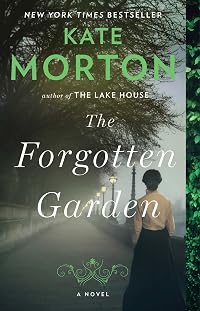
The Forgotten Garden
by Kate Morton
On This Page
Description
A tiny girl is abandoned on a ship headed for Australia in 1913. She arrives completely alone with nothing but a small suitcase containing a few clothes and a single book; a beautiful volume of fairy tales. She is taken in by the dockmaster and his wife and raised as their own. On her twenty-first birthday, they tell her the truth, and with her sense of self shattered and very little to go on, "Nell" sets out to trace her real identity. Her quest leads her to Blackhurst Manor on the Cornish show more coast and the secrets of the doomed Mountrachet family. But it is not until her granddaughter, Cassandra, takes up the search after Nell's death that all the pieces of the puzzle are assembled. A spellbinding tale of mystery and self-discovery, The Forgotten Garden will take hold of your imagination and never let go. -Goodreads. show lessTags
Recommendations

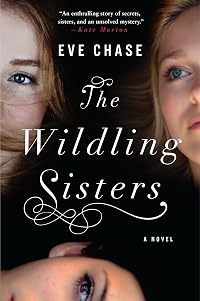
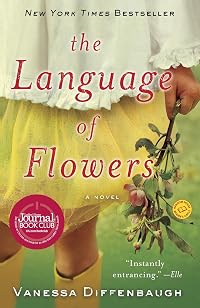
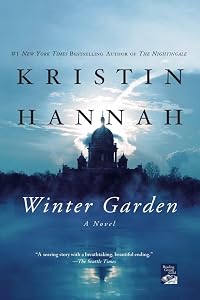
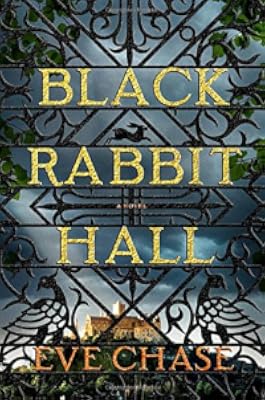
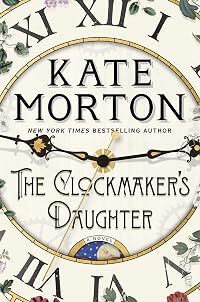
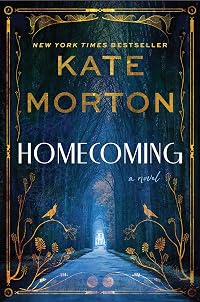
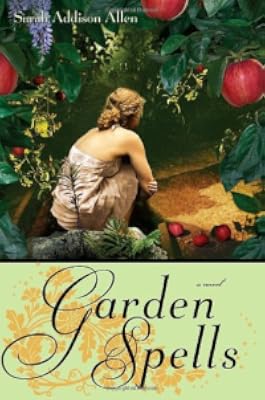
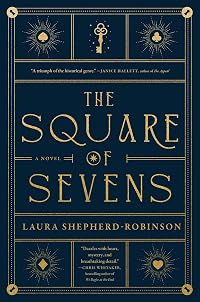
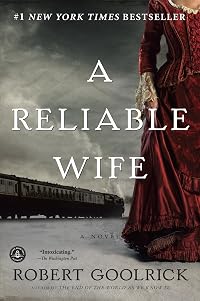

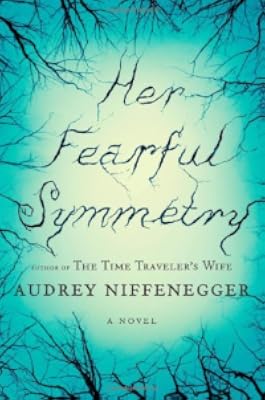
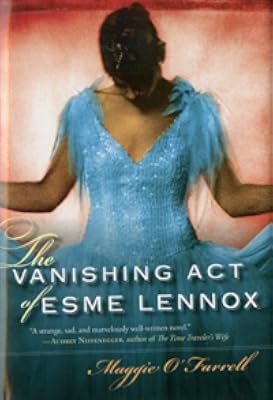
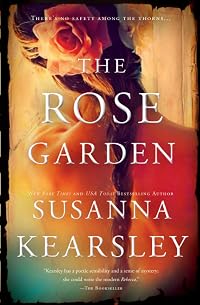

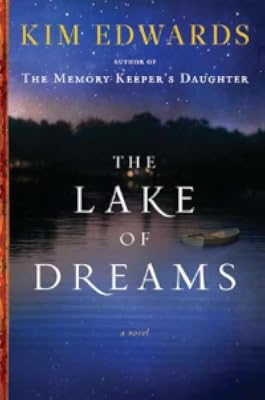
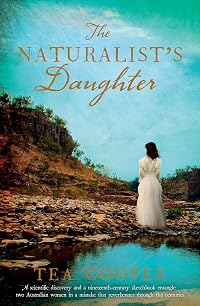
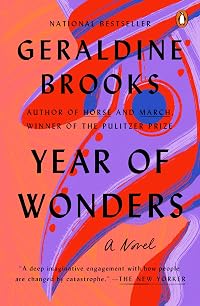
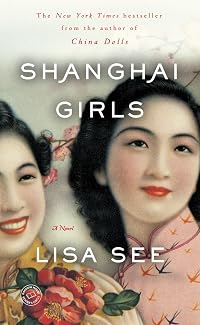
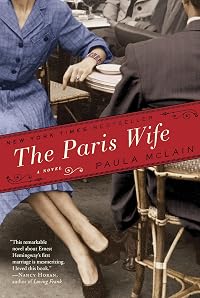
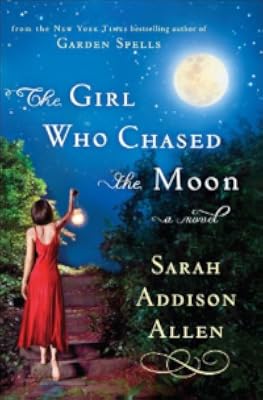
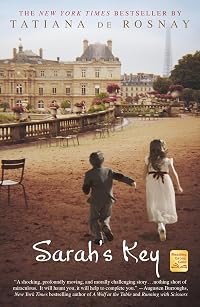
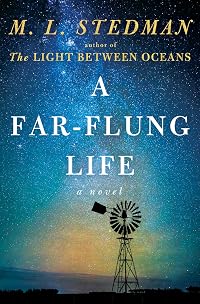
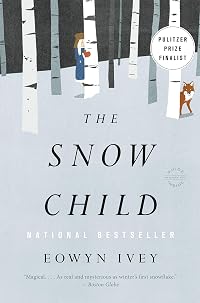


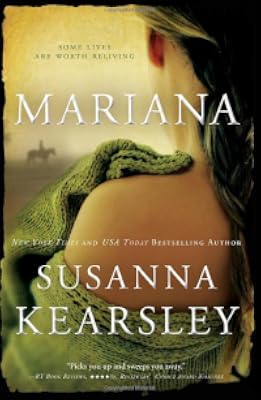
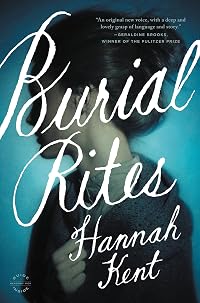
Member Recommendations
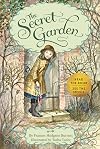
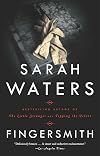
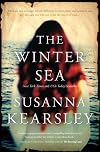
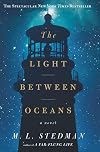
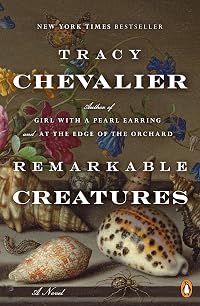
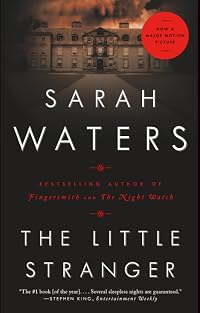
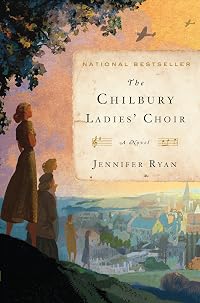
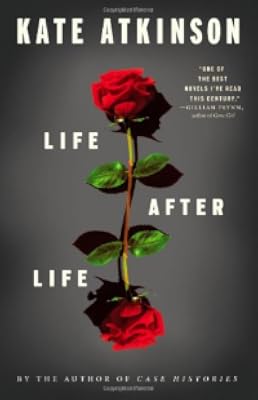
BookshelfMonstrosity In each of these atmospheric novels tinged with all the best aspects of gothic novels -- old estates, family secrets, suspicious deaths -- a garden holds the answers the protagonists seek.
20

casvelyn So many similarities: the use of fairy tales, the multiple storylines in different time periods, the research into the past and family secrets
21
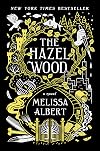
beyondthefourthwall Family secrets, Gothic overtones, and a reclusive grandmother's mysterious and extremely obscure book of old fairy tales that might just be the key to figuring it all out.
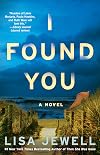
beyondthefourthwall Old, multilayered family mysteries and puzzles of identity, set along the English seashore.
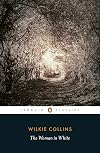
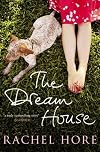
KimarieBee Family secrets
Member Reviews
As a little girl, Nell was found alone on a dock in Australia and taken in by a dockmaster and his wife. After her death, her granddaughter, Cassandra, learns this family secret and sets forth to finish what Nell started - the hunt for her true identity. This is a family saga, a mystery, and a tragic fairy tale all in one. I could not put this down, and I had to keep reading to find out the truth behind Nell's abandonment. Morton writes gorgeously, and lushly, and fully pulled me into the world she created. I loved how the story jumps between the present day and points in the past. I'm definitely going to have to hunt out some of Morton's other books.
I just wish Eliza's book of fairy tales is real so I can read it.
I just wish Eliza's book of fairy tales is real so I can read it.
A multi-generational tale of women searching for their history, uncovering secrets and discovering connections hidden or just plain lost to time. A little girl is left alone, on a ship about to depart for Australia from the English port of Maryborough, by a lady she knows as "the Authoress". Despite her promise, the lady does not return to unite the child with its parents, and the ship sails off. The girl has no ticket, no one knows her name and no one claims her; she cannot or will not explain herself; she is abandoned on the wharf, where the harbormaster takes pity on her, whisks her off home to his wife, and raises her as his own. Morton is marvelous at good old-fashioned story-telling, and she can carry the reader through centuries, show more across oceans and deep into hidden landscapes. I did have to create a little chart for myself early on, to keep the various characters in their proper places and times as the many pieces of this story twisted and turned, much like the maze that plays an important role in all their lives. Not quite as engaging for me as The Distant Hours, but still an immersive mystery-laden goodie for lovers of this sort of thing. show less
Morton is a masterful storyteller, effortlessly weaving together multiple timelines to tell a family epic with a domestic mystery at its heart. Quite enjoyable and deftly avoiding the trap of creating one timeline that is vastly more interesting than the others. I was largely equally happy to hang out in any of them. I got a little squirrely to be done, but mostly I think because it took me over a week to read, not because the book itself grew tiresome. Will likely read some more Morton, especially if the mood strikes to immerse myself in a good long tale.
When she was only four years old, Nell was put on an ocean liner traveling from London to Australia all by herself. She’s adopted by a family in Australia and isn’t told the truth about her history until she’s 21. The novel unfolds the mystery of Nell’s life, while at the same time introducing us to her granddaughter Cassandra and a young woman from her past named Eliza.
The book flips back and forth between Eliza’s story at the turn of the century (1900-1913), Nell’s story (mainly 1975), and Cassandra’s in 2005. I loved all three of the main characters because they were survivors. They each had their own tragedies that influenced the choices they made, but those back stories didn’t hijack the main plot line, they just show more enhanced it.
There’s also a great supporting cast of characters, both good and bad guys. Each new character made the story richer, adding layers to the mystery. The pacing is wonderful. There is just the right amount of information revealed as you go along. Each answer introduces new questions to the reader and you don’t want to stop until you know the whole story. The style reminded me a bit of The Thirteenth Tale, Fingersmith and Shadow of the Wind, which in my opinion, is high praise.
When I started they book I thought it was going to be a sweet story about an English village or something. I had no idea it was a gothic mystery. It turned out to be just my kind of novel, one I didn’t want to put down.
I also really liked that the story isn’t steered by a romance. It is, first and foremost, the women’s stories. Their three lives are intertwined and as the book goes along we get to discover how. It doesn’t hurt that much of it is set in England. I’m a fan of the spooky, but gorgeous English countryside as a setting.
In addition to the mystery itself, the book addresses a few other issues. It questions how important your identity is. Does knowing who you are and where you come from matter? It also looks closely at the relationship between mothers and daughters.
All-in-all I loved the book. For me, it had the perfect balance of character driven story, mystery, and historical fiction, with a splash of fairy tale thrown in for good measure.
“Did those with passage booked on death’s silent ship always scan the dock for faces of the long departed?”
“That, my dear, is what makes a character interesting, their secrets.”
“I sometimes feel my entire life is a series of accidents and chances – not that I’m complaining. One can be very happy having relinquished all expectation of control.”
“You make a life out of what you have, not what you're missing."
“Cassandra always hid when she read, though she never quite knew why. It was as if she couldn’t quite shake the guilty suspicion that she was being lazy, that surrendering herself so completely to something so enjoyable must surely be wrong.” show less
The book flips back and forth between Eliza’s story at the turn of the century (1900-1913), Nell’s story (mainly 1975), and Cassandra’s in 2005. I loved all three of the main characters because they were survivors. They each had their own tragedies that influenced the choices they made, but those back stories didn’t hijack the main plot line, they just show more enhanced it.
There’s also a great supporting cast of characters, both good and bad guys. Each new character made the story richer, adding layers to the mystery. The pacing is wonderful. There is just the right amount of information revealed as you go along. Each answer introduces new questions to the reader and you don’t want to stop until you know the whole story. The style reminded me a bit of The Thirteenth Tale, Fingersmith and Shadow of the Wind, which in my opinion, is high praise.
When I started they book I thought it was going to be a sweet story about an English village or something. I had no idea it was a gothic mystery. It turned out to be just my kind of novel, one I didn’t want to put down.
I also really liked that the story isn’t steered by a romance. It is, first and foremost, the women’s stories. Their three lives are intertwined and as the book goes along we get to discover how. It doesn’t hurt that much of it is set in England. I’m a fan of the spooky, but gorgeous English countryside as a setting.
In addition to the mystery itself, the book addresses a few other issues. It questions how important your identity is. Does knowing who you are and where you come from matter? It also looks closely at the relationship between mothers and daughters.
All-in-all I loved the book. For me, it had the perfect balance of character driven story, mystery, and historical fiction, with a splash of fairy tale thrown in for good measure.
“Did those with passage booked on death’s silent ship always scan the dock for faces of the long departed?”
“That, my dear, is what makes a character interesting, their secrets.”
“I sometimes feel my entire life is a series of accidents and chances – not that I’m complaining. One can be very happy having relinquished all expectation of control.”
“You make a life out of what you have, not what you're missing."
“Cassandra always hid when she read, though she never quite knew why. It was as if she couldn’t quite shake the guilty suspicion that she was being lazy, that surrendering herself so completely to something so enjoyable must surely be wrong.” show less
In The Forgotten Garden, Ms. Morton weaves a tapestry of characters, mystery and gothic elements to create a modern-day fairy tale that casts its spell on the reader. Its purpose is not to instruct or educate but to create a sense of enjoyment in the reader, as the reader revels in a tale that is part gothic, part mystery, and part historical fiction.
Fairy tales, and the idea of story telling, is such a key element in the novel that the reader does not understand that The Forgotten Garden is a fairy tale until the very end. Flitting between different time periods and following the story of three very different women, all connected through some mysterious connection, the key characteristics of a fairy tale seem to be missing but on show more further reflection become apparent. There is an evil witch, a damsel in distress, an arduous journey that is necessary for happiness. Which character fulfills which role is not what one would expect, and yet this realization only enhances the mastery with which Ms. Morton spun her tale.
In any good fairy tale, the characters make the story, and the same is true with The Forgotten Garden. Enigmatic Eliza, lost Nell, lonely Cassandra - the reader yearns, rejoices, and despairs with each of them as they battle for the happiness each deserves. Each character stands on her own merits, and her story is a story unto itself. The Forgotten Garden truly is three stories combined into one. The character connections and similar motifs mesh the three together in a seamless fashion, so that the reader can switch from character to character without getting confused or losing interest. Enhancing the characters are lush descriptions of the Blackhurst manor, engaging secondary characters that prove to be excellent foils and comic relief for those scenes that become too intense emotionally, and an overwhelming sense of care and love Ms. Morton instills into each line of her novel, for there is no doubt that for Ms. Morton, The Forgotten Garden was a labor of love.
As the narrator, Caroline Lee does a masterful job distinguishing the many female characters that play key roles in the novel. Through the use of different dialects, pronunciations, stresses, and inflections, the listener is able to determine which character is speaking with little to no trouble. Unfortunately, The Forgotten Garden is not a novel that is best suited for the audio format. There are so many clues and hints left along the way that I wanted to review as I got further into the story but could not without listening to the entire novel again. This inability to flip through previous chapters to find the scenes I wanted to review was a momentary distraction at the time but a niggling concern nonetheless.
The Forgotten Garden came highly recommended to me by others, and I found that those recommendations have definitive merit. It has been a long time since I have enjoyed a novel solely for its story without attempting to glean a lesson from its pages, and The Forgotten Garden was an excellent reminder to enjoy reading purely for its entertainment value. There is something so simple and yet so mesmerizing about the individual stories that one cannot help but sit back and let them wash over you with delight. Enchanting and all together charming, Rose, Eliza, Nell and most importantly, Cassandra, found their way under my skin, and I yearned to keep listening to discover their secrets and their fate. I was loathe for the stories to end and cannot wait to discover Ms. Morton's other works. My hope is that they are as special as The Forgotten Garden. show less
Fairy tales, and the idea of story telling, is such a key element in the novel that the reader does not understand that The Forgotten Garden is a fairy tale until the very end. Flitting between different time periods and following the story of three very different women, all connected through some mysterious connection, the key characteristics of a fairy tale seem to be missing but on show more further reflection become apparent. There is an evil witch, a damsel in distress, an arduous journey that is necessary for happiness. Which character fulfills which role is not what one would expect, and yet this realization only enhances the mastery with which Ms. Morton spun her tale.
In any good fairy tale, the characters make the story, and the same is true with The Forgotten Garden. Enigmatic Eliza, lost Nell, lonely Cassandra - the reader yearns, rejoices, and despairs with each of them as they battle for the happiness each deserves. Each character stands on her own merits, and her story is a story unto itself. The Forgotten Garden truly is three stories combined into one. The character connections and similar motifs mesh the three together in a seamless fashion, so that the reader can switch from character to character without getting confused or losing interest. Enhancing the characters are lush descriptions of the Blackhurst manor, engaging secondary characters that prove to be excellent foils and comic relief for those scenes that become too intense emotionally, and an overwhelming sense of care and love Ms. Morton instills into each line of her novel, for there is no doubt that for Ms. Morton, The Forgotten Garden was a labor of love.
As the narrator, Caroline Lee does a masterful job distinguishing the many female characters that play key roles in the novel. Through the use of different dialects, pronunciations, stresses, and inflections, the listener is able to determine which character is speaking with little to no trouble. Unfortunately, The Forgotten Garden is not a novel that is best suited for the audio format. There are so many clues and hints left along the way that I wanted to review as I got further into the story but could not without listening to the entire novel again. This inability to flip through previous chapters to find the scenes I wanted to review was a momentary distraction at the time but a niggling concern nonetheless.
The Forgotten Garden came highly recommended to me by others, and I found that those recommendations have definitive merit. It has been a long time since I have enjoyed a novel solely for its story without attempting to glean a lesson from its pages, and The Forgotten Garden was an excellent reminder to enjoy reading purely for its entertainment value. There is something so simple and yet so mesmerizing about the individual stories that one cannot help but sit back and let them wash over you with delight. Enchanting and all together charming, Rose, Eliza, Nell and most importantly, Cassandra, found their way under my skin, and I yearned to keep listening to discover their secrets and their fate. I was loathe for the stories to end and cannot wait to discover Ms. Morton's other works. My hope is that they are as special as The Forgotten Garden. show less
Why was a four-year-old girl apparently abandoned by her parents in 1913 and left alone on a ship bound from London to Australia? The Forgotten Garden moves back and forth between past and present to reveal this mystery. It focuses on the lives of four different women: two cousins living on the pre-WWI Cornish coast; Nell, the abandoned child found on a ship in Australia; and Cassandra, Nell’s granddaughter. The story shifts from the turn of the twentieth century to present day. The lives of these four women wind together beautifully, and the mystery of Nell’s parents and abandonment is revealed in small increments throughout the entire book. It's enticing, mesmerizing and filled with mystery.
There were a lot of characters and a lot show more of jumping between time periods. Normally, I don't love when a book is written that way, but for some reason it didn't bother me after I became involved in the story. I also liked how the author conceived Eliza Makepeace and it's hard to believe she didn't exist in reality, given the fantastic fairy tales that were credited to her in the story.
The mystery aspect of the story kept me reading and every time I thought I had it all figured out, I realized that I didn't. The descriptions of the settings of the story were amazing and I felt like I could really visualize the gardens and homes that the story took place in. It turned out to be a pretty intriguing story that completely pulled me in. show less
There were a lot of characters and a lot show more of jumping between time periods. Normally, I don't love when a book is written that way, but for some reason it didn't bother me after I became involved in the story. I also liked how the author conceived Eliza Makepeace and it's hard to believe she didn't exist in reality, given the fantastic fairy tales that were credited to her in the story.
The mystery aspect of the story kept me reading and every time I thought I had it all figured out, I realized that I didn't. The descriptions of the settings of the story were amazing and I felt like I could really visualize the gardens and homes that the story took place in. It turned out to be a pretty intriguing story that completely pulled me in. show less
Like "The House at Riverton," this book kept me interested. Morton is a very good storyteller, and this is nice reading for a rainy day.
At times I was a bit frustrated, though. Characters (Linus, for example) seem to have been tossed in, developed a bit, then went nowhere, as though the author wasn't quite sure what to do with them. Other times it seemed the author started out with one angle and changed her mind in the middle. I also wasn't throughly convinced by certain aspects of the story - friendships developed, then broken, rekindled...
Do not come to Morton looking for another A.S. Byatt! Byatt is genius. "The Forgotten Garden" is pleasant and good reading, but it is not in the same category, by any means, as "Possession."
At times I was a bit frustrated, though. Characters (Linus, for example) seem to have been tossed in, developed a bit, then went nowhere, as though the author wasn't quite sure what to do with them. Other times it seemed the author started out with one angle and changed her mind in the middle. I also wasn't throughly convinced by certain aspects of the story - friendships developed, then broken, rekindled...
Do not come to Morton looking for another A.S. Byatt! Byatt is genius. "The Forgotten Garden" is pleasant and good reading, but it is not in the same category, by any means, as "Possession."
Members
- Recently Added By
Published Reviews
ThingScore 50
All the pieces don’t quite mesh, but it’s a satisfying read overall, just the thing for readers who like multigenerational sagas with a touch of mystery.
added by Christa_Josh
Lists

Recommend the 20 best books you've read in the last five years
2,168 works; 606 members

Best books about books
209 works; 106 members

Historical Fiction
889 works; 91 members

Top Five Books of 2013
1,562 works; 721 members

Female Author
1,234 works; 67 members

Best 21st Century Books (So Far)
670 works; 86 members

Garden-fiction
67 works; 20 members

Books Set in Great Britain
191 works; 13 members

Best family sagas
244 works; 34 members

Books With a Twist
69 works; 46 members

Crime and Mysteries to Read
746 works; 31 members

Favorite Audiobooks Listened to in 2011
33 works; 11 members

Favorite Fairy Tale Retellings
210 works; 62 members

Books Set in Australia.
45 works; 9 members

Five star books
1,767 works; 110 members

Australia, New Zealand and Oceania
88 works; 20 members

Most Popular Books Tagged Australia
35 works; 5 members

Best Historical Fiction authors
41 works; 9 members

Carole's List
445 works; 13 members

Books Read in 2014
2,343 works; 89 members

Books Read in 2017
4,249 works; 130 members

SantaThing 2014 Gifts
299 works; 17 members

Some of my Favourite Historical Fiction
15 works; 1 member

Great Audiobooks
96 works; 10 members

KayStJ's to-read list
1,616 works; 11 members

Summer Books
82 works; 9 members

Swinging Seventies
255 works; 18 members
Shannon's Read-Alikes List
71 works; 8 members

Contemporary Fiction
17 works; 2 members

To Read
29 works; 2 members

Books Read in 2024
4,727 works; 128 members

Books We Couldn't Put Down
443 works; 197 members
Talk Discussions
Past Discussions
SK 39: De Vergeten Tuin - Kate Morton in FF-Leesclub Forum (March 2011)
Author Information

19+ Works 31,238 Members
Kate Morton was born in South Australia in 1976. She earned a degree in speech and drama from Trinity College London, an English literature degree from the University of Queensland, and a master's degree focusing on tragedy in Victorian literature from the University of Queensland. She also completed a summer Shakespeare course at the Royal show more Academy of Dramatic Art in London. She is currently enrolled in a Ph.D. program researching contemporary novels that marry elements of gothic and mystery fiction. She won the Australian Book Industry Award for General Fiction Book of the Year in 2007 for her debut novel, The Shifting Fog, also known as The House at Riverton. Her other books include The Distant Hours, and The Forgotten Garden, which won the Australian Book Industry Award for General Fiction Book of the Year in 2009. Her books The Secret Keeper and The Lake House were New York Times bestsellers. (Bowker Author Biography) show less
Some Editions
Awards and Honors
Awards
Distinctions
Amazon's Best Books of the Year (#60 – 2009)
Series
Belongs to Publisher Series
Work Relationships
Common Knowledge
- Canonical title
- The Forgotten Garden
- Original title
- The Forgotten Garden
- Original publication date
- 2008-07-01
- People/Characters
- Nell Andrews/Ivory Walker; Cassandra Andrews; Eliza Makepeace; Rose Mountrachet; Adeline Mountrachet; Linus Mountrachet (show all 18); Georgiana Mountrachet; Christian Blake; Michael Blake; Julia Bennett; Robyn Martin; Nathaniel Walker; Nick; Leo; Lesley Andrews; Ruby Davies; Sammy Makepeace; Robyn Martin
- Important places
- Brisbane, Queensland, Australia; Cornwall, England, UK; London, England, UK; Queensland, Australia; England, UK
- Epigraph*
- 'Maar waarom moet ik drie haren van de Elfenkoningin mee terugbrengen?'
vroeg de jonge prins aan het oude vrouwtje.'Waarom geen ander aantal,
zoals twee of vier?'
Het oude vrouwtje boog zich naar voren zonder haa... (show all)r werk aan het spinnewiel te onderbreken.
'Er is geen ander aantal, mijn kind. Drie is het getal van de tijd,
want hebben we het niet over verleden, heden en toekomst? Drie is het getal van het gezin, want spreken we niet van moeder, vader en kind? Drie is het getal van de fee, want zoeken we niet tussen eik, esdoorn en doornstruiken?'
De jonge prins knikte, want het wijze oude vrouwtje sprak de waarheid.
'Daarom moet ik drie haren hebben om mijn tovervlecht te maken.'
Uit: 'De Elfenvlecht' van Eliza Makepeace - Dedication
- For Oliver and Louis
More precious than all the spun gold in Fairyland - First words
- It was dark where she was crouched but the little girl did as she'd been told.
- Last words
- (Click to show. Warning: May contain spoilers.)Home.
- Original language
- English
*Some information comes from Common Knowledge in other languages. Click "Edit" for more information.
Classifications
Statistics
- Members
- 8,760
- Popularity
- 1,248
- Reviews
- 473
- Rating
- (4.01)
- Languages
- 19 — Catalan, Chinese, Czech, Danish, Dutch, English, Finnish, French, German, Italian, Japanese, Lithuanian, Norwegian (Bokmål), Norwegian, Polish, Portuguese, Romanian, Spanish, Swedish
- Media
- Paper, Audiobook, Ebook
- ISBNs
- 126
- ASINs
- 32