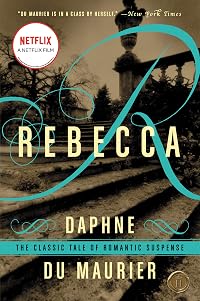
Rebecca
by Daphne Du Maurier
On This Page
Description
The novel begins in Monte Carlo, where our heroine is swept off her feet by the dashing widower Maxim de Winter and his sudden proposal of marriage. Orphaned and working as a lady's maid, she can barely believe her luck. It is only when they arrive at his massive country estate that she realizes how large a shadow his late wife will cast over their lives - presenting her with a lingering evil that threatens to destroy their marriage from beyond the grave.Tags
Recommendations

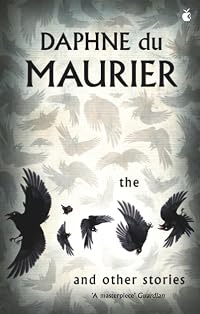

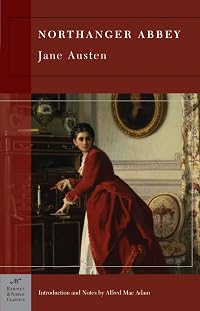

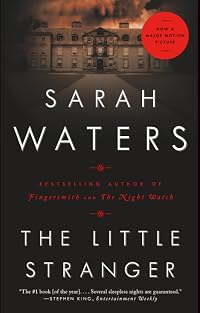
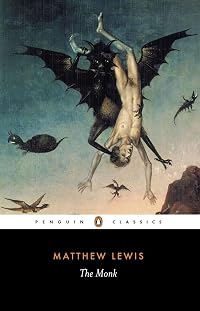
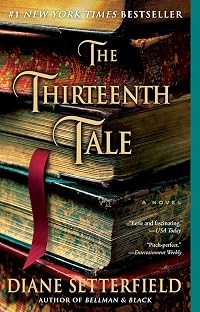
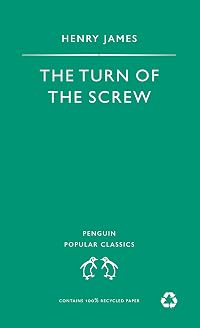
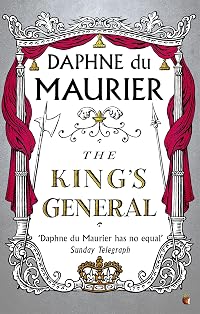
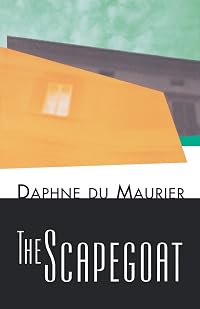



Member Recommendations
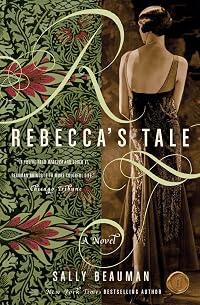
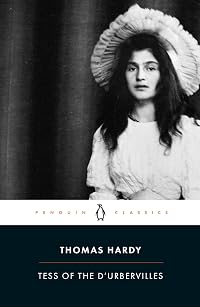
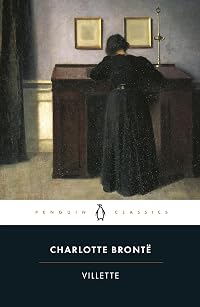
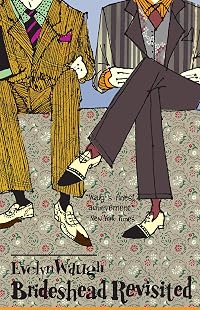
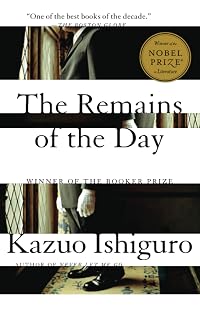
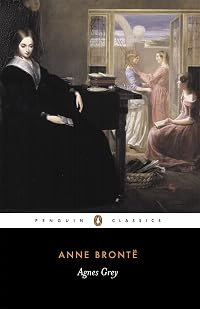
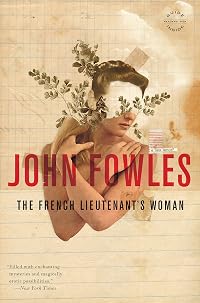
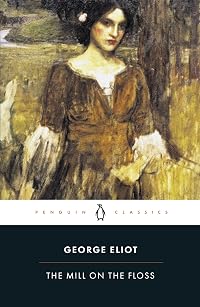
chrisharpe There are some similarities between these two books: a young woman marries an older widower and moves to his mansion, where the marriage is challenged by the unearthly presence of the first wife.
fannyprice These two books reminded me a lot of each other but Rebecca was more modern and somewhat less preachy.
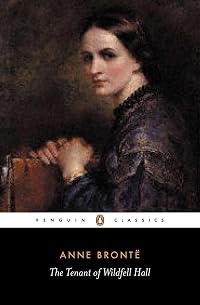
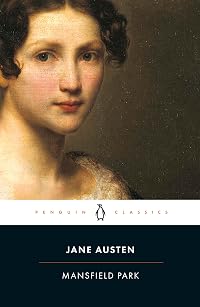
HollyMS Since Rebecca was published, observers have noticed that it has parallels to Jane Eyre. Both are dark stories about young women who marry wealthy Englishmen.
lottpoet I can see the bones of Jane Eyre in Rebecca
Also recommended by ladybug74
426

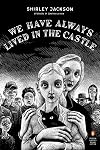

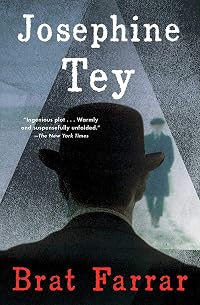
Sylak Another saga set against a hauntingly beautiful landscape - but this time its in Exmoor.
60

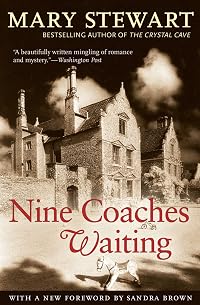
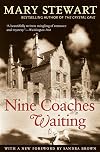
whymaggiemay Although I believe that du Maurier was the better writer, Thornyhold and many others by Mary Stewart give the same suspenseful feeling.
50
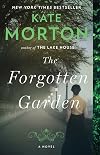

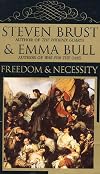
bjappleg8 first person narrative; ambiguous supernatural elements; slow unravelling of a mystery in a historical British setting
30
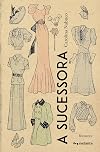
HollyMS When Rebecca came out, there were accusations that Daphne du Maurier had plagiarized A sucessora (The Sucessor) by Brazilian author Carolina Nabuco. Read it and decide for yourself.
Also recommended by anonymous user
42
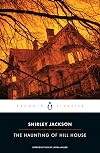
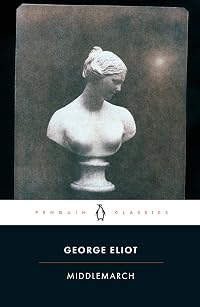
msemmag Unreliable narrators, troubled women, dark psychological horror
20


Headinherbooks_27 Very similar but the twist in Bride of Pendorric is better and more surprising.
Also recommended by kraaivrouw
54


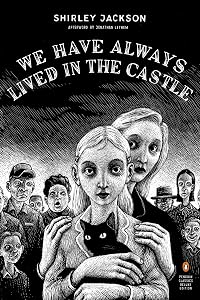
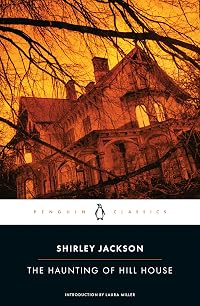
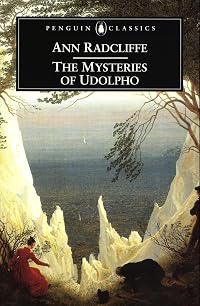
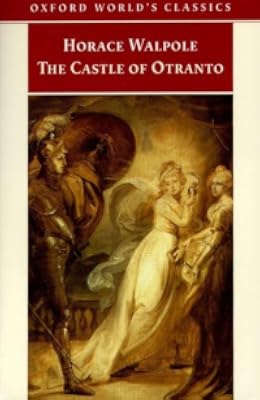
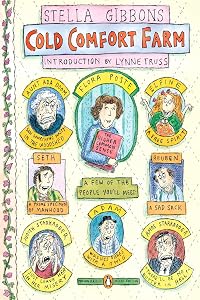
Lapsus_Linguae Another Gothic story with an old mansion and a ghost of the beautiful previous mistress.
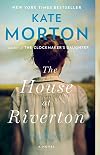

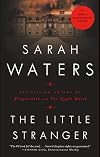



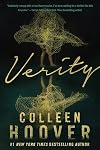


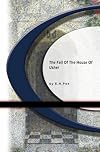
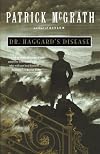

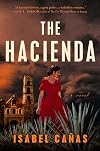

Bookwomble A verse from "The Hound of Heaven" is quoted in chapter four of "Rebecca".

Member Reviews
Rebecca is the world of film-noir as described in a single novel, and it is surpassed by none across the board of crime fiction and mystery alike. Du Maurier as a writer made Alfred Hitchcock the director that he would become, except that the latter always gets the credit over the former. As the reader, you share the same psychosis that imperils the narrator and are just as naïve, helpless and disoriented as you live her journey through grey, somber Cornwall and the silent, enigmatic corridors of Manderley. With Rebecca, Du Maurier transformed the romantic-gothic trope popularized by the likes of Jane Eyre and embellished it with a sensational modern air, and so became the birth of the thriller.
I'm not sure what I was expecting when I picked this one up - I happened to recall the book being around when I grew up, and actually couldn't recall if I'd read it or not. That was enough to bring it home.
I had a blast reading it. Daphne du Maurier writes beautifully, even poetically at times. The slow buildup is masterful, with several moments of comic relief as we get to know our heroine, the new and naive Mrs. de Winter. She is clumsy, easily embarrassed, easily frightened, and has an overactive imagination when it comes to what she believes is being thought or said about her, as she is very aware of her perceived faults. This makes her likable as well as foolish, like a gamboling puppy you want to befriend as well as tame. She show more remains nameless, a clever bit by the author that adds to her growing intrigue as she tries to fit in to her new lifestyle as mistress of a grand old house, Manderley. We can all relate to being young, feeling awkward and out of our element at times, so it's easy to be drawn into her quest to learn more about her deceased predecessor, the mysterious and beautiful Rebecca.
I really enjoy it when I get far more than I expected from a book. I'll be looking for more du Maurier after this one, and I want to see the Hitchcock film of this book, too. This is a perfect book to curl up with on a rainy day. Beware, about two thirds of the way in it becomes difficult to put down. show less
I had a blast reading it. Daphne du Maurier writes beautifully, even poetically at times. The slow buildup is masterful, with several moments of comic relief as we get to know our heroine, the new and naive Mrs. de Winter. She is clumsy, easily embarrassed, easily frightened, and has an overactive imagination when it comes to what she believes is being thought or said about her, as she is very aware of her perceived faults. This makes her likable as well as foolish, like a gamboling puppy you want to befriend as well as tame. She show more remains nameless, a clever bit by the author that adds to her growing intrigue as she tries to fit in to her new lifestyle as mistress of a grand old house, Manderley. We can all relate to being young, feeling awkward and out of our element at times, so it's easy to be drawn into her quest to learn more about her deceased predecessor, the mysterious and beautiful Rebecca.
I really enjoy it when I get far more than I expected from a book. I'll be looking for more du Maurier after this one, and I want to see the Hitchcock film of this book, too. This is a perfect book to curl up with on a rainy day. Beware, about two thirds of the way in it becomes difficult to put down. show less
Nearly everyone knows "Last night I dreamt I went to Manderley again." The novel begins and ends with a dream and an awakening, forming a perfect circle to embrace what is still one of the best psychological thrillers I have ever read. Even when you know what's coming, you don't catch the author at her craft; there's not a single wasted word or scene, nor a moment when you feel cheated or tricked. Misled, a little, sure. But in a brilliant way. This is how you create suspense, balance tension with relief, feed the reader just enough to make them crave more. It's hard to make me feel OK about rooting for anyone to get away with murder , but Du Maurier managed. I'm very glad I revisited Manderley myself, as I had forgotten many of its show more finer points, including just how exquisite some of the prose is. This is literary fiction, in the very best sense of the word. show less
The audiobook of Rebecca was recommended on a book blog I contribute to, and when I learned the narrator was Anna Massey I had to try it. I haven't read Rebecca for years and years, but I read it first in my teens and then reread it a couple of times. Hearing it rather than reading it was a different experience, and the fact that I'm much older probably affected my responses as well.
It's still a great story, with wonderful twists and turns, and Du Maurier's descriptions and evocations of the settings are wonderful. Manderley is a character in its own right. I remembered almost all the revelations before they occurred, but I didn't remember everything about the story.
The characters are not likeable or relatable, but I don't think they show more were supposed to be. There's so much about the class system and class relations, and Maxim de Winter was as trapped in his privileged position (or at least constrained by it) as the Narrator was in hers. It's not a romance but I think it is, in the end, a love story.
Hearing the book read brought home how much description there is in the novel. It's very 19thC in that sense, and also in the sense that it is the 20thC version of a Sensation Novel. You can see how those spawned this kind of Gothic.
Massey was magnificent. All her character interpretations were excellent, and she changed her voice and accents as needed without overdoing anything. I could listen to her forever. show less
It's still a great story, with wonderful twists and turns, and Du Maurier's descriptions and evocations of the settings are wonderful. Manderley is a character in its own right. I remembered almost all the revelations before they occurred, but I didn't remember everything about the story.
The characters are not likeable or relatable, but I don't think they show more were supposed to be. There's so much about the class system and class relations, and Maxim de Winter was as trapped in his privileged position (or at least constrained by it) as the Narrator was in hers. It's not a romance but I think it is, in the end, a love story.
Hearing the book read brought home how much description there is in the novel. It's very 19thC in that sense, and also in the sense that it is the 20thC version of a Sensation Novel. You can see how those spawned this kind of Gothic.
Massey was magnificent. All her character interpretations were excellent, and she changed her voice and accents as needed without overdoing anything. I could listen to her forever. show less
This was one of those books that I had always wanted to read, but hadn't.
Now I've read it, and I still haven't.
I had heard good things about this, so I was expecting it to be good, and it almost was, but not quite. I listened to this as an audio e-book, and while the narrator did a fine job, she just didn't have enough to work with to make it come to life. The characters were vaguely interesting, but they never felt fully formed. Things would build a little bit toward suspense, but then it would deflate. I felt intrigued, but I never really felt invested. Every time I would approach caring, things would just kind of stop. I felt like du Maurier should have pushed a little harder, should have dug a little deeper. I liked Beatrice a lot, show more but she wasn't in the story much. The only person who was at all interesting was Mrs. Danvers, and even she never felt real. I was interested in the story, but it wasn't at all great. I was all set to give it four stars. The plot was interesting, but the characters were dull and stale and flat, and everything felt rushed.
AND THEN . . .
And then I looked at what other people thought about it, just to see if I was missing something. And someone pointed out something in Beatrice's back story, and I thought, "That's weird. I don't remember that from the novel." And then another thing. And another thing. I thought, "Well, THAT didn't happen," and, "That's funny: that didn't happen either." I thought perhaps I was reading about one of the film adaptations, and the filmwriters had thrown in a lot of really interesting things that weren't in the source material. But no. These were all comments about the book.
So I went back to my material, that is, the audio e-book, and I played around with the settings for a while until I found the section that has information about the digital item, and I saw that this edition is abridged. And it must be really, really ABRIDGED. (I had to be satisfied with capitalizing this, but picture it in an angry thick font.) I don't like abridgments at all, but this has to be bad even by abridging standards. There is some no-holds-barred, hard-core book surgery happening here, because SO MUCH of what other people were talking about never happened, and it looks like this novella is actually supposed to be a full-length novel. And if it had been a print book, I might have felt the weight of it in my hand and known right away, but there wasn't any immediate indication for the digital title.
So it was a disappointment because I never felt like I had enough insight into the characters . . . but I never had enough actual story, either. I'm not comfortable rating it because I still haven't actually read whatever it was du Maurier wrote. But please be warned, this particular edition leaves much to be desired. show less
Now I've read it, and I still haven't.
I had heard good things about this, so I was expecting it to be good, and it almost was, but not quite. I listened to this as an audio e-book, and while the narrator did a fine job, she just didn't have enough to work with to make it come to life. The characters were vaguely interesting, but they never felt fully formed. Things would build a little bit toward suspense, but then it would deflate. I felt intrigued, but I never really felt invested. Every time I would approach caring, things would just kind of stop. I felt like du Maurier should have pushed a little harder, should have dug a little deeper. I liked Beatrice a lot, show more but she wasn't in the story much. The only person who was at all interesting was Mrs. Danvers, and even she never felt real. I was interested in the story, but it wasn't at all great. I was all set to give it four stars. The plot was interesting, but the characters were dull and stale and flat, and everything felt rushed.
AND THEN . . .
And then I looked at what other people thought about it, just to see if I was missing something. And someone pointed out something in Beatrice's back story, and I thought, "That's weird. I don't remember that from the novel." And then another thing. And another thing. I thought, "Well, THAT didn't happen," and, "That's funny: that didn't happen either." I thought perhaps I was reading about one of the film adaptations, and the filmwriters had thrown in a lot of really interesting things that weren't in the source material. But no. These were all comments about the book.
So I went back to my material, that is, the audio e-book, and I played around with the settings for a while until I found the section that has information about the digital item, and I saw that this edition is abridged. And it must be really, really ABRIDGED. (I had to be satisfied with capitalizing this, but picture it in an angry thick font.) I don't like abridgments at all, but this has to be bad even by abridging standards. There is some no-holds-barred, hard-core book surgery happening here, because SO MUCH of what other people were talking about never happened, and it looks like this novella is actually supposed to be a full-length novel. And if it had been a print book, I might have felt the weight of it in my hand and known right away, but there wasn't any immediate indication for the digital title.
So it was a disappointment because I never felt like I had enough insight into the characters . . . but I never had enough actual story, either. I'm not comfortable rating it because I still haven't actually read whatever it was du Maurier wrote. But please be warned, this particular edition leaves much to be desired. show less
I've read this book about every 5 years since I was in my late teens. I'm in my late 60s now, and it's interesting how much my perception of the characters has changed over time. In my teens I would have given "Rebecca" 5 stars, now 2 stars is generous. I used to find the second Mrs. de Winter sympathetic, now she just annoys me with her hysteria and melodrama (and yes, probably because I'm annoyed at the memories of myself at that age, acting like that!). But the biggest change has been my perception of Maxim de Winter -- I used to just go along with du Maurier's idea of him as the brooding, angst ridden romantic male lead. Now I just want to snap at him to stop acting like a damn sullen teenager, and start using his words with his show more baffled too-young wife so she doesn't have to walk around on eggshells constantly. And I've finally realized what icks me so much about the relationship between Mrs. Danvers and Rebecca. It's not, as some suggest, an emotionally lesbian relationship, it's that it's a depiction of a sociopath who raised a psychopath. It would be fascinating if it weren't so repellant. And I have to say that my opinion of du Maurier's writing style has taken a nosedive too, much too overwrought for my liking as a cranky old woman. show less
If you haven't read the book or seen the film, I recommend that you avoid this review because it contains spoilers.
Daphne du Maurier's Rebecca has long been a favorite of mine, though I haven't reread for some time. The psychological drama and well-drawn characters make it one of the more memorable and suspenseful books I've ever read. This time I listened to the audiobook read by Anna Massey. As I said, I've read the book before and have also seen the old movie with Laurence Olivier, so I wasn't sure the audiobook would hold my attention. Well, after one hour I was completely sucked in by the perfect prose and sensitive reading! There is something about hearing a book read that brings out the poetry of the language — something I may show more not fully appreciate when reading at my usual breakneck pace.
The story is told in the first person by Maxim de Winter's second wife. She met him at Monte Carlo, where he had fled to escape the memories of his first wife, Rebecca, who had died ten months before. From the first, Rebecca overshadows everything in the story like an ominous cloud. It's striking that we never learn the name of our narrator, though we are told that Maxim calls it "lovely and unusual," and spells it properly (which we are told is rare). No, the name Rebecca blots it out, even standing over the whole work as its title. When the second Mrs. de Winter comes to the family's ancestral home, Manderley, she is beset by the ghosts of the past. Rebecca sat in this chair; Rebecca wielded this pen. Everything is kept just as the beautiful, vivacious, brilliant Rebecca had ordered it. And the second Mrs. de Winter is so shy and diffident, she cannot grapple with these shadows. She is convinced that her husband still loves Rebecca, and that she can never win his heart as completely as he has won hers.
We follow the second Mrs. de Winter through the first four months of their marriage, through days of peacefulness edged by something bitter, through the beautiful grounds of Manderley, and the strange wild beauty of the sea. With her, we piece together the bits of the past that Maxim never speaks of, from conversations with other people. Why does everyone tiptoe around the memory of Rebecca?
Manderley, in the end, had to burn. We are constantly told how lovely it was, and it truly sounds like a heavenly place... but then Maxim tells his wife that it was all Rebecca's doing, that her incredible taste and energy made it into the showpiece of the county and laid out those perfect gardens, furnished each room meticulously, guided each element of the decorations. For Maxim and his new wife to start over, the old life must be destroyed. But for Maxim, it is as if part of himself was burned away.
The burning house motif at the end of a story of passions is not unique; both Charlotte Bronte's Jane Eyre (1847) and Margaret Mitchell's Gone With the Wind (1936) use it. There are other similarities as well. Both Rebecca and Jane Eyre are told in the first person, and their relationships with the leading men (Maxim de Winter and Mr. Rochester, respectively) are similar. But unlike Jane Eyre, it is not the heroine in Rebecca but the villainess whose name is on the book's cover. In both stories the shadow of the hero's first wife poisons the relationship between himself and the young female narrator. In Rochester's case, the wife is a madwoman locked at the top of the house. At Manderley, the wife is physically dead, but her reach extends from beyond the grave. Neither Rochester nor Maxim is entirely innocent, either, when it comes to his first wife.
I have not read Gone With the Wind, so my comparisons between it and Rebecca may seem clumsy. I was struck by du Maurier's use of the phrase "gone with the wind" and her focus on a main female character who is a villainess. I don't know if it was deliberate; I would have to read Mitchell's book to compare them properly, but perhaps the other similarities will occur to those who have read both works. Rebecca was published in 1938, two years after Gone With the Wind appeared.
I don't think anyone can equal du Maurier's ability to conjure an atmosphere. The first chapter, which tells of a dream the narrator has about an overgrown and wild Manderley, is an extravagant display of the author's prodigious skill. Every line is poetic, and produces a vivid picture in the mind. As I listened to Massey reading it, I thought I would be content to hear it for hours. The narrator's observations about the people around her are also incisive and telling. Every character is perfectly believable and convincing. You feel as if the story could really have happened.
I would like to praise again Anna Massey's perfect reading of this story. It is unabridged, of course, but it never once lagged. Massey does a wonderful job with the voices for the different characters, switching quickly between them in the dialogue, and at times I forgot all about Massey because I was so absorbed in the pictures she was creating in my mind. They couldn't have chosen a better actress for the part. I believe she also played Mrs. Danvers in the 1970s BBC miniseries of Rebecca, though I have not seen it myself.
The film starring Laurence Olivier and Joan Fontaine is quite good, though they switched certain things around. The biggest change they made was how Rebecca died. I don't want to get too spoilery here, but I wish they had the courage to keep it as it happened in the book. It's a crucial point. I understand that this was fudged because of the Hayes Code that governed film plots back then. A murderer could not get away with murder; he had to be punished. The characters themselves were quite faithful to the original story, and most of the events too.
The more recent iTV adaptation is enjoyable, but has some big flaws. Emilia Fox is great as the second Mrs. de Winter, but they made her too assertive. Some of the scenes were clumsily written, and they should not have cast a real actress to play Rebecca in the flashbacks! They were coy and never showed her full face, but it was still a mistake. I wasn't really a fan of Charles Dance's unremarkable Maxim de Winter, or how they made Mrs. Van Hopper slinkily coarse rather than disgustingly so. And the general feel of this script did not have that sense of impending doom that the Hitchcock film captured so well.
Overall, I cannot recommend this book (and the audiobook) enough. The mystery is really well-done, and the narrator keeps you fascinated with the events and characters. If you like mysteries and suspense, you simply must try Rebecca. You will remember it long afterwards; I remember it as one of my very first forays into adult fiction, and it gripped me. Highly recommended. show less
Daphne du Maurier's Rebecca has long been a favorite of mine, though I haven't reread for some time. The psychological drama and well-drawn characters make it one of the more memorable and suspenseful books I've ever read. This time I listened to the audiobook read by Anna Massey. As I said, I've read the book before and have also seen the old movie with Laurence Olivier, so I wasn't sure the audiobook would hold my attention. Well, after one hour I was completely sucked in by the perfect prose and sensitive reading! There is something about hearing a book read that brings out the poetry of the language — something I may show more not fully appreciate when reading at my usual breakneck pace.
The story is told in the first person by Maxim de Winter's second wife. She met him at Monte Carlo, where he had fled to escape the memories of his first wife, Rebecca, who had died ten months before. From the first, Rebecca overshadows everything in the story like an ominous cloud. It's striking that we never learn the name of our narrator, though we are told that Maxim calls it "lovely and unusual," and spells it properly (which we are told is rare). No, the name Rebecca blots it out, even standing over the whole work as its title. When the second Mrs. de Winter comes to the family's ancestral home, Manderley, she is beset by the ghosts of the past. Rebecca sat in this chair; Rebecca wielded this pen. Everything is kept just as the beautiful, vivacious, brilliant Rebecca had ordered it. And the second Mrs. de Winter is so shy and diffident, she cannot grapple with these shadows. She is convinced that her husband still loves Rebecca, and that she can never win his heart as completely as he has won hers.
We follow the second Mrs. de Winter through the first four months of their marriage, through days of peacefulness edged by something bitter, through the beautiful grounds of Manderley, and the strange wild beauty of the sea. With her, we piece together the bits of the past that Maxim never speaks of, from conversations with other people. Why does everyone tiptoe around the memory of Rebecca?
Manderley, in the end, had to burn. We are constantly told how lovely it was, and it truly sounds like a heavenly place... but then Maxim tells his wife that it was all Rebecca's doing, that her incredible taste and energy made it into the showpiece of the county and laid out those perfect gardens, furnished each room meticulously, guided each element of the decorations. For Maxim and his new wife to start over, the old life must be destroyed. But for Maxim, it is as if part of himself was burned away.
The burning house motif at the end of a story of passions is not unique; both Charlotte Bronte's Jane Eyre (1847) and Margaret Mitchell's Gone With the Wind (1936) use it. There are other similarities as well. Both Rebecca and Jane Eyre are told in the first person, and their relationships with the leading men (Maxim de Winter and Mr. Rochester, respectively) are similar. But unlike Jane Eyre, it is not the heroine in Rebecca but the villainess whose name is on the book's cover. In both stories the shadow of the hero's first wife poisons the relationship between himself and the young female narrator. In Rochester's case, the wife is a madwoman locked at the top of the house. At Manderley, the wife is physically dead, but her reach extends from beyond the grave. Neither Rochester nor Maxim is entirely innocent, either, when it comes to his first wife.
I have not read Gone With the Wind, so my comparisons between it and Rebecca may seem clumsy. I was struck by du Maurier's use of the phrase "gone with the wind" and her focus on a main female character who is a villainess. I don't know if it was deliberate; I would have to read Mitchell's book to compare them properly, but perhaps the other similarities will occur to those who have read both works. Rebecca was published in 1938, two years after Gone With the Wind appeared.
I don't think anyone can equal du Maurier's ability to conjure an atmosphere. The first chapter, which tells of a dream the narrator has about an overgrown and wild Manderley, is an extravagant display of the author's prodigious skill. Every line is poetic, and produces a vivid picture in the mind. As I listened to Massey reading it, I thought I would be content to hear it for hours. The narrator's observations about the people around her are also incisive and telling. Every character is perfectly believable and convincing. You feel as if the story could really have happened.
I would like to praise again Anna Massey's perfect reading of this story. It is unabridged, of course, but it never once lagged. Massey does a wonderful job with the voices for the different characters, switching quickly between them in the dialogue, and at times I forgot all about Massey because I was so absorbed in the pictures she was creating in my mind. They couldn't have chosen a better actress for the part. I believe she also played Mrs. Danvers in the 1970s BBC miniseries of Rebecca, though I have not seen it myself.
The film starring Laurence Olivier and Joan Fontaine is quite good, though they switched certain things around. The biggest change they made was how Rebecca died. I don't want to get too spoilery here, but I wish they had the courage to keep it as it happened in the book. It's a crucial point. I understand that this was fudged because of the Hayes Code that governed film plots back then. A murderer could not get away with murder; he had to be punished. The characters themselves were quite faithful to the original story, and most of the events too.
The more recent iTV adaptation is enjoyable, but has some big flaws. Emilia Fox is great as the second Mrs. de Winter, but they made her too assertive. Some of the scenes were clumsily written, and they should not have cast a real actress to play Rebecca in the flashbacks! They were coy and never showed her full face, but it was still a mistake. I wasn't really a fan of Charles Dance's unremarkable Maxim de Winter, or how they made Mrs. Van Hopper slinkily coarse rather than disgustingly so. And the general feel of this script did not have that sense of impending doom that the Hitchcock film captured so well.
Overall, I cannot recommend this book (and the audiobook) enough. The mystery is really well-done, and the narrator keeps you fascinated with the events and characters. If you like mysteries and suspense, you simply must try Rebecca. You will remember it long afterwards; I remember it as one of my very first forays into adult fiction, and it gripped me. Highly recommended. show less
Members
- Recently Added By
Lists

The Guardian's 1000 Novels Everyone Must Read
1,005 works; 550 members

1001 Books You Must Read Before You Die
1,448 works; 1,134 members

Classics you know you should have read but probably haven't
421 works; 408 members

Recommend the 20 best books you've read in the last five years
2,168 works; 606 members

Read the book and saw the movie
1,170 works; 195 members

Top-Rated Books on LibraryThing
272 works; 117 members
BBC Big Read
191 works; 46 members
501 Must-Read Books
529 works; 72 members

Radcliffe's 100 Best Novel of the 20th Century
100 works; 32 members
Favourite Books
1,819 works; 316 members
Best of British Literature
226 works; 41 members

Best Gothic Fiction
110 works; 31 members

Favourite Virago Modern Classics
183 works; 38 members

Female Author
1,234 works; 67 members
The Telegraph's 110 Best Books: The Perfect Library
101 works; 18 members
20th Century Literature
1,161 works; 55 members
PBS The Great American Read
100 works; 21 members
Female Protagonist
1,056 works; 57 members

Top Five Books of 2013
1,562 works; 721 members

100 Mysteries and Thrillers to Read in a Lifetime
99 works; 22 members

Books I've Read More Than Once
602 works; 49 members
BBC's 100 Novels That Shaped Our World
100 works; 22 members

Best Crime Fiction
262 works; 39 members

NPR Reader Poll: 100 Best Horror Novels and Stories
100 works; 20 members

In or About the 1930s
198 works; 27 members

Best Love Stories
107 works; 14 members
Folio Society
831 works; 53 members
Favorite Literary Love Stories
182 works; 101 members

Books Set in Great Britain
191 works; 13 members
Unreliable Narrators
170 works; 43 members

The Top 100 Crime Novels of All Time
100 works; 15 members

Women's Stories
88 works; 13 members

Best high-school English books reread later in life
30 works; 21 members

Best Horror Books
281 works; 85 members

Books That Will Keep You on the Edge of Your Seat
73 works; 20 members

Crime and Mysteries to Read
746 works; 31 members
BBC Big Read
100 works; 10 members

Favorite Long Books
330 works; 42 members
LibraryThingers' 1001 Books You Must Read Before You Die
442 works; 30 members
Top 100 Mystery Novels of All Time
98 works; 9 members

Books Featured on Gilmore Girls
307 works; 21 members
Love and Marriage
93 works; 10 members

NPRs your picks: top 100 Killer Thrillers
100 works; 17 members
Houses and Buildings as Characters in Fiction
182 works; 29 members
500 Great Books by Women
507 works; 60 members
Readable Classics
110 works; 15 members

Twentieth Century Greatest Hits
27 works; 11 members

Blue Pyramid 1,276 Best Books of All Time
1,248 works; 32 members

Survey of Classic Crime
39 works; 7 members

100 Best Thrillers of All Time
100 works; 6 members
Five star books
1,767 works; 110 members
Comfort Reads
221 works; 41 members

Global Reads: Books Set in the United Kingdom and Ireland
109 works; 5 members

75 Books Challenge Halloween Read "Official" Selections
71 works; 7 members
1,001 BYMRBYD Concensus
723 works; 27 members
Page Turners
185 works; 11 members
Best First Lines
133 works; 8 members

Top Five Books of 2016
795 works; 229 members

Top Five Books of 2020
982 works; 350 members
Literature About Women and Girls
394 works; 39 members

Reader's Digest 50 Best Horror Books to Read
50 works; 3 members
Mix Tape 📚
12 works; 2 members

A Novel Cure
742 works; 23 members

Works with inappropriate subject headings on LibraryThing
35 works; 5 members
Books tagged favorites
390 works; 30 members
Fiction with Women's Names in the Title
378 works; 15 members

Movie Adaptations
111 works; 4 members

Top 100 to Read before you Die
109 works; 7 members
Publisher's Weekly Bestsellers - Part II - 1940 - 1979
355 works; 5 members

Best Book Club Selections
26 works; 8 members
Favourite books by Female Authors
43 works; 4 members
Paste's 50 Best Horror Novels of All time
50 works; 6 members
Books Read in 2015
3,299 works; 129 members

NPRs audience picks: 100 best beach reads
105 works; 12 members

Best Crime Fiction
48 works; 3 members

Haycraft Queen Cornerstones
181 works; 3 members

1930s
262 works; 5 members
My list of 100 books to read next
100 works; 4 members
Books with a Character's Name as the Title
130 works; 10 members

Books Read in 2005
175 works; 7 members

Books Featured on Readers' Review of the Diane Rehm Show
161 works; 8 members
Murder Mysteries
57 works; 11 members
Carole's List
445 works; 13 members

Read This Twice's Best Horror Books
94 works; 2 members

posh people behave badly
23 works; 6 members

BBC Top Books
78 works; 3 members

Books Read in 2014
2,343 works; 89 members
Shannon's Read-Alikes List
71 works; 8 members

To Read - Literature / Fiction
26 works; 1 member

Books About Murder
313 works; 7 members
United Kingdom
82 works; 5 members
SHOULD Read Books!
354 works; 9 members
Best Books of the 20th Century
193 works; 5 members
Best Horror Mega-List
342 works; 6 members

A's favorite novels
100 works; 3 members
Overdue Podcast
806 works; 9 members
Great Audiobooks
96 works; 10 members

Books Read in 2020
4,379 works; 124 members
Thrillers
20 works; 3 members
Books Read in 2016
4,666 works; 199 members

Secrets Books
94 works; 3 members

SantaThing 2014 Gifts
299 works; 17 members

Best Books Read in 2016
12 works; 1 member

Llibres que he llegit el 2009
35 works; 1 member
Reedsydiscovery 100 Best Horror Books of All Time
100 works; 5 members

Books I want to read
25 works; 3 members

Books Read in 2008
335 works; 8 members
Favourite Love Stories
53 works; 1 member
DELETE
48 works; 2 members

Spirit of Place
46 works; 1 member

Favourite Books
50 works; 1 member

100 Hemskaste
81 works; 1 member
Books Mentioned in The Wedding Planner's Daughter series
107 works; 2 members

2021 - List of books read
53 works; 1 member

al.vick-wishlist-historical fiction
128 works; 1 member

Read in 1999–2000
24 works; 1 member

DigitalDreamDoor top 300
300 works; 4 members
Our Favorite Comfort Reads
334 works; 200 members
Books in Riverdale
123 works; 3 members

Top Five Books of 2025
954 works; 303 members
Top Five Books of 2024
795 works; 264 members
Art Bourgeau's Favorites [Mystery Lovers Companion, 1986]
124 works; 2 members
Tozai Mystery Best 100 | The Top 100 Mystery Novels
111 works; 3 members
The 150 Greatest Novels of All Time
150 works; 6 members

Recommended Reading : 600 Classics Reviewed, Editors of Salem Press, 2015
634 works; 6 members
'Books You Can't Live Without: The Top 100', The Guardian, 2007
156 works; 7 members
Books We Love to Reread
688 works; 296 members
Las 10 mejores novelas negras para comenzar a leer novela negra
10 works; 1 member
Books We Couldn't Put Down
443 works; 197 members

Books We Resisted Reading
178 works; 110 members
The Complete Rory Gilmore Reading List
506 works; 5 members
Ghost Stories That Thrill Us
256 works; 115 members
Widely acclaimed, one book per year
105 works; 3 members
.
194 works; 2 members
Books We Want To Read Again For The First Time
384 works; 160 members
School Made Us Read It
380 works; 196 members
Kate & Cheyanne's Horror Extravaganza
144 works; 6 members

Books referenced in the Astral Library
60 works; 1 member

Fiction: Thriller
78 works; 1 member

The Five Books That Represent Us
391 works; 148 members

.
396 works; 1 member
BlackDog's Complete Paperbacks From Hell List
639 works; 3 members
el
1,139 works; 1 member

BOOK WISH LIST
11 works; 1 member

Horror: Page & Screen
27 works; 3 members

Recommended Literary Books
111 works; 1 member
Best Audiobooks
240 works; 114 members
Books referenced in A Very Great Profession: The Woman's Novel 1914-39
199 works; 6 members
Alphabetical Books
211 works; 3 members
Safe as Houses
10 works; 2 members

Books Read in 2011
684 works; 20 members
To Read
617 works; 7 members
Protagonists - Women
29 works; 2 members
My TBR
371 works; 3 members

le donne raccontano
116 works; 1 member

Struggle for Freedom
69 works; 4 members

Books Read in 2019
4,052 works; 110 members

Books Read in 2021
5,361 works; 114 members
Fave Books
27 works; 1 member

Allie's Wishlist
217 works; 2 members
KayStJ's to-read list
1,616 works; 11 members
Retrospective of 20th- and 21st-century literature
154 works; 1 member
Best Mysteries With a Historical Setting
292 works; 160 members
Jones & Newman: Best Horror Books Further Recommended Reading
577 works; 4 members

Greatest Books, allegedly
484 works; 9 members
Favorite Romance Fiction
247 works; 115 members

Books Read in 2002
197 works; 8 members

Mustich's 1000 Books to Read Before You Die: A Life Changing List
1,001 works; 19 members
Publisher's Weekly Bestsellers Part I - 1895-1939
399 works; 8 members
Books With Our Favorite First Lines
168 works; 104 members
Book wishlist
78 works; 1 member
Books We'd Want on a Desert Island
203 works; 131 members

Nightmares Not Included
175 works; 3 members
Queen Camilla's Reading Room
65 works; 6 members

living room bookshelf
150 works; 1 member

Books Read in 2026
1,960 works; 66 members

Unread books
1,063 works; 85 members
Talk Discussions
Past Discussions
Talking about Rebecca by Daphne du Maurier (SPOILERS!) in 2024 Category Challenge (May 2024)
Rebecca - POSSIBLE SPOILER ALERT in Daphne du Maurier fans (November 2017)
GROUP READ: Daphne du Maurier's REBECCA in 2013 Category Challenge (May 2013)
This one is for Jim53 in The Green Dragon (April 2013)
Author Information

206+ Works 57,548 Members
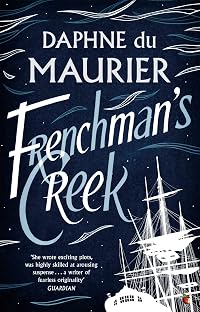
Daphne Du Maurier was born in London on May 13, 1907 and educated in Paris. In 1932, she married Lieutenant-General Sir Frederick Browning. She began writing short stories of mystery and suspense for magazines in 1928, a collection of which appeared as The Apple Tree in 1952. Her first novel, The Loving Spirit, was published in 1931. Her tightly show more woven, highly suspenseful plots and her strong characters make her stories perfect for adaptation to film or television. Among her many novels that were made into successful films are Jamaica Inn (1936), Rebecca (1938), Frenchman's Creek (1941), Hungry Hill (1943), My Cousin Rachel (1952), and The Scapegoat (1957). Her short story, The Birds (1953), was brought to the screen by director Alfred Hitchcock in a treatment that has become a classic horror-suspense film. She died on April 19, 1989 at the age of 81. (Bowker Author Biography) show less
Some Editions
Awards and Honors
Series
Belongs to Publisher Series
Work Relationships
Is contained in
Contains
Is retold in
Has the (non-series) sequel
Has the adaptation
Is abridged in
Was inspired by
Inspired
Has as a reference guide/companion
Has as a supplement
Common Knowledge
- Canonical title*
- Rebecca
- Original title
- Rebecca
- Alternate titles*
- Rebecca, la prima moglie
- Original publication date
- 1938
- People/Characters
- The Second Mrs. de Winter; Maxim de Winter; Rebecca de Winter; Mrs. Danvers; Frank Crawley; Mrs. Van Hopper (show all 25); Jack Favell; Colonel Julyan; Captain Searle; Frith; Robert; Clarice; Ben; Beatrice Lacy; Giles Lacy; Blaize; The Bishop's Wife; Alice; Norah; Lady Crowan; Maud; Doctor Phillips; Mr. Horridge; James Tabb; Doctor Baker
- Important places
- Cornwall, England, UK; England, UK; United Kingdom; London, England, UK; Monte Carlo, Monaco; Monaco (show all 7); Manderley, Cornwall, England, UK
- Related movies
- Rebecca (1940 | IMDb); Rebecca (1947 | IMDb); Rebecca (1948 | IMDb); Rebecca (1950 | IMDb); Rebeca, a Mulher Inesquecível (1952 | IMDb); Rebecca (1952 | IMDb) (show all 17); Rebecca (1954 | IMDb); Rebecca (1956 | IMDb); Rebecca (1962 | IMDb); Kiskanç kadin (1966 | IMDb); Urangatha Sundary (1969 | IMDb); The Bondwoman (1974 | IMDb); Rebecca (1979 | IMDb); Rebecca (1997 | IMDb); Anamika: The Untold Story (2008 | IMDb); Rebecca, la prima moglie (2008 | IMDb); Rebecca (2020 | IMDb)
- First words
- Last night I dreamt I went to Manderley again.
- Quotations
- 'You see,' she said, snapping the top, and walking down the stairs, 'you are so very different from Rebecca.'
We came to Manderley in early May, arriving, so Maxim said, with the first swallows and the bluebells. It would be the best moment, before the full flush of summer, and in the valley the azaleas would be prodigal of scent and... (show all) the blood-red rhododendrons in bloom.
Forget it, Mrs. de Winter, forget it, as he has done, thank heaven, and the rest of us. We none of us want to bring back the past, Maxim least of all. And it's up to you, you know, to lead us away from it. Not to take us back... (show all) there again.
If only there could be an invention that bottled up a memory, like scent. And it never faded, and it never got stale. And then, when one wanted it, the bottle could be uncorked, and it would be like living the moment all over... (show all) again. - Last words
- (Click to show. Warning: May contain spoilers.)And the ashes blew towards us with the salt wind from the sea.
(Click to show. Warning: May contain spoilers.)Afterword
A glance at the current bestseller lists will only confirm that the sly suggestion underlying Rebecca remains valid after sixty-four years: both in life and in bookstores, women continue to buy romance. - Blurbers*
- Saunders, Kate; Waters, Sarah
- Original language
- English
- Canonical DDC/MDS
- 823.912
- Canonical LCC
- PR6007.U47
*Some information comes from Common Knowledge in other languages. Click "Edit" for more information.
Classifications
Statistics
- Members
- 23,986
- Popularity
- 204
- Reviews
- 687
- Rating
- (4.21)
- Languages
- 26 — Catalan, Chinese, Czech, Danish, Dutch, English, Esperanto, Estonian, Finnish, French, German, Hungarian, Italian, Japanese, Latvian, Lithuanian, Norwegian (Bokmål), Farsi/Persian, Polish, Portuguese, Romanian, Russian, Spanish, Swedish, Thai, Turkish
- Media
- Paper, Audiobook, Ebook
- ISBNs
- 312
- UPCs
- 4
- ASINs
- 228