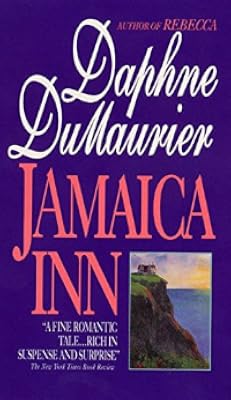
Jamaica Inn
by Daphne Du Maurier
On This Page
Description
The inn loomed menacingly against the dark, rain-swept November sky. Mary Yellan, young and innocent, suspects nothing until she walks inside its cold embrace. What evil has turned her aunt into a frightened crone? What midnight crimes make Jamaica Inn a place to be avoided by all good men?Tags
Recommendations


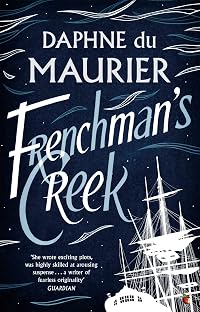
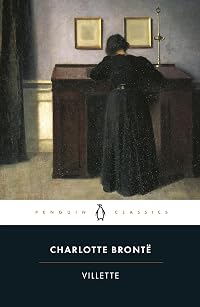
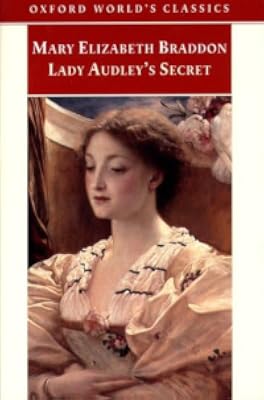
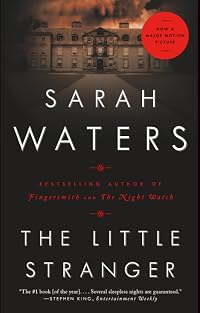












Member Recommendations
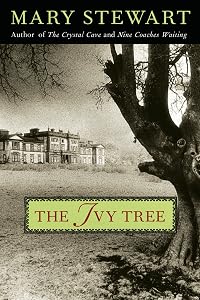
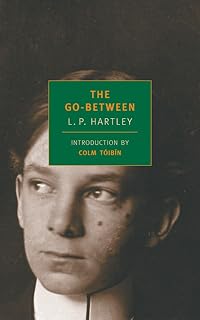
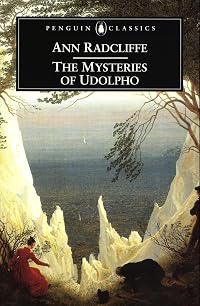
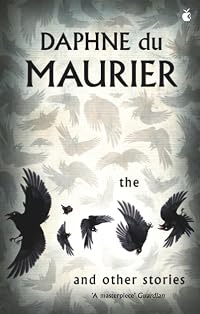
Sylak Another story involving themes of smuggling and alcoholism.
Sylak Another story involving a complex central character worth a good read.

AdonisGuilfoyle Mary Yellan reminded me very much of Gaskell's heroine Margaret Hale: both are young, outspoken, and are strong enough to cope with life's hardships and sorrows. And there is a comparison of 'north' and 'south' Cornwall in Du Maurier's novel, too!
23
silva_44 Although the plot isn't very similar, Burnt Mountain reminds me of Jamaica Inn because of the peculiar psychotic actions of characters in each.
Member Reviews
Digital audiobook narrated by Toni Britton
From the book jacket: The coachman tried to warn young Mary Yellan away from the ruined, forbidding place on the rainswept Cornish coast. But Mary chose instead to honor her mother’s dying request that she join her Aunt Patience and Uncle Joss Merlyn at Jamaica Inn. From her first glimpse on that raw November eve, she could sense the inn’s dark power.
My reactions
What a wonderfully atmospheric, dark, sinister tale! I shivered with the damp, cold fog, strained to see by faint candle or lamp light, listened to the whistling wind, the baying hounds, and the alternating whispers and shouts of a rabble of men up to no good.
Mary Yellan is a marvelous heroine. Young and somewhat naïve, she is show more still a strong woman, resolute and determined to make the best of her situation. As many have told her, she is too young and pretty to live alone, so she goes to her Aunt Patience. But instead of finding a happy woman with ribbons on her bonnet (Mary’s memory of her Aunt’s only visit some twelve years previous), she finds a frightened, dispirited woman clearly afraid of her own husband. And Uncle Josh? He’s a foreboding hulk of a man who rules his establishment with an iron fist and is unusually secretive about his business.
As Mary struggles to make sense of her situation and determine what, if anything, she can do about it, she meets two men who will become intricately involved: Jem Merlyn (her Uncle’s brother, and a horse thief) and Francis Davey (vicar of the local parish). They could not be more different, and yet each will help – and hinder – her in unexpected ways.
Du Maurier’s plot is intricate and complex and had several twists & turns in it. I wish there were a sequel so I could find out what Mary Yellen is like as an older woman!
Toni Britton does a fine job of narrating the audio version. She has a good pace and differentiates the characters sufficiently, so I had no trouble keeping track of who is speaking. show less
From the book jacket: The coachman tried to warn young Mary Yellan away from the ruined, forbidding place on the rainswept Cornish coast. But Mary chose instead to honor her mother’s dying request that she join her Aunt Patience and Uncle Joss Merlyn at Jamaica Inn. From her first glimpse on that raw November eve, she could sense the inn’s dark power.
My reactions
What a wonderfully atmospheric, dark, sinister tale! I shivered with the damp, cold fog, strained to see by faint candle or lamp light, listened to the whistling wind, the baying hounds, and the alternating whispers and shouts of a rabble of men up to no good.
Mary Yellan is a marvelous heroine. Young and somewhat naïve, she is show more still a strong woman, resolute and determined to make the best of her situation. As many have told her, she is too young and pretty to live alone, so she goes to her Aunt Patience. But instead of finding a happy woman with ribbons on her bonnet (Mary’s memory of her Aunt’s only visit some twelve years previous), she finds a frightened, dispirited woman clearly afraid of her own husband. And Uncle Josh? He’s a foreboding hulk of a man who rules his establishment with an iron fist and is unusually secretive about his business.
As Mary struggles to make sense of her situation and determine what, if anything, she can do about it, she meets two men who will become intricately involved: Jem Merlyn (her Uncle’s brother, and a horse thief) and Francis Davey (vicar of the local parish). They could not be more different, and yet each will help – and hinder – her in unexpected ways.
Du Maurier’s plot is intricate and complex and had several twists & turns in it. I wish there were a sequel so I could find out what Mary Yellen is like as an older woman!
Toni Britton does a fine job of narrating the audio version. She has a good pace and differentiates the characters sufficiently, so I had no trouble keeping track of who is speaking. show less
Jamaica Inn does not read as quickly as I anticipated, perhaps the result of deliberate pacing by Du Maurier. I see now the appeal for Hitchcock: tension arising from a conflict clearly developed for the reader but not quite so clear to the characters involved. The plot twist is almost telegraphed, despite a red herring or two and eventual happy ending.
Mary Yellan's struggles with Joss Merlyn and Jem Merlyn are reflected in her view of herself and her perception of the Cornish landscape. "Men and women were like the animals on the farm," Mary ponders to herself [126]: she has no illusions about romance, and yet finds herself helpless before her attraction, and hates herself for it. Explicitly she portrays her struggle as one of instinct show more against reason, and is certain her self-discipline will fail. Worst, she finds women weaker than men on this account: "She wished women were not the frail things of straw she believed them to be." [144] Interesting that despite the happy ending, this flinty outlook isn't amended: her romance is either lucky, or perhaps short-lived (the tale ends without comment). The moors also reflect Mary's struggle, their inhospitable bogs and tors and marshy grasses literal and figurative obstacles to her escape, though Du Maurier describes them poetically and appreciatively.
Apart from the premise of wreckers (land pirates), of enduring interest are an undercurrent of malevolence tied to Druids, old gods opposed to modernity, and the landscape; and the character of Francis Davey, the vicar of Altarnun.
Hitchcock's adaptation was interesting: typically, several characters were fused into one, others edited out entirely. And very characteristic of his psychology of tension, the film informs the viewer in the opening moments that Joss leads a band of wreckers. Sadly, the Vicar is excised entirely from the script, and the moors are for all practical purposes missing, as well, in favour of the Cornish coast and the Inn itself. The book is by far the better experience. show less
Mary Yellan's struggles with Joss Merlyn and Jem Merlyn are reflected in her view of herself and her perception of the Cornish landscape. "Men and women were like the animals on the farm," Mary ponders to herself [126]: she has no illusions about romance, and yet finds herself helpless before her attraction, and hates herself for it. Explicitly she portrays her struggle as one of instinct show more against reason, and is certain her self-discipline will fail. Worst, she finds women weaker than men on this account: "She wished women were not the frail things of straw she believed them to be." [144] Interesting that despite the happy ending, this flinty outlook isn't amended: her romance is either lucky, or perhaps short-lived (the tale ends without comment). The moors also reflect Mary's struggle, their inhospitable bogs and tors and marshy grasses literal and figurative obstacles to her escape, though Du Maurier describes them poetically and appreciatively.
Apart from the premise of wreckers (land pirates), of enduring interest are an undercurrent of malevolence tied to Druids, old gods opposed to modernity, and the landscape; and the character of Francis Davey, the vicar of Altarnun.
Hitchcock's adaptation was interesting: typically, several characters were fused into one, others edited out entirely. And very characteristic of his psychology of tension, the film informs the viewer in the opening moments that Joss leads a band of wreckers. Sadly, the Vicar is excised entirely from the script, and the moors are for all practical purposes missing, as well, in favour of the Cornish coast and the Inn itself. The book is by far the better experience. show less
One of the most beautifully written books I've ever disliked. And let's be clear - my 3 stars is my attempt at objectivity, because it is a beautifully written book, and I did dislike it. A lot.
From the first sentence there's no doubt this story is dripping with dark, forbidding, gothic atmosphere. By the second page, it's swimming it in. By chapter 2, it's drowning. I don't know if du Maurier was trying to pad out a short story, or if she just really wanted to make sure her readers knew this was going to be a dark, dreary, forbidding story; either way, too much of a good thing is still too much. There might have been some skimming.
I liked Mary well enough, but I was unable to muster any sympathy for poor Aunt Patience; I really just show more kept hoping someone would push her down the stairs. I do not much like enablers any more than I like those they enable. Still, I was really getting into the plot (once I deep dived through all that atmosphere), until I got to the part where Mary meets the vicar.
What is up with the albino trope? I realise that when this was written the whole thing might have taken readers by surprise, but has there ever been an albino in a book that wasn't the evil villain?
At that point, I was truly just reading to get 'er done. There was no way the book was going to surprise me from that moment on.
Aaannnddd then there's the ending. I liked Mary until that point. Hell, I liked Jem until that point. Now, I think they both deserve a horrible ever after. She should just change her name to Patience and be done with it. show less
From the first sentence there's no doubt this story is dripping with dark, forbidding, gothic atmosphere. By the second page, it's swimming it in. By chapter 2, it's drowning. I don't know if du Maurier was trying to pad out a short story, or if she just really wanted to make sure her readers knew this was going to be a dark, dreary, forbidding story; either way, too much of a good thing is still too much. There might have been some skimming.
I liked Mary well enough, but I was unable to muster any sympathy for poor Aunt Patience; I really just show more kept hoping someone would push her down the stairs. I do not much like enablers any more than I like those they enable. Still, I was really getting into the plot (once I deep dived through all that atmosphere), until I got to the part where Mary meets the vicar.
At that point, I was truly just reading to get 'er done. There was no way the book was going to surprise me from that moment on.
Aaannnddd then there's the ending. I liked Mary until that point. Hell, I liked Jem until that point. Now, I think they both deserve a horrible ever after. She should just change her name to Patience and be done with it. show less
Plenty of Gothic goodness here - this is my second duMaurier (the other being Rebecca) and this page-turner deserves its classic status. I began reading this while on holiday in Cornwall, in homage to the author herself - and it certainly added a whole new dimension to my enjoyment of the book, knowing that the real Jamaica Inn was just a few miles up the road from where I was staying. Unfortunately, I can report that the real Inn has sadly been stripped of all vestigial romance - though the bar has a suitably traditional, historic interior, the adjoining museum (filled with cheesy wax tableaux) and tacky gift shop are pretty dreadful. Good thing I have my imagination - fired by this gripping novel - to rely on.
Now this author could write:
'And then I'll feel the thirst come on me and I'll soak. Soak for hours. It's power, and glory, and women, and the Kingdom of God, all rolled into one. I feel a king then, Mary. I feel I've got the strings of the world between my two fingers. It's heaven and hell. '
Daphne du Maurier has style. The woman has a way with words that is as enchanting as her story concepts themselves. She had a bravery in writing realistic characters who are flawed, shining gems. I was first wowed with the classic Rebecca, and then she wowed me again with The Birds and Other Stories.
Jamaica Inn was penned earlier in her career, so it shows she was just learning how to climb the creative ropes the right way. It's not her best work show more but it's definitely readable because, hello!, it's Daphne du Maurier.
Mary was unique in that she didn't mind so much with having to consort with lesser-liked types, those who are criminals or viewed poorly by the local village. She's headstrong and daring, but also unique in that she's not the classic goth heroine who is overcome with compassion, fainting spells, hysteria, and insanely overdone innocence. She may not always be the wisest with her actions, but she's spirited in motive and refreshing with her courage and outlook.
The story is goth blended in with disorganized crime. While Gothics of the day usually held back most mystery on the evil deeds going on until later for a big reveal, this one shows them pretty early, having the character deal with them the best she can for the sake of a vulnerable aunt. There is a twist at the end on a villain, of course, but nothing too tightly woven. The book is lackluster because of this. We go through her life at the inn, face the horrors and discover the crimes, but there's not enough tension there to make it overly exciting.
“No, Mary had no illusions about romance. Falling in love was a pretty name for it, that was all.”
The relationship was another weird thing. It made little sense to me that she was so attracted to the brother, but then again it shows that she circled around to live the same life as the aunt she so harshly judges. He's a classic anti-hero though, so that's cool enough by concept. I didn't understand all the chemistry between them but I think it falls down to a few things - one, that the men's family tree lured in women of her line, like her aunt who had fallen for the uncle when they were younger. Second, that they both had some bond with how they were similar - she liked the adventurous and mildly daring, didn't mind a little lawbreaking, was rather wild and free in a way that would draw him in. That's probably why the uncle liked her a little too.
The ending was hardly romantic, it was a little bit of an abrupt afterthought, but if he didn't come back at all it would have bugged me.
Overall, the book needed a little more story rather than some of the padding to keep it fresh. It's worth reading for more of du Maurier's fantastic writing ability, her unusual characters who stand out like sore thumbs in a sea of normalcy, and for a darker themed gothic novel that dared to take chances with unusual violence. show less
'And then I'll feel the thirst come on me and I'll soak. Soak for hours. It's power, and glory, and women, and the Kingdom of God, all rolled into one. I feel a king then, Mary. I feel I've got the strings of the world between my two fingers. It's heaven and hell. '
Daphne du Maurier has style. The woman has a way with words that is as enchanting as her story concepts themselves. She had a bravery in writing realistic characters who are flawed, shining gems. I was first wowed with the classic Rebecca, and then she wowed me again with The Birds and Other Stories.
Jamaica Inn was penned earlier in her career, so it shows she was just learning how to climb the creative ropes the right way. It's not her best work show more but it's definitely readable because, hello!, it's Daphne du Maurier.
Mary was unique in that she didn't mind so much with having to consort with lesser-liked types, those who are criminals or viewed poorly by the local village. She's headstrong and daring, but also unique in that she's not the classic goth heroine who is overcome with compassion, fainting spells, hysteria, and insanely overdone innocence. She may not always be the wisest with her actions, but she's spirited in motive and refreshing with her courage and outlook.
The story is goth blended in with disorganized crime. While Gothics of the day usually held back most mystery on the evil deeds going on until later for a big reveal, this one shows them pretty early, having the character deal with them the best she can for the sake of a vulnerable aunt. There is a twist at the end on a villain, of course, but nothing too tightly woven. The book is lackluster because of this. We go through her life at the inn, face the horrors and discover the crimes, but there's not enough tension there to make it overly exciting.
“No, Mary had no illusions about romance. Falling in love was a pretty name for it, that was all.”
The relationship was another weird thing. It made little sense to me that she was so attracted to the brother, but then again it shows that she circled around to live the same life as the aunt she so harshly judges. He's a classic anti-hero though, so that's cool enough by concept. I didn't understand all the chemistry between them but I think it falls down to a few things - one, that the men's family tree lured in women of her line, like her aunt who had fallen for the uncle when they were younger. Second, that they both had some bond with how they were similar - she liked the adventurous and mildly daring, didn't mind a little lawbreaking, was rather wild and free in a way that would draw him in. That's probably why the uncle liked her a little too.
The ending was hardly romantic, it was a little bit of an abrupt afterthought, but if he didn't come back at all it would have bugged me.
Overall, the book needed a little more story rather than some of the padding to keep it fresh. It's worth reading for more of du Maurier's fantastic writing ability, her unusual characters who stand out like sore thumbs in a sea of normalcy, and for a darker themed gothic novel that dared to take chances with unusual violence. show less
Surprisingly enjoyed this book more than i thought. It is unquestionably a barren moor romance novel with a young maiden thrust upon the stark unfriendly highlands in a dark, imposing old inn with an aunt and an evil uncle and forced to endure exposure to some very unbecoming horrors. Her spunk, familial obligation to her dead mother and inherent righteousness leads her to stay to battle and destroy the evil going on around her, but also leads her to some unfortunate decisions that may make things worse. The story moves along quite nicely, and 3/4 of the way through, some unexpected twists and surprises seemed to propel it forward more briskly.......leading to my own unexpected 4-star rating. Nice little ride.
After reading Daphne du Maurier’s most renowned classic novel, Rebecca, I became intrigued by her other works. I was astounded by the sheer number of full-length novels and short stories she had written. A friend recently read and highly recommended Jamaica Inn, so I promptly added it to my reading list.
Jamaica Inn, a gripping Gothic thriller set on the wild, windswept moors of Cornwall in the early 19th century, follows the story of young Mary Yellan. After her mother’s death, Mary honors a promise to live with her aunt and uncle at the isolated Jamaica Inn, a grim coaching house shrouded in sinister secrets. As Mary delves into the inn’s dark ties to smuggling and beyond, she finds herself ensnared in a web of danger, betrayal, show more and moral ambiguity. Trust becomes scarce, and the line between hero and villain blurs, leaving Mary to navigate a world of suspense and intrigue.
I absolutely loved this masterpiece from the very beginning. The haunting Cornish moors, the menacing atmosphere of the inn, and Mary Yellan’s fierce determination drew me into a vivid world of smuggling, secrets, and suspense. Du Maurier’s lush prose and masterful ability to build dread made every twist and turn thrilling, keeping me on the edge of my seat.
I borrowed the audiobook of Jamaica Inn from my library using Hoopla. While there are many editions and recordings of this classic, I particularly enjoyed the narration by Barbara Rosenblat. Her execution of the chilling nature of the story was truly beautiful, bringing the characters and their world to life in a way that left me spellbound.
I have photos and additional information that I'm unable to include here. It can all be found on my blog, in the link below.
A Book And A Dog show less
Jamaica Inn, a gripping Gothic thriller set on the wild, windswept moors of Cornwall in the early 19th century, follows the story of young Mary Yellan. After her mother’s death, Mary honors a promise to live with her aunt and uncle at the isolated Jamaica Inn, a grim coaching house shrouded in sinister secrets. As Mary delves into the inn’s dark ties to smuggling and beyond, she finds herself ensnared in a web of danger, betrayal, show more and moral ambiguity. Trust becomes scarce, and the line between hero and villain blurs, leaving Mary to navigate a world of suspense and intrigue.
I absolutely loved this masterpiece from the very beginning. The haunting Cornish moors, the menacing atmosphere of the inn, and Mary Yellan’s fierce determination drew me into a vivid world of smuggling, secrets, and suspense. Du Maurier’s lush prose and masterful ability to build dread made every twist and turn thrilling, keeping me on the edge of my seat.
I borrowed the audiobook of Jamaica Inn from my library using Hoopla. While there are many editions and recordings of this classic, I particularly enjoyed the narration by Barbara Rosenblat. Her execution of the chilling nature of the story was truly beautiful, bringing the characters and their world to life in a way that left me spellbound.
I have photos and additional information that I'm unable to include here. It can all be found on my blog, in the link below.
A Book And A Dog show less
Members
- Recently Added By
Lists

Best Historical Fiction
620 works; 261 members

Best Gothic Fiction
110 works; 31 members

Historical Fiction
889 works; 91 members

Female Author
1,234 works; 67 members

Favourite Virago Modern Classics
183 works; 38 members
Folio Society
831 works; 53 members

20th Century Literature
1,161 works; 55 members

Houses and Buildings as Characters in Fiction
182 works; 28 members

A Novel Cure
742 works; 23 members

Survey of Classic Crime
39 works; 7 members

Books Set on Islands
190 works; 24 members

Bibliography for How to be a Heroine
148 works; 12 members

1930s
262 works; 5 members

Books Read in 2016
4,666 works; 199 members

Spirit of Place
46 works; 1 member

Books Read in 2020
4,379 works; 124 members

I Could Live There
185 works; 12 members

BlackDog's Complete Paperbacks From Hell List
639 works; 3 members

el
1,139 works; 1 member
Book wishlist
78 works; 1 member
Novels of Great Adventures
34 works; 6 members

Alphabetical Books
211 works; 3 members

Allie's Wishlist
217 works; 2 members

Armed Services Editions
150 works; 1 member

Fiction With Familiar Settings
280 works; 93 members
Talk Discussions
Past Discussions
Jamaica Inn (Spoilers) in Daphne du Maurier fans (August 2012)
Author Information

205+ Works 57,528 Members
Daphne Du Maurier was born in London on May 13, 1907 and educated in Paris. In 1932, she married Lieutenant-General Sir Frederick Browning. She began writing short stories of mystery and suspense for magazines in 1928, a collection of which appeared as The Apple Tree in 1952. Her first novel, The Loving Spirit, was published in 1931. Her tightly show more woven, highly suspenseful plots and her strong characters make her stories perfect for adaptation to film or television. Among her many novels that were made into successful films are Jamaica Inn (1936), Rebecca (1938), Frenchman's Creek (1941), Hungry Hill (1943), My Cousin Rachel (1952), and The Scapegoat (1957). Her short story, The Birds (1953), was brought to the screen by director Alfred Hitchcock in a treatment that has become a classic horror-suspense film. She died on April 19, 1989 at the age of 81. (Bowker Author Biography) show less
Some Editions
Awards and Honors
Distinctions
Series
Belongs to Publisher Series
Work Relationships
Is contained in
Best-in-Books: The Royal Box / Our National Parks / Jamaica Inn / That Reminds Me / The White and the Gold / Rube Goldberg's Guide to Europe / The Voyage of the Hérétique by Best in Books
The Great West Country Novels : Frenchmans Creek, The House on the Strand, Jamaica Inn, The Kings General, My Cousin Rachel and Rebecca. by Daphne Du Maurier
Has the adaptation
Is abridged in
Has as a supplement
Common Knowledge
- Canonical title
- Jamaica Inn
- Original title
- Jamaica Inn
- Alternate titles*
- Jamaica Inn
- Original publication date
- 1936
- People/Characters
- Mary Yellan; Joss Merlyn; Patience Merlyn (Aunt Patience); Jeremiah "Jem" Merlyn; Francis Davey (Vicar of Altarnun); Mrs Bassat (show all 8); Squire Bassat; Harry (Pedlar)
- Important places
- Cornwall, England, UK
- Related movies
- Jamaica Inn (1939 | IMDb); Hostinec Jamaica (1972 | IMDb); Jamaica Inn (1983 | IMDb); L'auberge de la Jamaïque (1995 | IMDb); Jamaica Inn (2014 | IMDb)
- Epigraph
- Jamaica Inn stands today, hospitable and kindly, a temperance house on the twenty-mile road between Bodmin and Launceston.
In the following story of adventure I have pictured it as it might have been over a hundred and... (show all) twenty years ago; and although existing place names figure in the pages, the characters and events described are entirely imaginary.
Daphne du Maurier
Bodinnick-by-Fowey
October 1935 - First words
- It was a cold grey day in late November.
- Last words
- (Click to show. Warning: May contain spoilers.)He laughed then, and took her hand, and gave her the reins; and she did not look back over her shoulder again, but set her face towards the Tamar.
- Blurbers*
- «Jamaica Inn si divora dalla prima all’ultima pagina». The Times
- Original language
- English
*Some information comes from Common Knowledge in other languages. Click "Edit" for more information.
Classifications
Statistics
- Members
- 4,365
- Popularity
- 3,440
- Reviews
- 129
- Rating
- (3.77)
- Languages
- 16 — Czech, Danish, Dutch, English, French, German, Italian, Japanese, Norwegian (Nynorsk), Norwegian, Polish, Portuguese, Russian, Spanish, Swedish, Turkish
- Media
- Paper, Audiobook, Ebook
- ISBNs
- 109
- ASINs
- 91