
Wide Sargasso Sea
by Jean Rhys
On This Page
Description
Beautiful and wealthy Antoinette Cosway's passionate love for an English aristocrat threatens to destroy her idyllic West Indian island existence and her very life.Tags
Recommendations
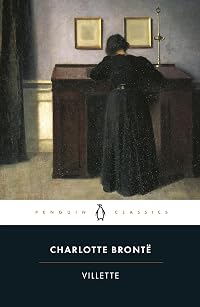
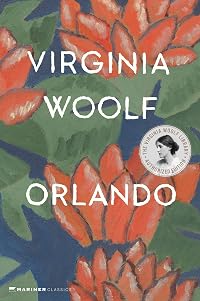

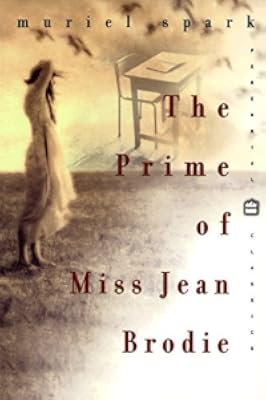
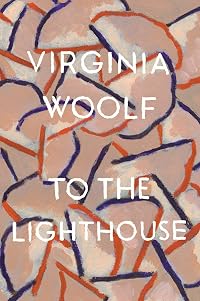
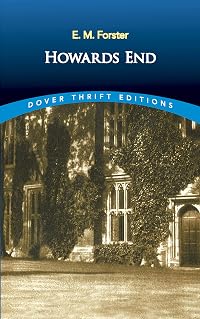
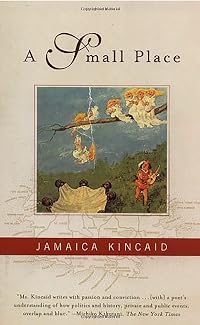
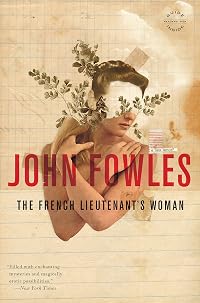
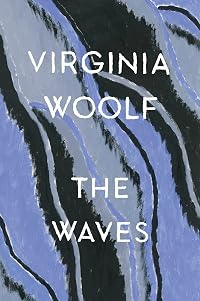
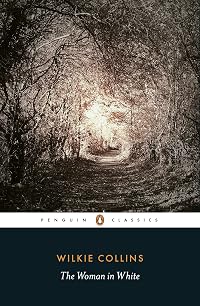
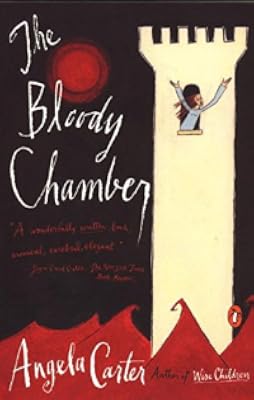
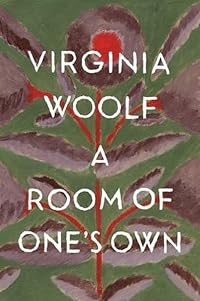
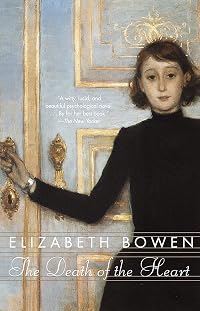
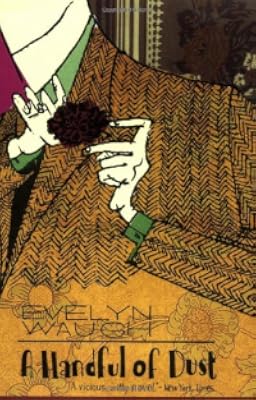

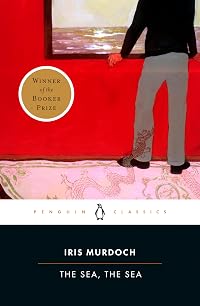
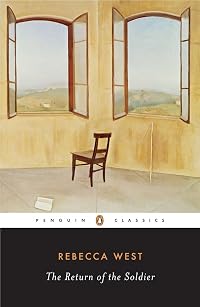
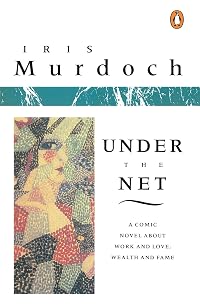




Member Recommendations

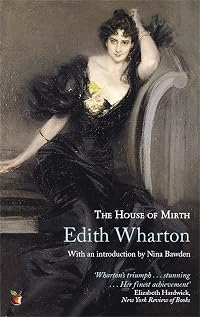
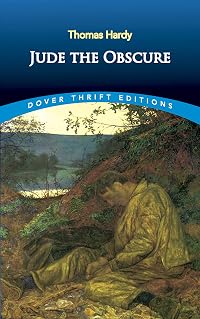
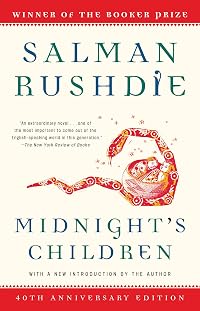
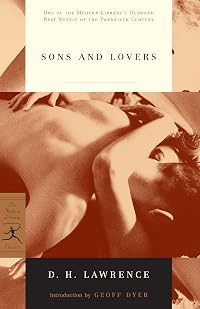
Petroglyph Even though Near to the wild heart was written some twenty years prior to Wide Sargasso Sea, these two share numerous features: the interior monologue, the lyricism, the heroine mostly living inside her skull, the central character who doesn’t see a way out of their mental frustrations with life. Lispector kicked all that up a few notches, but to me these two belong close together on my mental shelves.
20
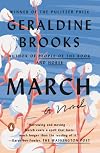
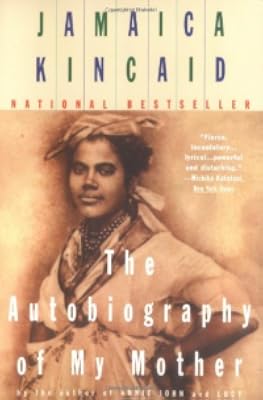
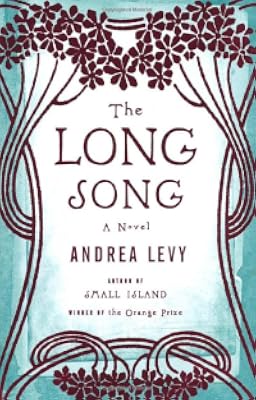
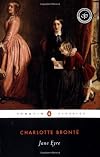
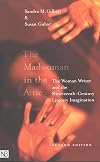
CGlanovsky Classic stories (Little Women/Jane Eyre) re-imagined through the experiences of characters who are important to the plot while being almost entirely unseen.
42
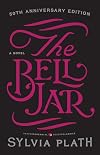
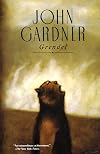
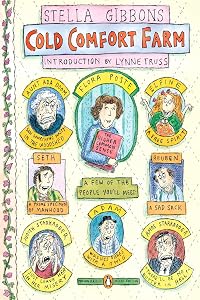
CGlanovsky Classics retold to give voice to silent characters important to their plots.
20
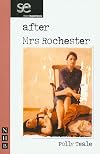
srdr This brilliant drama illuminates the themes that run through Jean Rhys's life, Wide Sargasso Sea, and Jane Eyre.
10
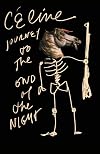
Cecilturtle colonialisme
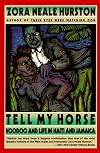
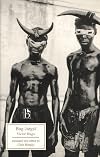
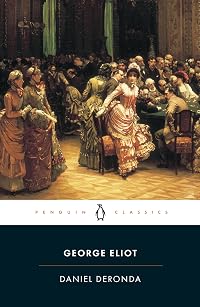
Medicinos Bug-Jargal décrit une société antillaise basée sur l'exploitation des esclaves qui éclate lorsque ces derniers se rebellent. La prisonnière des Sargasses décrit une société analogue après la rébellion.
01
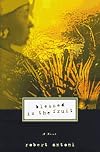
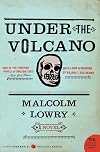
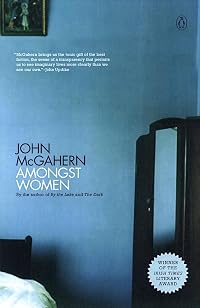
GlebtheDancer Dark, foreboding, claustrophobic feel. Self-destruction of central character. Similar prose styles.
02
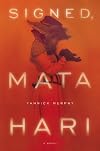
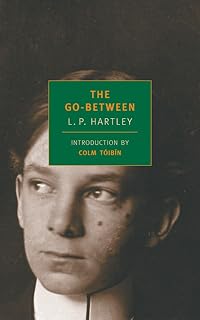
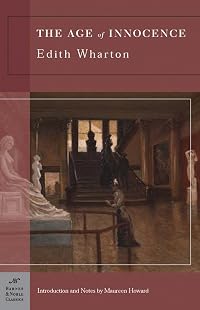
anonymous user Lush depiction of tropics with natives playing important roles, women "bought" and tragic endings
03
Member Reviews
Even the exotic West Indian setting couldn’t save this novel for me. It begins well enough, with details about how the once-successful white Jamaican slave-holding Cosway family has fallen into serious decline after Britain's Slavery Abolition Act of 1833 and the death of the protagonist Antoinette’s father. Were it not for the loyalty of the family’s cook from Martinique, the Cosways would be even further up the proverbial creek without a paddle. Racial hostilities boil beneath the surface of this lush and sinister island.
The still-young Mrs. Cosway, a shadow of her former self, remarries. Unfortunately, as the resentment of the blacks continues to mount, Mason, her new husband, doesn’t heed the woman’s pleas to leave the show more island. Coulibri, the formerly idyllic estate is burnt down, Antoinette’s disabled younger brother dies of injuries sustained in the fire, and the girl’s mother descends into madness. Fast forward a few years and Antoinette is being married off by her step-brother, Richard Mason; a sizeable dowry is the bait. Enter (the never-named) Mr. Rochester, a naive but arrogant weakling, an unfavored son sent from England by his father to make a financial deal, which, unfortunately for all concerned, involves marriage to a sexually alluring if less-than-respectable young woman.
Okay. Fair enough so far. Then the novel takes a nose dive. A prequel to Jane Eyre, its prose, which always sounds more contemporary than authentic, now becomes increasingly vague, muddy, and unintelligible. And here we are again, right back in Jean Rhys territory, mired in the story of yet another beautiful woman who wants only to be loved but who’s tormented by the hatred by a cad. Rochester has been taken in by the rumours about the Cosway family, Antoinette’s promiscuity, and her incipient madness. Like clockwork, he predictably tells his wife he doesn’t love her. The now desperate heroine thinks obeah, voodoo magic, might help. It doesn’t; it cannot. The way it works in a Rhys novel is that rejection is inevitable and more or less emotionally fatal to the protagonist. There are no exceptions here. Antoinette goes mad.
Had I the interest—or had Rhys given me any reason to actually care for her characters, I suppose I could’ve tried to parse the tangled writing, whose style is of the stream-of-consciousness variety. To me it reflected the impaired thinking of a writer too long under alcohol’s influence.
I know almost everyone thinks this book is a masterpiece. All those years I heard about it and believed I was missing something! Well, now I’ve read it, and I don’t think I was. show less
The still-young Mrs. Cosway, a shadow of her former self, remarries. Unfortunately, as the resentment of the blacks continues to mount, Mason, her new husband, doesn’t heed the woman’s pleas to leave the show more island. Coulibri, the formerly idyllic estate is burnt down, Antoinette’s disabled younger brother dies of injuries sustained in the fire, and the girl’s mother descends into madness. Fast forward a few years and Antoinette is being married off by her step-brother, Richard Mason; a sizeable dowry is the bait. Enter (the never-named) Mr. Rochester, a naive but arrogant weakling, an unfavored son sent from England by his father to make a financial deal, which, unfortunately for all concerned, involves marriage to a sexually alluring if less-than-respectable young woman.
Okay. Fair enough so far. Then the novel takes a nose dive. A prequel to Jane Eyre, its prose, which always sounds more contemporary than authentic, now becomes increasingly vague, muddy, and unintelligible. And here we are again, right back in Jean Rhys territory, mired in the story of yet another beautiful woman who wants only to be loved but who’s tormented by the hatred by a cad. Rochester has been taken in by the rumours about the Cosway family, Antoinette’s promiscuity, and her incipient madness. Like clockwork, he predictably tells his wife he doesn’t love her. The now desperate heroine thinks obeah, voodoo magic, might help. It doesn’t; it cannot. The way it works in a Rhys novel is that rejection is inevitable and more or less emotionally fatal to the protagonist. There are no exceptions here. Antoinette goes mad.
Had I the interest—or had Rhys given me any reason to actually care for her characters, I suppose I could’ve tried to parse the tangled writing, whose style is of the stream-of-consciousness variety. To me it reflected the impaired thinking of a writer too long under alcohol’s influence.
I know almost everyone thinks this book is a masterpiece. All those years I heard about it and believed I was missing something! Well, now I’ve read it, and I don’t think I was. show less
My first read for 2016, and ohemgee, what a stunner.
This brief but sumptuous novel -- originally published in 1966, but reissued this year by Norton with a lovely introduction from Edwidge Danticat -- imagines the life of Bertha Mason, the "madwoman" from Charlotte Bronte's Jane Eyre.
Shifting viewpoints between Antoinette, as she prefers to be called, and a young Englishman we assume to be Rochester, we see a vivacious young woman pinned down by society, powerless and frustrated, pushed to her emotional limits. Is she mad? Rhys suggests she isn't, but her husband -- perhaps a little mad himself -- feels otherwise, and he has the power to punish her and declare her such.
I have to confess that Jane Eyre is not one of my favorites books, show more so I was predisposed to like Antoinette and hate Rochester. Yet Rhys managed to make Rochester sympathetic, in a way: he's a young man who has to marry for money, and worse, a "Creole" rather than a proper Englishwoman. For a moment, he's even taken with Antoinette but his conservative mores and twisted attitudes about sex and desire transmute his interest into disgust.
Worse, the Caribbean landscape -- hot, wet, and wild -- seems to give Antoinette strength, which repels him:
This is a quick read -- about 170ish pages -- but it invites deep lingering and re-reading (I ended up reading it for a second time a few nights after finishing!). Rhys' writing, as seen above, is lush and evocative, and she can, in a handful of words, paint a scene vividly.
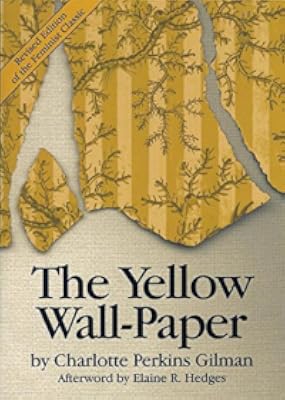
I was strongly reminded of stories like "The Yellow Wallpaper" -- could women's madness be the way men and society cage them and tell them they're mad? -- and while I felt fury toward Rochester, I didn't loathe him as I anticipated. I felt terrible for them both, these passionate people who couldn't connect and were oppressed, in different ways, by society. I was also struck by a similarity to Rebecca, especially with women in both books dreaming of returning to their beloved burned estates.
This edition has a lovely introduction by Edwidge Danticat which reads like an argument for why #WeNeedDiverseBooks. It's a love letter to a story about oppression, colonialism, and solidarity, and might be one of my most favorite introductions to a classic novel ever.
By accident, 2016 might shape up to be my year of (inspired by) Jane Eyre, in a fashion. In my queue for this year was this book; Catherine Lowell's novel about a Bronte descendant, The Madwoman Upstairs; Lyndsay Faye's Jane Steele, a murderous retelling, of sorts; last year's Re Jane; the short story collection Reader, I Married Him; and a poetry collection, The Jane and Bertha in Me. I ought to just put Jane Eyre in as a reread and see if my feelings for it change!
A must read -- not just for fans of Jane Eyre -- but for anyone who enjoys feminist literature, or novels fraught with unspoken sentiments and explosive desires. show less
This brief but sumptuous novel -- originally published in 1966, but reissued this year by Norton with a lovely introduction from Edwidge Danticat -- imagines the life of Bertha Mason, the "madwoman" from Charlotte Bronte's Jane Eyre.
Shifting viewpoints between Antoinette, as she prefers to be called, and a young Englishman we assume to be Rochester, we see a vivacious young woman pinned down by society, powerless and frustrated, pushed to her emotional limits. Is she mad? Rhys suggests she isn't, but her husband -- perhaps a little mad himself -- feels otherwise, and he has the power to punish her and declare her such.
I have to confess that Jane Eyre is not one of my favorites books, show more so I was predisposed to like Antoinette and hate Rochester. Yet Rhys managed to make Rochester sympathetic, in a way: he's a young man who has to marry for money, and worse, a "Creole" rather than a proper Englishwoman. For a moment, he's even taken with Antoinette but his conservative mores and twisted attitudes about sex and desire transmute his interest into disgust.
Worse, the Caribbean landscape -- hot, wet, and wild -- seems to give Antoinette strength, which repels him:
I hated the mountains and the hills, the rivers and the rain. I hated the sunsets of whatever colour, I hated its beauty and its magic and the secret I would never know. I hated its indifference and the cruelty which was part of its loveliness. Above all I hated her. For she belonged to the magic and the loveliness. She had left me thirsty and all my life would be thirst and longing for what I had lost before I found it. (p156)
This is a quick read -- about 170ish pages -- but it invites deep lingering and re-reading (I ended up reading it for a second time a few nights after finishing!). Rhys' writing, as seen above, is lush and evocative, and she can, in a handful of words, paint a scene vividly.
I was strongly reminded of stories like "The Yellow Wallpaper" -- could women's madness be the way men and society cage them and tell them they're mad? -- and while I felt fury toward Rochester, I didn't loathe him as I anticipated. I felt terrible for them both, these passionate people who couldn't connect and were oppressed, in different ways, by society. I was also struck by a similarity to Rebecca, especially with women in both books dreaming of returning to their beloved burned estates.
This edition has a lovely introduction by Edwidge Danticat which reads like an argument for why #WeNeedDiverseBooks. It's a love letter to a story about oppression, colonialism, and solidarity, and might be one of my most favorite introductions to a classic novel ever.
By accident, 2016 might shape up to be my year of (inspired by) Jane Eyre, in a fashion. In my queue for this year was this book; Catherine Lowell's novel about a Bronte descendant, The Madwoman Upstairs; Lyndsay Faye's Jane Steele, a murderous retelling, of sorts; last year's Re Jane; the short story collection Reader, I Married Him; and a poetry collection, The Jane and Bertha in Me. I ought to just put Jane Eyre in as a reread and see if my feelings for it change!
A must read -- not just for fans of Jane Eyre -- but for anyone who enjoys feminist literature, or novels fraught with unspoken sentiments and explosive desires. show less
This compelling short novel creates a very plausible back story for Bertha Mason Rochester, the "mad woman in the attic" of Jane Eyre's Thornfield Hall. Born Antoinette Cosway, and re-named "Bertha" by her disillusioned husband, this woman should be a sympathetic figure, but I found I could not take her part, as I could not quite get a grip on the true cause of her madness. Did she break up (as her West Indian servant and confidant Christophine refers to her mental disturbances) because of unrequited love for Mr. Rochester, or because her own mother drifted into insanity and rejected her when she was a young girl, or because she witnessed her mother being sexually exploited and was therefore predisposed to sexual dysfunction herself? show more Christophine blames Mr. Rochester for "(making) love to her till she drunk with it...till she can't do without it. It's she can't see the sun any more. Only you she see." Perhaps the most disturbing aspect of Rhys's story is the suggestion that Antoinette has been driven mad by lust. If your romantic soul has shared Jane's love and compassion for Mr. R since you first read the classic, you will hate what Rhys has done to him. Because if it's hard to warm up to Antoinette, even after knowing what all happened to her in her childhood, it's impossible not to see Rochester as heartless, cruel and vindictive here. Even though he does not put his wife away from him, but takes her to England and has her cared for in what was probably viewed as a benevolent fashion at the time, his automatic rejection of her based on a letter filled with accusations of congenital madness, interracial affairs and incest; his inability to accept her culture and concepts of beauty as equal to his own; and his blatant act of infidelity within her hearing make him one reprehensible SOB. A tragic fire in Antoinette's childhood foreshadows the ultimate "bad end" she eventually visits on herself. Brilliantly done, and mightily unsettling. show less
Wide Sargasso Sea by Jean Rhys was originally published in 1966 as a response to the novel Jane Eyre. This small volume touches on many issues including race, class and feminism. Although only 152 pages long, it is packed with story, with the first part being dedicated to Antoinette’s early years as the daughter of an ex-slave owner. The middle part of the book is narrated by Antoinette’s husband, who married her for a payment of $30,000.00. Once he learns that madness runs in her family, he begins to detect signs of Antoinette’s insanity. He leaves the island and takes himself and Antoinette to England where she is totally isolated. The third part of the story is narrated once again by Antoinette. She has no sense of time or show more place. She resorts to violence when she feels threatened and she has a recurring dream of setting the house on fire as she feels that she can never be free until she ends both her life and the place in which she is imprisoned. The book ends with Antoinette holding a candle, leaving her prison and walking downstairs.
Beautifully written and terribly sad, the book appears to be Jean Rhys’ answer to the trope of the “madwoman in the attic” by allowing us to see Antoinette as a real person living a very tragic life. While Charlotte Bronte gives us one version of the “truth”, Jean Rhys gives us another. Evocative, passionate and dark, Wide Sargasso Sea is an interesting companion read to Jane Eyre. show less
Beautifully written and terribly sad, the book appears to be Jean Rhys’ answer to the trope of the “madwoman in the attic” by allowing us to see Antoinette as a real person living a very tragic life. While Charlotte Bronte gives us one version of the “truth”, Jean Rhys gives us another. Evocative, passionate and dark, Wide Sargasso Sea is an interesting companion read to Jane Eyre. show less
This novel was conceived as a prequel to Jane Eyre; it fleshes out and gives voice to Rochester's first wife—here known as Antoinette Cosway—describing her earlier years, and shows us how she ended being the madwoman in the attic. The story begins in the Jamaica of the post-emancipation act, with young Antoinette describing the difficulties her mother, brother and herself experience as poor white Creoles. Antoinette's father, a former slave owner and skirt-chasing alcoholic, has passed away, leaving his beautiful young second wife the Colibri estate, which is slowly falling to pieces. Shunned by the rich white population and despised by the blacks who call them "white niggers" and "white cockroaches" the threat from their neighbours show more is very real, and Antoinette has every reason to feel her safety compromised as tensions are mounting. The estate's only horse has recently been poisoned and her mother retreats into mental breakdown, all but ignoring her daughter. Things briefly seem like they might improve when the rich Mr Mason marries her mother, but he ignores his wife's pleas to leave the island, believing her to exaggerate the danger of their situation, until the family is violently driven from Colibri by an angry mob.
The second part of the book is told by Antoinette's new husband, the un-named Mr Rochester. Their honeymoon starts off with great passion, but Rochester describes his contempt for the island, it's people and for his wife from the beginning. He retreats from her abruptly, even refusing to call her by her own name (he calls her Bertha instead) and Antoinette falls into despair. Rhys's Rochester is despicable man; clearly stating he's married the young woman for her money, he's quick to believe malicious gossip about her and then write her off as mad when she is distraught by his attitude. This is a short but very rich novel which brims with passion, exoticism, and despair of course, since we know all too well the terrible fate that awaits this sensitive young woman. The perfect follow-up to a reading of Jane Eyre, yet at the same time holds up very well as a great little novel in it's own right. show less
The second part of the book is told by Antoinette's new husband, the un-named Mr Rochester. Their honeymoon starts off with great passion, but Rochester describes his contempt for the island, it's people and for his wife from the beginning. He retreats from her abruptly, even refusing to call her by her own name (he calls her Bertha instead) and Antoinette falls into despair. Rhys's Rochester is despicable man; clearly stating he's married the young woman for her money, he's quick to believe malicious gossip about her and then write her off as mad when she is distraught by his attitude. This is a short but very rich novel which brims with passion, exoticism, and despair of course, since we know all too well the terrible fate that awaits this sensitive young woman. The perfect follow-up to a reading of Jane Eyre, yet at the same time holds up very well as a great little novel in it's own right. show less
I loved this book. For me, *Wide Sargasso Sea* is stronger than *Jane Eyre*, though the connection between the two adds an interesting layer rather than being essential to the experience.
What makes this novel work so well is how completely Jean Rhys places the reader inside Antoinette’s world. Coulibri, in particular, feels less like a setting and more like a memory—fragmented, vivid, and unstable. You experience it the way Antoinette does, without full understanding but with complete emotional clarity. That sense of disorientation carries through the entire book and becomes the foundation for everything that follows.
Rhys doesn’t rely on plot mechanics or romantic tension to carry the story. Instead, she builds a psychological and show more environmental reality that steadily shapes Antoinette’s identity. There’s no sense of manipulation or convenient narrative turns. Once the instability is established, it deepens in a way that feels inevitable and true to the world the novel creates.
Because of that, the connection to *Jane Eyre* feels secondary. It’s a compelling addition, but not necessary to appreciate the novel. *Wide Sargasso Sea* stands fully on its own as a story of displacement, control, and the gradual loss of self.
If anything, reading it this way makes the link to *Jane Eyre* feel less like a foundation and more like an aftereffect—something that exists outside the novel rather than something it depends on. show less
What makes this novel work so well is how completely Jean Rhys places the reader inside Antoinette’s world. Coulibri, in particular, feels less like a setting and more like a memory—fragmented, vivid, and unstable. You experience it the way Antoinette does, without full understanding but with complete emotional clarity. That sense of disorientation carries through the entire book and becomes the foundation for everything that follows.
Rhys doesn’t rely on plot mechanics or romantic tension to carry the story. Instead, she builds a psychological and show more environmental reality that steadily shapes Antoinette’s identity. There’s no sense of manipulation or convenient narrative turns. Once the instability is established, it deepens in a way that feels inevitable and true to the world the novel creates.
Because of that, the connection to *Jane Eyre* feels secondary. It’s a compelling addition, but not necessary to appreciate the novel. *Wide Sargasso Sea* stands fully on its own as a story of displacement, control, and the gradual loss of self.
If anything, reading it this way makes the link to *Jane Eyre* feel less like a foundation and more like an aftereffect—something that exists outside the novel rather than something it depends on. show less
Spoiler alert: Mr. Rochester definitely comes off as the selfish, arrogant, self-pitying villain in this Jane Eyre prequel that imagines the events leading up to his wife Bertha's madness and attic confinement. But he's not the only villain in the piece: colonialism, sexism, racism, greed, and misogyny also play roles in this heartbreaking tale of a woman traumatized and betrayed to her ruin.
First things first, she's Antoinette in this tale - Bertha being a cruel nickname that Rochester assigns her after he, Othello-like, allows himself to be convinced by an Iago stand-in that he's been tricked into marrying a madwoman. Humiliated, he lashes out at Antoinette as the source of his disgrace, seeking revenge: first by humiliating her, show more then betraying her, then labelling her as mad before finally ripping her away from her beloved tropical island and whisking her off to England to live the rest of her life as his prisoner.
But who gets to define madness? At what point do the combined impacts of grief, disenfranchisement, betrayal, and profound social isolation cross over into madness? Rhys paints an aching portrait of a woman whose only crime is loving too deeply. Perversely, even her passionate nature, the result of having grown up in the lush and sensual tropics, is construed as evidence of madness - lust in a woman being, in those Victorian times, a sure indicator of mental dissipation.
Rhys's storytelling is elegant, inventive, and evocative. Her character sketches are as artfully brutal as her descriptions of Jamaica are exquisitely sensuous. Sweeping in its themes (pride, greed, love, grief) but explicit in its tragic examination of female agency, I get why this continues to show up on "Greatest Works of English Literature" lists. show less
First things first, she's Antoinette in this tale - Bertha being a cruel nickname that Rochester assigns her after he, Othello-like, allows himself to be convinced by an Iago stand-in that he's been tricked into marrying a madwoman. Humiliated, he lashes out at Antoinette as the source of his disgrace, seeking revenge: first by humiliating her, show more then betraying her, then labelling her as mad before finally ripping her away from her beloved tropical island and whisking her off to England to live the rest of her life as his prisoner.
But who gets to define madness? At what point do the combined impacts of grief, disenfranchisement, betrayal, and profound social isolation cross over into madness? Rhys paints an aching portrait of a woman whose only crime is loving too deeply. Perversely, even her passionate nature, the result of having grown up in the lush and sensual tropics, is construed as evidence of madness - lust in a woman being, in those Victorian times, a sure indicator of mental dissipation.
Rhys's storytelling is elegant, inventive, and evocative. Her character sketches are as artfully brutal as her descriptions of Jamaica are exquisitely sensuous. Sweeping in its themes (pride, greed, love, grief) but explicit in its tragic examination of female agency, I get why this continues to show up on "Greatest Works of English Literature" lists. show less
Members
- Recently Added By
Lists

1001 Books You Must Read Before You Die
1,448 works; 1,134 members

The Guardian's 1000 Novels Everyone Must Read
1,005 works; 551 members

Radcliffe's 100 Best Novel of the 20th Century
100 works; 32 members

Best Historical Fiction
620 works; 261 members

Newsweek's Top 100 Books: The Meta-List
100 works; 18 members
20th Century Literature
1,161 works; 55 members

Best Feminist Literature
188 works; 26 members
New York Public Library's Books of the Century
120 works; 20 members

Read the book and saw the movie
1,170 works; 195 members

Female Author
1,234 works; 67 members
Mental health fiction
55 works; 18 members

New York Public Library's Books of the Century - All
170 works; 14 members
BBC's 100 Novels That Shaped Our World
100 works; 22 members
Historical Fiction
889 works; 90 members
Folio Society
831 works; 53 members
1960s, Best books published therein
254 works; 22 members

Best Love Stories
107 works; 14 members
Time Magazine's "All-Time 100"
113 works; 15 members

Love and Marriage
93 works; 10 members
Female Protagonist
1,056 works; 57 members

Favorite Caribbean Books
60 works; 28 members
LibraryThingers' 1001 Books You Must Read Before You Die
442 works; 30 members
Lithub: 50 Great Classic Novels Under 200 pages
50 works; 10 members

This is the Canon: Decolonize Your Bookshelf in 50 Books
51 works; 5 members
Women's reading list
50 works; 7 members

Big Jubilee List
70 works; 3 members
Books I've Read More Than Once
602 works; 49 members
Books Set in the Caribbean
18 works; 5 members

1960s
281 works; 16 members

Short and Sweet
246 works; 24 members

Best Beach Reads
99 works; 61 members

Sense of place
156 works; 13 members
1,001 BYMRBYD Concensus
723 works; 27 members
Literature About Women and Girls
394 works; 39 members

Top Five Books of 2018
802 works; 265 members
Best First Lines
133 works; 8 members
Time's All-Time 100 Novels
100 works; 27 members
TML 200 Best Books 1950-1999
202 works; 10 members

Books Set on Islands
190 works; 24 members

Books Read in 2014
2,343 works; 89 members
The Modern Library's 100 Best Novels: The Board's List
85 works; 6 members
Love Triangles in Literature
108 works; 15 members

Stories Inspired by Other Fiction
127 works; 24 members

Summer Reads 2014
207 works; 70 members

Bibliography for How to be a Heroine
148 works; 12 members

Parallel Novels
37 works; 6 members

Favorite Books from the 1960s
34 works; 3 members

Books You Bought in 2013
35 works; 3 members
College Reads (Lit Edition)
75 works; 5 members
Overdue Podcast
806 works; 9 members
Five star books
1,767 works; 110 members

Acclaimed Fanfiction
23 works; 2 members

Favourite Discoveries Through LT
12 works; 2 members
Best Books of the 20th Century
193 works; 5 members
Racism and Race Relations in Literature
48 works; 9 members

Books Read in 2017
4,249 works; 130 members

Books I Own But Haven't Read
144 works; 2 members

Reading Globally
136 works; 16 members

Fiction: Historical
288 works; 3 members
Ocean Setting
33 works; 5 members

Books Read in 2024
4,727 works; 128 members

Books We Love to Reread
688 works; 296 members

Totally Biased List of Tookie’s Favorite Books: Short Perfect Novels
13 works; 1 member
Reading LIst
648 works; 1 member
Canon de la narrativa universal del s. XX (cicutadry)
499 works; 3 members
Modern Library's 100 Best Novels
100 works; 2 members
Great Short Books: A Year of Reading-Briefly
59 works; 4 members

.
194 works; 2 members

In Our Time books
4,934 works; 2 members

.
396 works; 1 member

DigitalDreamDoor top 300
300 works; 4 members

Books We Discovered On LibraryThing
530 works; 130 members

GREAT 1960s BOOKS
37 works; 1 member

The Modern Library (The Two Hundred Best Novels....
202 works; 1 member

Books You Read For University
184 works; 3 members

Stuff from Bard
70 works; 1 member

Fiction Books Worthy of Reading Again
37 works; 1 member

Mustich's 1000 Books to Read Before You Die: A Life Changing List
1,001 works; 19 members

AP Lit
363 works; 6 members

Literary Works Read in College
316 works; 15 members

Books Read in 2011
684 works; 20 members

Books Read in 2021
5,361 works; 113 members

Books With Water Words in the Title
186 works; 12 members

Alphabetical Books
211 works; 3 members

Books With Place Names in the Title
257 works; 11 members

KayStJ's to-read list
1,616 works; 11 members

Books Bought & Received as Gifts in 2014
81 works; 1 member
Favourite Books
1,819 works; 316 members

Unread books
1,063 works; 87 members
Author Information

37+ Works 16,471 Members
Jean Rhys, 1890 - 1979 Writer Jean Rhys was born in Roseau, Dominica, West Indies. Her father was a Welsh doctor and her mother was a Dominican Creole. Her heritage deeply influenced her life as well as her writing. At seventeen, her father sent her to England to attend the Perse School, Cambridge and the Royal Academy of Dramatic Art in London. show more Unfortunately, she was forced to abandon her studies when her father died. Rhys worked as a chorus girl and ghostwrote a book on furniture. During World War I, she volunteered in a soldier canteen and, in 1918, worked in a pension office. In 1919, she went to Holland and married the French-Dutch journalist and songwriter Jean Langlet. They had two children, a daughter and a son who died as an infant. She began writing under the patronage of Ford Madox Ford. Her husband was sentenced to prison for illegal financial transactions. Her affair ended badly with Ford, and her marriage ended in divorce. In 1934, she married Leslie Tilden Smith who died in 1945. Two years later, she married Max Hamer who died in 1966. Rhys lived many years in the West Country, most often in great poverty. In 1927, Rhys' first collection of stories, "The Left Bank and Other Stories," was published. Her first novel, "Quartet" (1928), is considered to be an account of her affair with Ford Madox Ford told through Marya, a young English woman. In "Voyage in the Dark" (1934), the character is a young chorus girl involved with an older lover. She has also written "Good Morning, Midnight" (1939) and "Sleep It Off Lady" (1976) and the internationally acclaimed "Wide Sargasso Sea" (1960). Rhys was made a CBE in 1978 and received the W.H. Smith Award, the Royal Society of Literature Award and an Arts Council Bursart. Rhys died on May 14, 1979 in Exeter. In the same year, her unfinished autobiography "Smile Please" appeared. (Bowker Author Biography) show less
Some Editions
Awards and Honors
Awards
Notable Lists
The Big Jubilee Read (1962-1971 – 1966)
Series
Belongs to Publisher Series
Work Relationships
Is contained in
Is a (non-series) prequel to
Has the adaptation
Is abridged in
Has as a supplement
Has as a student's study guide
Common Knowledge
- Canonical title*
- Sargasso Zee : Roman
- Original title
- Wide Sargasso Sea
- Alternate titles*
- De wijde Sargasso Zee
- Original publication date
- 1966
- People/Characters
- Edward Rochester; Antoinette Cosway (aka Bertha Rochester); Christophine; Grace Poole; Annette Cosway; Mr Mason (show all 16); Aunt Cora; Amélie; Sandi Cosway; Daniel Cosway; Richard Mason; Pierre Cosway; Baptiste; Mr Luttrell; Godfrey; Sass
- Important places
- Caribbean Region; Coulibri; Jamaica; Martinique, France; Spanish Town, Jamaica; Thornfield Hall, England, UK (show all 8); Windward Islands; United Kingdom
- Important events
- Slavery Abolition Act (1833)
- Related movies
- Wide Sargasso Sea (1993 | IMDb); Wide Sargasso Sea (2006 | IMDb)
- First words
- They say when trouble comes close ranks, and so the white people did.
- Quotations
- 'If you are buried under a flamboyant tree,' I said, 'your soul is lifted up when it flowers. Everyone wants that.'
The saints we hear about were all very beautiful and wealthy. All were loved by rich and handsome young men.
Reality might disconcert her, bewilder her, hurt her, but it would not be reality. It would be only a mistake, a misfortune, a wrong path taken, her fixed ideas would never change.
'So between you I often wonder who I am and where is my country and where do I belong and why was I ever born at all.'
'You can pretend for a long time, but one day it all falls away and you are alone.'
No more false heavens. No more damned magic. You hate me and I hate you. We'll see who hate best. But first, first I will destroy your hatred.
There is no looking-glass here and I don't know what I am like now. I remember watching myself brush my hair and how my eyes looked back at me. The girl I saw was myself yet not quite myself. Long ago when I was a child and v... (show all)ery lonely I tried to kiss her. But the glass was between us - hard, cold and misted over with my breath.
No more slavery! She had to laugh! ‘These new ones have Letter of the Law. Same thing. They got magistrate. They got fine. They got jail house and chain gang. …New ones worse than old ones—more cunning, that’s all.’ - Last words
- (Click to show. Warning: May contain spoilers.)But I shielded it with my hand and it burned up again to light me along the dark passage.
- Blurbers
- Wyndham, Francis
- Original language
- English
- Canonical DDC/MDS
- 823.912
- Canonical LCC
- PR6035.H96
*Some information comes from Common Knowledge in other languages. Click "Edit" for more information.
Classifications
Statistics
- Members
- 9,497
- Popularity
- 1,098
- Reviews
- 274
- Rating
- (3.56)
- Languages
- 16 — Catalan, Czech, Dutch, English, Estonian, Finnish, French, German, Hungarian, Italian, Norwegian (Bokmål), Portuguese, Russian, Spanish, Swedish, Turkish
- Media
- Paper, Audiobook, Ebook
- ISBNs
- 91
- ASINs
- 47