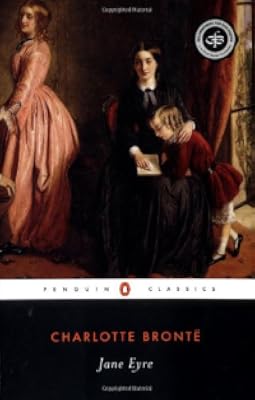
Jane Eyre
by Charlotte Brontë
There is 1 current discussion about this work.
On This Page
Description
Jane Eyre is raised in her aunt's house after the death of her parents. Her aunt cannot stand the queer, quiet child and sends her off to a spartan boarding school where she is severely mistreated. She survives, however, and eventually finds herself a situation as a governess in the household of Edward Rochester. She and Rochester fall passionately in love, in one of the great literary love stories. But a dark secret in his house will tear them apart and send her alone into the wilderness show more before she can find her way back to him. show lessTags
Recommendations


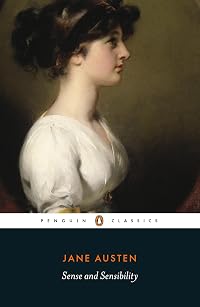
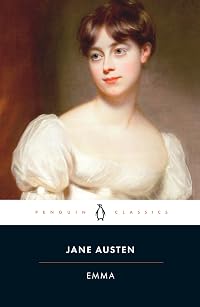
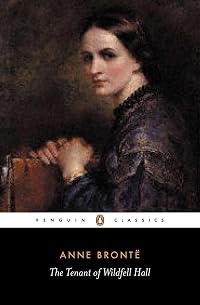
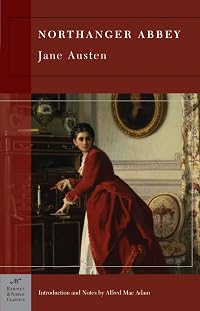
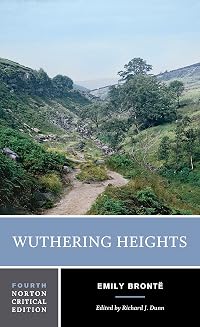
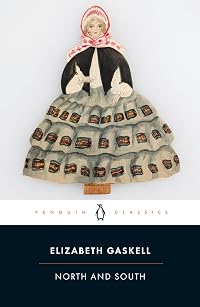
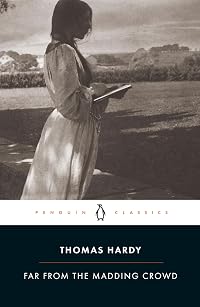
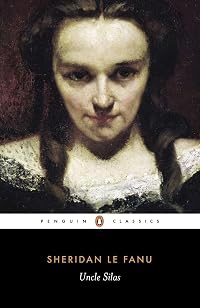
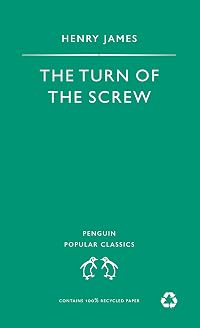
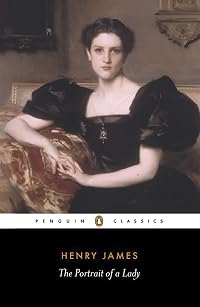
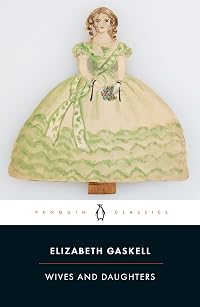
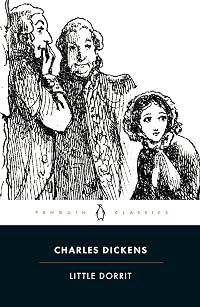
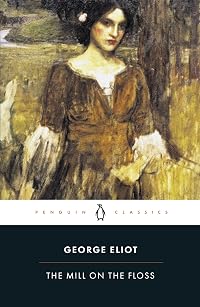

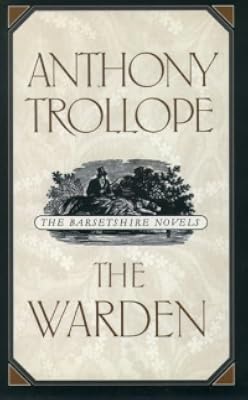
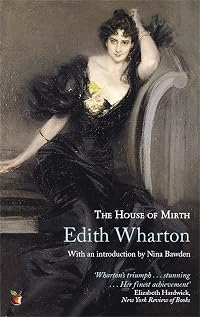
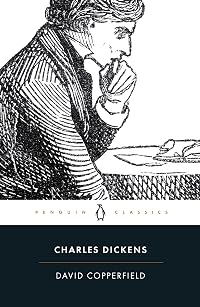
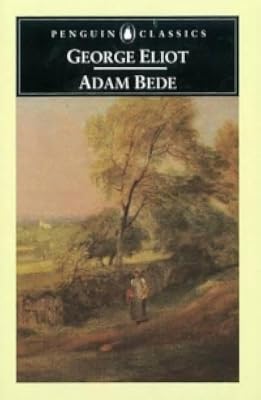
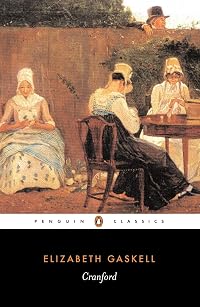
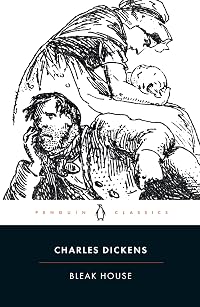
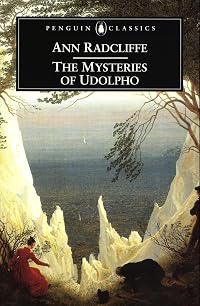
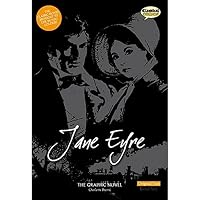
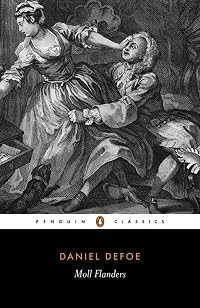
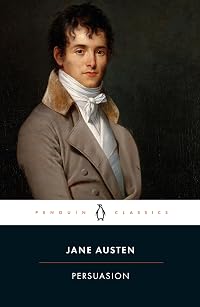
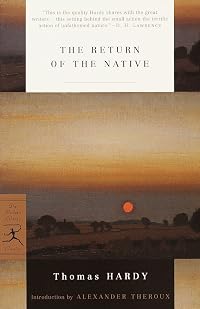
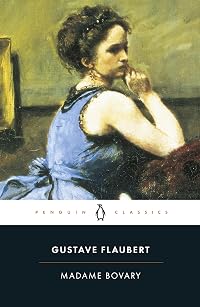

Member Recommendations
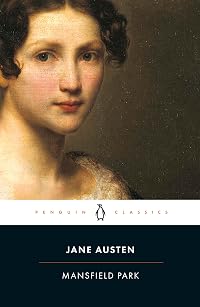
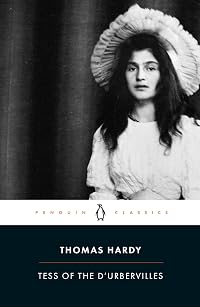
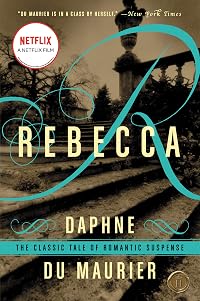
chrisharpe There are some similarities between these two books: a young woman marries an older widower and moves to his mansion, where the marriage is challenged by the unearthly presence of the first wife.
fannyprice These two books reminded me a lot of each other but Rebecca was more modern and somewhat less preachy.
Also recommended by Bonzer
522

Kerian If for some reason you read The Eyre Affair without having read Jane Eyre, I definitely recommend it. It will certainly be interesting to read and is a very good book.
westher Voor als je wilt weten hoe de verhaallijn ontstaan is ;-)
deepikasd This story also gives you a different spin and shows how the story is "changed" to what it is today. Though the story is a parody, the reader who loves Jane Eyre will definitely love meeting the characters again and relish the story all over.
368
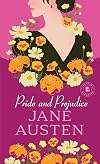
TineOliver Debates about which is the greater love story have raged between book lovers for years. Why not read both and form your own opinion?
427

stephmo Written as the story of the first Mrs. Rochester. While this may not be the light we want to remember Mr. Rochester in, it leads to a richer picture of the man he becomes for Jane.
kjuliff Mr. Rochester
Also recommended by aces, JenniferLivingstone
3411
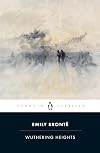
gabynation6 these authors were sisters
Also recommended by roby72
4313
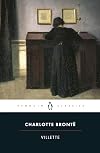
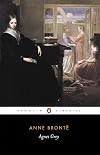
norabelle414 Both gothic novels, with a big ol' creepy house, and theme of hidden family secrets
208
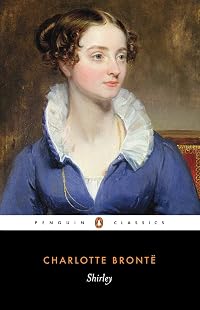
ncgraham Two Victorian heroines approach the question of how to reconcile passion and morality in very different ways.
83
_Zoe_ The Mysterious Howling offers a fresh perspective on the young governess arriving at a mysterious new place of employment. It's tongue-in-cheek and very funny--definitely an enjoyable read for those who don't take Jane Eyre too seriously.
51

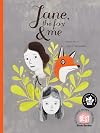
JenniferLivingstone If you're a fan of Jane Eyre, you might enjoy the children's book Jane, the Fox, and Me. It's a sweet story about a young girl who has trouble with bullying and self-esteem - and who is able to find comfort from the book Jane Eyre. Highly, highly recommended.
30
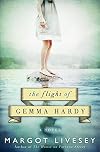
BookshelfMonstrosity The Flight of Gemma Hardy is an updated version of Jane Eyre, set in mid-20th-century Scotland. Read the original to get a fuller understanding of Gemma's choices.
KatherineGregg Set in the 1960s, The Flight of Gemma Hardy is Livesey's tribute to Jane Eyre.
32
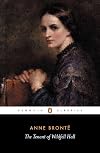
Lapsus_Linguae The authors were sisters. Both depict independent heroines who will not adhere to the hypocrite 19th-century mores.
20
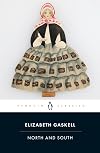
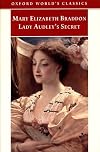

MissBrangwen Although the stories are very different, the main characters, Jane and Lene, reminded me of each other.
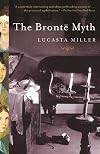

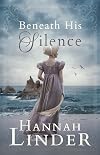

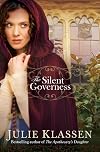
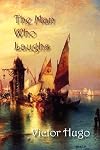

spygirl Mistress of Mellyn is like Jane Eyre with all the boring bits taken out (not that I don't LOVE Jane Eyre!).
Also recommended by Headinherbooks_27
56
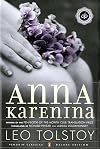

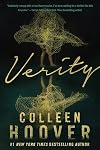
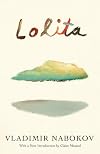
SCPeterson Older man, younger woman - you have to admit Jane has certain nymph-like qualities.
015


Member Reviews
Child neglect, near death, a dash of magical realism, the power of love, the powerlessness of the poor, sexual rivalry, mystery, madness and more. It is as powerful as ever - but is it really a love story, given Rochester's Svengali-tendencies, or is it a life story? His downfall and her inheritance make them more equal, but is it really love on his part? I'm not sure, which is what makes it such a good book (just not necessarily a love story). I also like the tension between it being very Victorian in some obvious ways, and yet controversially modern in others: an immoral hero, a fiercely independent and assertive heroine, and some very unpleasant Christians (it's not that I think Christians are bad or like seeing them portrayed in a show more nasty way - it's Bronte's courage in writing such characters I admire).
Childhood
About the first quarter of the book concerns the tremendous hardship and abuse that Jane suffers growing up. It's often heavily cut from film, TV and stage adaptations, but despite the fluff about this being a great love story, I think there is merit in paying attention to her formative years as an essential element of explaining what makes Jane the person she becomes.
The Red Room, where young Jane is banished shortly before being sent to Lowood, is a very short episode in the book, but its significance is probably greater than its brevity implies. The trauma of the Red Room is not just because Mr Reed died there, but because of the associations of red = blood = death, compounded by cold, silence, blinds that are always closed and a bed like a sacrificial altar. Is it also some sort of reference to Bertha's attic?
Jane endures dreadful hardships: she is orphaned; her aunt says she is "less than a servant, for you do nothing for your keep" and invokes the wrath of God who "might strike her dead in the midst of one of her tantrums"; she endures injustice as she strives to be good, but is always condemned, while the faults of her cousins are indulged or ignored. So, she is sent to Lowood, where she sees the hypocritical tyranny of Brocklehurst, survives cold and near starvation and witnesses her best friend's death. Nevertheless, "I would not have exchanged Lowood with all its privations for Gateshead and its daily luxuries." There is a dreadful irony in the fact that the first time a relative demonstrates any interest in her (John Eyre), it seems to ruin everything.
Villains and Christianity
Who is the worst villain: John Reed, Aunt Reed, Mr Brocklehurst, Blanche Ingram, St John Rivers or even Rochester?
Christianity gets a very mixed press in the book: Mr Brocklehurst is cruel and comically hypocritical (curly hair is evil vanity in poor girls, who "must not conform to nature", but fine for his pampered daughters); St John Rivers thinks his devoutness selfless, but is actually cold and selfish (his motive being to gain glory in Heaven for himself); Helen Burns is a redemptive Christ figure who accepts her punishments as deserved, helps Jane tame herself ("Helen had calmed me") and, of course, dies.
Jane's own beliefs (or lack) are always somewhat vague (though she's very moral) and controversially feisty. When, as a small girl, the nasty Brocklehurst asks her what she should do to avoid going to Hell, she replies, "I must keep in good health, and not die"!
Aspects the way Christianity is portrayed may make it more accessible to modern readers from more secular backgrounds, but might have been shocking to devout Victorians. Perhaps they were placated by the fact that despite the cruelty, Jane forgives Aunt Reed for trying to improve her errant niece, even though "it was in her nature to wound me cruelly".
Male Power, Feminism, and Relevance Today
Men had most of the power and respect in Bronte's time and often Jane has to go along with that. However, Bronte does subvert that to some extent by making Jane so assertive, determined and independent.
The story of Jane Eyre has parallels with the story of Bluebeard, albeit with a very different ending, in which the woman takes charge of her own destiny. Bluebeard was well-known in Victorian fables as a rich and swarthy man who locked discarded wives in an attic (though he killed them first). He took a new young wife and when she discovered her predecessors, he was about to kill her, but she was rescued by her brothers, rather as Mason wants to rescue Bertha. Jane even likens an attic corridor to one in "some Bluebeard's castle", so Bronte clearly knew the story and assumed he readers did too. See http://en.wikipedia.org/wiki/Bluebeard#Plot_summary.
Despite her minimal contact with men, right from the outset Jane instinctively knows how to respond to the man she describes as "changeful and abrupt". When they first meet in the house and he is quizzing her, she consciously mirrors his tone ("I, speaking as seriously as he had done") and "His changes of mood did not offend me because I saw I had nothing to do with their alteration". Like many bullies, he enjoys a bit of a fight, rather than the nervous, prompt and unquestioning obedience his manner normally elicits, and Jane isn't afraid to answer him back and speak her mind. It isn't long before she can say "I knew the pleasure of vexing him and soothing him by turns". When Blanche arrives, Jane realises "he had not given her his love" and that "she could not charm him" (as she could). At this point, she realises her self-delusions in overlooking his faults and merely considering them as "keen condiments".
What should modern women make of this book? Bronte is radical in that neither Jane nor Rochester is conventionally attractive (it is personality that matters) and Jane is fiercely independent and assertive, even when she gives the impression of being submissive. She even says, "Women are supposed to feel very calm, generally: but women feel just as men feel; they need exercise for their faculties, and a field for their efforts as much as their brothers do; they suffer from too rigid a restraint... precisely as men would suffer." On the other hand, Rochester's treatment of Jane, Bertha, Blanche and Céline is hard to justify (other than the fact he keeps Bertha alive - why not kill her?). Does disappointment and disability truly changed him, and does that, coupled with her independent wealth make them equals? Will they live happily ever after?
Rochester
What were Rochester's plans and motives for his relationship with Jane? Why does he insist that Jane appears in the drawing room every evening while Blanche and friends are staying, even though he fully understands and comments on how depressed it makes Jane? And would Rochester have married Blanche if Mason hadn't turned up, making a big society wedding impossible? If so, was Jane always in his mind as a mistress and backup in case marriage to Blanche was not possible, or did he only decide to marry her much later? What sort of basis for a happy marriage is that, and can the equalising effect of his later disability and her inheritance really conquer it? It's true that Rochester tells Jane "I feigned courtship of Miss Ingram, because I wished to render you as madly in love with me as I was with you", but that is after Mason's visit, so is it true?
Rochester's treatment of Bertha is even more problematic: divorce wasn't viable, and yet he didn't want to leave her behind in the Caribbean... very odd. In a funny sort of way, he might have felt he was doing the right thing by her, or at least, not the wrong thing.
In a society which condemns divorce and cohabitation, is Rochester's planned bigamy justifiable? As Rochester hints to Jane early on, "Unheard-of combinations of circumstances demand unheard-of rules". He also knows that Jane's integrity means she must be unaware of the details if he is to be with her (he says that if he asked her to do something bad, she would say "no sir... I cannot do it, because it is wrong"), though in fact there is a bigger tussle between her head and heart than he might have expected. Later, he ponders the fact that she is alone in the world as being some sort of justification, "It will atone" and extends to the more blasphemous and deluded "I know my Maker sanctions what I do. For the world's judgement - I wash my hands thereof."
St John
Jane's bond with St John is very different, and she realise it, "I daily wished more to please him; but to do so, I felt daily more and more that I must disown half my nature". His proposal is positively alarming, "You are formed for labour, not for love. A missionary's wife you must - shall be. You shall be mine: I claim you - not for my pleasure, but for my Sovereign's service"! Under the guise of serving God and man, he is irredeemably self-serving.
Magic Realism?
The strangest element is the small but hugely significant ethereal message from Rochester that might now be called magical realism. It sits oddly with the rest of the book, but I can never decide whether this is it a strength or a weakness.
Who Knows What?
A constant theme is "who knows what?". Is Aunt Reed ignorant of how awful Lowood is and has she truly convinced herself that her treatment of Jane is appropriate? How much does Mrs Fairfax know (and tell) about Rochester's wives, current and intended? Does Rochester know whether or not Adele is really his daughter, and what does Jane believe? Blanche appears to know very little, but is she only seeing what she wants to see?
Love?
Overall, there is so much in this book, it is well worth rereading, but I am not convinced that it is a love story. It is the easiest label to apply, and although Jane certainly finds love, I am not sure that love finds her. They're intellectually well-matched, and the sparring and physical attraction bode well. On the other hand, my doubts about his motivations when he was juggling Blanche and Jane make me uneasy.
Incidentally, I first read this book at school (a naive mid-teen enjoys and appreciates it for very different reasons than an adult). One day, we were at a point when Jane was with the Rivers and possibly being courted by St John. We were told to read to page x for homework, so I turned to that page to mark it and saw the famous words (not that I knew they were), "Reader, I married him" and was shocked to assume it referred to St John.
Jane's Place in My Life
There are many reasons I love this book, including - but not limited to:
1. The cliché of first reading this at an impressionable age (15).
2. Coming with no preconceptions, other than knowing it was a classic - so I had a couple of big surprises in the plot.
3. Being at a boarding school myself at the time - though fortunately not (much) like Lowood.
4. Questioning my faith and the role of religion - then and since.
5. Questioning the roles and rights of women - then and since.
6. Jane, herself. That's a major one.
7. The fact the book is daringly subversive for its time (most of the Christians are bad, and Jane is fiercely outspoken and independent - most of the time).
8. I get something new from it each time.
Like many, I first read this at school. I was captivated from the outset. Jane was wild, and brave, and rebellious - all things we weren't supposed to be, and yet we had to read and write about her. I vaguely knew about the wedding scene, but everything about her time with the Rivers was new and unexpected. For all that I had doubts about Rochester, I felt (in a naive, teenage way) I shared a passion for him. When I thought Jane would end up with St John, I was devastated. The actual ending was a happy relief - all the more so because it had been unexpected.
I thought I understood the book, and got good marks for essays about it (apart from the injustice of being deducted marks for a comment a teacher refused to believe I hadn't copied from Brodie's Notes - a study guide I'd only ever heard of!).
But like all great works of art, it speaks differently on each encounter, and the more I've read it, aided by a bit of maturity along the way, and now discussions with GR friends, the more I've seen in it.
So no, this not a love story - on the pages. But there is a love story: between the reader and Jane.
Prequel
I finally read Jean Rhys' prequel "Wide Sargasso Sea", reviewed here: http://www.goodreads.com/review/show/711331732
2011 Film
I was disappointed with the Jane Eyre film. Mia Waskikowska was good as Jane, and it looked right, but Fassbender as Rochester was awful. He didn't brood enough for my liking, but what I think is less excusable is that he didn't really change during the course of the story. Just as bad, Jamie Bell was too nice to be St John. In fact the whole episode at the Rivers' was very poorly done. Overall, it removed all ambiguity, making a complex story of truth and lies, divided loyalty and mixed emotions boringly straightforward. show less
Childhood
About the first quarter of the book concerns the tremendous hardship and abuse that Jane suffers growing up. It's often heavily cut from film, TV and stage adaptations, but despite the fluff about this being a great love story, I think there is merit in paying attention to her formative years as an essential element of explaining what makes Jane the person she becomes.
The Red Room, where young Jane is banished shortly before being sent to Lowood, is a very short episode in the book, but its significance is probably greater than its brevity implies. The trauma of the Red Room is not just because Mr Reed died there, but because of the associations of red = blood = death, compounded by cold, silence, blinds that are always closed and a bed like a sacrificial altar. Is it also some sort of reference to Bertha's attic?
Jane endures dreadful hardships: she is orphaned; her aunt says she is "less than a servant, for you do nothing for your keep" and invokes the wrath of God who "might strike her dead in the midst of one of her tantrums"; she endures injustice as she strives to be good, but is always condemned, while the faults of her cousins are indulged or ignored. So, she is sent to Lowood, where she sees the hypocritical tyranny of Brocklehurst, survives cold and near starvation and witnesses her best friend's death. Nevertheless, "I would not have exchanged Lowood with all its privations for Gateshead and its daily luxuries." There is a dreadful irony in the fact that the first time a relative demonstrates any interest in her (John Eyre), it seems to ruin everything.
Villains and Christianity
Who is the worst villain: John Reed, Aunt Reed, Mr Brocklehurst, Blanche Ingram, St John Rivers or even Rochester?
Christianity gets a very mixed press in the book: Mr Brocklehurst is cruel and comically hypocritical (curly hair is evil vanity in poor girls, who "must not conform to nature", but fine for his pampered daughters); St John Rivers thinks his devoutness selfless, but is actually cold and selfish (his motive being to gain glory in Heaven for himself); Helen Burns is a redemptive Christ figure who accepts her punishments as deserved, helps Jane tame herself ("Helen had calmed me") and, of course, dies.
Jane's own beliefs (or lack) are always somewhat vague (though she's very moral) and controversially feisty. When, as a small girl, the nasty Brocklehurst asks her what she should do to avoid going to Hell, she replies, "I must keep in good health, and not die"!
Aspects the way Christianity is portrayed may make it more accessible to modern readers from more secular backgrounds, but might have been shocking to devout Victorians. Perhaps they were placated by the fact that despite the cruelty, Jane forgives Aunt Reed for trying to improve her errant niece, even though "it was in her nature to wound me cruelly".
Male Power, Feminism, and Relevance Today
Men had most of the power and respect in Bronte's time and often Jane has to go along with that. However, Bronte does subvert that to some extent by making Jane so assertive, determined and independent.
The story of Jane Eyre has parallels with the story of Bluebeard, albeit with a very different ending, in which the woman takes charge of her own destiny. Bluebeard was well-known in Victorian fables as a rich and swarthy man who locked discarded wives in an attic (though he killed them first). He took a new young wife and when she discovered her predecessors, he was about to kill her, but she was rescued by her brothers, rather as Mason wants to rescue Bertha. Jane even likens an attic corridor to one in "some Bluebeard's castle", so Bronte clearly knew the story and assumed he readers did too. See http://en.wikipedia.org/wiki/Bluebeard#Plot_summary.
Despite her minimal contact with men, right from the outset Jane instinctively knows how to respond to the man she describes as "changeful and abrupt". When they first meet in the house and he is quizzing her, she consciously mirrors his tone ("I, speaking as seriously as he had done") and "His changes of mood did not offend me because I saw I had nothing to do with their alteration". Like many bullies, he enjoys a bit of a fight, rather than the nervous, prompt and unquestioning obedience his manner normally elicits, and Jane isn't afraid to answer him back and speak her mind. It isn't long before she can say "I knew the pleasure of vexing him and soothing him by turns". When Blanche arrives, Jane realises "he had not given her his love" and that "she could not charm him" (as she could). At this point, she realises her self-delusions in overlooking his faults and merely considering them as "keen condiments".
What should modern women make of this book? Bronte is radical in that neither Jane nor Rochester is conventionally attractive (it is personality that matters) and Jane is fiercely independent and assertive, even when she gives the impression of being submissive. She even says, "Women are supposed to feel very calm, generally: but women feel just as men feel; they need exercise for their faculties, and a field for their efforts as much as their brothers do; they suffer from too rigid a restraint... precisely as men would suffer." On the other hand, Rochester's treatment of Jane, Bertha, Blanche and Céline is hard to justify (other than the fact he keeps Bertha alive - why not kill her?). Does disappointment and disability truly changed him, and does that, coupled with her independent wealth make them equals? Will they live happily ever after?
Rochester
What were Rochester's plans and motives for his relationship with Jane? Why does he insist that Jane appears in the drawing room every evening while Blanche and friends are staying, even though he fully understands and comments on how depressed it makes Jane? And would Rochester have married Blanche if Mason hadn't turned up, making a big society wedding impossible? If so, was Jane always in his mind as a mistress and backup in case marriage to Blanche was not possible, or did he only decide to marry her much later? What sort of basis for a happy marriage is that, and can the equalising effect of his later disability and her inheritance really conquer it? It's true that Rochester tells Jane "I feigned courtship of Miss Ingram, because I wished to render you as madly in love with me as I was with you", but that is after Mason's visit, so is it true?
Rochester's treatment of Bertha is even more problematic: divorce wasn't viable, and yet he didn't want to leave her behind in the Caribbean... very odd. In a funny sort of way, he might have felt he was doing the right thing by her, or at least, not the wrong thing.
In a society which condemns divorce and cohabitation, is Rochester's planned bigamy justifiable? As Rochester hints to Jane early on, "Unheard-of combinations of circumstances demand unheard-of rules". He also knows that Jane's integrity means she must be unaware of the details if he is to be with her (he says that if he asked her to do something bad, she would say "no sir... I cannot do it, because it is wrong"), though in fact there is a bigger tussle between her head and heart than he might have expected. Later, he ponders the fact that she is alone in the world as being some sort of justification, "It will atone" and extends to the more blasphemous and deluded "I know my Maker sanctions what I do. For the world's judgement - I wash my hands thereof."
St John
Jane's bond with St John is very different, and she realise it, "I daily wished more to please him; but to do so, I felt daily more and more that I must disown half my nature". His proposal is positively alarming, "You are formed for labour, not for love. A missionary's wife you must - shall be. You shall be mine: I claim you - not for my pleasure, but for my Sovereign's service"! Under the guise of serving God and man, he is irredeemably self-serving.
Magic Realism?
The strangest element is the small but hugely significant ethereal message from Rochester that might now be called magical realism. It sits oddly with the rest of the book, but I can never decide whether this is it a strength or a weakness.
Who Knows What?
A constant theme is "who knows what?". Is Aunt Reed ignorant of how awful Lowood is and has she truly convinced herself that her treatment of Jane is appropriate? How much does Mrs Fairfax know (and tell) about Rochester's wives, current and intended? Does Rochester know whether or not Adele is really his daughter, and what does Jane believe? Blanche appears to know very little, but is she only seeing what she wants to see?
Love?
Overall, there is so much in this book, it is well worth rereading, but I am not convinced that it is a love story. It is the easiest label to apply, and although Jane certainly finds love, I am not sure that love finds her. They're intellectually well-matched, and the sparring and physical attraction bode well. On the other hand, my doubts about his motivations when he was juggling Blanche and Jane make me uneasy.
Incidentally, I first read this book at school (a naive mid-teen enjoys and appreciates it for very different reasons than an adult). One day, we were at a point when Jane was with the Rivers and possibly being courted by St John. We were told to read to page x for homework, so I turned to that page to mark it and saw the famous words (not that I knew they were), "Reader, I married him" and was shocked to assume it referred to St John.
Jane's Place in My Life
There are many reasons I love this book, including - but not limited to:
1. The cliché of first reading this at an impressionable age (15).
2. Coming with no preconceptions, other than knowing it was a classic - so I had a couple of big surprises in the plot.
3. Being at a boarding school myself at the time - though fortunately not (much) like Lowood.
4. Questioning my faith and the role of religion - then and since.
5. Questioning the roles and rights of women - then and since.
6. Jane, herself. That's a major one.
7. The fact the book is daringly subversive for its time (most of the Christians are bad, and Jane is fiercely outspoken and independent - most of the time).
8. I get something new from it each time.
Like many, I first read this at school. I was captivated from the outset. Jane was wild, and brave, and rebellious - all things we weren't supposed to be, and yet we had to read and write about her. I vaguely knew about the wedding scene, but everything about her time with the Rivers was new and unexpected. For all that I had doubts about Rochester, I felt (in a naive, teenage way) I shared a passion for him. When I thought Jane would end up with St John, I was devastated. The actual ending was a happy relief - all the more so because it had been unexpected.
I thought I understood the book, and got good marks for essays about it (apart from the injustice of being deducted marks for a comment a teacher refused to believe I hadn't copied from Brodie's Notes - a study guide I'd only ever heard of!).
But like all great works of art, it speaks differently on each encounter, and the more I've read it, aided by a bit of maturity along the way, and now discussions with GR friends, the more I've seen in it.
So no, this not a love story - on the pages. But there is a love story: between the reader and Jane.
Prequel
I finally read Jean Rhys' prequel "Wide Sargasso Sea", reviewed here: http://www.goodreads.com/review/show/711331732
2011 Film
I was disappointed with the Jane Eyre film. Mia Waskikowska was good as Jane, and it looked right, but Fassbender as Rochester was awful. He didn't brood enough for my liking, but what I think is less excusable is that he didn't really change during the course of the story. Just as bad, Jamie Bell was too nice to be St John. In fact the whole episode at the Rivers' was very poorly done. Overall, it removed all ambiguity, making a complex story of truth and lies, divided loyalty and mixed emotions boringly straightforward. show less
It is highly likely that, like me, you are a re-reader of Jane Eyre. Why? The melodrama is risible; the coincidences beggar belief; the transformations in situation and fortune are almost like a fairytale. And yet something draws you back. Surely it must be the conviction of Jane’s narrative voice, her flinty unwillingness to be misused, her determination, her luck of survival, her daring to even consider love, but also her resolve not to submit to anything less than the equal marriage of (unfettered) true minds and hearts. It is Jane alone who draws us back. What a curious and singular character she is.
It is certainly true that Jane encounters her fair share of repugnant individuals in her short life. Nothing redeems the behaviour of show more Mrs Reed or her children, and Mr Brocklehurst is a sorry substitute, fixated as he is on an economic spiritual ideal of education mostly suited for shaping souls for the next life and not the one before them. But Jane also has luck. Whether it comes in the form of the inspirational Helen Burns, or perhaps her best mentor, Miss Temple, Jane somehow attracts the succour of the good and just individuals she meets. Even the otherworldly St John Rivers is counterbalanced by his more amiable sisters.
But of course it is Mr Rochester who fascinates Jane, and she him. He is both ugly in form and, at least initially, ugly in character – officious, peremptory, and dismissive. More ugliness lies beneath, too much perhaps. Rochester tempts fate by enticing Jane into a liaison that can only blacken his character. He tempts fate, and fate intervenes.
Brontë’s world is heavy with the clash of dark and light, good and—not evil perhaps, but—sullied nature. My temperament leads me to prefer Austen, but every once in a while, I find it necessary to come back and re-read this gripping tale. Recommended. show less
It is certainly true that Jane encounters her fair share of repugnant individuals in her short life. Nothing redeems the behaviour of show more Mrs Reed or her children, and Mr Brocklehurst is a sorry substitute, fixated as he is on an economic spiritual ideal of education mostly suited for shaping souls for the next life and not the one before them. But Jane also has luck. Whether it comes in the form of the inspirational Helen Burns, or perhaps her best mentor, Miss Temple, Jane somehow attracts the succour of the good and just individuals she meets. Even the otherworldly St John Rivers is counterbalanced by his more amiable sisters.
But of course it is Mr Rochester who fascinates Jane, and she him. He is both ugly in form and, at least initially, ugly in character – officious, peremptory, and dismissive. More ugliness lies beneath, too much perhaps. Rochester tempts fate by enticing Jane into a liaison that can only blacken his character. He tempts fate, and fate intervenes.
Brontë’s world is heavy with the clash of dark and light, good and—not evil perhaps, but—sullied nature. My temperament leads me to prefer Austen, but every once in a while, I find it necessary to come back and re-read this gripping tale. Recommended. show less
Relectura Julio 2020
Releer este libro se ha convertido en una tradición anual, regresar a él me reconforta, siempre tiene sorpresas escondidas para mi, no importa cuantas veces lo lea, nunca me cansa, siempre me deja un calorcito en el corazón y siempre me impacta.
En esta ocasión me he centrado mucho en Rochester, en su soledad, en su sufrimiento, en la injusticia de su vida y en lo que supone para un hombre como él encontrar a una mujer como Jane, ella llena ese vacio en él, con su sencillez, su inteligencia, su juventud, su ingenuidad y su rebeldia.
Por supuesto que no apruebo las actuaciones de él al intentar poner celosa a Jane, pero por supuesto que entiendo la época, aun y con eso, considero que el amor de Rochester hacía show more Jane es de los más hermosos que yo he leído nunca.
No puedo evitar agradecer que exista este libro, que hoy más que nunca ha resultado no solo un refugio de paz para mi, si no me ha devuelto el amor por la lectura, me ha recordado que siempre hay un libro digno de ser leído.
*********
Relectura Abril 2018
Este libro nos cuenta la historia de Jane Eyre una huérfana que queda a cargo de una tía que no la quiere y la envía a un internado donde pasa 10 años hasta que llega a trabajar a Thornfield como institutriz de la ahijada del Sr. Rochester.
Decir que es un gusto reencontrarme con Jane es decir poco, este libro lo leo por lo menos una vez al año y cada vez que lo hago encuentro algo nuevo, alguna cita, algo que me hace pensar y recapacitar sobre lo que se cuenta
Jane es una mujer joven, fuerte, rebelde, una mujer que expresa y reafirma su independencia, pero que al mismo tiempo es solitaria y muy necesitada de afecto y por otro lado tenemos a Rochester, un hombre maduro, fuerte, enérgico pero que sabe valorar la inteligencia, la sensatez, la independencia y la rebeldía de Jane.
Rochester se enamora sin remedio de Jane y todo lo que hace para lograr conquistarla puede resultar en algo malicioso y hasta chocante, pero que a mí me encanta porque sale a relucir esa parte de la sociedad victoriana donde había muchas mujeres que hacían lo que tenían que hacer para casarse bien, resalta la frialdad de la sociedad y la bajeza humana.
Sin embargo la tragedia esta ahí y sale a relucir en el peor momento posible y como siempre Jane saca su vena independiente, rebelde y sensata.
Como digo releer Jane Eyre es siempre enriquecedor, es un gusto que me doy, porque como dice el comercial ese de camisas "es un lujo, pero creo que lo valgo" jajajajajaja
Jane Eyre se publico originalmente en 1847 en tres volúmenes bajo el seudónimo de Currer Bell, en 1848 salieron dos ediciones mas ya a nombre de Charlotte Brontë que fueron revisadas personalmente por ella, en 1850, salio una quinta edición.
Esta edición que he escogido esta basado en la segunda edición de 1848, ésto, aunque no parezca importante, lo es, el año pasado tome otra edición que es muy diferente a esta, como una mala versión en película, muchas cosas faltaban, se cortaban años de Jane en casa de su tía y en fin... que si hay diferencias entre unas ediciones y otras y entre editoriales y traducciones hay muchos y hay que reconocer cuando tienes en las manos las buenas versiones del original. Este es uno de ellos.
Si no lo han leído, se están tardando y si ya lo leyeron les recomiendo la relectura, aunque a muchos no les agrada esto, al final siempre hay una primera vez y si van a releer algo que sea este libro. show less
Releer este libro se ha convertido en una tradición anual, regresar a él me reconforta, siempre tiene sorpresas escondidas para mi, no importa cuantas veces lo lea, nunca me cansa, siempre me deja un calorcito en el corazón y siempre me impacta.
En esta ocasión me he centrado mucho en Rochester, en su soledad, en su sufrimiento, en la injusticia de su vida y en lo que supone para un hombre como él encontrar a una mujer como Jane, ella llena ese vacio en él, con su sencillez, su inteligencia, su juventud, su ingenuidad y su rebeldia.
Por supuesto que no apruebo las actuaciones de él al intentar poner celosa a Jane, pero por supuesto que entiendo la época, aun y con eso, considero que el amor de Rochester hacía show more Jane es de los más hermosos que yo he leído nunca.
No puedo evitar agradecer que exista este libro, que hoy más que nunca ha resultado no solo un refugio de paz para mi, si no me ha devuelto el amor por la lectura, me ha recordado que siempre hay un libro digno de ser leído.
*********
Relectura Abril 2018
Este libro nos cuenta la historia de Jane Eyre una huérfana que queda a cargo de una tía que no la quiere y la envía a un internado donde pasa 10 años hasta que llega a trabajar a Thornfield como institutriz de la ahijada del Sr. Rochester.
Decir que es un gusto reencontrarme con Jane es decir poco, este libro lo leo por lo menos una vez al año y cada vez que lo hago encuentro algo nuevo, alguna cita, algo que me hace pensar y recapacitar sobre lo que se cuenta
Jane es una mujer joven, fuerte, rebelde, una mujer que expresa y reafirma su independencia, pero que al mismo tiempo es solitaria y muy necesitada de afecto y por otro lado tenemos a Rochester, un hombre maduro, fuerte, enérgico pero que sabe valorar la inteligencia, la sensatez, la independencia y la rebeldía de Jane.
Rochester se enamora sin remedio de Jane y todo lo que hace para lograr conquistarla puede resultar en algo malicioso y hasta chocante, pero que a mí me encanta porque sale a relucir esa parte de la sociedad victoriana donde había muchas mujeres que hacían lo que tenían que hacer para casarse bien, resalta la frialdad de la sociedad y la bajeza humana.
Sin embargo la tragedia esta ahí y sale a relucir en el peor momento posible y como siempre Jane saca su vena independiente, rebelde y sensata.
Como digo releer Jane Eyre es siempre enriquecedor, es un gusto que me doy, porque como dice el comercial ese de camisas "es un lujo, pero creo que lo valgo" jajajajajaja
Jane Eyre se publico originalmente en 1847 en tres volúmenes bajo el seudónimo de Currer Bell, en 1848 salieron dos ediciones mas ya a nombre de Charlotte Brontë que fueron revisadas personalmente por ella, en 1850, salio una quinta edición.
Esta edición que he escogido esta basado en la segunda edición de 1848, ésto, aunque no parezca importante, lo es, el año pasado tome otra edición que es muy diferente a esta, como una mala versión en película, muchas cosas faltaban, se cortaban años de Jane en casa de su tía y en fin... que si hay diferencias entre unas ediciones y otras y entre editoriales y traducciones hay muchos y hay que reconocer cuando tienes en las manos las buenas versiones del original. Este es uno de ellos.
Si no lo han leído, se están tardando y si ya lo leyeron les recomiendo la relectura, aunque a muchos no les agrada esto, al final siempre hay una primera vez y si van a releer algo que sea este libro. show less
The book is always better.
Finally, I read the novel! The years of watching film adaptations on lazy Sunday afternoons had been mere wispy entertainments, complete with a Victorian tea set of tropes. Mistreated orphaned relative? Check. Abused Dickensian school waif? Check. Self-sacrificing do-gooder? Check. And, last but not least, an innocent governess in love with a Byronian rake? Check!
But in the novel, along with those campy tropes and plot devices, there is firmly something more: the immediacy of being taken into the confidence of a contemplative, soft-spoken person. It's like listening to a friend telling you for the first time her life story while you each gaze into a roaring fire. She's lost in her nostalgia, recalling when show more things were different, when she was different.
There's no rush. You become lost too, mesmerized, listening.
Even sitting here in my 21st century sensibility armchair, alone and far removed from Jane's time, her story is immersive, compelling. I systematically let go of my retro judgements and postmodern fatigue. Reading bonded me with the novel like one bonds with a friend, slowly, then fully. I grew to care sincerely that this little person once was young, sensitive, and suffered.
I filled pages in my reading journal. So many thoughts. That was unexpected.
My observations weren't just how impossibly hard historically it has been for women. My thoughts were about power, who has it and who doesn't, about manipulation and how it can be warped as superior wisdom, how perilous it is to navigate a world where those pitfalls abound. In too many ways, the world of 1847 is not so distant from the world of 2024 as one might think it would be. The world yet remains difficult and oppressive, and not only to women.
By the end of my purposefully slow reading, I was heartily ready for the reward of a happy ending for Jane, for her humility and forbearance. Half consciously I was rooting also for the living others with whom I currently share this world and wishing a happy ending to their struggles too.
Jane Eyre, or rather Charlotte Bronte, is a friend to me now.
I want to tell her that she deserved so much better than her often dreary life, beset by limitations, worries, heartbreak, and that life then cut far short of richer fulfilments. I wish I could thank Bronte for her genius and her fortitude. I wish that she could know that, through her trope-ridden Gothic of plain Jane, she got something she well deserved:
She got immortality.
How about that for a trite happy ending.
P.S. I have this wonderful illustrated edition from which I read this classic.
https://blogs.publishersweekly.com/blogs/shelftalker/?p=16 show less
Finally, I read the novel! The years of watching film adaptations on lazy Sunday afternoons had been mere wispy entertainments, complete with a Victorian tea set of tropes. Mistreated orphaned relative? Check. Abused Dickensian school waif? Check. Self-sacrificing do-gooder? Check. And, last but not least, an innocent governess in love with a Byronian rake? Check!
But in the novel, along with those campy tropes and plot devices, there is firmly something more: the immediacy of being taken into the confidence of a contemplative, soft-spoken person. It's like listening to a friend telling you for the first time her life story while you each gaze into a roaring fire. She's lost in her nostalgia, recalling when show more things were different, when she was different.
There's no rush. You become lost too, mesmerized, listening.
Even sitting here in my 21st century sensibility armchair, alone and far removed from Jane's time, her story is immersive, compelling. I systematically let go of my retro judgements and postmodern fatigue. Reading bonded me with the novel like one bonds with a friend, slowly, then fully. I grew to care sincerely that this little person once was young, sensitive, and suffered.
I filled pages in my reading journal. So many thoughts. That was unexpected.
My observations weren't just how impossibly hard historically it has been for women. My thoughts were about power, who has it and who doesn't, about manipulation and how it can be warped as superior wisdom, how perilous it is to navigate a world where those pitfalls abound. In too many ways, the world of 1847 is not so distant from the world of 2024 as one might think it would be. The world yet remains difficult and oppressive, and not only to women.
By the end of my purposefully slow reading, I was heartily ready for the reward of a happy ending for Jane, for her humility and forbearance. Half consciously I was rooting also for the living others with whom I currently share this world and wishing a happy ending to their struggles too.
Jane Eyre, or rather Charlotte Bronte, is a friend to me now.
I want to tell her that she deserved so much better than her often dreary life, beset by limitations, worries, heartbreak, and that life then cut far short of richer fulfilments. I wish I could thank Bronte for her genius and her fortitude. I wish that she could know that, through her trope-ridden Gothic of plain Jane, she got something she well deserved:
She got immortality.
How about that for a trite happy ending.
P.S. I have this wonderful illustrated edition from which I read this classic.
https://blogs.publishersweekly.com/blogs/shelftalker/?p=16 show less
This one didn't hold up to scrutiny fifteen years after first reading. I was a teenager the first time, and for all these years I've thought of Jane as a proto-feminist, an independent spirit. This time she read as masochistic and inane. And classist and priggish and even smug. And oh, Mr. Rochester, he is not Michael Fassbender, just a creepy, manipulative sociopath. Not Heathcliff-crazy, but too crazy for me. I think The Tenant of Wildfell Hall is basically last Bronte standing for me. This comic by Kate Beaton has been on my mind:
I have to say I am truly surprised. This is the third time I've read [book: Jane Eyre], and yet the first time I've found anything positive about the experience. I read it once as an 11/12 year old because my mother bought me a lovely red leather-bound edition (apparently she loved the book and thought I would too). I hated it- too hard to read, too much philosophical rambling, no action, annoying heroine, etc. I read it for the second time as a freshman in high school because it was required. I no longer found it hard to read, but I still found Jane annoying and unsympathetic, and I still hated the book.
Fast forward to this year and my decision to revisit the classics, including giving [book: Jane Eyre] one last try before forever show more consigning it to the "I just don't understand how people can like this book" pile. All I can say is thank goodness I gave it that one last try because the book is a masterpiece. All the philosophical rambling that bored me before is now a central element to the text, superior in many way to the storyline itself. I see now that there is a lot of action for a book of its time, and Jane is certainly not annoying so much as she is inspirational. I mean, she is still a bit pious for my taste, but even so she rebels strongly against the conventions of her time to try to live a life that she finds both emotionally and spiritually satisfying.
All of the things that annoyed me when I read this book as a child are the elements that resonate most strongly with me as an adult. I read this book too early, and was too dismissive of it at the time. Like with [book: Anna Karenina], I saw everything in black and white with the merciless clarity of a teenager; I now understand how wonderfully shaded with grey life (and good literature) often is. If you haven't read [book: Jane Eyre] since high school, I highly recommend giving it another try- definitely a 5 star! show less
Fast forward to this year and my decision to revisit the classics, including giving [book: Jane Eyre] one last try before forever show more consigning it to the "I just don't understand how people can like this book" pile. All I can say is thank goodness I gave it that one last try because the book is a masterpiece. All the philosophical rambling that bored me before is now a central element to the text, superior in many way to the storyline itself. I see now that there is a lot of action for a book of its time, and Jane is certainly not annoying so much as she is inspirational. I mean, she is still a bit pious for my taste, but even so she rebels strongly against the conventions of her time to try to live a life that she finds both emotionally and spiritually satisfying.
All of the things that annoyed me when I read this book as a child are the elements that resonate most strongly with me as an adult. I read this book too early, and was too dismissive of it at the time. Like with [book: Anna Karenina], I saw everything in black and white with the merciless clarity of a teenager; I now understand how wonderfully shaded with grey life (and good literature) often is. If you haven't read [book: Jane Eyre] since high school, I highly recommend giving it another try- definitely a 5 star! show less
I don't normally review classics, but here goes.
Here in the US, I'm fairly sure the works of the Bronte sisters are commonly dubbed as required reading alongside other classics, and for this reason are unjustly spared with naught but a single glance by young adult readers.
After being recommended this novel several times, I decided to give it a try. It hadn't yet been assigned for my English class as of yet, thankfully, so I was able to read the novel without outside force or the fright of a looming reading test. I read it at my own pace, with no pressure whatsoever.
And you know what? I'm so glad I caught the book before it was assigned for school. I was able to drown in the beauty of Charlotte Bronte's writing and gain the acquaintance show more of the wonderful protagonist, Jane Eyre (who is, ahem, my bestie). I swooned at Mr. Rochester and highlighted passages (something I NEVER do) and stayed up through the night discreetly turning the pages.
Some may complain of the pages upon pages of descriptions. I didn't love it - I adored it. Bronte's writing style is unbeatable in so many ways and kept me enthralled when the plot meandered.
I have found a favorite novel. Words cannot do this novel justice - and I say this without caring whether or not it is cliched because it is so utterly true. show less
Here in the US, I'm fairly sure the works of the Bronte sisters are commonly dubbed as required reading alongside other classics, and for this reason are unjustly spared with naught but a single glance by young adult readers.
After being recommended this novel several times, I decided to give it a try. It hadn't yet been assigned for my English class as of yet, thankfully, so I was able to read the novel without outside force or the fright of a looming reading test. I read it at my own pace, with no pressure whatsoever.
And you know what? I'm so glad I caught the book before it was assigned for school. I was able to drown in the beauty of Charlotte Bronte's writing and gain the acquaintance show more of the wonderful protagonist, Jane Eyre (who is, ahem, my bestie). I swooned at Mr. Rochester and highlighted passages (something I NEVER do) and stayed up through the night discreetly turning the pages.
Some may complain of the pages upon pages of descriptions. I didn't love it - I adored it. Bronte's writing style is unbeatable in so many ways and kept me enthralled when the plot meandered.
I have found a favorite novel. Words cannot do this novel justice - and I say this without caring whether or not it is cliched because it is so utterly true. show less
Members
- Recently Added By
Lists

The Guardian's 1000 Novels Everyone Must Read
1,005 works; 550 members

1001 Books You Must Read Before You Die
1,448 works; 1,134 members

Classics you know you should have read but probably haven't
421 works; 408 members

Top-Rated Books on LibraryThing
272 works; 117 members
501 Must-Read Books
529 works; 72 members
BBC Big Read
191 works; 46 members

Read the book and saw the movie
1,170 works; 192 members

1898 C.K. Shorter List of Best 100 Novels
100 works; 34 members

Recommend the 20 best books you've read in the last five years
2,168 works; 606 members

Favourite 19th century fiction
257 works; 60 members
Female Author
1,235 works; 67 members
Best of British Literature
226 works; 40 members
Favourite Books
1,819 works; 316 members

Best Gothic Fiction
110 works; 29 members
The Telegraph's 110 Best Books: The Perfect Library
101 works; 18 members

The Top Ten: Writers Pick Their Favorite Books
240 works; 31 members
Philip Ward's Lifetime Reading Plan
592 works; 22 members
Favorite Coming of Age Novels.
164 works; 51 members
Female Protagonist
1,056 works; 57 members
Literature About Social Class
134 works; 19 members
Books I've Read More Than Once
602 works; 49 members
Favorite Literary Love Stories
182 works; 100 members

PBS The Great American Read
100 works; 21 members
...read all, pay nowt (Books set in Yorkshire)
86 works; 14 members

Best Feminist Literature
188 works; 26 members
Best School Stories
219 works; 22 members
TED 2013 Summer Reading List
190 works; 13 members

The Guardian's 100 greatest novels of all time
100 works; 16 members
Books That Changed Me
158 works; 47 members

Books Set in Great Britain
191 works; 13 members
Folio Society
831 works; 48 members

Best Love Stories
107 works; 14 members
Love and Marriage
93 works; 10 members
LibraryThingers' 1001 Books You Must Read Before You Die
442 works; 30 members

19th Century
190 works; 16 members

Women's Stories
88 works; 13 members
Harold Bloom - The Western Canon: C. The Democratic Age
336 works; 15 members
BBC Big Read
100 works; 10 members

Top Five Books of 2013
1,562 works; 721 members
Out of Copyright
244 works; 14 members
Mental health fiction
55 works; 18 members

Books Featured on Gilmore Girls
307 works; 21 members

Western World's Greatest Books - Project Gutenberg
295 works; 15 members
Books tagged favorites
390 works; 30 members
150 Best Novels Selected by Brander Matthews (1883)
150 works; 7 members
Readable Classics
110 works; 15 members

Best high-school English books reread later in life
30 works; 21 members
500 Great Books by Women
507 works; 60 members
Five star books
1,755 works; 107 members
Women's reading list
50 works; 7 members

Works with inappropriate subject headings on LibraryThing
35 works; 5 members
Historical Fiction
889 works; 91 members

1964 College Preparatory Reading List
202 works; 8 members

Books You Read During High School (For School)
301 works; 52 members
Literature About Women and Girls
394 works; 39 members
The Well-Educated Mind Reading Challenge
75 works; 7 members
1,001 BYMRBYD Concensus
723 works; 27 members

Best books read in 2011
200 works; 51 members

Survey of Classic Fantastic Fiction
36 works; 9 members
100 Most Recommended Works
100 works; 11 members

Favourite Virago Modern Classics
183 works; 38 members

Global Reads: Books Set in the United Kingdom and Ireland
109 works; 5 members

Top Five Books of 2014
1,064 works; 398 members

A Novel Cure
742 works; 23 members
Mensa for Kids Excellence in Reading Award Program (Grades 9-12)
116 works; 5 members
Great Books Favorites
71 works; 6 members

Publisher's Weekly Bestsellers Prior to 1895 in Chronological Order
95 works; 6 members
Love Triangles in Literature
108 works; 15 members

Bibliography for Among Others
159 works; 15 members

Houses and Buildings as Characters in Fiction
182 works; 28 members
One Book, Many Authors
441 works; 40 members
100 World Classics
99 works; 15 members
Comfort Reads
221 works; 41 members

The Guardian's 100 Best Novels Written in English
105 works; 13 members
Newark Public Library's 1904 List of a Thousand of the Best Novels
95 works; 5 members
Ten Books That Have Stayed With Me
160 works; 30 members
College Reads (Lit Edition)
75 works; 5 members
Jones and Newman's Horror: Another 100 Best Books
100 works; 7 members

Top Five Books of 2018
802 works; 264 members
Favourite books by Female Authors
43 works; 4 members
Lamont's Hundred Best Novels (1947)
100 works; 4 members
The Greatest Books
99 works; 5 members
Victorian Period
113 works; 10 members
Fiction with Women's Names in the Title
378 works; 15 members
Books with a Character's Name as the Title
129 works; 9 members

Allie's Favourite 150 Books
145 works; 3 members

Fake Top 100 Fiction
81 works; 4 members

Top Five Books of 2015
811 works; 240 members

Mind Expanding Books by hackerkid
581 works; 8 members
Mensa for Kids Excellence in Reading Award Program (Grades 9-12)
116 works; 3 members

Books Read in 2014
2,343 works; 86 members

Rory Gilmore Book Club
193 works; 5 members

Academia in Fiction
158 works; 23 members
Carole's List
445 works; 13 members
Books mentioned in The Diary of a Provincial Lady
59 works; 4 members
The College Board: 101 Great Books Recommended for College-Bound Readers
111 works; 7 members

Movie Adaptations
111 works; 4 members
Good, Smart, Clean Fiction
46 works; 4 members
Shannon's Read-Alikes List
71 works; 8 members
CCE 1000 Good Books List
1,033 works; 12 members

Books Read in 2017
4,249 works; 129 members
Books Featured on Readers' Review of the Diane Rehm Show
161 works; 8 members
Bibliography for How to be a Heroine
148 works; 12 members

Testing Limits of Added Books
3 works; 1 member

Greatest Books
40 works; 3 members

Well-Educated Mind
150 works; 3 members
F. B. Perkins' List of 100 Best Fiction
100 works; 5 members

BBC Top Books
78 works; 3 members
All Things Great Britain
66 works; 1 member
Books on my Kindle
162 works; 3 members
United Kingdom
82 works; 5 members
First Novels
373 works; 16 members

SHOULD Read Books!
354 works; 9 members

My 100 Favorite Books of All Time
57 works; 2 members

Europe
205 works; 6 members

Great Audiobooks
96 works; 10 members

Books Read in 2023
5,547 works; 145 members

A's favorite novels
100 works; 3 members
Overdue Podcast
806 works; 9 members

What are your favourite books?
121 works; 11 members

Top Five Books of 2012
55 works; 11 members
Books Read in 2016
4,666 works; 197 members

Unexpected Romances
4 works; 1 member

University literature
145 works; 5 members

recalling favorites...
105 works; 2 members

Recommended Horror and Dark Fiction by Women
81 works; 13 members

Books Read in 2020
4,379 works; 124 members

Generation Joshua
115 works; 3 members

Books Read in 2022
5,166 works; 112 members

Best Horror Mega-List
342 works; 6 members
Trinity College Booklist (1951): Class Ten, English Literature
358 works; 5 members
Favourite Love Stories
53 works; 1 member

100
56 works; 1 member

1840s
10 works; 2 members
Books Read in 2007
326 works; 8 members

Plan to Read Books
75 works; 1 member

Romans
49 works; 1 member
DELETE
48 works; 2 members

Books Read in 2008
335 works; 8 members
http://thegreatestbooks.org's Greatest Fiction Books
59 works; 1 member

Favourite Books
50 works; 1 member

Books Read in 2004
200 works; 7 members

Shelf 101
60 works; 1 member
Books Mentioned in The Wedding Planner's Daughter series
107 works; 2 members
The Well-Educated Mind, Susan Wise Bauer, 2016
179 works; 3 members

Top Five Books of 2024
795 works; 264 members
The 150 Greatest Novels of All Time
150 works; 6 members
New Lifetime Reading Plan by Fadiman and Major
225 works; 5 members

Recommended Reading : 600 Classics Reviewed, Editors of Salem Press, 2015
634 works; 6 members
Books We'd Want on a Desert Island
203 works; 131 members
'Books You Can't Live Without: The Top 100', The Guardian, 2007
156 works; 7 members
Books We Love to Reread
688 works; 296 members

Books With Characters I'd Like to Date
18 works; 9 members
BitLife
212 works; 4 members
Books in Riverdale
123 works; 3 members
Books tagged unread
41 works; 1 member
Junky Paperbacks
15 works; 1 member

Books I recommend to everyone
29 works; 1 member
Books You Read For University
184 works; 3 members

BBC World Book Club
265 works; 5 members
The Complete Rory Gilmore Reading List
506 works; 5 members
Rereads list from my library
23 works; 1 member
.
396 works; 1 member

Books We Resisted Reading
178 works; 110 members
bound
100 works; 1 member

Britische Romantik
5 works; 1 member

Books referenced in the Astral Library
60 works; 1 member

The Five Books That Represent Us
391 works; 148 members

Fiction With Familiar Settings
280 works; 93 members

el
1,139 works; 1 member
Read For Your Life
157 works; 1 member
Our Favorite Comfort Reads
334 works; 200 members
Reading LIst
648 works; 1 member
School Made Us Read It
380 works; 196 members
Books We Want To Read Again For The First Time
384 works; 160 members
Books We Couldn't Put Down
443 works; 197 members
.
194 works; 2 members
Books With Our Favorite First Lines
168 works; 104 members

DigitalDreamDoor top 300
300 works; 4 members
Classical Conversations Challenge II Exposition
18 works; 1 member

Books Read in 2018
4,360 works; 110 members
Mustich's 1000 Books to Read Before You Die: A Life Changing List
1,001 works; 19 members
Books referenced in A Very Great Profession: The Woman's Novel 1914-39
199 works; 6 members

READ IN 2021
239 works; 4 members
Books Read in 2012
816 works; 31 members

Honey For a Child's Heart
1,152 works; 25 members

Literature About Mental Illness
37 works; 4 members
Read These Too
458 works; 9 members

Tagged 19th Century
104 works; 7 members

To Read - Horror
137 works; 14 members

AP Lit
363 works; 6 members
Ten Novels About Disappearing
10 works; 1 member
Elevenses
316 works; 88 members

le donne raccontano
116 works; 1 member
Safe as Houses
10 works; 2 members

Books Read in 2019
4,052 works; 108 members

Books Tagged Abuse
152 works; 4 members
Protagonists - Women
29 works; 2 members
Ambleside Books
459 works; 18 members

Literary Works Read in College
316 works; 15 members
Talk Discussions
Current Discussions
Rare copy of Jane Eyre in Name that Book (October 2025)
Past Discussions
Jane Eyre in Franklin Library Collectors (January 2023)
Jane Eyre LEC in George Macy devotees (January 2023)
Jane Eyre in Book talk (July 2014)
Jane Eyre in The Brontës (January 2014)
Jane Eyre/Wuthering Heights in Books Compared (March 2013)
*** Group Read: Jane Eyre (Spoiler Thread) in 75 Books Challenge for 2011 (April 2011)
*** Group Read: Jane Eyre (Non-Spoiler Thread) in 75 Books Challenge for 2011 (April 2011)
Jane Eyre Group Read (For the Procrastinators) Week One in 75 Books Challenge for 2010 (December 2010)
Book Discussion: Jane Eyre in 1001 Books to read before you die (February 2008)
Author Information

354+ Works 97,964 Members
Charlotte Bronte, the third of six children, was born April 21, 1816, to the Reverend Patrick Bronte and Maria Branwell Bronte in Yorkshire, England. Along with her sisters, Emily and Anne, she produced some of the most impressive writings of the 19th century. The Brontes lived in a time when women used pseudonyms to conceal their female identity, show more hence Bronte's pseudonym, Currer Bell. Charlotte Bronte was only five when her mother died of cancer. In 1824, she and three of her sisters attended the Clergy Daughter's School in Cowan Bridge. The inspiration for the Lowood School in the classic Jane Eyre was formed by Bronte's experiences at the Clergy Daughter's School. Her two older sisters died of consumption because of the malnutrition and harsh treatment they suffered at the school. Charlotte and Emily Bronte returned home after the tragedy. The Bronte sisters fueled each other's creativity throughout their lives. As young children, they wrote long stories together about a complex imaginary kingdom they created from a set of wooden soldiers. In 1846, Charlotte Bronte, with her sisters Emily and Anne published a thin volume titled Poems by Currer, Ellis, and Acton Bell. In the same year, Charlotte Bronte attempted to publish her novel, The Professor, but was rejected. One year later, she published Jane Eyre, which was instantly well received. Charlotte Bronte's life was touched by tragedy many times. Despite several proposals of marriage, she did not accept an offer until 1854 when she married the Reverend A. B. Nicholls. One year later, at the age of 39, she died of pneumonia while she was pregnant. Her previously rejected novel, The Professor, was published posthumously in 1857. (Bowker Author Biography) show less
Some Editions
Awards and Honors
Notable Lists
BBC's Big Read (10)
Whitcoulls Top 100 Books (34 – 2008)
Whitcoulls Top 100 Books (72 – 2010)
Daniel S. Burt's Novel 100 (052 – 52)
Bulgarian Big Read (53)
Hungarian Big Read (36)
Series
Belongs to Publisher Series
Penguin Clothbound Classics (2008)
manesse im dtv (24032)
Novelas eternas (4)
Reinaert-reeks (46)
Amstelboeken (12-13)
Doubleday Dolphin (C5)
Penguin English Library, 2012 series (2012-04)
Collins Classics (11)
Prisma Klassieken (13)
Airmont Classics (17)
Project Gutenberg EBook (1260, 23077)
detebe-Klassiker (21581)
Zephyr Books (42)
The Pocket Library (PL-44)
Harper Perennial Olive Editions (2018 Olive)
Oxford English Novels (1847)
Perpetua reeks (66)
insel taschenbuch (813)
Everyman's Library (287)
A tot vent (305)
Virago Modern Classics (364)
Work Relationships
Is contained in
The Complete Novels: Agnes Grey / Jane Eyre / The Professor / Shirley / The Tenant of Wildfell Hall / Villette / Wuthering Heights by Charlotte Brontë
Vilette / Jane Eyre / Shirley / The Tenant of Wildfell Hall / Agnes Grey / Wuthering Heights by Charlotte Brontë
The Brontë Collection: Includes Jane Eyre, The Professor, Shirley, Villette, Wuthering Heights, Agnes Grey, The Tenant of Wildfell Hall, Cottage Poems and More by Charlotte Brontë
6 Volume Set Jane Eyre, Tenant of Wildfell Hall, Wuthering Heights, Agnes Grey, Professor, Poems, Miscellanea, Shirley, Villete by Charlotte Brontë
Brontë Sisters: The Professor / Angrian Tales and Poems / The Tenant of Wildfell Hall / Agnes Grey / Wuthering Heights / Jane Eyre / Villette / Shirley by Anne Brontë
Agnes Grey / The Tenant of Wildfell Hall / Jane Eyre / The Professor / Villette / Wuthering Heights / Poems by Currer, Ellis, and Acton Bell by Anne Brontë
Novels of the Sisters Bronte. Thornton Edition. In Twelve Volumes (Complete). Includes The Life of Charlotte Bronte by Anne Brontë
90 Masterpieces You Must Read (Vol.1): Novels, Poetry, Plays, Short Stories, Essays, Psychology & Philosophy by Various
Jane Eyre/ Wuthering Heights/ Little Women/ Adam Bede/ Emma/ Pride and Prejudice by Trident Press International
Is retold in
Has the (non-series) sequel
Has the (non-series) prequel
Has the adaptation
Is abridged in
Is parodied in
Inspired
Has as a study
Has as a commentary on the text
Has as a student's study guide
Common Knowledge
- Canonical title
- Jane Eyre
- Original title
- Jane Eyre; An Autobiography; Jane Eyre: An Autobiography
- Alternate titles
- Jane Eyre: Illustrations by Marjolein Bastin
- Original publication date
- 1847
- People/Characters
- Jane Eyre; Edward Fairfax Rochester; Grace Poole; Bertha Mason (Rochester); St. John Rivers; Alice Fairfax (show all 23); Adele Varens; Blanche Ingram; Richard Mason; Diana Rivers; Mary Rivers; Helen Burns; Maria Temple; Robert Brocklehurst (Reverend); Mrs. Reed; Georgiana Reed; Bessie; Miss Abbot; John Reed; Eliza Reed; Mr. Briggs; Rosamund Oliver; Hannah
- Important places
- Thornfield Hall (house); Gateshead Hall, Yorkshire, England, UK (house); Lowood School, Yorkshire, England, UK (school); Morton, England, UK; Moor House, Yorkshire, England, UK (aka Marsh End | house); Yorkshire, England, UK (show all 7); England, UK
- Related movies
- Jane Eyre (1910 | IMDb); Jane Eyre (1943 | IMDb); Jane Eyre (1910/II | IMDb); Jane Eyre (1914/I | IMDb); Jane Eyre (1914/II | IMDb); Jane Eyre (1915 | IMDb) (show all 16); Jane Eyre (1934 | Christy Cabanne | IMDb); Jane Eyre (1944 | Robert Stevenson | IMDb); Sangdil (1952 | IMDb); Jane Eyre (1956 | TV mini-series | IMDb); Jane Eyre (1973 | TV mini-series | IMDb); Jane Eyre (1983 | Julian Amyes | IMDb); Jane Eyre (1996 | Franco Zeffirelli | IMDb); Jane Eyre (1997 | TV | IMDb); Jane Eyre (2006 | TV mini-series | IMDb); Jane Eyre (2011 | IMDb)
- Dedication
- To
W.M. THACKERAY, ESQ.
This work is
respectfully inscribed
by
THE AUTHOR - First words
- There was no possibility of taking a walk that day.
Preface
A preface to the first edition of 'Jane Eyre' being unnecessary, I gave none: this second edition demands a few words both of acknowledgment and miscellaneous remark. - Quotations
- I could not answer the ceaseless inward question—why I thus suffered; now, at the distance of—I will not say how many years, I see it clearly.
Do you think because I am poor, obscure, plain and little that I am souless and heartless? You think wrong. I have as much soul as you and full as much heart, and if God had granted me some beauty and much wealth I should hav... (show all)e made it as hard for you to leave me as it is now for me to leave you.
Women are supposed to be very calm generally: but women feel just as men feel; they need exercise for their faculties, and a field for their efforts as much as their brothers do; they suffer from too rigid a restraint, too ab... (show all)solute a stagnation, precisely as men would suffer; and it is narrow-minded in their more privileged fellow-creatures to say that they ought to confine themselves to making puddings and knitting stockings, to playing on the piano and embroidering bags. It is thoughtless to condemn them, or laugh at them, if they seek to do more or learn more than custom has pronounced necessary for their sex.
To have yielded would have been an error of principle; to have yielded now would have been an error in judgement.
I am no bird; and no net ensnares me: I am a free human being with an independent will; which I now exert to leave you.
"My bride is here," he said, again drawing me to him, "because my equal is here, and my likeness."
It was my time to assume ascendency. My powers were in play, and in force.
Reader, I married him.
Every atom of your flesh is as dear to me as my own: in pain and sickness it would still be dear. - Last words
- (Click to show. Warning: May contain spoilers.)'My Master,' he says, 'has forewarned me. Daily he announces more distinctly,—"Surely I come quickly!" and hourly I more eagerly respond,—"Amen; even so come, Lord Jesus!"'
- Original language
- English
- Canonical DDC/MDS
- 823.81
- Canonical LCC
- PR4167
- Disambiguation notice
- This is the complete, unabridged Jane Eyre by Charlotte Bronte. Do not combine with any abridged versions, Norton Critical Editions, or vampire books.
159027007X and 0192839659 are for the book, not films.
Classifications
Statistics
- Members
- 67,997
- Popularity
- 17
- Reviews
- 1,017
- Rating
- (4.21)
- Languages
- 36 — Arabic, Basque, Catalan, Chinese, Czech, Danish, Dutch, English, Estonian, Finnish, French, German, Greek, Hungarian, Indonesian, Italian, Japanese, Korean, Latvian, Lithuanian, Malayalam, Norwegian (Bokmål), Norwegian, Panjabi, Farsi/Persian, Polish, Russian, Scots, Croatian, Slovak, Slovenian, Spanish, Swedish, Turkish, Ukrainian, Portuguese (Portugal)
- Media
- Paper, Audiobook, Ebook
- ISBNs
- 1,563
- UPCs
- 15
- ASINs
- 727