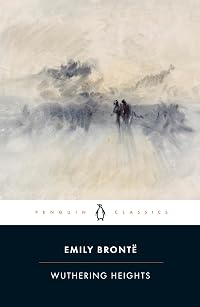
Wuthering Heights
by Emily Brontë
There are 2 current discussions about this work.
On This Page
Description
The passionate attachment between a headstrong young girl and a foundling boy brought up by her father causes disaster for them and many others, even in the next generation.Tags
Recommendations
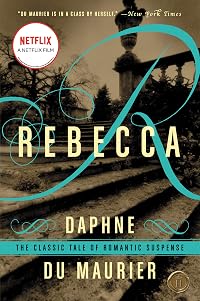
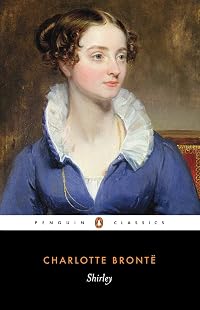

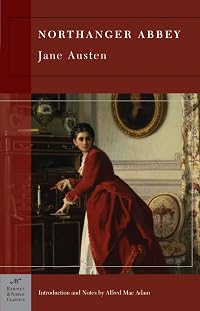
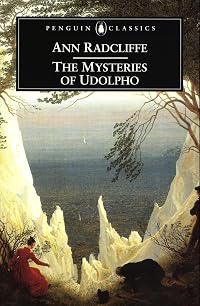
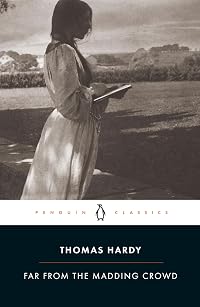
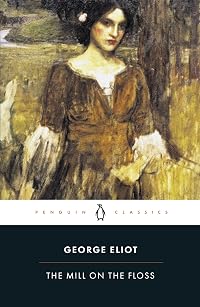
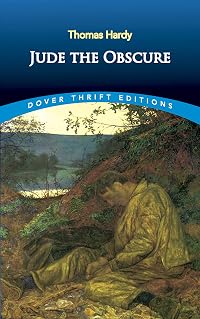
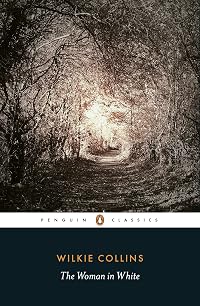
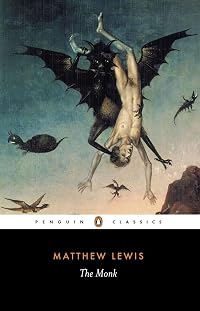
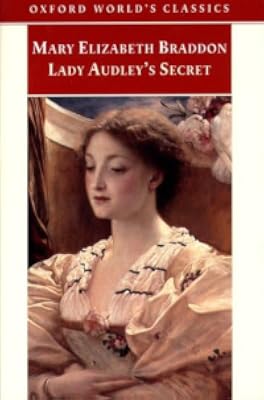
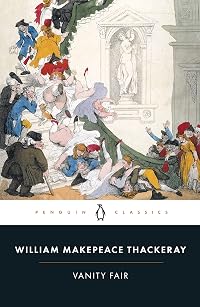
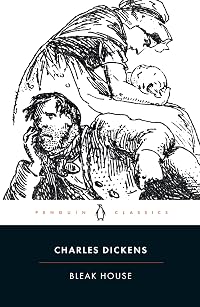
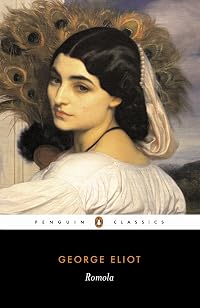
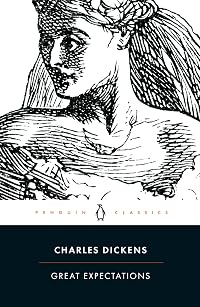
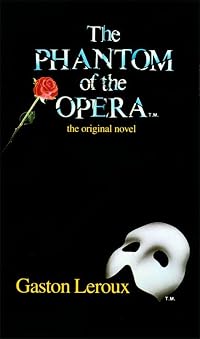
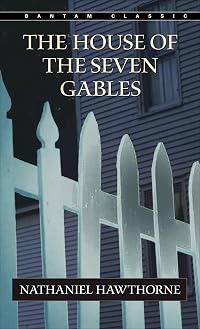
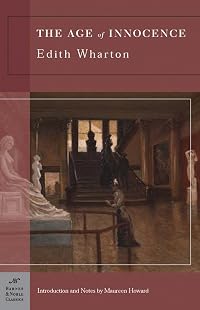


Member Recommendations
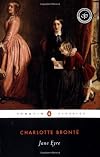
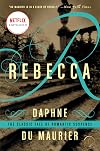
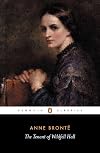
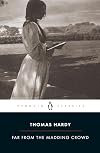
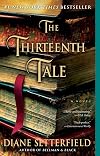
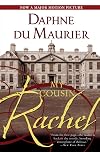
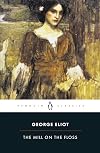
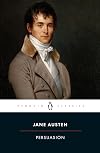
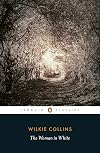
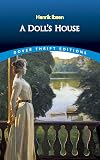
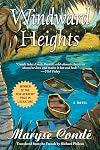

Sassm This is an offbeat recommendation, but I believe it's a good one. The White Earth is another well written book in which the landscape is closely entwined in a rather gothic tale of human interaction.
32
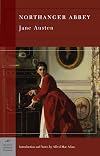

elizabeth.a.coates Both have very vivid settings that are well-described
12

lottpoet Retelling of Wuthering Heights in post-World War II Japan.


Eustrabirbeonne Lord David Cecil's classification for the characters in "Wuthering Heights" - children of calm and children of storm - may be applied to Herbjorg Wassmo's book, and especially the eponymous heroine. What a child of storm we find in the tall, dark, savage, sensual, ruthless figure of Dina!
12


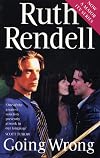
WildMaggie Rendell tells a modern tale of obsessive love similar to Bronte's classic.
14


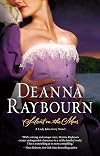
spygirl I didn't really enjoy Wuthering Heights, but Silent on the Moor has a similar setting (the windswept Yorkshire moors) and time period, as well as tragedies, family skeletons, and Gypsy connections.
16

lauranav The Eyre Affair has a great scene of an anger management session in Wuthering Heights!
510

VictoriaPL This tale picks up right where Wuthering Heights leaves off, with Hareton and Cathy. It's written in the same voicing as well, a worthy sequel to the original.
27

suslyn "Weaving the stories of Jane Eyre, Wuthering Heights and the lives of the Bronte sisters, Haire-Sargeant creates a natural 'sequel' to these classics."
16

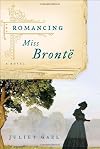
Voracious_Reader Fictionalization of the Bronte sisters with a concentration on Anne, but interesting characterizations of all three sisters, their brother, and what, why, and how they all wrote.
17
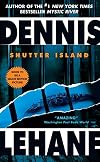
Gregorio_Roth Dennis Lehane wrote the book in part as a homage to Wuthering Heights by Emily Bronte.
412
Member Reviews
The drama in this book! The sheer amount of stupid and petty choices people make! And the fact it's all told through the POV of a maid who is totally not gossiping.
I feel like if I set out with the idea of taking this book seriously, I would be pretty mad. As it stands, I wasn't expecting it to be a book where people make good choices. I had a good time seeing the sheer depths of depravity Heathcliff could reach, and how selfish Cathy could be. It shows, in a quite over the top example, how classism (and racism) can destroy perfectly good people.
Now, I think one reason for my high rating was the narration by Billie Fulford-Brown, which was exceptional. If you are going to read the audiobook, I definitely recommend this edition. If I'd show more been reading it on paper, my rating might be different. show less
I feel like if I set out with the idea of taking this book seriously, I would be pretty mad. As it stands, I wasn't expecting it to be a book where people make good choices. I had a good time seeing the sheer depths of depravity Heathcliff could reach, and how selfish Cathy could be. It shows, in a quite over the top example, how classism (and racism) can destroy perfectly good people.
Now, I think one reason for my high rating was the narration by Billie Fulford-Brown, which was exceptional. If you are going to read the audiobook, I definitely recommend this edition. If I'd show more been reading it on paper, my rating might be different. show less
At the back of my copy of 'Wuthering' Heights, above the blurb, it is described as "One of the greatest love stories ever told." On the front cover is a giant white flower (or lily... I, er, don't really know much about flowers) floating down a dark, shadowy staircase, and the tagline "Love Never Dies..." I went into this book expecting the 1800s equivalent of a supernatural romance, something akin to a dark, tragic, melodramatic 'Pride and Prejudice' meets the movie 'Ghost'. I can't say I was disappointed with what I actually ended up reading, but I would hesitate to even call this a love story, let alone "one of the greatest love stories ever told."
If so, is whose love story is it? Catherine and Heathcliff's? Catherine and Edgar's? show more Cathy and Linton's? Cathy and Hareton's? The back cover blurb suggests it is intended to be that of Catherine and Heathcliff, in a tragic 'Romeo and Juliet'-esque star-crossed-lovers fashion. And sure, their doomed romance does drive the first third or so of the book, and is the catalyst for many events to follow, but when A) one half of that unrequited union is a truly awful human being and B) there are several other examples of genuinely sweet, healthy romantic entanglements, one can't help thinking that Cathy was quite lucky to have never ended up with her psychopathic crush, and that Heathcliff deserved every inch of the shitty hand he was dealt.
This isn't a criticism of the book itself, simply the odd reputation it seems to have gathered in the century and a half since it was published. This is no more of a romance than your average episode of Law & Order: SVU is a romance (I'm using the modern connotation of "romance" here, I will add), and that isn't actually a bad thing: Emily Brontë's story is considerably more interesting than a straight love story would have been. 'Wuthering Heights' is, at it's heart, a tale of jealousy and vengeance and hated, and the damage it wrecks on a person's psyche and on everyone around them, and while love, particularly of the unrequited variety, is a significant element of the story, this is not a love story.
Likewise, I dispute any interpretation of Heathcliff as a "tortured hero", even a "byronic anti-hero", as Wikipedia describes him . He is the villian of the story, pure and simple. As a child and teenager, certainly, he seems a fundamentally good if deeply troubled person, and it's easy to sympathize with him and his poor treatment by Hindley Earnshaw, and to understand his desire for vengeance. By the time he has reached adulthood, and especially once Cathy dies, Heathcliff has become a complete psychopath. He shows shreds of humanity here and there, even a few signs of remorse for his increasingly horrible actions, but he is still, unambiguously, the bad guy of this story, one who takes out his grudges against Hindley and Edgar Linton (the former grudge is completely justified, the latter less so - Edgar seems like a altogether decent guy who made the mistake of marrying Heathcliff's woman) on a succession of entirely innocent individuals, including the daughter of the woman he loved and his own son! Early on in the book, I rooted for Heathcliff and wanted to see him get one over arrogant snobs like Hindley. By the halfway point, I pitied poor, mad Hindley and his truly unlucky son Hareton, and had grown to loathe Heathcliff. By the end, I just wanted to see Nelly violently murder the awful sociopath.
For a book written over 150 years ago, 'Wuthering Heights' is surprisingly readable tome, the one exception being the incomprehensible babbling of the servant Joseph, whose impenetrable accent (written phonetically, like a blind-drunk Hagrid with a speech impediment) I initially attempted to decipher, and soon learnt to just skip entirely. Otherwise, this a compelling, often heart-breaking piece of 19th century fiction that is still powerful so many decades later. And while this is generally a depressing and tragic story, it ends on a lighter and happier note which is genuinely affecting after so much suffering.
Unrequited love sucks. I've certainly experienced that particular variety of misery. I assume that most people have at one point in their lives or another. Most of us have managed to avoid carrying out multi-generational roaring rampages of revenge on everyone remotely connected to said lost love. This again is not in any way a criticism of Brontë's writing or characterisation, rather the subsequent interpretation of Heathcliff as some form of tragic anti-hero and the male half of "one of the greatest love stories ever told." He's the truly hateable antagonist of a grim, sad, gothic melodrama and 'Wuthering Heights' is all the better for it. show less
If so, is whose love story is it? Catherine and Heathcliff's? Catherine and Edgar's? show more Cathy and Linton's? Cathy and Hareton's? The back cover blurb suggests it is intended to be that of Catherine and Heathcliff, in a tragic 'Romeo and Juliet'-esque star-crossed-lovers fashion. And sure, their doomed romance does drive the first third or so of the book, and is the catalyst for many events to follow, but when A) one half of that unrequited union is a truly awful human being and B) there are several other examples of genuinely sweet, healthy romantic entanglements, one can't help thinking that Cathy was quite lucky to have never ended up with her psychopathic crush, and that Heathcliff deserved every inch of the shitty hand he was dealt.
This isn't a criticism of the book itself, simply the odd reputation it seems to have gathered in the century and a half since it was published. This is no more of a romance than your average episode of Law & Order: SVU is a romance (I'm using the modern connotation of "romance" here, I will add), and that isn't actually a bad thing: Emily Brontë's story is considerably more interesting than a straight love story would have been. 'Wuthering Heights' is, at it's heart, a tale of jealousy and vengeance and hated, and the damage it wrecks on a person's psyche and on everyone around them, and while love, particularly of the unrequited variety, is a significant element of the story, this is not a love story.
Likewise, I dispute any interpretation of Heathcliff as a "tortured hero", even a "byronic anti-hero", as Wikipedia describes him . He is the villian of the story, pure and simple. As a child and teenager, certainly, he seems a fundamentally good if deeply troubled person, and it's easy to sympathize with him and his poor treatment by Hindley Earnshaw, and to understand his desire for vengeance. By the time he has reached adulthood, and especially once Cathy dies, Heathcliff has become a complete psychopath. He shows shreds of humanity here and there, even a few signs of remorse for his increasingly horrible actions, but he is still, unambiguously, the bad guy of this story, one who takes out his grudges against Hindley and Edgar Linton (the former grudge is completely justified, the latter less so - Edgar seems like a altogether decent guy who made the mistake of marrying Heathcliff's woman) on a succession of entirely innocent individuals, including the daughter of the woman he loved and his own son! Early on in the book, I rooted for Heathcliff and wanted to see him get one over arrogant snobs like Hindley. By the halfway point, I pitied poor, mad Hindley and his truly unlucky son Hareton, and had grown to loathe Heathcliff. By the end, I just wanted to see Nelly violently murder the awful sociopath.
For a book written over 150 years ago, 'Wuthering Heights' is surprisingly readable tome, the one exception being the incomprehensible babbling of the servant Joseph, whose impenetrable accent (written phonetically, like a blind-drunk Hagrid with a speech impediment) I initially attempted to decipher, and soon learnt to just skip entirely. Otherwise, this a compelling, often heart-breaking piece of 19th century fiction that is still powerful so many decades later. And while this is generally a depressing and tragic story, it ends on a lighter and happier note which is genuinely affecting after so much suffering.
Unrequited love sucks. I've certainly experienced that particular variety of misery. I assume that most people have at one point in their lives or another. Most of us have managed to avoid carrying out multi-generational roaring rampages of revenge on everyone remotely connected to said lost love. This again is not in any way a criticism of Brontë's writing or characterisation, rather the subsequent interpretation of Heathcliff as some form of tragic anti-hero and the male half of "one of the greatest love stories ever told." He's the truly hateable antagonist of a grim, sad, gothic melodrama and 'Wuthering Heights' is all the better for it. show less
I anticipated an insipid romance: it was that, but not for reasons expected. Rather than mawkish and treacly behaviour, Heathcliff & Catherine display a wholly unexpected level of obsession (devotion?) to one another, contrary to any evidence of tender feeling or even physical attraction. Not only are they not doe-eyed in their expressions or interactions, each instead appears manic and possessive, verging on feral, and I am mystified as to what either sees in or feels for the other.
Beyond that central mystery, this is a bat-shit crazy novel. Perennial criticisms of genre fiction (which typically I consider unfair generalizations) legitimately apply here: the plot is preposterous; most everyone is cynical if not sadistic in behavior to show more one another; coincidence triumphs over reasonable expectation at every turn. How Brontë's novel came to be regarded as a Classic is frankly dumbfounding. How it came to be shorthand for Gothic Romance, is equally mystifying. Perhaps Heathcliff's & Catherine's obsessive devotion in the face of (what they apparently perceive to be) universal approbation by their peers and elders underwrites so many readers' love for these two. It only left me cold.
I do have some faint curiosity regarding Brontë's motives for writing the novel. Was this a cautionary tale? If so, whom did she expect to reach? The story involves mean-spirited people behaving selfishly at every turn with scarcely an empathetic character to be found. And then, Brontë chose to relay the story in perhaps the most convoluted way possible, as though recounting a soap opera family drama from the vantage of the mail carrier, and chronologically backward. (I freely acknowledge the "mail carrier", Lockwood, to be an hysterical character study worth the price of admission. To be accurate, however, he is merely the secretary, taking dictation from Nelly Deal, the house gossip who recounts him the tale over her knitting.)
It occurs to me my reaction here is similar to what I've read others describe in reference to The Catcher In The Rye. I find Holden Caulfield infinitely more sympathetic and relatable.
//
Reading presented an excuse to re-acquaint myself with the Kate Bush single: was the song perhaps critical of the couple? No, not a bit. Kate was 18, and apparently genuinely impressed with Heathcliff and Cathy. The vignette she captures in the lyric is the best part of the novel, and ignores the swaths I find so exasperating. Oh well, a good tune, but I found it wholly disconnected from my experience of the book. show less
Beyond that central mystery, this is a bat-shit crazy novel. Perennial criticisms of genre fiction (which typically I consider unfair generalizations) legitimately apply here: the plot is preposterous; most everyone is cynical if not sadistic in behavior to show more one another; coincidence triumphs over reasonable expectation at every turn. How Brontë's novel came to be regarded as a Classic is frankly dumbfounding. How it came to be shorthand for Gothic Romance, is equally mystifying. Perhaps Heathcliff's & Catherine's obsessive devotion in the face of (what they apparently perceive to be) universal approbation by their peers and elders underwrites so many readers' love for these two. It only left me cold.
I do have some faint curiosity regarding Brontë's motives for writing the novel. Was this a cautionary tale? If so, whom did she expect to reach? The story involves mean-spirited people behaving selfishly at every turn with scarcely an empathetic character to be found. And then, Brontë chose to relay the story in perhaps the most convoluted way possible, as though recounting a soap opera family drama from the vantage of the mail carrier, and chronologically backward. (I freely acknowledge the "mail carrier", Lockwood, to be an hysterical character study worth the price of admission. To be accurate, however, he is merely the secretary, taking dictation from Nelly Deal, the house gossip who recounts him the tale over her knitting.)
It occurs to me my reaction here is similar to what I've read others describe in reference to The Catcher In The Rye. I find Holden Caulfield infinitely more sympathetic and relatable.
//
Reading presented an excuse to re-acquaint myself with the Kate Bush single: was the song perhaps critical of the couple? No, not a bit. Kate was 18, and apparently genuinely impressed with Heathcliff and Cathy. The vignette she captures in the lyric is the best part of the novel, and ignores the swaths I find so exasperating. Oh well, a good tune, but I found it wholly disconnected from my experience of the book. show less
The opening of Wuthering Heights is unnecessarily confusing. The reader is dropped into a household with little context, where multiple characters share names across generations, and relationships are unclear. It takes time to sort out who is who—Catherine, Cathy, Heathcliff, Hareton, Linton—and until that clicks, the narrative feels disorienting rather than intriguing.
Once the structure becomes clear, however, a different issue emerges: this is often described as a love story, but it reads far more convincingly as a story of obsession rooted in petty injustices and emotional immaturity.
Catherine and Heathcliff are not tragic lovers in any meaningful sense. They are bound by fixation, pride, and an inability to grow. Catherine is show more vain, self-absorbed, and deeply immature—driven more by how she is perceived than by any stable sense of self. Her decisions are not tragic inevitabilities but the result of her own contradictions and emotional volatility.
Heathcliff, in turn, takes grievance and transforms it into a lifelong vendetta. His actions go far beyond revenge into sustained cruelty. The way he treats his descendants reflects not depth of feeling, but an obsessive need for control. His suffering does not ennoble him; it calcifies him.
The second generation is often interpreted as a form of resolution or redemption, but that reading relies heavily on Nelly Dean’s account. Nelly is not a neutral narrator. She is deeply invested in the outcomes of the younger generation, and her framing raises questions about reliability. If Cathy is truly “better” than Catherine, it is largely because we are told so—not because the text convincingly demonstrates meaningful change. There is reason to suspect that Nelly’s perspective is shaped by a need to justify her own role in how both generations were raised.
Rather than a story of love or redemption, Wuthering Heights reads as a study in arrested development, inherited damage, and the consequences of emotional immaturity left unchecked. The structure reinforces this: the past dominates the present, and the characters are unable—or unwilling—to break free from the patterns that define them. show less
Once the structure becomes clear, however, a different issue emerges: this is often described as a love story, but it reads far more convincingly as a story of obsession rooted in petty injustices and emotional immaturity.
Catherine and Heathcliff are not tragic lovers in any meaningful sense. They are bound by fixation, pride, and an inability to grow. Catherine is show more vain, self-absorbed, and deeply immature—driven more by how she is perceived than by any stable sense of self. Her decisions are not tragic inevitabilities but the result of her own contradictions and emotional volatility.
Heathcliff, in turn, takes grievance and transforms it into a lifelong vendetta. His actions go far beyond revenge into sustained cruelty. The way he treats his descendants reflects not depth of feeling, but an obsessive need for control. His suffering does not ennoble him; it calcifies him.
The second generation is often interpreted as a form of resolution or redemption, but that reading relies heavily on Nelly Dean’s account. Nelly is not a neutral narrator. She is deeply invested in the outcomes of the younger generation, and her framing raises questions about reliability. If Cathy is truly “better” than Catherine, it is largely because we are told so—not because the text convincingly demonstrates meaningful change. There is reason to suspect that Nelly’s perspective is shaped by a need to justify her own role in how both generations were raised.
Rather than a story of love or redemption, Wuthering Heights reads as a study in arrested development, inherited damage, and the consequences of emotional immaturity left unchecked. The structure reinforces this: the past dominates the present, and the characters are unable—or unwilling—to break free from the patterns that define them. show less
Oh boy. I have no idea where the love for this angsty novel comes from. I'm glad that I waited until adulthood to read it, because I know I wouldn't have given it half a chance in high school. The classic story tells the tale of Heathcliff, an unfortunate orphan who is adopted by Catherine's family. He and Catherine fall in love, and their forbidden love is doomed from the start, darkening Heathcliff's heart, and leading him to hatefully seek revenge on her entire family. NONE of these characters are loveable, and I would argue that none of them are even likeable. Heathcliff is a nightmarish beast and Catherine is petty and selfish. Their flaws are so numerous that it was impossible for me to get emotionally invested in any of the show more characters. This is supposed to be a classic love story, but where is the love? Where is the kindness? The patience? The sharing and caring? OK, so I've read this "masterpiece" once, and I'm glad I did, due to the many Heathcliff/Catherine references in pop culture, but now that the last page is turned, I'm glad to be rid of these people. show less
On the surface, Wuthering Heights is a story of a man who spends his life exacting revenge on everyone who wronged him, most notably members of the Linton and Earnshaw families who prevented him from marrying the love of his life, Catherine. But the “love story,” which is foundational to the entire novel, didn’t ring true. Heathcliff and Catherine were fast friends in childhood, but Heathcliff was such an awful person from the beginning that their adult passion seemed improbable. After Heathcliff’s rejection he disappears for several years, returns as a wealthy man, and takes ownership of the Wuthering Heights estate. Where has he been? How did he acquire his wealth? This was never explained, although how Heathcliff got his show more money is ultimately less important than the way he used it to exercise power. Themes of social class and inequality run through this novel, and perhaps Emily Bronte wanted to show how wealth alone was not enough to put Heathcliff on equal footing.
Catherine was, not surprisingly, expected to marry someone of equal standing, and deliver an heir to continue her husband’s legacy. Meanwhile Heathcliffe also marries, but only to further his lifelong ambition to exact revenge on Catherine’s family. Over the course of the novel another generation is born and comes of age, and Heathcliff continues his cruel campaign.
I began this novel interested in the story of Heathcliff and Catherine, and by the halfway point I was less interested in the characters and plot than in how Emily Bronte’s life experience influenced her writing. Love is present, but poorly depicted, as if the author was unable to write from experience. Death is everywhere; in some cases it’s a convenient plot point but it also seems that its frequency and the characters’ expectation and acceptance of death reflect Bronte’s own loss of her mother and two siblings. It seems Emily Bronte was a troubled soul, and her best-known work is, similarly, a story of troubled souls. show less
Catherine was, not surprisingly, expected to marry someone of equal standing, and deliver an heir to continue her husband’s legacy. Meanwhile Heathcliffe also marries, but only to further his lifelong ambition to exact revenge on Catherine’s family. Over the course of the novel another generation is born and comes of age, and Heathcliff continues his cruel campaign.
I began this novel interested in the story of Heathcliff and Catherine, and by the halfway point I was less interested in the characters and plot than in how Emily Bronte’s life experience influenced her writing. Love is present, but poorly depicted, as if the author was unable to write from experience. Death is everywhere; in some cases it’s a convenient plot point but it also seems that its frequency and the characters’ expectation and acceptance of death reflect Bronte’s own loss of her mother and two siblings. It seems Emily Bronte was a troubled soul, and her best-known work is, similarly, a story of troubled souls. show less
I first read Emily Brontë’s masterpiece, Wuthering Heights, as a preteen and fell in love with it then. There is something about Heathcliff and Catherine’s relationship that always made me swoon. They have so much individual trauma and are truly awful people, but together they make so much sense.
Also, you know how much I love a good, dark revenge story, and more than half of Wuthering Heights is all about revenge. Hell, Heathcliff devotes his entire life to seeking revenge against those who abused him. I never could blame him for that. I mean, they made his life miserable, and there was no such thing as therapy back then.
Holly reminded me how much I love this story when she asked me about it for a term paper. Talking about show more Wuthering Heights made me anxious to do another re-read, as it had been a few years since the last time. This time around, I opted to listen to it versus read it.
Unfortunately, no matter how great an actress Joanne Froggett is, I did not enjoy the audio version. Ms. Froggett’s performance is fine. I think my lack of enjoyment is because I have read it so many times that I have my own way of interpreting the dialogue. On top of that, some books are simply better in print, and, for me, Wuthering Heights is one of those.
I know some people detest this book or question why people consider it a romantic story. Me? I will go to my grave thinking Catherine and Heathcliff are one of the most romantic couples in all of literature. Now, I do recognize their relationship is not healthy and would never set them up as examples of true love. But they are perfect for each other, and that is what makes them such a powerful couple. Man, I love Wuthering Heights! show less
Also, you know how much I love a good, dark revenge story, and more than half of Wuthering Heights is all about revenge. Hell, Heathcliff devotes his entire life to seeking revenge against those who abused him. I never could blame him for that. I mean, they made his life miserable, and there was no such thing as therapy back then.
Holly reminded me how much I love this story when she asked me about it for a term paper. Talking about show more Wuthering Heights made me anxious to do another re-read, as it had been a few years since the last time. This time around, I opted to listen to it versus read it.
Unfortunately, no matter how great an actress Joanne Froggett is, I did not enjoy the audio version. Ms. Froggett’s performance is fine. I think my lack of enjoyment is because I have read it so many times that I have my own way of interpreting the dialogue. On top of that, some books are simply better in print, and, for me, Wuthering Heights is one of those.
I know some people detest this book or question why people consider it a romantic story. Me? I will go to my grave thinking Catherine and Heathcliff are one of the most romantic couples in all of literature. Now, I do recognize their relationship is not healthy and would never set them up as examples of true love. But they are perfect for each other, and that is what makes them such a powerful couple. Man, I love Wuthering Heights! show less
Members
- Recently Added By
Lists

The Guardian's 1000 Novels Everyone Must Read
1,005 works; 552 members

1001 Books You Must Read Before You Die
1,448 works; 1,137 members

Classics you know you should have read but probably haven't
421 works; 409 members

Read the book and saw the movie
1,170 works; 195 members
BBC Big Read
191 works; 46 members
501 Must-Read Books
529 works; 71 members

Favourite 19th century fiction
257 works; 62 members

Best Gothic Fiction
110 works; 31 members

Female Author
1,234 works; 66 members

Favourite Books
1,820 works; 316 members
Best of British Literature
226 works; 41 members

The 100 Best Books of All Time by Norwegian Book Club (World Library)
104 works; 23 members
The Top Ten: Writers Pick Their Favorite Books
240 works; 33 members
Top-Rated Books on LibraryThing
272 works; 118 members
Literature About Social Class
134 works; 19 members

PBS The Great American Read
100 works; 21 members

Best Psychological Fiction
81 works; 16 members
Best Family Stories
241 works; 22 members
Favorite Literary Love Stories
182 works; 101 members
...read all, pay nowt (Books set in Yorkshire)
86 works; 13 members

The Guardian's 100 greatest novels of all time
100 works; 16 members

Favourite Virago Modern Classics
183 works; 38 members
Folio Society
831 works; 53 members
Historical Fiction
889 works; 90 members
Philip Ward's Lifetime Reading Plan
592 works; 22 members

Best family sagas
244 works; 34 members

Best Feminist Literature
188 works; 26 members

Books Set in Great Britain
191 works; 13 members
Unreliable Narrators
170 works; 43 members

Recommend the 20 best books you've read in the last five years
2,168 works; 608 members
LibraryThingers' 1001 Books You Must Read Before You Die
442 works; 29 members

19th Century
190 works; 16 members
Love and Marriage
93 works; 10 members

Books Featured on Gilmore Girls
307 works; 21 members
Books I've Read More Than Once
602 works; 49 members

Western World's Greatest Books - Project Gutenberg
295 works; 15 members
BBC Big Read
100 works; 10 members

Best Love Stories
107 works; 14 members

Books featuring alcoholics
103 works; 18 members
Books That Made Me Cry
199 works; 105 members
Harold Bloom - The Western Canon: C. The Democratic Age
336 works; 15 members
500 Great Books by Women
507 works; 60 members
Dark Books for Winter Reading
71 works; 11 members
Blue Pyramid 1,276 Best Books of All Time
1,248 works; 32 members

Sense of place
156 works; 13 members

Best Revenge Stories
69 works; 9 members

Books You Read During High School (For School)
301 works; 52 members

1964 College Preparatory Reading List
202 works; 8 members

40 Books to Read Before You’re 40
40 works; 4 members
The Guardian's 100 Best Novels Written in English
105 works; 13 members
Women's reading list
50 works; 7 members

Houses and Buildings as Characters in Fiction
182 works; 28 members
1,001 BYMRBYD Concensus
723 works; 27 members

Global Reads: Books Set in the United Kingdom and Ireland
109 works; 5 members

100 Most Recommended Works
100 works; 11 members

Top Five Books of 2018
802 works; 265 members
Literature About Women and Girls
426 works; 41 members

A Novel Cure
742 works; 23 members

Publisher's Weekly Bestsellers Prior to 1895 in Chronological Order
95 works; 6 members

Cawthorn and Moorcock's Fantasy: The 100 Best Books
110 works; 7 members

Best Antiheroes and Antiheroines
119 works; 7 members
Readable Classics
110 works; 15 members
Out of Copyright
244 works; 14 members
Lovecraft's 'Supernatural Horror in Literature' Reading List
216 works; 8 members
Gothicissisme I : Classics
24 works; 3 members
Mensa for Kids Excellence in Reading Award Program (Grades 9-12)
116 works; 5 members
Books tagged favorites
390 works; 30 members
Great Books Favorites
71 works; 6 members
The Greatest Books
99 works; 5 members
Jordan B. Peterson's Recommended Books
104 works; 5 members
Lamont's Hundred Best Novels (1947)
100 works; 4 members
Fake Top 100 Fiction
81 works; 4 members

Rory Gilmore Book Club
193 works; 5 members

Top Five Books of 2016
795 works; 229 members
Mensa for Kids Excellence in Reading Award Program (Grades 9-12)
116 works; 3 members
Victorian Period
113 works; 10 members

Mind Expanding Books by hackerkid
581 works; 8 members

Carole's List
445 works; 13 members
Elegant Prose
80 works; 4 members

NPRs audience picks: 100 best beach reads
105 works; 12 members

BBC Top Books
78 works; 3 members
Best Domestic Fiction
77 works; 6 members
Books Read in 2015
3,299 works; 129 members
Shaking a Leg
111 works; 3 members
Books Featured on Readers' Review of the Diane Rehm Show
161 works; 8 members
College Reads (Lit Edition)
75 works; 5 members
The College Board: 101 Great Books Recommended for College-Bound Readers
111 works; 7 members

Books Read in 2023
5,638 works; 147 members
Shannon's Read-Alikes List
71 works; 8 members
Bibliography for How to be a Heroine
148 works; 12 members

Greatest Books
40 works; 3 members
Favorite Coming of Age Novels.
164 works; 51 members
W. Somerset Maugham's "Ten Best Novels of the World"
10 works; 4 members

Most Depressing Books
69 works; 16 members
United Kingdom
82 works; 5 members
Books on my Kindle
162 works; 3 members
Books where the women deserved better
6 works; 2 members
First Novels
373 works; 17 members

Books Read in 2022
5,226 works; 115 members
Books Read in 2016
4,666 works; 199 members
Overdue Podcast
808 works; 9 members

Literature which inspired Pop songs
85 works; 9 members

100
56 works; 1 member

Books I've read
87 works; 2 members

Recommended Horror and Dark Fiction by Women
81 works; 13 members

University literature
145 works; 5 members
99 Bücher, die man gelesen haben muss
37 works; 1 member
Trinity College Booklist (1951): Class Ten, English Literature
358 works; 5 members

Books Read in 2008
336 works; 8 members

1840s
10 works; 2 members

recalling favorites...
105 works; 2 members
Books Read in 2007
326 works; 8 members

Romans
49 works; 1 member
Favourite Love Stories
53 works; 1 member

Books Read in 2020
4,379 works; 123 members

Llibres que he llegit el 2016
36 works; 1 member

Books Read in 2017
4,249 works; 130 members
http://thegreatestbooks.org's Greatest Fiction Books
59 works; 1 member

Books Read in 2004
212 works; 7 members
W. S. Maugham's Reading Suggestions for Spiritual Enrichment: British
24 works; 3 members
Literary Witches
86 works; 4 members
Books Mentioned in The Wedding Planner's Daughter series
107 works; 2 members

Shelf 101
60 works; 1 member
Five star books
1,767 works; 110 members

The Luca Guadagnino Universe
62 works; 1 member
The 150 Greatest Novels of All Time
150 works; 6 members

DigitalDreamDoor top 300
300 works; 4 members
Our Favorite Comfort Reads
334 works; 200 members

Books Read in 2003
261 works; 7 members
Books I Read Before The Invention Of The Internet.
144 works; 1 member

Book Club suggestions
20 works; 1 member
'Books You Can't Live Without: The Top 100', The Guardian, 2007
156 works; 7 members

Books Read in 2025
4,128 works; 98 members

Books We Love to Reread
695 works; 298 members

Read in 2003
81 works; 1 member
Biblioteca esencial de mujeres (100 libros 100)
53 works; 1 member

Reading Glasses Podcast
410 works; 3 members
Books That Made Us Cry
278 works; 145 members

Recommended Reading : 600 Classics Reviewed, Editors of Salem Press, 2015
634 works; 6 members
BitLife
212 works; 4 members

Survey suggestions
16 works; 2 members
.
396 works; 1 member
The Complete Rory Gilmore Reading List
506 works; 5 members
Goalhanger Book Club
22 works; 1 member

A Good Read (Radio 4)
287 works; 1 member

Books Read in 1995
26 works; 1 member

Gilmore Girls Complete Reading List
30 works; 1 member

100 knjiga
100 works; 1 member

Books We Resisted Reading
178 works; 113 members
bound
100 works; 1 member

MPLClassics
4 works; 1 member

Books referenced in the Astral Library
60 works; 1 member

Fiction With Familiar Settings
280 works; 94 members
.
194 works; 2 members

Books Read in 2026
2,149 works; 70 members
el
1,139 works; 1 member
Books You Read For University
184 works; 3 members
Read For Your Life
157 works; 1 member
Ghost Stories That Thrill Us
256 works; 115 members
Reading LIst
648 works; 1 member
School Made Us Read It
380 works; 197 members
2024-2025 Ezra Klein Guest Recommendations
213 works; 6 members
Books We Want To Read Again For The First Time
384 works; 160 members

Five Star Novels
20 works; 2 members
English Literature Class
100 works; 1 member
Books We'd Want on a Desert Island
204 works; 133 members
Puffin Books 70th anniversary handbook recommendations
537 works; 10 members

Literary Works Read in College
316 works; 15 members

Honey For a Child's Heart
1,152 works; 25 members
sad girl books
41 works; 2 members

Literature About Mental Illness
37 works; 5 members

Tagged 19th Century
104 works; 7 members
Ten Unforgettable Dreams in Literature
10 works; 4 members
Books available on Open Library
171 works; 4 members

Books Tagged Abuse
152 works; 4 members
Novels/Poems/Short Stories/Anything Storytelling Related
112 works; 2 members

Used books to buy next
565 works; 1 member

Read
293 works; 4 members

To Read - Horror
137 works; 14 members

Books Read in 2010
631 works; 11 members
Awful Books
9 works; 1 member

Books Read in 2018
4,360 works; 110 members
BB: 17 Books You Won’t Be Able To Stop Talking About
3 works; 1 member
A Reading List
100 works; 3 members
Ambleside Books
459 works; 18 members
New Lifetime Reading Plan by Fadiman and Major
225 works; 5 members
Books With Our Favorite First Lines
168 works; 104 members

Sonlight Books
1,487 works; 25 members
Most Popular Penguins
70 works; 5 members

Books You Couldn't Finish
202 works; 32 members
Best books I read in 2013
152 works; 3 members

Books Read in 2021
5,361 works; 114 members

Book Titles Mentioned In Newberry Medal And Honor Books
884 works; 3 members

Biggest Disappointments
606 works; 163 members

Greatest Books, allegedly
484 works; 9 members
Jones & Newman: Best Horror Books Further Recommended Reading
577 works; 4 members
Favorite Romance Fiction
247 works; 115 members

sad girl books
51 works; 3 members

Recommended Literary Books
111 works; 1 member
AP Lit
363 works; 6 members
Talk Discussions
Current Discussions
Wuthering Heights in Gothic Literature (June 23)
Reading Wuthering Heights by Emily Brontë in Book talk (May 29)
Past Discussions
Wuthering Heights by Emile Bronte - BOOKS ILLUSTRATED 2017 in Fine Press Forum (January 2024)
Wuthering Heights in Someone explain it to me... (January 2023)
Defense of Heathcliff in The Brontës (March 2014)
Jane Eyre/Wuthering Heights in Books Compared (March 2013)
September: Bronte: Wuthering Heights in Monthly Author Reads (January 2011)
Author Information

287+ Works 75,149 Members
Emily Bronte, the sister of Charlotte, shared the same isolated childhood on the Yorkshire moors. Emily, however, seems to have been much more affected by the eerie desolation of the moors than was Charlotte. Her one novel, Wuthering Heights (1847), draws much of its power from its setting in that desolate landscape. Emily's work is also marked by show more a passionate intensity that is sometimes overpowering. According to English poet and critic Matthew Arnold, "for passion, vehemence, and grief she had no equal since Byron." This passion is evident in the poetry she contributed to the collection (Poems by Currer, Ellis and Acton Bell) published by the Bronte sisters in 1846 under male pseudonyms in response to the prejudices of the time. Her passion reached far force, however, in her novel, Wuthering Heights. Bronte's novel defies easy classification. It is certainly a story of love, but just as certainly it is not a "love story". It is a psychological novel, but is so filled with hints of the supernatural and mystical that the reader is unsure of how much control the characters have over their own actions. It may seem to be a study of right and wrong, but is actually a study of good and evil. Above all, it is a novel of power and fierce intensity that has gripped readers for more than 100 years. (Bowker Author Biography) show less
Some Editions
Awards and Honors
Awards
Notable Lists
BBC's Big Read (12)
Whitcoulls Top 100 Books (46 – 2008)
Whitcoulls Top 100 Books (53 – 2010)
Daniel S. Burt's Novel 100 (038 – 38)
Bulgarian Big Read (40)
Hungarian Big Read (39)
Series
Belongs to Publisher Series
Oxford World's Classics (bujeya)
Prisma Klassieken (33)
Manesse Bibliothek der Weltliteratur (1949 + 2011)
Virago Modern Classics (358)
Work Relationships
Is contained in
The Complete Novels: Agnes Grey / Jane Eyre / The Professor / Shirley / The Tenant of Wildfell Hall / Villette / Wuthering Heights by Charlotte Brontë
Vilette / Jane Eyre / Shirley / The Tenant of Wildfell Hall / Agnes Grey / Wuthering Heights by Charlotte Brontë
The Brontë Collection: Includes Jane Eyre, The Professor, Shirley, Villette, Wuthering Heights, Agnes Grey, The Tenant of Wildfell Hall, Cottage Poems and More by Charlotte Brontë
6 Volume Set Jane Eyre, Tenant of Wildfell Hall, Wuthering Heights, Agnes Grey, Professor, Poems, Miscellanea, Shirley, Villete by Charlotte Brontë
Brontë Sisters: The Professor / Angrian Tales and Poems / The Tenant of Wildfell Hall / Agnes Grey / Wuthering Heights / Jane Eyre / Villette / Shirley by Anne Brontë
Agnes Grey / The Tenant of Wildfell Hall / Jane Eyre / The Professor / Villette / Wuthering Heights / Poems by Currer, Ellis, and Acton Bell by Anne Brontë
Novels of the Sisters Bronte. Thornton Edition. In Twelve Volumes (Complete). Includes The Life of Charlotte Bronte by Anne Brontë
90 Masterpieces You Must Read (Vol.1): Novels, Poetry, Plays, Short Stories, Essays, Psychology & Philosophy by Various
Is retold in
Has the (non-series) sequel
Has the (non-series) prequel
Has the adaptation
Is abridged in
Is parodied in
Inspired
Has as a reference guide/companion
Has as a study
Has as a commentary on the text
Has as a student's study guide
Has as a teacher's guide
Common Knowledge
- Canonical title
- Wuthering Heights
- Original title
- Wuthering Heights
- Alternate titles*
- Les Hauts de Hurle-vent
- Original publication date
- 1847-12-01; 1909, Cassell and Company Ltd., London
- People/Characters
- Heathcliff; Catherine Earnshaw; Edgar Linton; Isabella Linton; Ellen 'Nelly' Dean; Catherine Linton (show all 21); Hareton Earnshaw; Joseph; Linton Heathcliff; Mr Lockwood; Zillah; Hindley Earnshaw; Frances Earnshaw; Mary Linton; Robert; John; Jenny; Mr Shielders; Mr Kenneth; Fanny; Mr Green
- Important places
- Wuthering Heights, West Yorkshire, England, UK; The Grange, West Yorkshire, England, UK; Yorkshire Moors, England, UK; Thrushcross Grange, West Yorkshire, England, UK; Gimmerton, West Yorkshire, England, UK; Yorkshire, England, UK (show all 7); England, UK
- Related movies
- Wuthering Heights (1920 | IMDb); Wuthering Heights (1939 | IMDb); Wuthering Heights (1948 | IMDb); Abismos de pasión (1954 | IMDb); Wuthering Heights (1962 | IMDb); Wuthering Heights (1967 | IMDb) (show all 16); Wuthering Heights (1970 | IMDb); Wuthering Heights (1978 | IMDb); Hurlevent (1985 | IMDb); Arashi ga oka (1988 | IMDb); Wuthering Heights (1992 | IMDb); Wuthering Heights (1998 | IMDb); Wuthering Heights (2003 | IMDb); Cime tempestose (2004 | IMDb); Wuthering Heights (2009 | IMDb); Wuthering Heights (2011 | IMDb)
- First words
- 1801—I have just returned from a visit to my landlord—the solitary neighbour that I shall be troubled with.
- Quotations
- ...he shall never know how I love him; and that, not because he's handsome, Nelly, but because he's more myself than I am. Whatever our souls are made of, his and mine are the same, and Linton's is as different as a moonbeam ... (show all)from lightning, or frost from fire.
...my great thought in living is himself. If all else perished, and he remained, I should still continue to be; and, if all else remained, and he were annihilated, the universe would turn to a mighty stranger. I should... (show all) not seem a part of it. My love for Linton is like the foliage in the woods. Time will change it, I'm well aware, as winter changes the trees - my love for Heathcliff resembles the eternal rocks beneath - a source of little visible delight, but necessary. Nelly, I am Heathcliff- he's always, always in my mind- not as a pleasure, any more than I am always a pleasure to myself - but, as my own being -...
...for what is not connected with her to me? and what does not recall her? I cannot look down to this floor, but her features are shaped in the flags! In every cloud, in every tree - filling the air at night, and caught by gl... (show all)impses in every object, by day I am surrounded with her image! The most ordinary faces of men, and women - my own features - mock me with a resemblance. The entire world is a dreadful collection of memoranda that she did exist, and that I have lost her! - Last words
- (Click to show. Warning: May contain spoilers.)I lingered round them, under that benign sky: watched the moths fluttering among the heath and hare-bells; listened to the soft wind breathing through the grass; and wondered how any one could ever imagine unquiet slumbers for the sleepers in that quiet earth.
- Publisher's editor*
- Phyllis Bentley; Editorial Aguilar
- Original language
- English
- Canonical DDC/MDS
- 823.8
- Canonical LCC
- PR4172
- Disambiguation notice
- This is the complete, unabridged work - Wuthering Heights, by Emily Brontë. Please combine this ONLY with editions which are the complete, unabridged work. Please do not combine this work with works about Wuthering Heights, ... (show all)abridged versions, adaptations, or (according to convention) the Norton Critical Editions.
*Some information comes from Common Knowledge in other languages. Click "Edit" for more information.
Classifications
Statistics
- Members
- 62,539
- Popularity
- 22
- Reviews
- 818
- Rating
- (3.87)
- Languages
- 30 — Bulgarian, Catalan, Chinese, Czech, Danish, Dutch, English, Estonian, Finnish, French, German, Greek, Hungarian, Italian, Japanese, Korean, Lithuanian, Norwegian (Bokmål), Norwegian, Farsi/Persian, Polish, Romanian, Russian, Serbian, Slovenian, Spanish, Swedish, Turkish, Vietnamese, Portuguese (Portugal)
- Media
- Paper, Audiobook, Ebook
- ISBNs
- 1,910
- UPCs
- 15
- ASINs
- 850