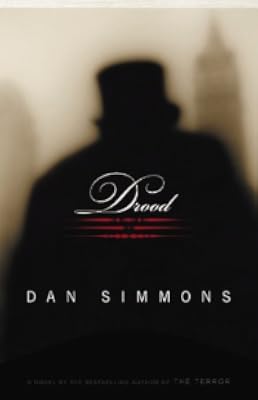
Drood: A Novel
by Dan Simmons
On This Page
Description
Fiction. Thriller. On June 9, 1865, while traveling by train to London with his secret mistress, 53-year-old Charles Dickens--at the height of his powers and popularity, the most famous and successful novelist in the world and perhaps in the history of the world--hurtled into a disaster that changed his life forever . Did Dickens begin living a dark double life after the accident? Were his nightly forays into the worst slums of London and his deepening obsession with corpses, crypts, murder, show more opium dens, the use of lime pits to dissolve bodies, and a hidden subterranean London mere research . . . or something more terrifying? Just as he did in The Terror , Dan Simmons draws impeccably from history to create a gloriously engaging and terrifying narrative. Based on the historical details of Charles Dickens's life and narrated by Wilkie Collins (Dickens's friend, frequent collaborator, and Salieri-style secret rival), DROOD explores the still-unsolved mysteries of the famous author's last years and may provide the key to Dickens's final, unfinished work: The Mystery of Edwin Drood. Chilling, haunting, and utterly original, DROOD is Dan Simmons at his powerful best. Bonus ebook included: Charles Dickens classic "The Signal-Man"- the haunting tale of a train worker tormented by ghostly predictions that is referenced in the novel. show lessTags
Recommendations
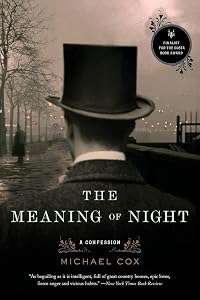
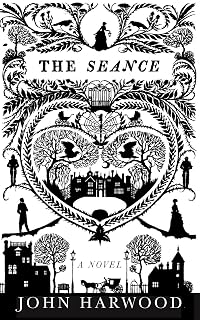
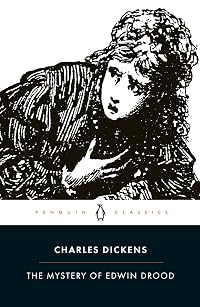
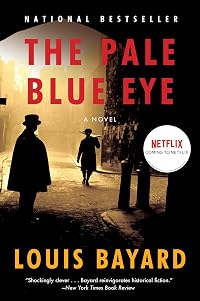
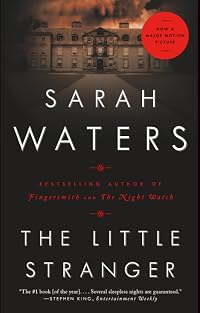
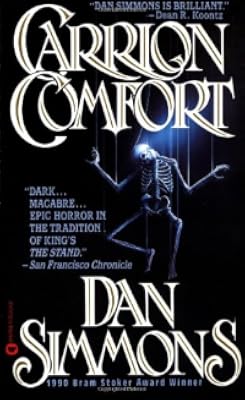
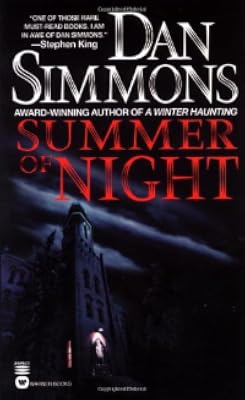


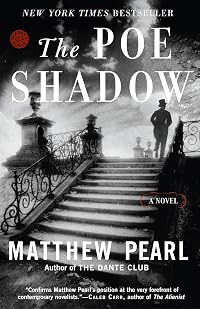

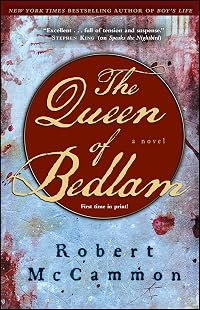
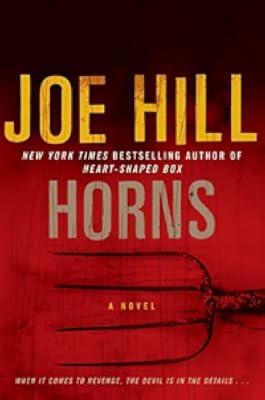
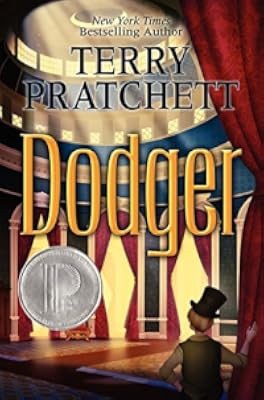
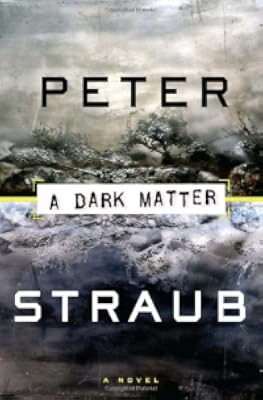





Member Recommendations
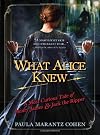
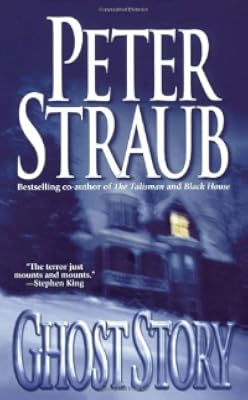
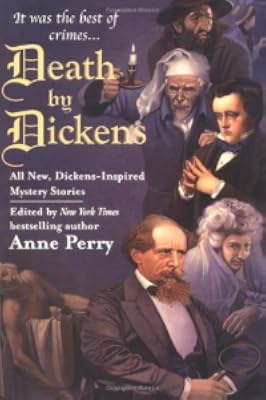
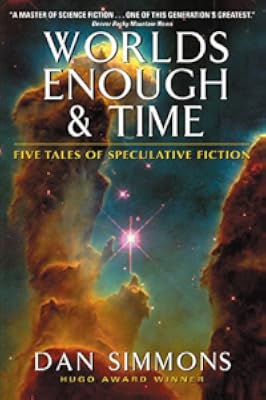
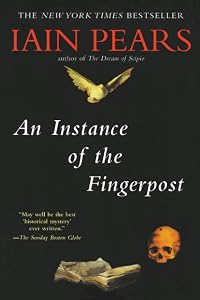
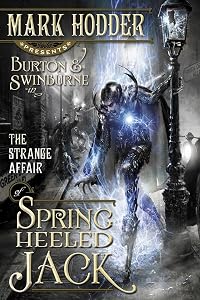
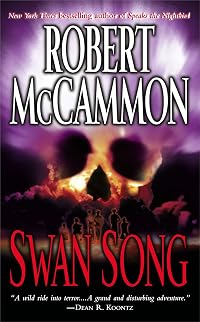
Caramellunacy Both are Gothic 'gaslight' thrillers featuring famous authors as protagonists. Drood is a macabre story of what ostensibly inspired Dickens to write his last unfinished novella (according to his ever-unreliable friend Wilkie Collins). What Alice Knew features the James siblings (psychologist William, author Henry and their invalid sister) as they attempt to puzzle out who is responsible for the Ripper murders.
30
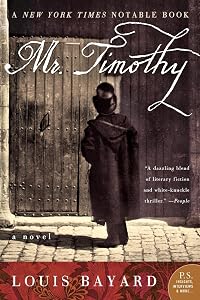
suzecate They're historical mystery/thriller set in Victorian England and involving Charles Dickens.
20
shellibrary This book has a very similar atmosphere and feel.
31
Runkst In both books, Simmons fictionalizes a famous writer and fits his story around the historical facts. (Drood: Charles Dickens, The Crook Factory: Ernest Hemingway)
SheReadsNovels This book is also set in the 19th century and written in the style of Charles Dickens or Wilkie Collins.
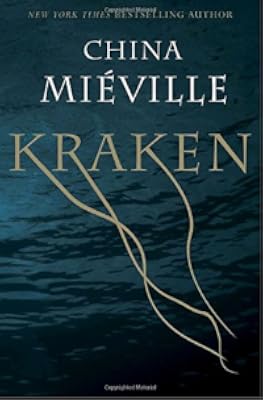
Reysbro Down below London...a fantasy tale taking place in London's Underworld / Undertown. Similar to the beginning of Drood with the descent beneath London's streets.
11
Member Reviews
Whoa. I have read quite a bit of Dan Simmons over the years, and truly enjoyed much of it, but this ... is dire. Really, really dire. The characters are flat, the action forced and preposterous. Everything is just that much too much, and in (to me) entirely muddle-headed directions of much-ness. Reading it, I feel like I'm wading through an Indiana Jones movie -- but one of the not-very-good ones like, say, Temple of Doom. No subtlety, no sense of truly *felt* reality. Can printed words be made with unconvincing CGI?
A small example is when, early in the book, narrator Wilkie Collins stops for a meal and tells the reader "[t]onight I decided to dine relatively lightly" -- then proceeds to list a ginormous number of dishes, courses, etc. show more Oh, ha, ha, ha. Very subtle humor: thump, thump, thump on the top of the head. Now imagine 800+ pages of such subtlety. It makes the MCU look positively urbane by comparison.
I have to put this one down and go over to my library to pull out something artful.
What happened here, Dan? show less
A small example is when, early in the book, narrator Wilkie Collins stops for a meal and tells the reader "[t]onight I decided to dine relatively lightly" -- then proceeds to list a ginormous number of dishes, courses, etc. show more Oh, ha, ha, ha. Very subtle humor: thump, thump, thump on the top of the head. Now imagine 800+ pages of such subtlety. It makes the MCU look positively urbane by comparison.
I have to put this one down and go over to my library to pull out something artful.
What happened here, Dan? show less
One of my all time favourite books. A fictional account told by Wilkie Collins about on the latter part of Charles Dickens' life which introduces a malignant, supernatural character known as Drood which inspires Dickens to compose his final novel.
A wonderful blend of fact and fiction, with Simmons keeping things cleverly veiled as Collins wonders whether Drood is real or an opium phantasm. A deep exploration of the relationship Dickens has with Collins his mistresses, but also the connection he had with the deeper underbelly of London - which is both haunting and beautifully described.
But what Simmons does best, is bring his historical charatcers to life and Dickens is perhaps his most triumphant achievement in this field, accurately show more bringing Dicken's eccentric and colourful personality out in way no other fiction or biography has captured.
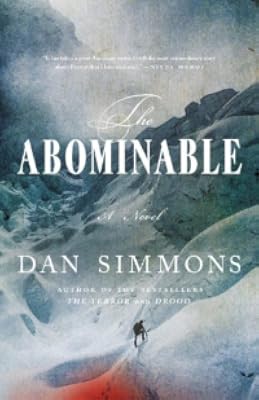
I love the Terror - a book I rate as one of the all time great novels - and found some value in The Abominable. But, Drood is perhaps the one that clicked the most with. A dark, brooding and gothic masterpiece, it's also a long, slow book which might not click with everyone, but one I felt more than earned its time with me. show less
A wonderful blend of fact and fiction, with Simmons keeping things cleverly veiled as Collins wonders whether Drood is real or an opium phantasm. A deep exploration of the relationship Dickens has with Collins his mistresses, but also the connection he had with the deeper underbelly of London - which is both haunting and beautifully described.
But what Simmons does best, is bring his historical charatcers to life and Dickens is perhaps his most triumphant achievement in this field, accurately show more bringing Dicken's eccentric and colourful personality out in way no other fiction or biography has captured.
I love the Terror - a book I rate as one of the all time great novels - and found some value in The Abominable. But, Drood is perhaps the one that clicked the most with. A dark, brooding and gothic masterpiece, it's also a long, slow book which might not click with everyone, but one I felt more than earned its time with me. show less
Opening Drood by Dan Simmons is like stepping into a time machine. I could almost feel the cobblestones of London’s back alleys beneath my feet and smell the overpowering stench of raw sewage draining into the Thames.
In June of 1865, world-famous author Charles Dickens and his mistress were among the few survivors of a horrific train crash. Simmons manages to weave this real-life event into a compelling and terrifying tale of murder, jealousy, ancient Egyptian magic and mesmerism.
Drood is narrated by Dickens’ fellow author, friend and sometimes rival Wilkie Collins. A laudanum addict, Collins is an unreliable narrator at best. Three days after the accident at Staplehurst, Dickens relates the harrowing experience to Collins. At the show more center of his tale is a mysterious man named Drood; a disfigured, wraith-like creature who seemed to float back and forth amongst the dead and dying victims of the crash. Was he rendering assistance to these unfortunate souls or hastening their departure from this mortal coil?
Dickens becomes obsessed with finding Drood, and this search will lead him and Collins into a labyrinthine world hidden below London's poorest districts. The horrors that await them there will change both of the authors – and their friendship – forever. Collins begins to wonder if Dickens has simply gone mad from the trauma he endured at Staplehurst or if he has fallen under the mesmeric influence of Drood, a man rumored to have killed over 300 people.
Victorian London is masterfully depicted; the sights, sounds and even smells seem to come alive and add a rich sense of atmosphere to this dark story.
The first 100 pages of Drood were slow-going for me, but they established a framework that was essential and very rewarding later in the book. I never knew what to expect with this story, and the shocking ending left me re-evaluating virtually every conclusion I'd come to over the length of the book. While it's still very early in 2009, I can certainly see Drood as one of my favorite reads of the year. show less
In June of 1865, world-famous author Charles Dickens and his mistress were among the few survivors of a horrific train crash. Simmons manages to weave this real-life event into a compelling and terrifying tale of murder, jealousy, ancient Egyptian magic and mesmerism.
Drood is narrated by Dickens’ fellow author, friend and sometimes rival Wilkie Collins. A laudanum addict, Collins is an unreliable narrator at best. Three days after the accident at Staplehurst, Dickens relates the harrowing experience to Collins. At the show more center of his tale is a mysterious man named Drood; a disfigured, wraith-like creature who seemed to float back and forth amongst the dead and dying victims of the crash. Was he rendering assistance to these unfortunate souls or hastening their departure from this mortal coil?
Dickens becomes obsessed with finding Drood, and this search will lead him and Collins into a labyrinthine world hidden below London's poorest districts. The horrors that await them there will change both of the authors – and their friendship – forever. Collins begins to wonder if Dickens has simply gone mad from the trauma he endured at Staplehurst or if he has fallen under the mesmeric influence of Drood, a man rumored to have killed over 300 people.
Victorian London is masterfully depicted; the sights, sounds and even smells seem to come alive and add a rich sense of atmosphere to this dark story.
The first 100 pages of Drood were slow-going for me, but they established a framework that was essential and very rewarding later in the book. I never knew what to expect with this story, and the shocking ending left me re-evaluating virtually every conclusion I'd come to over the length of the book. While it's still very early in 2009, I can certainly see Drood as one of my favorite reads of the year. show less
A coffee review for the shop I work for. I've been a fan of Simmons since I read Hyperion way back when. This isn't quite as good as last years' The Terror, but it's terrifically ambitious and clever.
This blockbuster historical novel, set over the final years in the life of Charles Dickens, is an intricate, psychological thriller, a puzzling examination of madness and literary rivalry, sometimes comic, sometimes horrific. Narrated by Wilkie Collins, remembered today as the author of The Moonstone and The Woman In White, generally regarded as the precursors of the modern mystery novel, who is Dickens’ friend and, in his own mind, equal, Drood opens with an account of a terrifying rail crash in which Dickens was a passenger and show more survivor. Moving amongst the dead and dying, Dickens encounters a terrible, spectral figure in black who introduces himself as ‘Drood.’ Dickens proceeds to search for this disfigured creature through the slums and sewers of London, dragging a reluctant Collins along in his wake.
This is merely the opening of a long and strange odyssey. As Dickens appears to lose interest in Drood, Collins finds himself ensnared in a strange underworld, addicted to opium, labouring under the shadow of one of the greatest of literary geniuses, he becomes obsessive, paranoid and possibly delusional.
Dan Simmons is best known for his science fiction, but he has also been known to dip into crime and horror. Drood bears more of a resemblance to his previous book, The Terror, an extraordinary fictionalised account of a doomed Arctic expedition stalked by a supernatural monster. Drood has a pair of doomed authors stalked by a gothic villain.
Collins’ pungent narration lays bare Dickens, warts and all, a selfish egoist with a mean, angry streak, yet also kind and generous to a fault, and capable of the most amazing acts of courage and sacrifice. Despite acute mental and physical suffering, Dickens embarks on a gruelling series of reading tours that exact an appalling toll, yet Dickens displays a superhuman strength of will throughout.
At 800 pages, Drood is a long read, but one that engages on several levels and keeps the reader guessing until the final pages. Terrific, intelligent entertainment. show less
This blockbuster historical novel, set over the final years in the life of Charles Dickens, is an intricate, psychological thriller, a puzzling examination of madness and literary rivalry, sometimes comic, sometimes horrific. Narrated by Wilkie Collins, remembered today as the author of The Moonstone and The Woman In White, generally regarded as the precursors of the modern mystery novel, who is Dickens’ friend and, in his own mind, equal, Drood opens with an account of a terrifying rail crash in which Dickens was a passenger and show more survivor. Moving amongst the dead and dying, Dickens encounters a terrible, spectral figure in black who introduces himself as ‘Drood.’ Dickens proceeds to search for this disfigured creature through the slums and sewers of London, dragging a reluctant Collins along in his wake.
This is merely the opening of a long and strange odyssey. As Dickens appears to lose interest in Drood, Collins finds himself ensnared in a strange underworld, addicted to opium, labouring under the shadow of one of the greatest of literary geniuses, he becomes obsessive, paranoid and possibly delusional.
Dan Simmons is best known for his science fiction, but he has also been known to dip into crime and horror. Drood bears more of a resemblance to his previous book, The Terror, an extraordinary fictionalised account of a doomed Arctic expedition stalked by a supernatural monster. Drood has a pair of doomed authors stalked by a gothic villain.
Collins’ pungent narration lays bare Dickens, warts and all, a selfish egoist with a mean, angry streak, yet also kind and generous to a fault, and capable of the most amazing acts of courage and sacrifice. Despite acute mental and physical suffering, Dickens embarks on a gruelling series of reading tours that exact an appalling toll, yet Dickens displays a superhuman strength of will throughout.
At 800 pages, Drood is a long read, but one that engages on several levels and keeps the reader guessing until the final pages. Terrific, intelligent entertainment. show less
I feel I should begin this post with a caveat. Anyone who knows my reading habits well knows that I am a very serious Charles Dickens fan. As far as I’m concerned, he is the standard to which all other authors are compared. One of my best days while studying in London was the day I visited his house (now a museum) and spent the afternoon gaping at his belongings. So. Take this under advisement when considering my thoughts about Drood.
Several months ago, I read an article about two new books that attempted to address the many lingering questions behind Dickens’ unfinished The Mystery of Edwin Drood. Intrigued, I decided to re-read The Mystery of Edwin Drood and then read the new books to see how they did in solving the real mystery show more of Edwin Drood.
Drood is narrated by Wilkie Collins (of The Woman in White fame), Dickens’ crony and relative by marriage. At its core, Drood is a historical thriller set in the last five years of Dickens’ life. Collins reveals the mysterious character of Drood who haunts Dickens and influences his personal and career decisions. Full of jealousy and opium, slums and literature, it becomes a wild ride through London’s forgotten tunnels and a bizarre, occultish underworld.
I rated the first book, The Last Dickens, a 1.5 of 5 because the story was thin and the writing needed some serious editing help. I’m giving Drood slightly more, only because the writing was actually quite well done. The story and the characters, however, made me want to abandon the book about 300 pages into the tome. (Yes, tome. This book was 777 pages long – about 400 pages too many.)
This book should have been titled ‘Collins,’ because it was almost entirely about him, his struggles with opium addiction, and his own growing obsession with Drood and Dickens. Dickens himself flits in and out of the story and Drood… Well, Drood becomes a primary character in several occult-centered scenes that I found deeply disturbing and overly done. I could go on about everything I disliked about this book, but I’ll keep this short:
It was unnecessarily long. The story repeatedly started and sputtered out for the first 400 pages. Many of the plot elements were contrived and ridiculous to the point of outright laughter. And most importantly – the ending, which was the sole chance the book had at redeeming itself, was so dissatisfying that I slammed my book shut in anger.
I imagine that fans of the thriller genre would really enjoy this book. And people who have less emotional attachment might not feel as cheated as I did by this book. But for me, I still consider the mystery of Edwin Drood to be fixedly unsolved.
http://decklededges.wordpress.com/2009/07/08/review-drood/ show less
Several months ago, I read an article about two new books that attempted to address the many lingering questions behind Dickens’ unfinished The Mystery of Edwin Drood. Intrigued, I decided to re-read The Mystery of Edwin Drood and then read the new books to see how they did in solving the real mystery show more of Edwin Drood.
Drood is narrated by Wilkie Collins (of The Woman in White fame), Dickens’ crony and relative by marriage. At its core, Drood is a historical thriller set in the last five years of Dickens’ life. Collins reveals the mysterious character of Drood who haunts Dickens and influences his personal and career decisions. Full of jealousy and opium, slums and literature, it becomes a wild ride through London’s forgotten tunnels and a bizarre, occultish underworld.
I rated the first book, The Last Dickens, a 1.5 of 5 because the story was thin and the writing needed some serious editing help. I’m giving Drood slightly more, only because the writing was actually quite well done. The story and the characters, however, made me want to abandon the book about 300 pages into the tome. (Yes, tome. This book was 777 pages long – about 400 pages too many.)
This book should have been titled ‘Collins,’ because it was almost entirely about him, his struggles with opium addiction, and his own growing obsession with Drood and Dickens. Dickens himself flits in and out of the story and Drood… Well, Drood becomes a primary character in several occult-centered scenes that I found deeply disturbing and overly done. I could go on about everything I disliked about this book, but I’ll keep this short:
It was unnecessarily long. The story repeatedly started and sputtered out for the first 400 pages. Many of the plot elements were contrived and ridiculous to the point of outright laughter. And most importantly – the ending, which was the sole chance the book had at redeeming itself, was so dissatisfying that I slammed my book shut in anger.
I imagine that fans of the thriller genre would really enjoy this book. And people who have less emotional attachment might not feel as cheated as I did by this book. But for me, I still consider the mystery of Edwin Drood to be fixedly unsolved.
http://decklededges.wordpress.com/2009/07/08/review-drood/ show less
I have to say: WTF? Is this story a portrait of a drug-addled idjit falling into madness, or a story of the supernatural? I'm still not quite sure.
If the book had been 200 pages shorter, I would have been able to pay more attention but I just couldn't. Everyone was so spectacularly unpleasant I just had to get this out of the way as quickly as I could, once I'd committed all the time I put into plowing through the dense thickets of verbiage. I never expected to come out of this one with a steaming hatred for kind old Uncle Charlie, tenderhearted Victorian bard. Wilkie Collins was enjoyable as narrator, at first, but by the end of the book I would have jumped at the chance to drown him in the quicklime pit my own self so he would finally show more quit praising himself for "The Moonstone" and "The Woman in White."
Actually, this version of Wilkie reminded me of the selfish anti-hero of "The Crimson Petal" by Michel Faber. Surrounded by luxury, waited on hand and foot, he whines and complains and feels sorry for himself whilst behaving abominably to all around him, thinking that none may hold him accountable The sort of man who truly deserves to have a hippopotamus sit on his ribs until his foul breathing is stilled. show less
If the book had been 200 pages shorter, I would have been able to pay more attention but I just couldn't. Everyone was so spectacularly unpleasant I just had to get this out of the way as quickly as I could, once I'd committed all the time I put into plowing through the dense thickets of verbiage. I never expected to come out of this one with a steaming hatred for kind old Uncle Charlie, tenderhearted Victorian bard. Wilkie Collins was enjoyable as narrator, at first, but by the end of the book I would have jumped at the chance to drown him in the quicklime pit my own self so he would finally show more quit praising himself for "The Moonstone" and "The Woman in White."
Actually, this version of Wilkie reminded me of the selfish anti-hero of "The Crimson Petal" by Michel Faber. Surrounded by luxury, waited on hand and foot, he whines and complains and feels sorry for himself whilst behaving abominably to all around him, thinking that none may hold him accountable The sort of man who truly deserves to have a hippopotamus sit on his ribs until his foul breathing is stilled. show less
Interesting take on the last days of Dickens. Collins is an interesting fellow. Addicted to opium, jealous, and in pain. It seems as if all the accomplishments of his life ended in vain. The ending is quite open to speculation. Was it all imagined or not? Wilkie does become quite despicable. But he is right about one thing. In the far future many of us
have never heard of him. But now that I have, I will pick up some of his work. I made it a point to read "The Mystery of Edwin Drood" before reading this. And I am glad that I did. Overall a good book, long and drawn out. It took some stamina to get through. But hey... if you can read something like Melmoth the Wanderer or The Count of Monte Cristo then this should be a piece of cake. I show more found a lot of similarities with Melmoth. A sledgehammer of a book. show less
have never heard of him. But now that I have, I will pick up some of his work. I made it a point to read "The Mystery of Edwin Drood" before reading this. And I am glad that I did. Overall a good book, long and drawn out. It took some stamina to get through. But hey... if you can read something like Melmoth the Wanderer or The Count of Monte Cristo then this should be a piece of cake. I show more found a lot of similarities with Melmoth. A sledgehammer of a book. show less
Members
- Recently Added By
Published Reviews
ThingScore 64
Se documentant énormément, lisant et relisant les œuvres des deux auteurs anglais, Simmons avoue s'être immergé dans son sujet jusqu'à ressentir le lien douloureux qui unissait les deux écrivains. Drood serait-il le roman le plus personnel de son auteur ? Lorsqu'on lui pose la question, Dan Simmons reste silencieux un long moment puis finit par acquiescer. Avec une lueur de fierté dans show more le regard. show less
added by corporate_clone
L’essentiel ne tient pas à l’enquête à la Sherlock Holmes sur Drood, avec un passage gratiné où les quinquagénaires Dickens et Collins traînent leurs guêtres dans un semblant d’Achéron nauséabond et où le second s’endort malgré tout. L’enjeu du livre passe par la voix nasillarde et risible de Collins, celle de l’auteur détruite par le laudanum et les visions, celle de show more l’envieux devant le génial. L’histoire fourmille de détails, le ton tient de l’époque. Et Drood force Dickens, comme Salieri Mozart, à lui écrire un roman. Drood, comme une métaphore du démon de l’écrivain. show less
added by corporate_clone
"Despite the odd mistake that only an American could make (describing Sir Walter Scott as “an English writer”, for instance), Simmons has taken great pains to make his backdrop of everyday Victorian life convincing. This is a rich and strange book, and the pages fly by."
added by bookfitz
Lists

Historical Fiction
889 works; 91 members

Unreliable Narrators
170 works; 43 members

Gaslamp Fantasy
87 works; 15 members

seedy victorian novels
16 works; 4 members

100 Hemskaste
81 works; 1 member

To Read
617 works; 7 members

Fiction With Familiar Settings
280 works; 93 members
Talk Discussions
Past Discussions
Would you Drood with me? *Spoilers May Lurk Here* in The Green Dragon (May 2024)
Author Information

135+ Works 69,845 Members
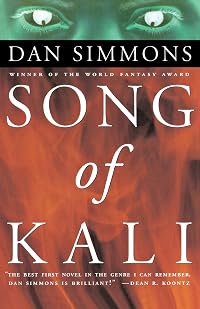
Science fiction writer Dan Simmons was born in East Peoria, Illinois in 1948. He graduated from Wabash College in 1970 and received an M. A. from Washington University the following year. Simmons was an elementary school teacher and worked in the education field for a decade, including working to develop a gifted education program. His first show more successful short story was won a contest and was published in 1982. His first novel, Song of Kali, won a World Fantasy Award, and Simmons has also won a Theodore Sturgeon Award for short fiction, four Bram Stoker Awards, and eight Locus Awards. He is also the author of the Hyperion series, and Simmons and his work have been compared to Herbert's Dune and Asimov's Foundation series. (Bowker Author Biography) show less
Some Editions
Awards and Honors
Awards
Work Relationships
Was inspired by
Common Knowledge
- Canonical title*
- Drood
- Original title
- Drood
- Original publication date
- 2009-02-09
- People/Characters
- Charles Dickens; Wilkie Collins; Drood; Ellen Ternan
- Important places
- London, England, UK
- Epigraph
- "What brought good Wilkie's genius nigh perdition? Some demon whispered - 'Wilkie! Have a mission.' " - A.C. Swinburne, Fortnightly Review, Nov., 1889
- First words
- My name is Wilkie Collins, and my guess, since I plan to delay publication of this document for at least a century and a quarter beyond the date of my demise, is that you do not recognise my name.
- Quotations
- "Drood levitated."
All those thousands upon thousands of days and nights of writing--writing through unspeakable pain and intolerable loneliness and in utter dread--and you...Reader...have not read or been in the audience for any one of them.
To hell with it. To hell with you. - Last words
- (Click to show. Warning: May contain spoilers.)Forty-five minutes remain before all this comes to pass - before I send the note to Frank Beard and the Others arrive before he does - but already it is painful and terrible and intolerable and unintelligible. Unintelligible.
- Blurbers
- Keller, Julia; King, Stephen; Bayard, Louis; Constant, Paul; del Torro, Guillermo
- Original language
- English US
*Some information comes from Common Knowledge in other languages. Click "Edit" for more information.
Classifications
- Genres
- Fiction and Literature, Horror, Historical Fiction, Fantasy, Mystery, General Fiction
- DDC/MDS
- 813.54 — Literature & rhetoric American literature in English American fiction in English 1900-1999 1945-1999
- LCC
- PS3569 .I47292 .D76 — Language and Literature American literature American literature Individual authors 1961-
- BISAC
Statistics
- Members
- 3,264
- Popularity
- 5,269
- Reviews
- 169
- Rating
- (3.47)
- Languages
- 9 — Czech, Dutch, English, French, German, Italian, Polish, Romanian, Spanish
- Media
- Paper, Audiobook, Ebook
- ISBNs
- 34
- ASINs
- 15
