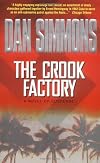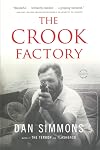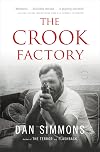
The Crook Factory
by Dan Simmons
On This Page
Description
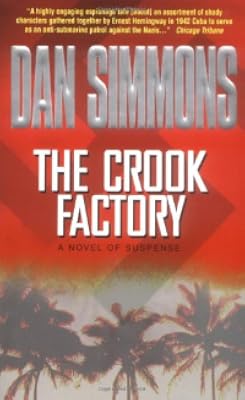
It's the summer of 1942, and FBI agent Joe Lucas has come to Cuba at the behest of the Director to keep an eye on Ernest Hemingway in the Caribbean. Lucas thinks of it as a demotion-a babysitting job for a famous writer who has decided to play spy, assembling a team of misfits including an American millionaire, a twelve-year-old Cuban orphan, a Spanish jai alai champion and more in a would-be espionage ring Hemingway dubs the "Crook Factory." But when Hemingway uncovers a critical piece of show more intelligence that both threatens his life and endangers the political landscape, the fate of the free world and the life of one of its most preeminent writers lies in the hands of the FBI's most ruthless agent. show lessTags
Recommendations
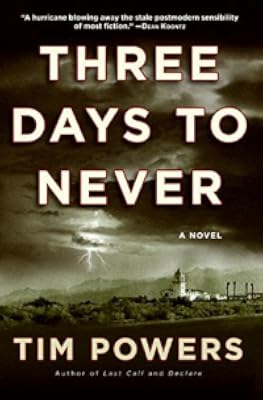

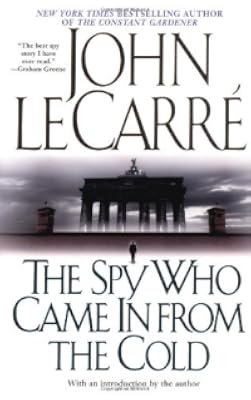
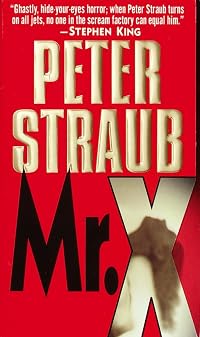
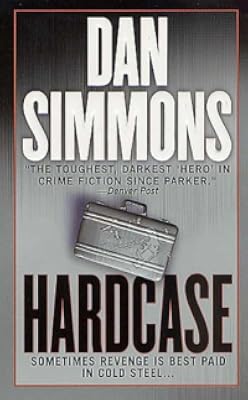







Member Recommendations
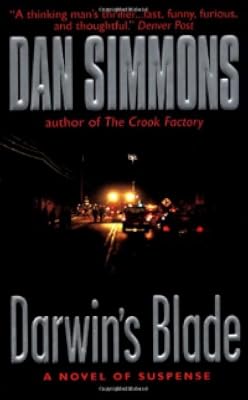
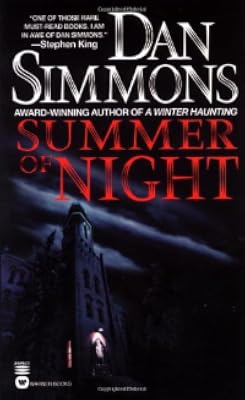
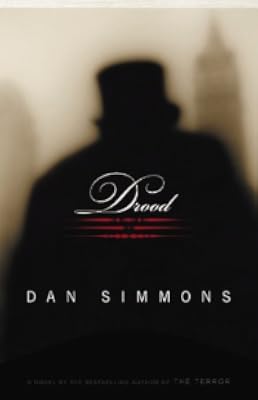
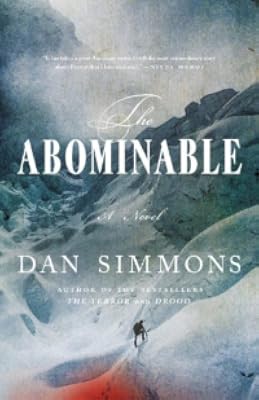
Runkst In both books, Simmons fictionalizes a famous writer and fits his story around the historical facts. (Drood: Charles Dickens, The Crook Factory: Ernest Hemingway)
Member Reviews
Another Simmons history novel. And a very good one at that. Simmons has a unique method of placing a fictional character into something that may or not have happened. Usually the story is told by that fictional character in their final years. The Crook Factory is a solid page turner. A true love letter to Hemingway who is probably one of the most misunderstood writers of the 20th century. Simmons is a true magician with plot and subtext. The more of his material I read the higher I put him on the literary food chain. It seems he is able to get more out of a story than his contemporaries. The conversation our protagonist with has with EH about not wanting to end a story is a beyond brilliant way of Simmons telling his audience....."You show more want a story...well, I am going to give you the whole thing and then some. show less
OMG. Okay, let's face it. Dan Simmons is a consummate author. Consummate because he does a TON of fantastic research, thorough follow-through, and fantastic characters. Not only that, but he happens to have been one of my favorite authors ever since I read Hyperion back in the day. Since then, he's equally well-known as a hard-SF writer and an epic horror novelist, equally good in either branch....
But then something weird happened. He's been writing historical novels. I didn't quite realize this until now, which makes me kinda an idiot. I read Drood which was all about Dickens and Wilkie Collins, and then there's the Terror and THIS novel. And there's more, obviously.
I'm ... frankly blown away. Drood was everything in Victorian England. show more This was utterly WWII Cuba. :) HEMINGWAY, FOLKS! As the author names it, 95% of everything in this novel is true, and whatever narrative liberties he makes, it's all for the good.
Ernest Hemingway ran his own spy ring fighting the Nazis in Cuba. Notable persons involved in the tale are Hoover, Ian Flemming, Ingrid Bergman, Gary Cooper, a wide cast of real people I have no idea about, and it all makes for a rollickingly awesome spy tale. :)
For anyone who knows anything about Hemingway, he's a man's man with a lot of animal charisma that shines through not just his fantastic prose, but in his real-life actions. It would be super easy to go on and on about the man, but that's just it. He had a really fascinating life.
Many wives, a lost briefcase of all his early short stories, getting shot up in wars, serving as war correspondents and an ambulance driver, being a huge part of the Lost Generation, being an expatriate, and generally being a superstar literary genius. To be treated with a novelization of his spy ring, tho? The Crook Factory? ...Is something truly extraordinary. :)
But I should mention that this will only appeal to fans of Hemingway, spy fiction in general, WWII buffs, and the positively curious. Otherwise, all this name dropping focus on the man will go to waste. Alas.
Good thing I'm a fan of everything that went on here, right? :) show less
But then something weird happened. He's been writing historical novels. I didn't quite realize this until now, which makes me kinda an idiot. I read Drood which was all about Dickens and Wilkie Collins, and then there's the Terror and THIS novel. And there's more, obviously.
I'm ... frankly blown away. Drood was everything in Victorian England. show more This was utterly WWII Cuba. :) HEMINGWAY, FOLKS! As the author names it, 95% of everything in this novel is true, and whatever narrative liberties he makes, it's all for the good.
Ernest Hemingway ran his own spy ring fighting the Nazis in Cuba. Notable persons involved in the tale are Hoover, Ian Flemming, Ingrid Bergman, Gary Cooper, a wide cast of real people I have no idea about, and it all makes for a rollickingly awesome spy tale. :)
For anyone who knows anything about Hemingway, he's a man's man with a lot of animal charisma that shines through not just his fantastic prose, but in his real-life actions. It would be super easy to go on and on about the man, but that's just it. He had a really fascinating life.
Many wives, a lost briefcase of all his early short stories, getting shot up in wars, serving as war correspondents and an ambulance driver, being a huge part of the Lost Generation, being an expatriate, and generally being a superstar literary genius. To be treated with a novelization of his spy ring, tho? The Crook Factory? ...Is something truly extraordinary. :)
But I should mention that this will only appeal to fans of Hemingway, spy fiction in general, WWII buffs, and the positively curious. Otherwise, all this name dropping focus on the man will go to waste. Alas.
Good thing I'm a fan of everything that went on here, right? :) show less
Based on the real-life story of Ernest Hemingway's amateur spy ring in Cuba during the Second World War, *The Crook Factory* is Dan Simmons' fictionalized version of the events that took place in 1942-43 in and around Hemingway's Cuban villa.
]It is meticulously researched and a good story, but it fell flat for me in a couple of ways. First, there are a few too many winks at the reader, statements made by characters of the mid-20th century that any reader in the 21st century would know to be wrong. One particularly clunky example:
"'Rather more [J Edgar Hoover's] style to haul you up in front of a Senate committee investigating Communist infiltration and discredit you or send you to jail'
'There's no such thing as a witch-hunt committee show more like that,' said Hemingway."
Second, it felt at times that nothing of what Simmons found in the archives was left out of the book. The story is fascinating, but the way it is presented, it is overburdened by detail and research. As he has Hemingway state at one point, "Only you have to avoid showing off... parading all the things you know like marching captured soldiers through the capitol."
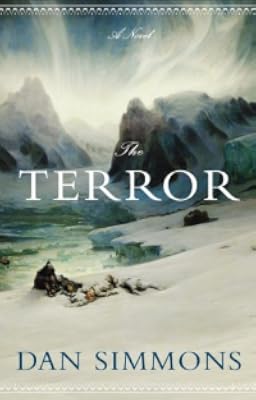
In his other historical fictions, *Drood* and *The Terror*, Simmons does an excellent job of not letting his research get in the way. *The Crook Factory* was originally published in 1999 (this is a re-release by Mulholland Books), and maybe, by the time he wrote the later novels, Simmons learned how to incorporate his research more naturally into the narrative.
Perhaps the best review is done by the narrator himself. At the end of the book, he is reflecting on his time with Hemingway, and the best way to write about it. "In later years, Hemingway was quoted as saying that a novel was like an iceberg--seven-eighths of it should be invisible.... I knew that I would never be good enough as a writer to tell the story that way." show less
]It is meticulously researched and a good story, but it fell flat for me in a couple of ways. First, there are a few too many winks at the reader, statements made by characters of the mid-20th century that any reader in the 21st century would know to be wrong. One particularly clunky example:
"'Rather more [J Edgar Hoover's] style to haul you up in front of a Senate committee investigating Communist infiltration and discredit you or send you to jail'
'There's no such thing as a witch-hunt committee show more like that,' said Hemingway."
Second, it felt at times that nothing of what Simmons found in the archives was left out of the book. The story is fascinating, but the way it is presented, it is overburdened by detail and research. As he has Hemingway state at one point, "Only you have to avoid showing off... parading all the things you know like marching captured soldiers through the capitol."
In his other historical fictions, *Drood* and *The Terror*, Simmons does an excellent job of not letting his research get in the way. *The Crook Factory* was originally published in 1999 (this is a re-release by Mulholland Books), and maybe, by the time he wrote the later novels, Simmons learned how to incorporate his research more naturally into the narrative.
Perhaps the best review is done by the narrator himself. At the end of the book, he is reflecting on his time with Hemingway, and the best way to write about it. "In later years, Hemingway was quoted as saying that a novel was like an iceberg--seven-eighths of it should be invisible.... I knew that I would never be good enough as a writer to tell the story that way." show less
 This review was written for LibraryThing Early Reviewers.
An interesting thing about this fictional account of Ernest Hemingway’s amateur intelligence gathering, spy-catching and German submarine-hunting operation in Cuba during the early years of WWII is that it is “all the more incredible for being 95 percent true,” according to the author, Dan Simmons.
FBI Special Agent Joe Lucas is a South American specialist with a reputation for killing. He is summoned from Mexico City for an audience before J. Edgar Hoover, the Director. Hoover wants Lucas to get close to Hemingway and report back to Hoover about his activities.
Lucas becomes integral to Hemingway’s “Crook Factory” and lends his expertise to the cause. Despite his mixed feelings, Lucas comes to grudgingly admire Hemingway and show more his operation. There is also the intrigue and interaction of the German, U.S., British and Cuban intelligence and law enforcement agencies on the island.
The mix of fiction and historical reality, along with some sound writing, makes this an intriguing and well-paced thriller. show less
FBI Special Agent Joe Lucas is a South American specialist with a reputation for killing. He is summoned from Mexico City for an audience before J. Edgar Hoover, the Director. Hoover wants Lucas to get close to Hemingway and report back to Hoover about his activities.
Lucas becomes integral to Hemingway’s “Crook Factory” and lends his expertise to the cause. Despite his mixed feelings, Lucas comes to grudgingly admire Hemingway and show more his operation. There is also the intrigue and interaction of the German, U.S., British and Cuban intelligence and law enforcement agencies on the island.
The mix of fiction and historical reality, along with some sound writing, makes this an intriguing and well-paced thriller. show less
This review was written for LibraryThing Early Reviewers.Think what you might about Ernest Hemingway’s writing, personality, attitude toward women, etc., there is no denying that the man lived life to the fullest. And, of course, he went out with a bang, further ensuring his legendary status in the world of American literature. But, as detailed in the Dan Simmons novel, The Crook Factory, there is much more to the Hemingway life story than most realize.
Lest readers be left wondering how much of the novel is based on fact, Simmons adds this clarifying note at the end of the book: “The incredible story of Ernest Hemingway’s Cuban spy-catching, submarine-chasing, World War II adventures in my new novel, The Crook Factory, is – I think – all the more incredible for being 95 percent show more true.” He then goes through a list of plot twists and main characters that are based on “confirmed fact.”
Fictional FBI man Joe Lucas, under direct orders from J. Edgar Hoover, is in Cuba to keep tabs on Hemingway and the little network of spies Hemingway is running there. Hemingway, although he is a little suspicious of Lucas, only knows that the U.S. ambassador to Cuba will not approve the operation unless Lucas is part of the team. He is not particularly happy to have Lucas on board, and, in turn, Lucas is unhappy because he thinks he has been assigned simply to “babysit” Hemingway long enough to keep him out of trouble – or from embarrassing the U.S. government.
But then people start dying. And everything changes. In this world of agents, double-agents, traitors, and professional killers, all Lucas knows is that someone wants Ernest Hemingway – and him- very, very dead. Now, if he can figure out why, he might be able to save both their lives.
The Crook Factory is a superb World War II thriller that will, I think, leave the reader with a new appreciation for just what a wild man Ernest Hemingway really was. Its seamless blending of fact and fiction includes appearances by the likes of: Gary Cooper, Marlene Dietrich, Ingrid Bergman, Hoover, John F. Kennedy, Ian Fleming, and other figures from both sides of the war.
The author’s account of Hemingway’s end is both so touching and so disturbing that readers will long remember it. That such a famous man could have been so ill-treated by the medical community and his own government is shocking. This, in combination with the incredible “missions” undertaken by Hemingway’s Crook Factory, make for engrossing reading.
I do, however, have one word of warning. The story involves a tremendous amount of infighting between Hoover’s FBI and the other intelligence agencies of the U.S. and Britain, and Simmons spends way too many pages explaining how it all happens - and why. Several long sections within the book’s first two hundred pages read more like mind-numbing pages from a bad history textbook than like content from a war thriller. But don’t give up because the last 350 pages or so will greatly reward your patience.
Rated at: 4.0 show less
Lest readers be left wondering how much of the novel is based on fact, Simmons adds this clarifying note at the end of the book: “The incredible story of Ernest Hemingway’s Cuban spy-catching, submarine-chasing, World War II adventures in my new novel, The Crook Factory, is – I think – all the more incredible for being 95 percent show more true.” He then goes through a list of plot twists and main characters that are based on “confirmed fact.”
Fictional FBI man Joe Lucas, under direct orders from J. Edgar Hoover, is in Cuba to keep tabs on Hemingway and the little network of spies Hemingway is running there. Hemingway, although he is a little suspicious of Lucas, only knows that the U.S. ambassador to Cuba will not approve the operation unless Lucas is part of the team. He is not particularly happy to have Lucas on board, and, in turn, Lucas is unhappy because he thinks he has been assigned simply to “babysit” Hemingway long enough to keep him out of trouble – or from embarrassing the U.S. government.
But then people start dying. And everything changes. In this world of agents, double-agents, traitors, and professional killers, all Lucas knows is that someone wants Ernest Hemingway – and him- very, very dead. Now, if he can figure out why, he might be able to save both their lives.
The Crook Factory is a superb World War II thriller that will, I think, leave the reader with a new appreciation for just what a wild man Ernest Hemingway really was. Its seamless blending of fact and fiction includes appearances by the likes of: Gary Cooper, Marlene Dietrich, Ingrid Bergman, Hoover, John F. Kennedy, Ian Fleming, and other figures from both sides of the war.
The author’s account of Hemingway’s end is both so touching and so disturbing that readers will long remember it. That such a famous man could have been so ill-treated by the medical community and his own government is shocking. This, in combination with the incredible “missions” undertaken by Hemingway’s Crook Factory, make for engrossing reading.
I do, however, have one word of warning. The story involves a tremendous amount of infighting between Hoover’s FBI and the other intelligence agencies of the U.S. and Britain, and Simmons spends way too many pages explaining how it all happens - and why. Several long sections within the book’s first two hundred pages read more like mind-numbing pages from a bad history textbook than like content from a war thriller. But don’t give up because the last 350 pages or so will greatly reward your patience.
Rated at: 4.0 show less
This review was written for LibraryThing Early Reviewers.Dan Simmons has written a number of fantastic books - some of my favorites are Hyperion, Illium, and Flashback, mostly in the Science Fiction realm. But he's wide ranging - Drood was a widely regarded novel based on the life of Charles Dickens and he's also written various Horror novels.
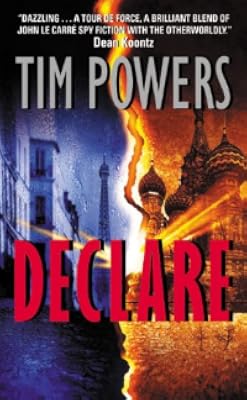
In The Crook Factory, Simmons tackles a fun meme - the semi-fictional novelization of little known or improbable events. This is territory that reminds me of one of Tim Powers' best novels, Declare, which somehow manages to put together Kim Philby (the super spy), Lawrence of Arabia, Djinn and Nazis. In this case Simmons isn't channeling the supernatural, just the world of 1940s Cuba and J Edgar Hoover - and yes Nazis and Marlene Dietrich too. Oh, and show more Ernest Hemingway.
Did you know that Hemingway was a spy? Me neither.
The Crook Factory plays out through the eyes of Joe Lucas, a fictional FBI agent with a history of bending the law and being the FBI's goto person when dirty tricks or semi legal activities are involved
Joe is sent to become part of, and spy on, Hemingway's burgeoning spy ring - the crook factory. Through Joe we meet, and become very close to, Ernest Hemingway - the writer, the lover, the prodigious drinker, the pugilist, the sentimentalist, the blowhard, the trickster. The novel renders Hemingway in amazing depth.
Joe and Ernest are off to fight the Nazis and sink subs (seriously), as well as the fighting off the local Cuban police while watching out for any number of competing intelligence agencies.
Crook factory is a great adventure and a fantastic history lesson all wrapped in one. Virtually all of the novel with the exception of Joe Lucas himself is well grounded in fact. I also gained a much more realized view of Hemingway the man (albeit fictionalized), and the book inspired me to return to some of Hemingway's novels (e.g. For Whom the Bell Tolls) with renewed appreciation.
If any of this sounds interesting, get The Crook Factory - you won't be sorry.
[I received a complimentary copy of The Crook Factory through the excellent LibraryThing Early Reviewers program.]. show less
In The Crook Factory, Simmons tackles a fun meme - the semi-fictional novelization of little known or improbable events. This is territory that reminds me of one of Tim Powers' best novels, Declare, which somehow manages to put together Kim Philby (the super spy), Lawrence of Arabia, Djinn and Nazis. In this case Simmons isn't channeling the supernatural, just the world of 1940s Cuba and J Edgar Hoover - and yes Nazis and Marlene Dietrich too. Oh, and show more Ernest Hemingway.
Did you know that Hemingway was a spy? Me neither.
The Crook Factory plays out through the eyes of Joe Lucas, a fictional FBI agent with a history of bending the law and being the FBI's goto person when dirty tricks or semi legal activities are involved
Joe is sent to become part of, and spy on, Hemingway's burgeoning spy ring - the crook factory. Through Joe we meet, and become very close to, Ernest Hemingway - the writer, the lover, the prodigious drinker, the pugilist, the sentimentalist, the blowhard, the trickster. The novel renders Hemingway in amazing depth.
Joe and Ernest are off to fight the Nazis and sink subs (seriously), as well as the fighting off the local Cuban police while watching out for any number of competing intelligence agencies.
Crook factory is a great adventure and a fantastic history lesson all wrapped in one. Virtually all of the novel with the exception of Joe Lucas himself is well grounded in fact. I also gained a much more realized view of Hemingway the man (albeit fictionalized), and the book inspired me to return to some of Hemingway's novels (e.g. For Whom the Bell Tolls) with renewed appreciation.
If any of this sounds interesting, get The Crook Factory - you won't be sorry.
[I received a complimentary copy of The Crook Factory through the excellent LibraryThing Early Reviewers program.]. show less
This review was written for LibraryThing Early Reviewers.Very engaging espionage thriller featuring the fictional exploits of none other than Ernest Hemingway who did in fact have a amateur spy ring in Cuba during WW2. Whadyaknow. Learn something new everyday. A FBI agent Joe Lucas is sent down to Cuba to act as Hemingway's assistant and report back essentially directly to the boss, J. Edgar Hoover. This, however, is only the tip of the ice berg as entanglements abound with German Spy rings, the British, the OSS (predecessor of the CIA.) Really difficult to keep it all straight.
However, the narrative was engaging and easy to get interested in even if all the characters and stories were hard to keep entirely straight. I did guess what I would call the big reveal. But in the end the real show more details behind the 'Crook Factory' were too convoluted to actually be scintillating. The book just felt too long, too detailed.
The novel does make one want to go back and read more Hemingway - who by the way is depicted very similarly to how I would picture him. I was glad that I read some of his novels esp. 'For whom the Bell Tolls.' Not completely necessary for understanding the book but I would say readers without any knowledge or interest in Hemingway might not be as interested.
Overall,this novel and Simmons in general writes great historical fiction thrillers (I am also thinking of 'The Terror' here.) Not fluff, but not exactly literary either. I would compare to maybe William Boyd, Barry Unsworth, T. Coraghessan Boyle. This novel keeps you reading and guessing but is for sure a bit sloppy and long-winded precluding a higher rating. As always I was thrilled to be chosen as an LT Early Reviewer, though don't quite understand the selection as it appears to have been published in 1999. show less
However, the narrative was engaging and easy to get interested in even if all the characters and stories were hard to keep entirely straight. I did guess what I would call the big reveal. But in the end the real show more details behind the 'Crook Factory' were too convoluted to actually be scintillating. The book just felt too long, too detailed.
The novel does make one want to go back and read more Hemingway - who by the way is depicted very similarly to how I would picture him. I was glad that I read some of his novels esp. 'For whom the Bell Tolls.' Not completely necessary for understanding the book but I would say readers without any knowledge or interest in Hemingway might not be as interested.
Overall,this novel and Simmons in general writes great historical fiction thrillers (I am also thinking of 'The Terror' here.) Not fluff, but not exactly literary either. I would compare to maybe William Boyd, Barry Unsworth, T. Coraghessan Boyle. This novel keeps you reading and guessing but is for sure a bit sloppy and long-winded precluding a higher rating. As always I was thrilled to be chosen as an LT Early Reviewer, though don't quite understand the selection as it appears to have been published in 1999. show less
This review was written for LibraryThing Early Reviewers.Members
- Recently Added By
Lists

Lives of the Poets (and Philosophers)
110 works; 5 members

Books Read in 2020
4,379 works; 124 members
Author Information

133+ Works 69,754 Members
Science fiction writer Dan Simmons was born in East Peoria, Illinois in 1948. He graduated from Wabash College in 1970 and received an M. A. from Washington University the following year. Simmons was an elementary school teacher and worked in the education field for a decade, including working to develop a gifted education program. His first show more successful short story was won a contest and was published in 1982. His first novel, Song of Kali, won a World Fantasy Award, and Simmons has also won a Theodore Sturgeon Award for short fiction, four Bram Stoker Awards, and eight Locus Awards. He is also the author of the Hyperion series, and Simmons and his work have been compared to Herbert's Dune and Asimov's Foundation series. (Bowker Author Biography) show less
Awards and Honors
Awards
Common Knowledge
- Canonical title
- The Crook Factory
- Original title
- The Crook Factory
- Original publication date
- 1999
- People/Characters
- Ernest Hemingway; Joe Lucas
- Important places
- Cuba
- Important events
- World War II
- First words
- He finally did it on a Sunday, July 2, 1961, up in Idaho, in a new house which, I suspect, meant little to him, but which had a view up a valley to the high peaks, down the valley to the river, and across the valley to a ceme... (show all)tery where friends were buried.
- Blurbers
- Iain Pears
Classifications
- Genres
- Fiction and Literature, Suspense & Thriller, Historical Fiction
- DDC/MDS
- 813.54 — Literature & rhetoric American literature in English American fiction in English 1900-1999 1945-1999
- LCC
- PS3569 .I47292 .C76 — Language and Literature American literature American literature Individual authors 1961-
- BISAC
Statistics
- Members
- 484
- Popularity
- 62,785
- Reviews
- 18
- Rating
- (3.81)
- Languages
- Danish, English, French, German
- Media
- Paper, Audiobook, Ebook
- ISBNs
- 16
- ASINs
- 9