

Candace Ward
Author of Great Short Stories by American Women
About the Author
Works by Candace Ward
Associated Works
Everyman and Other Miracle and Morality Plays (1995) — Editor, some editions — 603 copies, 4 reviews
Tagged
Common Knowledge
- Canonical name
- Ward, Candace
- Other names
- WARD, Susan Candace
WARD, Candace - Birthdate
- 1962-06-20
- Gender
- female
- Education
- University of Alabama (PhD ∙ English ∙ 1996)
University of Central Florida (MA)
University of Florida (BS) - Occupations
- university professor
scholar of English literature - Organizations
- Florida State University
- Awards and honors
- Fulbright Fellowship (University of the West Indies)
Postdoctoral fellowship (American Association of University Women) - Places of residence
- Tallahassee, Florida, USA
- Associated Place (for map)
- Florida, USA
Members
Reviews
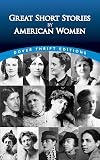
Life in the Iron-Mills by Rebecca Harding-Davis:
On the one hand, I loathe this story because it is so bleak, but on the other hand, this story is not only one of the best examples of Realism and industrialism in American literature, but it also has a lot to say about the nature of art, the nature of artists, and where and how art comes from, and also manages to cover the Nature of Humanity 101.
Transcendental Wild Oats by Louisa May Alcott:
I feel like the audience’s reaction was probably show more “HAHA THIS IS HILARIOUS LOOK AT THESE DUMB HIPPIES” but Alcott was like “No seriously this is way too real and needs to stop.” Sister Hope for the Iron Throne?
A White Heron by Sarah Orne Jewett:
I want to eat Jewett’s words right up. This story is surprisingly magical but in a “Let’s hunt magic down and kill it” sort of way.
A New England Nun by Mary E. Wilkins Freeman:
This is an odd one, about how promises can become cages and the things we think are cages are actually freedoms. I don’t know. I can never decide if I feel bad for Louisa or envious of her.
The Yellow Wall-Paper by Charlotte Perkins Gilman:
I had to read this one for school several times but it was never a chore. This story is terrifying in a quiet, escalating way. I love the juxtaposition between the freedom the character feels at the end and the fact that she’s more trapped than ever before. Perfect.
The Storm by Kate Chopin:
Oh, Kate. I can always count on you for socially heretical sexy adventures in a rainstorm.
The Angel at the Grave by Edith Wharton:
Another story where I’m not sure if we’re supposed to feel hopeful or not at the ending. Lots of sacrifice on the protagonist’s part ends with ambiguous pay-off. Or was she really sacrificing anything? I CAN’T DECIDE.
Paul’s Case by Willa Cather:
Paul takes the line “All the world’s a stage, and all the men and women in it merely players” a little TOO SERIOUSLY. I love how it both upholds and condemns the maxim “Money can’t buy happiness.”
The Stones of the Village by Alice Dunbar-Nelson:
A story about passing for what you are not and getting some of what you want but never WHAT YOU NEED.
A Jury of Her Peers by Susan Glaspell:
One of my favorite short stories of all time. A man has died and while the male officials investigate, their wives discuss the matter. FLAWLESS. PERFECT. Please read it.
Smoke by Djuna Barnes:
I didn’t really get it but I expect that’s my own fault and not the story’s.
Sweat by Zora Neale Hurston:
I really struggle with reading dialects, but this was a good suspenseful story with a twist and some really good images. Bad marriages and bad snakes. SNAKES, MAN.
Sanctuary by Nella Larsen:
This story gave me chills all over my body. Sometimes you think you’re safe and you realize you’ve picked the absolute worst place to hide ever. This was definitely one of my favorites. show less
On the one hand, I loathe this story because it is so bleak, but on the other hand, this story is not only one of the best examples of Realism and industrialism in American literature, but it also has a lot to say about the nature of art, the nature of artists, and where and how art comes from, and also manages to cover the Nature of Humanity 101.
Transcendental Wild Oats by Louisa May Alcott:
I feel like the audience’s reaction was probably show more “HAHA THIS IS HILARIOUS LOOK AT THESE DUMB HIPPIES” but Alcott was like “No seriously this is way too real and needs to stop.” Sister Hope for the Iron Throne?
A White Heron by Sarah Orne Jewett:
I want to eat Jewett’s words right up. This story is surprisingly magical but in a “Let’s hunt magic down and kill it” sort of way.
A New England Nun by Mary E. Wilkins Freeman:
This is an odd one, about how promises can become cages and the things we think are cages are actually freedoms. I don’t know. I can never decide if I feel bad for Louisa or envious of her.
The Yellow Wall-Paper by Charlotte Perkins Gilman:
I had to read this one for school several times but it was never a chore. This story is terrifying in a quiet, escalating way. I love the juxtaposition between the freedom the character feels at the end and the fact that she’s more trapped than ever before. Perfect.
The Storm by Kate Chopin:
Oh, Kate. I can always count on you for socially heretical sexy adventures in a rainstorm.
The Angel at the Grave by Edith Wharton:
Another story where I’m not sure if we’re supposed to feel hopeful or not at the ending. Lots of sacrifice on the protagonist’s part ends with ambiguous pay-off. Or was she really sacrificing anything? I CAN’T DECIDE.
Paul’s Case by Willa Cather:
Paul takes the line “All the world’s a stage, and all the men and women in it merely players” a little TOO SERIOUSLY. I love how it both upholds and condemns the maxim “Money can’t buy happiness.”
The Stones of the Village by Alice Dunbar-Nelson:
A story about passing for what you are not and getting some of what you want but never WHAT YOU NEED.
A Jury of Her Peers by Susan Glaspell:
One of my favorite short stories of all time. A man has died and while the male officials investigate, their wives discuss the matter. FLAWLESS. PERFECT. Please read it.
Smoke by Djuna Barnes:
I didn’t really get it but I expect that’s my own fault and not the story’s.
Sweat by Zora Neale Hurston:
I really struggle with reading dialects, but this was a good suspenseful story with a twist and some really good images. Bad marriages and bad snakes. SNAKES, MAN.
Sanctuary by Nella Larsen:
This story gave me chills all over my body. Sometimes you think you’re safe and you realize you’ve picked the absolute worst place to hide ever. This was definitely one of my favorites. show less
Life in the Iron-Mills by Rebecca Harding-Davis:
On the one hand, I loathe this story because it is so bleak, but on the other hand, this story is not only one of the best examples of Realism and industrialism in American literature, but it also has a lot to say about the nature of art, the nature of artists, and where and how art comes from, and also manages to cover the Nature of Humanity 101.
Transcendental Wild Oats by Louisa May Alcott:
I feel like the audience’s reaction was probably show more “HAHA THIS IS HILARIOUS LOOK AT THESE DUMB HIPPIES” but Alcott was like “No seriously this is way too real and needs to stop.” Sister Hope for the Iron Throne?
A White Heron by Sarah Orne Jewett:
I want to eat Jewett’s words right up. This story is surprisingly magical but in a “Let’s hunt magic down and kill it” sort of way.
A New England Nun by Mary E. Wilkins Freeman:
This is an odd one, about how promises can become cages and the things we think are cages are actually freedoms. I don’t know. I can never decide if I feel bad for Louisa or envious of her.
The Yellow Wall-Paper by Charlotte Perkins Gilman:
I had to read this one for school several times but it was never a chore. This story is terrifying in a quiet, escalating way. I love the juxtaposition between the freedom the character feels at the end and the fact that she’s more trapped than ever before. Perfect.
The Storm by Kate Chopin:
Oh, Kate. I can always count on you for socially heretical sexy adventures in a rainstorm.
The Angel at the Grave by Edith Wharton:
Another story where I’m not sure if we’re supposed to feel hopeful or not at the ending. Lots of sacrifice on the protagonist’s part ends with ambiguous pay-off. Or was she really sacrificing anything? I CAN’T DECIDE.
Paul’s Case by Willa Cather:
Paul takes the line “All the world’s a stage, and all the men and women in it merely players” a little TOO SERIOUSLY. I love how it both upholds and condemns the maxim “Money can’t buy happiness.”
The Stones of the Village by Alice Dunbar-Nelson:
A story about passing for what you are not and getting some of what you want but never WHAT YOU NEED.
A Jury of Her Peers by Susan Glaspell:
One of my favorite short stories of all time. A man has died and while the male officials investigate, their wives discuss the matter. FLAWLESS. PERFECT. Please read it.
Smoke by Djuna Barnes:
I didn’t really get it but I expect that’s my own fault and not the story’s.
Sweat by Zora Neale Hurston:
I really struggle with reading dialects, but this was a good suspenseful story with a twist and some really good images. Bad marriages and bad snakes. SNAKES, MAN.
Sanctuary by Nella Larsen:
This story gave me chills all over my body. Sometimes you think you’re safe and you realize you’ve picked the absolute worst place to hide ever. This was definitely one of my favorites. show less
On the one hand, I loathe this story because it is so bleak, but on the other hand, this story is not only one of the best examples of Realism and industrialism in American literature, but it also has a lot to say about the nature of art, the nature of artists, and where and how art comes from, and also manages to cover the Nature of Humanity 101.
Transcendental Wild Oats by Louisa May Alcott:
I feel like the audience’s reaction was probably show more “HAHA THIS IS HILARIOUS LOOK AT THESE DUMB HIPPIES” but Alcott was like “No seriously this is way too real and needs to stop.” Sister Hope for the Iron Throne?
A White Heron by Sarah Orne Jewett:
I want to eat Jewett’s words right up. This story is surprisingly magical but in a “Let’s hunt magic down and kill it” sort of way.
A New England Nun by Mary E. Wilkins Freeman:
This is an odd one, about how promises can become cages and the things we think are cages are actually freedoms. I don’t know. I can never decide if I feel bad for Louisa or envious of her.
The Yellow Wall-Paper by Charlotte Perkins Gilman:
I had to read this one for school several times but it was never a chore. This story is terrifying in a quiet, escalating way. I love the juxtaposition between the freedom the character feels at the end and the fact that she’s more trapped than ever before. Perfect.
The Storm by Kate Chopin:
Oh, Kate. I can always count on you for socially heretical sexy adventures in a rainstorm.
The Angel at the Grave by Edith Wharton:
Another story where I’m not sure if we’re supposed to feel hopeful or not at the ending. Lots of sacrifice on the protagonist’s part ends with ambiguous pay-off. Or was she really sacrificing anything? I CAN’T DECIDE.
Paul’s Case by Willa Cather:
Paul takes the line “All the world’s a stage, and all the men and women in it merely players” a little TOO SERIOUSLY. I love how it both upholds and condemns the maxim “Money can’t buy happiness.”
The Stones of the Village by Alice Dunbar-Nelson:
A story about passing for what you are not and getting some of what you want but never WHAT YOU NEED.
A Jury of Her Peers by Susan Glaspell:
One of my favorite short stories of all time. A man has died and while the male officials investigate, their wives discuss the matter. FLAWLESS. PERFECT. Please read it.
Smoke by Djuna Barnes:
I didn’t really get it but I expect that’s my own fault and not the story’s.
Sweat by Zora Neale Hurston:
I really struggle with reading dialects, but this was a good suspenseful story with a twist and some really good images. Bad marriages and bad snakes. SNAKES, MAN.
Sanctuary by Nella Larsen:
This story gave me chills all over my body. Sometimes you think you’re safe and you realize you’ve picked the absolute worst place to hide ever. This was definitely one of my favorites. show less
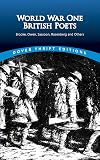
The First World War was immortalized by poets – some who were active participants, and others who waited while sons, husbands, friends, or lovers went to war. This brief collection is a representative sample of war poems by British authors, including a couple of women. The brief biographical sketch that precedes the work of each poet let me know instantly whether or not that poet survived the war. It is frustrating that a few of the bios mention poems that are not included in this show more collection. Possibly those poems are still under copyright and could not be included in the collection. (Dover seems to keep its prices low by republishing material in the public domain.)
Only a couple of poems were familiar to me before I read the collection: “The Soldier” by Rupert Brooke (If I should die, think only this of me: That there's some corner of a foreign field That is for ever England...) and “In Flanders Fields” by John McCrae. Of the new to me poems in the collection, the one that will linger most is “The Next War” by Robert Graves. I found it eerily prescient on this side of World War II:
You young friskies who today
Jump and fight in Father's hay
With bows and arrows and wooden spears,
Playing at Royal Welch Fusiliers,
Happy though these hours you spend,
Have they warned you how games end?... show less
Only a couple of poems were familiar to me before I read the collection: “The Soldier” by Rupert Brooke (If I should die, think only this of me: That there's some corner of a foreign field That is for ever England...) and “In Flanders Fields” by John McCrae. Of the new to me poems in the collection, the one that will linger most is “The Next War” by Robert Graves. I found it eerily prescient on this side of World War II:
You young friskies who today
Jump and fight in Father's hay
With bows and arrows and wooden spears,
Playing at Royal Welch Fusiliers,
Happy though these hours you spend,
Have they warned you how games end?... show less
World War One British Poets: Brooke, Owen, Sassoon, Rosenberg and Others (Unabridged) by Candace Ward
A small, but representative selection of poems by some of the great WWI poets (Sassoon, Owen, Graves, Brooke). While reading [Regeneration], I realized that I had never read a poem by Siegfried Sassoon and I found that a lack, so I pulled this slim volume off the shelf to read. It's amazing to me that I can read all I have been reading about WWI, and yet some of these poems made it more alive than anything else I've read. The power of poetry...
Lists
Poetry Corner (1)
You May Also Like


Associated Authors
Statistics
- Works
- 8
- Also by
- 12
- Members
- 995
- Popularity
- #25,893
- Rating
- 4.2
- Reviews
- 9
- ISBNs
- 14
- Favorited
- 1