
Edith Wharton (1862–1937)
Author of The Age of Innocence
About the Author
Edith Wharton was a woman of extreme contrasts; brought up to be a leisured aristocrat, she was also dedicated to her career as a writer. She wrote novels of manners about the old New York society from which she came, but her attitude was consistently critical. Her irony and her satiric touches, as show more well as her insight into human character, continue to appeal to readers today. As a child, Wharton found refuge from the demands of her mother's social world in her father's library and in making up stories. Her marriage at age 23 to Edward ("Teddy") Wharton seemed to confirm her place in the conventional role of wealthy society woman, but she became increasingly dissatisfied with the "mundanities" of her marriage and turned to writing, which drew her into an intellectual community and strengthened her sense of self. After publishing two collections of short stories, The Greater Inclination (1899) and Crucial Instances (1901), she wrote her first novel, The Valley of Decision (1902), a long, historical romance set in eighteenth-century Italy. Her next work, the immensely popular The House of Mirth (1905), was a scathing criticism of her own "frivolous" New York society and its capacity to destroy her heroine, the beautiful Lily Bart. As Wharton became more established as a successful writer, Teddy's mental health declined and their marriage deteriorated. In 1907 she left America altogether and settled in Paris, where she wrote some of her most memorable stories of harsh New England rural life---Ethan Frome (1911) and Summer (1917)---as well as The Reef (1912), which is set in France. All describe characters forced to make moral choices in which the rights of individuals are pitted against their responsibilities to others. She also completed her most biting satire, The Custom of the Country (1913), the story of Undine Spragg's climb, marriage by marriage, from a midwestern town to New York to a French chateau. During World War I, Wharton dedicated herself to the war effort and was honored by the French government for her work with Belgian refugees. After the war, the world Wharton had known was gone. Even her Pulitzer Prize-winning novel, The Age of Innocence (1920), a story set in old New York, could not recapture the former time. Although the new age welcomed her---Wharton was both a critical and popular success, honored by Yale University and elected to The National Institute of Arts and Letters---her later novels show her struggling to come to terms with a new era. In The Writing of Fiction (1925), Wharton acknowledged her debt to her friend Henry James, whose writings share with hers the descriptions of fine distinctions within a social class and the individual's burdens of making proper moral decisions. R.W.B. Lewis's biography of Wharton, published in 1975, along with a wealth of new biographical material, inspired an extensive reevaluation of Wharton. Feminist readings and reactions to them have focused renewed attention on her as a woman and as an artist. Although many of her books have recently been reprinted, there is still no complete collected edition of her work. (Bowker Author Biography) show less
Image credit: Edith Wharton, Portrait, 1921
Series
Works by Edith Wharton
Novels: The House of Mirth / The Reef / The Custom of the Country / The Age of Innocence (1986) 571 copies, 8 reviews
Novellas and Other Writings : Madame de Treymes / Ethan Frome / Summer / Old New York / The Mother's Recompense / A Backward Glance (1990) 404 copies, 1 review
Four Novels of the 1920s: The Glimpses of the Moon / A Son at the Front / Twilight Sleep / The Children (2015) 91 copies
Gramercy Modern Classics: Edith Wharton: Age of Innocence & Two Other Complete Works of Love, Morals, and Manners (1996) 49 copies, 1 review
Three Classics by American Women: The Awakening; Ethan Frome; O Pioneers! (1990) 29 copies, 1 review
Bewitched: The Ghostly Tales of Edith Wharton: 18 (British Library Gilded Nightmares) (2025) 15 copies, 1 review
The Classic Ghost Stories Collection: Chilling Tales from Guy de Maupassant, M. R. James, Edith Wharton, E. F. Benson, Sheridan Le Fanu, Henry James (Arcturus Retro Classics, 6) (2020) — Author — 12 copies
The Complete Works of Edith Wharton. Illustrated: The Age of Innocence, The House of Mirth, Ethan Frome and others (2021) 8 copies
Works of Edith Wharton. The Age of Innocence, The House of Mirth, Ethan Frome, Sanctuary, The Custom of the Country, Summer & more (mobi) (2009) 7 copies
Tre storie del soprannaturale 7 copies
Quartet: Four Stories 5 copies
A Bottle of Perrier 3 copies
The Early Short Fiction: Kerfol, Mrs. Manstey's View, the Bolted Door, the Dilettante, the House of the Dead Hand (2006) 3 copies
The Age of Innocence / Summer 3 copies
Opowieści małżeńskie 3 copies
The Age of Innocence (Easy Classics) 3 copies
Edith Wharton: Stories: The Eyes; The Daunt Diana; The Moving Finger; and The Debt (2015) 3 copies, 1 review
La splendeur des âmes : Chez les heureux du monde ; Les Beaux Mariages ; Eté ; Le temps de l'innocence ; La splendeur des Lansing (2012) 3 copies
Triangoli imperfetti 3 copies
Stara panna 2 copies
The Looking Glass [Short Story] 2 copies
The Valley of Decision, Volume II 2 copies
An Old New York Collection: The Touchstone, The House of Mirth, The Custom of the Country, The Age of Innocence (2020) 2 copies
Der Unfall 2 copies
Opowieści małżeńskie 2 copies
SUFLETUL OMULUI 2 copies
“The Portrait” 2 copies
Gli infelicissimi 1 copy
HOUSE OF MIRTH - WWC 1 copy
SST 51 - Raggi di luna 1 copy
Thời thơ ngây 1 copy
NEW YORK-UL DE ALTADATA 1 copy
OBSTACOLE 1 copy
Dopo 1 copy
AGS CLASSICS SHORT STORIES: EDITH WHARTON: THE POMEGRANATE SEED, THE M OVING FINGER (Ags Classic Short Stories) (1994) 1 copy, 1 review
Le sorelle Bunner 1 copy
MOSHA E PAFAJËSISË 1 copy
WHARTON: NOVELS 1 copy
Het huis van vreugde 1 copy
Wharton Short Stories 1 copy
SST 11- La casa della gioia 1 copy
SST 77 - Le sorelle Bunner 1 copy
SST 34 - L'usanza del paese 1 copy
SST 43 - Estate 1 copy
Storie di fantasmi 1 copy
SST 62 - La scogliera 1 copy
World War I Poetry 1 copy
El oficio de narrar 1 copy
THE WORKS OF EDITH WHARTON ~ 32 Complete Books And Much Poetry [Deluxe Annotated, Illustrated Collection] (2010) 1 copy, 1 review
Cuentos 1 copy
DIEU D'AMOUR 1 copy
The Spark - Old New York #3 1 copy
the mother 1 copy
Wharton Novels 1 copy
Confessions Of A Novelist 1 copy
The Age of Innocence Collection: Old New York (False Dawn, The Old Maid, The Spark, New Year's Day), The Age of Innocence (2020) 1 copy
Ethan Frome and Stories 1 copy
Hinterher : 1910 1 copy
An Extraordinary Life 1 copy
The Twilight of the God 1 copy
The Confessional 1 copy
In Trust 1 copy
Relato em Marrocos 1 copy
Wharton, Edith Archive 1 copy
[Title missing] 1 copy
Sussurros de Verão 1 copy
Associated Works
Great American Short Stories: From Hawthorne to Hemingway (2004) — Contributor — 678 copies, 2 reviews
American Poetry: The Twentieth Century, Volume One: Henry Adams to Dorothy Parker (2000) — Contributor — 482 copies, 1 review
American Fantastic Tales : Terror and the Uncanny from Poe to the Pulps (2009) — Contributor — 289 copies, 4 reviews
World War I and America: Told by the Americans Who Lived It (1918) — Contributor — 226 copies, 1 review
Daughters of Decadence: Women Writers of the Fin-de-Siècle (1993) — Contributor — 205 copies, 2 reviews
New York Stories [Everyman's Library Pocket Classics] (2011) — Contributor, some editions — 199 copies, 5 reviews
The Penguin Book of Ghost Stories: From Elizabeth Gaskell to Ambrose Bierce (2010) — Contributor — 188 copies, 4 reviews
Classic American Short Stories [Barnes & Noble Leatherbound Classics] (2001) — Contributor — 175 copies, 1 review
Vampires, Wine and Roses: Chilling Tales of Immortal Pleasure (1997) — Contributor — 170 copies, 2 reviews
The Graphic Canon, Vol. 3: From Heart of Darkness to Hemingway to Infinite Jest (2013) — Contributor — 162 copies, 1 review
An American Album: One Hundred and Fifty Years of Harper's Magazine (2000) — Contributor — 145 copies, 1 review
Four Stories by American Women: Rebecca Harding Davis, Charlotte Perkins Gilman, Sarah OrneJewett, Edith Wharton (Penguin Classics) (1990) — Contributor — 137 copies, 1 review
The Norton Anthology of American Literature, Volume 2: 1865 to Present (1979) — Contributor, some editions — 137 copies
Writing Women's Lives: An Anthology of Autobiographical Narratives by Twentieth-Century American Women Writers (1994) — Contributor — 127 copies, 3 reviews
The Glorious American Essay: One Hundred Essays from Colonial Times to the Present (2020) — Contributor — 119 copies
Writing New York: A Literary Anthology (Expanded 10th-Anniversary Edition) (2008) — Contributor — 101 copies, 1 review
Celtic Weird: Tales of Wicked Folklore and Dark Mythology (British Library Hardback Classics) (2022) — Contributor — 84 copies
The Heath Anthology of American Literature, Concise Edition (2003) — Contributor — 73 copies, 1 review
The Smiles of Rome: A Literary Companion for Readers and Travelers (2005) — Contributor — 67 copies, 2 reviews
There Is a Graveyard That Dwells in Man: More Strange Fiction and Hallucinatory Tales (2020) — Contributor — 65 copies
Lovers & Other Monsters: A Collection of Amorous Tales of Fantasy, Old and New (1993) — Contributor — 64 copies, 1 review
The Web She Weaves: An Anthology of Mystery and Suspense Stories by Women (1983) — Contributor — 60 copies, 2 reviews
The Signet Classic Book of Contemporary American Short Stories (1985) — Contributor — 47 copies, 1 review
The Lifted Veil: The Book of Fantastic Literature by Women 1800-World War II (1806) — Contributor — 45 copies
Weird Women: Volume 2: 1840-1925: Classic Supernatural Fiction by Groundbreaking Female Writers (2021) — Contributor — 38 copies
Mistresses of Mystery: Two Centuries of Suspense Stories by the Gentle Sex (1973) — Contributor — 34 copies, 1 review
Classic American women writers: Sarah Orne Jewett, Kate Chopin, Edith Wharton, Willa Cather (1980) — Contributor — 26 copies
The Tavern Lamps Are Burning: Literary Journeys through Six Regions and Four Centuries of New York State (1964) — Contributor — 24 copies
Femmes de Siècle: Stories from the 90s - Women Writing at the End of Two Centuries (1992) — Contributor — 18 copies
The Second Ghost Story Megapack: 25 Classic Ghost Stories (2013) — Contributor — 15 copies, 2 reviews
Masters of the Macabre: An Anthology of Mystery, Horror, and Detection (1975) — Contributor — 13 copies
Great American Ghost Stories: Chilling Tales by Poe, Bierce, Hawthorne and Others (2008) — Contributor — 12 copies
Tales of the Undead: Vampires and Visitants (1947) — Contributor, some editions — 10 copies, 1 review
The Best from Cosmopolitan — Contributor — 4 copies
Pulitzer Prize Winning Works Collection: One of Ours, His Family, Miss Lulu Bett, Cornhuskers, Anna Christie, Alice Adams, and More! (11 Works) (2013) 4 copies
The Midnight Inkwell: Sinister Short Stories by Classic Women Writers (2023) — Contributor — 3 copies
A reader for writers — Contributor — 2 copies
Contos Dramáticos — Contributor — 1 copy
The Ethnic Image in Modern American Literature, 1900-1950, Volumes 1-2 (1984) — Contributor — 1 copy
Prize stories from Collier's, 5 volumes — Contributor — 1 copy
Tagged
Common Knowledge
- Canonical name
- Wharton, Edith
- Legal name
- Jones, Edith Newbold (birth)
- Birthdate
- 1862-01-24
- Date of death
- 1937-08-11
- Gender
- female
- Education
- at home
- Occupations
- novelist
short story writer
travel writer
landscape architect
designer - Awards and honors
- Chevalier of the Legion of Honour (1916)
nominated for the Nobel Prize in Literature (1927, 1928, 1930)
American Academy of Arts and Letters (Literature | 1926)
Pulitzer Prize in Literature (1921)
National Women's Hall of Fame (1996) - Relationships
- Clark, Colin (godson)
Farrand, Beatrix (niece)
Fullerton, William Morton (lover)
Wharton, Edward Robbins (ex-husband) - Short biography
- Edith Wharton was born Edith Newbold Jones to a wealthy New York family. She spent her early childhood in Europe, where she developed a gift for languages and a deep appreciation for art, architecture and literature.
She was educated by governesses and by her own reading, and began writing at any early age. Verses, her first volume of poems, was published privately when she was 16. In 1885, she married Edward "Teddy" Wharton, 12 years her senior. In 1897, with Ogden Codman, Jr., an architect friend, she published her first major book, The Decoration of Houses (1897). A few years later, she bought 113-acres in Lenox, Massachusetts, then designed and built The Mount, a country home to meet her needs as a designer, gardener, hostess, and writer. During the next 10 years at The Mount, she wrote some of her greatest works, including The House of Mirth (1905) and Ethan Frome (1911). After a divorce from Teddy Wharton in 1913, she moved permanently to France. During World War I, she did social reform and humanitarian work, including establishing schools for refugee children, for which she received the Legion of Honor. - Cause of death
- stroke
- Nationality
- USA
- Birthplace
- New York, New York, USA
- Places of residence
- New York, New York, USA
Lenox, Massachusetts, USA
Paris, Île-de-France, France
Hyères, Provence-Alpes-Côte d'Azur, France
Saint-Brice-sous-Forêt, Val-d'Oise, France - Place of death
- Saint-Brice-sous-Forêt, Val-d'Oise, France
- Burial location
- Cimetière des Gonards, Versailles, France
- Associated Place (for map)
- France
Members
Discussions
THE DEEP ONES: "All Souls" by Edith Wharton in The Weird Tradition (February 2025)
Folio Archives 267: The House of Mirth by Edith Wharton 1990 in Folio Society Devotees (April 2022)
Found: Wharton-esque Americans in Italy in Name that Book (April 2022)
December 2021: Edith Wharton in Monthly Author Reads (January 2022)
Group Read, June 2021: The Glimpses of the Moon in 1001 Books to read before you die (July 2021)
August: Reading Edith Wharton in Monthly Author Reads (June 2018)
March Read: Edith Wharton in Virago Modern Classics (May 2017)
1913: Wharton - The Custom of the Country in Literary Centennials (February 2014)
The Age of Innocence: Chapters 25-34 in 75 Books Challenge for 2011 (November 2011)
***Group Read: The Age of Innocence in The Highly-Rated Book Group (October 2011)
The Age of Innocence: Chapters 14-24 in 75 Books Challenge for 2011 (October 2011)
The Age of Innocence: Chapters 1-13 in 75 Books Challenge for 2011 (October 2011)
The AGE OF INNOCENCE Group Read: Main Thread in 75 Books Challenge for 2011 (October 2011)
Reviews
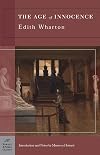
A reread for me, I think the third time I've read this. Every time I find myself noticing something new. This time I was thinking the entire time of what the book would have been from May Welland's point of view. I would love to read a retelling of that - is there one??
For those who haven't read this, [Age of Innocence] follows Newland Archer, a young man on the cusp of marriage to May Welland and into the stifling, closed off New York society of the 1870s. When worldly, exotic (well, to show more their small circle) Ellen Olenska returns home to escape a bad marriage, Archer becomes enthralled. This is a love triangle but also a study of what happens when people are caught in a shifting society and whether they'll stick with the old rules or forge a new path.
The book is written from Newland Archer's perspective which wildly annoyed me the first time I've read this. Subsequent readings have made me so impressed with how Wharton manages to make this about the women, particularly about May, without giving them a direct voice.
I love this book and highly recommend it. show less
For those who haven't read this, [Age of Innocence] follows Newland Archer, a young man on the cusp of marriage to May Welland and into the stifling, closed off New York society of the 1870s. When worldly, exotic (well, to show more their small circle) Ellen Olenska returns home to escape a bad marriage, Archer becomes enthralled. This is a love triangle but also a study of what happens when people are caught in a shifting society and whether they'll stick with the old rules or forge a new path.
The book is written from Newland Archer's perspective which wildly annoyed me the first time I've read this. Subsequent readings have made me so impressed with how Wharton manages to make this about the women, particularly about May, without giving them a direct voice.
I love this book and highly recommend it. show less
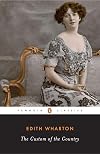
The Custom of the Country by Edith Wharton should be subtitled “The Social Climbing Adventures of Undine Spragg”. (Yup, that is the name of the main character; her parents’ pet name for her is, I kid you not, “Undie".) Her birthplace is the small Midwestern city of Apex where her businessman father is doing fairly well. Somewhat mysterious circumstances involving Undine bring the family to New York City. They live in a semi-upscale hotel and this provides a sufficient launching pad show more for Undine to propel herself into the upper echelons of New York Society, and beyond. She is aided in this endeavor by her stunning good looks and the advice of Mrs. Heeney, a masseuse/manicurist who services the Spragg women, and who acts as a kind of Gilded Age social media watcher. Naturally, Undine intends to reach her goals via marriage, and off she goes. Unlike other literary social climbers, e.g. Becky Sharpe or Lucy Steele, Undine possesses no sympathetic qualities whatsoever. Having been spoiled rotten by her parents, she is a bottomless pit of selfishness, egomania, and greed. Much of the psychological profile Wharton paints of her is shocking, and the tolerance for and indulgence of her monstrous behavior borders on the unbelievable. She also causes (and cares not one bit about) a lot of pain and suffering to others. On the other hand, look at the era we live in today. She would probably get elected to public office. This novel is a masterful character study and critique of American values. show less

This audiobook anthology "Ghosts: Edith Wharton's Gothic Tales" contains five stories "Mr Jones", "Kerfol", "The Looking Glass"."The Eyes" and "The Lady's Maid's Bell", each with its own narrator.
In these stories, Edith Wharton reminded me of what horror is. It doesn't need a Michael in a hockey mask wielding a kitchen knife or a Freddie and his claws or even an evil clown in a storm drain. It just needs to hit the place where your fears live, to make you bristle with dread, to make you KNOW show more that you must not turn around.
The stories target two sources of horror. The first is a primal fear of the unnatural, where you are flooded with a sense of wrongness and foreboding that freezes you in place, afraid of something you can't name but can't ignore. The second is the slowly dawning recognition of being in the presence of human evil.
Some stories are written from a position of power, some from a position of weakness, some from a female and some from a male perspective. What they have in common is a talent for story-telling that makes them accessible and the presence of a subtext that abrades your peace as you read and leaves a sliver of disquiet in your memory.
This is a fine collection to savour to by a fire on a winter's day and then to engage with family and friends and glad that none of these stories are yours to tell.
"Mr Jones."
Tells the story of a bright, well-travelled, independent woman, inheriting a small country house from a distant relative. The house has long lain unoccupied except by servants. She sees it first in the sunshine and falls in love with it. Without declaring who she is, she asks to see the house but the servants deny her access, saying Mr Jones wouldn't like it. When she takes over the house, it is clear that things are not as they should be. It is less clear who Mr Jones is and what his role is in the household. The rest of the story is the gradual discovery of the truth about Mr Jones.
This is a primal fear tale. By modern standards, it's a gentle tale with a low body-count and no dismemberments or sexual violence. Yet, let yourself believe in Mr Jones, in the reality of who he is and no matter how confident and well-travelled you are, the hairs on your neck would raise and you would want to leave.
"Kerfol"
This story had all the right elements for a primal horror tale: a gloomy château in Brittany, an ancient wrong and supernatural revenge but it turned out to be a little different than that.
In the beginning, I lost myself in the atmospheric description of a visit by the dilettenté American telling the tale, to the gloomy châteauI that his French aristo friend has suggested the American might wish to buy. The building itself became a character, its unnatural stillness a threat and its occupants, small pack of silent dogs, a puzzle.
I lost sympathy for the story when it became about the American summarising what he had learned about the significance of the château dogs by reading the transcript of the trail of the mistress of the house sometime in the seventeenth century. While the story was interesting, I found the mode of its telling too passive and grew restless.
Then I started to see that this was a story of human evil. The behaviour of the men in the story is horrifying not just because it is wrong but because it is seen as normal. I had already found myself dislike the American dilettenté but when I saw him justify, apologise for and ultimately dismiss the actions of the men, I knew who I was really horrified by.
"The Looking Glass"
This seemed to me to be the weakest of the tales. It deals with spiritualism and how those who mourn can be exploited by those who claim to speak to the dead.
The looking glass of the title can be interpreted in several ways and there is some good discussion about the reality of the emotional pain of those too rich to have anything other than imagined loss to worry about.
I didn't find the Irish Catholic masseuse-turned-medium convincing. The language she used didn't ring true and the Catholic context didn't seem to be an insiders view.
"The Eyes"
This is a very original tale, of the human evil variety, disguised initially as a conventional Country House Weekend ghost story.
There is a predator at the heart of the story. There is also a good deal of self-deception, repressed sexuality and an unacknowledged and deeply corrosive decadence.
Yet the whole thing is told in such a low key way that no one could take offence. This is one of those stories where what is not said directly is the meat of the tale.
"The Lady's Maid's Bell"
This is classic gothic horror of the primal kind but permeated with the foul smell of human evil or, more specifically, the evil men do to women.
The tension is well managed. The dynamics are subtle and the main character is completely credible. There is a strong subtext here about repression and power and denied sexuality and male rage. All of it in a civilised wrapper that makes it even more chilling. show less
In these stories, Edith Wharton reminded me of what horror is. It doesn't need a Michael in a hockey mask wielding a kitchen knife or a Freddie and his claws or even an evil clown in a storm drain. It just needs to hit the place where your fears live, to make you bristle with dread, to make you KNOW show more that you must not turn around.
The stories target two sources of horror. The first is a primal fear of the unnatural, where you are flooded with a sense of wrongness and foreboding that freezes you in place, afraid of something you can't name but can't ignore. The second is the slowly dawning recognition of being in the presence of human evil.
Some stories are written from a position of power, some from a position of weakness, some from a female and some from a male perspective. What they have in common is a talent for story-telling that makes them accessible and the presence of a subtext that abrades your peace as you read and leaves a sliver of disquiet in your memory.
This is a fine collection to savour to by a fire on a winter's day and then to engage with family and friends and glad that none of these stories are yours to tell.
"Mr Jones."
Tells the story of a bright, well-travelled, independent woman, inheriting a small country house from a distant relative. The house has long lain unoccupied except by servants. She sees it first in the sunshine and falls in love with it. Without declaring who she is, she asks to see the house but the servants deny her access, saying Mr Jones wouldn't like it. When she takes over the house, it is clear that things are not as they should be. It is less clear who Mr Jones is and what his role is in the household. The rest of the story is the gradual discovery of the truth about Mr Jones.
This is a primal fear tale. By modern standards, it's a gentle tale with a low body-count and no dismemberments or sexual violence. Yet, let yourself believe in Mr Jones, in the reality of who he is and no matter how confident and well-travelled you are, the hairs on your neck would raise and you would want to leave.
"Kerfol"
This story had all the right elements for a primal horror tale: a gloomy château in Brittany, an ancient wrong and supernatural revenge but it turned out to be a little different than that.
In the beginning, I lost myself in the atmospheric description of a visit by the dilettenté American telling the tale, to the gloomy châteauI that his French aristo friend has suggested the American might wish to buy. The building itself became a character, its unnatural stillness a threat and its occupants, small pack of silent dogs, a puzzle.
I lost sympathy for the story when it became about the American summarising what he had learned about the significance of the château dogs by reading the transcript of the trail of the mistress of the house sometime in the seventeenth century. While the story was interesting, I found the mode of its telling too passive and grew restless.
Then I started to see that this was a story of human evil. The behaviour of the men in the story is horrifying not just because it is wrong but because it is seen as normal. I had already found myself dislike the American dilettenté but when I saw him justify, apologise for and ultimately dismiss the actions of the men, I knew who I was really horrified by.
"The Looking Glass"
This seemed to me to be the weakest of the tales. It deals with spiritualism and how those who mourn can be exploited by those who claim to speak to the dead.
The looking glass of the title can be interpreted in several ways and there is some good discussion about the reality of the emotional pain of those too rich to have anything other than imagined loss to worry about.
I didn't find the Irish Catholic masseuse-turned-medium convincing. The language she used didn't ring true and the Catholic context didn't seem to be an insiders view.
"The Eyes"
This is a very original tale, of the human evil variety, disguised initially as a conventional Country House Weekend ghost story.
There is a predator at the heart of the story. There is also a good deal of self-deception, repressed sexuality and an unacknowledged and deeply corrosive decadence.
Yet the whole thing is told in such a low key way that no one could take offence. This is one of those stories where what is not said directly is the meat of the tale.
"The Lady's Maid's Bell"
This is classic gothic horror of the primal kind but permeated with the foul smell of human evil or, more specifically, the evil men do to women.
The tension is well managed. The dynamics are subtle and the main character is completely credible. There is a strong subtext here about repression and power and denied sexuality and male rage. All of it in a civilised wrapper that makes it even more chilling. show less
Bewitched: The Ghostly Tales of Edith Wharton: 18 (British Library Gilded Nightmares) by Mike Ashley
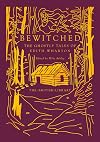
‘’[...]and in the innermost room, the holy of holies, the soul sits alone and waits for a footstep that never comes.’’
This must be one of the most moving sentences I have ever read…
Edith Wharton is one of my favourite writers. I was already familiar with her ghost stories and I think she deserves anthologies upon anthologies. So, no need for introductions and boring talkie-talkie. The Introduction by Mike Ashley who edited the collection is a masterpiece in itself.
Without further show more ado…
‘’I’m not afraid of solitude.’’
The Lady’s Maid’s Bell: A brilliant young woman finds a job as a lady’s maid in a remote estate in the countryside. She enjoys the quiet and the fact that her mistress is kind and sensitive allows her to show her caring and observant nature. For the house is too quiet, a room has to remain locked at all times and a bell rings as an omen of danger. This is arguably the most well-known ghost story by Wharton and her writing is chilling. Emma Saxon’s character is unforgettable. If you haven’t watched the TV adaptation for the British series Shades of Darkness, watch it immediately!
The House of the Dead Hand: With a distinctive Italian flair and elegant sensuality, this story is set in Siena where the past walks by your side. An Englishman finds himself in the heart of a tale of artistic obsession that defies even death. The story could have been influenced by the works of Oscar Wilde and Edgar Allan Poe with Wharton’s unmistakable clarity.
‘’And I suppose, poor ineffectual demon, that’s why it beats its beautiful wings in vain in the void.’’
Afterward: This is a story for December dusks and winter mornings…An American couple finds an estate in Dorset and encounters a ghost that can only be acknowledged…afterward. One of the most famous ghost stories and one of the most heartbreaking…
‘’We had been put in the mood for ghosts.’’
The Eyes: A rather flighty, superfluous young man finds himself haunted by a pair of eye staring at him while he is lying on his bed. The gaze is one of confidence, intent, even maliciousness. Is this gaze a harbinger? A piece of conscience? If the eyes are the symbols of our souls, do we see it reflected in someone else’s stare? The ending of the story is phenomenal.
The Triumph of Night: A young man finds himself stranded in the coldest and darkest of nights on a station platform. A chance meeting leads him to find shelter with a kind stranger and his uncle in a lavish estate. But the house is cold, its shadow heavy. And Faxon unwittingly becomes a catalyst in a story of a dark presence and an unfortunate family. One of the most perplexing stories you’ll ever read.
Bewitched: Three farmers are invited to an estate in the middle of the night by a stern woman. She informs them that her husband is under a spell. The spell of a young woman. Except the girl happens to be dead…Well, missy, if your husband prefers a ghost to you, time to change, lady…Despite the somewhat flimsy plot, the story is extremely atmospheric and sad. If you couldn’t be with the one you love in this life, would you be willing to be with them beyond the river?
‘’The boy was silent: certainly there was a gate ahead, and presumably, behind the dripping tress, some sort of dwelling. Unless there was just a field and the sea…the sea whose hungry voice I heard asking and asking, close below us. No wonder the place was called the Bay of the Dead! [...] The sea whined down there as if it were feeding time, and the Furies, its keepers, had forgotten it…’’
Miss Mary Pask: The narrator of the story is persuaded to visit a woman living alone somewhere in the rugged landscape of Brittany, close to the ocean. It is a dark night when he reaches his destination and a serious fever has left its mark on his health. I can’t say more because this tale is easily spoiled. All I will say is that it is perfect for cold, long nights. What if ghosts experience loneliness same as living people? Or even more…
The Moving Finger: The haunting tale of a husband who demanded a portrait of his wife. When she dies suddenly, the portrait begins to age showing a face as it would have been had she been alive. And her husband grows older and older…A Wilde-esque story of obsession and despair.
Mr Jones: An adventurous young woman inherits an estate in the Sussex Downs. However, everything seems strange and shady. A certain Mr Jones, who seems to be ever-sick and ever-frail but practically orders everyone about, denies access to the house, at first. Then, certain rooms shouldn’t be disturbed, keys are lost, locks are broken, chimneys break, and the people in the village seem unwilling even to step close to the house. So, Jane, aided by a good friend, must uncover the reason she can’t be the mistress to her own house. This story keeps you guessing, making you feel uneasy page after page. It is a masterpiece.
Pomegranate Seed: A young woman finds her life upside down when mysterious letters arrive for her husband. The envelope betrays a woman’s handwriting, her husband grows more and more distant, and the house is darkened by the presence of his deceased first wife. Another atmospheric story of obsessio,n but I was disappointed by the ending.
The Fullness of Life: A woman who adored Art and culture dies. The Spirit of Life hears her confession about her boring life with her husband who could not meet her needs. She is given a new partner in the afterlife, a perfect match, a true soulmate for all eternity. But what happens when you realise that your soulmate was right in front of your eyes all along?
Wharton’s stories are not just ‘ghost stories’. They contain multitudes. Solitude, voluntary or not, is a prominent theme. Whether by choice, by character, or by necessity brought upon by actions and circumstances, solitude is everywhere. You can feel alone even within a marriage. Even ghosts may be plagued by the feeling of loneliness since the line that separates loneliness and solitude is so thin…
The truth is that people are dangerous. Not solitude. But that’s just me…
Obsession is another important theme throughout the collection. She depicts obsession as motivation and a feeling that ghosts may experience more acutely than mortals. Her spectres, after all, are never sheet-clad entities that wail and wander, but ‘actual’ beings. And her characters, especially the women, are tangible, complex. Troubled. Troubled to a fault.
Like all of us.
And the uncanny feeling, the unease that springs out of every page, is one of the features that make her stories so special and unforgettable.
This is a jewel of a collection. Beautiful edition, but this is to be expected from every book by the British Library. One teeny-tiny suggestion. The Reckoning should have been included, in my opinion.
‘’Do you know where I usually sleep? Down below there - in the garden!’’ Her laugh shrilled out again. ‘’There’s a shady corner down at the bottom where the sun never bothers one. Sometimes I sleep there till the stars come out.’’
My reviews can also be found on https://theopinionatedreaderblog.wordpress.com/ show less
This must be one of the most moving sentences I have ever read…
Edith Wharton is one of my favourite writers. I was already familiar with her ghost stories and I think she deserves anthologies upon anthologies. So, no need for introductions and boring talkie-talkie. The Introduction by Mike Ashley who edited the collection is a masterpiece in itself.
Without further show more ado…
‘’I’m not afraid of solitude.’’
The Lady’s Maid’s Bell: A brilliant young woman finds a job as a lady’s maid in a remote estate in the countryside. She enjoys the quiet and the fact that her mistress is kind and sensitive allows her to show her caring and observant nature. For the house is too quiet, a room has to remain locked at all times and a bell rings as an omen of danger. This is arguably the most well-known ghost story by Wharton and her writing is chilling. Emma Saxon’s character is unforgettable. If you haven’t watched the TV adaptation for the British series Shades of Darkness, watch it immediately!
The House of the Dead Hand: With a distinctive Italian flair and elegant sensuality, this story is set in Siena where the past walks by your side. An Englishman finds himself in the heart of a tale of artistic obsession that defies even death. The story could have been influenced by the works of Oscar Wilde and Edgar Allan Poe with Wharton’s unmistakable clarity.
‘’And I suppose, poor ineffectual demon, that’s why it beats its beautiful wings in vain in the void.’’
Afterward: This is a story for December dusks and winter mornings…An American couple finds an estate in Dorset and encounters a ghost that can only be acknowledged…afterward. One of the most famous ghost stories and one of the most heartbreaking…
‘’We had been put in the mood for ghosts.’’
The Eyes: A rather flighty, superfluous young man finds himself haunted by a pair of eye staring at him while he is lying on his bed. The gaze is one of confidence, intent, even maliciousness. Is this gaze a harbinger? A piece of conscience? If the eyes are the symbols of our souls, do we see it reflected in someone else’s stare? The ending of the story is phenomenal.
The Triumph of Night: A young man finds himself stranded in the coldest and darkest of nights on a station platform. A chance meeting leads him to find shelter with a kind stranger and his uncle in a lavish estate. But the house is cold, its shadow heavy. And Faxon unwittingly becomes a catalyst in a story of a dark presence and an unfortunate family. One of the most perplexing stories you’ll ever read.
Bewitched: Three farmers are invited to an estate in the middle of the night by a stern woman. She informs them that her husband is under a spell. The spell of a young woman. Except the girl happens to be dead…Well, missy, if your husband prefers a ghost to you, time to change, lady…Despite the somewhat flimsy plot, the story is extremely atmospheric and sad. If you couldn’t be with the one you love in this life, would you be willing to be with them beyond the river?
‘’The boy was silent: certainly there was a gate ahead, and presumably, behind the dripping tress, some sort of dwelling. Unless there was just a field and the sea…the sea whose hungry voice I heard asking and asking, close below us. No wonder the place was called the Bay of the Dead! [...] The sea whined down there as if it were feeding time, and the Furies, its keepers, had forgotten it…’’
Miss Mary Pask: The narrator of the story is persuaded to visit a woman living alone somewhere in the rugged landscape of Brittany, close to the ocean. It is a dark night when he reaches his destination and a serious fever has left its mark on his health. I can’t say more because this tale is easily spoiled. All I will say is that it is perfect for cold, long nights. What if ghosts experience loneliness same as living people? Or even more…
The Moving Finger: The haunting tale of a husband who demanded a portrait of his wife. When she dies suddenly, the portrait begins to age showing a face as it would have been had she been alive. And her husband grows older and older…A Wilde-esque story of obsession and despair.
Mr Jones: An adventurous young woman inherits an estate in the Sussex Downs. However, everything seems strange and shady. A certain Mr Jones, who seems to be ever-sick and ever-frail but practically orders everyone about, denies access to the house, at first. Then, certain rooms shouldn’t be disturbed, keys are lost, locks are broken, chimneys break, and the people in the village seem unwilling even to step close to the house. So, Jane, aided by a good friend, must uncover the reason she can’t be the mistress to her own house. This story keeps you guessing, making you feel uneasy page after page. It is a masterpiece.
Pomegranate Seed: A young woman finds her life upside down when mysterious letters arrive for her husband. The envelope betrays a woman’s handwriting, her husband grows more and more distant, and the house is darkened by the presence of his deceased first wife. Another atmospheric story of obsessio,n but I was disappointed by the ending.
The Fullness of Life: A woman who adored Art and culture dies. The Spirit of Life hears her confession about her boring life with her husband who could not meet her needs. She is given a new partner in the afterlife, a perfect match, a true soulmate for all eternity. But what happens when you realise that your soulmate was right in front of your eyes all along?
Wharton’s stories are not just ‘ghost stories’. They contain multitudes. Solitude, voluntary or not, is a prominent theme. Whether by choice, by character, or by necessity brought upon by actions and circumstances, solitude is everywhere. You can feel alone even within a marriage. Even ghosts may be plagued by the feeling of loneliness since the line that separates loneliness and solitude is so thin…
The truth is that people are dangerous. Not solitude. But that’s just me…
Obsession is another important theme throughout the collection. She depicts obsession as motivation and a feeling that ghosts may experience more acutely than mortals. Her spectres, after all, are never sheet-clad entities that wail and wander, but ‘actual’ beings. And her characters, especially the women, are tangible, complex. Troubled. Troubled to a fault.
Like all of us.
And the uncanny feeling, the unease that springs out of every page, is one of the features that make her stories so special and unforgettable.
This is a jewel of a collection. Beautiful edition, but this is to be expected from every book by the British Library. One teeny-tiny suggestion. The Reckoning should have been included, in my opinion.
‘’Do you know where I usually sleep? Down below there - in the garden!’’ Her laugh shrilled out again. ‘’There’s a shady corner down at the bottom where the sun never bothers one. Sometimes I sleep there till the stars come out.’’
My reviews can also be found on https://theopinionatedreaderblog.wordpress.com/ show less
Lists
Best First Lines (1)
Which house? (1)
Read This Next (1)
Elegant Prose (1)
THE WAR ROOM (1)
A Novel Cure (1)
Hidden Classics (1)
Summer Books (1)
Writing (1)
Art of Reading (1)
Ghosts (1)
bound (1)
Unmarried women (1)
100 (1)
Take Four Books (1)
Women's Stories (1)
Women in Islam (1)
Short and Sweet (1)
Out of Copyright (3)
1910s (3)
. (2)
American Realism (3)
Female Author (5)
Favourite Books (4)
Five star books (4)
Unread books (3)
AP Lit (3)
el (2)
1920s (2)
Read (1)
Ambleside Books (1)
100 Hemskaste (1)
discontinued (1)
Winter Books (1)
Backlisted (1)
Modernism (1)
Overdue Podcast (2)
. (2)
Book wishlist (2)
Folio Society (2)
Reading LIst (2)
Carole's List (1)
Awards


You May Also Like


Associated Authors
Statistics
- Works
- 378
- Also by
- 216
- Members
- 63,757
- Popularity
- #223
- Rating
- 3.9
- Reviews
- 1,448
- ISBNs
- 3,676
- Languages
- 31
- Favorited
- 371


