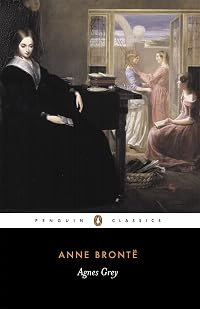
On This Page
Description
Agnes Grey is the daughter of a minister who faces financial ruin. Agnes decides to take up one of the only professions available to Victorian gentlewomen and become a governess. Drawing on her own, similar experiences, Anne Brontë portrays the desperation of such a position. Agnes' livelihood depends on the whim of spoiled children, and she witnesses how wealth and status can degrade social values..
Tags
Recommendations

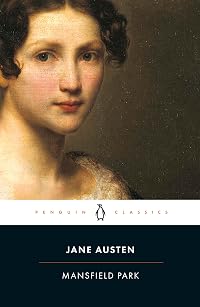









Member Recommendations
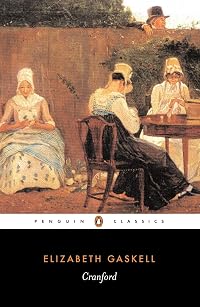
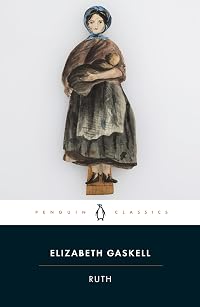
Medellia Both books have sweet, shy, thoroughly virtuous protagonists, if you're a fan of that sort of character. (I am, and loved both novels!)
130
by anonymous user
Member Reviews
Unexpected and involving -- this is the first novel I've read by "the other Bronte", and it was both a big surprise and an engrossing read. Anne Bronte, of course was the youngest of the Bronte sisters; she wrote two novels before her death at the age of 29. She has nothing like the literary reputation of her two sisters, Emily and Charlotte. Some would argue that had something to do with Charlotte's comments after Anne's death, but it also reflects a very different style.
For me, the surprise in "Agnes Grey" was how little it reminded me of the work of Charlotte and Emily. There's much in common (especially with Charlotte), most of which reflects the Brontes' own lives -- an initial setting in Yorkshire, a close if impoverished clerical show more family background, a strongly moral view of life. But "Agnes" is far less dramatic than the works of the elder Brontes, far more concerned with social distinctions, and far more focussed on marriage. The mood is very different; realistic rather than romantic, and social rather than isolated. And the style is also very different; very clear, very objective, and decidedly (part of the time) ironic.
All in all, "Agnes Grey" reminds me more of Jane Austen than of the elder Brontes, especially the Jane of "Mansfield Park". Like Fanny Brice in "Mansfield", Anne Bronte's Agnes is an outsider and social inferior in her milieu, and is also much involved with personal morality. She can in fact lapse into priggishness, but not too often, and there are hints of potentially radical social views beneath the mid- Victorian morality. Many of the minor characters (particularly the nasty ones) are one dimensional, but the dimension is brilliantly sketched out.
For me, this was an engrossing read, and I would recommend it to readers who enjoy Victorian literature, but have not yet experienced Anne Bronte. I shall put her other novel, "The Tenant of Wildfell Hall" on my to-read list. show less
For me, the surprise in "Agnes Grey" was how little it reminded me of the work of Charlotte and Emily. There's much in common (especially with Charlotte), most of which reflects the Brontes' own lives -- an initial setting in Yorkshire, a close if impoverished clerical show more family background, a strongly moral view of life. But "Agnes" is far less dramatic than the works of the elder Brontes, far more concerned with social distinctions, and far more focussed on marriage. The mood is very different; realistic rather than romantic, and social rather than isolated. And the style is also very different; very clear, very objective, and decidedly (part of the time) ironic.
All in all, "Agnes Grey" reminds me more of Jane Austen than of the elder Brontes, especially the Jane of "Mansfield Park". Like Fanny Brice in "Mansfield", Anne Bronte's Agnes is an outsider and social inferior in her milieu, and is also much involved with personal morality. She can in fact lapse into priggishness, but not too often, and there are hints of potentially radical social views beneath the mid- Victorian morality. Many of the minor characters (particularly the nasty ones) are one dimensional, but the dimension is brilliantly sketched out.
For me, this was an engrossing read, and I would recommend it to readers who enjoy Victorian literature, but have not yet experienced Anne Bronte. I shall put her other novel, "The Tenant of Wildfell Hall" on my to-read list. show less
Utterly dull. It only dawned on me towards the end of this tedious, plot-devoid novel that the reason Anne wrote it was as a morality tale, and then I understood it a little better, but I still did not enjoy it. Because there is nothing here to enjoy.
Anne Brontë clearly could write. Here and then in The Tenant Of Wildfell Hall, she is capable of conjuring shocking scenes, which given the time she was writing in show great bravery. Also apparent (very occasionally) in this novel is a delightfully sarcastic wit, which would have been a lot more fun to be around if she had given her protagonist any personality at all. But alas. She also has two irritating habits throughout, one that the narrator keeps telling us that we probably aren't show more enjoying her story and generally commenting on the telling of it rather than actually TELLING it, and two that Agnes endlessly laments and thinks about things rather than EVER actually doing or saying anything. Even what plot might be happening is out of her sight and so entirely glossed over.
We are introduced to Agnes at the start as an irritatingly happy girl, despite her poorness, who loves her family but is tired of being the baby and wants to go out and become a governess. Why she fixes on this idea at all, particularly given that her mother and elder sister never allow her to do or achieve anything, is not explained. Nor how she would be any good at it, given the aforementioned babying. Anyway, off she goes to be a governess with the deplorable Bloomfields. Unfortunately this brief section of the book isn't much fun to read. Yes, the family are ghastly, but there's no particular plot going on here. It really just feels like Anne, having had this experience in real life, wanted to gripe about it and wrote it into a novel that it has no bearing on. Once Agnes leaves, she never sees or hears from these characters again and doesn't learn anything from it. The whole section could easily be cut.
Next she goes to work for the Murrays. Although not as bad as the Bloomfields, they have the exact same faults, and Agnes is unable to improve the children because of the exact same restrictions imposed upon her (she isn't allowed to use punishment). At this point it became clear to me that Agnes just isn't a very good governess. We have two examples in a row of her failing to do her job, no examples of her succeeding, her disturbing insistence that a child can only be moulded by hitting them and even if this is in part the fault of her employers, she never explains to them what needs to be done or stands up for herself in any way. Agnes Grey is a shy, passive character who completely failed to win my sympathies. I have no idea why she stays in this job for three years, given that she is hopeless at it, other than some misplaced stubbornness, another quality that will not endear her to the audience.
Meanwhile, she hears that the new curate is a good man and is impressed by his sermons, and therefore submits to being obsessively in love with him for no discernible reason. She barely knows him at all, they only speak a handful of times, most of which are filled with awkward silences. I assumed occasionally that she must be deluded and perhaps we would learn more about this character at some point (he never seemed to be 'nice' only 'good') but later realised that he just existed to be the reward for the pious character, and need not actually have anything like a personality.
Agnes moves to her third job towards the end of the book, and briefly visits her former charge, who is miserable you see because she has sinned, and Agnes gets to have a happy ending you see because she is good. Because MORALITY. (Though how she and Mr Weston could possibly be happy, what with not knowing each other and showing no particular interest or attraction towards each other I don't know.) Apparently morality was considered more important to Anne than drama. I mean, sure, in living your life, but not in writing a damn novel! show less
Anne Brontë clearly could write. Here and then in The Tenant Of Wildfell Hall, she is capable of conjuring shocking scenes, which given the time she was writing in show great bravery. Also apparent (very occasionally) in this novel is a delightfully sarcastic wit, which would have been a lot more fun to be around if she had given her protagonist any personality at all. But alas. She also has two irritating habits throughout, one that the narrator keeps telling us that we probably aren't show more enjoying her story and generally commenting on the telling of it rather than actually TELLING it, and two that Agnes endlessly laments and thinks about things rather than EVER actually doing or saying anything. Even what plot might be happening is out of her sight and so entirely glossed over.
We are introduced to Agnes at the start as an irritatingly happy girl, despite her poorness, who loves her family but is tired of being the baby and wants to go out and become a governess. Why she fixes on this idea at all, particularly given that her mother and elder sister never allow her to do or achieve anything, is not explained. Nor how she would be any good at it, given the aforementioned babying. Anyway, off she goes to be a governess with the deplorable Bloomfields. Unfortunately this brief section of the book isn't much fun to read. Yes, the family are ghastly, but there's no particular plot going on here. It really just feels like Anne, having had this experience in real life, wanted to gripe about it and wrote it into a novel that it has no bearing on. Once Agnes leaves, she never sees or hears from these characters again and doesn't learn anything from it. The whole section could easily be cut.
Next she goes to work for the Murrays. Although not as bad as the Bloomfields, they have the exact same faults, and Agnes is unable to improve the children because of the exact same restrictions imposed upon her (she isn't allowed to use punishment). At this point it became clear to me that Agnes just isn't a very good governess. We have two examples in a row of her failing to do her job, no examples of her succeeding, her disturbing insistence that a child can only be moulded by hitting them and even if this is in part the fault of her employers, she never explains to them what needs to be done or stands up for herself in any way. Agnes Grey is a shy, passive character who completely failed to win my sympathies. I have no idea why she stays in this job for three years, given that she is hopeless at it, other than some misplaced stubbornness, another quality that will not endear her to the audience.
Meanwhile, she hears that the new curate is a good man and is impressed by his sermons, and therefore submits to being obsessively in love with him for no discernible reason. She barely knows him at all, they only speak a handful of times, most of which are filled with awkward silences. I assumed occasionally that she must be deluded and perhaps we would learn more about this character at some point (he never seemed to be 'nice' only 'good') but later realised that he just existed to be the reward for the pious character, and need not actually have anything like a personality.
Agnes moves to her third job towards the end of the book, and briefly visits her former charge, who is miserable you see because she has sinned, and Agnes gets to have a happy ending you see because she is good. Because MORALITY. (Though how she and Mr Weston could possibly be happy, what with not knowing each other and showing no particular interest or attraction towards each other I don't know.) Apparently morality was considered more important to Anne than drama. I mean, sure, in living your life, but not in writing a damn novel! show less
I love this book. I know nobody gives a shit about Anne Bronte, from a scholarly perspective (what? who?) - she's meek and shy and passive and doesn't give her characters flaming banners, extolling self-reliance/feminism/courage/narcissism/evil, as do the other literary Brontes, her sisters, Emily & Charlotte.
WHATEVER. I love it. Anne is not self-possessed; she is homesick to the point of stomach ulcers. Anne - I mean, Agnes - visits poor old women and makes nice with cats. She goes to church and listens to the preacher. She sits the backwards in the carriage and gets ill. She is abused by her charges, ridiculed by the servants, and given a thick steak to eat when her hands are so "palsied" with cold that she cannot hold the knife. show more It's all the minutia of Austen without the wit, or the verve.
But then... she'll come out with a trace of sarcasm, or take back a little complaint with self-remonstration, or describe her employers in language that is even more cutting for its calm.
And did I say she had no courage? I imagine her in plain dresses and 20-pounds-per-annum pay, alone & friendless in a strange household - too timid to leave food on her plate. Anne, resolute, who drops a heavy flat stone on a nest of baby birds rather than let them be pulled to pieces or set afire by her young pupil. show less
WHATEVER. I love it. Anne is not self-possessed; she is homesick to the point of stomach ulcers. Anne - I mean, Agnes - visits poor old women and makes nice with cats. She goes to church and listens to the preacher. She sits the backwards in the carriage and gets ill. She is abused by her charges, ridiculed by the servants, and given a thick steak to eat when her hands are so "palsied" with cold that she cannot hold the knife. show more It's all the minutia of Austen without the wit, or the verve.
But then... she'll come out with a trace of sarcasm, or take back a little complaint with self-remonstration, or describe her employers in language that is even more cutting for its calm.
And did I say she had no courage? I imagine her in plain dresses and 20-pounds-per-annum pay, alone & friendless in a strange household - too timid to leave food on her plate. Anne, resolute, who drops a heavy flat stone on a nest of baby birds rather than let them be pulled to pieces or set afire by her young pupil. show less
Another hit for Team Anne! I have no idea why I took so long to read this delightful little novel - the threat of animal abuse in the introduction, I think - but I'm glad I finally did. The Tenant of Wildfell Hall is a triumph of realism over romanticism, and Agnes Grey does the same for the governess tale (I'm not a fan of Jane Eyre!)
Agnes Grey, unlike her fictional cousin Jane, volunteers to become a governess in order to support her family. The first family she works for, the Bloomfields, are living example of why some people shouldn't have children just because they can (and why taking charge of the monsters they produce is a thankless task). The three young children are spoiled rotten and Agnes, much like Anne herself, is soon let show more go because she can do nothing with them. Moving onto a new family, the Murrays, who are of a better class than the Bloomfields, Agnes is given the task of 'improving' the two young ladies, Rosalie and Matilda, while the sons are sent away to school. I actually loved the Murrays, particularly Rosalie, who knows she is a beauty and treats men like playthings! Like Austen's Emma, not a lot happens - Agnes stays with the Murrays and gets ignored and blamed on a regular basis, while finding herself drawn to the local curate - but the eponymous narrator is so delightfully blunt - in her thoughts, if not her speech - that I was instantly drawn into her small world.
There is a boring chapter given over to the religious ramblings of a 'cottager' - not in that sense! - who requires Agnes to read the Bible to her and sings the praises of Weston the curate during her visits, and Agnes herself is ridiculously slow to pick up on a proposal towards the end of the book, but overall, I enjoyed Anne's first novel. She is honest about cruelty, ignorance and vanity without going overboard (*cough cough* Charlotte and Emily) and her heroine might be pious in person but she's wonderfully haughty in thought (walk in front of Agnes and ignore her? How very dare!) show less
Agnes Grey, unlike her fictional cousin Jane, volunteers to become a governess in order to support her family. The first family she works for, the Bloomfields, are living example of why some people shouldn't have children just because they can (and why taking charge of the monsters they produce is a thankless task). The three young children are spoiled rotten and Agnes, much like Anne herself, is soon let show more go because she can do nothing with them. Moving onto a new family, the Murrays, who are of a better class than the Bloomfields, Agnes is given the task of 'improving' the two young ladies, Rosalie and Matilda, while the sons are sent away to school. I actually loved the Murrays, particularly Rosalie, who knows she is a beauty and treats men like playthings! Like Austen's Emma, not a lot happens - Agnes stays with the Murrays and gets ignored and blamed on a regular basis, while finding herself drawn to the local curate - but the eponymous narrator is so delightfully blunt - in her thoughts, if not her speech - that I was instantly drawn into her small world.
There is a boring chapter given over to the religious ramblings of a 'cottager' - not in that sense! - who requires Agnes to read the Bible to her and sings the praises of Weston the curate during her visits, and Agnes herself is ridiculously slow to pick up on a proposal towards the end of the book, but overall, I enjoyed Anne's first novel. She is honest about cruelty, ignorance and vanity without going overboard (*cough cough* Charlotte and Emily) and her heroine might be pious in person but she's wonderfully haughty in thought (walk in front of Agnes and ignore her? How very dare!) show less
Probably one of the most auto-biographical books written by any of the Bronte sisters, Agnes Grey is almost a feminist, revisionist memoir of Anne's life as a governess. Going into this, I had already read Tenant of Wildfell Hall, so I knew to expect religious themes and a moralizing tone. As a result, I wasn't at all disappointed when I read this book, but neither did it wow me.
Reading about poor Agnes Grey's struggles (and subsequently Anne Bronte's), was sad and frustrating because I couldn't help imaging all of the silent women in history who lived this meager existence. The isolation and the degradation is astounding to think about. I don't blame Anne in the least for rewriting her story. I hope it draws attention to those who show more weren't able to break free of their situation. It certainly made me pay attention.
While this book was intriguing, it's a bit boring. It reads very much like a regular governess's diary, and the average person is not that exciting. Unlike her sisters' novels, Anne Bronte doesn't include any ghosts, intimidating estates, or decades-long grudges. So, while it's nice that these women have a voice that has survived a couple of centuries, it's equally nice that this book is quite short. show less
Reading about poor Agnes Grey's struggles (and subsequently Anne Bronte's), was sad and frustrating because I couldn't help imaging all of the silent women in history who lived this meager existence. The isolation and the degradation is astounding to think about. I don't blame Anne in the least for rewriting her story. I hope it draws attention to those who show more weren't able to break free of their situation. It certainly made me pay attention.
While this book was intriguing, it's a bit boring. It reads very much like a regular governess's diary, and the average person is not that exciting. Unlike her sisters' novels, Anne Bronte doesn't include any ghosts, intimidating estates, or decades-long grudges. So, while it's nice that these women have a voice that has survived a couple of centuries, it's equally nice that this book is quite short. show less
When some people talk about the Brontë sisters, they refer to Anne as “the other one”. I refer to Anne as “the best one”. Her writing style is notably different to her sisters Charlotte and Emily, who both write romantic fiction. Anne was a realist author, and a damn good one at that.
When I first read “Agnes Grey” in 201o, I did so shortly after reading her classic novel “The Tenant of Wildfell Hall”. As a result, I was a little disappointed. I expected a story similar to “TTOWH”, but “AG” is very different.
Ten years later, to pay tribute to Anne on her 200th birthday, I gave both novels another read, this time starting with “AG”. Must say, I enjoyed infinitely more on the second time around. With no high show more expectations, I concentrated on the story for what it is, rather than wishing it was like Anne’s greatest work.
Anne drew much from her own personal life for this novel, particularly the scenes where Agnes – as a governess – is dealing with children. And what horrid children they are! What’s worse, the parents are utterly useless – total snobs – who have no sympathy or empathy for what poor Agnes has to endure.
These scenes featuring Agnes and the “demonic” children are among the highlights in terms of vivid writing and believability. You can picture the scenes clearly, which is owing to Anne’s superb writing skills. I'll go as far as saying the woman was a genius.
As the story progresses, we get a mild love story between Agnes and Mr Weston. Again, Anne’s skills as a realist author comes to the fore here. We don’t get overblown drama with the male and female lead expressing their undying love for each other. Instead, we have shyness, uncertainty, lack of confidence, insecurity, and such like, which suits both characters.
While neither Agnes nor Mr Weston are charismatic heroes, they are realistic reflections of people of their class in the 1800s, and perhaps any century. It’s a sweet relationship, rather than a sensational one.
At times, the narrative becomes didactic, preaching what’s morally right, and so on, which is a reflection of the author’s personality. Some readers may not like this, but personally, this is all fine by me. It suits the characters whilst reflecting values of nineteenth-century England.
So, while Anne is overshadowed by her sisters, and while “Agnes Grey” is overshadowed by “The Tenant of Wildfell Hall”, this shouldn’t put anyone off from reading this novel. Approach it for what it is, and not for what it isn’t, and you should take a lot of pleasure out of it. I’ve read it twice, and I’ve every intention of reading it again. show less
When I first read “Agnes Grey” in 201o, I did so shortly after reading her classic novel “The Tenant of Wildfell Hall”. As a result, I was a little disappointed. I expected a story similar to “TTOWH”, but “AG” is very different.
Ten years later, to pay tribute to Anne on her 200th birthday, I gave both novels another read, this time starting with “AG”. Must say, I enjoyed infinitely more on the second time around. With no high show more expectations, I concentrated on the story for what it is, rather than wishing it was like Anne’s greatest work.
Anne drew much from her own personal life for this novel, particularly the scenes where Agnes – as a governess – is dealing with children. And what horrid children they are! What’s worse, the parents are utterly useless – total snobs – who have no sympathy or empathy for what poor Agnes has to endure.
These scenes featuring Agnes and the “demonic” children are among the highlights in terms of vivid writing and believability. You can picture the scenes clearly, which is owing to Anne’s superb writing skills. I'll go as far as saying the woman was a genius.
As the story progresses, we get a mild love story between Agnes and Mr Weston. Again, Anne’s skills as a realist author comes to the fore here. We don’t get overblown drama with the male and female lead expressing their undying love for each other. Instead, we have shyness, uncertainty, lack of confidence, insecurity, and such like, which suits both characters.
While neither Agnes nor Mr Weston are charismatic heroes, they are realistic reflections of people of their class in the 1800s, and perhaps any century. It’s a sweet relationship, rather than a sensational one.
At times, the narrative becomes didactic, preaching what’s morally right, and so on, which is a reflection of the author’s personality. Some readers may not like this, but personally, this is all fine by me. It suits the characters whilst reflecting values of nineteenth-century England.
So, while Anne is overshadowed by her sisters, and while “Agnes Grey” is overshadowed by “The Tenant of Wildfell Hall”, this shouldn’t put anyone off from reading this novel. Approach it for what it is, and not for what it isn’t, and you should take a lot of pleasure out of it. I’ve read it twice, and I’ve every intention of reading it again. show less
With her family's fortunes worsening, Agnes decides to become a governess. Coming from a loving family, she imagines she will be helping to form young minds in a similar environment, unfortunately, neither of her positions could be classed as happy. Her charges range from selfish and bratty to downright demonic, and Agnes struggles to keep herself going.
It's not all doom and gloom, though, as Agnes meets a nice young cleric. I did sympathise with Agnes, although she is rather self-righteous, and as a teacher I have had some trying students over the years! In the second half of the book, Agnes becomes more likeable, more human and less severe in her opinions. I felt for her, her circumstances and her lack of control in their show more direction.
In the juxtaposition of Agnes and her students, and of the two men of the cloth, Mr. Weston and Mr. Hatfield, Bronte shows the struggle between righteousness and vanity. Agnes and Mr. Weston are concerned with the lives of others, trying to help people; whereas many of the other characters are more focused on how wonderful others perceive them to be, spending more time on their appearance than on caring for others.
A good read, indeed it flew by, but I can see why it was knocked off the original 1001 list. show less
It's not all doom and gloom, though, as Agnes meets a nice young cleric. I did sympathise with Agnes, although she is rather self-righteous, and as a teacher I have had some trying students over the years! In the second half of the book, Agnes becomes more likeable, more human and less severe in her opinions. I felt for her, her circumstances and her lack of control in their show more direction.
In the juxtaposition of Agnes and her students, and of the two men of the cloth, Mr. Weston and Mr. Hatfield, Bronte shows the struggle between righteousness and vanity. Agnes and Mr. Weston are concerned with the lives of others, trying to help people; whereas many of the other characters are more focused on how wonderful others perceive them to be, spending more time on their appearance than on caring for others.
A good read, indeed it flew by, but I can see why it was knocked off the original 1001 list. show less
Members
- Recently Added By
Lists

1001 Books You Must Read Before You Die
1,448 works; 1,136 members

Classics you know you should have read but probably haven't
421 works; 409 members

Favourite 19th century fiction
257 works; 60 members

Female Author
1,234 works; 65 members
Best of British Literature
226 works; 41 members

Unread books
1,063 works; 84 members

Favourite Virago Modern Classics
183 works; 38 members

Folio Society
831 works; 53 members

Global Reads: Books Set in the United Kingdom and Ireland
109 works; 5 members
LibraryThingers' 1001 Books You Must Read Before You Die
442 works; 29 members
Readable Classics
110 works; 15 members

19th Century
190 works; 16 members
Out of Copyright
244 works; 14 members

Books Read in 2014
2,344 works; 86 members
Literature About Women and Girls
426 works; 41 members

Fiction with Women's Names in the Title
378 works; 15 members

Academia in Fiction
158 works; 23 members
Victorian Period
113 works; 10 members

Books Read in 2017
4,249 works; 130 members
Books with a Character's Name as the Title
130 works; 10 members

SHOULD Read Books!
354 works; 9 members
First Novels
373 works; 17 members

Books with Colourful Titles
171 works; 8 members
1840s
10 works; 2 members

Books Read in 2022
5,226 works; 115 members
Books Read in 2016
4,666 works; 199 members

Books Read in 2020
4,379 works; 124 members

Huxley's Reading Log 2018
37 works; 1 member

Tagged 19th Century
104 works; 7 members

Autumn books
31 works; 8 members
Alphabetical Books
211 works; 3 members

le donne raccontano
116 works; 1 member

A Rainbow of Books: Colors in the Title
570 works; 24 members

Books Read in 2024
4,727 works; 128 members
Books We Want To Read Again For The First Time
384 works; 160 members

Britische Romantik
5 works; 1 member

The "A" List
67 works; 8 members
Five star books
1,767 works; 110 members
Talk Discussions
Past Discussions
Group read: Agnes Grey by Anne Brontë in Virago Modern Classics (June 2019)
1001 Group Read August, 2012: Agnes Grey in 1001 Books to read before you die (August 2012)
MAY group read: AGNES GREY - General Thread in The 11 in 11 Category Challenge (June 2011)
Author Information

121+ Works 18,444 Members
Anne Bronte was the daughter of an impoverished clergyman of Haworth in Yorkshire, England. Considered by many critics as the least talented of the Bronte sisters, Anne wrote two novels. Agnes Grey (1847) is the story of a governess, and The Tenant of Wildfell Hall (1848), is a tale of the evils of drink and profligacy. Her acquaintance with the show more sin and wickedness shown in her novels was so astounding that Charlotte Bronte saw fit to explain in a preface that the source of her sister's knowledge of evil was their brother Branwell's dissolute ways. A habitue of drink and drugs, he finally became an addict. Anne Bronte's other notable work is her Complete Poems. Anne Bronte died in 1849. (Bowker Author Biography) show less
Some Editions
Awards and Honors
Series

Belongs to Publisher Series
Club Victòria (3)
Amstelboeken (68-69)
The World's Classics (141)
A tot vent (321)
Virago Modern Classics (359)
insel taschenbuch (1093)
Work Relationships
Is contained in
The Complete Novels: Agnes Grey / Jane Eyre / The Professor / Shirley / The Tenant of Wildfell Hall / Villette / Wuthering Heights by Charlotte Brontë
Vilette / Jane Eyre / Shirley / The Tenant of Wildfell Hall / Agnes Grey / Wuthering Heights by Charlotte Brontë
The Brontë Collection: Includes Jane Eyre, The Professor, Shirley, Villette, Wuthering Heights, Agnes Grey, The Tenant of Wildfell Hall, Cottage Poems and More by Charlotte Brontë
6 Volume Set Jane Eyre, Tenant of Wildfell Hall, Wuthering Heights, Agnes Grey, Professor, Poems, Miscellanea, Shirley, Villete by Charlotte Brontë
Brontë Sisters: The Professor / Angrian Tales and Poems / The Tenant of Wildfell Hall / Agnes Grey / Wuthering Heights / Jane Eyre / Villette / Shirley by Anne Brontë
Agnes Grey / The Tenant of Wildfell Hall / Jane Eyre / The Professor / Villette / Wuthering Heights / Poems by Currer, Ellis, and Acton Bell by Anne Brontë
Has the adaptation
Is abridged in
Common Knowledge
- Canonical title
- Agnes Grey
- Original title
- Agnes Grey
- Original publication date
- 1847-12
- People/Characters
- Agnes Grey; Rosalie Murray; Matilda Murray; Mr. Weston; Mr. Hatfield
- Important places
- England, UK
- First words
- All true histories contain instruction; though, in some, the treasure may be hard to find, and when found, so trivial in quantity that the dry, shrivelled kernel scarcely compensates for the trouble of cracking the nut.
Agnes Grey is the first novel of the youngest Bronte. (Introduction)
Agnes Grey was first published in December 1847 by T. C. Newby of 72 Mortimer Street, Cavendish Square, London. (Note on the Text)
It has been thought that all works published under the names of Currer, Ellis and Acton Bell, were, in reality, the production of one person. (Biographical Notice of Ellis and Acton Bell by Charlotte Bronte) - Quotations
- It is foolish to wish for beauty. Sensible people never either desire it for themselves or care about it in others. If the mind be but well cultivated, and the heart well disposed, no one ever cares for the exterior.
Reading is my favourite occupation, when I have leisure for it and books to read.
I was sorry for her; I was amazed, disgusted at her heartless vanity; I wondered why so much beauty should be given to those who made so bad a use of it, and denied to some who would make it a benefit to both themselves and o... (show all)thers. But, God knows best, I concluded. There are, I suppose, some men as vain, as selfish, and as heartless as she is, and, perhaps, such women may be useful to punish them
"What a fool you must be," said my head to my heart, or my sterner to my softer self.
'No, thank you, I don't mind the rain,' I said.I always lacked common sense when taken by surprise.
The human heart is like india-rubber; a little swells it, but a great deal will not burst it. If "little more than nothing will disturb it, little less than all things will suffice" to break it.
Nobody knew him as I did; nobody could appreciate him as I did; nobody could love him as I—could.
He had not breathed a word of love, or dropped one hint of tenderness or affection, and yet I had been supremely happy. To be near him, to hear him talk as he did talk, and to feel that he thought me worthy to be so spoken to... (show all) - capable of understanding and duly appreciating such discourse - was enough.
Well! what is there remarkable in all this? Why have I recorded it? Because, reader, it was important enough to give me a cheerful evening, a night of pleasing dreams, and a morning of felicitous hopes. Shallow-brained cheerf... (show all)ulness, foolish dreams, unfounded hopes, you would say; and I will not venture to deny it: suspicions to that effect arose too frequently in my own mind. But our wishes are like tinder: the flint and steel of circumstances are continually striking out sparks, which vanish immediately, unless they chance to fall upon the tinder of our wishes; then, they instantly ignite, and the flame of hope is kindled in a moment.
Well, let them seize on all they can;—
One treasure still is mine,—
A heart that loves to think on thee,
And feels the worth of thine. - Last words
- (Click to show. Warning: May contain spoilers.)And now I think I have said sufficient.
(Click to show. Warning: May contain spoilers.)There is perhaps no other novel of the period which gives such an intimately revealing account of the quotidian horrors of the only 'respectable' employment open to a gentlewoman in the mid-nineteenth century - that of governess. (Introduction)
(Click to show. Warning: May contain spoilers.)The double quotes used in the Newby edition have been changed to single quotes to conform with Penguin style. (Note on the Text)
(Click to show. Warning: May contain spoilers.)This notice has been written, because I felt it a sacred duty to wipe the dust off their gravestones, and leave their dear names free from soil.
CURRER BELL
September 19, 1850 - Original language
- English
Classifications
Statistics
- Members
- 5,971
- Popularity
- 2,170
- Reviews
- 180
- Rating
- (3.58)
- Languages
- 19 — Catalan, Czech, Danish, Dutch, English, Estonian, Finnish, French, German, Hungarian, Italian, Latvian, Polish, Romanian, Russian, Spanish, Swedish, Turkish, Portuguese (Portugal)
- Media
- Paper, Audiobook, Ebook
- ISBNs
- 349
- UPCs
- 1
- ASINs
- 89