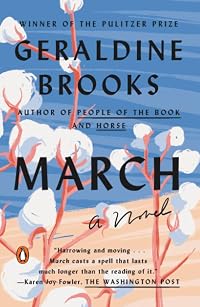
March
by Geraldine Brooks
On This Page
Description
An extraordinary novel woven out of the lore of American history by the author of the international bestseller Year of Wonders From Louisa May Alcott s beloved classic Little Women, Geraldine Brooks has animated the character of the absent father, March, and crafted a story "filled with the ache of love and marriage and with the power of war upon the mind and heart of one unforgettable man" (Sue Monk Kidd). With"pitch-perfect writing" (USA Today), Brooks follows March as he leaves behind his show more family to aid the Union cause in the Civil War. His experiences will utterly change his marriage and challenge his most ardently held beliefs. A lushly written, wholly original tale steeped in the details of another time, March secures Geraldine Brooks s place as a renowned author of historical fiction. show lessTags
Recommendations





Member Recommendations

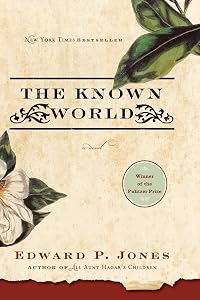
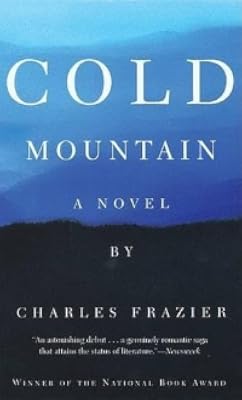
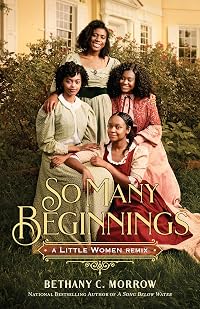
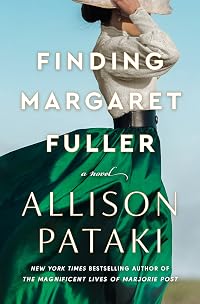
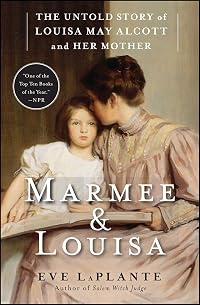
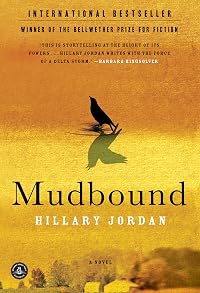
CGlanovsky Classic stories (Little Women/Jane Eyre) re-imagined through the experiences of characters who are important to the plot while being almost entirely unseen.
60

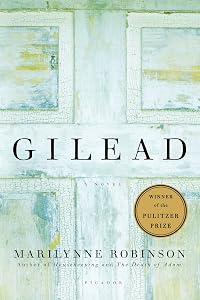
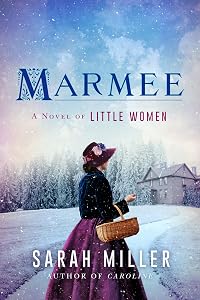
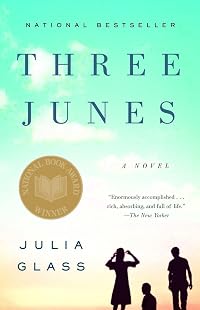
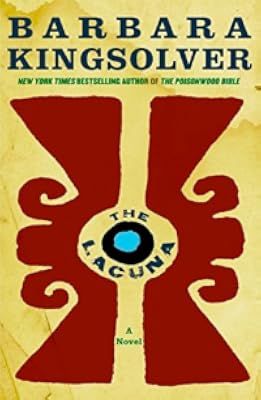
bibliothequaire Gives an historical account of the life of Bronson Alcott (who was Brooks' inspiration for Mr. March) and the transcendentalist community in Concord.
10
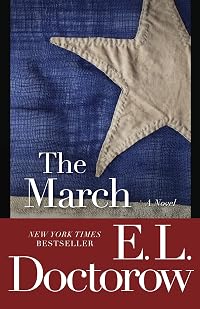
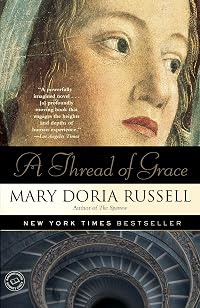
RidgewayGirl Another award winning work that sheds light on the full horror of the results of slavery.
22

Member Reviews
What a terrific novel. “Little Women” from the point of view of the absent father, Mr. March. Beautifully written, the story credibly allows readers of the Louisa May Alcott classic to see behind the curtain to the Civil War where the dad served as a Union chaplain. The story’s ending is worth the price of admission alone. And if you haven’t read “Little Women, don’t fret; the context is more than explained for you to fully understand where Mr. March has been as well as where he is in this novel. This is a real treat for those of us who read novels as much for their writing quality as their plot development. Louisa May would be proud of her successor Geradline.
Mr March, the absent father from Louisa May Alcott’s ‘Little Women’, is an idealist, a staunch abolitionist... and flawed character. While March is away, working as a chaplain and teacher in the American Civil War, he writes cheerful letters to his ‘little women’. The reader, however, learns of his struggles with the horrors of war, illness, guilt, regret, and disillusionment with himself, his faith and his political convictions. When sick and injured, March is taken to a Washington hospital, Marmee comes to nurse him and is confronted by the truth about her husband’s life.
While perhaps a little sentimental, I sympathised with Mr March, not least of all, because of his strong convictions and his very human inability to live show more up to them. show less
While perhaps a little sentimental, I sympathised with Mr March, not least of all, because of his strong convictions and his very human inability to live show more up to them. show less
I confess I went into this book grudgingly; I have zero interest in the Civil War. Battle narratives just aren't my thing. And yet, March gripped me. Mr. March of the Little Women family is off to serve as a chaplain in the Union army.
The book is told from both the POV of Mr. March and Marmee, aka Mrs. March. The writing is breathtaking. Brooks handles description evocatively yet with a subtle touch. "I had been there, on a spring morning, when the fog stood so thick on the river that it looked as though the bowl of the sky had spilled all its milky clouds into the valley."
Many parts of this book were quite difficult to read, as can be expected in a battle story. But this goes beyond that, watching the suffering of the enslaved and show more vulnerable. But those portions are an important part of the narrative. This novel is a great reminder that I can't immediately dismiss books because of the subject matter. It's clear why this novel won a Pulitzer! show less
The book is told from both the POV of Mr. March and Marmee, aka Mrs. March. The writing is breathtaking. Brooks handles description evocatively yet with a subtle touch. "I had been there, on a spring morning, when the fog stood so thick on the river that it looked as though the bowl of the sky had spilled all its milky clouds into the valley."
Many parts of this book were quite difficult to read, as can be expected in a battle story. But this goes beyond that, watching the suffering of the enslaved and show more vulnerable. But those portions are an important part of the narrative. This novel is a great reminder that I can't immediately dismiss books because of the subject matter. It's clear why this novel won a Pulitzer! show less
Upon starting this book I rather quickly realized that this was not a story to rush through. The author obviously went to great effort to write lovely prose, and I suspect it was at least partly to honor the sort of prose written by some soldiers in the American Civil War. I've read enough of it to realize that at times it can be quite purple, but more often just a little flowery. Brooks goes for flowery here. It might bother a few people but I found it rather gorgeous. I read this novel at half speed. I found myself constantly re-reading lines in various places. This was not for a lack of understanding, but rather to savor the vision created in words.
This is the story of Mr. March, and his year away at war and recovery. Mr. March is show more the father of the Little Women of Louisa May Alcott's novel. War stories frequently can be disturbing when revealing the horrors of war. The Civil War had fields of dead and dying at many engagements. It is disturbing in the extreme to think of all the young lives damaged and destroyed by the war. It is disturbing to think that the war even had to be fought. Are there such things as just wars? One needn't lose limbs to be damaged by wars.
There are many things to enjoy in this book as well as unpleasant things. There are some things in here that will bother some readers. I was a little bothered, but the storytelling trumped the weak points. Mr. March I found to be a man that was hard to like as the book progressed - that wasn't my initial impression, but it slowly turned that way. I didn't really dislike him but he's a bit of an odd bird and made some unfortunate choices. I might suggest that the reader review the author's afterword before reading the story to get a better understanding of Mr. March and the story. In the telling, the story shifts back and forth in time, from his days as a young man, and then to his trials during the Civil War. Back and forth. We see who he was, who he is, and who he becomes.
This novel was awarded the Pulitzer Prize for 2006. Read in 2016 show less
This is the story of Mr. March, and his year away at war and recovery. Mr. March is show more the father of the Little Women of Louisa May Alcott's novel. War stories frequently can be disturbing when revealing the horrors of war. The Civil War had fields of dead and dying at many engagements. It is disturbing in the extreme to think of all the young lives damaged and destroyed by the war. It is disturbing to think that the war even had to be fought. Are there such things as just wars? One needn't lose limbs to be damaged by wars.
There are many things to enjoy in this book as well as unpleasant things. There are some things in here that will bother some readers. I was a little bothered, but the storytelling trumped the weak points. Mr. March I found to be a man that was hard to like as the book progressed - that wasn't my initial impression, but it slowly turned that way. I didn't really dislike him but he's a bit of an odd bird and made some unfortunate choices. I might suggest that the reader review the author's afterword before reading the story to get a better understanding of Mr. March and the story. In the telling, the story shifts back and forth in time, from his days as a young man, and then to his trials during the Civil War. Back and forth. We see who he was, who he is, and who he becomes.
This novel was awarded the Pulitzer Prize for 2006. Read in 2016 show less
MARCH, winner of the 2006 Pulitzer Prize for Fiction, is a well-researched, deeply emotional, and imaginatively rich portrait of "Mr. March", the absent father in Louisa May Alcott's (1832-1888) semi-autobiographical book, LITTLE WOMEN. Awarded four stars on Goodreads.
As author Geraldine Brooks explains in her Afterword, she had no shortage of quality research material to work from. Because she used Louisa May Alcott's actual father, educator Amos Bronson Alcott (1799-1888), as a model for Mr. March. And not just by reading Bronson Alcott's own extensive journals, but also by drawing from mentions of him by his famous Concord, MA neighbors -- philosophers Henry David Thoreau (1817-1862) and Ralph Waldo Emerson (1803-1882), and author show more Nathaniel Hawthorne (1804-64).
Cleverly combining historical nuggets with her own dramatic license, Brooks creates Mr. March as an admirable, complex, financially naive, self-absorbed idealist who, like many men, succumbs to the American Civil War's "call to glory." Of course, March finds war anything but glorious and the passages describing his experiences are profoundly difficult to read. Though serving as a chaplain and teacher, he does not escape the violence, beatings, rape, and murder that were inherent in both the lives of enslaved people and the nature of war.
Brooks also transforms the saint-like Marmee from LITTLE WOMEN into a fully three-dimensional woman. One who at times feels stifled, angry, unappreciated, and jealous, and struggles to practice the very values she has taught her four daughters.
The author also crafts a wonderful back story to the Marches. How the couple met and courted and how a once well-to-do March lost his fortune. Skillfully, in less than 300 pages, Brooks has not just fleshed out these two adult characters but also explored a number of rich themes of the period - including the carnage of war, the meaning of courage, the abysmal state of medical care in the 1860s, the nature of love, the foundations of a strong marriage, the brutal reality of life as an enslaved person, and the devastating impact of survivor's guilt.
It beautifully written with a style that feels as though it was composed at the same time as LITTLE WOMEN, instead of some 150 years later. The only reason I did not give it five stars is because it felt a bit slow to me for the first third. Highly recommended, especially for those who have a deep affection for the March family. show less
As author Geraldine Brooks explains in her Afterword, she had no shortage of quality research material to work from. Because she used Louisa May Alcott's actual father, educator Amos Bronson Alcott (1799-1888), as a model for Mr. March. And not just by reading Bronson Alcott's own extensive journals, but also by drawing from mentions of him by his famous Concord, MA neighbors -- philosophers Henry David Thoreau (1817-1862) and Ralph Waldo Emerson (1803-1882), and author show more Nathaniel Hawthorne (1804-64).
Cleverly combining historical nuggets with her own dramatic license, Brooks creates Mr. March as an admirable, complex, financially naive, self-absorbed idealist who, like many men, succumbs to the American Civil War's "call to glory." Of course, March finds war anything but glorious and the passages describing his experiences are profoundly difficult to read. Though serving as a chaplain and teacher, he does not escape the violence, beatings, rape, and murder that were inherent in both the lives of enslaved people and the nature of war.
Brooks also transforms the saint-like Marmee from LITTLE WOMEN into a fully three-dimensional woman. One who at times feels stifled, angry, unappreciated, and jealous, and struggles to practice the very values she has taught her four daughters.
The author also crafts a wonderful back story to the Marches. How the couple met and courted and how a once well-to-do March lost his fortune. Skillfully, in less than 300 pages, Brooks has not just fleshed out these two adult characters but also explored a number of rich themes of the period - including the carnage of war, the meaning of courage, the abysmal state of medical care in the 1860s, the nature of love, the foundations of a strong marriage, the brutal reality of life as an enslaved person, and the devastating impact of survivor's guilt.
It beautifully written with a style that feels as though it was composed at the same time as LITTLE WOMEN, instead of some 150 years later. The only reason I did not give it five stars is because it felt a bit slow to me for the first third. Highly recommended, especially for those who have a deep affection for the March family. show less
I love the idea of this book and the way it has been carried out; books based on other books are one of my favourite things to read if I know the original source.
Based on Louisa M. Alcott's Little Women, Brooks has taken the outline of the father who has only a small role in it, and expanded it and provided more layers of nuance to Marmee and March than the original did.
The story opens with one of the letters in Little Women from March to his family - he is away fighting for the Union side in the Civil War - and straight away we are provided with a context for the letter. All is not as it might appear and the soldiers have just been routed from their previous positions and lost a lot of men. March is a minister to the men but also show more undertakes any jobs that might need doing - medical, portering and ministering. But he is also an idealist and throughout the dark story we come to understand what happens to an idealist when he has to go to war.
There are shadows of his idealism bumping up against reality even before March goes to war. He loses all his money investing in a charlatan who is an abolitionist and his family endures a penurious position because of it. He then gets carried away by his own emotions when giving a speech to the young men who are off to war and goes as well, leaving his wife to cope with their children and no money.
During his time away, March is exposed to the realities of slavery, paying Black people for their work and falling in love with a mixed race woman.
When he is very unwell, his wife is summoned only to discover he is in love with another woman, and when Beth catches scarlet fever she returns home to nurse her. Much is made of Marmee's temper which must be tamed, but when we get the chapter written from her point of view, the picture of a happy family starts to crack.
The writing is sublime. Describing a house March found himself at,
I had been there before, on a spring morning, then the fog stood so thick on the river that it looked as though the bowl of the sky had spilled all its murky clouds into the water.
p11
Mixed into the text are real characters such as Emmerson Waldo and Henry Thoreau and even John Brown, all helping to create a world for the story, weaving fact and fiction together.
So, what happens when an idealist goes to war? He finds he has to face up to his own lack of courage, the fact that he irritates people and so can't get things done and is out of place. He does find his place teaching slaves and their children to read and his kindness towards them is returned but it is not a comfortable read. And he is not a success overall, returning home with more doubts than he started off with. show less
Based on Louisa M. Alcott's Little Women, Brooks has taken the outline of the father who has only a small role in it, and expanded it and provided more layers of nuance to Marmee and March than the original did.
The story opens with one of the letters in Little Women from March to his family - he is away fighting for the Union side in the Civil War - and straight away we are provided with a context for the letter. All is not as it might appear and the soldiers have just been routed from their previous positions and lost a lot of men. March is a minister to the men but also show more undertakes any jobs that might need doing - medical, portering and ministering. But he is also an idealist and throughout the dark story we come to understand what happens to an idealist when he has to go to war.
There are shadows of his idealism bumping up against reality even before March goes to war. He loses all his money investing in a charlatan who is an abolitionist and his family endures a penurious position because of it. He then gets carried away by his own emotions when giving a speech to the young men who are off to war and goes as well, leaving his wife to cope with their children and no money.
During his time away, March is exposed to the realities of slavery, paying Black people for their work and falling in love with a mixed race woman.
When he is very unwell, his wife is summoned only to discover he is in love with another woman, and when Beth catches scarlet fever she returns home to nurse her. Much is made of Marmee's temper which must be tamed, but when we get the chapter written from her point of view, the picture of a happy family starts to crack.
The writing is sublime. Describing a house March found himself at,
I had been there before, on a spring morning, then the fog stood so thick on the river that it looked as though the bowl of the sky had spilled all its murky clouds into the water.
p11
Mixed into the text are real characters such as Emmerson Waldo and Henry Thoreau and even John Brown, all helping to create a world for the story, weaving fact and fiction together.
So, what happens when an idealist goes to war? He finds he has to face up to his own lack of courage, the fact that he irritates people and so can't get things done and is out of place. He does find his place teaching slaves and their children to read and his kindness towards them is returned but it is not a comfortable read. And he is not a success overall, returning home with more doubts than he started off with. show less
I have been nervous about reading March by Geraldine Brooks, even though I have enjoyed her previous novels, as I have such a strong attachment to Little Women and I feared Brooks’ vision wouldn’t agree with mine. I am happy to report that other than minor differences, Geraldine Brooks has delivered an excellent, moving story of how a man of conscience experienced the Civil War over the course of one year.
The author draws on her own experience as a war correspondent to vividly describe both battle scenes and conditions in a realistic way. Through the eyes of Peter March, we are able to picture the small events and narrow views of one man’s war experiences. As a chaplain he is mostly dealing with the wounded , the sick and the show more dead. Being a man of such strong anti-slavery convictions and being totally against violence, he spends a lot of his time wrestling with the morality of war and his own guilt. Not be able to accept even the most casual racism that was prevalent even on the Yankee side, he soon found himself transferred from the regular army to a captured Plantation to deal with the education of ex-slaves.
I was a little taken aback with Brooks view of Marmee, but as I read deeper into the book, her interpretation grew on me and seemed right. I haven’t read Little Women in years, but I now realize, that the Marmee depicted in that book is too good, too saintly to be real. This author saw beneath the veneer and gave the women flesh and blood.
In the end I loved this story of a naïve dreamer going to war and having to face his own shortcomings, and learning the lesson of what is important in life. March by Geraldine Brooks deserves it’s Pulitzer Prize, and is a book I am proud to have share the shelf with the original Louisa May Alcott novels about this family. show less
The author draws on her own experience as a war correspondent to vividly describe both battle scenes and conditions in a realistic way. Through the eyes of Peter March, we are able to picture the small events and narrow views of one man’s war experiences. As a chaplain he is mostly dealing with the wounded , the sick and the show more dead. Being a man of such strong anti-slavery convictions and being totally against violence, he spends a lot of his time wrestling with the morality of war and his own guilt. Not be able to accept even the most casual racism that was prevalent even on the Yankee side, he soon found himself transferred from the regular army to a captured Plantation to deal with the education of ex-slaves.
I was a little taken aback with Brooks view of Marmee, but as I read deeper into the book, her interpretation grew on me and seemed right. I haven’t read Little Women in years, but I now realize, that the Marmee depicted in that book is too good, too saintly to be real. This author saw beneath the veneer and gave the women flesh and blood.
In the end I loved this story of a naïve dreamer going to war and having to face his own shortcomings, and learning the lesson of what is important in life. March by Geraldine Brooks deserves it’s Pulitzer Prize, and is a book I am proud to have share the shelf with the original Louisa May Alcott novels about this family. show less
Members
- Recently Added By
Published Reviews
ThingScore 25
Brooks is capable of strong writing about the natural world and nicely researched effects about the human one (on the eve of a battle, March sees ''the surgeon flinging down sawdust to receive the blood that was yet to flow''), but the book she has produced makes a distressing contribution to recent trends in historical fiction, which, after a decade or so of increased literary and show more intellectual weight, seems to be returning to its old sentimental contrivances and costumes. show less
added by Shortride
Fascinating insight, don’t read if you’re a Little Women purist.
added by MunchkinMommy
Lists

Pulitzer Prize Winners for Fiction
102 works; 54 members

Best Contemporary Literary Fiction (Around the Last 30 Years)
388 works; 124 members

Best Historical Fiction
620 works; 257 members

Best 21st Century Books (So Far)
670 works; 86 members
Best Family Stories
241 works; 22 members

Unread books
1,063 works; 87 members

Best War Stories
87 works; 16 members

50 Books from the Past 50 Years
50 works; 8 members

Female Author
1,235 works; 67 members

Significant works of postmodern fiction
86 works; 25 members

METAfiction
21 works; 4 members

Top Five Books of 2015
811 works; 241 members

Parallel Novels
37 works; 6 members

Stories Inspired by Other Fiction
127 works; 24 members

Best Domestic Fiction
77 works; 6 members

End of Your Life Book Club
134 works; 4 members
Overdue Podcast
806 works; 9 members

Acclaimed Fanfiction
23 works; 2 members

Pleasant Surprises
18 works; 1 member

Books Read in 2015
3,299 works; 126 members

Books Read in 2025
4,091 works; 97 members

Australian Women Writers
9 works; 1 member

Books We Discovered On LibraryThing
530 works; 130 members

Books I may read for February 2012 TIOLI
23 works; 5 members

Books Read in 2018
4,360 works; 110 members

Books Read in 2011
684 works; 19 members

Same Title
115 works; 3 members

Fiction For Men
142 works; 11 members

Biggest Disappointments
606 works; 163 members

Author Information

15+ Works 39,625 Members
Geraldine Brooks is the author of two acclaimed works of nonfiction, "Nine Parts of Desire" and "Foreign Correspondence." A former war correspondent, her writing has appeared in The Wall Street Journal, The New York Times, and The Washington Post. (Publisher Provided) Geraldine Brooks was born in Sydney, Australia on September 14, 1955. She show more attended Bethlehem College Ashfield and the University of Sydney. She worked as a feature writer with a special interest in environmental issues for The Sydney Morning Herald for three years. In 1982, she won the Greg Shackleton Australian News Correspondents scholarship to the journalism master's program at Columbia University in New York City. She later worked for The Wall Street Journal, where she covered the Middle East, Africa, and the Balkans. She has written both fiction and non-fiction books including Year of Wonders, Nine Parts of Desire, and The Secret Chord. She has won several awards including the Nita Kibble Literary Award for Foreign Correspondence, the Pulitzer Prize in fiction in 2006 for March, the New England Book Award for Fiction and the Christianity Today Book Award for Caleb's Crossing, and the Australian Book of the Year Award and the Australian Literary Fiction Award in 2008 for People of the Book. (Bowker Author Biography) show less
Some Editions
Awards and Honors
Awards
Distinctions
Series
Belongs to Publisher Series
Pocket (14660)
Work Relationships
Is contained in
Was inspired by
Has as a student's study guide
Common Knowledge
- Canonical title
- March
- Original publication date
- 2005-03-03; 2010-09-02 (1e traduction et édition française, Belfond) (1e traduction et é | dition franç | aise, Belfond); 2011-09-01 (Réédition française, Pocket) (Ré | é | dition franç | aise, Pocket)
- People/Characters
- Robert March; Henry David Thoreau; Ralph Waldo Emerson; Marmee March; Grace Clement; Augustus Clement (show all 22); Amy March; Jo March; Beth March; Meg March; John Brooke; Rev Daniel Day; Surgeon Hale; Emily Hale; Cephas White; Zannah; Jimse; Ptolemy; Ethan Canning; Margaret Jamison; Cilla; Aunt March
- Important places
- Concord, Massachusetts, USA; Washington, D.C., USA; Loudoun County, Virginia, USA
- Important events
- American Civil War (1861 | 1865); Battle of Ball's Bluff (1861-10-21)
- Epigraph
- Jo said sadly, "We haven't got father, and shall not have him for a long time." She didn't say "perhaps never," but each silently added it, thinking of father far away, where the fighting was. ======= Louisa May Alcott, Li... (show all)ttle Women
- Dedication
- For Darleen and Cassie --
by no means little women. - First words
- October 21, 1861 This is what I write to her: the clouds tonight embossed the sky.
- Quotations
- I am no longer eager, bold & strong.
All that is past;
I am ready not to do
At last, at last,
My half day's work is done,
And this is all my part.
I give a patient God
My patient heart.
(attributed to Cephas White- composed by an unnamed patient of Louisa May Alcott - transcribed in a letter to her aunt that is held among the rare manuscripts in the Library of Congress.) - Last words
- (Click to show. Warning: May contain spoilers.)For an instant, everything was bathed in radiance.
- Blurbers
- Kidd, Sue Monk; Fowler, Karen Joy
- Original language
- English
Classifications
- Genres
- General Fiction, Fiction and Literature, Historical Fiction
- DDC/MDS
- 823.914 — Literature & rhetoric English & Old English literatures English fiction 1900- 1901-1999 1945-1999
- LCC
- PR9619.3 .B7153 .M37 — Language and Literature English English Literature English literature: Provincial, local, etc.
- BISAC
Statistics
- Members
- 7,298
- Popularity
- 1,589
- Reviews
- 293
- Rating
- (3.77)
- Languages
- 9 — English, French, German, Indonesian, Italian, Japanese, Korean, Polish, Portuguese
- Media
- Paper, Audiobook, Ebook
- ISBNs
- 42
- UPCs
- 1
- ASINs
- 18