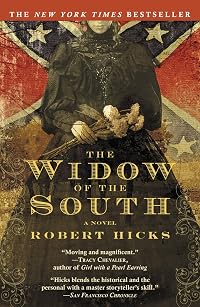
The Widow of the South
by Robert Hicks
On This Page
Description
A story based on the true experiences of a Civil War heroine finds Carrie McGavock witnessing the bloodshed of the Battle of Franklin, falling in love with a wounded man, and dedicating her home as a burial site for fallen soldiers.Tags
Recommendations




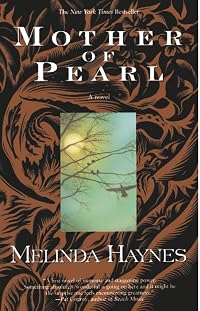
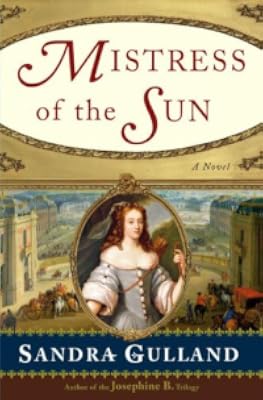

Member Recommendations

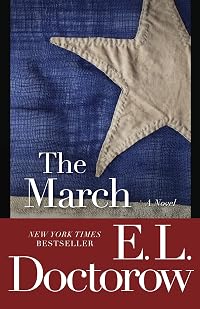
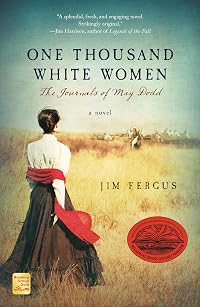
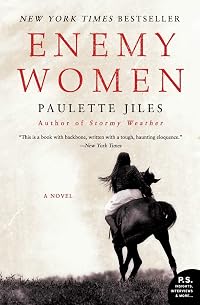
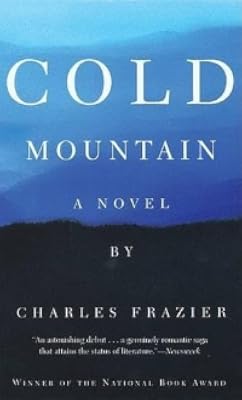
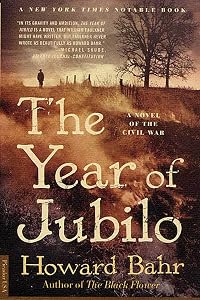
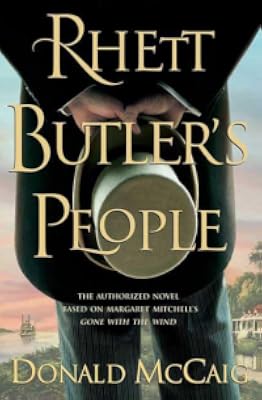
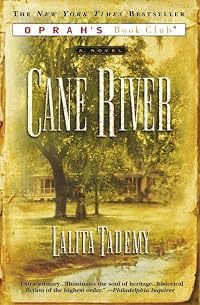
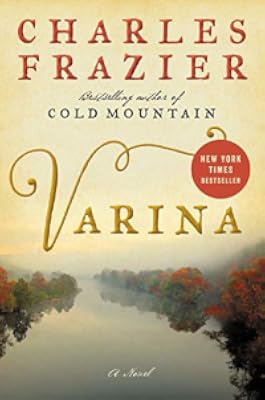
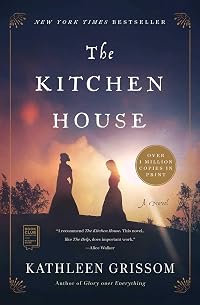
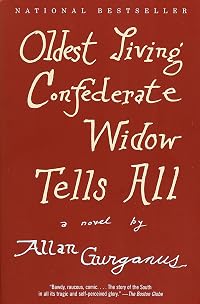
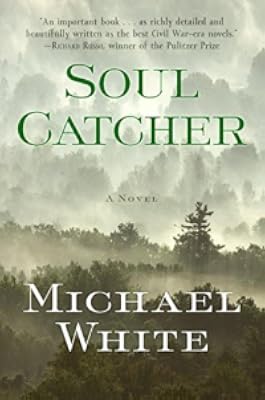
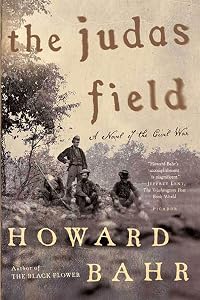
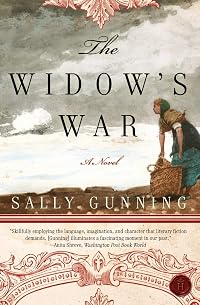
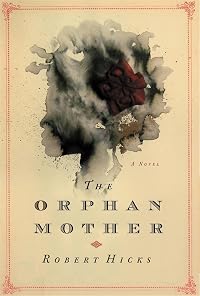
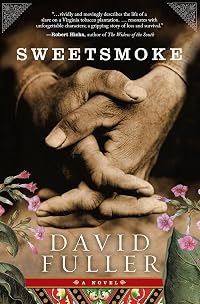
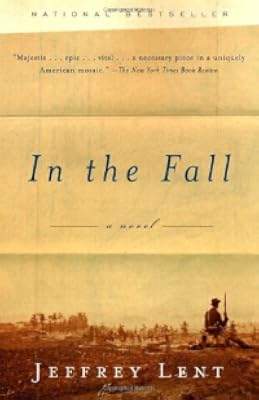
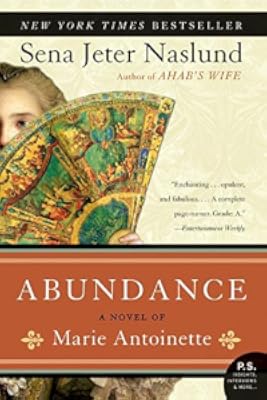
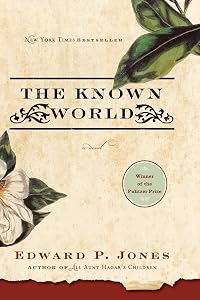
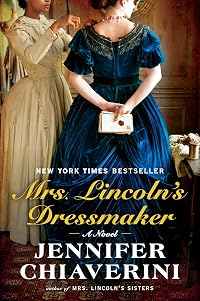
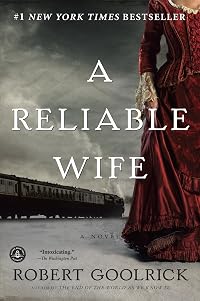
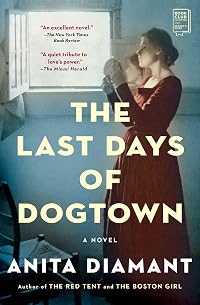
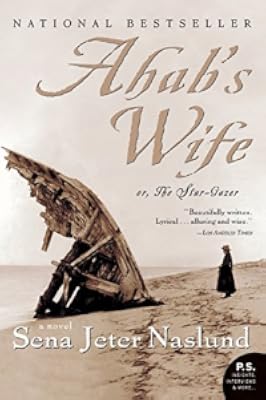
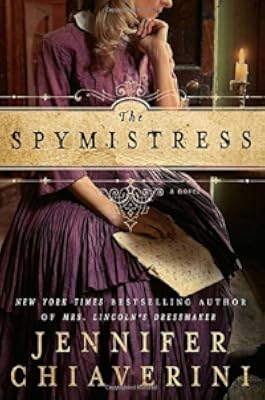
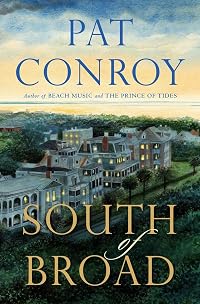
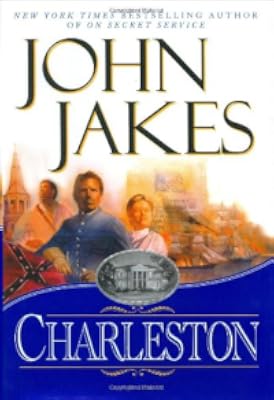
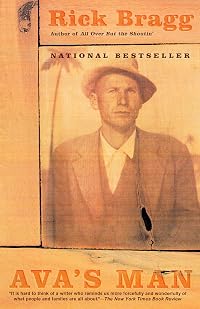
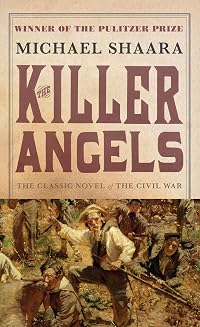
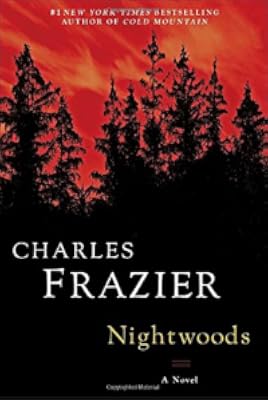
juniperSun Both deal with how Southern women were affected by the Civil War, doing what needed to be done to survive
Member Reviews
The Widow of the South is a novel that sneaks up on the reader. The juxtaposition of narrators is unsettling. Just when the reader feels comfortable with the direction of the novel, the shift in narration forces the reader to pay closer attention and reevaluate the knowledge already gleaned from the other perspectives. However, before one realizes it, the story meshes in a way that melts the heart while causing one to rethink previously told stories about the South during the Civil War. In other words, the forced attention and extra work are well worth the efforts for the pagentry and beauty behind Mr. Hicks' words.
Make no mistake, The Widow of the South is not all beauty. Mr. Hicks presents an unflinching account of battle and its show more aftermath, from the battlefield to the hospital and life as an amputee. The stories are told with stark honesty, not romanticizing the battle or post-battle life in any way. The straightforward delivery, while rather gruesome in its descriptions, adds realism, and yet poignancy, to horrible situations. The Widow of the South demolishes every romantic ideal about the Civil War and creates a new picture for the reader - one that truly reflects that "war is hell."
Just as the story unfolds one scene, one narrator at a time, Carrie McGavock grows and develops page after page until she represents a true steel magnolia, for which the South is so famous. Beset by grief and depression, the Carrie in the beginning of the novel is not the same Carrie McGavock at the end of the novel. As we see how the soldiers fare after the battle, we also see Carrie use her grief to help care for the soldiers directly under her care and later for all soldiers of the battle. She rediscovers what love means, what duty means, but more importantly, who she is and her unwavering values. The self-discovery and journey Carrie travels through the novel to become the ultimate Widow of the South is made precious by the backdrop of the political and social climate she faces.
Zachariah Cashwell is worth mentioning as an excellent foil for Carrie, as he is the one to force her to reevaluate her life to date and what she means to do with her future. He does not coddle her or treat her with the social propriety that is her due. Rather, in Carrie, he eventually recognizes the fact that she is as injured as he is, albeit her injuries are more subtle and well-hidden. Together, they are able to heal each other's physical and spiritual wounds, finding a love so sweet and special that it endures across the decades.
Yet, this is not a love story between a man and a woman. The Widow of the South is ultimately a love story between those that are lost and those that are left behind. It is a reminder that one should never forget another's sacrifice.
As previously mentioned, this is by no means an easy story. The all-too-realistic descriptions of battle and surgery can leave a reader squeamish. Also, Carrie's narration reflects her mental state. When she is depressed and completely upset, her narration reflects her unrest. As Carrie grows in determination and gathers the cloak of responsibility closer to her, her narration takes on a much more focused aspect. Still, it is not easy wading through her muddled perspective.
I did struggle with the novel in the beginning, especially with the multiple narrators and not having the visual cues to remind me who was speaking. As I mentioned, Carrie was particularly difficult to decipher as to her meaning, and it took me a bit longer than I would have expected to be able to determine that she was clinically depressed. Eventually, I came to enjoy the different narrators. Each person lent its own uniqueness to each character, and I particularly enjoyed the care each narrator took to authenticate his or her character's voice. I'm not certain I would have cared about each character as much had I read the book versus listened to it on audio. In this particular instance, the audio version highlighted the internal struggles of each character, making the story that much more forceful.
In the end, this is a lovely story that sheds light on a Civil War battle that does not get much attention. Its exploration of life beyond the battle, as told from the various perspectives, creates a crystal-clear picture that the battle did not end after the soldiers stopped fighting. Mr. Hicks presents his details with sharp focus, holding nothing back, and the story is better for this brutal honesty. I would definitely recommend this novel to any historical fiction lovers out there! show less
Make no mistake, The Widow of the South is not all beauty. Mr. Hicks presents an unflinching account of battle and its show more aftermath, from the battlefield to the hospital and life as an amputee. The stories are told with stark honesty, not romanticizing the battle or post-battle life in any way. The straightforward delivery, while rather gruesome in its descriptions, adds realism, and yet poignancy, to horrible situations. The Widow of the South demolishes every romantic ideal about the Civil War and creates a new picture for the reader - one that truly reflects that "war is hell."
Just as the story unfolds one scene, one narrator at a time, Carrie McGavock grows and develops page after page until she represents a true steel magnolia, for which the South is so famous. Beset by grief and depression, the Carrie in the beginning of the novel is not the same Carrie McGavock at the end of the novel. As we see how the soldiers fare after the battle, we also see Carrie use her grief to help care for the soldiers directly under her care and later for all soldiers of the battle. She rediscovers what love means, what duty means, but more importantly, who she is and her unwavering values. The self-discovery and journey Carrie travels through the novel to become the ultimate Widow of the South is made precious by the backdrop of the political and social climate she faces.
Zachariah Cashwell is worth mentioning as an excellent foil for Carrie, as he is the one to force her to reevaluate her life to date and what she means to do with her future. He does not coddle her or treat her with the social propriety that is her due. Rather, in Carrie, he eventually recognizes the fact that she is as injured as he is, albeit her injuries are more subtle and well-hidden. Together, they are able to heal each other's physical and spiritual wounds, finding a love so sweet and special that it endures across the decades.
Yet, this is not a love story between a man and a woman. The Widow of the South is ultimately a love story between those that are lost and those that are left behind. It is a reminder that one should never forget another's sacrifice.
As previously mentioned, this is by no means an easy story. The all-too-realistic descriptions of battle and surgery can leave a reader squeamish. Also, Carrie's narration reflects her mental state. When she is depressed and completely upset, her narration reflects her unrest. As Carrie grows in determination and gathers the cloak of responsibility closer to her, her narration takes on a much more focused aspect. Still, it is not easy wading through her muddled perspective.
I did struggle with the novel in the beginning, especially with the multiple narrators and not having the visual cues to remind me who was speaking. As I mentioned, Carrie was particularly difficult to decipher as to her meaning, and it took me a bit longer than I would have expected to be able to determine that she was clinically depressed. Eventually, I came to enjoy the different narrators. Each person lent its own uniqueness to each character, and I particularly enjoyed the care each narrator took to authenticate his or her character's voice. I'm not certain I would have cared about each character as much had I read the book versus listened to it on audio. In this particular instance, the audio version highlighted the internal struggles of each character, making the story that much more forceful.
In the end, this is a lovely story that sheds light on a Civil War battle that does not get much attention. Its exploration of life beyond the battle, as told from the various perspectives, creates a crystal-clear picture that the battle did not end after the soldiers stopped fighting. Mr. Hicks presents his details with sharp focus, holding nothing back, and the story is better for this brutal honesty. I would definitely recommend this novel to any historical fiction lovers out there! show less
I'm a sucker for the American Civil War, so this book (and the spiffy looking cover) quickly got my attention. It's based on the true story of Carrie McGavock, the woman who oversaw the creation and maintenance of the largest privately-owned Civil War cemetery in America, established in the fields by her home in Franklin, Tennessee, after the Battle of Franklin.
Hicks has a way with words that allows the reader to very easily picture the scene in their head; I felt at times like I was watching the story happen, as opposed to reading it. The characters of Zachariah Cashwell and Mariah were particularly compelling.
This is another book that I was sad to finish. I will definitely keep an eye out for more books by Robert Hicks!
Hicks has a way with words that allows the reader to very easily picture the scene in their head; I felt at times like I was watching the story happen, as opposed to reading it. The characters of Zachariah Cashwell and Mariah were particularly compelling.
This is another book that I was sad to finish. I will definitely keep an eye out for more books by Robert Hicks!
The Battle of Franklin took place in Tennessee on November 30, 1864, just months before the American Civil War’s official end at Appomattox. The battle was a devastating loss for the Confederate side, with casualty figures far exceeding those of other battles. The army designated Carnton, a plantation owned by John McGavock, as a hospital. McGavock’s wife, Carrie, threw herself into caring for the wounded and dying soldiers.
Carrie knows grief, having lost three of her five children. She lives in isolation, rarely going into town. Besides her family, the only person Carrie is in close contact with is Mariah, a Black woman about Carrie’s age, who was a childhood companion and accompanied Carrie when she married John. At first she show more resists the Army’s demand to take over her house, and is surprised to find herself responding to a call of sorts, working around the clock to provide bandages, water, food, and shelter. After the war, Carrie learns that a prosperous man in town plans to plow up a nearby field that was used as a cemetery. She successfully intervenes and organizes a reburial of all the men interred there, with stones marking each person’s place of rest.
The Widow of the South is Carrie’s story, a fictional account of historic events. Carrie’s role in the creation of the cemetery is well documented, but as is often the case with female historic figures, there is much about her life that is unknown. The novel is an interesting imagining of likely events and circumstances that might have caused Carrie to behave as she did. The author’s note at the end of the book includes photos of Carrie and her family, commentary separating fact from fiction, an an extensive bibliography. I enjoyed reading about a part of Civil War history completely unfamiliar to me, and am glad Robert Hicks chose to celebrate the Carrie McGavock’s important role. show less
Carrie knows grief, having lost three of her five children. She lives in isolation, rarely going into town. Besides her family, the only person Carrie is in close contact with is Mariah, a Black woman about Carrie’s age, who was a childhood companion and accompanied Carrie when she married John. At first she show more resists the Army’s demand to take over her house, and is surprised to find herself responding to a call of sorts, working around the clock to provide bandages, water, food, and shelter. After the war, Carrie learns that a prosperous man in town plans to plow up a nearby field that was used as a cemetery. She successfully intervenes and organizes a reburial of all the men interred there, with stones marking each person’s place of rest.
The Widow of the South is Carrie’s story, a fictional account of historic events. Carrie’s role in the creation of the cemetery is well documented, but as is often the case with female historic figures, there is much about her life that is unknown. The novel is an interesting imagining of likely events and circumstances that might have caused Carrie to behave as she did. The author’s note at the end of the book includes photos of Carrie and her family, commentary separating fact from fiction, an an extensive bibliography. I enjoyed reading about a part of Civil War history completely unfamiliar to me, and am glad Robert Hicks chose to celebrate the Carrie McGavock’s important role. show less
I absolutely LOVED this book. I was reading it when I went up to Rabun County once for some respite from my goofy household. A whole week by myself. It was heaven. But the thought of driving 5 hours was overwhelming, so I took the book out on tape and listened to it on tape while driving, then would read on the back porch in the cabin. I kept trying to figure out if I could drive to the Franklin in the book and see the actual setting. (Though this is historical fiction, it's based on the true story of Carrie McGavock whose plantation home was used as a hospital during the battle of Franklin between the Union and Confederate armies.)
Maybe because I live in the south, maybe because I am a nurse, or maybe because I am a romantic at heart, show more this book really resounded with me. I just pulled the copy we own off the shelf this morning, and promised it I would re-read it again someday. I thought the author did a brilliant job at drawing the characters and describing the brutal nature of life during the Civil War, for both civilians and soldiers. The interweaving of the various tales was so well done. This one's a keeper. show less
Maybe because I live in the south, maybe because I am a nurse, or maybe because I am a romantic at heart, show more this book really resounded with me. I just pulled the copy we own off the shelf this morning, and promised it I would re-read it again someday. I thought the author did a brilliant job at drawing the characters and describing the brutal nature of life during the Civil War, for both civilians and soldiers. The interweaving of the various tales was so well done. This one's a keeper. show less
I really wanted to like this book a lot more than I did.
Based on a true story, “The Widow of the South” tells of the aftermath of the Civil War battle of Franklin, Tennessee, a devastating (and now largely-forgotten) bloodbath that left over 9,000 soldiers dead, wounded, captured, or missing. A local plantation house, owned by the McGavock family, was pressed into use as a field hospital, and the family later donated acreage for a cemetery when the shallow graves on the battlefield itself were threatened by the plow as agricultural land was put back into production in the post-war years.
On these bones, Hicks has grafted an odd love story, creating a wounded soldier whose passion for Carrie McGavock helps bring her out of the show more melancholy resulting from the deaths of three of her children and ultimately gives her the spirit and perseverance to create the memorial.
And that’s where the story faltered for me. Both Carrie and the fictitious Zachariah Cashwell are brilliantly drawn but broken people whose obsession for one another feels forced and essentially baseless. The tale came to life for me only when Carrie and her husband John take on the fictionalized owner of the battlefield graveyard. One wonders what the novel might have been had Hicks chosen to make that conflict the center of the story. show less
Based on a true story, “The Widow of the South” tells of the aftermath of the Civil War battle of Franklin, Tennessee, a devastating (and now largely-forgotten) bloodbath that left over 9,000 soldiers dead, wounded, captured, or missing. A local plantation house, owned by the McGavock family, was pressed into use as a field hospital, and the family later donated acreage for a cemetery when the shallow graves on the battlefield itself were threatened by the plow as agricultural land was put back into production in the post-war years.
On these bones, Hicks has grafted an odd love story, creating a wounded soldier whose passion for Carrie McGavock helps bring her out of the show more melancholy resulting from the deaths of three of her children and ultimately gives her the spirit and perseverance to create the memorial.
And that’s where the story faltered for me. Both Carrie and the fictitious Zachariah Cashwell are brilliantly drawn but broken people whose obsession for one another feels forced and essentially baseless. The tale came to life for me only when Carrie and her husband John take on the fictionalized owner of the battlefield graveyard. One wonders what the novel might have been had Hicks chosen to make that conflict the center of the story. show less
This book held my attention. Hicks' writing had me feeling along with Carrie the hold death has on our lives. Also truly impressive how gory war is--despite how sanitized it can become with our long range weapons now.
When I found out, at the end, that this was based on a real graveyard, my admiration for Hicks' ability to make the characters come alive was even greater, as I think history is often dull. By going into the effects of the war on individual lives, Hicks let us see how insane war is.
Probably Black readers would take issue with the treatment of Mariah & Theopolis, but probably it's historically accurate.
Here's some perceptive quotes: "Living did not seem like a gift. It was a heavy weight, but it was all I had show more anymore."(p176)
"...women who would not acknowledge having anything to do other than to work until they died, and for whom boundless labor guarded them against the perils of unreasonable hopes and foolish desires. Dreams of love, for instance."(255)
"His power was...in the insistence of his voice. It was a low, rattling voice that he let fill the air between us, absorbing whatever we said until we were left just to listen."(363)
"The face he typically displayed for women and his inferiors--children, Negroes, farmers--would not be welcome in such a gathering, and so I watched how, with every step across the room, the architecture of his face shifted and his skin formed itself until he was transformed into the image of a benevolent man of business, offensive to no one. This was the most awful face of all" (343) show less
When I found out, at the end, that this was based on a real graveyard, my admiration for Hicks' ability to make the characters come alive was even greater, as I think history is often dull. By going into the effects of the war on individual lives, Hicks let us see how insane war is.
Probably Black readers would take issue with the treatment of Mariah & Theopolis, but probably it's historically accurate.
Here's some perceptive quotes: "Living did not seem like a gift. It was a heavy weight, but it was all I had show more anymore."(p176)
"...women who would not acknowledge having anything to do other than to work until they died, and for whom boundless labor guarded them against the perils of unreasonable hopes and foolish desires. Dreams of love, for instance."(255)
"His power was...in the insistence of his voice. It was a low, rattling voice that he let fill the air between us, absorbing whatever we said until we were left just to listen."(363)
"The face he typically displayed for women and his inferiors--children, Negroes, farmers--would not be welcome in such a gathering, and so I watched how, with every step across the room, the architecture of his face shifted and his skin formed itself until he was transformed into the image of a benevolent man of business, offensive to no one. This was the most awful face of all" (343) show less
A very moving book about a nearly-forgotten battle to those of us who have very limited knowledge of the details of the Civil War. This pays homage to many of the fallen soldiers of the Confederate Army, both identified and non-identified. Furthermore, it pays tribute to Carrie McGavock who devoted much of her life to preserving the memory of these soldiers. Many of the historical details are based on fact, interwoven with the author's interpretation of Carrie's relationship with these soldiers & with one in particular. As a reader who is largely ignorant of the facts surrounding the Civil War, I found this book very enlightening and it has piqued my interest into further exploration, with an additional desire to travel to some of these show more historical sites. Having read the abridged audiobook version, I think this is definitely one instance where an unabridged reading would greatly enhance the reader's enjoyment & appreciation of historical detail, & had I read that, my star rating would've probably been higher. show less
Members
- Recently Added By
Published Reviews
ThingScore 100
A thunderous, action-rich first novel of the Civil War, based on historical fact.
Music publisher Hicks treats a long-overlooked episode of the war in this account of the Battle of Franklin, Tenn., which took place in November 1864 near Nashville. As a field hospital is pitched in her field, Carrie McGavock, an iron-spined farm woman and upstanding citizen of the town, takes it upon herself to show more tend after the Confederate wounded; later, she and her husband will rebury 1,500 of the fallen on their property. Hicks centers much of the story on Carrie, who has seen her own children die of illness and who has endurance in her blood. “I was not a morbid woman,” Carrie allows, “but if death wanted to confront me, well, I would not turn my head. Say what you have to say to me, or leave me alone.” Other figures speak their turn. One is a young Union officer amazed at the brutal and sometimes weird tableaux that unfold before him; as the bullets fly, he pauses before a 12-year-old rebel boy suffocating under the weight of his piled-up dead comrades. “Suffocated. I had never considered the possibility,” young Lt. Stiles sighs. Another is an Arkansas soldier taken prisoner by the Yankees: “I became a prisoner and accepted all the duties of a prisoner just as easily as I’d picked up the damned colors and walked forward to the bulwarks.” Yet another is Nathan Forrest, who would strike fear in many a heart as a Confederate cavalryman, and later as the founder of the Ku Klux Klan. Hicks renders each of these figures with much attention to historical detail and a refreshing lack of genre cliché, closing with a subtle lament for the destruction of history before the bulldozer: “One longs to know that some things don’t change, that some of us will not be forgotten, that our perambulations upon the earth are not without point or destination.”
An impressive addition to the library of historical fiction on the Civil War, worthy of a place alongside The Killer Angels, Rifles for Watie and Shiloh. show less
Music publisher Hicks treats a long-overlooked episode of the war in this account of the Battle of Franklin, Tenn., which took place in November 1864 near Nashville. As a field hospital is pitched in her field, Carrie McGavock, an iron-spined farm woman and upstanding citizen of the town, takes it upon herself to show more tend after the Confederate wounded; later, she and her husband will rebury 1,500 of the fallen on their property. Hicks centers much of the story on Carrie, who has seen her own children die of illness and who has endurance in her blood. “I was not a morbid woman,” Carrie allows, “but if death wanted to confront me, well, I would not turn my head. Say what you have to say to me, or leave me alone.” Other figures speak their turn. One is a young Union officer amazed at the brutal and sometimes weird tableaux that unfold before him; as the bullets fly, he pauses before a 12-year-old rebel boy suffocating under the weight of his piled-up dead comrades. “Suffocated. I had never considered the possibility,” young Lt. Stiles sighs. Another is an Arkansas soldier taken prisoner by the Yankees: “I became a prisoner and accepted all the duties of a prisoner just as easily as I’d picked up the damned colors and walked forward to the bulwarks.” Yet another is Nathan Forrest, who would strike fear in many a heart as a Confederate cavalryman, and later as the founder of the Ku Klux Klan. Hicks renders each of these figures with much attention to historical detail and a refreshing lack of genre cliché, closing with a subtle lament for the destruction of history before the bulldozer: “One longs to know that some things don’t change, that some of us will not be forgotten, that our perambulations upon the earth are not without point or destination.”
An impressive addition to the library of historical fiction on the Civil War, worthy of a place alongside The Killer Angels, Rifles for Watie and Shiloh. show less
added by Richardrobert
Lists

Historical Fiction
889 works; 90 members

Fiction: Historical
288 works; 3 members

Blue Pyramid 1,276 Best Books of All Time
1,248 works; 32 members

THE WAR ROOM
813 works; 24 members
Author Information

6+ Works 3,264 Members
Some Editions
Awards and Honors
Distinctions
Common Knowledge
- Canonical title*
- La veuve du Sud
- Original title
- The widow of the South
- Original publication date
- 2005
- People/Characters
- Carrie McGavock; Nathan Bedford Forrest; Zachariah Cashwell (fictional)
- Important places
- Carnton Plantation (Franklin, Tennessee, USA); Franklin, Tennessee, USA
- Epigraph
- Prologue ∙ 1894: Down the rows of the dead they came. Neat, orderly rows of dead rebel boys who thirty years before had either dropped at the foot of earthen works a mile or so away or died on the floors of the big house ov... (show all)erlooking the cemetery.
Author's Note: If God was watching that Indian summer afternoon of November 30, 1864 (and some have argued that He was not, another explanation of events), He would have been looking here: on the continent of North America; i... (show all)n the southeastern section of what had once been and would again be called the United States; in the central part of a state they called Tennessee; between the mountains and the great river; among the burial mounds of an ancient Stone Age culture that had known nothing of firearms and artillery; in the bend of a small river at the convergence of three bright macadam roads, where brilliant streaks of light rose and fell along a gentle undulation of hills washed in the dun and yellow and red of autumn. - Dedication
- for Tom Martin, Jr. - Semper Fidelis
- First words
- Book 1 - November 30, 1864: Dawn: That day in 1864 was unseasonably mild for late November.
- Quotations
- …the smell of men overpowered me. My nose had no experience with such a smell. It could not parse its elements. The smell was heavy and sour and musty, and I took it to be the smell of that world which had been kept at ... (show all)bay by my house and my husband these many years.”
The newspapers were always on about how the best men of our country – and by that, they meant this new country of ours, these Confederate States of America – went off to fight and were lost forever. But what of the best ... (show all)of our women? How many lovely young women were sacrificed behind the plow in those years? Oh, I’m not saying that a woman oughtn’t guide a plow, although I shudder at the thought of my own incompetence at the reins. It’s not the plowing, you see; it’s the elimination of everything BUT plowing, the possibility that you could be anything BUT someone who walked behind a mule and gathered in the snap beans.
My breathing came harder and my face flushed, as it always did when I began to feel unmoored, or upon the discovery that there was yet another thing under the sun that I had not understood. Or both.
Those men were the chains that bound the living. They were the missing whose absence shackled the survivors in place, people afraid to move on for fear of being gone for their sudden return. They drew the living back to the... (show all) war, back to that battlefield over and over and over again, reenacting its rituals and its skirmishes until they all would be dead. … They will have to come to Carnton. They’ll be safe there. I will mourn them if no one else will.
Someone had to do it, to be that person. I was the woman they wrote the letters to; this house was the last address of the war. Now it was the final resting place of the dead, or at least almost 1,500 of them, and they coul... (show all)d not be left alone. I had resolved to remember so others could forget. In the forgetting, I prayed, would be some relief, some respite from the violence and bitterness and vengeance.
…that this would happen in Franklin by virtue of nothing other than its misfortune in being on the route between Atlanta and Nashville. But that is war.
Many consider the battle to be the bloodiest five hours of the... (show all) Civil War. … there were more casualties those five hours at Franklin than in the nineteen hours of D-Day – and more than twice as many casualties as at Pearl Harbor. There were moments so bloody and overwhelming that even the enemy wept. …
The Battle of Franklin occurred on the edge of a small, isolated town of 2,500. Think of it: 2,500 men and women, trying to bury or heal more than three times their number in dead, dying and wounded men, on one of the smallest battlefields in the United States. The Union had suffered 2,500 and the Confederates almost 6,700 casualties in “Bloody Franklin,” - Last words
- (Click to show. Warning: May contain spoilers.)Then he fell asleep, and she walked softly down the stairs, pausing only to listen to him sigh as he settled in, comfortable at last.
(Click to show. Warning: May contain spoilers.)Epilogue: This time, she thought to herself as she took her place graveside and dug deep, they're not leaving without supper.
(Click to show. Warning: May contain spoilers.)Author's Note: All I can know for sure is that there was once a battle here, and it forever changed everything. - Blurbers
- Chevalier, Tracy; Morgan, Robert; Siddens, Anne Rivers; Baker, Kevin; Webb, James
- Original language*
- Anglais (Etats-Unis) (Etats-Unis)
*Some information comes from Common Knowledge in other languages. Click "Edit" for more information.
Classifications
Statistics
- Members
- 2,524
- Popularity
- 7,599
- Reviews
- 79
- Rating
- (3.59)
- Languages
- English, French
- Media
- Paper, Audiobook, Ebook
- ISBNs
- 25
- ASINs
- 13