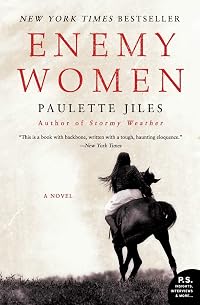
Enemy Women
by Paulette Jiles
On This Page
Description
For the Colleys of southeastern Missouri, the War between the States is a plague that threatens devastation, despite the family's avowed neutrality. For eighteen-year-old Adair Colley, it is a nightmare that tears apart her family and forces her and her sisters to flee. The treachery of a fellow traveler, however, brings about her arrest, and she is caged with the criminal and deranged in a filthy women's prison.But young Adair finds that love can live even in a place of horror and despair. show more Her interrogator, a Union major, falls in love with her and vows to return for her when the fighting is over. Before he leaves for battle, he bestows upon her a precious gift: freedom.
Now an escaped "enemy woman," Adair must make her harrowing way south buoyed by a promise . . . seeking a home and a family that may be nothing more than a memory.
. show less
Tags
Recommendations

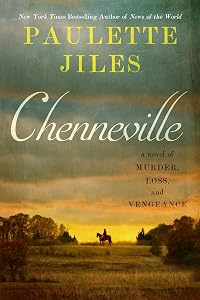
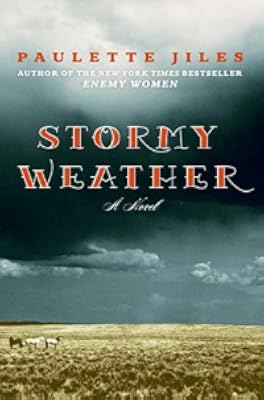
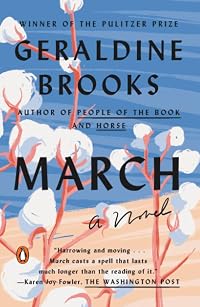

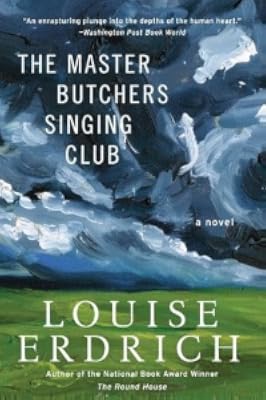
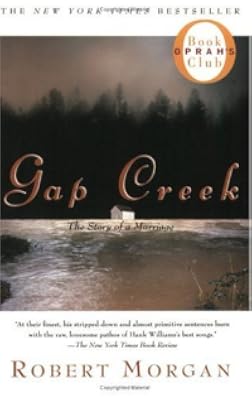
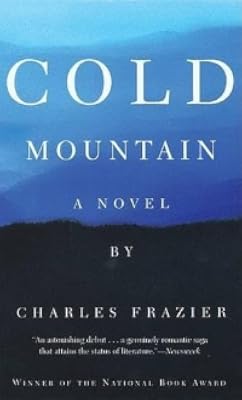
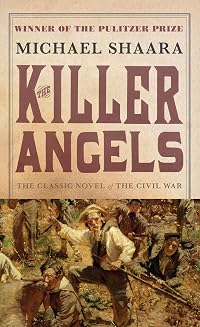

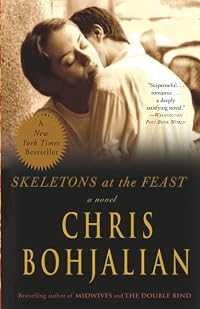





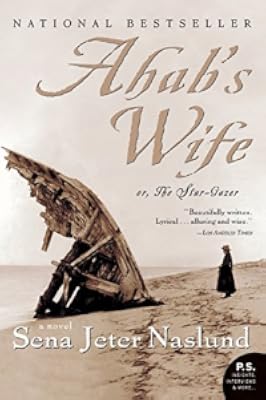

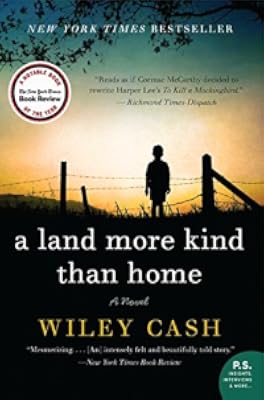

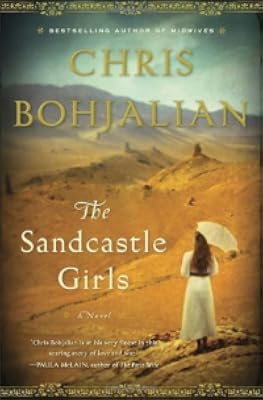
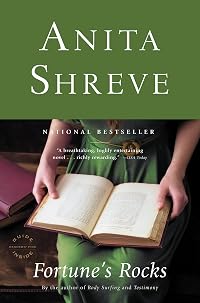



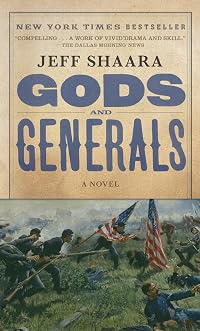

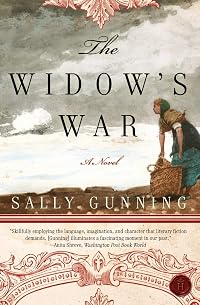


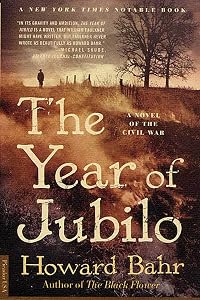
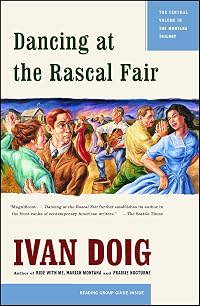

Member Recommendations

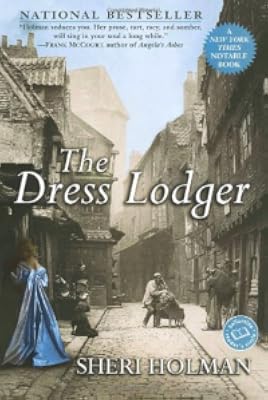
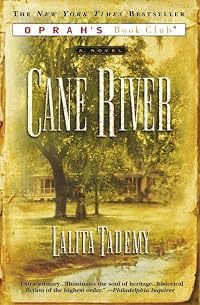
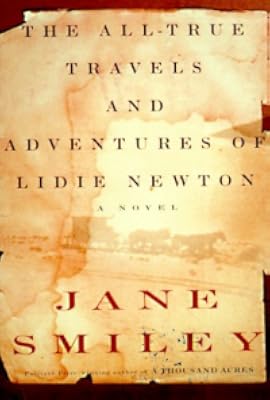
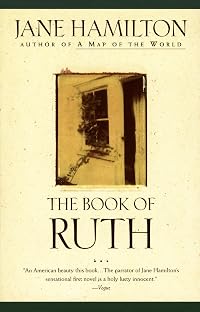
anonymous user Historical novel about a spunky, tomboy heroine struggling to survive the dangers of Civil War torn Missouri Ozarks. Sprinkled with humor.
amelielyle The heroines of both novels demonstrate that bravery and guile were not limited to male participants in the American Civil War.
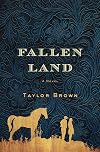
amelielyle Readers who enjoy poetic, descriptive writing which places the reader both inside the scene & inside the minds of the characters will fall in love with these two "quest" novels.
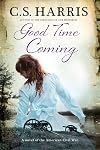
amelielyle Each of these novels exposes in lyrical language the undeserved suffering endured by women and children at the hands of the federal armies during the American Civil War.

juniperSun Both are about spunky young women in pioneer times trying to survive hardships.
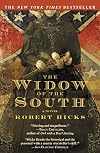
juniperSun Both deal with how Southern women were affected by the Civil War, doing what needed to be done to survive. The writing styles are quite different, however.

amelielyle These authors focus on the guerilla warfare & complete lack of the order of law in the Arkansas & Missouri Ozarks during the American Civil War.
Member Reviews
The road to hell was paved with the bones of men who did not know when to quit fighting. Like the Wild Geese of Ireland they were used and spent like coins by one army after another.
The Civil War was a bloody and costly affair to the men who fought it, and a source of despair for most of our nation's families, who lost their fathers, brothers and sons, but there is another side to the war, and that is its effect on the women who were left to fend for themselves in a world that was unkind to the lone woman. Adair Randolph Colley is one such woman, and Jiles portrays in her a person of wit and intelligence and courage that is astounding.
The war was hard on every state in the South, but in Missouri it was exceptionally violent and cruel. show more Missouri was a divided state, with as many Confederate as Union sympathizers, and as the war wound down, the atrocities on both sides of the conflict toward the innocent citizenry was appalling. Gangs of marauding men scoured the country, killing at random, and in what is a little explored aspect of the conflict, women were imprisoned for feeding or caring for their own male relatives.
During most of the war, the Colley family has managed to remain neutral and continue to farm their acreage. They have never held any slaves, nor do they have combatants on either side of the conflict. But, the depravity of the Union militia finally catches up to them, and Judge Marquis Colley, Adair’s father, is taken prisoner, the house burned and his three daughters left to their own devices. In an attempt to secure his freedom, Adair, barely 18, travels to the headquarters of the Union army and is there falsely accused of spying and herself imprisoned and sent by train to St. Louis.
Jiles' descriptions of the prison and its inhabitants are vivid and visceral. But, she also brings a kind of poetry to her prose.
The fireplace leaked a slow red light, and the bar shadows lined the opposite wall like thin soldiers or the wraiths of the prisoners gone before.
In St. Louis, we meet another pivotal character in Jiles' saga, Major William Neumann, who has been charged with running the ladies prison, and understandably hates his job. He is a decent man caught in an untenable situation. It is through conversations between Adair and William that we begin to see all the layers of Adair's personality emerge.
Just as she gives us vivid images of the prison, Jiles is equally descriptive of the natural sights in her novel, painting visual scenes that play in your mind like a movie trailer.
Sometimes she walked alongside Whiskey and Dolly in the grassy valleys. The horses drifted along either side of her, grazing. Their lips moved without sound and it seemed they were talking to the earth in a long, complex conversion. On the high barrens of the ridges, the wind tore at her hair and sent her shawl and strands of her black hair streaming behind her. The horses walked beside in protection. They spread the wings of their souls on either side of her. They drank of the air, and Adair walked lightly along with them.
I loved this image of the horses spreading "the wings of their souls". It made a particular scene in the book all the more distressing for me.
Adair is such a strong, reliable, and honest character. We can believe her, and we do, and others see this quality in her as well, but we also see her become a person who will do what is necessary to survive. When we first meet her, traveling down the road with her sisters to seek the freedom of her father, she has dressed her sisters and given them hats, and the imagery is almost clownish and playful, despite the seriousness of the situation. This purity and childishness is not meant to last for long. This is not a world in which anyone is allowed to keep their innocence or naivety.
What makes this book exceptional for me is the grounding it has in the actual history of the time. Jiles has carefully researched her subject, and she opens each chapter with an excerpt from documents of the time detailing the horrors that faced these very real people, in the words of those who experienced it.
The first excerpt is from a letter written by Asey Ladd, a Confederate soldier who writes
Dear Wife and Children; I take my pen with trembling hand to inform you that I have to be shot between 2 & 4 o’clock this evening. I have but few hours to remain in this unfriendly world. There are 6 of us sentenced to die in retaliation of 6 Union soldiers that was shot by Reeves men.
With that harrowing letter, we are warned that this will be a tale of a difficult time; a time that requires strong people; a time of precarious survival. Then Jiles goes on to write a character in the guise of a young girl, who is up to the challenge. I thought of Mattie Ross in True Grit, Ivy Rowe in Fair and Tender Ladies, and Ruby Thewes in Cold Mountain. Adair Randolph Colley belongs to this group: unforgettable women, strong women, survivors. show less
The Civil War was a bloody and costly affair to the men who fought it, and a source of despair for most of our nation's families, who lost their fathers, brothers and sons, but there is another side to the war, and that is its effect on the women who were left to fend for themselves in a world that was unkind to the lone woman. Adair Randolph Colley is one such woman, and Jiles portrays in her a person of wit and intelligence and courage that is astounding.
The war was hard on every state in the South, but in Missouri it was exceptionally violent and cruel. show more Missouri was a divided state, with as many Confederate as Union sympathizers, and as the war wound down, the atrocities on both sides of the conflict toward the innocent citizenry was appalling. Gangs of marauding men scoured the country, killing at random, and in what is a little explored aspect of the conflict, women were imprisoned for feeding or caring for their own male relatives.
During most of the war, the Colley family has managed to remain neutral and continue to farm their acreage. They have never held any slaves, nor do they have combatants on either side of the conflict. But, the depravity of the Union militia finally catches up to them, and Judge Marquis Colley, Adair’s father, is taken prisoner, the house burned and his three daughters left to their own devices. In an attempt to secure his freedom, Adair, barely 18, travels to the headquarters of the Union army and is there falsely accused of spying and herself imprisoned and sent by train to St. Louis.
Jiles' descriptions of the prison and its inhabitants are vivid and visceral. But, she also brings a kind of poetry to her prose.
The fireplace leaked a slow red light, and the bar shadows lined the opposite wall like thin soldiers or the wraiths of the prisoners gone before.
In St. Louis, we meet another pivotal character in Jiles' saga, Major William Neumann, who has been charged with running the ladies prison, and understandably hates his job. He is a decent man caught in an untenable situation. It is through conversations between Adair and William that we begin to see all the layers of Adair's personality emerge.
Just as she gives us vivid images of the prison, Jiles is equally descriptive of the natural sights in her novel, painting visual scenes that play in your mind like a movie trailer.
Sometimes she walked alongside Whiskey and Dolly in the grassy valleys. The horses drifted along either side of her, grazing. Their lips moved without sound and it seemed they were talking to the earth in a long, complex conversion. On the high barrens of the ridges, the wind tore at her hair and sent her shawl and strands of her black hair streaming behind her. The horses walked beside in protection. They spread the wings of their souls on either side of her. They drank of the air, and Adair walked lightly along with them.
I loved this image of the horses spreading "the wings of their souls". It made a particular scene in the book all the more distressing for me.
Adair is such a strong, reliable, and honest character. We can believe her, and we do, and others see this quality in her as well, but we also see her become a person who will do what is necessary to survive. When we first meet her, traveling down the road with her sisters to seek the freedom of her father, she has dressed her sisters and given them hats, and the imagery is almost clownish and playful, despite the seriousness of the situation. This purity and childishness is not meant to last for long. This is not a world in which anyone is allowed to keep their innocence or naivety.
What makes this book exceptional for me is the grounding it has in the actual history of the time. Jiles has carefully researched her subject, and she opens each chapter with an excerpt from documents of the time detailing the horrors that faced these very real people, in the words of those who experienced it.
The first excerpt is from a letter written by Asey Ladd, a Confederate soldier who writes
Dear Wife and Children; I take my pen with trembling hand to inform you that I have to be shot between 2 & 4 o’clock this evening. I have but few hours to remain in this unfriendly world. There are 6 of us sentenced to die in retaliation of 6 Union soldiers that was shot by Reeves men.
With that harrowing letter, we are warned that this will be a tale of a difficult time; a time that requires strong people; a time of precarious survival. Then Jiles goes on to write a character in the guise of a young girl, who is up to the challenge. I thought of Mattie Ross in True Grit, Ivy Rowe in Fair and Tender Ladies, and Ruby Thewes in Cold Mountain. Adair Randolph Colley belongs to this group: unforgettable women, strong women, survivors. show less
I've read a lot a novels set during the Civil War, but knew little about the events in Missouri and the surrounding area before reading this book. The main character, Adair, quickly gained my admiration and respect for her strength and spirit. I enjoyed the quotes and excerpts from actual Civil War documents (both Union and Confederate) at the beginning of each chapter. They seem to keep the novel grounded in historical fact, even though the characters and compelling story are fiction. Paulette Jiles' writing is outstanding, truly making the setting and emotions of the characters come to life. I found myself reading some passages over just to enjoy the mental pictures her words create. The ending came too soon!
I have read quite a few books on the Civil War, but was never that aware of how different the situation might be for civilians in some of the border states until I read this absorbing book by Paulette Jiles, author of Lighthouse Island.
The author spent seven years researching the history of the Civil War in Missouri, bringing it to life with this story of a (fictional) heroine for any era, 18-year-old Adair Colley. Jiles takes us back to a time of incredible brutality in Southeastern Missouri as citizens used the cover of war to exact vengeance on personal enemies or to act upon their greed, envy, or lust in ways unacceptable in peacetime.
As the story begins, Adair’s father, a civilian and a judge, is savagely beaten and taken away, show more and the Colley’s home is looted and burned. Adair must find a safe place for herself and her two younger sisters, and she is also determined to locate her father if she can, and plead for his return. But as she embarks on her journey with her siblings, a spat between her and other travelers results in her being denounced as a Confederate “spy” and taken to the women’s prison in St. Louis. There, she forges a bond with the Union major charged with interrogating her, but even his friendship can’t change the unhealthy miasma of the prison, or the fact that they are on two different sides of an ideological and geographical divide.
Discussion: Jiles gives the Civil War a human face and even more strikingly, one that is decidedly female. Most accounts of the Civil War focus on the men who fought. Jiles shows from her dramatization of real events some of the ways in which the women suffered as well, and how they responded to what was happening to them and their families.
Jiles’ story of what took place in Missouri (punctuated by a number of excerpts from historical documents that precede each chapter) is also valuable because it could have easily come from diaries of civilians caught up in contemporary wars. The insight the records provide into the cruel and unjust collateral damage of war is considerable.
I really liked Jiles’ more recent book, Lighthouse Island, and when I saw this earlier work by her, I was quick to grab it. I could see elements and themes in this book that would reappear in the later book, although of course the settings are quite different. But they both feature women of courage and character. For those who like strong, resourceful female heroines who do what they must to survive, this is an author not to be missed.
Evaluation: Jiles is an adept writer who manages to limn scenes of carnage and destruction with a poetic eloquence that somehow adds to the horror rather than “beautifying” it. But she also lends her poetic hand to the pain, naivety, and hope of love, resulting in an unforgettable story. show less
The author spent seven years researching the history of the Civil War in Missouri, bringing it to life with this story of a (fictional) heroine for any era, 18-year-old Adair Colley. Jiles takes us back to a time of incredible brutality in Southeastern Missouri as citizens used the cover of war to exact vengeance on personal enemies or to act upon their greed, envy, or lust in ways unacceptable in peacetime.
As the story begins, Adair’s father, a civilian and a judge, is savagely beaten and taken away, show more and the Colley’s home is looted and burned. Adair must find a safe place for herself and her two younger sisters, and she is also determined to locate her father if she can, and plead for his return. But as she embarks on her journey with her siblings, a spat between her and other travelers results in her being denounced as a Confederate “spy” and taken to the women’s prison in St. Louis. There, she forges a bond with the Union major charged with interrogating her, but even his friendship can’t change the unhealthy miasma of the prison, or the fact that they are on two different sides of an ideological and geographical divide.
Discussion: Jiles gives the Civil War a human face and even more strikingly, one that is decidedly female. Most accounts of the Civil War focus on the men who fought. Jiles shows from her dramatization of real events some of the ways in which the women suffered as well, and how they responded to what was happening to them and their families.
Jiles’ story of what took place in Missouri (punctuated by a number of excerpts from historical documents that precede each chapter) is also valuable because it could have easily come from diaries of civilians caught up in contemporary wars. The insight the records provide into the cruel and unjust collateral damage of war is considerable.
I really liked Jiles’ more recent book, Lighthouse Island, and when I saw this earlier work by her, I was quick to grab it. I could see elements and themes in this book that would reappear in the later book, although of course the settings are quite different. But they both feature women of courage and character. For those who like strong, resourceful female heroines who do what they must to survive, this is an author not to be missed.
Evaluation: Jiles is an adept writer who manages to limn scenes of carnage and destruction with a poetic eloquence that somehow adds to the horror rather than “beautifying” it. But she also lends her poetic hand to the pain, naivety, and hope of love, resulting in an unforgettable story. show less
Paulette Jiles knocked my socks off with her ‘Color of Lightning’, so I scrambled to find another of her books. Sockless, again! A strong writer, she gives an authentic voice to her characters, and sets them in vividly rendered locations. Her stories are compelling; the historical events true, around which she weaves her words.
In her historical novel, ENEMY WOMEN, Jiles shares some actual letters, written, some by northerners, some by southerners. One letter from 1861: “There will be trouble in Missouri until the Secesh are subjugated and made to know that they are not only powerless, but that any attempts to make trouble here will bring upon them certain destruction and this … must not be confined to soldiers and fighting men, show more but must be extended to non-combatant men and women.”
And so begins a horrible chapter in the history of Missouri. The men of the area were still off fighting in the War Between the States, or acting as gorilla soldiers trying to protect their homes and villages from being ravaged by unscrupulous union soldiers. Women, while feeding their own husbands when they returned from their war duties, were charged as collaborators - enemies of the Union. Homes were burned, menfolk (and often whole families) were killed, or the women and children marched to prisons in St. Louis.
Jiles imagines a family set into this moment in history; her main character a young woman, the oldest sibling, and how she reacts to the circumstances in which she finds herself. A fascinating story, start to finish; well imagined and well told. The characters and story both felt true to the times.
Her sense of place was perfect, too. I lived, for a short time, in the area depicted. I’ve walked in the Current River, sat with my children on its pebbly ‘beaches’ in Van Buren, hiked through parts of the Mark Twain National Forest, climbed around the boulders of Johnson’s Shut-Ins listening to the roar of the water. Her descriptions transplanted me right back there.
Two notes, though: (1) The one thing this book lacked was a map. In ‘Color of Lightning’, I found myself referring back to the maps quite often, and really felt its lack here. Enemy Women was an earlier work; perhaps reprints will include a map. (2) As I began this book, it initially bothered me that the words ‘spoken’ by the characters were not shown in quotes. But I wasn’t bothered long. It was a seamless technique that at least worked for her in this time and place.
A taste (p.12): “So it was in the third year of the Civil War in the Ozark Mountains of southeastern Missouri, when virginia creeper and poison ivy wrapped scarlet, smoky scarves around the throats of trees, and there was hardly anybody left in the country but the women and the children.”
Highly recommended. show less
In her historical novel, ENEMY WOMEN, Jiles shares some actual letters, written, some by northerners, some by southerners. One letter from 1861: “There will be trouble in Missouri until the Secesh are subjugated and made to know that they are not only powerless, but that any attempts to make trouble here will bring upon them certain destruction and this … must not be confined to soldiers and fighting men, show more but must be extended to non-combatant men and women.”
And so begins a horrible chapter in the history of Missouri. The men of the area were still off fighting in the War Between the States, or acting as gorilla soldiers trying to protect their homes and villages from being ravaged by unscrupulous union soldiers. Women, while feeding their own husbands when they returned from their war duties, were charged as collaborators - enemies of the Union. Homes were burned, menfolk (and often whole families) were killed, or the women and children marched to prisons in St. Louis.
Jiles imagines a family set into this moment in history; her main character a young woman, the oldest sibling, and how she reacts to the circumstances in which she finds herself. A fascinating story, start to finish; well imagined and well told. The characters and story both felt true to the times.
Her sense of place was perfect, too. I lived, for a short time, in the area depicted. I’ve walked in the Current River, sat with my children on its pebbly ‘beaches’ in Van Buren, hiked through parts of the Mark Twain National Forest, climbed around the boulders of Johnson’s Shut-Ins listening to the roar of the water. Her descriptions transplanted me right back there.
Two notes, though: (1) The one thing this book lacked was a map. In ‘Color of Lightning’, I found myself referring back to the maps quite often, and really felt its lack here. Enemy Women was an earlier work; perhaps reprints will include a map. (2) As I began this book, it initially bothered me that the words ‘spoken’ by the characters were not shown in quotes. But I wasn’t bothered long. It was a seamless technique that at least worked for her in this time and place.
A taste (p.12): “So it was in the third year of the Civil War in the Ozark Mountains of southeastern Missouri, when virginia creeper and poison ivy wrapped scarlet, smoky scarves around the throats of trees, and there was hardly anybody left in the country but the women and the children.”
Highly recommended. show less
In the last months of 1864, the residents of Missouri are being pushed and pulled between warring factions. Guerrilla groups (not formally enlisted in the Rebel Army) strike out from their hidey-holes in the woods and mountains; Union soldiers man strategic forts but also have empowered a militia to enforce martial law. The “leaders” of the militia use this as an excuse to pillage, seizing property, horses, and goods, and to kill anyone who voices any outrage. When 18-year-old Adair Colley’s father is arrested, and their home and barn set afire, she and her sisters begin the trek north to try to get her father released. Instead, she is renounced as a traitor and imprisoned. In the notoriously squalid conditions of her prison she show more encounters Major William Neuman, a Union soldier who is tasked with obtaining her confession.
I found this work of historical fiction fascinating and engaging. Adair is a strong woman even though she is barely out of girlhood. She remains resolute despite hardship. No horse – no problem – she will walk. She never loses sight of her goal – to find her father, to get home, to reunite her family.
Major Neuman is an interesting counterpoint. Conflicted about his obligations as a Union officer vs his love for Adair, he finds himself walking the tightrope between his duty and his compassion. I do wish Jiles had explored his story a bit more, but I was nevertheless glad to read so much of Adair’s adventures.
I really appreciated, too, that Jiles includes historical documents – letters, reports, journal entries, etc – at the beginning of each chapter. These glimpses of actual events really informed and added to the truth behind this work of fiction. show less
I found this work of historical fiction fascinating and engaging. Adair is a strong woman even though she is barely out of girlhood. She remains resolute despite hardship. No horse – no problem – she will walk. She never loses sight of her goal – to find her father, to get home, to reunite her family.
Major Neuman is an interesting counterpoint. Conflicted about his obligations as a Union officer vs his love for Adair, he finds himself walking the tightrope between his duty and his compassion. I do wish Jiles had explored his story a bit more, but I was nevertheless glad to read so much of Adair’s adventures.
I really appreciated, too, that Jiles includes historical documents – letters, reports, journal entries, etc – at the beginning of each chapter. These glimpses of actual events really informed and added to the truth behind this work of fiction. show less
Paulette Jiles is one of my favorite writers....her prose is beautiful and I need to read her words thoughtfully and carefully to appreciate it. She doesn't provide deep characterization for Adair and William, but she doesn't need to because it's about the story more than the characters. I struggled in the beginning until I remembered to slow down, be patient and wait for the story to develop. My one criticism is the lack of quotation marks; I'm fine with a writer not using quotation marks for the dialogue and I understand why it is done, but it didn't work for me with this book, I found it difficult to distinguish between dialogue and narration. A lovely story and beautiful writing....another great one by Ms. Jiles.
Having read Widow of the South in the past year, I found some similarity in how Southern women did what had to be done to survive during the Civil War. Jiles' work, while also strongly grounded in historical research, brought out more of a dreamy quality and had lyrical descriptions of the countryside mixed in with Adair's adventure.
Adair, a spunky 18 yr old, starts out focused on finding out what the Union has done with her father. She soon finds that she needs to keep her wits about her just to survive. And she survives not just by wit but by an openness to whatever force it is that carries us along, and by "a resolute determination not to live in the world as it was" (p.101), as Major Neumann notices.
A journey away and return, with show more much rise and fall of fortunes--I can see why another reviewer called it Homeresque.
The lack of quotations around conversations was a bit disconcerting, and at times I had to reread to see what was actually said and what was descriptive, but I had no problems with incomplete sentences which seemed to fit with the randomness of life. show less
Adair, a spunky 18 yr old, starts out focused on finding out what the Union has done with her father. She soon finds that she needs to keep her wits about her just to survive. And she survives not just by wit but by an openness to whatever force it is that carries us along, and by "a resolute determination not to live in the world as it was" (p.101), as Major Neumann notices.
A journey away and return, with show more much rise and fall of fortunes--I can see why another reviewer called it Homeresque.
The lack of quotations around conversations was a bit disconcerting, and at times I had to reread to see what was actually said and what was descriptive, but I had no problems with incomplete sentences which seemed to fit with the randomness of life. show less
Members
- Recently Added By
Published Reviews
I just HATED *Enemy Women*! So bloodthirsty, so much vicious violence - I didn't think women wrote such stuff. And a flat, plodding, repetitive style, devoid even of quote marks for the dialogue.
Come back the glory days of Jane Austen, E. M. Forster, Nancy Mitford, Elizabeth Taylor, Elizabeth Bowen, Barbara Pym, Anita Brookner, Salley
Vickers. What is happening so to brutalise new fiction?
Come back the glory days of Jane Austen, E. M. Forster, Nancy Mitford, Elizabeth Taylor, Elizabeth Bowen, Barbara Pym, Anita Brookner, Salley
Vickers. What is happening so to brutalise new fiction?
added by KayCliff
Lists

Best Historical Fiction
620 works; 261 members

Books Set in Missouri
29 works; 4 members
Author Information

21+ Works 6,843 Members
Paulette Jiles is a poet, memoirist, and novelist, born in 1943, and based in San Antonio, Texas. She is the author of a memoir entitled, Cousins. Her novels include Enemy Woman, Stormy Weather, The Color of Lightning, Lighthouse Island, and News of the World. (Bowker Author Biography)
Some Editions
Awards and Honors
Awards
Notable Lists
Common Knowledge
- Canonical title
- Enemy Women
- Original publication date
- 2002-01-01
- People/Characters
- Adair Colley; Major William Neumann
- Important places
- St. Louis, Missouri, USA; Ozark Mountains, Missouri, USA; the Nachitoches Trace (Missouri, USA); Irish Wilderness (Missouri, USA); Doniphan, Missouri, USA
- Important events
- American Civil War (1861 | 1865)
- Dedication
- For my cousin Susan Jiles Lawson and, as always, for Jim.
- First words
- Young men joined up by the thousands in their eagerness to go to war for the state of Missouri; they would go to war and come home with stories to tell as their fathers had come home from the Mexican war with tales of faraway... (show all) places and cannon fire and the bold charge the Missourians had made at Saltillo.
- Quotations
- There will be trouble in Missouri until the Secesh are subjugated and made to know that they are not only powerless, but that any attempts to make trouble here will bring upon them certain destruction and this … must not be... (show all) confined to soldiers and fighting men, but must be extended to non-combatant men and women. October 10, 1861 (actual letter)
So it was in the third year of the Civil War in the Ozark Mountains of southeastern Missouri, when Virginia creeper and poison ivy wrapped scarlet, smoky scarves around the throats of trees, and there was hardly anybody left ... (show all)in the country but the women and the children.
She got up again and paced. Then took the quilt out of its linen wrapper for the pleasure of the brilliant colors and the feel of the velvet. The needlework was very fine and regular. Adair hated needlework and she could n... (show all)ot imagine sitting and stitching the fine crow’s-foot seams. Writing was the same, the pinching of thoughts into marks on paper and trying to keep your cursive legible, trying to think of the next thing to say and then behind you on several sheets of paper you find you have left permanent tracks, a trail, upon which anybody could follow you. Stalking you through your deep woods of private thought.
They carried, unfurled and lifting slightly in the spring breeze, their State Guard flag, a faded blue silk, and in the middle of it in a battered gold color, the state seal and the growling bears of Missouri. The men lined ... (show all)the road. There was a long silence as Reeves and his officers came down the trail and through Wilderness, past the tavern. As he went past the men’s hats came off, one after the other like a line of birds taking flight They stood holding their rifles or their cut hickory walking sticks, their hats in their hands. Colonel, they said.
Colonel Reeves gazed out from under his hat brim. It was a cavalry officer’s hat pinned up to one side. One boot was kicked out of the stirrup and his uniform was worn through the leather patches at the elbows, the leather hung in little fluttering banners.
Men. Good day, men. God bless you all.
He nodded to each man and looked each man in the eye and then they rode on and the strange flag disappeared into the descending hillside of yellow pine, riding slowly out of the official history of the world. - Last words
- (Click to show. Warning: May contain spoilers.)She gathered her skirts in her hand and began to walk down the hill, hurrying, before the light faded.
- Blurbers
- Chute, Carolyn; Gibbons, Kaye; Lish, Gordon; Butala, Sharon
Classifications
- Genres
- Fiction and Literature, General Fiction, Historical Fiction, Romance
- DDC/MDS
- 813.54 — Literature & rhetoric American literature in English American fiction in English 1900-1999 1945-1999
- LCC
- PR9199.3 .J54 .E5 — Language and Literature English English Literature English literature: Provincial, local, etc.
- BISAC
Statistics
- Members
- 1,178
- Popularity
- 21,286
- Reviews
- 43
- Rating
- (3.65)
- Languages
- English
- Media
- Paper, Audiobook, Ebook
- ISBNs
- 25
- ASINs
- 7