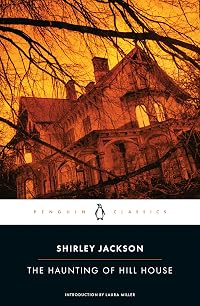
The Haunting of Hill House
by Shirley Jackson
On This Page
Description
The Haunting Four seekers have come to the ugly, abandoned old mansion: Dr. Montague, an occult scholar looking for solid evidence of the psychic phenomenon called haunting; Theodara, his lovely and lighthearted assistant; Eleanor, the lonely, homeless girl well acquainted with poltergeists; and Luke, the adventurous future heir of Hill House. At first, their stay seems destined to be merely a spooky encounter with inexplicable noises and self-closing doors, but Hill House is gathering its show more powers and will soon choose one of them to make its own.. show less
Tags
Recommendations
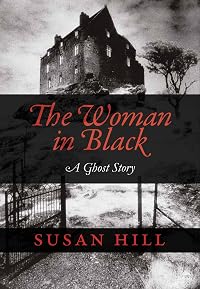
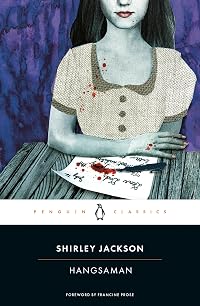
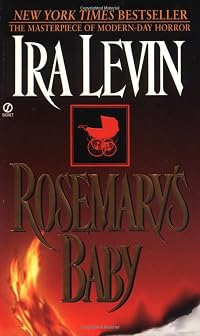
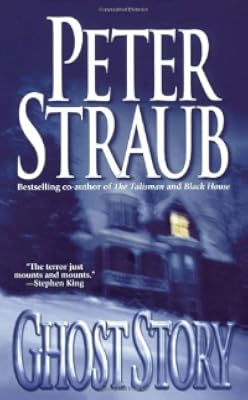
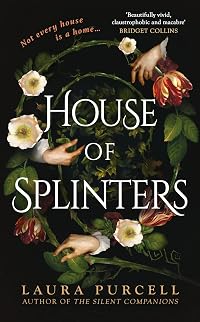
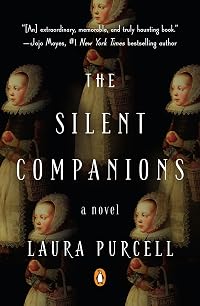
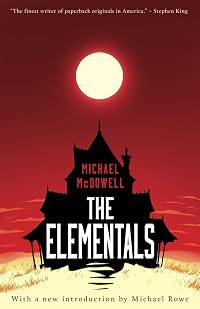
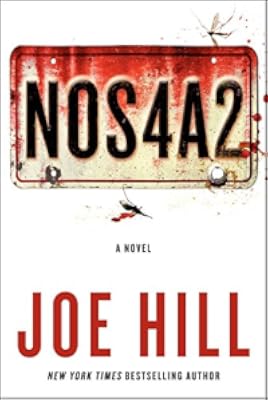
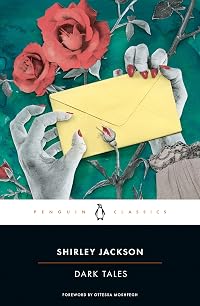
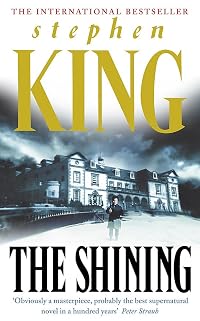
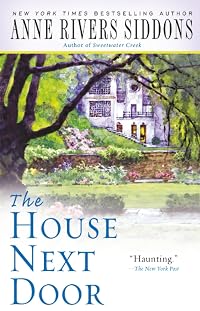
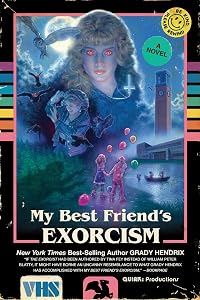
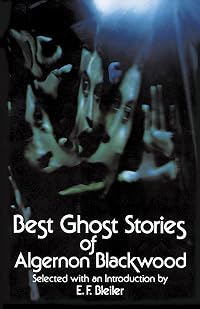
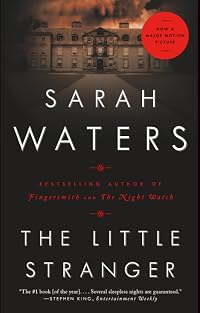
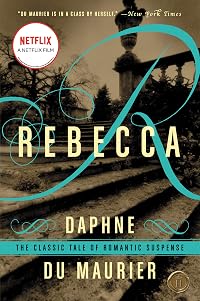
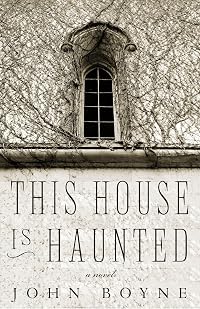
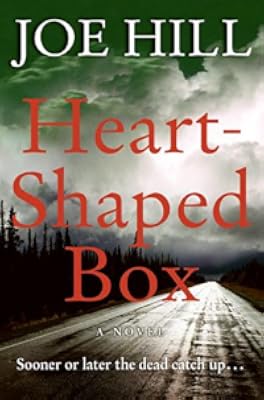

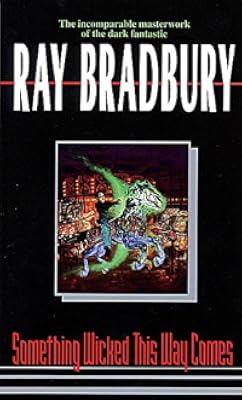
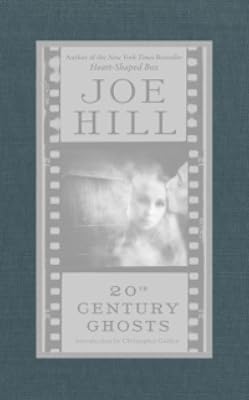
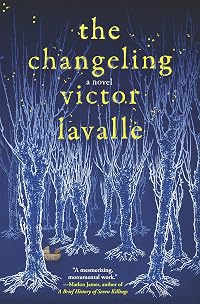
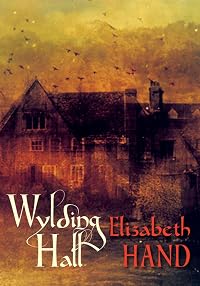

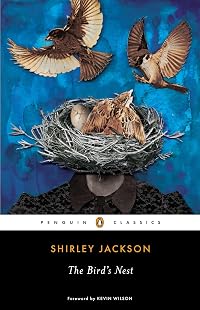
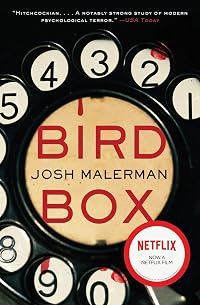
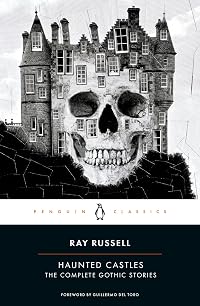
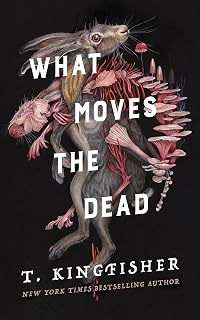
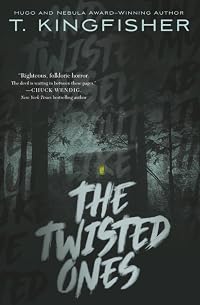

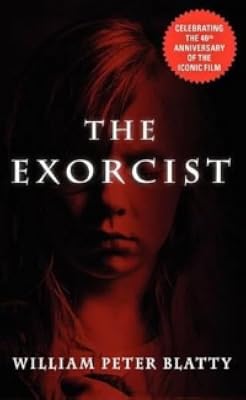

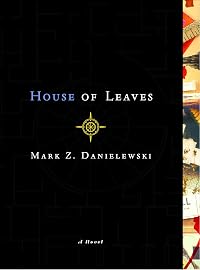
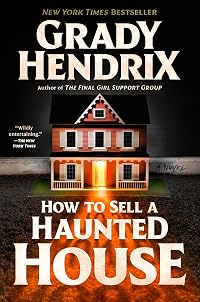
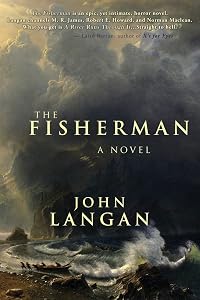
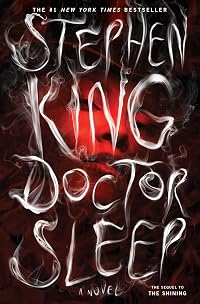
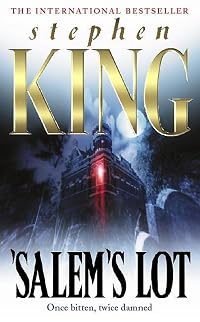
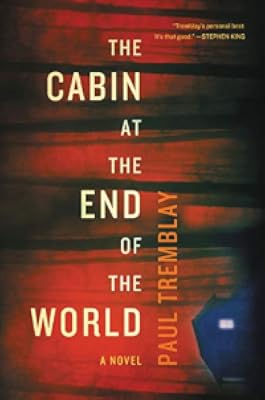
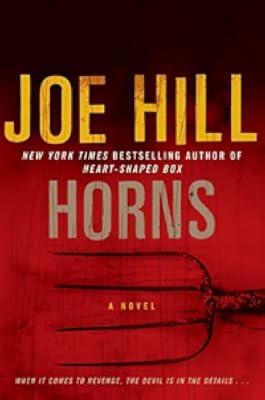
Member Recommendations
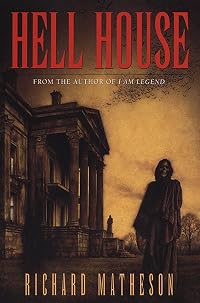
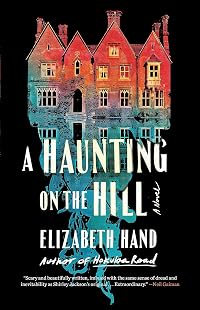
Nickelini Both have an unreliable narrator, which results in an ambiguous story.
210
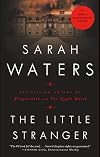
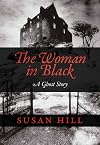
Jannes Not sure if it is a coincidence, but the two perhaps best ghost stories ever written are both by women, in a genre otherwise mostly dominated by men.
Both are superb explorations of death, loss, fear, and all those other elementsthat make up the good supernatural tales.
Also recommended by Copperskye
101
upstairsgirl Similar in premise, less subtle but more disturbing in execution.
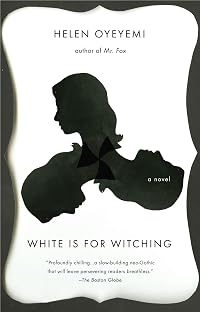
sturlington Hill House clearly inspired White Is for Witching.
80
blacksylph The only haunted house story I've ever read that was scarier than this book.
62
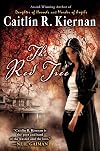
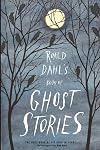
SomeGuyInVirginia Dahl's is the best collection of ghost stories available, and Jackson's is the best haunted house story of all time. I think they make a nice pair (as the bishop said to the chorus girl.)
41
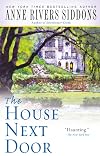
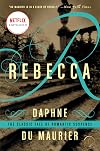
msemmag Unreliable narrators, troubled women, dark psychological horror
30
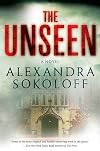
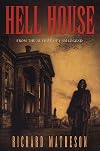

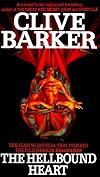
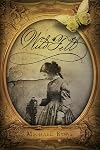
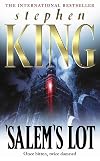
artturnerjr Clearly influenced by The Haunting of Hill House, as is much of King's work.
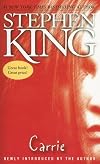
akblanchard Carrie White has much in common with Jackson's shy, bullied heroine Eleanor Vance.
88
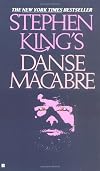
kraaivrouw Look here for Stephen King's take on The Haunting of Hill House.
45

Member Reviews
there are so few books that are, or approach, utter perfection, but this is absolutely one of them. and the passage introducing eleanor is still my all-time favorite introduction of a character in all of literature. i love this book so much.
even the things that feel like maybe, possibly mistakes (slight, of course), in retrospect aren't, and are even brilliant. (she barely overuses the word "concrete" when referring to eleanor's thoughts, but actually how fitting and perfect is that? as eleanor tries to ground herself in reality, in the tangible now, as opposed to the pull hill house is having on her; she is striving (or is she?) to remain concrete.)
i tried, this time, to read it slowly, to see things i hadn't seen before or that i show more didn't remember. it ended up, it looks like, being the fastest i read it (in terms of days) but i did manage to look at it a bit differently. the time confusion, for example. it's always bothered me a bit that the timing of everything has seemed not quite right. now i think that's intentional. that jackson can't have us really feel discomfort with the darkness and unpredictability of hill house. that we can't really feel the unsettling feeling of the off angles and the unexpected views and the never-knowing-where-you-are-in-the-house feeling that the characters feel. but we can feel uncomfortable in time. we can be unsure if we're 3 days in or is it 2 or 4? just slightly off - enough to not question her when theo says it was the day before yesterday. but it wasn't the day before yesterday. so we're a little unsteady, just as they are in hill house. with everything else being so perfect in this book, this has to be on purpose, and it works. it really works; i've always been uncomfortable with the timing of all of it, and this explains it (and yes, excuses it).
i really saw, this time, howthe house is coming out of its wait at the same time as eleanor starts to come apart. the "which-is-it" question - is the house sentient and coming for or drawing in eleanor or is eleanor going crazy - that i always felt was expertly written to be either, i now see was expertly written to be both. they are concurrent happenings, and they play off each other. each time i read this, the house seems more alive and more active and more purposeful. but eleanor doesn't really feel less like she's breaking apart. the two together work perfectly together.
as much as i love this book, i forget how funny it is in places. her writing is so precise and yet not at all clinical. so good. so perfect. i already can't wait to read it again. i will be looking for a class to take on this book so i can really dive deep. i love it so much.
the same lines as always, always jumped out at me, but i also noticed some new ones this time. in particular i like what she's doing here, at our first introduction to the room eleanor is assigned:
"Perhaps someone had once hoped to lighten the air of the blue room in Hill House with a dainty wallpaper, not seeing how such a hope would evaporate in Hill House, leaving only the faintest hint of its existence like an almost inaudible echo of sobbing far away."
(5 stars)
from oct 2018:
truly, i love this book. jackson is an absolute master. of language, of plotting, of characterization (i mean, mein gott, the character of mrs montague is utter perfection), of everything important and everything minor in a book. even that first chapter, which i used to not love, is showing itself as brilliant as well.
one of my favorite passages in all of literature is the beginning of the second chapter, the whole of which perfectly (i mean *perfectly*) sets us up to be in eleanor's head for the rest of the book. oh, how i wish we got some of theo's perspective sometimes. (but i know that would negate everything jackson did. still, i'm so damn curious.) but because we live with eleanor for the book, that introduction chapter to her is everything it needs to be, it's amazing. in terms of getting to the haunted house part, the book takes a bit to get going (if that is why someone is reading it), but we are in this chapter with eleanor and it's simply one of the best written ways to give a reader a character study (and plant ideas and themes that we'll see come up again later) that i've ever seen.
there were a couple of things that seemed not quite right to me on this reading - that theodora could just leave her business for a couple of months, on a whim; that they didn't just leave the house after some of what they experienced; that jackson left off the story a few times to jump forward a few hours leaving things not quite settled and the time passage not quite clear at first - which made it not quite perfect. but all tiny things compared to the rest, which really is flawless.
i love the interplay between the house drawing eleanor in and eleanor's descent into madness. i love waffling between what is happening (is it a haunting? is eleanor imagining it? is theo being mean or not?) page to page. i love wondering about the interpretation that we're given, as it's coming from the one person we can't really rely on. i love that jackson makes it possible that it's all in eleanor's head, or it's all the house taking her. i love i love i love i love.
oh how i love this book. (5 stars)
from oct 2016:
if i liked the first 2.5 pages of this better i don't know what i'd have to complain about. and i liked them more this time than i did at my first reading, so maybe i'll come completely around to them at some point. because this is obviously a book i will be reading again and again. i wish i could take a graduate class just on this book, there is so much in here and so much to discuss; the depths you can find about each of the characters and the history is ... well, it's exciting.
my interpretation of the book is completely different than last time with this reading. i didn't find this too scary last time (except that amazing scene where eleanor thinks she's holding theo's hand in the night through the noise and the cold and then finds theo was sleeping all along ) but this time, i found it scary pretty much from beginning to end. part of that is knowing what is coming and seeing so much foreshadowing throughout, but most of that is reading it differently. it's one of my favorite things about this book, that it can be read in different ways, and the interpretations can all be backed up by the text. so this time i read it less as eleanor going crazy, and much more as the house is alive and wanted her, drew her in, and drove her actions . which makes for a different story and a pretty scary read, even though i don't usually prefer this kind of tale. it's just so expertly done.
i still absolutely love the way she begins chapter 2: "Eleanor Vance was thirty-two years old when she came to Hill House. The only person in the world she genuinely hated, now that her mother was dead, was her sister. She disliked her brother-in-law and her five-year-old niece, and she had no friends. This was owing largely to the eleven years she had spent caring for her invalid mother, which had left her with some proficiency as a nurse and an inability to face strong sunlight without blinking." i think it will prove to be one of my favorite passages in literature.
this time i found it clear that theodora is a lesbian; it didn't feel much like subtext but actually out in the open. maybe it's reading this directly after the education of harriet hatfield when they called their partners their friends, but seeing "friend" in this book didn't make me wonder what she meant like it did last time. the reference to the alfred de musset book (i'm assuming the erotic lesbian one) i think is supposed to make that clear. not that it matters, i just found it differently obvious in this reading.
there is so much creepy foreshadowing that i either didn't notice before or just, i don't know, shrugged off. of course, it totally can be shrugged off, since this book can perfectly be read in a number of ways. but this time, maybe i wanted to read it as a haunted house story, or maybe something early on just nudged me in that direction. because i must have marked 25 places (before i gave up) where the house "watches" "waits" "settles" "sighs" "steadied" that don't necessarily mean the house is alive, per say. but it sure felt like it was aware and sentient in this reading. maybe that's also partly prep for rereading white is for witching, in which the house is most definitely a character in the book. (there's even a line in here - "The sense was that [the house] wanted to consume us, take us into itself, make us a part of the house, maybe" that, to me, foreshadows the oyeyemi book in its entirety.) while i'm talking other books, i'll also say that the way the nursery was described, the coldness and as "the heart of the house" reminded me also of the den of it, in stephen king's it. not that they were trying to destroy anything in this house, though.
this is just so good.is the force inside her? did it draw her there? is it her, herself? "Eleanor, racing to the pounding, which seemed inside her head as much as in the hall, ..." ... "how can these others hear the noise when it is coming from inside my head? I am disappearing inch by inch into this house..." is she going crazy? is the house making her crazy? was she already crazy? i even found myself, at one point, asking, is she even actually there?? i can't say enough how much i love how answering those questions differently gives a completely different reading of the book. it's just so brilliantly done. i already can't wait to read it again one day. (5 stars)
from oct 2014:
oh this book is so, so good. i didn't love the first 2.5 pages, but by midway through page 3, when she opens chapter 2 with - "Eleanor Vance was thirty-two years old when she came to Hill House. The only person in the world she genuinely hated, now that her mother was dead, was her sister. She disliked her brother-in-law and her five-year-old niece, and she had no friends. This was owing largely to the eleven years she had spent caring for her invalid mother, which had left her with some proficiency as a nurse and an inability to face strong sunlight without blinking." - i was all in.
it's not as scary (in the traditional sense) as i'd expected, but i think it's stronger for it as it's less about the supernatural manifestations in the house and more about the expectation of them that build in the group and with each of the people individually. is the house evil? is anything happening or is it in the occupant's heads? (does mrs. montague not experience any phenomena because there aren't any or because she's not a part of the group the house has chosen?) is theodora mean to eleanor or is that (also?) in eleanor's head? at what point does eleanor really start to go mad, and how much of the story is then called into question because it's told from her point of view? there are so many questions that come up reading this; it's the kind of book that makes you want to go back through and find clues and see how things shift based on how you might answer those questions.
i love the uncertainty that comes with reading this and i understand why it's cited as foundational for so many writers (like stephen king). and yet it reads like it could have been published the day i began reading it.
i can't do this book justice. it's just so good on so many levels. shirley jackson can write and i can't wait to read (and reread over and over again) everything she ever published. (5 stars) show less
even the things that feel like maybe, possibly mistakes (slight, of course), in retrospect aren't, and are even brilliant.
i tried, this time, to read it slowly, to see things i hadn't seen before or that i show more didn't remember. it ended up, it looks like, being the fastest i read it (in terms of days) but i did manage to look at it a bit differently. the time confusion, for example. it's always bothered me a bit that the timing of everything has seemed not quite right. now i think that's intentional. that jackson can't have us really feel discomfort with the darkness and unpredictability of hill house. that we can't really feel the unsettling feeling of the off angles and the unexpected views and the never-knowing-where-you-are-in-the-house feeling that the characters feel. but we can feel uncomfortable in time. we can be unsure if we're 3 days in or is it 2 or 4? just slightly off - enough to not question her when theo says it was the day before yesterday. but it wasn't the day before yesterday. so we're a little unsteady, just as they are in hill house. with everything else being so perfect in this book, this has to be on purpose, and it works. it really works; i've always been uncomfortable with the timing of all of it, and this explains it (and yes, excuses it).
i really saw, this time, how
as much as i love this book, i forget how funny it is in places. her writing is so precise and yet not at all clinical. so good. so perfect. i already can't wait to read it again. i will be looking for a class to take on this book so i can really dive deep. i love it so much.
the same lines as always, always jumped out at me, but i also noticed some new ones this time. in particular i like what she's doing here, at our first introduction to the room eleanor is assigned:
"Perhaps someone had once hoped to lighten the air of the blue room in Hill House with a dainty wallpaper, not seeing how such a hope would evaporate in Hill House, leaving only the faintest hint of its existence like an almost inaudible echo of sobbing far away."
(5 stars)
from oct 2018:
truly, i love this book. jackson is an absolute master. of language, of plotting, of characterization (i mean, mein gott, the character of mrs montague is utter perfection), of everything important and everything minor in a book. even that first chapter, which i used to not love, is showing itself as brilliant as well.
one of my favorite passages in all of literature is the beginning of the second chapter, the whole of which perfectly (i mean *perfectly*) sets us up to be in eleanor's head for the rest of the book. oh, how i wish we got some of theo's perspective sometimes. (but i know that would negate everything jackson did. still, i'm so damn curious.) but because we live with eleanor for the book, that introduction chapter to her is everything it needs to be, it's amazing. in terms of getting to the haunted house part, the book takes a bit to get going (if that is why someone is reading it), but we are in this chapter with eleanor and it's simply one of the best written ways to give a reader a character study (and plant ideas and themes that we'll see come up again later) that i've ever seen.
there were a couple of things that seemed not quite right to me on this reading - that theodora could just leave her business for a couple of months, on a whim; that they didn't just leave the house after some of what they experienced; that jackson left off the story a few times to jump forward a few hours leaving things not quite settled and the time passage not quite clear at first - which made it not quite perfect. but all tiny things compared to the rest, which really is flawless.
oh how i love this book. (5 stars)
from oct 2016:
if i liked the first 2.5 pages of this better i don't know what i'd have to complain about. and i liked them more this time than i did at my first reading, so maybe i'll come completely around to them at some point. because this is obviously a book i will be reading again and again. i wish i could take a graduate class just on this book, there is so much in here and so much to discuss; the depths you can find about each of the characters and the history is ... well, it's exciting.
my interpretation of the book is completely different than last time with this reading. i didn't find this too scary last time (except that amazing scene
i still absolutely love the way she begins chapter 2: "Eleanor Vance was thirty-two years old when she came to Hill House. The only person in the world she genuinely hated, now that her mother was dead, was her sister. She disliked her brother-in-law and her five-year-old niece, and she had no friends. This was owing largely to the eleven years she had spent caring for her invalid mother, which had left her with some proficiency as a nurse and an inability to face strong sunlight without blinking." i think it will prove to be one of my favorite passages in literature.
this time i found it clear that theodora is a lesbian; it didn't feel much like subtext but actually out in the open. maybe it's reading this directly after the education of harriet hatfield when they called their partners their friends, but seeing "friend" in this book didn't make me wonder what she meant like it did last time. the reference to the alfred de musset book (i'm assuming the erotic lesbian one) i think is supposed to make that clear. not that it matters, i just found it differently obvious in this reading.
there is so much creepy foreshadowing that i either didn't notice before or just, i don't know, shrugged off. of course, it totally can be shrugged off, since this book can perfectly be read in a number of ways. but this time, maybe i wanted to read it as a haunted house story, or maybe something early on just nudged me in that direction. because i must have marked 25 places (before i gave up) where the house "watches" "waits" "settles" "sighs" "steadied" that don't necessarily mean the house is alive, per say. but it sure felt like it was aware and sentient in this reading. maybe that's also partly prep for rereading white is for witching, in which the house is most definitely a character in the book. (there's even a line in here - "The sense was that [the house] wanted to consume us, take us into itself, make us a part of the house, maybe" that, to me, foreshadows the oyeyemi book in its entirety.) while i'm talking other books, i'll also say that the way the nursery was described, the coldness and as "the heart of the house" reminded me also of the den of it, in stephen king's it. not that they were trying to destroy anything in this house, though.
this is just so good.
from oct 2014:
oh this book is so, so good. i didn't love the first 2.5 pages, but by midway through page 3, when she opens chapter 2 with - "Eleanor Vance was thirty-two years old when she came to Hill House. The only person in the world she genuinely hated, now that her mother was dead, was her sister. She disliked her brother-in-law and her five-year-old niece, and she had no friends. This was owing largely to the eleven years she had spent caring for her invalid mother, which had left her with some proficiency as a nurse and an inability to face strong sunlight without blinking." - i was all in.
it's not as scary (in the traditional sense) as i'd expected, but i think it's stronger for it as it's less about the supernatural manifestations in the house and more about the expectation of them that build in the group and with each of the people individually. is the house evil? is anything happening or is it in the occupant's heads? (does mrs. montague not experience any phenomena because there aren't any or because she's not a part of the group the house has chosen?) is theodora mean to eleanor or is that (also?) in eleanor's head? at what point does eleanor really start to go mad, and how much of the story is then called into question because it's told from her point of view? there are so many questions that come up reading this; it's the kind of book that makes you want to go back through and find clues and see how things shift based on how you might answer those questions.
i love the uncertainty that comes with reading this and i understand why it's cited as foundational for so many writers (like stephen king). and yet it reads like it could have been published the day i began reading it.
i can't do this book justice. it's just so good on so many levels. shirley jackson can write and i can't wait to read (and reread over and over again) everything she ever published. (5 stars) show less
4.5 / 5
some of the prose in THE HAUNTING OF HILL HOUSE is absolutely breathtaking. Jackson writes like a river, effortlessly slipping into Eleanor’s thoughts as the house starts to take its toll. i loved everything about Eleanor’s character - I thought she was sad, terribly lonely, and simultaneously bubbly and personable.
sure, the whole “is it a real ghost or is the main character going crazy” trope is well-done and beaten by now, but i actually thought this was a tour-de-force of this kind of narrative. it was scary in the right places, heartbreaking in others, and unsettling the whole way through.
i think the ghosts were real, but latching onto Eleanor for reasons we ~don’t really know~ (though we can probably guess show more it’s because of her heightened vulnerability). Eleanor seems like the perfect victim for the supernatural forces at play in Hill House. she has a dreamlike affect, often losing herself in long and winding imaginative creations, following daydream after daydream rather than existing in the present moment. her dreaminess makes her susceptible to being haunted - she’s already out of touch with reality.
Theo is very interesting - if we think about Luke as the more innocent, sort of clueless character, then Theo foils Luke (and mainly, Eleanor) as the sharp and stubborn, not always well-intentioned character. as women, Theo and Eleanor spiral around each other - they poke and prod at each other’s deepest wounds, and in Theo’s case it’s clear that this is intentional manipulation. she love-bombs Eleanor and then withholds affection, she casts accusations at Eleanor and tries to alienate her from the others, and she continually picks at Eleanor’s crumbling facade.
as for the question of gay - i DEFINITELY think Theo is queer-coded. Eleanor seems more desperate for attention and affirmation than desirous of a wlw dynamic with Theo.
the end is especially good - the first and last paragraphs of the book are fabulous, technically flawless, and iconic for good reason.
i knock off points because mrs. montague sucks, her dalliance with arthur is pointless, and dr. montague is as characterless as a piece of white paper. show less
some of the prose in THE HAUNTING OF HILL HOUSE is absolutely breathtaking. Jackson writes like a river, effortlessly slipping into Eleanor’s thoughts as the house starts to take its toll. i loved everything about Eleanor’s character - I thought she was sad, terribly lonely, and simultaneously bubbly and personable.
sure, the whole “is it a real ghost or is the main character going crazy” trope is well-done and beaten by now, but i actually thought this was a tour-de-force of this kind of narrative. it was scary in the right places, heartbreaking in others, and unsettling the whole way through.
i think the ghosts were real, but latching onto Eleanor for reasons we ~don’t really know~ (though we can probably guess show more it’s because of her heightened vulnerability). Eleanor seems like the perfect victim for the supernatural forces at play in Hill House. she has a dreamlike affect, often losing herself in long and winding imaginative creations, following daydream after daydream rather than existing in the present moment. her dreaminess makes her susceptible to being haunted - she’s already out of touch with reality.
Theo is very interesting - if we think about Luke as the more innocent, sort of clueless character, then Theo foils Luke (and mainly, Eleanor) as the sharp and stubborn, not always well-intentioned character. as women, Theo and Eleanor spiral around each other - they poke and prod at each other’s deepest wounds, and in Theo’s case it’s clear that this is intentional manipulation. she love-bombs Eleanor and then withholds affection, she casts accusations at Eleanor and tries to alienate her from the others, and she continually picks at Eleanor’s crumbling facade.
as for the question of gay - i DEFINITELY think Theo is queer-coded. Eleanor seems more desperate for attention and affirmation than desirous of a wlw dynamic with Theo.
the end is especially good - the first and last paragraphs of the book are fabulous, technically flawless, and iconic for good reason.
i knock off points because mrs. montague sucks, her dalliance with arthur is pointless, and dr. montague is as characterless as a piece of white paper. show less
Considered to be the granddaddy of all haunted house stories, THHH has one of the best opening paragraphs ever written.
"No live organism can continue for long to exist sanely under conditions of absolute reality; even larks and katydids are supposed, by some, to dream. Hill House, not sane, stood by itself against its hills, holding darkness within; it had stood so for eighty years and might stand for eighty more. Within, walls continued upright, bricks met neatly, floors were firm, and doors were sensibly shut; silence lay steadily against the wood and stone of Hill House, and whatever walked there, walked alone."
With a mere three sentences, the stage is set and you know that some inexplicable events will follow. With these sentences show more you also get a feeling that the process is natural, organic, but also could have been avoided if only...
One of the things that really works here is the stifling conventionality in which most of the characters are trapped. The one most tightly bound is Eleanor and it is she who is the focus of the tale. Her natural sense of poor me and Theodora's natural sense of superiority clash nicely. I did find the point-of-view strange though. Eleanor is given voice in the first person, but it's an odd one. There is the use of I and memories conveyed, but in the next sentence something with happen to Eleanor or to her, but not to me. It's unsettling and adds to the feeling that Eleanor is not alone inside her head.
Scenes between her and Theodora are stagey, but not as stagey as when Theodora and Luke get into it. Their scenes seem absolutely calculated and purposely cryptic; designed to push their darling Nell over the edge. It's as if they both can see her edge, but Nell cannot. They each pick out the most bizarre words to play off of with each other and take the conversation down into the rabbit hole. I love how Theodora picks out the least disturbing element of Luke's nonsense, all the while trying to quell Nell's fears. But of course this is Hill House working here. Insidious.
People looking for a lot of action; slamming doors, possessed children, busted up furniture, phantasms, won't find it in THHH. Instead all the weird things that happen are oblique and hinted at only. One of the best devices for this is the robot-like declarations of what Mrs. Dudley will and won't do. She clings rigidly to setting out luncheon at 1pm, clearing away at 2pm and leaving the house right when she sets out dinner (6pm sharp!) and doesn't set foot in the place until she has to do breakfast for 9am. It's crazy and because basically this is all she ever says and gets visibly upset if people linger too long over their OJ, it adds another disturbing element. Just what the hell happened to her to make her so afraid?
The arrival of the doctor's dippy and intensely annoying wife serves to break up the rather monotonous chapters where nothing much happens. Mrs. Montague then decries the lack of progress and the lack of manifestations that she can thrill over. She blames the insolent young people and her ineffectual husband for planchette's sudden silence. Funny that mocking and jeering are met with lack of evidence; if I were planchette I'd speak right up in the face of skepticism. It is convenient only to fuel Mrs. Monagues indignation.
The ending is a bit over-the-top considering the muted sense of dread that came before. We're carried along, helpless and forced to watch, but I was strangely relieved knowing that outside of death, she'd never be easy in her mind again and never know anything like happiness. Not after Hill House. show less
"No live organism can continue for long to exist sanely under conditions of absolute reality; even larks and katydids are supposed, by some, to dream. Hill House, not sane, stood by itself against its hills, holding darkness within; it had stood so for eighty years and might stand for eighty more. Within, walls continued upright, bricks met neatly, floors were firm, and doors were sensibly shut; silence lay steadily against the wood and stone of Hill House, and whatever walked there, walked alone."
With a mere three sentences, the stage is set and you know that some inexplicable events will follow. With these sentences show more you also get a feeling that the process is natural, organic, but also could have been avoided if only...
One of the things that really works here is the stifling conventionality in which most of the characters are trapped. The one most tightly bound is Eleanor and it is she who is the focus of the tale. Her natural sense of poor me and Theodora's natural sense of superiority clash nicely. I did find the point-of-view strange though. Eleanor is given voice in the first person, but it's an odd one. There is the use of I and memories conveyed, but in the next sentence something with happen to Eleanor or to her, but not to me. It's unsettling and adds to the feeling that Eleanor is not alone inside her head.
Scenes between her and Theodora are stagey, but not as stagey as when Theodora and Luke get into it. Their scenes seem absolutely calculated and purposely cryptic; designed to push their darling Nell over the edge. It's as if they both can see her edge, but Nell cannot. They each pick out the most bizarre words to play off of with each other and take the conversation down into the rabbit hole. I love how Theodora picks out the least disturbing element of Luke's nonsense, all the while trying to quell Nell's fears. But of course this is Hill House working here. Insidious.
People looking for a lot of action; slamming doors, possessed children, busted up furniture, phantasms, won't find it in THHH. Instead all the weird things that happen are oblique and hinted at only. One of the best devices for this is the robot-like declarations of what Mrs. Dudley will and won't do. She clings rigidly to setting out luncheon at 1pm, clearing away at 2pm and leaving the house right when she sets out dinner (6pm sharp!) and doesn't set foot in the place until she has to do breakfast for 9am. It's crazy and because basically this is all she ever says and gets visibly upset if people linger too long over their OJ, it adds another disturbing element. Just what the hell happened to her to make her so afraid?
The arrival of the doctor's dippy and intensely annoying wife serves to break up the rather monotonous chapters where nothing much happens. Mrs. Montague then decries the lack of progress and the lack of manifestations that she can thrill over. She blames the insolent young people and her ineffectual husband for planchette's sudden silence. Funny that mocking and jeering are met with lack of evidence; if I were planchette I'd speak right up in the face of skepticism. It is convenient only to fuel Mrs. Monagues indignation.
The ending is a bit over-the-top considering the muted sense of dread that came before. We're carried along, helpless and forced to watch, but I was strangely relieved knowing that outside of death, she'd never be easy in her mind again and never know anything like happiness. Not after Hill House. show less
CW: Described suicide, mental health, woman is made to feel insignificant and unwanted by family.
Whose hand was she holding? Seriously! Whose hand!!!!?
Well that contained a great example of one of the many features of Gothic literature that I love. The feature I am talking about is Reader's being unsure whether the chilling moments come from some supernatural source, or potentially from the unstable mind of one of the characters. Very unsettling. Watching a character's slow descent into madness amidst some creepy supernatural activity is what makes this story scary, which is often the case in Gothic literature, as opposed to things jumping out at you. If you read the blurb you will know that Hill House is pretty much a character itself show more and it seeks to claim someone to remain within it's musty walls. The writing is incredible. I was trying to select a quote to put in my review and had basically highlighted the entire first description of the house, which would be longer than this review, so I gave up. The whole book - that's my quote - the whole book. A marvelous example of this genre. show less
Whose hand was she holding? Seriously! Whose hand!!!!?
Well that contained a great example of one of the many features of Gothic literature that I love. The feature I am talking about is Reader's being unsure whether the chilling moments come from some supernatural source, or potentially from the unstable mind of one of the characters. Very unsettling. Watching a character's slow descent into madness amidst some creepy supernatural activity is what makes this story scary, which is often the case in Gothic literature, as opposed to things jumping out at you. If you read the blurb you will know that Hill House is pretty much a character itself show more and it seeks to claim someone to remain within it's musty walls. The writing is incredible. I was trying to select a quote to put in my review and had basically highlighted the entire first description of the house, which would be longer than this review, so I gave up. The whole book - that's my quote - the whole book. A marvelous example of this genre. show less
We do not exist if we are not noticed.
That idea is what I took away from the tortuous, shocking horror novel The Haunting of Hill House, but I have no idea if it’s a common interpretation or not. The story begins innocuously, or as innocuously as a story can begin when the opening chapters feature four characters driving to a secluded country house in hopes of monitoring supernatural activity previously observed there. After finishing the novel, I looked back upon the slow, casual beginning with awe; this novel takes so many sharp turns along the way, the ending is nearly 180° from the start and I’m still not exactly sure what I read.
One thing I do know is that the novel is ostensibly about Hill House, as suggested by the title, show more but what it’s really about is Eleanor, the character who lends her perspective to most of the narrative. Eleanor is one of the most interesting characters I’ve ever come across, and I still don’t quite know what to make of her. The first description of Eleanor reads:
Without ever wanting to become reserved and shy, she had spent so long alone, with no one to love, that it was difficult for her to talk, even casually, to another person without self-consciousness and an awkward inability to find words.With this quotation, Jackson prepares the reader to sympathize with dear Eleanor while also introducing the complexities of Eleanor’s psyche, which become very important to the interpretation of the novel. Upon arriving at Hill House, Eleanor makes her first ever friends and becomes besotted with the camaraderie of Theodora, an outgoing woman who is Eleanor’s virtual opposite, the male attention of Luke, the heir to Hill House, and Dr. Montague, the scientist in charge of the investigation who tells Eleanor she was chosen for the project because she is special (she showed poltergeist tendencies in her youth). So this tableau is the set-up Jackson provides, and it appears simple enough but slowly, Hill House creeps in and things get crazy.
No live organism can continue for long to exist sanely under conditions of absolute reality; even larks and katydids are supposed, by some, to dream. Hill House, not sane, stood by itself against its hills, holding darkness within; it had stood so for eighty years and might stand for eighty more. Within, walls continued upright, bricks met neatly, floors were firm, and doors were sensibly shut; silence lay steadily against the wood and stone of Hill House, and whatever walked there, walked alone.
Act II is where the horror elements appear, and there were some moments that truly frightened me.
Here’s a litmus test of whether you’ll like this book: did you love or hate the top-spinning final scene in the film Inception? If you hated it, step away. If you loved it, or at the very least, if you found the post-film discussion it provoked compelling, then you might appreciate The Haunting of Hill House. There aren’t many answers here, but there are a whole lot of interpretations that will haunt you for days. show less
he Haunting Of Hill House' was as engaging as it was disturbing. I loved it. The prose was wonderful. The story was disturbing. Eleanor, the main character, was a masterful creation. The ending was perfect. It doesn’t get better than this.
I'm new to Shirely Jackspn's books. Yeah, I know, she's so revered her name is on annual awards given to best horror novels but I hadn't read anything of hers until last year when I read her collection of disturbing stories, 'Dark Tales'. I loved her writing so I promised myself I'd read her most famous book, 'The Haunting Of Hill House' for the 2024 Halloween Bingo.
One of the best things about 'The Haunting Of Hill House' was Shirley Jackson's writing. Her prose was a joy to read: accessible, vivid show more but also quietly disturbing. She hooked my imagination completely with her description of impressionable Eleano'rs first view of the allegedly haunted Hill House:
"No human eye can isolate the unhappy coincidence of line and place which suggests evil in the face of a house, and yet somehow a maniac juxtaposition, a badly turned angle, some chance meeting of roof and sky, turned Hill House into a place of despair, more frightening because the face of Hill House seemed awake, with a watchfulness from the blank windows and a touch of glee in the eyebrow of a cornice. Almost any house, caught unexpectedly or at an odd angle, can turn a deeply humorous look on a watching person; even a mischievous little chimney, or a dormer like a dimple, can catch up a beholder with a sense of fellowship; but a house arrogant and hating, never off guard, can only be evil."
After that introduction to the house as evil, I settled into the book, expecting the house to become more frightening with each chapter. My anxiety rose and rose in the first half of the book but it wasn't Hill House with its strange angles and persistent shadows and self-closing doors that disturbed me. It was Eleanor. She was so vulnerable and what she wanted from life was so simple but, to me,, she felt shrouded in doom, Eleanor was without malice. She wanted only acceptance, belonging, an absence of disapproval, the presence of colour, a little joy. Yet, bit by bit, I felt her slipping into shadow.
What makes this book disturbing and sets it apart is how skillfully Shirely Jackson braids anxiety and ambiguity to create an ever-increasing sense of non-specific wrongness. The kind of thing that makes you need to run away but leaves you unable to explain that need convincingly to yourself or others. I loved that, as Shirlely Jackson's subtle, layered prose pushed up my sense of foreboding, she also changed it's focus making me 'afraid for' Eleanor rather than 'afraid of' Hill House.
When, in the final third of the book, the haunting of Hill House starts to manifest, the ambiguity increases rather than lessens. It could be that Hill House is hauntiny Eleanor. It could also be that Eleanor is haunting Hill House.
Either way, as the hostile nature of Hill House manifests, Eleanor, vulnerable, happiness-seeking Eleanor, who yearns to be an insider, to belong, finds herself claimed by Hill House and marked as an outsider, a scapegoat, by her companions. It is deliberately unclear whether Eleanor either sees people too clearly to be on the inside or is so paranoid and isolated that she walls herself off from the people around her.
Then things slowly change as Eleanor starts to behave as if she is the one haunting Hill House or at least as if she and the house are real and everyone else is the other side of some impermeable barrier. I was impressed at how Shirley Jackson made Eleanor's view seem if not rational, then at least relatable while at the same time letting the reader see what Eleanor is not, that Eleanor is slowly unravelling.
The ending caught me by surprise. It was also perfect. After I read it, I found myself going back over Eleanor's actions to see if this ending had always been inevitable, even though I hadn't seen it coming.
I realised that Eleanor had been fantasising about Hill House and what her time in it would mean for her since before she had her first glimpse of it. She was looking for something new, something NOW, in her life. In her head, the half-articulated desires that brought her to Hill House became entangled with the lyrics of the Fool's song from 'Twelth Night'. She repeats the phrase "Journey's end with lovers meeting'" many times as a sort of shorthand for her own hopes and desires and she pushes herself to act on those desires by quoting:
What is love, 'tis not hereafter,
Present mirth, hath present laughter:
What's to come, is still unsure.
In delay there lies no plenty,"
It seemed to me that at first, Eleanor was open-minded and hopeful about what 'journey's end with lovers meeting' might mean. It could have been about her meeting the handsome if unreliable Luke or the charismatic Theodore. They were the most likely candidates to off her 'present mirth' and 'present laughter'. Then, as her hope in each of them fades, Eleanor increasingly sees Hill House itself as the lover at her journey's end, Which, I think, is what makes the ending so perfect. show less
I'm new to Shirely Jackspn's books. Yeah, I know, she's so revered her name is on annual awards given to best horror novels but I hadn't read anything of hers until last year when I read her collection of disturbing stories, 'Dark Tales'. I loved her writing so I promised myself I'd read her most famous book, 'The Haunting Of Hill House' for the 2024 Halloween Bingo.
One of the best things about 'The Haunting Of Hill House' was Shirley Jackson's writing. Her prose was a joy to read: accessible, vivid show more but also quietly disturbing. She hooked my imagination completely with her description of impressionable Eleano'rs first view of the allegedly haunted Hill House:
"No human eye can isolate the unhappy coincidence of line and place which suggests evil in the face of a house, and yet somehow a maniac juxtaposition, a badly turned angle, some chance meeting of roof and sky, turned Hill House into a place of despair, more frightening because the face of Hill House seemed awake, with a watchfulness from the blank windows and a touch of glee in the eyebrow of a cornice. Almost any house, caught unexpectedly or at an odd angle, can turn a deeply humorous look on a watching person; even a mischievous little chimney, or a dormer like a dimple, can catch up a beholder with a sense of fellowship; but a house arrogant and hating, never off guard, can only be evil."
After that introduction to the house as evil, I settled into the book, expecting the house to become more frightening with each chapter. My anxiety rose and rose in the first half of the book but it wasn't Hill House with its strange angles and persistent shadows and self-closing doors that disturbed me. It was Eleanor. She was so vulnerable and what she wanted from life was so simple but, to me,, she felt shrouded in doom, Eleanor was without malice. She wanted only acceptance, belonging, an absence of disapproval, the presence of colour, a little joy. Yet, bit by bit, I felt her slipping into shadow.
What makes this book disturbing and sets it apart is how skillfully Shirely Jackson braids anxiety and ambiguity to create an ever-increasing sense of non-specific wrongness. The kind of thing that makes you need to run away but leaves you unable to explain that need convincingly to yourself or others. I loved that, as Shirlely Jackson's subtle, layered prose pushed up my sense of foreboding, she also changed it's focus making me 'afraid for' Eleanor rather than 'afraid of' Hill House.
When, in the final third of the book, the haunting of Hill House starts to manifest, the ambiguity increases rather than lessens. It could be that Hill House is hauntiny Eleanor. It could also be that Eleanor is haunting Hill House.
Either way, as the hostile nature of Hill House manifests, Eleanor, vulnerable, happiness-seeking Eleanor, who yearns to be an insider, to belong, finds herself claimed by Hill House and marked as an outsider, a scapegoat, by her companions. It is deliberately unclear whether Eleanor either sees people too clearly to be on the inside or is so paranoid and isolated that she walls herself off from the people around her.
Then things slowly change as Eleanor starts to behave as if she is the one haunting Hill House or at least as if she and the house are real and everyone else is the other side of some impermeable barrier. I was impressed at how Shirley Jackson made Eleanor's view seem if not rational, then at least relatable while at the same time letting the reader see what Eleanor is not, that Eleanor is slowly unravelling.
The ending caught me by surprise. It was also perfect. After I read it, I found myself going back over Eleanor's actions to see if this ending had always been inevitable, even though I hadn't seen it coming.
I realised that Eleanor had been fantasising about Hill House and what her time in it would mean for her since before she had her first glimpse of it. She was looking for something new, something NOW, in her life. In her head, the half-articulated desires that brought her to Hill House became entangled with the lyrics of the Fool's song from 'Twelth Night'. She repeats the phrase "Journey's end with lovers meeting'" many times as a sort of shorthand for her own hopes and desires and she pushes herself to act on those desires by quoting:
What is love, 'tis not hereafter,
Present mirth, hath present laughter:
What's to come, is still unsure.
In delay there lies no plenty,"
It seemed to me that at first, Eleanor was open-minded and hopeful about what 'journey's end with lovers meeting' might mean. It could have been about her meeting the handsome if unreliable Luke or the charismatic Theodore. They were the most likely candidates to off her 'present mirth' and 'present laughter'. Then, as her hope in each of them fades, Eleanor increasingly sees Hill House itself as the lover at her journey's end, Which, I think, is what makes the ending so perfect. show less
This was creepy and scary without gore or jump scares. It was almost more psychological because there was never a solid presence or any one thing to fear like in a slasher film/book. It's like going into a dark basement alone at night. Logically you know there is nothing there that can harm you, but you still get the wiggins. It's the not knowing that freaks you out because your imagination can conjure much worse things than what's actually hiding in the shadows.
Clearly there was a presence haunting the house and it tormented Doctor Montague and his group of young assistants--to a bad end for poor Eleanor. The house seemed to be an entity itself and it sucked Eleanor in--bewitched her.
Very well written, interesting characters. I have show more to assume that the author meant for readers to hate Mrs. Montague, because she was just a nightmare. I wanted bad things to happen to her in the house. With the other characters [Doctor Montague, Theodora, Luke, Eleanor] you could see both their endearing, and annoying qualities. And overall enjoyable listen. show less
Clearly there was a presence haunting the house and it tormented Doctor Montague and his group of young assistants--to a bad end for poor Eleanor. The house seemed to be an entity itself and it sucked Eleanor in--bewitched her.
Very well written, interesting characters. I have show more to assume that the author meant for readers to hate Mrs. Montague, because she was just a nightmare. I wanted bad things to happen to her in the house. With the other characters [Doctor Montague, Theodora, Luke, Eleanor] you could see both their endearing, and annoying qualities. And overall enjoyable listen. show less
Members
- Recently Added By
Lists

The Guardian's 1000 Novels Everyone Must Read
1,005 works; 551 members

Classics you know you should have read but probably haven't
421 works; 409 members

Best Horror Books
281 works; 85 members

Best Gothic Fiction
110 works; 31 members
Scary Stories for the Season
160 works; 94 members

Read the book and saw the movie
1,170 works; 192 members

Scary ghost stories - no zombies, vampires or werewolves, please
53 works; 19 members

NPR Reader Poll: 100 Best Horror Novels and Stories
100 works; 20 members
20th Century Literature
1,161 works; 55 members

Female Author
1,234 works; 65 members

Favourite Books
1,820 works; 316 members

Best Psychological Fiction
81 works; 16 members

Survey of Classic Fantastic Fiction
36 works; 9 members

Recommend the 20 best books you've read in the last five years
2,168 works; 607 members

Unreliable Narrators
170 works; 43 members
Female Protagonist
1,056 works; 57 members

Slipstream or Interstitial Fiction
160 works; 19 members

1950s
340 works; 22 members

Books I've Read More Than Once
602 works; 49 members
Readable Classics
110 works; 15 members
National Book Award Finalists - Fiction
377 works; 12 members

Speculative Fiction: Slipstream Literature
166 works; 16 members

New England Books
101 works; 10 members
75 Books Challenge Halloween Read "Official" Selections
71 works; 7 members

Houses and Buildings as Characters in Fiction
182 works; 29 members
LibraryThingers' 1001 Books You Must Read Before You Die
442 works; 30 members

Dark Books for Winter Reading
71 works; 11 members

Weird and Weirder Fiction
270 works; 35 members
Books tagged favorites
390 works; 30 members
Survey of Gothic and Horror Literature
18 works; 4 members

Reader's Digest 50 Best Horror Books to Read
50 works; 3 members
Cawthorn and Moorcock's Fantasy: The 100 Best Books
110 works; 7 members
LGBTQIA Horror
173 works; 7 members
Best First Lines
133 works; 8 members

Jones and Newman's Horror: The 100 Best Books
100 works; 4 members

Top Five Books of 2018
802 works; 265 members
Page Turners
185 works; 11 members
Stephen King's Biggest Influences
46 works; 3 members

Best books read in 2011
200 works; 51 members
Paste's 50 Best Horror Novels of All time
50 works; 6 members
Nightmare Magazine's Top 100 Horror Books
100 works; 7 members

Short and Sweet
246 works; 24 members

Stephen King's 'Danse Macabre' reading list
111 works; 25 members

David Pringle's Modern Fantasy: The 100 Best Novels
100 works; 5 members

Movie Adaptations
111 works; 4 members
Literature About Women and Girls
426 works; 40 members
Five star books
1,767 works; 110 members

Gothicissisme II : Esprit es-tu là?
13 works; 2 members

Top Five Books of 2016
795 works; 229 members
The American Experience
173 works; 18 members

Allie's Favourite 150 Books
145 works; 3 members
Books Set in Massachusetts
41 works; 8 members
Shannon's Read-Alikes List
71 works; 8 members
Horror: Top 10
10 works; 2 members

Paranormal Fiction
50 works; 4 members

Best Horror Mega-List
342 works; 6 members

Best Psychological Suspense
33 works; 6 members
Best Books of the 20th Century
193 works; 5 members

SomethingAwful TBB BOTM
66 works; 2 members
Books Featured on Readers' Review of the Diane Rehm Show
161 works; 8 members
Scary October reads
58 works; 3 members
Recommended Horror and Dark Fiction by Women
81 works; 13 members

Female Horror Author
35 works; 2 members

What are your favourite books?
121 works; 11 members

Books Read in 2022
5,226 works; 115 members

Kayla
11 works; 1 member
Overdue Podcast
808 works; 9 members
Favorite Books from the 1950s
33 works; 2 members
mstrust's scary list
34 works; 1 member

Top 10 2021
10 works; 1 member

Books Read in 2017
4,249 works; 129 members

Books That Go Bump in the Night
42 works; 6 members
Reedsydiscovery 100 Best Horror Books of All Time
100 works; 5 members

Books Read in 2015
3,299 works; 126 members

Books Read in 2020
4,379 works; 124 members
Nifty Fifties
129 works; 14 members

5 Best 5 Years
71 works; 4 members
Haunted Places and Ghost Stories Reading List
99 works; 4 members
Retrospective of Horror and Thrillers
21 works; 2 members
Literary Witches
86 works; 4 members
American Lit for Eng 11 Research Project
368 works; 6 members

SFFCat 2015
35 works; 1 member
Horror Then & Now
44 works; 4 members

el
1,139 works; 1 member
horror
11 works; 1 member

Eerie eTales
192 works; 3 members

Horror (Owned TBR)
60 works; 1 member
.
396 works; 1 member

BlackDog's Complete Paperbacks From Hell List
639 works; 3 members
Horror Writers Association Reading List (1996)
40 works; 3 members

GraceCollection TBR/To Buy List
106 works; 1 member

Gen X Library
245 works; 4 members

Which house?
423 works; 16 members
Stephen King's Danse Macabre Full Appendix List
110 works; 2 members
.
194 works; 2 members

Top Five Books of 2025
954 works; 303 members
Stephen King Danse Macabre Appendix Starred List
53 works; 1 member
Ghost Stories That Thrill Us
256 works; 115 members

Books That Changed Our Perspective
423 works; 168 members
Our Favorite Comfort Reads
334 works; 200 members
Widely acclaimed, one book per year
105 works; 3 members

Books Read in 2024
4,727 works; 128 members

Books We Couldn't Put Down
443 works; 197 members
The Atlantic's The Great American Novel
136 works; 12 members

Books Mentioned in the A+ Autostraddle Pop Up Discords Nov 2022 & Dec 2022
223 works; 3 members

Nightmares Not Included
175 works; 3 members

Books Read in 2010
631 works; 11 members
Protagonists - Women
29 works; 2 members

Books Read in 2001
199 works; 4 members
Most Popular Penguins
70 works; 5 members
Horror Read
10 works; 2 members

Books Read in 2019
4,052 works; 108 members

Books Read in 2021
5,361 works; 114 members

Literature About Mental Illness
37 works; 5 members

To Read - Horror
137 works; 14 members
Fave Books
27 works; 1 member
Safe as Houses
10 works; 2 members
Books With Our Favorite First Lines
168 works; 104 members
Phoebe Bridgers
29 works; 1 member
Paperbacks from Hell
382 works; 9 members

I Could Live There
185 works; 12 members
Best Book and Movie Combos
70 works; 11 members
Evil Lurks Among Us
10 works; 1 member

Books Read in 2013
1,630 works; 51 members

KayStJ's to-read list
1,616 works; 11 members

AP Lit
363 works; 6 members
Lucy's Long List
69 works; 1 member

Mustich's 1000 Books to Read Before You Die: A Life Changing List
1,001 works; 20 members

Eldritch Exarch Press - Appendix N
244 works; 1 member
Talk Discussions
Past Discussions
THE HAUNTING OF HILL HOUSE DLE $375 in Easton Press Collectors (December 2022)
The Haunting of Hill House — Easton Press limited edition in Gothic Literature (November 2022)
The Haunting of Hill House DLE (signed by the illustrator) in Easton Press Collectors (November 2022)
The Haunting of Hill House in Gothic Literature (June 2020)
Halloween Read: The Haunting of Hill House in 2015 Category Challenge (October 2015)
Author Information

121+ Works 40,146 Members
Shirley Jackson was born in San Francisco, California on December, 14, 1919. She received a Bachelor of Arts degree from Syracuse University in 1940. Much of her writing was done during the years she was raising her children. She is best-known for the short story The Lottery, which was first published in 1948 and adapted for television in 1952 and show more into play form in 1953. Her published works include articles, nonfiction prose, plays, poetry, seven novels, and fifty-five short stories. Her other works include Life among the Savages, Raising Demons, The Haunting of Hill House, which was adapted to film, and We Have Always Lived in the Castle. She died on August 8, 1965 at the age of 45. (Bowker Author Biography) show less
Some Editions
Awards and Honors
Awards
Notable Lists
Greatest Books algorithm (2193)
The Great American Novels (1959)
Series
Belongs to Publisher Series
Work Relationships
Is contained in
Has the adaptation
Is abridged in
Inspired
Has as a student's study guide
Common Knowledge
- Canonical title
- The Haunting of Hill House
- Original title
- The Haunting of Hill House
- Alternate titles
- La Casa Encantada
- Original publication date
- 1959-10-16
- People/Characters
- Eleanor Vance; Dr. John Montague (doctorate in anthropology); Theodora (Theo); Luke Sanderson; Mr. Dudley (Hill House caretaker); Mrs. Dudley (show all 19); Hugh Crain (designed his Hill House); Mrs. Montague; Arthur Parker; Mrs. Gloria Sanderson (Luke's aunt, owns Hill House); Carrie (Eleanor's elder sister); Carrie's husband; Linnie (Eleanor's 5-year-old niece); a little lady Eleanor bumps into; taxi driver; a little girl with a cup of stars; the girl's mother; the waitress at the Hillsdale diner; a man eating in the diner
- Important places
- Hill House (fictional); Berkshire County, Massachusetts, USA; Massachusetts, USA; USA; A restaurant in an old mill; Hillsdale (fictional small town 6 miles from Hill House) (show all 7); An unattractive diner in Hillsdale
- Related movies
- The Haunting (1963/I | IMDb); The Haunting (1999 | IMDb); The Haunting of Hill House (2018 | TV | IMDb)
- Dedication
- For Leonard Brown
- First words
- No live organism can continue for long to exist sanely under conditions of absolute reality; even larks and katydids are supposed, by some, to dream. Hill House, not sane, stood by itself against its hills, holding darkness w... (show all)ithin; it had stood so for eighty years and might stand for eighty more.
- Quotations
- Journeys end in lovers meeting.
She could not remember ever being truly happy in her adult life; her years with her mother had been built up devotedly around small guilts and small reproaches, constant weariness, and unending despair. Without ever wanting t... (show all)o become reserved and shy, she had spent so long alone, with no one to love, that it was difficult for her to talk, even casually, to another person without self-consciousness and an awkward inability to find words. (chapter 1)
The house was vile. She shivered and thought, the words coming freely into her mind, Hill House is vile, it is diseased; get away from here at once. (chapter 1)
When they were silent for a moment the quiet weight of the house pressed down from all around them.
We have grown to trust blindly in our senses of balance and reason and I can see where the mind might fight wildly to preserve its own familiar stable patterns against all evidence that it was leaning sideways. (Dr. Montague... (show all), chapter 4)
I am really really really doing it by myself.
Hill House belongs to me. - Last words
- (Click to show. Warning: May contain spoilers.)Within, its walls continued upright, bricks met neatly, floors were firm, and doors were sensibly shut; silence lay steadily against the wood and stone of Hill House, and whatever walked there, walked alone.
- Blurbers
- Parker, Dorothy; King, Stephen; Gaiman, Neil
- Original language
- English
- Canonical DDC/MDS
- 813.54
- Canonical LCC
- PS3519.A392
Classifications
Statistics
- Members
- 12,927
- Popularity
- 625
- Reviews
- 521
- Rating
- (3.91)
- Languages
- 14 — Catalan, Czech, Dutch, English, French, German, Italian, Polish, Romanian, Croatian, Spanish, Swedish, Turkish, Portuguese (Portugal)
- Media
- Paper, Audiobook, Ebook
- ISBNs
- 101
- ASINs
- 66