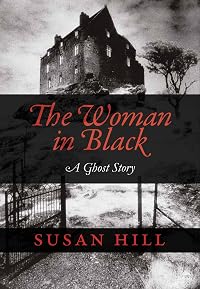
The Woman in Black: A Ghost Story
by Susan Hill
On This Page
Description
The classic ghost story by Susan Hill: a chilling tale about a menacing spectre haunting a small English town.Arthur Kipps is an up-and-coming London solicitor who is sent to Crythin Gifford--a faraway town in the windswept salt marshes beyond Nine Lives Causeway--to attend the funeral and settle the affairs of a client, Mrs. Alice Drablow of Eel Marsh House. Mrs. Drablow's house stands at the end of the causeway, wreathed in fog and mystery, but Kipps is unaware of the tragic secrets that show more lie hidden behind its sheltered windows. The routine business trip he anticipated quickly takes a horrifying turn when he finds himself haunted by a series of mysterious sounds and images--a rocking chair in a deserted nursery, the eerie sound of a pony and trap, a child's scream in the fog, and, most terrifying of all, a ghostly woman dressed all in black. Psychologically terrifying and deliciously eerie, The Woman in Black is a remarkable thriller of the first rate.
. show less
Tags
Recommendations
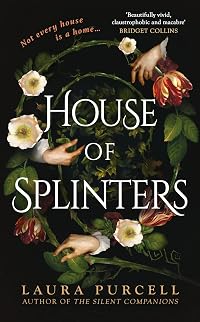
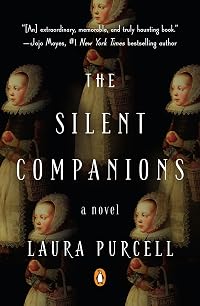
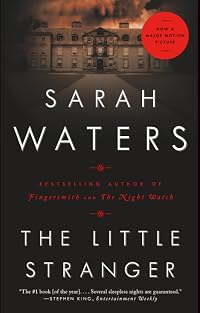
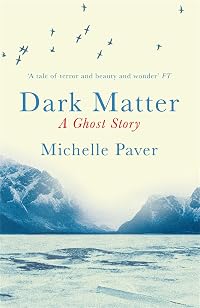
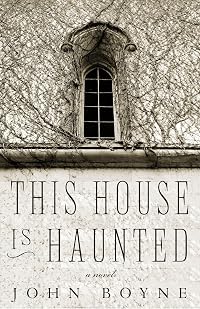
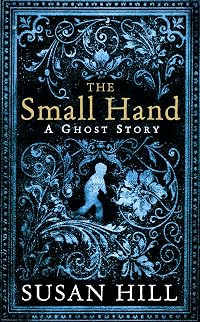
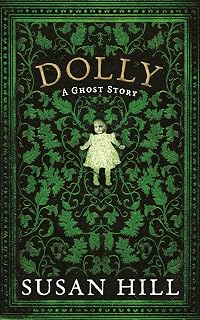
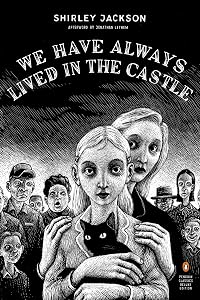
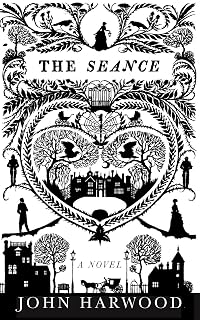
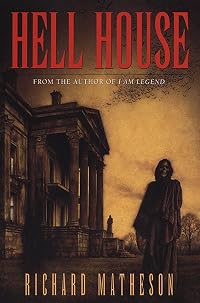
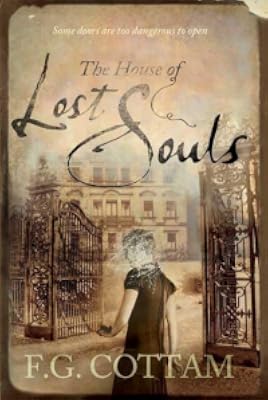
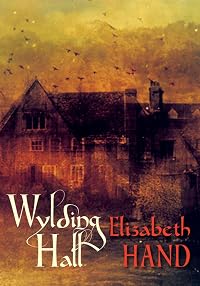



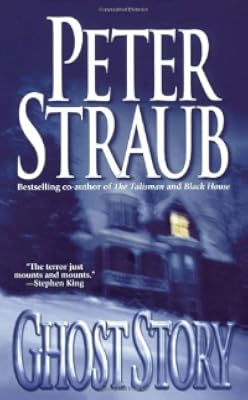
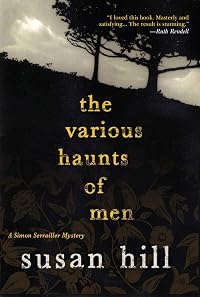
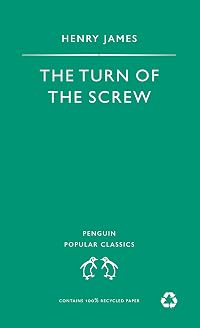
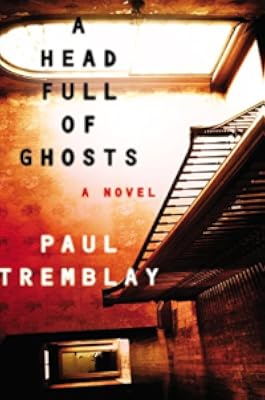
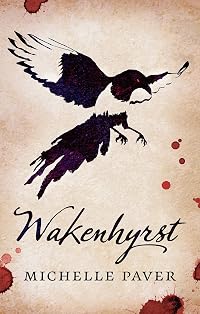
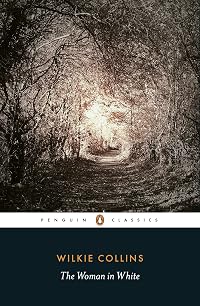
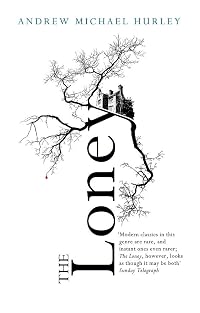
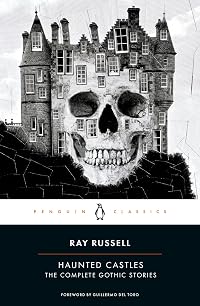
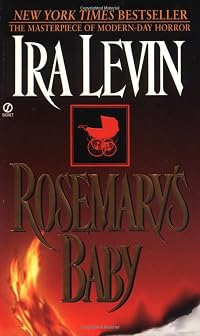
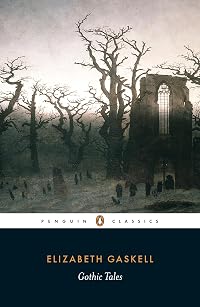


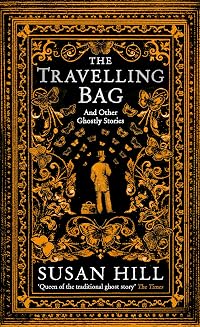
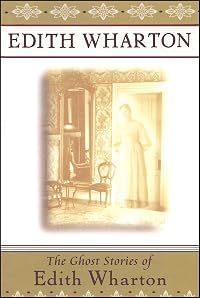

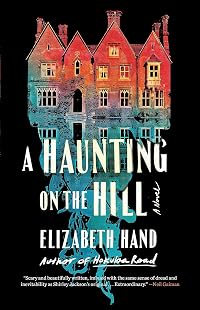
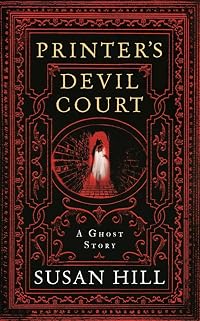
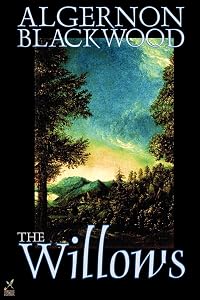
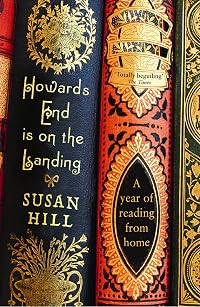
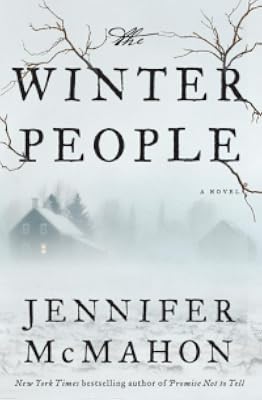
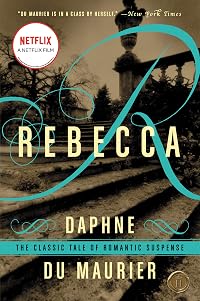
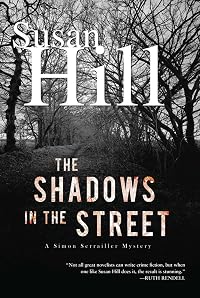

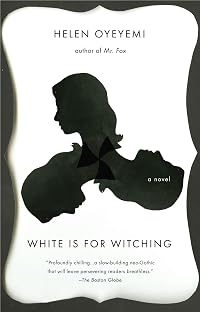
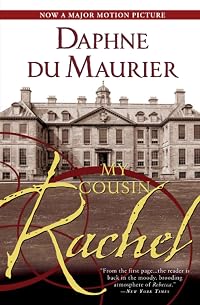
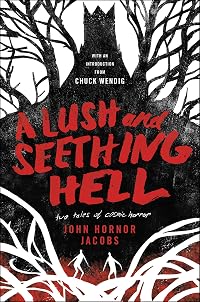
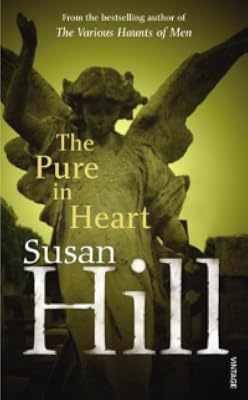
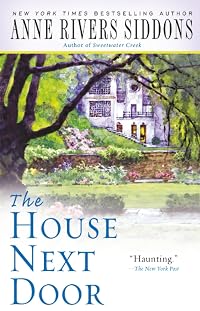
Member Recommendations
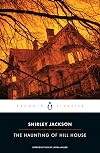
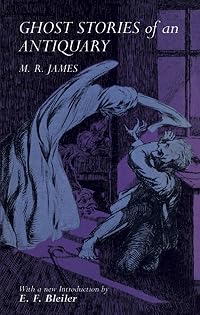
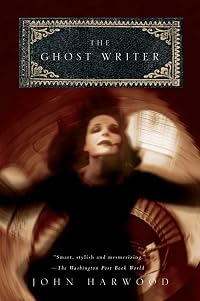
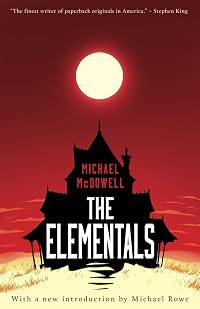
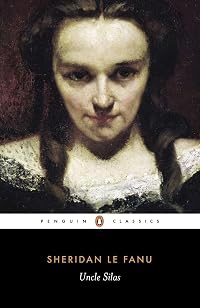
Jannes No sure if it is a coincidence, but the two perhaps best ghost stories ever written are both by women, in a genre otherwise mostly dominated by men.
Both are superb explorations of death, loss, fear, and all those other elementsthat make up the good supernatural tales.
Also recommended by kraaivrouw
101
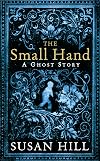
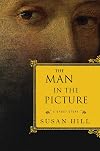
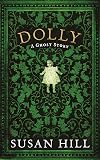
Dolly by Susan Hill
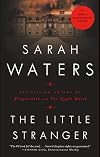
KayCliff The endings of the two stories are so similar.
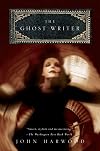

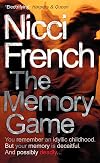

by lottpoet
lottpoet The supernatural in this case is a god, but similarly the main character would be lucky to escape.
Member Reviews
There are books which are art and books which are craft. This is not a value judgement, for there are many works of art which fail and many works of craft which entertain. And so when I describe Susan Hill's The Woman in Black as an entertaining piece of craftwork, it's meant fondly, not disparagingly. Written in 1983, it's an enjoyable pastiche of a Victorian ghost story, with heavily-laced descriptive writing to create an oppressive, brooding atmosphere, and some well-written scenes, such as the initial sighting of the titular 'woman in black' in the churchyard. A forgiving reader will enjoy, for a night or two, the easy, spooky thrills of the story.
However, I found myself increasingly frustrated at the lack of substance – or, at show more least, deep substance – behind the impeccable style. The mystery was entirely predictable, including the supposed 'shock' ending; the only shock for me was that it was so, because I had heard such great things about the novel (or, more accurately, novella) that I expected something more. The motivations of the characters are under-developed; this is a hindrance when it comes to minor characters like Mr Daily or Jerome, or even our narrator Arthur Kipps, but becomes frustrating and outright damaging when it comes to the Woman in Black herself. The foundation for her malicious revenges seemed weak, for while treated somewhat unjustly she had been the victim of chance and calamity, not malice; the source of her power remains unexplained; and the reason why her final 'revenge' takes so long to manifest seems for no other reason than to provide that predictable twist ending.
Susan Hill takes all of the conventional ingredients of the classic ghost story – fog and mist, half-glimpsed figures, haunted houses with doors that creak open during a storm – and, well, follows the recipe. There's nothing new or unconventional done, no new lens to peer through. Instead, there's a highly capable facsimile, a pulp story that wouldn't have made many waves if it had been written and published in the late Victorian or Edwardian era in which it is set, but which to some of its readers since 1983 must seem special simply by achieving the same effect.
But those old original ghost stories were meant as pulp, as diversions - they have lasted and been elevated to a higher literary status because of what they achieved aesthetically. A modern book, such as The Woman in Black either reproduces the aesthetics and accepts a modest, respectable status, or seeks higher ground by doing something different with the recipe. Susan Hill chooses the former: delivering an impeccable aesthetic with unremarkable, conventional trappings. And this isn't meant too harshly either; The Woman in Black is a diverting experience for a couple of reading sessions, and doesn't outstay its welcome. Not every dish has to be original to fill our bellies for a day. show less
However, I found myself increasingly frustrated at the lack of substance – or, at show more least, deep substance – behind the impeccable style. The mystery was entirely predictable, including the supposed 'shock' ending; the only shock for me was that it was so, because I had heard such great things about the novel (or, more accurately, novella) that I expected something more. The motivations of the characters are under-developed; this is a hindrance when it comes to minor characters like Mr Daily or Jerome, or even our narrator Arthur Kipps, but becomes frustrating and outright damaging when it comes to the Woman in Black herself. The foundation for her malicious revenges seemed weak, for while treated somewhat unjustly she had been the victim of chance and calamity, not malice; the source of her power remains unexplained; and the reason why her final 'revenge' takes so long to manifest seems for no other reason than to provide that predictable twist ending.
Susan Hill takes all of the conventional ingredients of the classic ghost story – fog and mist, half-glimpsed figures, haunted houses with doors that creak open during a storm – and, well, follows the recipe. There's nothing new or unconventional done, no new lens to peer through. Instead, there's a highly capable facsimile, a pulp story that wouldn't have made many waves if it had been written and published in the late Victorian or Edwardian era in which it is set, but which to some of its readers since 1983 must seem special simply by achieving the same effect.
But those old original ghost stories were meant as pulp, as diversions - they have lasted and been elevated to a higher literary status because of what they achieved aesthetically. A modern book, such as The Woman in Black either reproduces the aesthetics and accepts a modest, respectable status, or seeks higher ground by doing something different with the recipe. Susan Hill chooses the former: delivering an impeccable aesthetic with unremarkable, conventional trappings. And this isn't meant too harshly either; The Woman in Black is a diverting experience for a couple of reading sessions, and doesn't outstay its welcome. Not every dish has to be original to fill our bellies for a day. show less
What's a reader to do when a ghost story is the embodiment of "The Ghost Story"? If it ticks off every requirement--old, isolated house; sullen villagers; gloomy weather--does that make it "the best" ghost story? I might once have insisted that, yes, a ghost story that meets all of the criteria (whatever the list might be) is in fact the best of its genre. (The hubris of youth!) Having read Susan Hill's The Woman in Black, I'm forced to concede that perhaps there is more to a ghost story than spooks, moors, and crisp English diction. I'm reminded of the words of a comic book writer, who advised teenagers aspiring to his role, "If you only read comic books, you might write the best comic book ever written, but you'll never write anything show more different."
The Woman in Black begins, appropriately enough, on a Christmas Eve sometime in the early decades of the twentieth century. Arthur Kipps' second wife and his step-children sit around the fire, telling one another ghost stories. Here we have already satisfied one criterion of a ghost story: It must be set in England. Certainly, every culture in every time and place has spoken of ghosts, but "the best" ghost story can only be set in England. Bonus: By beginning her tale on Christmas Eve, Hill tips her hat to the fine English tradition of telling ghost stories on that most-anticipated evening of the year. More spooky stories by the fire, fewer fat men and elves!
Kipps is agitated as his family's stories grow grislier and more ridiculous. As his children's merriment increases, his declines. Urged by his step-sons to join in the fun, Kipps storms off in a huff. Staring at the clear night sky, he is reminded of events through which he suffered as a younger man, a trauma he has worked hard to put behind him. He resolves to write it down in its entirety, a purge that becomes Hills' larger narrative, the ghost story "proper."
The action commences with Kipps dispatched on legal business to a small village a day's train ride outside of London. Kipps, stymied in his career aspirations, gladly takes on what his elder partner perceives as an imposition. In addition to seeking refuge from his humdrum duties as a solicitor, Kipps flees the London weather, characterized by many days of fog so dense it made travel within the city dangerous. Kipps sallies forth to put in order the estate of the recently deceased Mrs. Drablow of Eel Marsh House. Read those names again: That is some heavy handed foreshadowing going on there.
En route to Eel Marsh House, Kipps encounters what you might expect from the villagers, which is to that they seem to know something about Eel Marsh House, but are unwilling to talk about it, to Kipps' growing frustration. The local lawyer, Kipps' contact, is thrown into paroxysms of fear when, at Mrs. Drablow's funeral, Kipps confesses to having seen the eponymous "Woman in Black." Kipps nevertheless proceeds, as an ambitious and sensible young man is likely to do, to head to Eel Marsh House, which, sitting in the middle of a swamp, can be reached only by a narrow causeway during low tide. One requirement of a successful ghost story is for the protagonist to be headstrong in his foolishness to the point of foolhardiness. He (or she) must tempt fate with his (or her) stupidity. Needless to say, Kipps' visit does not go as planned, and it is at this point, as his adventure derails, that I can so no more about the plot. It is obvious from the first chapter of the book that Kipps survives, albeit as a changed man.
There is much to be said in favor of The Woman in Black. Kipps' voice, channeled via Hill, is spot-on, which is to say very, very English. (I am subconsciously mimicking it as I write this.) Whether or not Kipps really sounds like a turn-of-the-century British professional, I don't know, but it's house I imagine such men would have sounded. In other words, it's believable. So, too, is the tone, which is one of creeping eeriness, abetted by Hill's strength in establishing setting. Hill obviously knows the English countryside and its weather, and lavishes attention on such details. Of course, atmosphere is in some ways the most essential aspect of any ghost story. The author must ease the reader into it, step by step, just as the protagonist, for instance, Kipps, cheerfully whistling his way to his doom. You can't just toss an idiot into a decrepit old house and throw spooks at him. It takes subtlety, and Hill masters that.
In the end, though, even as The Woman in Black meets all of the expectations a reader might have of a ghost story, in doing so it somehow fails to do anything different, and that, perhaps, is the problem. There's a predictability about the plot that is comforting if you want a good, old-fashioned ghost story, but is dissatisfying if you want anything more. The story is also rather tame, although one must keep in mind that it isn't horror in the modern sense, meaning that it isn't dripping with gore. Still, contemporary readers (The Woman in Black was published in 1983) might be desensitized to the novel's quiet dread. Recommended for lovers of the supernatural, but not necessarily for horror aficionados, The Woman in Black is a fine book with which to spend any autumn day. show less
The Woman in Black begins, appropriately enough, on a Christmas Eve sometime in the early decades of the twentieth century. Arthur Kipps' second wife and his step-children sit around the fire, telling one another ghost stories. Here we have already satisfied one criterion of a ghost story: It must be set in England. Certainly, every culture in every time and place has spoken of ghosts, but "the best" ghost story can only be set in England. Bonus: By beginning her tale on Christmas Eve, Hill tips her hat to the fine English tradition of telling ghost stories on that most-anticipated evening of the year. More spooky stories by the fire, fewer fat men and elves!
Kipps is agitated as his family's stories grow grislier and more ridiculous. As his children's merriment increases, his declines. Urged by his step-sons to join in the fun, Kipps storms off in a huff. Staring at the clear night sky, he is reminded of events through which he suffered as a younger man, a trauma he has worked hard to put behind him. He resolves to write it down in its entirety, a purge that becomes Hills' larger narrative, the ghost story "proper."
The action commences with Kipps dispatched on legal business to a small village a day's train ride outside of London. Kipps, stymied in his career aspirations, gladly takes on what his elder partner perceives as an imposition. In addition to seeking refuge from his humdrum duties as a solicitor, Kipps flees the London weather, characterized by many days of fog so dense it made travel within the city dangerous. Kipps sallies forth to put in order the estate of the recently deceased Mrs. Drablow of Eel Marsh House. Read those names again: That is some heavy handed foreshadowing going on there.
En route to Eel Marsh House, Kipps encounters what you might expect from the villagers, which is to that they seem to know something about Eel Marsh House, but are unwilling to talk about it, to Kipps' growing frustration. The local lawyer, Kipps' contact, is thrown into paroxysms of fear when, at Mrs. Drablow's funeral, Kipps confesses to having seen the eponymous "Woman in Black." Kipps nevertheless proceeds, as an ambitious and sensible young man is likely to do, to head to Eel Marsh House, which, sitting in the middle of a swamp, can be reached only by a narrow causeway during low tide. One requirement of a successful ghost story is for the protagonist to be headstrong in his foolishness to the point of foolhardiness. He (or she) must tempt fate with his (or her) stupidity. Needless to say, Kipps' visit does not go as planned, and it is at this point, as his adventure derails, that I can so no more about the plot. It is obvious from the first chapter of the book that Kipps survives, albeit as a changed man.
There is much to be said in favor of The Woman in Black. Kipps' voice, channeled via Hill, is spot-on, which is to say very, very English. (I am subconsciously mimicking it as I write this.) Whether or not Kipps really sounds like a turn-of-the-century British professional, I don't know, but it's house I imagine such men would have sounded. In other words, it's believable. So, too, is the tone, which is one of creeping eeriness, abetted by Hill's strength in establishing setting. Hill obviously knows the English countryside and its weather, and lavishes attention on such details. Of course, atmosphere is in some ways the most essential aspect of any ghost story. The author must ease the reader into it, step by step, just as the protagonist, for instance, Kipps, cheerfully whistling his way to his doom. You can't just toss an idiot into a decrepit old house and throw spooks at him. It takes subtlety, and Hill masters that.
In the end, though, even as The Woman in Black meets all of the expectations a reader might have of a ghost story, in doing so it somehow fails to do anything different, and that, perhaps, is the problem. There's a predictability about the plot that is comforting if you want a good, old-fashioned ghost story, but is dissatisfying if you want anything more. The story is also rather tame, although one must keep in mind that it isn't horror in the modern sense, meaning that it isn't dripping with gore. Still, contemporary readers (The Woman in Black was published in 1983) might be desensitized to the novel's quiet dread. Recommended for lovers of the supernatural, but not necessarily for horror aficionados, The Woman in Black is a fine book with which to spend any autumn day. show less
Susan Hill’s The Woman in Black is the rare ghost story that manages to feel both timeless and freshly terrifying. From the first page, the atmosphere tightens like a noose: fog, marshes, and isolation become as frightening as any apparition. Hill’s prose is spare yet lyrical, the kind that gives you chills not because of gore or shock, but because she lets your imagination run loose in the shadows she carefully builds.
The woman in black is one of the most complex and haunting ghosts in literature. She is not just a figure of malice, but a presence steeped in emotion that makes her unforgettable. The horror lies not only in her appearances but in the way she unsettles everything she touches.
What elevates the novel is how fully it show more inhabits the tradition of the Gothic ghost story while sharpening it for modern readers. Every creak of the house, every roll of the fog, every moment of silence feels alive with menace. Reading it alone at night is an exercise in bravery, and even in daylight, its images linger.
For me, this is a five-star book, not just for its ability to frighten, but for the way it treats the ghost as a character with her own tragic weight. It is chilling, yes, but it is also profound. show less
The woman in black is one of the most complex and haunting ghosts in literature. She is not just a figure of malice, but a presence steeped in emotion that makes her unforgettable. The horror lies not only in her appearances but in the way she unsettles everything she touches.
What elevates the novel is how fully it show more inhabits the tradition of the Gothic ghost story while sharpening it for modern readers. Every creak of the house, every roll of the fog, every moment of silence feels alive with menace. Reading it alone at night is an exercise in bravery, and even in daylight, its images linger.
For me, this is a five-star book, not just for its ability to frighten, but for the way it treats the ghost as a character with her own tragic weight. It is chilling, yes, but it is also profound. show less
I found The Woman in Black to be disappointing. It's really a shame, as it was a personal recommendation, but for me it didn't work on any level.
When starting the book, I was surprised at how short it appeared to be. I'd heard that this book was "really scary" and figured it had to be pretty amazing to deliver such a punch in so few pages. It never delivered.
I should disclaim, I have yet to find myself properly spooked by the supernatural, be it by books, films, or tv. However, I can appreciate the emotions of characters, and usually find myself empathising with them to the point where I am on the edge of my seat with my heart beating quickly along with theirs. The Woman in Black didn't come close to making me feel anything at all.
The show more entire story seems to rely heavily on an atmosphere of suspense, horror, and mystery that never even gets close to materialising. The main character hardly shows any emotion at all, and when he does it is along the lines of "I was scared". Done. No proper atmosphere, no build-up, nothing. The "scary" parts then last for all of a few sentences before the air fizzles out of a balloon that might as well have been in a vacuum the entire time for all the good it did.
The real pity is that the concept itself isn't too bad. I haven't seen the film based on this book, but I've heard good things about it, and I can see how it might have been turned into a good movie. A movie could add all the things this book sorely lacked. This book badly needed to be longer. It needed to have build-up, atmosphere, suspense... actually, anything it all. Just something more than what it is, which seems like a bare-bones concept on which the meat was intended to be added later.
I also feel a need to mention that I read the first bit of this book on an almost empty bus driving through the dark, then walked through said dark, into my dark flat, and read the rest while lying in a dark room with a mysterious sound on the other sound of the wall I still haven't identified. It would be hard for me to come by an atmosphere that would seem more fitting to this book. I couldn't get engaged with it at all.
I'm confused at the relatively high rating this book has received. Unless the reader is really scared at the story, I don't see what else this book has to offer. And for someone to get properly scared at this book I imagine they not only have to believe in ghosts, but they have to believe that ghosts are, by their very nature, out to do acts of evil. If creaking-noises scare you, and you think that shadow on the wall is about to attack you, you might appreciate this book. Otherwise I don't think you will. show less
When starting the book, I was surprised at how short it appeared to be. I'd heard that this book was "really scary" and figured it had to be pretty amazing to deliver such a punch in so few pages. It never delivered.
I should disclaim, I have yet to find myself properly spooked by the supernatural, be it by books, films, or tv. However, I can appreciate the emotions of characters, and usually find myself empathising with them to the point where I am on the edge of my seat with my heart beating quickly along with theirs. The Woman in Black didn't come close to making me feel anything at all.
The show more entire story seems to rely heavily on an atmosphere of suspense, horror, and mystery that never even gets close to materialising. The main character hardly shows any emotion at all, and when he does it is along the lines of "I was scared". Done. No proper atmosphere, no build-up, nothing. The "scary" parts then last for all of a few sentences before the air fizzles out of a balloon that might as well have been in a vacuum the entire time for all the good it did.
The real pity is that the concept itself isn't too bad. I haven't seen the film based on this book, but I've heard good things about it, and I can see how it might have been turned into a good movie. A movie could add all the things this book sorely lacked. This book badly needed to be longer. It needed to have build-up, atmosphere, suspense... actually, anything it all. Just something more than what it is, which seems like a bare-bones concept on which the meat was intended to be added later.
I also feel a need to mention that I read the first bit of this book on an almost empty bus driving through the dark, then walked through said dark, into my dark flat, and read the rest while lying in a dark room with a mysterious sound on the other sound of the wall I still haven't identified. It would be hard for me to come by an atmosphere that would seem more fitting to this book. I couldn't get engaged with it at all.
I'm confused at the relatively high rating this book has received. Unless the reader is really scared at the story, I don't see what else this book has to offer. And for someone to get properly scared at this book I imagine they not only have to believe in ghosts, but they have to believe that ghosts are, by their very nature, out to do acts of evil. If creaking-noises scare you, and you think that shadow on the wall is about to attack you, you might appreciate this book. Otherwise I don't think you will. show less
A chilling, traditional ghost story, with a strong Victorian feel: a lone lawyer goes to a spooky house on the marshes, plagued by stories of madness and death. No great surprises, but shocking none-the-less. It is skilfully written, so that most of the scary stuff happens in your head, rather than being explicit on the page.
NARRATOR
Arthur Kipps, the main character and the narrator is very pragmatic and always tries to dismiss his fears and find a rational explanation, which serves to make his story more believable – and thus more alarming. All the way through, his greatest need is to uncover the truth, however unpalatable it may be. However, it’s not what he sees or hears that really scares him, but what he FEELS, and the power show more of the Woman in Black’s emotion. His feelings towards her change from concern through fear to anger.
However, despite his pragmatism, right at the beginning Kipps does have a strong conviction that a particular house is part of his destiny (which implies some openness to the supernatural), and when he first arrives at the town he says he felt like “a spectre at some cheerful feast”.
WEATHER IMAGERY
The weather (mist, rain, wind and sun) is a major character in the book; sometimes it parallels the situation and mood of the characters (mists and disappearances) and sometimes it is in total contrast (sun at a funeral). It could be clichéd, but, perhaps because it doesn't always match the plot, it has more dramatic weight.
BIRDS
One feature I didn’t notice on first reading was the birds. Kipps himself is a bit of a birdwatcher, and different birds make fleeting appearances: a menacing “snake-necked bird”, the woman in black looking like a carrion bird, a nice happy robin later on.
PROBLEMS WITH TIME
The first chapter jumps around in a confusing way, which doesn’t really matter plot-wise, but is disconcerting.
The bigger mystery is when it is set. Everything about it feels Victorian (foggy London, pony and trap, steam trains), but she mentions telephones, electric lights (even in a remote house on the marshes), cars, cycling as a (not particularly wealthy) boy, a grave stone from “years back” is inscribed “190...”, and Kipps makes reference to Dickens and the treatment of Victorian servants 60 years earlier. Each time I’ve read this book, I’ve been more puzzled and irritated by this, though it's still a very good book.
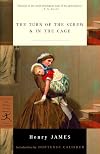
If you like it, The Turn of the Screw is in a similar vein.
And don’t believe those who say it is like a ghost story written by Jane Austen! show less
NARRATOR
Arthur Kipps, the main character and the narrator is very pragmatic and always tries to dismiss his fears and find a rational explanation, which serves to make his story more believable – and thus more alarming. All the way through, his greatest need is to uncover the truth, however unpalatable it may be. However, it’s not what he sees or hears that really scares him, but what he FEELS, and the power show more of the Woman in Black’s emotion. His feelings towards her change from concern through fear to anger.
However, despite his pragmatism, right at the beginning Kipps does have a strong conviction that a particular house is part of his destiny (which implies some openness to the supernatural), and when he first arrives at the town he says he felt like “a spectre at some cheerful feast”.
WEATHER IMAGERY
The weather (mist, rain, wind and sun) is a major character in the book; sometimes it parallels the situation and mood of the characters (mists and disappearances) and sometimes it is in total contrast (sun at a funeral). It could be clichéd, but, perhaps because it doesn't always match the plot, it has more dramatic weight.
BIRDS
One feature I didn’t notice on first reading was the birds. Kipps himself is a bit of a birdwatcher, and different birds make fleeting appearances: a menacing “snake-necked bird”, the woman in black looking like a carrion bird, a nice happy robin later on.
PROBLEMS WITH TIME
The first chapter jumps around in a confusing way, which doesn’t really matter plot-wise, but is disconcerting.
The bigger mystery is when it is set. Everything about it feels Victorian (foggy London, pony and trap, steam trains), but she mentions telephones, electric lights (even in a remote house on the marshes), cars, cycling as a (not particularly wealthy) boy, a grave stone from “years back” is inscribed “190...”, and Kipps makes reference to Dickens and the treatment of Victorian servants 60 years earlier. Each time I’ve read this book, I’ve been more puzzled and irritated by this, though it's still a very good book.
If you like it, The Turn of the Screw is in a similar vein.
And don’t believe those who say it is like a ghost story written by Jane Austen! show less
Although I am not a great reader of ghostly spooky tales, I have read and enjoyed some good examples of gothic type stories, by such people as M R James, Wilkie Collins and Elizabeth Gaskell. When I tweeted that I was reading this book, I was warned it was terrifying and not to read it late at night. Well I am not too much of a wimp – and so I did read it at night – it’s a great atmospheric read for late at night.
The Woman in Black is a delightfully chilly tale – in the best tradition of such stories. We do have all the ingredients of the traditional ghost story, a remote location buffeted by the elements, the ghostly figure of a young woman, the sound of a child in distress. Susan Hill has been quite clever in being ambiguous show more about the date and the exact of location of the story although there are some clues – this adds wonderfully to the sense of mystery and other worldliness. I particularly liked the atmospheric setting of the novel; the descriptions of the landscape, weather and the creepy isolated house are extremely vivid.
The novel opens with Arthur Kipps’s family telling ghost stories on Christmas Eve. For Arthur these tales – regarded as nothing more than jolly entertainment by his step children - recall to him events from his past, when as a young man he was required to go to Eel Marsh house to sort through the papers of a recently deceased elderly woman. As an eager 23 year old, delighted to be given some extra responsibility Arthur sets out for Eel Marsh house little expecting what he’ll encounter when he arrives. Arthur finds a village of local people who are quite obviously scared of whatever it is that lies across the salt marshes and the Nine Lives Causeway, that must be taken at low tide to reach the isolated house. The sight of a strange young woman at the funeral service of his firm’s client – leaves him with a growing sense of unease. This unease is only increased when he goes to the house itself to start the job of sorting through the papers of Mrs Drablow. Stormy nights, terrible cries out on the marshes, the sound of a ghostly pony and trap, a locked door, the figure of the woman in black prove a chilling distraction to the work Arthur has to do. Yet the papers that Arthur is searching through begin to tell him of a tragic story from fifty or sixty years earlier. Events slowly start to take an even more sinister turn, the tension building nicely as we reach the dreadful conclusion to Arthur’s story.
I have to say though I wasn’t terrified – thankfully – I really didn’t want to be. Maybe that is because I don’t really believe in ghosts – and there are too many real things to be afraid of out there. I really enjoyed the chilling nature of this book and it made for a lovely curl up with all the lamps on book – I enjoy being given the slight shudders rather than being actually frightened. Having said all that – would I stay overnight in a reportedly haunted house – no! So maybe my disbelief is not that secure. show less
The Woman in Black is a delightfully chilly tale – in the best tradition of such stories. We do have all the ingredients of the traditional ghost story, a remote location buffeted by the elements, the ghostly figure of a young woman, the sound of a child in distress. Susan Hill has been quite clever in being ambiguous show more about the date and the exact of location of the story although there are some clues – this adds wonderfully to the sense of mystery and other worldliness. I particularly liked the atmospheric setting of the novel; the descriptions of the landscape, weather and the creepy isolated house are extremely vivid.
The novel opens with Arthur Kipps’s family telling ghost stories on Christmas Eve. For Arthur these tales – regarded as nothing more than jolly entertainment by his step children - recall to him events from his past, when as a young man he was required to go to Eel Marsh house to sort through the papers of a recently deceased elderly woman. As an eager 23 year old, delighted to be given some extra responsibility Arthur sets out for Eel Marsh house little expecting what he’ll encounter when he arrives. Arthur finds a village of local people who are quite obviously scared of whatever it is that lies across the salt marshes and the Nine Lives Causeway, that must be taken at low tide to reach the isolated house. The sight of a strange young woman at the funeral service of his firm’s client – leaves him with a growing sense of unease. This unease is only increased when he goes to the house itself to start the job of sorting through the papers of Mrs Drablow. Stormy nights, terrible cries out on the marshes, the sound of a ghostly pony and trap, a locked door, the figure of the woman in black prove a chilling distraction to the work Arthur has to do. Yet the papers that Arthur is searching through begin to tell him of a tragic story from fifty or sixty years earlier. Events slowly start to take an even more sinister turn, the tension building nicely as we reach the dreadful conclusion to Arthur’s story.
I have to say though I wasn’t terrified – thankfully – I really didn’t want to be. Maybe that is because I don’t really believe in ghosts – and there are too many real things to be afraid of out there. I really enjoyed the chilling nature of this book and it made for a lovely curl up with all the lamps on book – I enjoy being given the slight shudders rather than being actually frightened. Having said all that – would I stay overnight in a reportedly haunted house – no! So maybe my disbelief is not that secure. show less
After watching both film adaptations, the visually stunning James Watkins version with Daniel Radcliffe and the more atmospheric, low-budget BBC version, I finally returned to the source: Susan Hill’s novel.
The Woman in Black is a perfectly crafted homage to Victorian ghost stories. Hill doesn’t try to reinvent the genre; instead, she leans into familiar motifs: fog, marshes, silence, isolation, to build a story that slowly seeps under your skin. Eel Marsh House is not just an isolated haunted house cut off by tides. It’s a symbol of grief, loss, and obsession.
What sets this novel apart is its subtle horror and thematic depth. More than a simple ghost story, it’s a reflection on sorrow, injustice, and a spirit bound to the world show more by unresolved pain, which transcends time.
Though brief and sometimes predictable, Hill’s novel is hauntingly atmospheric and has rightly earned its place as a modern gothic classic. Highly recommended for anyone who enjoys horror that whispers rather than screams. show less
The Woman in Black is a perfectly crafted homage to Victorian ghost stories. Hill doesn’t try to reinvent the genre; instead, she leans into familiar motifs: fog, marshes, silence, isolation, to build a story that slowly seeps under your skin. Eel Marsh House is not just an isolated haunted house cut off by tides. It’s a symbol of grief, loss, and obsession.
What sets this novel apart is its subtle horror and thematic depth. More than a simple ghost story, it’s a reflection on sorrow, injustice, and a spirit bound to the world show more by unresolved pain, which transcends time.
Though brief and sometimes predictable, Hill’s novel is hauntingly atmospheric and has rightly earned its place as a modern gothic classic. Highly recommended for anyone who enjoys horror that whispers rather than screams. show less
Members
- Recently Added By
Lists

Top Five Books of 2013
1,562 works; 721 members

Best Horror Books
281 works; 85 members

Read the book and saw the movie
1,170 works; 195 members

Scary ghost stories - no zombies, vampires or werewolves, please
53 works; 19 members

Best Gothic Fiction
110 works; 29 members

NPR Reader Poll: 100 Best Horror Novels and Stories
100 works; 20 members

Winter Books
127 works; 16 members

20th Century Literature
1,161 works; 55 members

Dishonourable Mentions of 2013
189 works; 63 members

Books Set in Great Britain
191 works; 13 members

Reader's Digest 50 Best Horror Books to Read
50 works; 3 members

Houses and Buildings as Characters in Fiction
182 works; 29 members

A Novel Cure
742 works; 23 members
Paste's 50 Best Horror Novels of All time
50 works; 6 members

Books Read in 2014
2,344 works; 89 members

Best books read in 2011
200 works; 51 members

Books Read in 2023
5,638 works; 147 members

Overdue Podcast
808 works; 9 members

Female Horror Author
35 works; 2 members

Books Read in 2017
4,249 works; 130 members

Top Five Books of 2012
55 works; 11 members
Recommended Horror and Dark Fiction by Women
81 works; 13 members

mstrust's scary list
34 works; 1 member

Best Horror Mega-List
342 works; 6 members

Books Read in 2016
4,666 works; 199 members

Fiction: Supernatural Horror
97 works; 1 member

Books Read in 2022
5,226 works; 115 members
Reedsydiscovery 100 Best Horror Books of All Time
100 works; 5 members

100 Hemskaste
81 works; 1 member
Haunted Places and Ghost Stories Reading List
99 works; 4 members
Kate & Cheyanne's Horror Extravaganza
144 works; 6 members

Books Read in 2019
4,052 works; 108 members
Ghost Stories That Thrill Us
256 works; 115 members
Jones and Newman's Horror: Another 100 Best Books
100 works; 7 members

Horror: Page & Screen
27 works; 3 members

Books Read in 2018
4,360 works; 110 members

Haunted Britain and Ireland
51 works; 7 members

A Rainbow of Books: Colors in the Title
570 works; 24 members

Horror (Owned TBR)
60 works; 1 member
Talk Discussions
Past Discussions
The Woman in Black - book vs film in Thing(amabrarian)s That Go Bump in the Night (May 2012)
Author Information

125+ Works 18,936 Members
Susan Hill was born in Scarborough, United Kingdom on February 5, 1942. She received a degree in English from King's College in London in 1963. Her first book, The Enclosure, was published during her first year at university. She worked as a freelance journalist between 1963 and 1968 and has been a monthly columnist for the Daily Telegraph since show more 1977. She founded her own publishing company, Long Barn Books, in 1996 and publishes a literary magazine called Books and Company. She has written works of fiction and non-fiction as well as children's books. She also edits short story compilations. Her works include Gentleman and Ladies, A Change for the Better, The Woman in Black, The Mist in the Mirror, and the Simon Serrailler Crime Novel series. She has won numerous awards including a Somerset Maugham Award for I'm the King of the Castle, the Whitbread Novel Award for The Bird of Night, the John Llewellyn Rhys Prize for The Albatross, and the Smarties Prize for Can It Be True? (Bowker Author Biography) show less
Some Editions
Awards and Honors
Distinctions
Notable Lists
Series
Belongs to Publisher Series
Blackbirds (2001.1)
Work Relationships
Is contained in
Has the adaptation
Is abridged in
Common Knowledge
- Canonical title*
- De vrouw in het zwart
- Original title
- The woman in black
- Original publication date
- 1983
- People/Characters
- Arthur Kipps; Alice Drablow; Samuel Daily; Jennet Eliza Humfrye; Esme Ainley; Oliver Ainley (Esme's son) (show all 14); Will [in The Woman in Black] (Esme's son); Aubrey Pearce (Isobel's husband); Edmund (Esme's son); Isobel (Esme's daughter, mother of three sons); Mr. Bentley (lawyer, Arthur's employer); Keckwith (driver); Horace Jerome (Land and Estate agent); Spider (Samuel Daily's dog)
- Important places
- Crythin Gifford, England, UK; Eel Marsh House (house); London, England, UK
- Related movies
- The Woman in Black (1989 | TV | IMDb); The Woman in Black (2012 | IMDb)
- Dedication
- For Pat and Charles Gardner
- First words
- It was nine-thirty on Christmas Eve.
- Quotations
- But gradually I discovered for myself the truth of the axiom that a man cannot remain indefinitely in a state of active terror. Either the emotion will increase until, at the prompting of more and more dreadful events and app... (show all)rehensions, he is so overcome by it that he runs away or goes mad; or he will become by slow degrees less agitated and more in possession of himself.
A man may be accused of cowardice for fleeing away from all manner of physical dangers but when things supernatural, insubstantial and inexplicable threaten not only his safety and well-being but his sanity, his innermost sou... (show all)l, then retreat is not a sign of weakness but the most prudent course. - Last words
- (Click to show. Warning: May contain spoilers.)They asked for my story. I have told it. Enough.
- Original language
- English
- Canonical DDC/MDS
- 823.914
- Canonical LCC
- PR6058.I45
*Some information comes from Common Knowledge in other languages. Click "Edit" for more information.
Classifications
Statistics
- Members
- 4,229
- Popularity
- 3,610
- Reviews
- 254
- Rating
- (3.72)
- Languages
- 15 — Chinese, Czech, Danish, Dutch, English, Estonian, French, German, Hungarian, Indonesian, Italian, Korean, Spanish, Swedish, Portuguese (Portugal)
- Media
- Paper, Audiobook, Ebook
- ISBNs
- 86
- UPCs
- 1
- ASINs
- 27