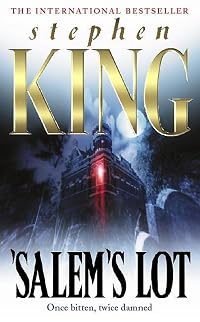
Salem's Lot
by Stephen King
On This Page
Description
Ben Mears has returned to Jerusalem's Lot in the hopes that living in an old mansion, long the subject of town lore, will help him cast out his own devils and provide inspiration for his new book. But when two young boys venture into the woods and only one comes out alive, Mears begins to realize that there may be something sinister at work and that his hometown is under siege by forces of darkness far beyond his control..
Tags
Recommendations


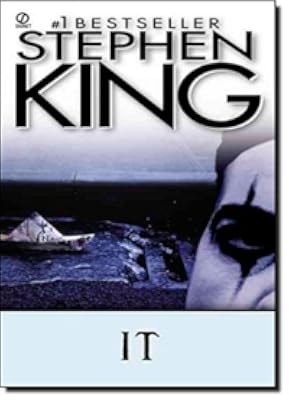
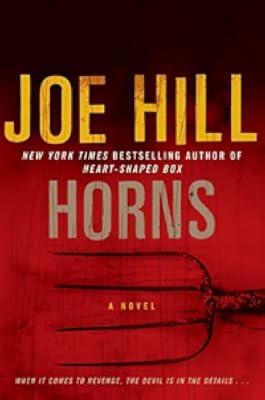
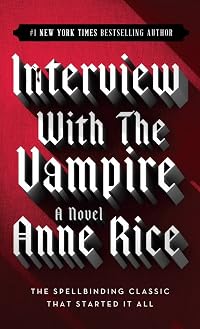
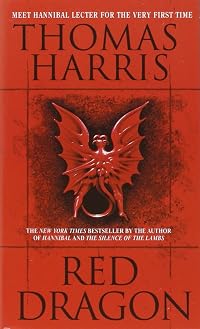
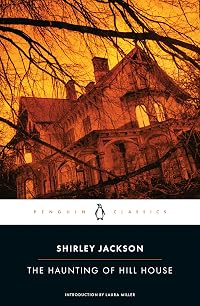
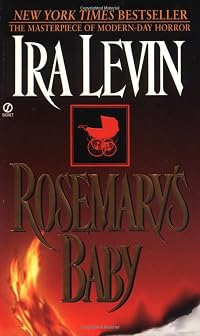
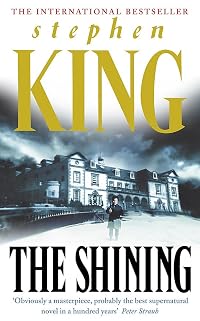
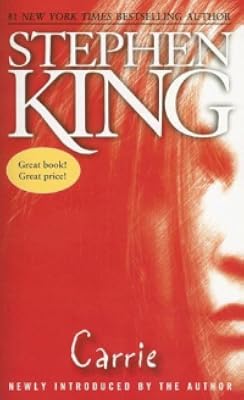
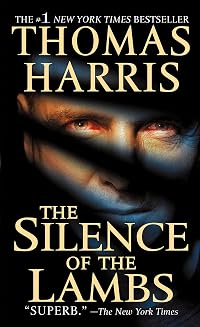
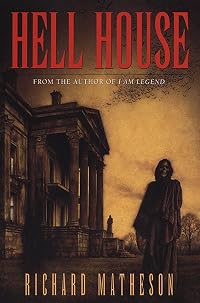

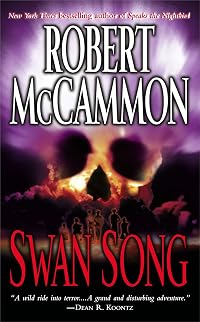
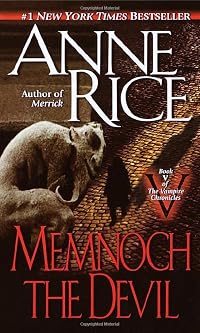

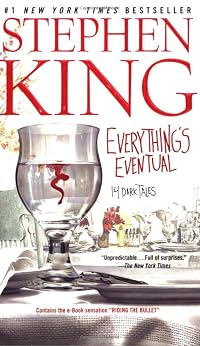
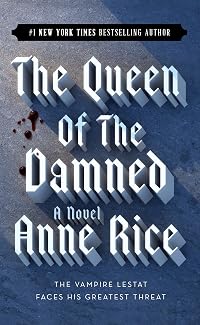

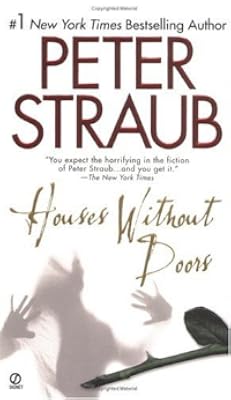
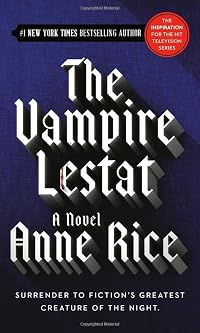
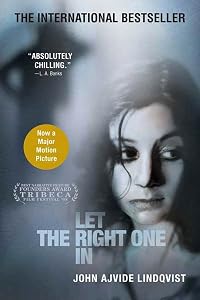
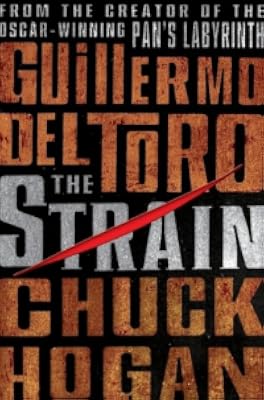
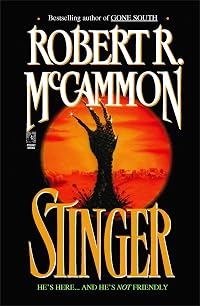

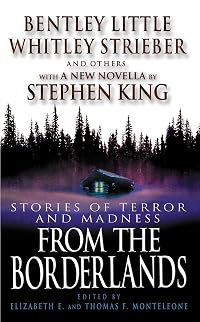
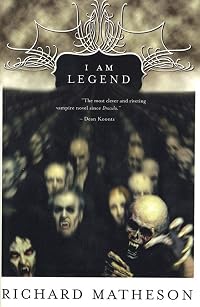
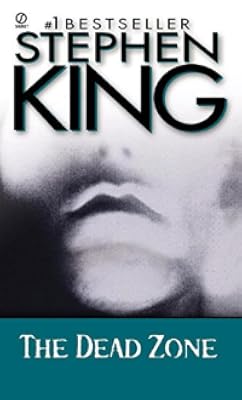
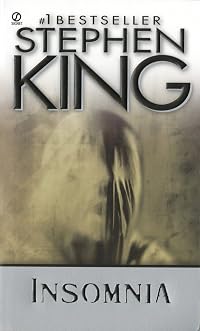
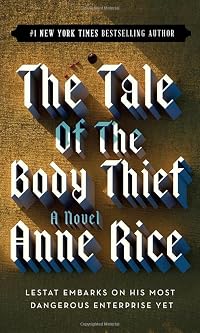
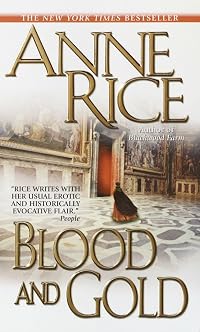
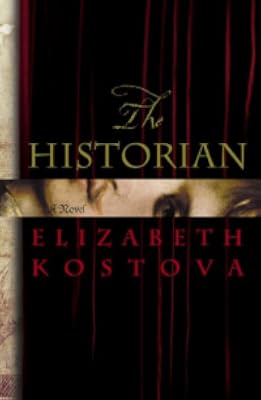
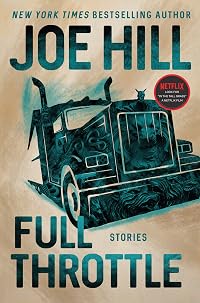
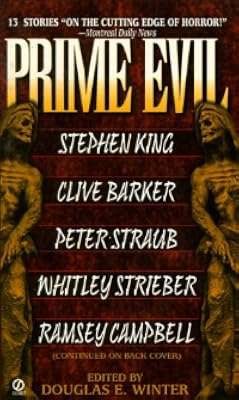

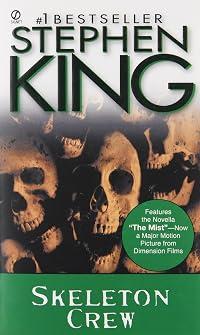
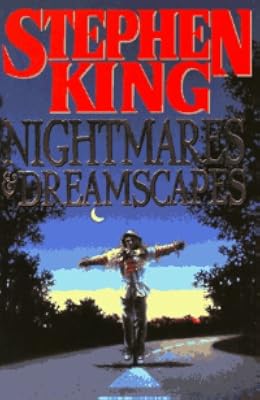
Member Recommendations

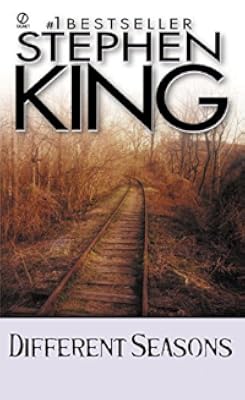
sturlington Father Callahan first appears in Salem's Lot and makes an unexpected reappearance in the middle of the Dark Tower series.
Also recommended by Morteana
41
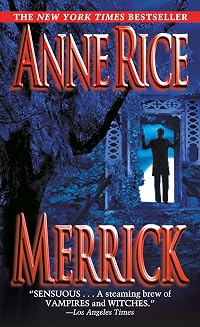
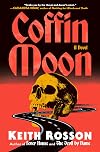
artturnerjr Tales of mysterious goings-on in creepy little New England towns by two masters of the horror genre.
30
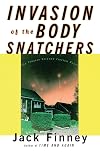
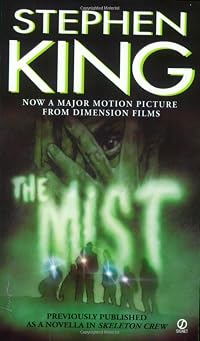
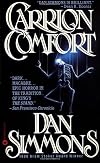
LamontCranston 'Salems Lot is a better recommendation than The Tommyknockers for it is as much about the death of the town as it is the slow take over.
20

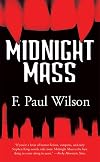
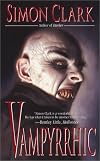
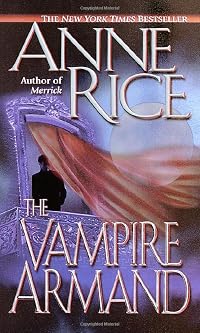
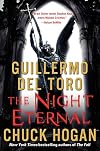
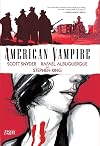
pratchettfan Both books tell a thrilling tale of how vampires take hold of a small city and how a small group tries to stand in their way.
10
Member Reviews
Even though King is a proclaimed king of the horror genre, I've never been even tempted to pick up any of his books, even though I knew that he had to have at least one vampire book in his ouvre. If I read Twilight, why the hell did I resist King - clearly whatever he wrote would be at least true to the vampire with not a sparkling twat in sight. I was not disappointed since King did a great job of merging classic horror with the feeling of small-town USA through great characters, carefully drawn out suspense, and a spattering of brutal violence. Surprisingly, the true horror for me wasn't the cunning evil of the vampire Barlow, but the systematic destruction of a small town. Sure, it was well on its way to capital-e Evil and collapse - show more what with the parents who beat their children, wanton drunkenness, smallminded bigotry, and casual rape - but the arrival of Barlow and his semi-human servant Straker was clearly the death knoll. Maybe there was an innate knowledge of the town's coming death and they only chose to act as the vehicles to finish the job more quickly. show less
I thought this would be more of a challenge to read, as I am not normally a fan of anything horror and EVERYONE and their dog seems to love Stephen King. Luckily, not so. Suffice to say, I was even more doubtful given this was my first taste-no pun intended- reading King ( who everyone loves, etc).
My thoughts? Amazing. Creepy. Incredible characters that make sense on screen. Love the apt characterizations and interior feelings and nuances of each peripheral character. Found the characters Straker and Barlowe completely believable as modern-day/christian-era vamps. Interestingly, it did not feel like I was reading about vampires until characters were actually beginning to openly discuss their paranoia with the goings-on in town. Kudos show more to King for creating this kind of ominous atmosphere without spelling it out right away. The humor and violence present in the characters & plot were so authentic one moment I would be chuckling, the next cringing and feeling desperate. And as a novice King-reader, I realized quickly that I had no idea how it would end, which was unnerving in itself. I like that I am suddenly reading and interested in a genre that I have up until this point avoided. Inspired to read Dracula now. show less
My thoughts? Amazing. Creepy. Incredible characters that make sense on screen. Love the apt characterizations and interior feelings and nuances of each peripheral character. Found the characters Straker and Barlowe completely believable as modern-day/christian-era vamps. Interestingly, it did not feel like I was reading about vampires until characters were actually beginning to openly discuss their paranoia with the goings-on in town. Kudos show more to King for creating this kind of ominous atmosphere without spelling it out right away. The humor and violence present in the characters & plot were so authentic one moment I would be chuckling, the next cringing and feeling desperate. And as a novice King-reader, I realized quickly that I had no idea how it would end, which was unnerving in itself. I like that I am suddenly reading and interested in a genre that I have up until this point avoided. Inspired to read Dracula now. show less
A classic (for me) that I probably read, near to when it first came out, at least when it came out on paperback. And the copy I read was probably 40 years old, a delicate balance of comfortably holding the book and not have it completely fall apart. Vampires come to a small town in Maine. Horror ensues. But, to be honest, not as much as I remember. Maybe I'm jaded. Its an early work for him, so he's working out his style, starting in the middle and going back, lots of characters (maybe too many in this case) and really great visual imagery in the world building. Good, but not great. Definitely worth the time for any King fan, if you've never read it.
They were pallid compared to the fears every child lies cheek and jowl with in his dark show more bead, with no one to confess to in hope of perfect understanding but another child. There is no group therapy or psychiatry or community social services for the child who must cope with the thing under the bed or in the cellar every night, the thing which leers and capers and threatens just beyond the point where vision will reach. The same lonely battle must be fought night after night and the only cure is the eventual satisfaction of the imaginary faculties, and this is called adulthood. show less
They were pallid compared to the fears every child lies cheek and jowl with in his dark show more bead, with no one to confess to in hope of perfect understanding but another child. There is no group therapy or psychiatry or community social services for the child who must cope with the thing under the bed or in the cellar every night, the thing which leers and capers and threatens just beyond the point where vision will reach. The same lonely battle must be fought night after night and the only cure is the eventual satisfaction of the imaginary faculties, and this is called adulthood. show less
I approached 'Salem's Lot with some trepidation. It's such a milestone of a horror . I'd read it before, about fifteen years back, but my memories come more from the excellent seventies miniseries than the novel. I've joined a group where we are reading through all of SK's novels in publication order, one a month. With this, his second novel it's easy to see what a wunderkind Stephen King was when he first appeared on the scene.
'Salem's Lot is an excellent piece of writing. Pace, description and characterization all work hand in hand to make this book something more than a cheap horror novel. If for some reason, you don't know what 'Salem's Lot is about, I'd advise you to stop reading reviews and just pick it up. King tries his darndest show more in the beginning to keep you as a reader off balance. In the opening flashback chapter we learn about 'Salem's Lot, a small New England town where 'something bad' happened. It seems to be tied into a creepy old house (the Marsten house) on a hill where our hero (Ben Mears, the first in a long and proud line of SK author/main characters) saw a ghost when he was a child.
Stephen King then goes on to detail the various lives of the townspeople of 'Salem's Lot. Here he shines. Just a few paragraphs about a character who may not ever play a major part in the overarching story is richer in characterization than most horror authors are able to provide for their lead characters The town becomes something 'real' to you. Not a stock 'small town' but a place where real people live and do things good and bad. Those sections of the book really put me in the mood to finally read my copy of Peyton Place.
Of course, 'Salem's Lot is a lot more than a slice of life tale in small-town New England. Odd bits are woven into the story. Even then he keeps his cards close to his chest. I vividly remember an eerie scene where Hank and Royal Snow (what a name!) deliver a sideboard to the newly purchased Marsten house.
It was an excellently written and damn creepy scene. Even more so because really, nothing overtly 'bad' happens. It was such a well done mood piece. (I have to say, the version of this scene that appears in the '70's miniseries was also really well done.) King does an excellent job of adding more and more weird going's on to his tale through the entire first section, drawing you as a reader in. He builds an atmosphere of paranoia, showing a town disintegrate from within as a cancer eats it away. By the time the doors are thrown open on the town's secret, you are hooked and willing to buy into anything
I've been trying to keep my review vague in order to not spoil things for a potential first time reader. It's hard to say more without the details though, so I'll just wrap it up by recommending you read the book. The sooner, the better. show less
'Salem's Lot is an excellent piece of writing. Pace, description and characterization all work hand in hand to make this book something more than a cheap horror novel. If for some reason, you don't know what 'Salem's Lot is about, I'd advise you to stop reading reviews and just pick it up. King tries his darndest show more in the beginning to keep you as a reader off balance. In the opening flashback chapter we learn about 'Salem's Lot, a small New England town where 'something bad' happened. It seems to be tied into a creepy old house (the Marsten house) on a hill where our hero (Ben Mears, the first in a long and proud line of SK author/main characters) saw a ghost when he was a child.
Stephen King then goes on to detail the various lives of the townspeople of 'Salem's Lot. Here he shines. Just a few paragraphs about a character who may not ever play a major part in the overarching story is richer in characterization than most horror authors are able to provide for their lead characters The town becomes something 'real' to you. Not a stock 'small town' but a place where real people live and do things good and bad. Those sections of the book really put me in the mood to finally read my copy of Peyton Place.
Of course, 'Salem's Lot is a lot more than a slice of life tale in small-town New England. Odd bits are woven into the story. Even then he keeps his cards close to his chest. I vividly remember an eerie scene where Hank and Royal Snow (what a name!) deliver a sideboard to the newly purchased Marsten house.
It was an excellently written and damn creepy scene. Even more so because really, nothing overtly 'bad' happens. It was such a well done mood piece. (I have to say, the version of this scene that appears in the '70's miniseries was also really well done.) King does an excellent job of adding more and more weird going's on to his tale through the entire first section, drawing you as a reader in. He builds an atmosphere of paranoia, showing a town disintegrate from within as a cancer eats it away. By the time the doors are thrown open on the town's secret, you are hooked and willing to buy into anything
I've been trying to keep my review vague in order to not spoil things for a potential first time reader. It's hard to say more without the details though, so I'll just wrap it up by recommending you read the book. The sooner, the better. show less
It's been a long time since first reading this early book by Uncle Stevie (1988), and like some of the others I've re-read recently, it definitely stands the test of time. One of the benefits of reading this one again is to see Father Callahan, who returns in [The Dark Tower] series to play an important role in the fight against evil. Getting to read Callahan's origin story freshly really helps to put him in the proper context for the later work. Another benefit to this reread is that I'm also reading King's [Danse Macabre] at the same time, and he refers to his own writing process for ['Salem's Lot] as he describes the origins of horror in literature, harkening back to Stoker's [Dracula]. King details how he payed homage and updated show more Stoker's classic, where he ventured into new territory and where he remained true to the early concepts. You really can't find many better vampire novels than this one - there's no shiny, romantic vampires here - only monsters. In [Danse Macabre], he says, "We make up horrors to help us cope with the real ones." That's a clue that not all the monsters in this book have sharpened incisors, a universal King theme.
Highly recommended.
5 bones!!!!! show less
Highly recommended.
5 bones!!!!! show less
First Read: January 2013
Initial Rating: 2/5 stars
Re-Read: August/Sept 2016
New Rating: 4/5 stars
The Plot: Former Jerusalem’s Lot resident and novelist Ben Mears returns to his childhood town to write his next book and confront his childhood fears of Marsten House; a place that has haunted him all his life.
I am so ashamed of my initial two-star rating of this book three years ago. In my defence I never actually finished it the first time; I read up to the scene where a mother punches her baby twice in the face and decided this was not for me.
This time around I was prepared not only for that horrific baby scene but also for the slow build up that King employs, letting the reader get to know the residents of Salem’s Lot and all their show more little secrets before introducing the supernatural element into the story.
What I liked:
- That King took the time to let us get to know each character in the town, which only made it more horrific later on.
- Ben was a really good, sympathetic, likeable main character.
- Equally I enjoyed the scenes away from Ben where other characters take centre stage and we find out what is really going on behind closed doors in a supposedly quiet town.
- Ben’s ‘gang’ that he gathers around him are all good, interesting characters; his girlfriend Susan, Matt the English teacher, Jimmy the local doctor, Mark the schoolboy, and the alcoholic priest Father Callahan someone who I understand ends up playing a major part in The Dark Tower series .
- Straker and Marsten House were both appropriately evil and menacing.
- The way the vampires slowly spread through the town was well written and chilling to read.
What I disliked:
-I didn’t like the fact that Susan died. Her romance with Ben seemed such a big part of the story and then she died for nothing. I know that King probably intended for Susan to play the part of Dracula’s Lucy but it’s a shame her death didn’t have more meaning for the plot and for Ben.
- I didn’t actually find Mr. Barlow that scary. He didn’t get a lot of page time andBen seemed to defeat him quite easily in the end. show less
Initial Rating: 2/5 stars
Re-Read: August/Sept 2016
New Rating: 4/5 stars
The Plot: Former Jerusalem’s Lot resident and novelist Ben Mears returns to his childhood town to write his next book and confront his childhood fears of Marsten House; a place that has haunted him all his life.
I am so ashamed of my initial two-star rating of this book three years ago. In my defence I never actually finished it the first time; I read up to the scene where a mother punches her baby twice in the face and decided this was not for me.
This time around I was prepared not only for that horrific baby scene but also for the slow build up that King employs, letting the reader get to know the residents of Salem’s Lot and all their show more little secrets before introducing the supernatural element into the story.
What I liked:
- That King took the time to let us get to know each character in the town, which only made it more horrific later on.
- Ben was a really good, sympathetic, likeable main character.
- Equally I enjoyed the scenes away from Ben where other characters take centre stage and we find out what is really going on behind closed doors in a supposedly quiet town.
- Ben’s ‘gang’ that he gathers around him are all good, interesting characters; his girlfriend Susan, Matt the English teacher, Jimmy the local doctor, Mark the schoolboy, and the alcoholic priest Father Callahan
- Straker and Marsten House were both appropriately evil and menacing.
- The way the vampires slowly spread through the town was well written and chilling to read.
What I disliked:
-
- I didn’t actually find Mr. Barlow that scary. He didn’t get a lot of page time and
I remember being completely enrapt reading 'Salem's Lot. I don't know if I just outgrew King or if King indeed sloughed off talent-wise over the years, but rarely have I read something so outstanding, whether genre or literary; a book so ridden with doom, so sickly sinister, and such a phantasmagoric page turner that it sucked in its lust all my free time dry (and sucked time dry I didn't have that should've been spent studying or sleeping). O what a brooding, gloomy, pseudo gothic (gothic chic, let's call it), macabre masterpiece, 'Salem's Lot.
A vampire novel written the way vampire novels were meant to be written back when they were still written right by writers with actual know-how and skills (Anne Rice's debut included): with show more actual, that is, creative and ingenious implementation of literary stylistic and narrative techniques such as character and plot development; creepy foreshadowing; nuanced, perverted symbolism (both libidinal and religious); and physically palpable suspense ever increasing, pulsating like punctured carotid arteries, raising high the blood pressure to a breathless denouement....suspense so intense I flipped on all the lights at night when I recklessly read it, 'Salem's Lot, alone and vulnerable to imagined, (but-it-felt-so-real!)-vampire attacks inside an isolated suburban tract on a full moon'd cul-de-sac; the skeletal-like houses under construction each side of my house, grotesque and baroque in their exposed incompletion, adding to the awful ambiance of dread and the undead, emanating like an evil breeze from outside my foolishly left open windows.
Or written, I should say, a la Stoker, a la Lovecraft, to which 'Salem's Lot paid its rightful (and frightful) homage.
The made-for-TV-movie of 'Salem's Lot, starring David Soul of Starsky and Hutch and Here Come the Brides fame, singer of the 1976 #1 Billboard hit, "Don't Give Up on Us, Baby," stunk it up like garlic - just like that schmaltzy pop song of Soul's - but not the book by Stephen King. Never the book by Stephen King. So read the book, 'Salem's Lot, by Stephen King...if you dare.
Ah hahahahahahahahaha.... show less
A vampire novel written the way vampire novels were meant to be written back when they were still written right by writers with actual know-how and skills (Anne Rice's debut included): with show more actual, that is, creative and ingenious implementation of literary stylistic and narrative techniques such as character and plot development; creepy foreshadowing; nuanced, perverted symbolism (both libidinal and religious); and physically palpable suspense ever increasing, pulsating like punctured carotid arteries, raising high the blood pressure to a breathless denouement....suspense so intense I flipped on all the lights at night when I recklessly read it, 'Salem's Lot, alone and vulnerable to imagined, (but-it-felt-so-real!)-vampire attacks inside an isolated suburban tract on a full moon'd cul-de-sac; the skeletal-like houses under construction each side of my house, grotesque and baroque in their exposed incompletion, adding to the awful ambiance of dread and the undead, emanating like an evil breeze from outside my foolishly left open windows.
Or written, I should say, a la Stoker, a la Lovecraft, to which 'Salem's Lot paid its rightful (and frightful) homage.
The made-for-TV-movie of 'Salem's Lot, starring David Soul of Starsky and Hutch and Here Come the Brides fame, singer of the 1976 #1 Billboard hit, "Don't Give Up on Us, Baby," stunk it up like garlic - just like that schmaltzy pop song of Soul's - but not the book by Stephen King. Never the book by Stephen King. So read the book, 'Salem's Lot, by Stephen King...if you dare.
Ah hahahahahahahahaha.... show less
Members
- Recently Added By
Lists

Best Horror Books
281 works; 85 members

Read the book and saw the movie
1,170 works; 195 members

Bloody Good Vampire Books
394 works; 28 members
Scary Stories for the Season
160 works; 94 members
Top 5 Books by Stephen King
27 works; 18 members

Survey of Classic Fantastic Fiction
36 works; 9 members

Favourite Books
1,819 works; 309 members

Must-Read Maine
146 works; 91 members

Reader's Digest 50 Best Horror Books to Read
50 works; 3 members

20th Century Literature
1,161 works; 55 members
Stephen King Bibliography
77 works; 3 members

Survey of Gothic and Horror Literature
18 works; 4 members

NPRs your picks: top 100 Killer Thrillers
100 works; 17 members

75 Books Challenge Halloween Read "Official" Selections
71 works; 7 members
Mythical Monsters of the World
199 works; 79 members

Paranormal Fiction
50 works; 4 members
Nightmare Magazine's Top 100 Horror Books
100 works; 7 members

1970s
657 works; 23 members

Jones and Newman's Horror: The 100 Best Books
100 works; 4 members

David Pringle's Modern Fantasy: The 100 Best Novels
100 works; 5 members

New England Books
101 works; 10 members
Paste's 50 Best Horror Novels of All time
50 works; 6 members
1970s Horror
28 works; 8 members

Best Horror Mega-List
342 works; 6 members
Thrillers
20 works; 3 members
Maine
4 works; 2 members

Houses and Buildings as Characters in Fiction
182 works; 29 members

One Book, Many Authors
441 works; 40 members

Nightmare Magazine's Top 100 Horror Books
7 works; 1 member
Writers as Characters in Fiction
120 works; 19 members

Uni
9 works; 1 member

To Read - Horror
137 works; 14 members

Books Read in 2023
5,638 works; 147 members

BingoDOG - Books With Mythical Creatures
57 works; 16 members

Strange Towns
49 works; 7 members

Retrospective of Horror and Thrillers
21 works; 2 members

Nightmares Not Included
175 works; 3 members

Fiction With Familiar Settings
280 works; 93 members
Horror: Creature Features
70 works; 9 members

Read in 1999
62 works; 1 member

Books We'd Want on a Desert Island
203 works; 131 members
BlackDog's Complete Paperbacks From Hell List
639 works; 3 members

Books Read in 2024
4,727 works; 128 members

KING of Scare
48 works; 2 members

Reading Glasses Podcast
410 works; 3 members

Eerie eTales
192 works; 3 members

Top Five Books of 2025
954 works; 303 members

Sinister AudioTales
65 works; 1 member
Best Vampire & Werewolf Fiction
221 works; 146 members

Books for Dustin
19 works; 1 member
Rereads list from my library
23 works; 1 member
Books I Read Before The Invention Of The Internet.
144 works; 1 member
Books We Couldn't Put Down
443 works; 197 members

Books Read in 2025
4,128 works; 98 members

Our Favorite Comfort Reads
334 works; 200 members

Gen X Library
245 works; 4 members

Books Read in 2004
210 works; 7 members
My 100 Favorite Books of All Time
57 works; 2 members

Best of American Literature
146 works; 9 members

Unread books
1,063 works; 87 members

Dark Tower Books
47 works; 2 members
Books Set in Small Towns and Villages
278 works; 16 members

Books Read in 2013
1,630 works; 51 members
Books Set in Maine
42 works; 6 members
Best Books of the 20th Century
193 works; 5 members

Jarett's Books
86 works; 1 member

Stories Inspired by Other Fiction
127 works; 24 members
Books Tagged Small Town
58 works; 1 member
American Lit for Eng 11 Research Project
368 works; 6 members

Books Read in 2015
3,299 works; 127 members

Vampires: A Biteography
85 works; 5 members

Books Read in 2002
198 works; 8 members
Books tagged unread
41 works; 1 member

ScaredyKit 2025
13 works; 1 member
Creatures of Various Kinds
15 works; 3 members
Best books made into television
66 works; 4 members
Stephen King books
81 works; 1 member
Best Fantasy Novels
821 works; 361 members
Talk Discussions
Past Discussions
November's SK Flavor of the Month - 'Salem's Lot in King's Dear Constant Readers (December 2017)
Author Information

966+ Works 867,771 Members
Stephen King was born in Portland, Maine, on September 21, 1947. After graduating with a Bachelor's degree in English from the University of Maine at Orono in 1970, he became a teacher. His spare time was spent writing short stories and novels. King's first novel would never have been published if not for his wife. She removed the first few show more chapters from the garbage after King had thrown them away in frustration. Three months later, he received a $2,500 advance from Doubleday Publishing for the book that went on to sell a modest 13,000 hardcover copies. That book, Carrie, was about a girl with telekinetic powers who is tormented by bullies at school. She uses her power, in turn, to torment and eventually destroy her mean-spirited classmates. When United Artists released the film version in 1976, it was a critical and commercial success. The paperback version of the book, released after the movie, went on to sell more than two-and-a-half million copies. Many of King's other horror novels have been adapted into movies, including The Shining, Firestarter, Pet Semetary, Cujo, Misery, The Stand, and The Tommyknockers. Under the pseudonym Richard Bachman, King has written the books The Running Man, The Regulators, Thinner, The Long Walk, Roadwork, Rage, and It. He is number 2 on the Hollywood Reporter's '25 Most Powerful Authors' 2016 list. King is one of the world's most successful writers, with more than 100 million copies of his works in print. Many of his books have been translated into foreign languages, and he writes new books at a rate of about one per year. In 2003, he received the National Book Foundation Medal for Distinguished Contribution to American Letters. In 2012 his title, The Wind Through the Keyhole made The New York Times Best Seller List. King's title's Mr. Mercedes and Revival made The New York Times Best Seller List in 2014. He won the Edgar Allan Poe Award in 2015 for Best Novel with Mr. Mercedes. King's title Finders Keepers made the New York Times bestseller list in 2015. Sleeping Beauties is his latest 2017 New York Times bestseller. (Bowker Author Biography) Stephen King is the author of more than thirty books, all of them worldwide bestsellers. Among his most recent are "Hearts in Atlantis", "The Girl Who Loved Tom Gordon", "Bag of Bones", & "The Green Mile". "On Writing" is his first book of nonfiction since "Danse Macabre", published in 1981. He served as a judge for Prize Stories: The Best of 1999, The O. Henry Awards. He lives in Bangor, Maine with his wife, novelist Tabitha King. King's book, The Bazaar of Bad Dreams: Stories, made the 2015 New York Times bestseller list. (Publisher Provided) show less
Some Editions
Awards and Honors
Series
Belongs to Publisher Series
dtv phantastica (1877)
Pocket (1831)
Work Relationships
Is contained in
Has the adaptation
Is abridged in
Was inspired by
Has as a supplement
Has as a student's study guide
Common Knowledge
- Canonical title
- Salem's Lot
- Original title
- Salem's Lot
- Alternate titles*
- Salem's Lot
- Original publication date
- 1975
- People/Characters
- Mike Noonan; Max Devore
- Important places
- 'Salem's Lot, Maine, USA
- Related movies*
- Salem's Lot (1979 | IMDb); 'Salem's Lot (2004 | IMDb); A Return to Salem's Lot (1987 | IMDb)
- Epigraph
- Old friend, what are you looking for?
After those many years abroad you come
With images you tended
Under foreign skies
Far away from your own land.
- George Seferis - Dedication
- For Naomi Rachel King
" . . . promises to keep." - First words
- Almost everyone thought the man and the boy were father and son.
- Last words
- (Click to show. Warning: May contain spoilers.)In the small clearing overlooking the power lines, the fire in the brush began to burn more strongly, urged by the autumn wind that blew from the west.
- Original language
- English
*Some information comes from Common Knowledge in other languages. Click "Edit" for more information.
Classifications
Statistics
- Members
- 19,120
- Popularity
- 316
- Reviews
- 338
- Rating
- (3.94)
- Languages
- 24 — Chinese, Czech, Danish, Dutch, English, Finnish, French, German, Greek, Hungarian, Italian, Japanese, Norwegian (Bokmål), Polish, Romanian, Russian, Serbian, Croatian, Spanish, Swedish, Thai, Turkish, Ukrainian, Portuguese (Portugal)
- Media
- Paper, Audiobook, Ebook
- ISBNs
- 195
- UPCs
- 1
- ASINs
- 71