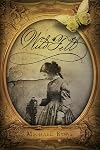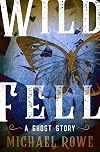
Wild Fell
by Michael Rowe
On This Page
Description
The crumbling summerhouse called Wild Fell, soaring above the desolate shores of Blackmore Island, has weathered the violence of the seasons for more than a century. Built for his family by a 19th-century politician of impeccable rectitude, the house has kept its terrible secrets and its darkness sealed within its walls. For a hundred years, the townspeople of Alvina have prayed that the darkness inside Wild Fell would stay there, locked away from the light. Jameson Browning, a man well show more acquainted with suffering, has purchased Wild Fell with the intention of beginning a new life, of letting in the light. But what waits for him at the house is devoted to its darkness and guards it jealously. It has been waiting for Jameson his whole life . . . or even longer. And now, at long last, it has found him. From the Sunburst and Aurora Award-nominated author of Enter, Night comes an unforgettable contemporary ghost story in the classic tradition of Henry James's The Turn of the Screw. show lessTags
Recommendations




Member Recommendations
Member Reviews
Wild Fell begins in the small town of Alvina, Ontario, in 1960, when Sean Schwartz asks his high school sweetheart, Brenda Egan, if she believes in ghosts. Whether he’s trying to scare her into cuddling closer, looking for some excitement to end the summer before school begins again, or is entirely sincere in his question, his question is a prelude to asking Brenda if she’ll cross a mile of Devil’s Lake to Blackmore Island to explore the remains of a mansion called Wild Fell. It takes some persuading, but Brenda reluctantly agrees, only to change her mind when they’re halfway there, suddenly frightened. Sean is disappointed, maybe angry, but the evening is saved by an illicit bottle of wine and a bonfire. But Wild Fell isn’t show more done with them, and the curtain of the prologue falls as a legend begins.
Michael Rowe sets his hook firmly with this prologue, but then he lets the line out for a nice long run. Jameson Browning — Jamie — tells us the story in the first person, starting, “I want to teach you about fear.” That sentence recedes from the reader’s mind as Jamie relates the story of his childhood in Alvina with a warm, loving father and a cold, unhappy mother. He is a reclusive child with only one real friend, Hank. Hank is really named Lucinda, but she doesn’t much want to be a girl, as she’s recently demonstrated by cutting off her hair. Hank is better at being a boy than Jamie is, really, and their friendship is a true one that involves no secrets.
Well, except for one: Jamie never tells Hank about Amanda, the girl who lives in his mirror. Amanda has Jamie’s face and speaks in his voice, but she’s completely real. She started as an imaginary playmate of Jamie’s own gender, someone to share victories and grievances with. But when eight-year-old Jamie complains to his mirror that his bike has been stolen by an older child, the presence in the mirror becomes a separate person, not an echo. She still uses his throat, his voice, but the words she speaks are not his, and the reflection in the mirror is not of his body or his room. She asks what he wants to happen to the boy who stole his bike, and Jamie says he wants the kid to just shut up and give him his bike back. Amanda promises that this will happen. And it does. Oh, boy, does it ever.
We don’t find out who Amanda is for a long time, not for the rest of Jamie’s childhood, not during his young adulthood in Toronto, not until much later when he returns to Alvina. In the meantime, though, we come to enjoy Jamie’s company. We see him through college and into marriage and a teaching career; being cared for and then caring for his father; and, ultimately, making a purchase in Alvina that will decide his fate. Always, lurking in the background, whether he acknowledges her or not, Amanda haunts his steps. By the time we find out who she was, and what she wants with Jamie, it feels like she’s meddling with a good friend.
Rowe has meticulously plotted this ghost story, so that nothing feels extraneous and every word seems carefully chosen. There is a sexual ambiguity to Jamie that colors the story, but is never overt, a suggestion; just as the violence is muted, always offstage and related to Jamie afterwards. The horror in this story isn’t graphic, but it is very much present.
Rowe writes beautifully, with words that draw pictures and bring memories to life. Here, for example, is a passage describing Alvina, and other small summer resort towns, from the prologue:
"Legends begin in small northern towns on the edge of places other people only drive through on their way to somewhere else, in station wagons and vans full of summer gear: Muskoka chairs in bright summer colours, coolers full of beer, canvas bags bursting with swimsuits and shorts and t-shirts, and dogs who slumber on blankets in the back seat and are bored by the entire process of long car trips.
"Towns pass by that are the sum of their parts, and their parts are bridges, barns, fields, and roadside stands where home-baked pies or fresh ice cream are sole in the summer, and pumpkins, sweet corn, and Indian corn in the autumn. These towns are for gas stations that are distance markers for exhausted parents, where the kids can have one final bathroom break before the last stretch of highway leading to driveways that in turn lead to front doors and lake views….
"The towns they pass might as well be shell facades, their residents merely extras in a movie called Our Drive Up North to the Cottage, a movie with annual sequels whose totality makes up a lifetime of holiday memories."
When I was a child, we had a place we visited during the summer that was just like that, though a country away. And when I was a child, the ends of long summer evenings, those long, slow twilights during which the shadows got longer and longer, and anything could be hiding behind the bridal veil or under the willow fronds, were eerie and frightening. That feeling, too, is what Rowe has captured in this novel, a lingering, cold dread.
Wild Fell is one of the best books of 2013. And Rowe is a talent to watch.
Originally published at http://www.fantasyliterature.com/reviews/wild-fell/ show less
Michael Rowe sets his hook firmly with this prologue, but then he lets the line out for a nice long run. Jameson Browning — Jamie — tells us the story in the first person, starting, “I want to teach you about fear.” That sentence recedes from the reader’s mind as Jamie relates the story of his childhood in Alvina with a warm, loving father and a cold, unhappy mother. He is a reclusive child with only one real friend, Hank. Hank is really named Lucinda, but she doesn’t much want to be a girl, as she’s recently demonstrated by cutting off her hair. Hank is better at being a boy than Jamie is, really, and their friendship is a true one that involves no secrets.
Well, except for one: Jamie never tells Hank about Amanda, the girl who lives in his mirror. Amanda has Jamie’s face and speaks in his voice, but she’s completely real. She started as an imaginary playmate of Jamie’s own gender, someone to share victories and grievances with. But when eight-year-old Jamie complains to his mirror that his bike has been stolen by an older child, the presence in the mirror becomes a separate person, not an echo. She still uses his throat, his voice, but the words she speaks are not his, and the reflection in the mirror is not of his body or his room. She asks what he wants to happen to the boy who stole his bike, and Jamie says he wants the kid to just shut up and give him his bike back. Amanda promises that this will happen. And it does. Oh, boy, does it ever.
We don’t find out who Amanda is for a long time, not for the rest of Jamie’s childhood, not during his young adulthood in Toronto, not until much later when he returns to Alvina. In the meantime, though, we come to enjoy Jamie’s company. We see him through college and into marriage and a teaching career; being cared for and then caring for his father; and, ultimately, making a purchase in Alvina that will decide his fate. Always, lurking in the background, whether he acknowledges her or not, Amanda haunts his steps. By the time we find out who she was, and what she wants with Jamie, it feels like she’s meddling with a good friend.
Rowe has meticulously plotted this ghost story, so that nothing feels extraneous and every word seems carefully chosen. There is a sexual ambiguity to Jamie that colors the story, but is never overt, a suggestion; just as the violence is muted, always offstage and related to Jamie afterwards. The horror in this story isn’t graphic, but it is very much present.
Rowe writes beautifully, with words that draw pictures and bring memories to life. Here, for example, is a passage describing Alvina, and other small summer resort towns, from the prologue:
"Legends begin in small northern towns on the edge of places other people only drive through on their way to somewhere else, in station wagons and vans full of summer gear: Muskoka chairs in bright summer colours, coolers full of beer, canvas bags bursting with swimsuits and shorts and t-shirts, and dogs who slumber on blankets in the back seat and are bored by the entire process of long car trips.
"Towns pass by that are the sum of their parts, and their parts are bridges, barns, fields, and roadside stands where home-baked pies or fresh ice cream are sole in the summer, and pumpkins, sweet corn, and Indian corn in the autumn. These towns are for gas stations that are distance markers for exhausted parents, where the kids can have one final bathroom break before the last stretch of highway leading to driveways that in turn lead to front doors and lake views….
"The towns they pass might as well be shell facades, their residents merely extras in a movie called Our Drive Up North to the Cottage, a movie with annual sequels whose totality makes up a lifetime of holiday memories."
When I was a child, we had a place we visited during the summer that was just like that, though a country away. And when I was a child, the ends of long summer evenings, those long, slow twilights during which the shadows got longer and longer, and anything could be hiding behind the bridal veil or under the willow fronds, were eerie and frightening. That feeling, too, is what Rowe has captured in this novel, a lingering, cold dread.
Wild Fell is one of the best books of 2013. And Rowe is a talent to watch.
Originally published at http://www.fantasyliterature.com/reviews/wild-fell/ show less
Wild Fell is a ghost story that starts out well with a scary scene right out of an '80s movie involving two kids late at night on the shore of a lake. Those kids will go on to become part of local ghost lore as the book moves forward in time. The setting involves a creepy old house, an isolated island, remote wilderness, and a small town--all of my favorite horror-story settings, so that all seems promising. There then follows an extended section about the main character, Jamie, as a child and the creepy little girl in the mirror who befriends him and takes care of bullies on his behalf. There is a scene with a turtle that will disturb animal lovers. I enjoyed this exposition and was looking forward to seeing how Jamie would connect show more back to the house on the island. He does as an adult but first there is quite a bit about him dealing with his father's Alzheimer's disease. By the time he does get up to the lake, after having bought the house unseen, we are running out of book. Jamie spends one frightening night in the house, does some research in town--again, all very standard for a ghost story. And then there is the end. Abrupt, bizarre, and unsatisfying. It feels like after doing all this work to set up the characters and setting and ghosts, the author just decided not to continue with the story. At the very least drop the illusion and show Jamie the ruined house. And I'm not really sure how I feel about the incest. Half a star deducted for the ending, but most of the book was very engaging.
By the way, I think Jamie's best friend, Hank, is meant to be a trans character, not a butch lesbian. Pronouns are wrong, but even though this book was published not that long ago, people were still figuring all this out at that time. It's hard to believe how much the culture has changed around trans people in such a short time. I wish Hank had played a larger role in the end as well. show less
By the way, I think Jamie's best friend, Hank, is meant to be a trans character, not a butch lesbian. Pronouns are wrong, but even though this book was published not that long ago, people were still figuring all this out at that time. It's hard to believe how much the culture has changed around trans people in such a short time. I wish Hank had played a larger role in the end as well. show less
A pedestrian ghost story with a lot of not-strictly-necessary tangents and side plots. I didn’t care much for the ending, which rather detracted from the ghost story as it had been built up to that point. I was distracted by some continuity problems: Nurse Ardelia Jackson at one point is called Bedelia, and the dates of the Blackmores deaths are messed up. In the narrative, Jamie is told Alexander Blackmore died in 1883, when Rose and Malcolm were about 16 or 17, which would mean they were born in 1866 or 1867, but their mother died in 1847, which would mean they were born about 20 years after their mother died. We’re told time isn’t linear, but since the dates are different on the Blackmores’ tombstone, I think this is just bad show more editing. show less
This is an oddly-structured book with weird pacing. There is an overly-long prologue in which the reader is given time to care about a character, before it abruptly ends and the characters in the prologue never show up again except as footnotes to the protagonist's horror story. I'm someone who is easily scared (one of the few in the world who found The Blair Witch Project terrifying, ffs) and this book was only kind of chilling and creepy in parts (mainly the part that was told from the POV of the protagonist as a child). But there was also a lot of exposition that verged on the banal and halfway through I was not at all creeped out, just impatient.
Some solid writing in parts that conveyed a menacing atmosphere, but mostly the writing show more is dull and prosaic. The final scene where the TRUTH is revealed is so ridiculous, I don't even know what to say. It's a bit of an insult to have spent time with the book and be given THAT. Some really half-baked Freudian undertones meant to increase the dread/horror, I suspect, but it was just crudely done, and without much consideration for the emotional and psychic toll on the kids in question beyond "the return of the repressed" that is explored in a really hamfisted way. So in that sense, it feels opportunistic and gross. Also, all the women characters, be it mothers, ghosts, or butch lesbian best friends "with a man's soul" (?) were terrible and vengeful (because mothers and heterosexual women) or vaguely distant but supportive (because butch lesbian is, as emphasised a few times, not some "radical dyke" as a male character puts it but a cool one who is almost a man). The gender binary is awkwardly sketched out in broad strokes that I thought the latter part of the story and the denouement would redeem it somewhat in terms of "troubling" gender and undoing the earlier narrative voice, destabilising the whole damn thing, but no.
What puzzles me so much is that this book is not uniformly bad; there were parts when it was shaping up to be a real psychological slow-burn of a ghost story, but then it just fizzled. Most unfortunate. show less
Some solid writing in parts that conveyed a menacing atmosphere, but mostly the writing show more is dull and prosaic. The final scene where the TRUTH is revealed is so ridiculous, I don't even know what to say. It's a bit of an insult to have spent time with the book and be given THAT. Some really half-baked Freudian undertones meant to increase the dread/horror, I suspect, but it was just crudely done, and without much consideration for the emotional and psychic toll on the kids in question beyond "the return of the repressed" that is explored in a really hamfisted way. So in that sense, it feels opportunistic and gross. Also, all the women characters, be it mothers, ghosts, or butch lesbian best friends "with a man's soul" (?) were terrible and vengeful (because mothers and heterosexual women) or vaguely distant but supportive (because butch lesbian is, as emphasised a few times, not some "radical dyke" as a male character puts it but a cool one who is almost a man). The gender binary is awkwardly sketched out in broad strokes that I thought the latter part of the story and the denouement would redeem it somewhat in terms of "troubling" gender and undoing the earlier narrative voice, destabilising the whole damn thing, but no.
What puzzles me so much is that this book is not uniformly bad; there were parts when it was shaping up to be a real psychological slow-burn of a ghost story, but then it just fizzled. Most unfortunate. show less
Since I read Enter, Night , I've been wanting to check out Wild Fell. I'm sorry that I waited so long!
Wild Fell is told in such a unique manner , (I love that!), that it's hard to tear yourself away. Normal day to day chores like cooking dinner, doing dishes and such, all fell by the wayside in favor of parking my butt on the couch,(or by the river on my lunch hour), to see where this novel would take me. It took me a number of places, but it finished with me at Wild Fell itself.
Jameson Browning is our protagonist. As a boy he was bullied and had a best friend, a girl named Hank. From there, we follow Jameson throughout his life and finally, his time at Wild Fell. He's a good guy and a good friend and he fell upon hard times-it's easy show more to like and root for him.
All is not as it seems with Jameson, though, and getting to what is REAL is part of the mystery of this book. It's not a ghost story, it's not a haunted house story....but actually it is both, plus some.
Unlike the author, I do not have the right words to explain how this book made me feel. I will paraphrase from Jack Nicholson and his line from the movie "As Good as it Gets" , this book makes me wish I were a better reviewer.
Highly recommended to fans of quiet horror, dark fiction, mysteries, ghost stories and haunted house tales. show less
Wild Fell is told in such a unique manner , (I love that!), that it's hard to tear yourself away. Normal day to day chores like cooking dinner, doing dishes and such, all fell by the wayside in favor of parking my butt on the couch,(or by the river on my lunch hour), to see where this novel would take me. It took me a number of places, but it finished with me at Wild Fell itself.
Jameson Browning is our protagonist. As a boy he was bullied and had a best friend, a girl named Hank. From there, we follow Jameson throughout his life and finally, his time at Wild Fell. He's a good guy and a good friend and he fell upon hard times-it's easy show more to like and root for him.
All is not as it seems with Jameson, though, and getting to what is REAL is part of the mystery of this book. It's not a ghost story, it's not a haunted house story....but actually it is both, plus some.
Unlike the author, I do not have the right words to explain how this book made me feel. I will paraphrase from Jack Nicholson and his line from the movie "As Good as it Gets" , this book makes me wish I were a better reviewer.
Highly recommended to fans of quiet horror, dark fiction, mysteries, ghost stories and haunted house tales. show less
Many of the prologues I read are pro forma and shallow. In the case of Wild Fell, the prologue is more in the nature of a wonderful example of flash fiction. It put me at ease, letting me know I would be in for a good story. The atmosphere hit me just right, as did Rowe’s ability to write characters well. The main story itself was paced well and a thoroughly enjoyable ghost story. I look forward to reading more by Micheal Rowe.
Read this for book club and I enjoyed it -- it was pretty creepy. I enjoyed the ambiguity and possible interpretations you could take on the twist at the end.
Members
- Recently Added By
Lists

Books Set in Canada
80 works; 16 members

Houses and Buildings as Characters in Fiction
182 works; 29 members

LGBTQIA Horror
172 works; 7 members

Books Set on Islands
190 works; 24 members

Shirley Jackson Award Winners and Shortlist 2007-2020
77 works; 6 members

Books Set in Small Towns and Villages
278 works; 16 members

Books Read in 2022
5,166 works; 112 members

Strange Towns
49 works; 7 members

Haunted Places and Ghost Stories Reading List
99 works; 4 members
Author Information

13+ Works 668 Members
Michael Rowe is the three-time Lambda Literary Award-nominated author
Awards and Honors
Awards
Common Knowledge
- Canonical title
- Wild Fell
- Original publication date
- 2013
- People/Characters
- Jameson Browning
- Important places
- Alvina, Ontario, Canada; Wild Fell
- Epigraph
- “The following events occurred on a small island of isolated position in a large Canadian lake, to whose cool waters the inhabitants of Montreal and Toronto flee for rest and recreation in the hot months. It is only to be r... (show all)egretted that events of such peculiar interest to the genuine student of the psychical should be entirely uncorroborated. Such unfortunately, however, is the case.”
—Algernon Blackwood, “A Haunted Island”
“A house is never still in darkness to those who listen intently; there is a whispering in distant chambers, an unearthly hand presses the snib of the window, the latch rises. Ghosts were created when the first man woke in the night.”
—J. M. Barrie, The Little Minister
“Of all ghosts the ghosts of old loves are the worst.”
—Arthur Conan Doyle, The Memoirs of Sherlock Holmes: Volume 3 - Dedication
- For Victor Kleinschmit, the keeper of my ghosts.
And in loving memory of Mark Richard Braun
Home is the sailor, home from the sea,
And the hunter home from the hill.
—Robert Louis Stevenson, “R... (show all)equiem” - First words
- “Have you ever seen a ghost?”
- Blurbers
- Barker, Clive
Classifications
Statistics
- Members
- 116
- Popularity
- 280,501
- Reviews
- 8
- Rating
- (3.71)
- Languages
- English
- Media
- Paper, Audiobook, Ebook
- ISBNs
- 6
- ASINs
- 5