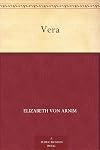
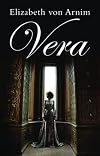
Vera
by Elizabeth Von Arnim
On This Page
Description
"A handsome stranger enters Lucy Entwhistle's life on the very day of her father's death. Everard Wemyss is mourning the recent loss of his wife, and he and Lucy are drawn together in their shared experience of grief. A remarkable bond forms between the despairing couple, the thought of separation proves intolerable, and they are quickly married and settled into Everard's isolated country home, The Willows. But everything about the mansion is shadowed with the specter of Vera, its previous show more mistress. As Everard gradually becomes increasingly overbearing and abusive, Lucy begins to wonder about the circumstances of Vera's "accidental" death. This darkly comic novel by the author of Enchanted April is believed to have inspired the Daphne du Maurier classic Rebecca. Elizabeth von Arnim based Vera on her own ill-starred marriage to a member of the British aristocracy. Her 1921 novel offers a witty and compelling look at a sinister possibility of a marriage in which a self-absorbed bully can exploit a naive young woman, and romantic delusions can keep a wife in thrall to her husband's tyranny"-- show lessTags
Recommendations





















Member Recommendations
Member Reviews
Ew! What a character that Wemyss is. Didn't take him long to wheedle himself into the life of a very recently bereaved and now unprotected Lucy. He's 45; she's early 20s and attractive and naive. Only a few months previous he lost his wife, Vera, under scandalous circumstances. But within days of meeting Lucy, he's calling her his "little love" and having her sit in his lap, plus has a thing for tousling her short, bobbed hair. Ew!
He grows steadily more obnoxious but by the time his bad behavior starts showing up, Lucy is too far "in love" and too naturally sweet to change her high opinion of him. There were moments where I audibly groaned at his audacity and my creep alarm was by then sounding non-stop. No wonder Lucy was tired all the show more time. Every time this guy opened his mouth, he was exhausting.
Now we would readily recognize him as a psychopath. Although high functioning, his relationship with the World is warped. He has that inner emptiness: where his soul should be is only gaping, insatiable need for power and flattery. And, oddly but characteristically, he poses himself as a victim with righteous indignation at the smallest slight or contrary opinion. (Sound like someone we all know here in September 2020?) Just to prevent him spinning off into overwrought drama at a misplaced word or sigh is the new Mrs. Wemyss' full time occupation.
But, man this was a good read! Von Arnim grows in my esteem. Nothing like The Enchanted April or Elizabeth and Her German Garden, she rocked this genre and even pre-dated du Maurier's Rebecca. Published in 1921, she adeptly presents this man as menacing and sexually revolting well within the constraints of her era. Nothing explicit but that doesn't mean she didn't describe some twisted stuff.
I read where Wemyss was based on the "Wicked Earl" Frank Russell, who von Arnim married but was separated from him after a very short time together. Having a personal relationship with a psychopath would explain her acuity, even if "psychopath" wasn't bantered around back then like it is now. Apparently it was common knowledge at the time that this novel was written that it was based on Russell, so that bit had to have been some sweet bonus revenge for her.
Lifted from the wisdom of this novel, here's some sound advice for a young person considering marriage:
I "read' this novel by listening to the free recording, well done by Greg W at Librivox.org . show less
He grows steadily more obnoxious but by the time his bad behavior starts showing up, Lucy is too far "in love" and too naturally sweet to change her high opinion of him. There were moments where I audibly groaned at his audacity and my creep alarm was by then sounding non-stop. No wonder Lucy was tired all the show more time. Every time this guy opened his mouth, he was exhausting.
Now we would readily recognize him as a psychopath. Although high functioning, his relationship with the World is warped. He has that inner emptiness: where his soul should be is only gaping, insatiable need for power and flattery. And, oddly but characteristically, he poses himself as a victim with righteous indignation at the smallest slight or contrary opinion. (Sound like someone we all know here in September 2020?) Just to prevent him spinning off into overwrought drama at a misplaced word or sigh is the new Mrs. Wemyss' full time occupation.
But, man this was a good read! Von Arnim grows in my esteem. Nothing like The Enchanted April or Elizabeth and Her German Garden, she rocked this genre and even pre-dated du Maurier's Rebecca. Published in 1921, she adeptly presents this man as menacing and sexually revolting well within the constraints of her era. Nothing explicit but that doesn't mean she didn't describe some twisted stuff.
I read where Wemyss was based on the "Wicked Earl" Frank Russell, who von Arnim married but was separated from him after a very short time together. Having a personal relationship with a psychopath would explain her acuity, even if "psychopath" wasn't bantered around back then like it is now. Apparently it was common knowledge at the time that this novel was written that it was based on Russell, so that bit had to have been some sweet bonus revenge for her.
Lifted from the wisdom of this novel, here's some sound advice for a young person considering marriage:
1. TAKE YOUR TIME. Get to know the person long enough for those hormones to settle down.
2. IF YOUR FAMILY AND FRIENDS DON'T LIKE HIM/HER then listen. They probably see something you don't see yet. But if you marry them, you surely will.
3. PAY ATTENTION TO YOUR OWN FEELINGS. Feeling smothered, having self-doubts, missing alone time, and feeling tired are not healthy signs. And if you find you are spending time trying to "figure them out" in order to explain their unpleasant behavior, that would be a big red flag against your chances of future happiness with this beloved.
4. AND DON'T MARRY A WRITER unless you are 100% sure you'll never get divorced or separated. Or only if you are 100% sure you are not a psychopath.
I "read' this novel by listening to the free recording, well done by Greg W at Librivox.org . show less
This book is compared to Rebecca, and there are certainly resonances of Daphne Du Maurier's ability to write female focused psychological thrillers that slowly grip the reader. This is a story of a relationship between the young and impressionable Lucy, and the somewhat older Wemyss, whose wife has recently died in slightly suspicious circumstances. What starts as a delightful relationship (if somewhat cloying and infantilising) turns into a story of domestic abuse. Von Armin allows us into the mind of the abuser, where everything is rational and reasonable, and there would be no problems if only his entirely reasonable expectations were met. There is no abuse, in his mind, simply consequences that would be readily avoidable by anyone show more sensible and not determined to be unreasonable. She shows how love can be baffled and poisoned; how an abuser can control the environment and isolate the victim; how the victim can also rationalise the abuse. show less
Rebecca à la française
Reading Vera was I in “The Willows” or “ Manderley”? Hard to say at times. But no, I was in The Willows, firmly entrencehed. But minus the sinister Danvers at the window with Manderley burning around her. Another woman stood at a window at The Willows. The first wife, Vera, who died not by fired but by falling through the open window to her death.
Liked Rebecca, Vera’s likeness hangs on a wall in The Willows, staring at Everard‘s new wife Lucy. And like Rebecca, Vera does not appear in Von Arnie’s Vera.
But let’s step back. It’s the 1920s, and Everard, a boring man whose platitude-based morality borders on Trumpism captured the heart of ingebue Lucy who is less than half his age. She’s a pretty show more girl, but none too bright. He is the first man whose sentences she actually understands. She has been used to her father’s intellectual friends, old lefties who discussed politics endlessly, in nuanced terms. Her father has recently died when Lucy meets Everard, a man who speaks in simple terms, a man who thinks there is one side to every question. Her fate is sealed.
Everard tals to Lucy in baby talk, telling her not to worry her pretty little head about his decisions. She’s in heaven, oblivious to her only living relative Aunt Dot’s gentle warnings. Her late father’s friends gradually disappear from her life, like liberals turning off the TV when Trump rambles on. They marry.
Once Everard has caught the fly in his boring Willows’ web the domestic abuse starts. Lucy is locked out in the freezing rain for hours and has to apologize repeatedly until Everard can fully relish her submission. He opposes every thing she desires. She is a virtual prisoner in his house. She obeys his every command. Nothing is good enough for her new husband who is a simple-minded bully. Lucy is isolated from the world. Vera looks at her as she sits at the table to eat. Vera’s eyes follow her and there is a twisted smile on Vera’s mouth.
She falls ill and her aunt Dot tries to help her but is unceremoniously forced to leave The Willows and forbidden to see Lucy again, ever.
We never find out about Vera’s death. Possibly it was suicide. But could Lucy last as long as Vera who had stayed married to Everand for 15 years, the exiled Dot muses.
Apart from Robby Doyle’s The Woman who Walked into Doors, I can’t remember reading a book about domestic violence. And although Vera’s Lucy suffers emotional rather than bodily violence, it is just as harrowing to read about it in Vera.
Lucy and Everard are not similar to Maxim and the second Mrs de Winter except for the age difference. But there are so many “pre-shadows” of Rebecca in this earlier novel that it is, like Everard, creepy.
Still intrigued by von Arrnim my reading of Vera has thrown some light on her life. Is the novel semi-autobiographical? I have read that Vera is based on her disastrous second marriage, to Frank Russell.
I need to find out more. I am on a quest. show less
Reading Vera was I in “The Willows” or “ Manderley”? Hard to say at times. But no, I was in The Willows, firmly entrencehed. But minus the sinister Danvers at the window with Manderley burning around her. Another woman stood at a window at The Willows. The first wife, Vera, who died not by fired but by falling through the open window to her death.
Liked Rebecca, Vera’s likeness hangs on a wall in The Willows, staring at Everard‘s new wife Lucy. And like Rebecca, Vera does not appear in Von Arnie’s Vera.
But let’s step back. It’s the 1920s, and Everard, a boring man whose platitude-based morality borders on Trumpism captured the heart of ingebue Lucy who is less than half his age. She’s a pretty show more girl, but none too bright. He is the first man whose sentences she actually understands. She has been used to her father’s intellectual friends, old lefties who discussed politics endlessly, in nuanced terms. Her father has recently died when Lucy meets Everard, a man who speaks in simple terms, a man who thinks there is one side to every question. Her fate is sealed.
Everard tals to Lucy in baby talk, telling her not to worry her pretty little head about his decisions. She’s in heaven, oblivious to her only living relative Aunt Dot’s gentle warnings. Her late father’s friends gradually disappear from her life, like liberals turning off the TV when Trump rambles on. They marry.
Once Everard has caught the fly in his boring Willows’ web the domestic abuse starts. Lucy is locked out in the freezing rain for hours and has to apologize repeatedly until Everard can fully relish her submission. He opposes every thing she desires. She is a virtual prisoner in his house. She obeys his every command. Nothing is good enough for her new husband who is a simple-minded bully. Lucy is isolated from the world. Vera looks at her as she sits at the table to eat. Vera’s eyes follow her and there is a twisted smile on Vera’s mouth.
She falls ill and her aunt Dot tries to help her but is unceremoniously forced to leave The Willows and forbidden to see Lucy again, ever.
We never find out about Vera’s death. Possibly it was suicide. But could Lucy last as long as Vera who had stayed married to Everand for 15 years, the exiled Dot muses.
Apart from Robby Doyle’s The Woman who Walked into Doors, I can’t remember reading a book about domestic violence. And although Vera’s Lucy suffers emotional rather than bodily violence, it is just as harrowing to read about it in Vera.
Lucy and Everard are not similar to Maxim and the second Mrs de Winter except for the age difference. But there are so many “pre-shadows” of Rebecca in this earlier novel that it is, like Everard, creepy.
Still intrigued by von Arrnim my reading of Vera has thrown some light on her life. Is the novel semi-autobiographical? I have read that Vera is based on her disastrous second marriage, to Frank Russell.
I need to find out more. I am on a quest. show less
Not one of von Arnim's well-known ones, but SO brilliantly written. As someone married to a man frighteningly reminiscent of Everard Wemyss, I felt the author was writing for me, and that the strange, irrational arguments, to which i am accustomed, actually have been experienced by another!
The novel opens with a young girl sitting outside her house in shock; her beloved father has just died, leaving her an orphan; her only relative a spinster aunt. Along the road comes an older man, apparently in a similar situation following his wife's recent death. Offering help and support to young Lucy, it is no surprise that a relationship soon ensues.
However Everard's behaviour soon comes to seem a little odd - from bestowing caresses and babytalk show more on his 'Little Love', to becoming rapidly and not always predictably furious at any check to his plans. And when we learn of his late wife's demise- plunging from an upper window, thought to be suicide, we become still more dubious.
This is an extremely tense-making book. The reader is amazed at Everard's lack of perspicacity, expecting Lucy to move happily into the room through whose window Vera took her life. His controlling, overbearing personality and utter self-absorption, lead to a character equally comic and menacing.
"She was afraid of him and she was afraid of herself in relation to him. He seemed outside anything of which she had experience...There seemed no way, at any point, by which one could reach him."
Lucy soon learns that her husband's tactics of bullying and forever taking offence, mean there can never be a frank exchange of views, that she must weigh her every word.
"Come here, my little savage- come and sit on your husban's knee and tell him all about it."
...But she didn't tell him all about it, first because by now she knew that to tell him all about anything was asking for trouble, and second because he didn't really want to know. Everard, she was beginning to realise with much surprise, preferred not to know. He was not merely incurious as to other people's ideas and opinions, he definitely preferred not to know."
The eponymous Vera never appears in person- she is the dead wife, and while Lucy sees her portrait, peruses her books and muses on her, it is with an increasing fellow-feeling...
Based on the author's second marriage (to the brother of philosopher Bertrand Russell), this was a masterly portrait of an emotionally abusive marriage. show less
The novel opens with a young girl sitting outside her house in shock; her beloved father has just died, leaving her an orphan; her only relative a spinster aunt. Along the road comes an older man, apparently in a similar situation following his wife's recent death. Offering help and support to young Lucy, it is no surprise that a relationship soon ensues.
However Everard's behaviour soon comes to seem a little odd - from bestowing caresses and babytalk show more on his 'Little Love', to becoming rapidly and not always predictably furious at any check to his plans. And when we learn of his late wife's demise- plunging from an upper window, thought to be suicide, we become still more dubious.
This is an extremely tense-making book. The reader is amazed at Everard's lack of perspicacity, expecting Lucy to move happily into the room through whose window Vera took her life. His controlling, overbearing personality and utter self-absorption, lead to a character equally comic and menacing.
"She was afraid of him and she was afraid of herself in relation to him. He seemed outside anything of which she had experience...There seemed no way, at any point, by which one could reach him."
Lucy soon learns that her husband's tactics of bullying and forever taking offence, mean there can never be a frank exchange of views, that she must weigh her every word.
"Come here, my little savage- come and sit on your husban's knee and tell him all about it."
...But she didn't tell him all about it, first because by now she knew that to tell him all about anything was asking for trouble, and second because he didn't really want to know. Everard, she was beginning to realise with much surprise, preferred not to know. He was not merely incurious as to other people's ideas and opinions, he definitely preferred not to know."
The eponymous Vera never appears in person- she is the dead wife, and while Lucy sees her portrait, peruses her books and muses on her, it is with an increasing fellow-feeling...
Based on the author's second marriage (to the brother of philosopher Bertrand Russell), this was a masterly portrait of an emotionally abusive marriage. show less
The day young Lucy Entwhistle's father died, she was only able to stand, staring, feeling nothing. Along came Wemyss, a man of about forty-five, who had just lost his wife. This shared bereavement brings he and Lucy together: Wemyss makes all the plans for Mr. Entwhistle's funeral, they spend much time together comforting each other, and they soon become engaged. Lucy's aunt, Miss Entwhistle, is rather perplexed by the whole turn of affairs, but she determines to like Wemyss for Lucy's sake, even though he shows all the character of a spoiled brat.
Vera was Wemyss's former wife, who died under somewhat mysterious circumstances, yet whose memory permeates much. At first, I thought the story was going to be headed in a similar direction as show more Rebecca, but even though I didn't particularly like Max de Winter, he had nothing on Wemyss. Everard Wemyss has made my top five list of most hated characters in literature. His behavior made me want to slap him, shake him, finally to punch him. I loved Miss Entwhistle's standing up to him, and wished Lucy was more able to assert herself. But like many in an unhealthy relationship, she's quick to forgive and forget. Reading about them as they progressed from engagement into marriage was like watching a car crash - you know it's going to be terrible, but can't help continuing. show less
Vera was Wemyss's former wife, who died under somewhat mysterious circumstances, yet whose memory permeates much. At first, I thought the story was going to be headed in a similar direction as show more Rebecca, but even though I didn't particularly like Max de Winter, he had nothing on Wemyss. Everard Wemyss has made my top five list of most hated characters in literature. His behavior made me want to slap him, shake him, finally to punch him. I loved Miss Entwhistle's standing up to him, and wished Lucy was more able to assert herself. But like many in an unhealthy relationship, she's quick to forgive and forget. Reading about them as they progressed from engagement into marriage was like watching a car crash - you know it's going to be terrible, but can't help continuing. show less
‘My little love isn’t going to do anything that spoils her Everard’s plans after all the trouble he has taken?’ he said, seeing that with her mouth slightly open she gazed at him in an obvious astonishment and didn’t say a word.
Vera, written in 1921 and partly informed by von Arnim’s marriage to Earl Russell (the older brother to Bertrand), is as fascinating as it is frightening.
Vera tells the story of young Lucy who marries the somewhat older Everard Wemyss and finds herself caught. The tragedy of it is, she doesn’t realise it.
Vera is often described as the prototype for Du Maurier’s Rebecca (1938). In some ways this is quite true:
Vera, like Rebecca, lends her name to the book’s title. Vera, like Rebecca, is the late show more wife of the husband. Vera, like Rebecca, haunts the young new wife.
However, on levels of dysfunction, Vera surpasses Rebecca by far.
Marriage, Lucy found, was different from what she had supposed; Everard was different; everything was different. For one thing she was always sleepy. For another she was never alone. She hadn’t realised how completely she would never be alone, or, if alone, not sure for one minute to the other of going on being alone. Always in her life there had been intervals during which she recuperated in solitude from any strain; now there were none. Always there had been places she could go to and rest in quietly, safe from interruption; now there were none.
I pretty quickly in the book wanted to shake Lucy and make her see what she was getting into, but I am not sure she would have listened.
As the story progressed, dysfunction turned into what can only be described as a nightmare, and I truly hoped that Lucy, much like von Arnim, would find a means to escape from psycho-Everard’s clutches. Or that she’d push him off a cliff. Or the top floor window.
Well, that was at the very beginning. She soon learned that a doubt in her mind was better kept there. If she brought it out to air it and dispel it by talking it over with him, all that happened was that he was hurt, and when he was hurt she instantly became perfectly miserable. Seeing, then, that this happened about small things, how impossible it was to talk with him of big things; of, especially, her immense doubt in regard to The Willows. show less
Vera, written in 1921 and partly informed by von Arnim’s marriage to Earl Russell (the older brother to Bertrand), is as fascinating as it is frightening.
Vera tells the story of young Lucy who marries the somewhat older Everard Wemyss and finds herself caught. The tragedy of it is, she doesn’t realise it.
Vera is often described as the prototype for Du Maurier’s Rebecca (1938). In some ways this is quite true:
Vera, like Rebecca, lends her name to the book’s title. Vera, like Rebecca, is the late show more wife of the husband. Vera, like Rebecca, haunts the young new wife.
However, on levels of dysfunction, Vera surpasses Rebecca by far.
Marriage, Lucy found, was different from what she had supposed; Everard was different; everything was different. For one thing she was always sleepy. For another she was never alone. She hadn’t realised how completely she would never be alone, or, if alone, not sure for one minute to the other of going on being alone. Always in her life there had been intervals during which she recuperated in solitude from any strain; now there were none. Always there had been places she could go to and rest in quietly, safe from interruption; now there were none.
I pretty quickly in the book wanted to shake Lucy and make her see what she was getting into, but I am not sure she would have listened.
As the story progressed, dysfunction turned into what can only be described as a nightmare, and I truly hoped that Lucy, much like von Arnim, would find a means to escape from psycho-Everard’s clutches. Or that she’d push him off a cliff. Or the top floor window.
Well, that was at the very beginning. She soon learned that a doubt in her mind was better kept there. If she brought it out to air it and dispel it by talking it over with him, all that happened was that he was hurt, and when he was hurt she instantly became perfectly miserable. Seeing, then, that this happened about small things, how impossible it was to talk with him of big things; of, especially, her immense doubt in regard to The Willows. show less
Last Night I Dreamt I Went to The Willows Again
Review of the Hesperus Classics paperback (2015) of the Macmillan & Co. hardcover original (1921)
I enjoyed my first ever Elizabeth von Arnim novel, the fictionalized from real-life Elizabeth and her German Garden (1898). It was GR friend JimZ's outstanding 10-star review which convinced me to make Vera my second. I was also curious about the synopsis on GR which said that it was "considered the inspiration for du Maurier’s Rebecca" (1938).
If Arnim's unnamed husband in Elizabeth and her German Garden was the "Man of Wrath," then Everard Wemyss in Vera was the "Man of Petty Tyrannies." We meet Wemyss when he commiserates the young Lucy Entwhistle on the sudden death of her father, having show more lost his own wife Vera in an apparent accident only weeks earlier. Wemyss soon takes over all funeral arrangements for the Entwhistle family in an early sign of his obsessive controlling nature. A courtship, wedding and honeymoon soon follow, against the instincts of Lucy's Aunt Dot who finally relents, due to Lucy's apparent happiness.
It is on the return from the European honeymoon to the Wemyss country estate "The Willows" that the tyrannical nature of the man is finally revealed. He berates the maids for petty issues about windows, piano coverings, tea settings and meals. Lucy is taken aback and retreats from the scene only to find herself locked out in the rain. Finally she is allowed back in the house and scolded for spoiling Wemyss' happiness on his return home. She sickens shortly after with a cold and though Wemyss is indifferent, Aunt Dot comes from London to her bedside to help nurse her. A final confrontation between the Aunt and Wemyss ensues.
I found Vera to be compulsively readable as the pettiness and obsessive nature of Wemyss is gradually revealed. The synopsis describes its "dark humour" which is another way of saying the man is deranged in his childish obsessions and controls over his wife and household. You are drawn into the understanding that the previous wife Vera likely committed suicide rather than continue to live under those circumstances. There is the dawning horror that Lucy may be condemned to a similar fate.
I didn't think it was that much of a precursor to Rebecca, certainly not more than any other gothic tales of younger wives with older husbands in households / homes haunted by a previous wife / present housekeepers i.e. Jane Eyre, Wuthering Heights, etc.
Just as Elizabeth and her German Garden was based on Elizabeth von Arnim's first marriage to Count von Arnim, Vera was apparently based on her second marriage to Frank Russell. She managed to escape that marriage as well but gathered up enough material to caricature yet another ex-husband (although they apparently never divorced).
Trivia and Link
Vera is in the public domain and can be read for free at Project Gutenberg online here or can be listened to via a free Librivox recording on YouTube here and at other sources. show less
Review of the Hesperus Classics paperback (2015) of the Macmillan & Co. hardcover original (1921)
I enjoyed my first ever Elizabeth von Arnim novel, the fictionalized from real-life Elizabeth and her German Garden (1898). It was GR friend JimZ's outstanding 10-star review which convinced me to make Vera my second. I was also curious about the synopsis on GR which said that it was "considered the inspiration for du Maurier’s Rebecca" (1938).
If Arnim's unnamed husband in Elizabeth and her German Garden was the "Man of Wrath," then Everard Wemyss in Vera was the "Man of Petty Tyrannies." We meet Wemyss when he commiserates the young Lucy Entwhistle on the sudden death of her father, having show more lost his own wife Vera in an apparent accident only weeks earlier. Wemyss soon takes over all funeral arrangements for the Entwhistle family in an early sign of his obsessive controlling nature. A courtship, wedding and honeymoon soon follow, against the instincts of Lucy's Aunt Dot who finally relents, due to Lucy's apparent happiness.
It is on the return from the European honeymoon to the Wemyss country estate "The Willows" that the tyrannical nature of the man is finally revealed. He berates the maids for petty issues about windows, piano coverings, tea settings and meals. Lucy is taken aback and retreats from the scene only to find herself locked out in the rain. Finally she is allowed back in the house and scolded for spoiling Wemyss' happiness on his return home. She sickens shortly after with a cold and though Wemyss is indifferent, Aunt Dot comes from London to her bedside to help nurse her. A final confrontation between the Aunt and Wemyss ensues.
I found Vera to be compulsively readable as the pettiness and obsessive nature of Wemyss is gradually revealed. The synopsis describes its "dark humour" which is another way of saying the man is deranged in his childish obsessions and controls over his wife and household. You are drawn into the understanding that the previous wife Vera likely committed suicide rather than continue to live under those circumstances. There is the dawning horror that Lucy may be condemned to a similar fate.
I didn't think it was that much of a precursor to Rebecca, certainly not more than any other gothic tales of younger wives with older husbands in households / homes haunted by a previous wife / present housekeepers i.e. Jane Eyre, Wuthering Heights, etc.
Just as Elizabeth and her German Garden was based on Elizabeth von Arnim's first marriage to Count von Arnim, Vera was apparently based on her second marriage to Frank Russell. She managed to escape that marriage as well but gathered up enough material to caricature yet another ex-husband (although they apparently never divorced).
Trivia and Link
Vera is in the public domain and can be read for free at Project Gutenberg online here or can be listened to via a free Librivox recording on YouTube here and at other sources. show less
Members
- Recently Added By
Lists

Llibres que he llegit el 2018
46 works; 1 member

Books referenced in A Very Great Profession: The Woman's Novel 1914-39
199 works; 6 members

Books Read in 2025
4,128 works; 98 members
Author Information

47+ Works 8,145 Members
Some Editions
Series
Belongs to Publisher Series
Work Relationships
Common Knowledge
- Canonical title
- Vera
- Original title
- Vera
- Original publication date
- 1921
- People/Characters
- Lucy Entwhistle; Everard Wemyss; Auntie Dot; Vera Wemyss
- First words
- When the doctor had gone, and the two women from the village he had been waiting for were upstairs shut in with her dead father, Lucy went out into the garden and stood leaning on the gate staring at the sea.
- Last words
- (Click to show. Warning: May contain spoilers.)"Who's my very own baby?" she heard him saying; and she woke up just enough sleepily to return his kiss.
Classifications
Statistics
- Members
- 411
- Popularity
- 75,631
- Reviews
- 12
- Rating
- (3.91)
- Languages
- 7 — Catalan, English, French, German, Italian, Spanish, Swedish
- Media
- Paper, Audiobook, Ebook
- ISBNs
- 56
- UPCs
- 1
- ASINs
- 14