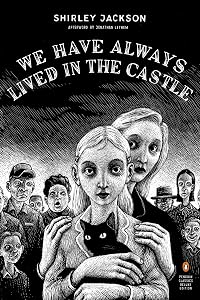
We Have Always Lived in the Castle
by Shirley Jackson
On This Page
Description
"We Have Always Lived in the Castle" is a haunting and suspenseful novel by Shirley Jackson. Set in a decaying mansion, it follows the lives of the Blackwood sisters, Merricat and Constance, who live in isolation after a family tragedy. The story unfolds through the lens of Merricat's peculiar perspective, revealing a tale of dark secrets, societal ostracism, and the eerie atmosphere of a town marked by suspicion. Jackson weaves a narrative that explores the complexities of family show more relationships, mental instability, and the blurred lines between reality and the supernatural. The novel is celebrated for its atmospheric tension and psychological depth, making it a classic in the realm of gothic literature. show lessTags
Recommendations
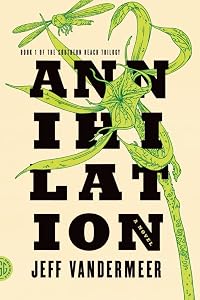
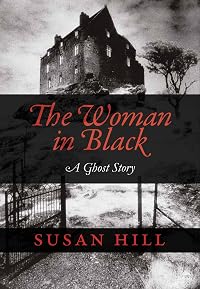
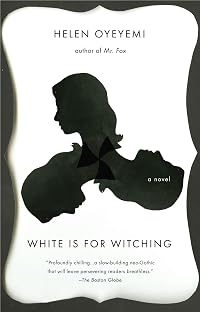
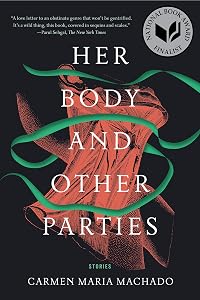


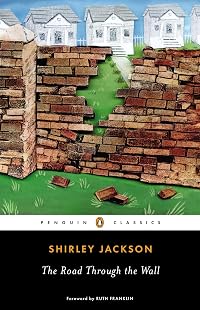
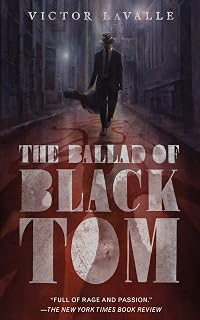
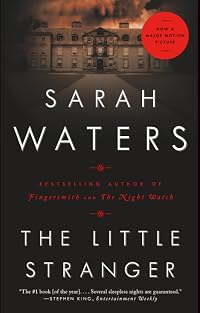

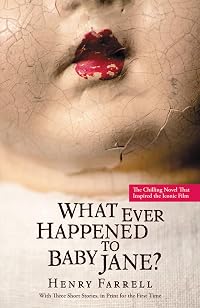

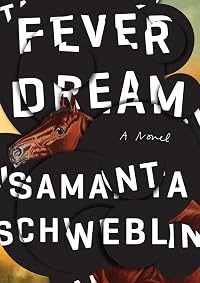
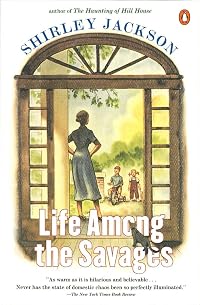
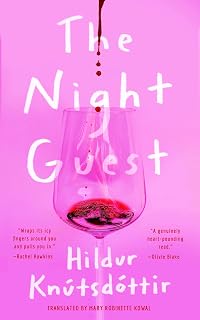
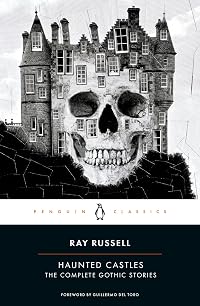
Member Recommendations
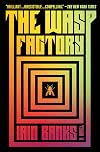
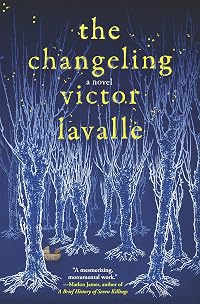
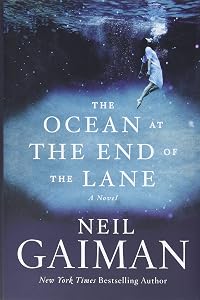
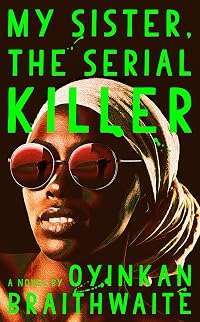
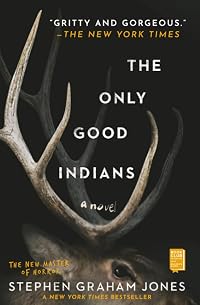
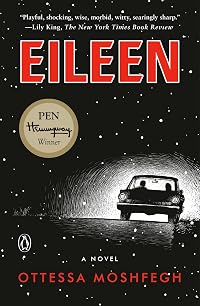
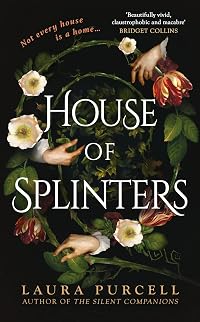
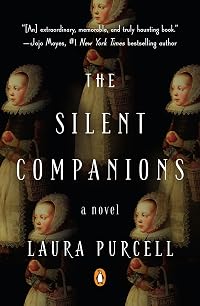
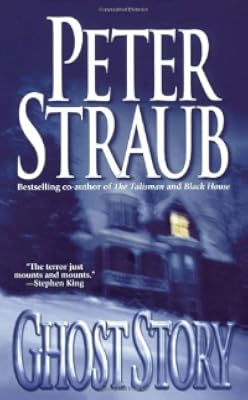
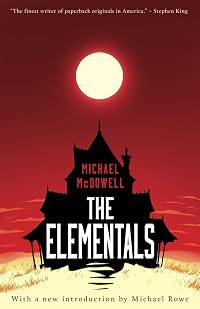
taz_ I suspect that Iain Banks' "Wasp Factory" character Frank Cauldhame was inspired by Shirley Jackson's Merricat, as these two darkly memorable teenagers share a great many quirks - the totems and protections to secure their respective "fortresses", the obsessive superstitions that govern their daily lives and routines, their isolation and cloistered pathology, their eccentric families and dark secrets. Be warned, though, that "The Wasp Factory" is a far more explicit and grisly tale than the eerily genteel "Castle" and certainly won't appeal to all fans of the latter.
121
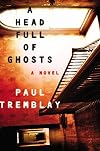
sturlington Sisters named Merry. Tremblay was clearly influenced strongly by Jackson.
40
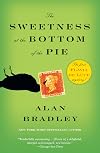
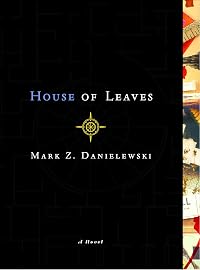
citygirl Castle is much darker and Flavia is more adorable than creepy (Merricat is quite creepy), but if you're interested in unusual young protagonists, with a very particular world view, try these.
63
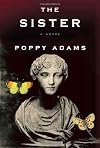
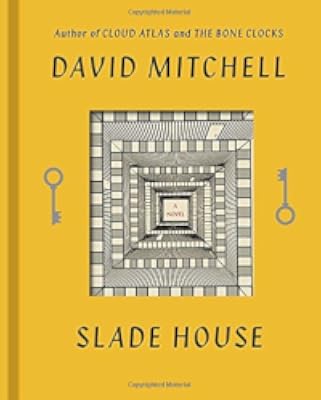
sparemethecensor Two sisters with a mysterious relationship and dark history together, unreliable narrators, dark, old, rural houses with mysteries of their own... Though the books take different plotlines, they share so many similar elements that people who enjoyed the setting and storytelling of one will likely enjoy the other.
30


Nialle Young, emotionally complex, imaginative narrators in isolated situations - have something going on that the reader only glimpses before the big reveal
11

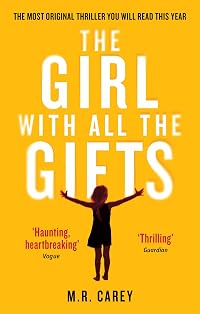
passion4reading Though set within completely different landscapes, situations and time periods, each novel has the central theme of an outsider intruding upon an isolated close-knit family group, with disastrous consequences.

wandering_star Similar tone (and Dundas credits Jackson in the book's afterword).
BillPilgrim It owes a major debt to We Have Always Lived in the Castle
Member Reviews
Shirley Jackson presents us with a mystery: why is this well-to-do family who've experienced a terrible tragedy so disliked by its surrounding community? Soon enough, the details begin to emerge: poison, accusations, a trial, and an unconvincing acquittal. Now the Blackwoods linger on like a shadow in the woods.
Uncle Julian, in his half bewildered state as he suffers from the after-effects of poisoning, daily reminds his two nieces of the details from that fateful day. Merricat seems unaffected - the source of her troubles predates the incident - but the impact on her sister Constance is more difficult to pinpoint. On the exterior she seems to be managing well, but there is a hidden longing to come out of the shell she was forced into. show more In the meantime she is very open to powers of suggestion, and Merricat does her best to monopolize this.
Their trauma and mental illness are never spelled out or mentioned. This may have been the central point of the story, a 1962 view of how such things were misunderstood and treated at the time, with insight into the minds and lives of the the disturbed who must live through the treatment they receive rather than receive the treatment they require. The novel's key plot point was spoiled for me, but I can't imagine not guessing it in advance with so many clues. It's a wonder that none of the villagers do.
Of late it seems Jackson's legacy is more noted for "Hill House", but this is the better of those two novels. show less
Uncle Julian, in his half bewildered state as he suffers from the after-effects of poisoning, daily reminds his two nieces of the details from that fateful day. Merricat seems unaffected - the source of her troubles predates the incident - but the impact on her sister Constance is more difficult to pinpoint. On the exterior she seems to be managing well, but there is a hidden longing to come out of the shell she was forced into. show more In the meantime she is very open to powers of suggestion, and Merricat does her best to monopolize this.
Their trauma and mental illness are never spelled out or mentioned. This may have been the central point of the story, a 1962 view of how such things were misunderstood and treated at the time, with insight into the minds and lives of the the disturbed who must live through the treatment they receive rather than receive the treatment they require. The novel's key plot point was spoiled for me, but I can't imagine not guessing it in advance with so many clues. It's a wonder that none of the villagers do.
Of late it seems Jackson's legacy is more noted for "Hill House", but this is the better of those two novels. show less
This is a near perfect book in the way it is written and constructed. No word is wasted. There is nothing out of place or extraneous. Shirley Jackson was a master and this could very well be considered her masterpiece. You could also consider this to be a very personal work, almost autobiographical, with Constance and Merrikat representing two sides of Jackson, or at least two sides of her personality. This is a dark book. I don't know if I'd necessarily consider it horror, but certainly gothic fiction. And while it is dark, one could say that it ends on a positive note for the protagonists. There are certainly many interpretations of this novella and I think re-reading this will be rewarding.
4.5/5
We Have Always Lived in the Castle is often described as a psychological horror or a gothic mystery, but neither label quite fits. This is not a puzzle to be solved so much as a closed world to be understood — one governed by its own internal rules, rituals, and moral logic.
At the center is Merricat Blackwood, a narrator who feels younger than her age, emotionally arrested and intensely rule-bound. Her worldview is shaped by superstition, repetition, and an unwavering division between what is safe and what is dangerous. Jackson never invites us to diagnose her, and that refusal is crucial. Merricat is not incoherent or random; she is frightening precisely because she is consistent. Her actions follow a logic formed by fear, show more trauma, and the need for absolute control.
Her sister Constance provides a quiet counterweight. Gentle, domestic, and deeply constrained, Constance’s agoraphobia is not treated as weakness but as a rational response to public scrutiny and social punishment. She can move only within a small, protected space, and she fills that space with care, routine, and food. Where Merricat enforces boundaries, Constance sustains life within them. Together, they form a fragile but functional system.
One of the novel’s most unsettling threads is how normal social expectations press against this household. The outside world insists on propriety, order, and “help,” but Jackson shows how easily those values slide into control. Politeness becomes intrusion. Concern becomes entitlement. What looks like benevolence often demands performance, gratitude, or submission in return.
Jackson’s prose is deceptively calm — even playful at times — which makes the underlying violence and fear more disturbing. There is a sharp, dark humor in watching outsiders react with offense or anger when they are denied the emotional response they expect. Kindness that requires applause curdles quickly.
By the end, the novel takes on an almost mythological quality. It is less about justice or resolution than about equilibrium — about what remains when survival becomes the only priority. No one is redeemed. No one is neatly condemned. The world simply settles into a shape that can hold what’s left.
This is not a comforting book, but it is an extraordinarily controlled one. Jackson asks uncomfortable questions about gender, power, fear, and the stories societies tell themselves to avoid responsibility. It lingers not because of what it reveals, but because of what it refuses to resolve.
A novel that rewards patience, rereading, and time — and one that feels quietly more radical the longer you sit with it. show less
We Have Always Lived in the Castle is often described as a psychological horror or a gothic mystery, but neither label quite fits. This is not a puzzle to be solved so much as a closed world to be understood — one governed by its own internal rules, rituals, and moral logic.
At the center is Merricat Blackwood, a narrator who feels younger than her age, emotionally arrested and intensely rule-bound. Her worldview is shaped by superstition, repetition, and an unwavering division between what is safe and what is dangerous. Jackson never invites us to diagnose her, and that refusal is crucial. Merricat is not incoherent or random; she is frightening precisely because she is consistent. Her actions follow a logic formed by fear, show more trauma, and the need for absolute control.
Her sister Constance provides a quiet counterweight. Gentle, domestic, and deeply constrained, Constance’s agoraphobia is not treated as weakness but as a rational response to public scrutiny and social punishment. She can move only within a small, protected space, and she fills that space with care, routine, and food. Where Merricat enforces boundaries, Constance sustains life within them. Together, they form a fragile but functional system.
One of the novel’s most unsettling threads is how normal social expectations press against this household. The outside world insists on propriety, order, and “help,” but Jackson shows how easily those values slide into control. Politeness becomes intrusion. Concern becomes entitlement. What looks like benevolence often demands performance, gratitude, or submission in return.
Jackson’s prose is deceptively calm — even playful at times — which makes the underlying violence and fear more disturbing. There is a sharp, dark humor in watching outsiders react with offense or anger when they are denied the emotional response they expect. Kindness that requires applause curdles quickly.
By the end, the novel takes on an almost mythological quality. It is less about justice or resolution than about equilibrium — about what remains when survival becomes the only priority. No one is redeemed. No one is neatly condemned. The world simply settles into a shape that can hold what’s left.
This is not a comforting book, but it is an extraordinarily controlled one. Jackson asks uncomfortable questions about gender, power, fear, and the stories societies tell themselves to avoid responsibility. It lingers not because of what it reveals, but because of what it refuses to resolve.
A novel that rewards patience, rereading, and time — and one that feels quietly more radical the longer you sit with it. show less
If you enjoy writers like Stephen King, Neal Gaiman, or Richard Matheson, I have some great news for you. Shirley Jackson, who was an absolute master of psychological suspense and horror fiction, did it better than any of them. And despite dying of a progressive heart illness in 1965 at just 48, Jackson left behind a relatively substantial body of work for readers to explore and enjoy.
One of my own Shirley Jackson favorites is her last novel, 1962’s We Have Always Lived in the Castle, which critics have dubbed a “gothic mystery.” In approximately 150 pages, depending on which edition you read, Jackson creates a weirdly believable small-town world in which jealous townspeople finally find an opportunity to get even with the rich show more family in town that has for generations made all of them feel so inferior. And one night they get their revenge in spades.
The story begins when “Merricat” Blackwood, one of two sisters living in the Blackwood family home introduces herself this way:
“My name is Mary Katherine Blackwood. I am eighteen years old, and I live with my sister Constance. I have often thought that with any luck at all I could have been born a werewolf, because the two middle fingers on both my hands are the same length, but I have had to be content with what I had. I dislike washing myself, and dogs, and noise. I like my sister Constance, and Richard Plantagenet, and Amanita phalloides, the death-cup mushroom. Everyone else in my family is dead.”
Merricat, our narrator, then begins a flashback of a few months duration describing the last time she went into town to pick up library books and a few groceries for her and her sister. It is obvious from the way that she is treated in town, that the townspeople see Merricat as something strange and a bit horrifying, and that they feel free to torment her right up to the point where they draw the line at physical abuse. Merricat has so little self-awareness that her inner thoughts and compulsive rituals mark her as a target even for the children living in town.
Back at home in the fenced-in Blackwood family estate, we learn that some six years earlier the Blackwood family suffered a tragedy that only three of them survived: Merricat, her older sister Constance, and the girls’ Uncle Julian. The survivors have been completely isolated from their neighbors ever since, with the exception of Merricat’s quick Tuesday runs into town for supplies and new library books. The townspeople, while not particularly upset about the number of people who died that night, believe that what happened was not an accident. And because making someone pay for what happened is the easiest way for them to feel superior to the Blackwoods for the first time in their lives, they jump all over that opportunity when it suddenly presents itself.
Bottom Line: We Have Always Lived in the Castle is a mystery that only gradually reveals its truths as each layer of the relationship between the sisters is peeled back. Some of the secrets are revealed through Julian’s rambling memories even though it is apparent that the man’s mind is no longer what it once was. But it is only when a wildcard character, the ruthless cousin of the girls’, moves into the Blackwood estate that their world finally blows up. Neither they, their cousin, or the people in the town will ever forget what happens next — and none of them will ever be the same. show less
One of my own Shirley Jackson favorites is her last novel, 1962’s We Have Always Lived in the Castle, which critics have dubbed a “gothic mystery.” In approximately 150 pages, depending on which edition you read, Jackson creates a weirdly believable small-town world in which jealous townspeople finally find an opportunity to get even with the rich show more family in town that has for generations made all of them feel so inferior. And one night they get their revenge in spades.
The story begins when “Merricat” Blackwood, one of two sisters living in the Blackwood family home introduces herself this way:
“My name is Mary Katherine Blackwood. I am eighteen years old, and I live with my sister Constance. I have often thought that with any luck at all I could have been born a werewolf, because the two middle fingers on both my hands are the same length, but I have had to be content with what I had. I dislike washing myself, and dogs, and noise. I like my sister Constance, and Richard Plantagenet, and Amanita phalloides, the death-cup mushroom. Everyone else in my family is dead.”
Merricat, our narrator, then begins a flashback of a few months duration describing the last time she went into town to pick up library books and a few groceries for her and her sister. It is obvious from the way that she is treated in town, that the townspeople see Merricat as something strange and a bit horrifying, and that they feel free to torment her right up to the point where they draw the line at physical abuse. Merricat has so little self-awareness that her inner thoughts and compulsive rituals mark her as a target even for the children living in town.
Back at home in the fenced-in Blackwood family estate, we learn that some six years earlier the Blackwood family suffered a tragedy that only three of them survived: Merricat, her older sister Constance, and the girls’ Uncle Julian. The survivors have been completely isolated from their neighbors ever since, with the exception of Merricat’s quick Tuesday runs into town for supplies and new library books. The townspeople, while not particularly upset about the number of people who died that night, believe that what happened was not an accident. And because making someone pay for what happened is the easiest way for them to feel superior to the Blackwoods for the first time in their lives, they jump all over that opportunity when it suddenly presents itself.
Bottom Line: We Have Always Lived in the Castle is a mystery that only gradually reveals its truths as each layer of the relationship between the sisters is peeled back. Some of the secrets are revealed through Julian’s rambling memories even though it is apparent that the man’s mind is no longer what it once was. But it is only when a wildcard character, the ruthless cousin of the girls’, moves into the Blackwood estate that their world finally blows up. Neither they, their cousin, or the people in the town will ever forget what happens next — and none of them will ever be the same. show less
I love reading books that are somewhat “off” in tone, and this book was no exception. This novel, first published in 1962, was recommended to me as a quick read by two LibraryThing members (_Zoe_ and richarderus).
The story begins with eighteen-year-old Mary Katherine Blackwood (also known as Merricat) returning to her large and lovely home after a shopping trip to the nearby village. She seems very paranoid around the townsfolk, but, before the first chapter is finished, our curiosity is aroused as to why. We go on to learn that Merricat lives with an older sister and an ailing Uncle Julian because both of her parents are dead. As the story progresses, we learn more details about the deaths of Merricat’s parents as well as the show more concurrent death of Uncle Julian’s wife Dorothy.
The odd remaining family members live together fairly well secluded until cousin Charles Blackwood arrives and precipitates a turbulent change to their precarious living situation. Disliked intensely by Merricat, Charles becomes the target of her hexes in an effort to drive him from their house.
I loved this book. It was a short, but utterly compelling, read in all of its gothic finery. I found its prose very lyrical as themes repeated in a kind of a rhythmic beat.
Merricat, said Connie, would you like a cup of tea?
Oh no, said Merricat, you’ll poison me.
Merricat, said Connie, would you like to go to sleep?
Down in the boneyard ten feet deep!
I understand this novel’s becoming a cult classic. As a result, I very much look forward to reading other writing by Shirley Jackson. show less
The story begins with eighteen-year-old Mary Katherine Blackwood (also known as Merricat) returning to her large and lovely home after a shopping trip to the nearby village. She seems very paranoid around the townsfolk, but, before the first chapter is finished, our curiosity is aroused as to why. We go on to learn that Merricat lives with an older sister and an ailing Uncle Julian because both of her parents are dead. As the story progresses, we learn more details about the deaths of Merricat’s parents as well as the show more concurrent death of Uncle Julian’s wife Dorothy.
The odd remaining family members live together fairly well secluded until cousin Charles Blackwood arrives and precipitates a turbulent change to their precarious living situation. Disliked intensely by Merricat, Charles becomes the target of her hexes in an effort to drive him from their house.
I loved this book. It was a short, but utterly compelling, read in all of its gothic finery. I found its prose very lyrical as themes repeated in a kind of a rhythmic beat.
Merricat, said Connie, would you like a cup of tea?
Oh no, said Merricat, you’ll poison me.
Merricat, said Connie, would you like to go to sleep?
Down in the boneyard ten feet deep!
I understand this novel’s becoming a cult classic. As a result, I very much look forward to reading other writing by Shirley Jackson. show less
My first encounter with the weird, wonderful mind of Shirley Jackson was in junior high school, when we read her infamous short story "The Lottery." I'm still (happily) shocked that was an approved thing to read, especially in today's atmosphere of "protecting" students from uncomfortable subject matter.
Since then, I've read The Haunting of Hill House, which was a satisfyingly creepy Halloween read in 2015. I don't know what's taken me so long to read another Jackson book, but I recently came across We Have Always Lived in the Castle lurking on my e-reader and — what do you know? — it's October again.
Castle isn't a traditional spooky read, since there aren't any ghosts or supernatural elements but it will still make the hair on the show more back of your neck stand up at times, what with its mass poisoning of an entire family and a narrator who is, to use the technical term, batshit crazy. I was concerned whether the book would have the desired effect on me since I had absorbed the general outlines of the story at some point through the years, but I am here to say that I was fully enthralled in the narrative despite that.
I hope it won't be eight more years before I read more from Ms. Jackson. show less
Since then, I've read The Haunting of Hill House, which was a satisfyingly creepy Halloween read in 2015. I don't know what's taken me so long to read another Jackson book, but I recently came across We Have Always Lived in the Castle lurking on my e-reader and — what do you know? — it's October again.
Castle isn't a traditional spooky read, since there aren't any ghosts or supernatural elements but it will still make the hair on the show more back of your neck stand up at times, what with its mass poisoning of an entire family and a narrator who is, to use the technical term, batshit crazy. I was concerned whether the book would have the desired effect on me since I had absorbed the general outlines of the story at some point through the years, but I am here to say that I was fully enthralled in the narrative despite that.
I hope it won't be eight more years before I read more from Ms. Jackson. show less
Assigning stars to Shirley Jackson's classic dark Gothic novel feels like a hopelessly presumptuous exercise. We don't have star ratings for hurricanes, volcanoes or earthquakes and, like those forces of nature, "We Have Always Lived ..." doesn't need our feedback. It just "is" -- and doesn't care who gets hurt in the process.[return][return]Before she succumbed to her own demons, at the age of only 49, Shirley Jackson created a Most Perfect Thing: the twisted love-child of "House of the Seven Gables" and "Cold Comfort Farm" (if the majority of the Starkadders had been buried in shallow graves behind the woodshed). "We Have Always Lived ..." is a dazzling little gem of unreliable narration, dark psychology (both individual and herd), show more and terrifying, vivid imagery. It is also very, very funny. show less
Members
- Recently Added By
Published Reviews
ThingScore 100
Of the precocious children and adolescents of mid-twentieth-century American fiction ... none is more memorable than eighteen-year-old "Merricat" of Shirley Jackson's masterpiece of Gothic suspense We Have Always Lived in the Castle (1962).
added by CarlosMcRey
Lists

Classics you know you should have read but probably haven't
421 works; 409 members

Recommend the 20 best books you've read in the last five years
2,168 works; 607 members

Best Gothic Fiction
110 works; 31 members

Best Horror Books
281 works; 85 members

Best Books With Sisters
130 works; 30 members
Scary Stories for the Season
160 works; 94 members

Great American Novels
158 works; 40 members

20th Century Literature
1,161 works; 55 members

Best Psychological Fiction
81 works; 16 members

Favourite Books
1,820 works; 316 members
Best Family Stories
241 works; 22 members

Female Author
1,234 works; 67 members

Unreliable Narrators
170 works; 43 members

Books With a Twist
69 works; 46 members

Weird and Weirder Fiction
270 works; 35 members

Survey of Classic Fantastic Fiction
36 works; 9 members
Female Protagonist
1,056 works; 57 members
1960s, Best books published therein
254 works; 22 members

Backlisted
109 works; 9 members
Lithub: 50 Great Classic Novels Under 200 pages
50 works; 10 members
Readable Classics
110 works; 15 members

New England Books
101 works; 10 members

Speculative Fiction: Slipstream Literature
166 works; 16 members
did I say that I didn't mean that (unreliable narrators)
34 works; 7 members

Houses and Buildings as Characters in Fiction
182 works; 29 members

Dark Books for Winter Reading
71 works; 11 members

One Book, Many Authors
441 works; 39 members
LibraryThingers' 1001 Books You Must Read Before You Die
442 works; 30 members

Bookriot's 100 Must-Read Sci-Fi Fantasy Novels By Female Authors
100 works; 9 members

Jones and Newman's Horror: Another 100 Best Books
100 works; 7 members

Top Five Books of 2014
1,064 works; 397 members

Anti-heroines in fiction
59 works; 9 members

Top Five Books of 2017
757 works; 230 members
Best Books Read for TIOLI
49 works; 14 members

Hidden Classics
73 works; 15 members

Best books read in 2011
200 works; 51 members

Novels featuring siblings
133 works; 8 members
Stephen King's Biggest Influences
46 works; 3 members
Literature About Women and Girls
394 works; 39 members

Short and Sweet
246 works; 24 members

Top Five Books of 2015
811 works; 241 members

Best Antiheroes and Antiheroines
119 works; 7 members

Dysfunctional Families
133 works; 7 members
Five star books
1,767 works; 110 members

Amanda's Guaranteed Books
110 works; 5 members
Carole's List
445 works; 13 members

Best Psychological Suspense
33 works; 6 members

Favorite Audiobooks Listened to in 2011
33 works; 11 members
Shannon's Read-Alikes List
71 works; 8 members
Books tagged favorites
390 works; 30 members

Best Horror Mega-List
342 works; 6 members

SantaThing 2014 Gifts
299 works; 17 members

Female Horror Author
35 works; 2 members

Recommended Horror and Dark Fiction by Women
81 works; 13 members
Books for Fans of Stranger Things
84 works; 7 members
Books Set in Small Towns and Villages
278 works; 16 members
Best Books of the 20th Century
193 works; 5 members

Books Read in 2017
4,249 works; 130 members

Read This Next
120 works; 3 members

Books Read in 2020
4,379 works; 123 members
Overdue Podcast
808 works; 9 members

hideous creatures
18 works; 3 members

Young and dangerous!
8 works; 1 member

Great Audiobooks
96 works; 10 members

Books Read in 2004
212 works; 7 members

Books Read in 2016
4,666 works; 197 members
Reedsydiscovery 100 Best Horror Books of All Time
100 works; 5 members

Otherland Book Club
36 works; 2 members
Books Read in 2015
3,299 works; 126 members

Books About Murder
313 works; 7 members

Retrospective of Horror and Thrillers
21 works; 2 members

100 Hemskaste
81 works; 1 member
Literary Witches
86 works; 4 members
American Lit for Eng 11 Research Project
368 works; 6 members
Kate & Cheyanne's Horror Extravaganza
144 works; 6 members
Franklit
95 works; 1 member
Paperbacks from Hell
382 works; 9 members

el
1,139 works; 1 member

Top Five Books of 2025
954 works; 303 members

To Read - Horror
137 works; 14 members
Books We Want To Read Again For The First Time
384 works; 160 members

Books We Couldn't Put Down
443 works; 197 members
Books With the Most Memorable Titles
478 works; 158 members

Horror: Page & Screen
27 works; 3 members

Nightmares Not Included
175 works; 3 members

Cult Classics
30 works; 1 member
Gen X Library
245 works; 4 members
Great Short Books: A Year of Reading-Briefly
59 works; 4 members
Top Five Books of 2024
795 works; 264 members
Books We Love to Reread
695 works; 298 members

Books Read in 2024
4,727 works; 128 members

Books Read in 2021
5,361 works; 114 members

Books Read in 2010
631 works; 11 members
Backlisted Podcast
65 works; 3 members
Safe as Houses
10 works; 2 members

Horror Reading: Creepy Kids
9 works; 3 members

Books With Complete Sentence Titles
501 works; 17 members

Alphabetical Books
211 works; 3 members

I Could Live There
185 works; 12 members
Most Popular Penguins
70 works; 5 members

Mystery and Suspense Group : Books Read from August to December 2016
71 works; 8 members

Books Read in 2018
4,360 works; 110 members
Mind-Benders: Fiction that Hurts Your Head
34 works; 8 members
Protagonists - Women
29 works; 2 members
Literature About Mental Illness
37 works; 5 members

Books Tagged Sisters
3 works; 2 members
Horror Read
10 works; 2 members

Small-Town Horror Reading List
25 works; 3 members

READ IN 2020
172 works; 1 member

Authors from the United States
245 works; 3 members
Books Tagged Small Town
58 works; 1 member

BlackDog's Complete Paperbacks From Hell List
639 works; 3 members
Ghosts
278 works; 18 members
Talk Discussions
Past Discussions
We Have Always Lived in The Castle in Folio Society Devotees (August 2023)
Author Information

121+ Works 40,146 Members
Shirley Jackson was born in San Francisco, California on December, 14, 1919. She received a Bachelor of Arts degree from Syracuse University in 1940. Much of her writing was done during the years she was raising her children. She is best-known for the short story The Lottery, which was first published in 1948 and adapted for television in 1952 and show more into play form in 1953. Her published works include articles, nonfiction prose, plays, poetry, seven novels, and fifty-five short stories. Her other works include Life among the Savages, Raising Demons, The Haunting of Hill House, which was adapted to film, and We Have Always Lived in the Castle. She died on August 8, 1965 at the age of 45. (Bowker Author Biography) show less
Some Editions
Awards and Honors
Series
Belongs to Publisher Series
Work Relationships
Is contained in
Has the adaptation
Common Knowledge
- Canonical title
- We Have Always Lived in the Castle
- Original title
- We Have Always Lived in the Castle
- Original publication date
- 1962-09-21
- People/Characters
- Mary Katherine Blackwood (Merricat); Constance Blackwood; Charles Blackwood; Helen Clarke; Jim Clarke; Jim Donell (show all 22); Stella; Uncle Julian Blackwood; Jonas; Miss Dutton; Mr. Elbert; Mrs. Donell; Joe Dunham; Lucille Wright; Dr. Levy; Aunt Dorothy Blackwood; Thomas Blackwood; Lucy Blackwood; Harler; Mrs. Mueller; Tommy; Ethel
- Important places
- New England, USA; Vermont, USA
- Related movies
- We Have Always Lived in the Castle (2018 | IMDb)
- Dedication
- For Pascal Covici
- First words
- My name is Mary Katherine Blackwood. I am eighteen years old, and I live with my sister Constance. I have often thought that with any luck at all I could have been born a werewolf, because the two middle fingers on both my ha... (show all)nds are the same length, but I have had to be content with what I had.
- Quotations
- Merricat, said Connie, would you like a cup of tea?
Oh no, said Merricat, you’ll poison me.
Merricat, said Connie, would you like to go to sleep?
Down in the boneyard ten feet deep!
You will be wondering about that sugar bowl, I imagine. Is it still in use? you are wondering; has it been cleaned? you may very well ask; was it thoroughly washed?
Our house was a castle, turreted and open to the sky. - Last words
- (Click to show. Warning: May contain spoilers.)"Oh, Constance," I said, "we are so happy."
- Blurbers
- Oates, Joyce Carol
- Original language
- English
- Canonical DDC/MDS
- 813.54
- Canonical LCC
- PS3519.A392
Classifications
Statistics
- Members
- 10,394
- Popularity
- 938
- Reviews
- 505
- Rating
- (4.07)
- Languages
- 16 — Catalan, Chinese, Dutch, English, Finnish, French, German, Galician, Italian, Japanese, Polish, Russian, Spanish, Swedish, Ukrainian, Portuguese (Portugal)
- Media
- Paper, Audiobook, Ebook
- ISBNs
- 81
- UPCs
- 1
- ASINs
- 54