The Island at the End of the World
by Sam Taylor
On This Page
Description
In a world nearly destroyed by catastrophic floods, one family has been spared. Many years ago, as the waters rose, a father and his three children took to their ark and drifted to the safety of a small island. Life there is a quiet idyll of music and farming. Young Alice, Finn, and Daisy are grateful for their salvation; until the day a stranger swims ashore. A terrifyingly plausible adventure story, The Island at the End of the World is a mesmerizing novel from an exciting new writer.Tags
Recommendations


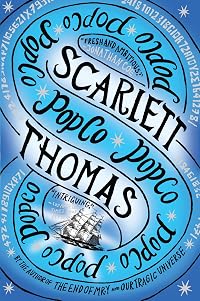
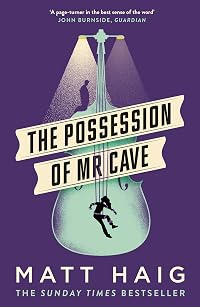
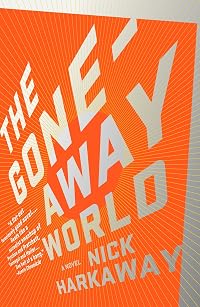
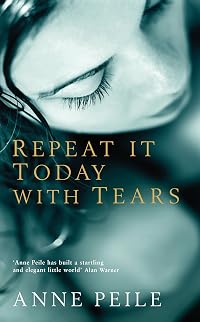

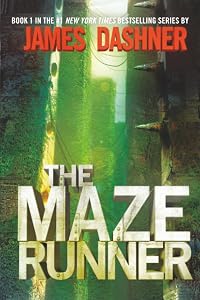
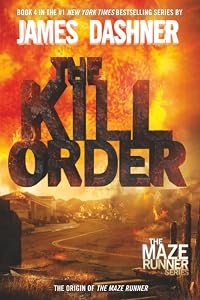
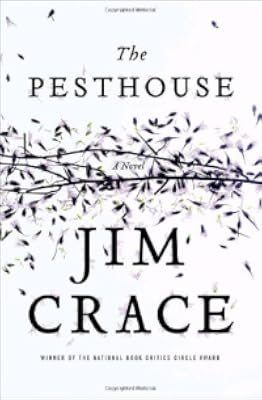
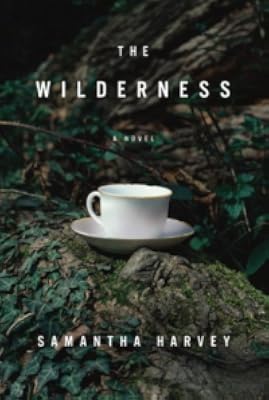
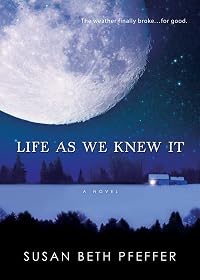
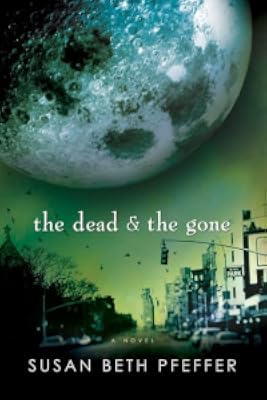
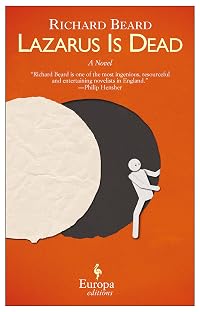
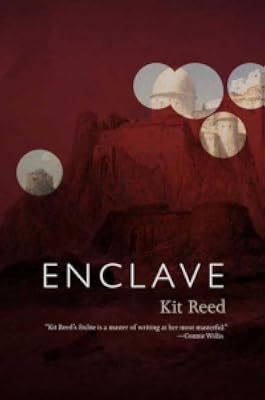
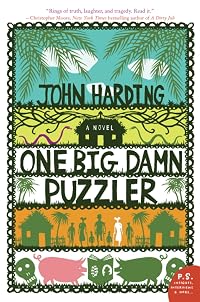
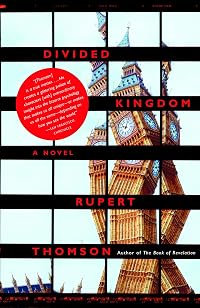
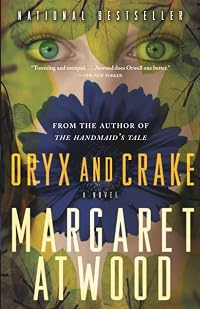
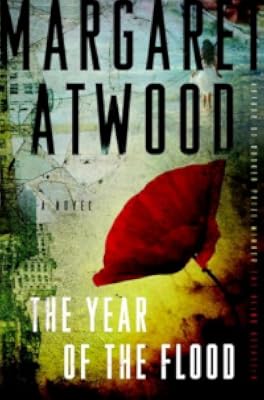


Member Recommendations
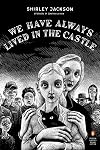
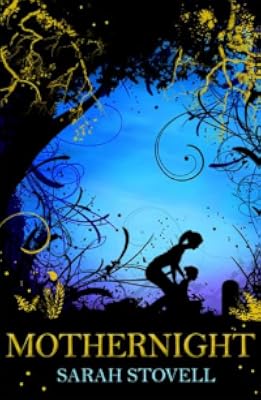
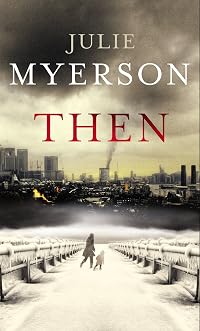
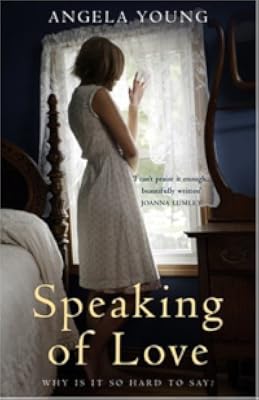
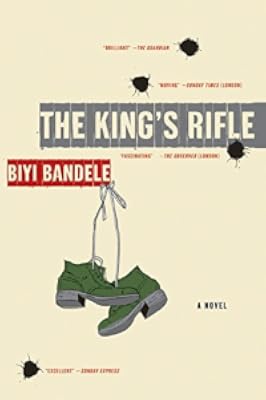
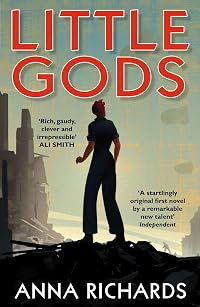
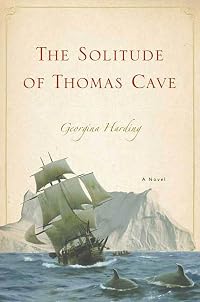
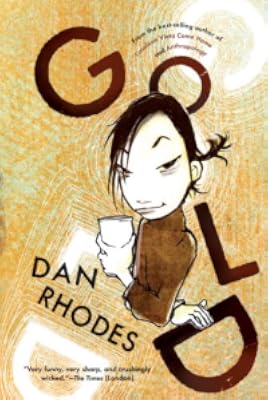
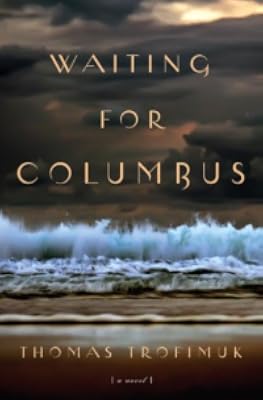
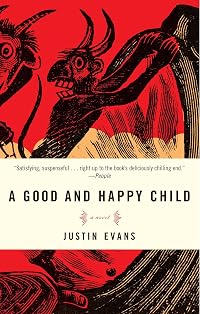
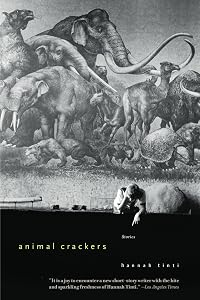
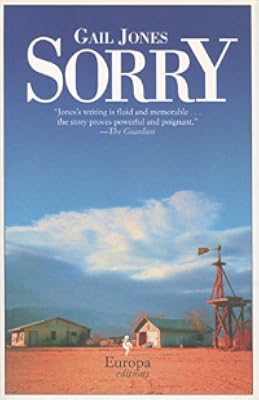
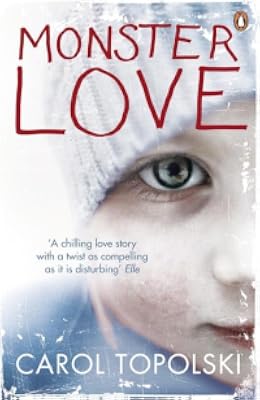
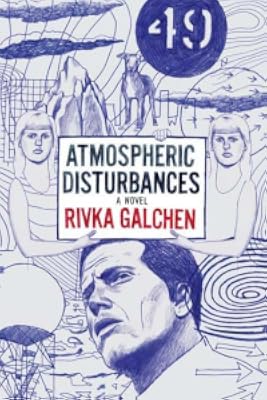
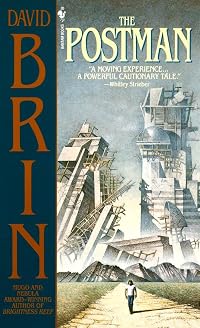
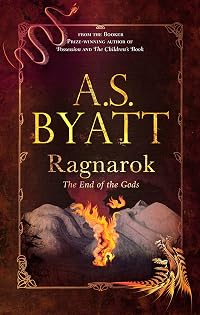
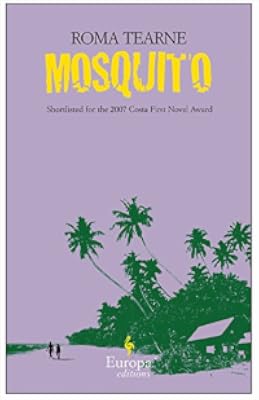
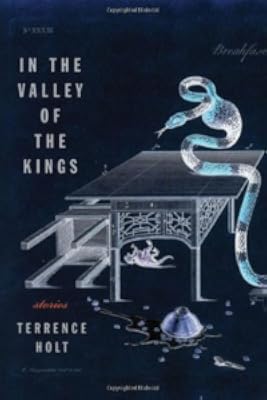
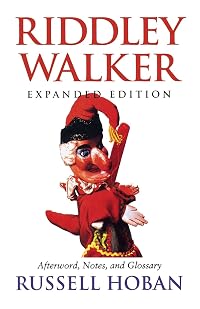
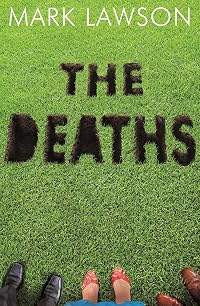
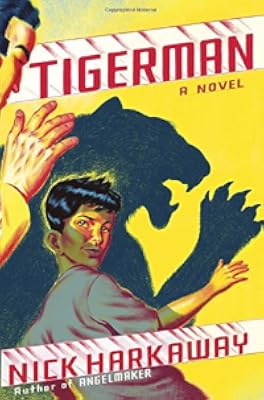
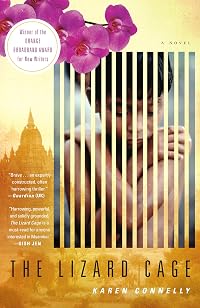
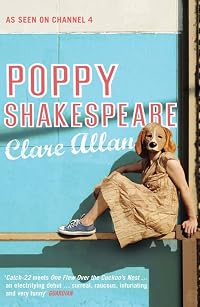
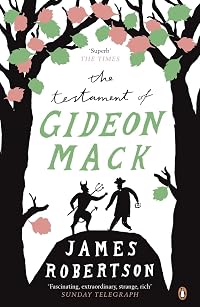
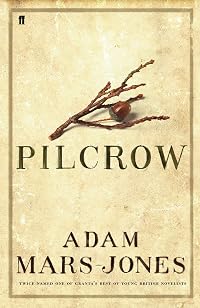
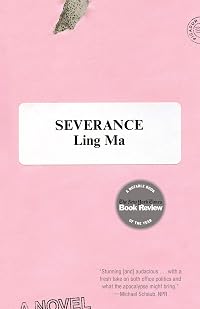
passion4reading Though set within completely different landscapes, situations and time periods, each novel has the central theme of an outsider intruding upon an isolated close-knit family group, with disastrous consequences.
Member Reviews
At first glance, this is another of the flood (sorry) of children's post-environmental apocalypse novels reflecting the (justified) panic about what we've done to ourselves and the world.
Taylor's novel is a cut above all of them. It isn't plucky kids getting by: it takes in madness, obsession, sexuality, knowledge and culture. The writing is challenging, exciting and heavily Joycean. This isn't a novel you can consume and forget about - phrases and events will weigh heavily on your mind for weeks afterwards, and it repays rereading.
Taylor's novel is a cut above all of them. It isn't plucky kids getting by: it takes in madness, obsession, sexuality, knowledge and culture. The writing is challenging, exciting and heavily Joycean. This isn't a novel you can consume and forget about - phrases and events will weigh heavily on your mind for weeks afterwards, and it repays rereading.
 This review was written for LibraryThing Early Reviewers.
Told in first-person narrative, we learn that the father, his two children and the family dog have taken shelter on a remote island after what appears to be an apocalyptic event.
I found this book compelling and a real page-turner, and could not rest until I had reached the final page. Some reviewers have commented on how they found the son's narration with its deliberate spelling mistakes offputting. Yes, some of the spellings are unconventional, but I am myself the mother of a 7-year-old displaying very imaginative spelling and as such recognise that they're clearly adding a distinctive voice. The same goes for the teenage daughter, sounding very stilted at first until you realise that the only literary influences in her life have been show more Grimm's Fairy Tales, the Bible and the collected works of Shakespeare. First-person narratives can be double-edged swords, but here the author makes masterful use of it, so that the final twist comes as a complete shock. Recommended. show less
I found this book compelling and a real page-turner, and could not rest until I had reached the final page. Some reviewers have commented on how they found the son's narration with its deliberate spelling mistakes offputting. Yes, some of the spellings are unconventional, but I am myself the mother of a 7-year-old displaying very imaginative spelling and as such recognise that they're clearly adding a distinctive voice. The same goes for the teenage daughter, sounding very stilted at first until you realise that the only literary influences in her life have been show more Grimm's Fairy Tales, the Bible and the collected works of Shakespeare. First-person narratives can be double-edged swords, but here the author makes masterful use of it, so that the final twist comes as a complete shock. Recommended. show less
For some reason I had picked up 'The Island...' expecting it to be little more than a fable. It really isn't. This is a story of one family surviving an apocolyptic future with a twist, and is full of the fundaments of real life; violence, death, sex, swearing and deeply-felt religion. Taylor has managed to tell a very brutal and upsetting story with an underlying empathy and compassion to his writing which is very rare indeed. I somehow managed to feel anger, sympathy and frustration for all the characters in equal measure.
Through the very different voices of Finn and Alice, and of their father, both the day to day intricacies and the much larger picture of this little family's isolated life are drawn out and we see the children's show more maturation alongside the degeneration of their Pa.
My sole annoyance with 'The Island...' was the phonetic, unpunctuated language used by Taylor to portray the voice of Finn. Right from the start it seemed both superfluous and overdone and not at all reflective of the character's age and capacity for reading. The style was also not in any way replicated in the writing of Alice and simply left me wondering when exactly Finn would make his miraculous jump from primary school writing skills to the measured adult tone of his sister.
But this really was the only sour point of the book for me. I found very early on that I cared for all the characters (particularly and instinctively the carefree, lovable three year old, Daisy), I sat enraptured as the plot developed and very soon reached the back cover feeling that the whole thing was pertinent, sensitive and very well done. show less
Through the very different voices of Finn and Alice, and of their father, both the day to day intricacies and the much larger picture of this little family's isolated life are drawn out and we see the children's show more maturation alongside the degeneration of their Pa.
My sole annoyance with 'The Island...' was the phonetic, unpunctuated language used by Taylor to portray the voice of Finn. Right from the start it seemed both superfluous and overdone and not at all reflective of the character's age and capacity for reading. The style was also not in any way replicated in the writing of Alice and simply left me wondering when exactly Finn would make his miraculous jump from primary school writing skills to the measured adult tone of his sister.
But this really was the only sour point of the book for me. I found very early on that I cared for all the characters (particularly and instinctively the carefree, lovable three year old, Daisy), I sat enraptured as the plot developed and very soon reached the back cover feeling that the whole thing was pertinent, sensitive and very well done. show less
This review was written for LibraryThing Early Reviewers.This book is definitely one of those love it or loathe it novels. You'll either love it - for the clever plotting and gradual reveal of what has happened to its family, or loathe it primarily because many chapters are written in eight year old Finn's phonetic speaking voice, where things like changing an'a' for a 'u' in 'can't' will upset many, as will the sexual awakening of young teenager Alice - we hear her voice directly in the second half.
I fall into the first camp - I loved it, even more so once I was used to Finn's voice which does take a few chapters. Right from the beginning you want to find out what happened to this family, God-fearing Pa, Finn, Alice and little sister Daisy - and what became of their mother?
Pa tells of a show more great flood, how he built an ark and that they are the only survivors, lucky to end up on a verdant and fertile island paradise with plenty of wildlife. Their desert island books are the Bible, Shakespeare and Grimm's fairy tales, Alice is starting to get interested in Romeo and Juliet .... a portent of problems to come when this teenager begins to question their situation as her pre-flood memories are awakened. Finn however is having the adventure of a lifetime, until his cat Snowy dies which makes him very sad. Daisy, we never hear directly from but then she's only three and knows no other life.
Then one day a stranger arrives and the family are no-longer alone. Will is not who he seems, but this doesn't stop Alice falling for him and naturally this plunges the family into conflict. Revelations, twists and turns come thick and fast as the novel hurtles towards its climax. To explain any more would give too much away, so I will leave you to make up your own minds. If you can cope with the challenging language and themes there is much to get out of this novel. show less
I fall into the first camp - I loved it, even more so once I was used to Finn's voice which does take a few chapters. Right from the beginning you want to find out what happened to this family, God-fearing Pa, Finn, Alice and little sister Daisy - and what became of their mother?
Pa tells of a show more great flood, how he built an ark and that they are the only survivors, lucky to end up on a verdant and fertile island paradise with plenty of wildlife. Their desert island books are the Bible, Shakespeare and Grimm's fairy tales, Alice is starting to get interested in Romeo and Juliet .... a portent of problems to come when this teenager begins to question their situation as her pre-flood memories are awakened. Finn however is having the adventure of a lifetime, until his cat Snowy dies which makes him very sad. Daisy, we never hear directly from but then she's only three and knows no other life.
Then one day a stranger arrives and the family are no-longer alone. Will is not who he seems, but this doesn't stop Alice falling for him and naturally this plunges the family into conflict. Revelations, twists and turns come thick and fast as the novel hurtles towards its climax. To explain any more would give too much away, so I will leave you to make up your own minds. If you can cope with the challenging language and themes there is much to get out of this novel. show less
This review was written for LibraryThing Early Reviewers.I like utopian fiction - books such as 'Island' by Aldous Huxley suggest to us ways in which the society in which we live could be improved. Such thoughts are also found in a rather different form in dystopian fiction, with writers portraying a world where things have gone rather wrong. Huxley's 'Brave New World', Orwell's '1984' and Vonnegut's short story 'Harrison Bergeron' all do this. Then there are books such the 'Wasp Factory' bu Iain Banks and 'The Island at the End of the World' which draw on both utopian and dystopian ideas to show how man/woman can create grave problems by trying to control the environment around them.
Islands are obviously an inportant theme here, providing a controlled environment within which the central show more character exists and can be examined. In Sam Taylor's work, the main character is the father, head of a family of three children. The book is told by the mingling together of three voices, that of the father and the two oldest children, Finn and Alice.
The use of different styles for the different voices was initially rather grating, especially with Finn's childishly spelt sections, but after a while I got used to it and actually enjoyed Taylor's telling of certain events through different eyes.
Just as in the 'Wasp Factory' there are mysteries here which a book review shuld not reveal. That would take the fun out of the reading! Suffice it to say that the father is trying to provide the perfect upbringing for his children and the arrival of a visitor/intruder on the island ruptures that attempt.
This gives Taylor plenty of space to mediatate on such issues as the difficulty of parenting, the nature of love and the need to control others for one's own happiness.
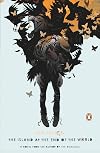
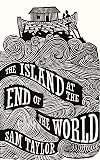
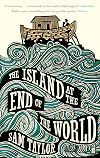
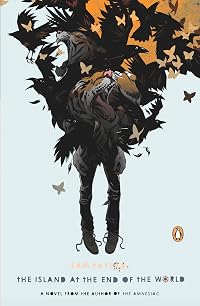
I read this book quickly on a train travelling through France and would recommend it as a page turner. Nice cover too! show less
Islands are obviously an inportant theme here, providing a controlled environment within which the central show more character exists and can be examined. In Sam Taylor's work, the main character is the father, head of a family of three children. The book is told by the mingling together of three voices, that of the father and the two oldest children, Finn and Alice.
The use of different styles for the different voices was initially rather grating, especially with Finn's childishly spelt sections, but after a while I got used to it and actually enjoyed Taylor's telling of certain events through different eyes.
Just as in the 'Wasp Factory' there are mysteries here which a book review shuld not reveal. That would take the fun out of the reading! Suffice it to say that the father is trying to provide the perfect upbringing for his children and the arrival of a visitor/intruder on the island ruptures that attempt.
This gives Taylor plenty of space to mediatate on such issues as the difficulty of parenting, the nature of love and the need to control others for one's own happiness.
I read this book quickly on a train travelling through France and would recommend it as a page turner. Nice cover too! show less
This review was written for LibraryThing Early Reviewers.I requested this book as I have previously read The Republic of Trees by the same author and absolutely loved that one. Therefore, I hoped for another terrific read with The Island at the End of the World. To my delight I wasn't disappointed at all. I enjoyed the way the tale is narrated in 3 voices and in particular the writing style of the young boy's thoughts is unique. The actual storyline is extremely deep and dark and drew me in from the opening pages. I loved the brilliant choice that Taylor made in giving the family just 3 books to read - fairy tales, the Bible and Shakespeare - they all add to the darkness that he has created with his tale. Sam Taylor is a gifted writer and he wastes not one word. The world he has created is show more pure genius, yet horrifying, and the family and their way of life and the `truths' that they believe in are beautifully written. This book is an extremely thought provoking, disturbing read, that I highly recommend. show less
The story is based on a relatively straightforward idea of a man and his three children living in the wreck of an ark on an island,
apparently the only remaining survivors of a Great Flood. From this, Sam Taylor has woven an intriguing fable that becomes more compelling as it progresses. In addition to the obvious biblical references, the overlapping narratives, intermittent streams of consciousness and interwoven quotations from Shakespeare make this a complex read but not a difficult one and this is a significant achievement. The first part of the novel is alternately narrated by 8-year-old Finn and his father; in the second half Alice provides a third perspective. In order to make these voices distinct Finn's passages are marked by show more the use of phonetic spelling, which initially irritated me with its inconsistency (he spells "ice cold" as "I-scold" yet "dangerous" is correct) but helped to create his point of view. Meanwhile, Pa's sections are punctuated by biblical diatribes and the tortured rantings of a deeply troubled mind to create a truly terrifying character who nevertheless does enlist the reader's sympathy. The arrival of an 'outsider' on the island inevitably disturbs the family's idyllic existence and provides an additional hint (besides others given earlier on) that things are not as they seem. From here the momentum and emotion build to a truly gripping conclusion. Many
readers will find the ending disappointing in its ambiguity but it did not spoil my enjoyment of reading this fantastic novel. show less
apparently the only remaining survivors of a Great Flood. From this, Sam Taylor has woven an intriguing fable that becomes more compelling as it progresses. In addition to the obvious biblical references, the overlapping narratives, intermittent streams of consciousness and interwoven quotations from Shakespeare make this a complex read but not a difficult one and this is a significant achievement. The first part of the novel is alternately narrated by 8-year-old Finn and his father; in the second half Alice provides a third perspective. In order to make these voices distinct Finn's passages are marked by show more the use of phonetic spelling, which initially irritated me with its inconsistency (he spells "ice cold" as "I-scold" yet "dangerous" is correct) but helped to create his point of view. Meanwhile, Pa's sections are punctuated by biblical diatribes and the tortured rantings of a deeply troubled mind to create a truly terrifying character who nevertheless does enlist the reader's sympathy. The arrival of an 'outsider' on the island inevitably disturbs the family's idyllic existence and provides an additional hint (besides others given earlier on) that things are not as they seem. From here the momentum and emotion build to a truly gripping conclusion. Many
readers will find the ending disappointing in its ambiguity but it did not spoil my enjoyment of reading this fantastic novel. show less
This review was written for LibraryThing Early Reviewers.Members
- Recently Added By
Published Reviews
ThingScore 83
The Island at the End of the World manages to combine rollercoaster storytelling with a deep mythic quality: Ben is Lear, Oedipus and Noah rolled into one, beset by jealousy and paranoia, afraid of what Finn astutely dubs "the big, dark thing". On the ark, away from the modern world he so detests, Ben has reduced his children's reading to the Bible; and Finn has moments of terror that his show more father will "sakry fice'" him like God asked Abraham to do with Isaac. show less
added by passion4reading
Insightful and correct, but emblematic of the novel's difficulties, too, as it's entirely unlikely to come from the mouth of a nine-year-old. Something powerful lurks at the heart of The Island at the End of the World, but another firing in the kiln might have been required to realise it.
added by passion4reading
Now Sam Taylor's extraordinary novel The Island at the End of the World takes his story further into darkness. Transformed into a 21st-century survivalist and religious maniac living in isolation after total war, this Noah is a murderous liar and also, as his adolescent daughter puts it, a tyrant and a spy.
added by passion4reading
Lists

Post-Apocalyptic Fiction
57 works; 3 members
Author Information

3+ Works 457 Members
Common Knowledge
- Canonical title
- The Island at the End of the World
- Original publication date
- 2009-01
- People/Characters
- Finn; Pa; Alice; Daisy
- Epigraph
- And the waters decreased continually until the tenth month: in the tenth month, on the first day of the month, were the tops of the mountains seen.
Genesis 8:5 - Dedication
- For Oscar, Milo and Paul-Emile
- First words
- Hast thou found me, O mine enemy?
Classifications
Statistics
- Members
- 154
- Popularity
- 212,831
- Reviews
- 19
- Rating
- (3.17)
- Languages
- English, French
- Media
- Paper, Ebook
- ISBNs
- 8
- ASINs
- 2