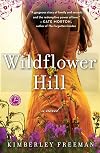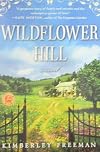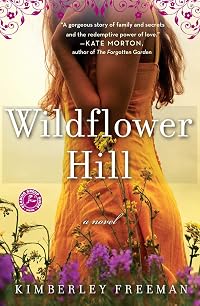
Wildflower Hill
by Kimberley Freeman
On This Page
Description
Emma Blaxland-Hunter, a prima ballerina from London, must re-evaluate her life after doctors declare her knee unfit for dancing. At the behest of her mother, Emma returns home to Sydney, where she discovers her affluent and loving grandmother, Beattie Blaxland, has left her an inheritance: Wildflower Hill, an old sheep farm in Tasmania. When Emma settles in temporarily to clean out Wildflower Hill and sell it, she discovers a photo of her grandmother with a mysterious child.Tags
Recommendations
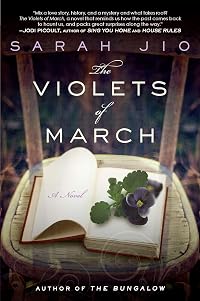
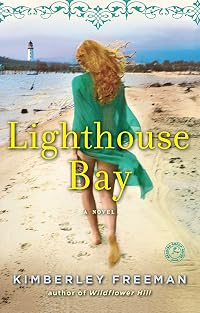
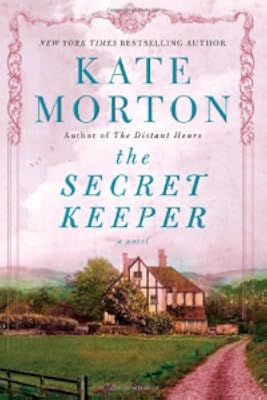
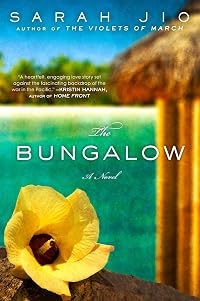
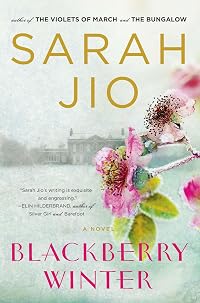

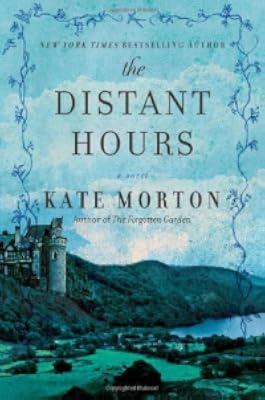
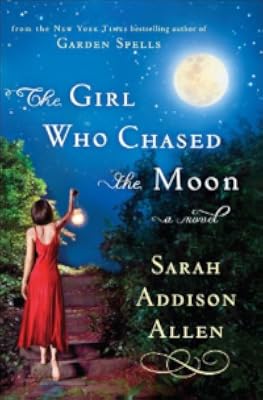
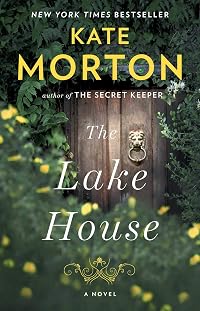

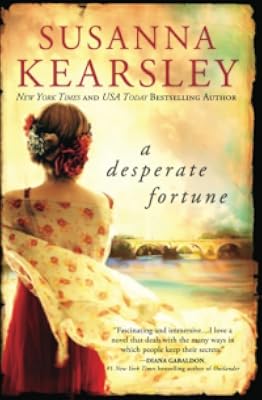

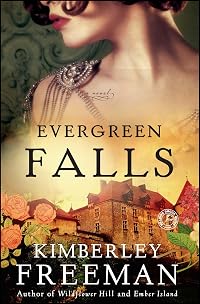
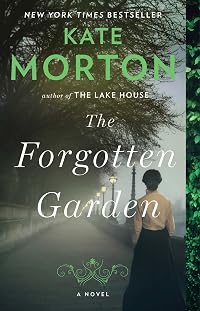
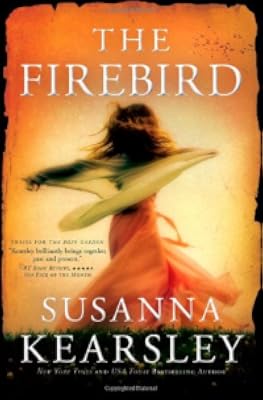
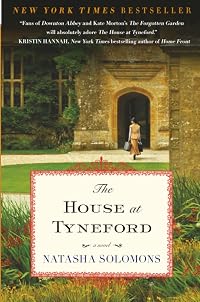
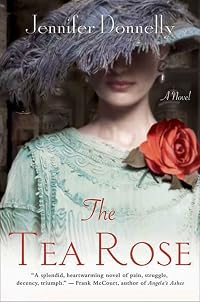
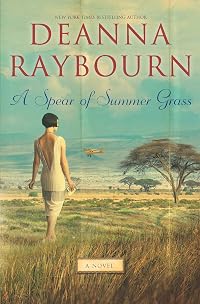
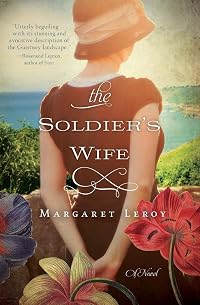

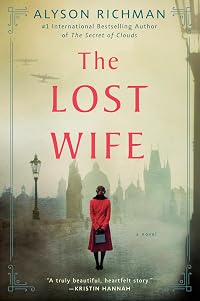
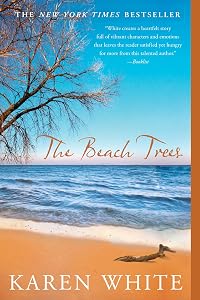
Member Recommendations

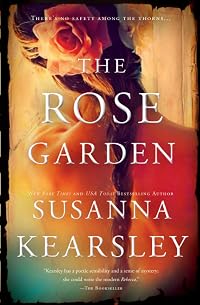
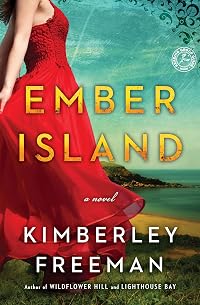
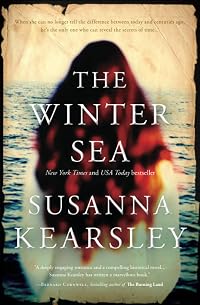
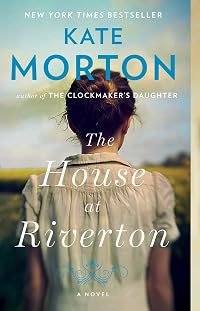
silva_44 The character Beattie from Wildflower Hill is incredibly similar to Emma in A Woman of Substance. Both women face daunting circumstances but strive for excellence despite many severe setbacks.
fueledbycoffee Family secrets, past present timelines, strong amazing women, stories of substance.
Member Reviews
* My 2011 Favorite Book of the Year *
Wildflower Hill is a poignant tale of two women living in different decades but whose lives are strongly intertwined. I dearly loved this book! The story of Beattie and her granddaughter Emma was completely absorbing. Beattie was a Scottish immigrant who moved to Tasmania, Australia, at the start of the Great Depression. Someone had told her once that "there are two types of women in the world...those who do things, and those who have things done to them." As a poor, unwed mother, she kept that thought in the forefront of her mind as she struggled against poverty and prejudice. Against insurmountable odds, she became the owner of a prosperous sheep farm in rural Tasmania, though it was not without show more great hardship and heartache.
Set in 2009, Emma's story is effortlessly woven in with Beattie's. Emma is a prima ballerina in London. Proud of her success as a dancer, she didn't realize how it had totally consumed her life until a knee injury put an end to her career. Left with no other options, she returns home to Sydney. Emma is told that she has inherited a farm in Tasmania that her grandmother ran in the 1930s. Beattie had not been there for many years and used the place for storage, so Emma decides to head south to clean out the place in order to sell it. Upon arrival Emma finds boxes and boxes full of Beattie's old possessions, including letters, photos and business records. As Emma sorts through everything, she slowly uncovers family secrets buried for decades.
I have not been moved by a book quite so much in a very long time. I really enjoyed the author's writing style, including the rich descriptions of the settings. It was easy to picture myself there too. Wildflower Hill stirred up many emotions for me - heartache, joy, anger, and frustration. Ultimately it is a very inspirational story about the power of perseverance and realizing what is truly important in life. Both Beattie and Emma were strong female characters written in a way that I felt like I was sharing their experiences with them. I loved how important parts of the story were told through old-fashioned letters. The last letter written by Beattie that Emma finds had me sobbing. The ending was bittersweet and very satisfying. I would highly recommend Wildflower Hill to fans of women's fiction. It is a story that will stay with me for a long time.
Review copy courtesy of the publisher. show less
Wildflower Hill is a poignant tale of two women living in different decades but whose lives are strongly intertwined. I dearly loved this book! The story of Beattie and her granddaughter Emma was completely absorbing. Beattie was a Scottish immigrant who moved to Tasmania, Australia, at the start of the Great Depression. Someone had told her once that "there are two types of women in the world...those who do things, and those who have things done to them." As a poor, unwed mother, she kept that thought in the forefront of her mind as she struggled against poverty and prejudice. Against insurmountable odds, she became the owner of a prosperous sheep farm in rural Tasmania, though it was not without show more great hardship and heartache.
Set in 2009, Emma's story is effortlessly woven in with Beattie's. Emma is a prima ballerina in London. Proud of her success as a dancer, she didn't realize how it had totally consumed her life until a knee injury put an end to her career. Left with no other options, she returns home to Sydney. Emma is told that she has inherited a farm in Tasmania that her grandmother ran in the 1930s. Beattie had not been there for many years and used the place for storage, so Emma decides to head south to clean out the place in order to sell it. Upon arrival Emma finds boxes and boxes full of Beattie's old possessions, including letters, photos and business records. As Emma sorts through everything, she slowly uncovers family secrets buried for decades.
I have not been moved by a book quite so much in a very long time. I really enjoyed the author's writing style, including the rich descriptions of the settings. It was easy to picture myself there too. Wildflower Hill stirred up many emotions for me - heartache, joy, anger, and frustration. Ultimately it is a very inspirational story about the power of perseverance and realizing what is truly important in life. Both Beattie and Emma were strong female characters written in a way that I felt like I was sharing their experiences with them. I loved how important parts of the story were told through old-fashioned letters. The last letter written by Beattie that Emma finds had me sobbing. The ending was bittersweet and very satisfying. I would highly recommend Wildflower Hill to fans of women's fiction. It is a story that will stay with me for a long time.
Review copy courtesy of the publisher. show less
I have a huge heart space for books with a little of everything: present day to past, family, historical, romance, mystery, drama, a laugh or two. I'm just happily lost.
Kimberley Freeman's Wildflower Hill is just such a book. I've seen comparisons to Susanna Kearsley and Kate Morton and I would definitely agree. Freeman's writing is detailed without becoming tedious, expertly leaving details along the way for the reader to scoop up, "ooh" and "ahhh" with each revelation to piece together a story: How we can make things happen even in the worst of circumstance.
This quote below flew off the page at me when I first read it. I didn't realize it would also become a key point in the book.
"There are two types of women in the world, Beattie, show more those who do things and those who have things done to them. Try to be the first type."
In the 1930's, Beattie was a slip of a girl armed with enough courage to push past her fear through the best and worst of times, who took control of the things done to her, and made things happen. I think her strength surprised even her own self, faced with seemingly huge obstacles. Frying pan to fire. Love and tragedy. A new beginning. A new country. Heartbreak. Hard work and determination. Her inherent strength, passion, and drive are subtle like I find most of my own friends. They don't realize how strong they are until they get through it and in hindsight can say, "I'm a badass!"
It's not overpowering, simply blossoming as her life is carved out by her own blood, sweat, and tears. You see her regrets. We all have a few or ten... but also the bittersweet, the loveliness of spirit even until Beattie's death in her old age. She's a woman you'd love to sit down with and have a glass of lemonade, just to hear her sage observations on life.
In the present day, Beattie's granddaughter, Emma has an inner drive, a first love that seems to afford her a sole focus to the detriment of others and even more so, to herself. It's not a man. It's her love of dance. Dance is her own emotional outlet - and occasionally used as a weapon to punish herself or push others away.
Emma's drive to dance and through a series of events, Emma finds her life taking an abrupt and difficult downturn. And this just after her grandmother passes. Now we see Emma deal with a different crutch. It's not pretty but it is clear Emma doesn't even know what she wants, let alone what she has become.
I liked that Emma was imperfect and not infallible. To the point where, when Emma did start to question her own self, she became introspective and honestly objective. We see Emma slowly mature. To see clearly what this new path in life was giving her. Learning of her grandmother's life through family memories, photos, and flashbacks, we see Emma discover a personal strength mirroring her grandmother. We see an emergent fortitude to determine what, where, and who was important to Emma.
There is a swoony, sweet man in the present and you don't even realize you are rooting for him until you are white-knuckling the book and saying, "NO! WHA...YOU CANT...WHAT. ARE. YOU. DOING?" (maybe just me, then?)
I had a few details I would have loved to have seen completely fleshed out. The book is certainly a stand alone, however I could easily see another book to this story. Overall, I very much enjoyed this gem. show less
Kimberley Freeman's Wildflower Hill is just such a book. I've seen comparisons to Susanna Kearsley and Kate Morton and I would definitely agree. Freeman's writing is detailed without becoming tedious, expertly leaving details along the way for the reader to scoop up, "ooh" and "ahhh" with each revelation to piece together a story: How we can make things happen even in the worst of circumstance.
This quote below flew off the page at me when I first read it. I didn't realize it would also become a key point in the book.
"There are two types of women in the world, Beattie, show more those who do things and those who have things done to them. Try to be the first type."
In the 1930's, Beattie was a slip of a girl armed with enough courage to push past her fear through the best and worst of times, who took control of the things done to her, and made things happen. I think her strength surprised even her own self, faced with seemingly huge obstacles. Frying pan to fire. Love and tragedy. A new beginning. A new country. Heartbreak. Hard work and determination. Her inherent strength, passion, and drive are subtle like I find most of my own friends. They don't realize how strong they are until they get through it and in hindsight can say, "I'm a badass!"
It's not overpowering, simply blossoming as her life is carved out by her own blood, sweat, and tears. You see her regrets. We all have a few or ten... but also the bittersweet, the loveliness of spirit even until Beattie's death in her old age. She's a woman you'd love to sit down with and have a glass of lemonade, just to hear her sage observations on life.
In the present day, Beattie's granddaughter, Emma has an inner drive, a first love that seems to afford her a sole focus to the detriment of others and even more so, to herself. It's not a man. It's her love of dance. Dance is her own emotional outlet - and occasionally used as a weapon to punish herself or push others away.
Emma's drive to dance and through a series of events, Emma finds her life taking an abrupt and difficult downturn. And this just after her grandmother passes. Now we see Emma deal with a different crutch. It's not pretty but it is clear Emma doesn't even know what she wants, let alone what she has become.
I liked that Emma was imperfect and not infallible. To the point where, when Emma did start to question her own self, she became introspective and honestly objective. We see Emma slowly mature. To see clearly what this new path in life was giving her. Learning of her grandmother's life through family memories, photos, and flashbacks, we see Emma discover a personal strength mirroring her grandmother. We see an emergent fortitude to determine what, where, and who was important to Emma.
There is a swoony, sweet man in the present and you don't even realize you are rooting for him until you are white-knuckling the book and saying, "NO! WHA...YOU CANT...WHAT. ARE. YOU. DOING?" (maybe just me, then?)
I had a few details I would have loved to have seen completely fleshed out. The book is certainly a stand alone, however I could easily see another book to this story. Overall, I very much enjoyed this gem. show less
Actually, if I could have a half star, then I'd probably put this in the 3.5 star range. It's a good book, but as I've recently started to notice about books I'm enjoying at a 4+ level? It hasn't meat. The writing is well done (I'd compare it to Kate Morton, who I also enjoyed)and the story has enough to keep you interested -- but by far the more interesting tale in the book is Beattie's, not Emma's. And what I found was that Emma's story seemed not quite rushed, but vacant. I wanted more connection to how she was finding out about her grandmother's past. /We/ get the past, but Emma seems to float along and then suddenly, there she is making the big find. Don't get me wrong, I'm happy that the discovery was made, the tension of the book show more demanded it, but I wish it hadn't seemed so very orchestrated. Would I read this again? Probably not. Would I recommend it to others? I already have. show less
Kimberley Freeman's WILDFLOWER HILL is one of the most enchanting, engrossing and poignant novels I've read in a long time. It was so absorbing that I tackled all 544 pages over a few days, reading as much of Emma and Beattie's story as I could between pesky obligations like work and sleep. Freeman enchanted me with her stories of life in Scotland, Australia and Tasmania, and I was truly sad when I turned the last page. I could have read 500 more.
WILDFLOWER HILL spans three generations of women as it fluctuates between Beattie's third-person past and Emma's firsthand accounts of life as a prima ballerina in modern-day London, followed by her unexpected return to Sydney and the Wildflower Hill Beattie once called home. There's so much show more happening here -- so much -- but I never once felt bogged down. The pacing is such that you feel like you're on a roller coaster, gliding from one plot point to another.
I'll admit to taking more of a shine to Beattie than Emma, who initially comes across as a spoiled snot, but the beauty of WILDFLOWER HILL stems from how well I knew these characters by the book's close. Beattie is an extraordinary woman who spins wheat into gold with nothing more than her two hands and some ingenuity, and my heart genuinely broke for her at each tragic turn in her life. Despite the weight of the cards stacked against her, Beattie perseveres and finds success. She's a role model for Emma, who wants nothing more than to dance, and it's through Beattie's life and past that Emma finds the will to move forward after a career-ending injury.
And the settings. Oh, the settings! Urban Scotland and the wilds of Tasmania! The nasty countryfolk who couldn't accept an unwed mother and the philandering boyfriend who couldn't appreciate a good thing -- Emma -- when he saw it! And all this is to say nothing of the romances building slowly and erupting in both past and present, making me swoon with every page. And cry, too.
By now, I'm guessing you figured out I absolutely loved this book. WILDFLOWER HILL has everything I crave in a story: the perfect blend of historical and contemporary fiction; family dynamics; epic romance; enough mystery and intrigue to keep me reading frantically; a wham-BANG! of an ending that had tears rolling down my cheeks. Don't let the book's size deter you: this was the most fun I've had with a book in a long, long time. Fans of contemporary and women's fiction will delight in this modern-day THE THORNBIRDS, a novel rivaling this one in terms of scope and family drama (but with a happier ending).
An instant favorite. Don't miss it. show less
WILDFLOWER HILL spans three generations of women as it fluctuates between Beattie's third-person past and Emma's firsthand accounts of life as a prima ballerina in modern-day London, followed by her unexpected return to Sydney and the Wildflower Hill Beattie once called home. There's so much show more happening here -- so much -- but I never once felt bogged down. The pacing is such that you feel like you're on a roller coaster, gliding from one plot point to another.
I'll admit to taking more of a shine to Beattie than Emma, who initially comes across as a spoiled snot, but the beauty of WILDFLOWER HILL stems from how well I knew these characters by the book's close. Beattie is an extraordinary woman who spins wheat into gold with nothing more than her two hands and some ingenuity, and my heart genuinely broke for her at each tragic turn in her life. Despite the weight of the cards stacked against her, Beattie perseveres and finds success. She's a role model for Emma, who wants nothing more than to dance, and it's through Beattie's life and past that Emma finds the will to move forward after a career-ending injury.
And the settings. Oh, the settings! Urban Scotland and the wilds of Tasmania! The nasty countryfolk who couldn't accept an unwed mother and the philandering boyfriend who couldn't appreciate a good thing -- Emma -- when he saw it! And all this is to say nothing of the romances building slowly and erupting in both past and present, making me swoon with every page. And cry, too.
By now, I'm guessing you figured out I absolutely loved this book. WILDFLOWER HILL has everything I crave in a story: the perfect blend of historical and contemporary fiction; family dynamics; epic romance; enough mystery and intrigue to keep me reading frantically; a wham-BANG! of an ending that had tears rolling down my cheeks. Don't let the book's size deter you: this was the most fun I've had with a book in a long, long time. Fans of contemporary and women's fiction will delight in this modern-day THE THORNBIRDS, a novel rivaling this one in terms of scope and family drama (but with a happier ending).
An instant favorite. Don't miss it. show less
This novel is a great read for a quiet weekend filled with hot tea and an empty agenda. It has an almost dreamy quality at times, especially when we are carried back into the past with Beattie.
The story will mean different things for different people and I think it will depend on generation and life experiences. I identified strongly with Beattie and loved her as a character almost from the very beginning. I had a harder time embracing Emma.
Emma to me is a typical example of the millinial generation. She is very confident and goal driven. She is traveling on a one way road that is her idea of success and fulfillment, until the she takes a mistep and has to reroute her life.
Beattie is almost the complete opposite. Although she had show more youthful dreams of fashion design she was more heavily influenced by all the people and events in her life. She made room for people on her journey. She did attain success and fulfillment but it was a winding road filled with painful challenges, roadblocks and detours. show less
The story will mean different things for different people and I think it will depend on generation and life experiences. I identified strongly with Beattie and loved her as a character almost from the very beginning. I had a harder time embracing Emma.
Emma to me is a typical example of the millinial generation. She is very confident and goal driven. She is traveling on a one way road that is her idea of success and fulfillment, until the she takes a mistep and has to reroute her life.
Beattie is almost the complete opposite. Although she had show more youthful dreams of fashion design she was more heavily influenced by all the people and events in her life. She made room for people on her journey. She did attain success and fulfillment but it was a winding road filled with painful challenges, roadblocks and detours. show less
Beattie Blaxton is shaken and distraught when she finds herself with child in 1930’s Ireland, being neither married nor even engaged to the child’s father. After an unsuccessful attempt to part from her lover and give her unborn child up for adoption, her lover Henry comes to the rescue and spirits her away to Australia. But life for Beattie is still not easy, as Henry, having absconded from his legal wife, is quite a drinker and spendthrift who also has a problem with gambling. Soon Beattie decides to take her chances alone with her young daughter in a town where an unmarried mother is not looked upon kindly. When Beattie secures a job as a maid at a struggling sheep farm called Wildflower Hill, her future begins a slow revolution show more that will take her from the bottom rungs of society to the upper echelons of wealth and power. But along the way, there is much she will have to sacrifice. Two generations later, Beattie’s granddaughter Emma is having her own struggles. As a premiere ballerina who is just hitting the upper age range for a successful career, Emma has just had a career-ending injury. After weeks of wallowing following her accident and an untimely break-up, Emma is called into her grandmother’s lawyer’s office to take receipt of the last piece of her inheritance. But it’s not wealth that has been imparted to her, and when she discovers just what Beattie meant her to do, she embarks on a trip to Tasmania and Wildflower Hill, where she will discover the truth about herself and about her grandmother’s past that was kept hidden for many dark years. Blending the lingering past with the intoxicating present, Kimberly Freeman gives us the lives of two women cut from the same cloth, yet so very, very different.
Though Beattie and Emma were very similar characters, there were some substantial ways in which they differed. While I would have to say that Beattie was the more courageous and motivated, Emma sometimes appeared a little more cold and less emotionally evolved than her grandmother. Part of this may have been that Beattie got a lot more page space and her conundrums were a lot more interesting and heartrending than Emma’s refusal to let her dancing career go. While I did like both women, I think I felt more at home in the historical sections, because for some reason that story had a little more gravity and drama to it. Emma’s story was by far lighter and more redolent of romance than the hardship of Beattie’s story, though the narrative devices that tied these two stories together was strong and did have me very curious.
The historical parts of the story had a lot of different and pressing issues taking place within its structure. Not only was the difficulty of being a single mother explored, but also the dubious position that Beattie got herself in when she agreed to let Henry share custody of Lucy, her daughter. It was heartrending to read about the problems that faced a woman on her own in Australia, from the town’s prejudice and intolerance of Beattie and her hired hands, to the way that religion was used as a weapon to subdue and control those who were felt to be out of line. Beattie maintains a strength and fortitude throughout her trials, but even the most casual reader can see that all this wears on her and slowly breaks her spirit. By the end of her tale, Beattie is a shadow of her former self and her dreams and hopes have been subtly replaced by secrets and longing. It was interesting to see this morphing of such a strong character into a woman who was beset with regrets, and one can argue that although Beattie was wildly successful in some venues, she had to sacrifice so many things for that success that it must have been a bittersweet victory.
Emma too was discovering that some of her life was going to have to be sacrificed, and one of the problems that arose from this situation was that Emma had no idea of who she was outside of her dancing. From childhood, Emma was able to indulge this creative side of herself to the detriment of forming real relationships and attachments. Though she did have a relationship with a very successful man, it turns out that most of that relationship was a facade as well. As Emma begins to see that there is more to life than the pursuit of her dancing career, she discovers a side of herself that she didn’t know existed; and in her search for the clues to Beattie’s past, Emma comes to find that her new life is ripe with possibilities and opportunities. I liked that Emma was able to pull away from the character traits that were subsuming her real intellect and grace, and that she was eventually open to starting a new chapter in her life that was slated to go in a very different direction. Her romantic entanglements were refreshing as well, and I was very pleased at her final choice of paramour.
Throughout this story a lot of very sensitive issues were brought up. From the prejudices that the aboriginal peoples have faced, to the problems that arose during a mixed-race relationship during the 50’s, to the sticky issue of parental rights, there were a lot of thoughtful and emotional landmines in this tale. And while some of these issues were never fully resolved, there was a great striving for enlightenment and understanding from the principals in the story. At its heart, there were vast currents of prejudice and dishonor and hatred that had to be dealt with, and in dealing with these very uncomfortable topics, there was a lot of character growth. I admit that it wasn’t always empowering and comfortable growth, but I really admire Freeman for sticking to her guns and including so many serious topics in a book that really could have been just about the fluff. In the end so many questions are raised and explored that it was easy to categorize this book as a thoughtful and intelligent read.
Though I preferred the historical sections to the contemporary ones, both were done rather well, and each half of the story seemed to blend into a satisfying whole that I came to appreciate and enjoy. It’s not only a book about relationships, but about ideas that challenged the times they were captured in. Also, as the book ends in a bit of an ambiguous fashion, I’m wondering if there might ever be plans for a sequel. If so, I would definitely be in line to read it. A very thoughtful and entertaining read. show less
Though Beattie and Emma were very similar characters, there were some substantial ways in which they differed. While I would have to say that Beattie was the more courageous and motivated, Emma sometimes appeared a little more cold and less emotionally evolved than her grandmother. Part of this may have been that Beattie got a lot more page space and her conundrums were a lot more interesting and heartrending than Emma’s refusal to let her dancing career go. While I did like both women, I think I felt more at home in the historical sections, because for some reason that story had a little more gravity and drama to it. Emma’s story was by far lighter and more redolent of romance than the hardship of Beattie’s story, though the narrative devices that tied these two stories together was strong and did have me very curious.
The historical parts of the story had a lot of different and pressing issues taking place within its structure. Not only was the difficulty of being a single mother explored, but also the dubious position that Beattie got herself in when she agreed to let Henry share custody of Lucy, her daughter. It was heartrending to read about the problems that faced a woman on her own in Australia, from the town’s prejudice and intolerance of Beattie and her hired hands, to the way that religion was used as a weapon to subdue and control those who were felt to be out of line. Beattie maintains a strength and fortitude throughout her trials, but even the most casual reader can see that all this wears on her and slowly breaks her spirit. By the end of her tale, Beattie is a shadow of her former self and her dreams and hopes have been subtly replaced by secrets and longing. It was interesting to see this morphing of such a strong character into a woman who was beset with regrets, and one can argue that although Beattie was wildly successful in some venues, she had to sacrifice so many things for that success that it must have been a bittersweet victory.
Emma too was discovering that some of her life was going to have to be sacrificed, and one of the problems that arose from this situation was that Emma had no idea of who she was outside of her dancing. From childhood, Emma was able to indulge this creative side of herself to the detriment of forming real relationships and attachments. Though she did have a relationship with a very successful man, it turns out that most of that relationship was a facade as well. As Emma begins to see that there is more to life than the pursuit of her dancing career, she discovers a side of herself that she didn’t know existed; and in her search for the clues to Beattie’s past, Emma comes to find that her new life is ripe with possibilities and opportunities. I liked that Emma was able to pull away from the character traits that were subsuming her real intellect and grace, and that she was eventually open to starting a new chapter in her life that was slated to go in a very different direction. Her romantic entanglements were refreshing as well, and I was very pleased at her final choice of paramour.
Throughout this story a lot of very sensitive issues were brought up. From the prejudices that the aboriginal peoples have faced, to the problems that arose during a mixed-race relationship during the 50’s, to the sticky issue of parental rights, there were a lot of thoughtful and emotional landmines in this tale. And while some of these issues were never fully resolved, there was a great striving for enlightenment and understanding from the principals in the story. At its heart, there were vast currents of prejudice and dishonor and hatred that had to be dealt with, and in dealing with these very uncomfortable topics, there was a lot of character growth. I admit that it wasn’t always empowering and comfortable growth, but I really admire Freeman for sticking to her guns and including so many serious topics in a book that really could have been just about the fluff. In the end so many questions are raised and explored that it was easy to categorize this book as a thoughtful and intelligent read.
Though I preferred the historical sections to the contemporary ones, both were done rather well, and each half of the story seemed to blend into a satisfying whole that I came to appreciate and enjoy. It’s not only a book about relationships, but about ideas that challenged the times they were captured in. Also, as the book ends in a bit of an ambiguous fashion, I’m wondering if there might ever be plans for a sequel. If so, I would definitely be in line to read it. A very thoughtful and entertaining read. show less
Wildflower Hill by Kimberley Freeman is a beautifully written novel that moves back and forth in time between modern-day and 1920s-50s Great Britain and Australia, following the lives of Beattie Blaxland and her granddaughter, Emma.
While the modern-day component of the story is compelling -- after a career ending injury, Emma is forced to rediscover herself -- it is Beattie's narrative that makes this novel shine. Beattie's story captures the reader's interest right from the opening chapters, when, as a young pregnant woman forced by her mother out of her home, she follows her married lover to Australia to start a new life. Beattie's life in Australia is anything but ordinary. While she experiences great joys, Beattie must also deal show more with tremendous heartache. Through it all she never gives up and her strength of character and perseverance ultimately lead her to achieve great success in business, an inspiring feat considering she lived in a world still very much dominated by men.
In almost all aspects, Wildflower Hill is a novel reminiscent of those written by Kate Morton, and I've seen several "If you love Kate Morton, you'll love this..." references to it. As a huge fan of Kate Morton's works, I think the comparison is valid. While not as atmospheric as Morton's writing, Freeman's narrative technique, style and themes are similar to those found in Morton's novels. In addition, like Morton, Freeman has created characters and plot lines that leave the reader eager to keep turning the pages.
In short, I was completely captivated by this novel and had a difficult time putting it down. Indeed, Wildflower Hill has earned a place on my list of favourites. I'm very much looking forward to hearing more from Kimberley Freeman. show less
While the modern-day component of the story is compelling -- after a career ending injury, Emma is forced to rediscover herself -- it is Beattie's narrative that makes this novel shine. Beattie's story captures the reader's interest right from the opening chapters, when, as a young pregnant woman forced by her mother out of her home, she follows her married lover to Australia to start a new life. Beattie's life in Australia is anything but ordinary. While she experiences great joys, Beattie must also deal show more with tremendous heartache. Through it all she never gives up and her strength of character and perseverance ultimately lead her to achieve great success in business, an inspiring feat considering she lived in a world still very much dominated by men.
In almost all aspects, Wildflower Hill is a novel reminiscent of those written by Kate Morton, and I've seen several "If you love Kate Morton, you'll love this..." references to it. As a huge fan of Kate Morton's works, I think the comparison is valid. While not as atmospheric as Morton's writing, Freeman's narrative technique, style and themes are similar to those found in Morton's novels. In addition, like Morton, Freeman has created characters and plot lines that leave the reader eager to keep turning the pages.
In short, I was completely captivated by this novel and had a difficult time putting it down. Indeed, Wildflower Hill has earned a place on my list of favourites. I'm very much looking forward to hearing more from Kimberley Freeman. show less
Members
- Recently Added By
Lists

Family Drama
56 works; 14 members
Author Information

47+ Works 2,968 Members
Kim Wilkins was born in London, England on December 22, 1970. She received a first class honours degree in literature in 1998, an MA in 2000, and a PhD in 2006 from the University of Queensland. She received the University Medal for academic achievement in 1998 and currently lectures there in creative writing. Her first novel, The Infernal, was show more published in 1997 and won Aurealis Awards for both horror and fantasy. Her other works include Grimoire, The Resurrectionists, Angel of Ruin, The Autumn Castle, Giants of the Frost, and Rosa and the Veil of Gold. She is also the author of the Gina Champion mystery series for young adults and the Fantastica Sunken Kingdom quartet for children. She writes general women's fiction under the name Kimberley Freeman. (Bowker Author Biography) show less
Some Editions
Common Knowledge
- Canonical title
- Wildflower Hill
- Original publication date
- 2011
- People/Characters
- Beattie Blaxland; Emma Blaxland-Hunter; Lucy; Henry; Margaret Day; Molly (show all 12); Charlie Harris; Leo Sampson; Mikhail; Raphael Blanchard; Louise; Michael
- Important places
- Glasgow, Scotland, UK; London, England, UK; Sydney, New South Wales, Australia; Hobart, Tasmania, Australia; Australia; England, UK (show all 9); New South Wales, Australia; Scotland, UK; Tasmania, Australia
- Dedication
- for Janine, who is precious
- First words
- The girl danced.
- Blurbers
- Morton, Kate
Classifications
Statistics
- Members
- 493
- Popularity
- 61,202
- Reviews
- 31
- Rating
- (4.11)
- Languages
- 9 — Danish, Dutch, English, French, Greek, Hungarian, Italian, Norwegian (Bokmål), Turkish
- Media
- Paper, Audiobook, Ebook
- ISBNs
- 30
- ASINs
- 7