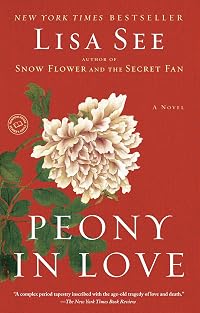
Peony in Love
by Lisa See
On This Page
Description
NEW YORK TIMES BESTSELLER • “A complex period tapestry inscribed with the age-old tragedy of love and death.”—The New York Times Book Review“I finally understand what the poets have written. In spring, moved to passion; in autumn only regret.”
In seventeenth-century China, in an elaborate villa on the shores of Hangzhou’s West Lake, Peony lives a sheltered life. One night, during a theatrical performance in her family’s garden, Peony catches sight of an elegant, handsome show more man and is immediately overcome with emotion. So begins Peony’s unforgettable journey of love and destiny, desire and sorrow, the living world and the afterworld. Eventually expelled from all she’s known, Peony is thrust into a realm where hungry ghosts wander the earth, written words have the power to hurt and kill, and dreams are as vivid as waking life. Lisa See’s novel, based on actual historical events, evokes vividly another time and place—where three generations of women become enmeshed in a dramatic story, uncover past secrets and tragedies, and learn that love can transcend death. Peony in Love will make you ache in heart and mind for young Peony and all the women of the world who want to be heard.
BONUS: This edition contains an excerpt from Lisa See's Shanghai Girls.
Praise for Peony in Love
“Electrifying . . . a fascinating and often surprising story of women helping women, women hurting women and women misunderstanding each other.”—The Miami Herald
“See mines an intriguing vein of Chinese history . . . weaving fact and fiction into a dense romantic tapestry of time and place as she meditates on the meaning of love, the necessity of self-expression and the influence of art.”—Los Angeles Times
“A transporting read, to lost worlds earthly and otherwise.”—Chicago Tribune
“A quietly beautiful tale that sneaks into the reader’s heart . . . Not since Susie Salmon of Alice Sebold’s The Lovely Bones has a ghostly narrator been as believable and empathetic.”—San Antonio Express-News
“There’s much here to be savored and a great deal to be learned.”—The Washington Post Book World
. show less
Tags
Recommendations
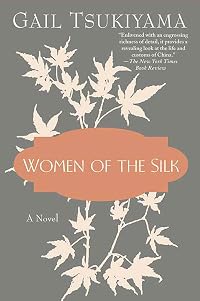
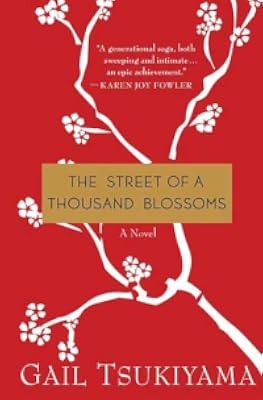
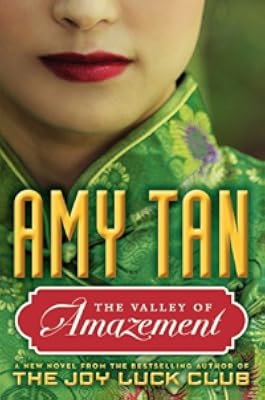
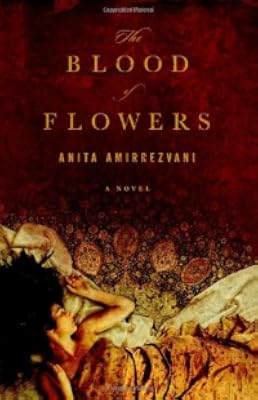

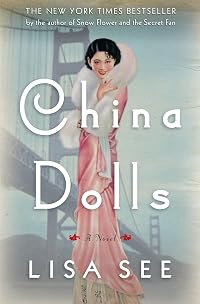
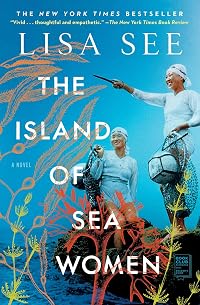
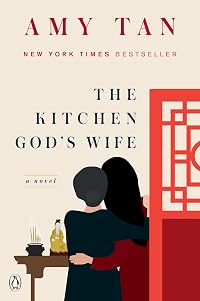
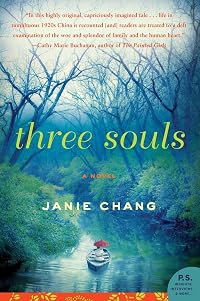
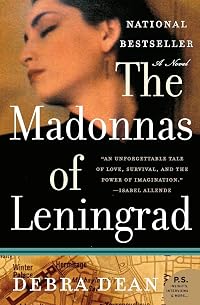
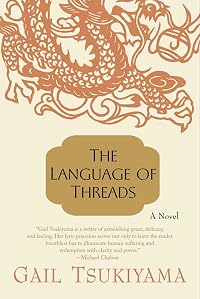
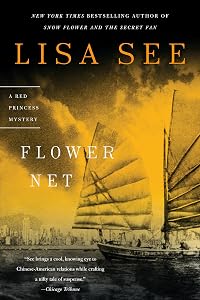
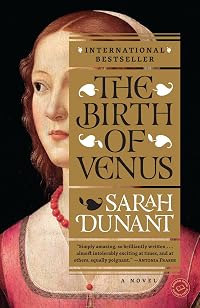
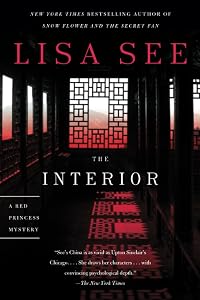
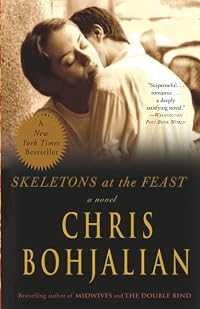
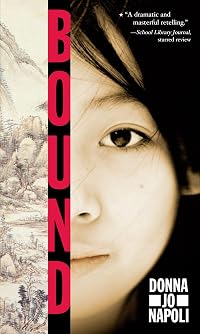
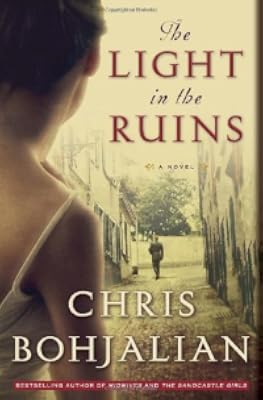
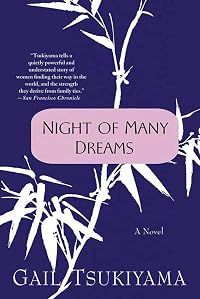
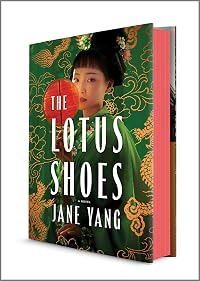
Member Recommendations
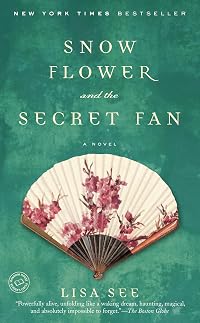
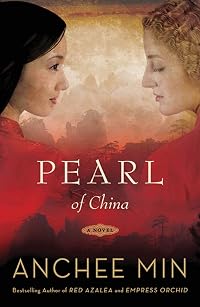
mcdougaldd Both are about women's roles in 17th century China. The author is very good at describing the times and attitudes.
Also recommended by emib
51
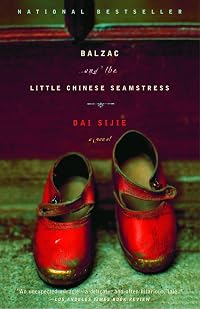
PghDragonMan Different premise but makes use of what happens to souls in the afterlife
20
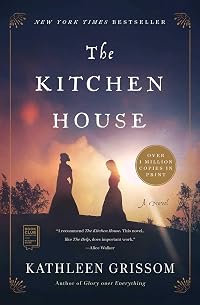
PghDragonMan Ghosts reach into our world to complete tasks left undone
11
Member Reviews
Living in seventeenth-century China, Peony has never left her family’s home. Her mother has kept her inside to maintain her virtue and modesty as she prepares to marry out to a stranger. Peony is nearly sixteen, and on her birthday, her father has planned a performance of her favorite play, The Peony Pavilion. As the only child, Peony has been educated beyond what her mother deems appropriate, and as a result has a great appreciation for literature. On the night of the play, Peony accidentally meets a handsome young poet, immediately falling in love with him. In despair over her approaching marriage to a stranger and consumed by obsession for the play and her poet, Peony’s life spirals into a haunting struggle through the nebulous show more underworld and culminates with her quest to give Chinese women a voice.
I’ve been looking forward to this novel since it came out and was pleased to finally have the opportunity to read it. Lisa See didn’t let me down; while not as masterful as Snow Flower and the Secret Fan, which I read before blogging, Peony in Love is a romantic story about the struggles of women in China with an abundance of fascinating historical detail and a healthy dose of fantasy. Peony dies in the first third of the novel (this is revealed on the back cover, so I don’t consider it a spoiler) and enters a world of Chinese mythology, where Lisa See uses her research on those beliefs to elaborate on how Peony can still communicate and influence those she loves. We know her ending cannot be totally happy, but her story is still compelling and absorbing.
My favorite aspect of the book was how it mirrored The Peony Pavilion in many ways but also reflected real historical events. I have never read the play, but enough is described in this novel to make it clear that Peony is essentially trying to become Liniang and get her Mengmei to bring her back to life. It was fascinating and maddening to realize that many young women did actually die of “lovesickness” in this way. Basically, it’s believed that they became anorexic, which is horrifying, to both gain control over their lives and because they supposedly believed that true love would save them. Even though this sounds a little far-fetched, it’s easy to relate to Peony and sympathize with her. She’s fallen in love and believes that now she is forced to marry a stranger. I loved the details of her preparations for marriage (except the repeat footbinding!) and the ceremonies enacted before and after her death. This is a part of the world and a period in history I just don’t read enough about.
Better yet, I liked how the novel emphasized the role of women in China and how it has been eroded throughout the centuries. The Three Wives’ Commentary on the play actually exists, as did the writing groups and female poets in the novel, and I’m incredibly intrigued by them and want to learn more about the movement. This is why I love historical fiction! Not only did I get a great story, but I also got a peek into unfamiliar history and a strong desire to learn what’s true and what’s fiction. Peony in Love is definitely recommended. show less
I’ve been looking forward to this novel since it came out and was pleased to finally have the opportunity to read it. Lisa See didn’t let me down; while not as masterful as Snow Flower and the Secret Fan, which I read before blogging, Peony in Love is a romantic story about the struggles of women in China with an abundance of fascinating historical detail and a healthy dose of fantasy. Peony dies in the first third of the novel (this is revealed on the back cover, so I don’t consider it a spoiler) and enters a world of Chinese mythology, where Lisa See uses her research on those beliefs to elaborate on how Peony can still communicate and influence those she loves. We know her ending cannot be totally happy, but her story is still compelling and absorbing.
My favorite aspect of the book was how it mirrored The Peony Pavilion in many ways but also reflected real historical events. I have never read the play, but enough is described in this novel to make it clear that Peony is essentially trying to become Liniang and get her Mengmei to bring her back to life. It was fascinating and maddening to realize that many young women did actually die of “lovesickness” in this way. Basically, it’s believed that they became anorexic, which is horrifying, to both gain control over their lives and because they supposedly believed that true love would save them. Even though this sounds a little far-fetched, it’s easy to relate to Peony and sympathize with her. She’s fallen in love and believes that now she is forced to marry a stranger. I loved the details of her preparations for marriage (except the repeat footbinding!) and the ceremonies enacted before and after her death. This is a part of the world and a period in history I just don’t read enough about.
Better yet, I liked how the novel emphasized the role of women in China and how it has been eroded throughout the centuries. The Three Wives’ Commentary on the play actually exists, as did the writing groups and female poets in the novel, and I’m incredibly intrigued by them and want to learn more about the movement. This is why I love historical fiction! Not only did I get a great story, but I also got a peek into unfamiliar history and a strong desire to learn what’s true and what’s fiction. Peony in Love is definitely recommended. show less
In this historical fiction set in China during the Qing dynasty, Peony secretly studies opera and poetry. She desires intellectual and emotional fulfillment, though these aspirations put her at odds with her family’s (and society’s) expectations. Peony meets a young man associated with the opera and tries to interact with him in secret, though she knows this is forbidden. It was a patriarchal society based on the Confucian beliefs of the “four virtues” and “three obediences,” and Peony struggles to gain even a tiny bit of autonomy.
It is a love story with a mystical component. The characters are intricately developed. See’s writing style combines eloquence with emotional depth. I very much enjoyed the first half of this show more book, but the second half introduces a supernatural element, which did not work at all for me. I think the reaction to this book will hinge on the reader’s receptivity to venturing into the spiritual world. On a positive note, it inspires reflection on the timeless topics of love, identity, and self-fulfillment. show less
It is a love story with a mystical component. The characters are intricately developed. See’s writing style combines eloquence with emotional depth. I very much enjoyed the first half of this show more book, but the second half introduces a supernatural element, which did not work at all for me. I think the reaction to this book will hinge on the reader’s receptivity to venturing into the spiritual world. On a positive note, it inspires reflection on the timeless topics of love, identity, and self-fulfillment. show less
An interesting premise with mediocre execution: The Peony Pavilion tragic-romance opera is the instigator of female longings and ambitions in 17th century China, at a time of political upheavals and mayhem. The central character's romantic encounter is gripping and engaging, and coincides with her intellectual awakening. This momentum is interrupted when [SPOILER ALERT] the main character dies about one-third into the book. Unsurprisingly, having a dead main character slows and drags the rest of the novel, which wallows too much in Chinese ghost-conventions and becomes almost a paean to female masochism, sinking into high-faluting whining about how no one pays attention to women. There's a valid point to be made, but it's made at too show more great length and insistence. It's the same problem I have with Virginia Woolf: Get over it already, lady. Stop complaining and start working -- as a writer. show less
I'm usually a stoic person, and not prone to tearjerker moments, most of the time when I see a sad part in a movie or read a sad part in a book, I can simply read it and move on, however well it's written. But that was not the case with this book, and it serves as an example of how good this book is.
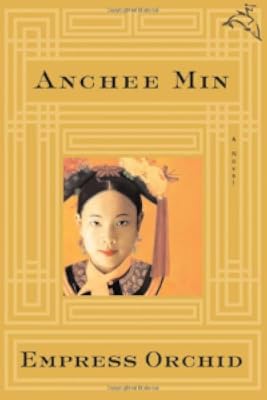
I already read Snow Flower and the Secret Fan, but I liked this book better. The writing style for both books is awesome, but I liked the story in this one better. Everything is so beautifully described (It reminded me of Anchee Min's novel, 'Empress Orchid' prose-wise) so it's easy to imagine the surroundings and characters, and how everything is happening.
I cried at the end of the first part, after I realized what had actually happened to show more Peony. That poor girl, after learning the truth about her husband and becoming so happy, only to have it all taken away. And then the ending made me cry too, damnit. I used up a good amount of Kleenex twice, after the first part and at the ending. This book is just so heartachingly beautiful and sad, I want to hate the book because it's so sad and I felt it was unfair to poor Peony after what she had been through, but it's also so beautifully written, with a bittersweet ending.
This story is mostly fiction, but Chen Tong, Tan Ze, and Qian Yi all did exist, I have the paperback version of this book and Lisa See has notes about this which made me do a bit of research of my own, it's cool when a histfic story inspires you to do research. Yay!
M.M. Strawberry Library & Reviews show less
I already read Snow Flower and the Secret Fan, but I liked this book better. The writing style for both books is awesome, but I liked the story in this one better. Everything is so beautifully described (It reminded me of Anchee Min's novel, 'Empress Orchid' prose-wise) so it's easy to imagine the surroundings and characters, and how everything is happening.
I cried at the end of the first part, after I realized what had actually happened to show more Peony. That poor girl, after learning the truth about her husband and becoming so happy, only to have it all taken away. And then the ending made me cry too, damnit. I used up a good amount of Kleenex twice, after the first part and at the ending. This book is just so heartachingly beautiful and sad, I want to hate the book because it's so sad and I felt it was unfair to poor Peony after what she had been through, but it's also so beautifully written, with a bittersweet ending.
This story is mostly fiction, but Chen Tong, Tan Ze, and Qian Yi all did exist, I have the paperback version of this book and Lisa See has notes about this which made me do a bit of research of my own, it's cool when a histfic story inspires you to do research. Yay!
M.M. Strawberry Library & Reviews show less
Author Lisa See believes, like many contemporary and historical women writers, that women of all cultures and times have always had a desire to be heard (specifically through writing), and ultimately this becomes the theme of Peony in Love: A Novel. Peony, the protagonist, discovers her talent for writing and "desire to be heard" amidst the pain and joy of loving in a society that oppresses women. This is not, however, an ordinary love story - the book deals heavily in the the supernatural, its protagonist dying at the end of Part One and spending the rest of the book as a ghost, watching over the man who would have been her husband. The author has meticulously researched seventeenth-century Chinese customs and beliefs about the show more afterlife, making the book highly informative to those interested in history. There is much to ponder concerning love, male-female relations, family, redemption, and artistic liberation, but any satisfaction or comfort that the reader may derive from the peace reached by Peony at the end of the book is hampered by the unrealistic way in which she reaches it (remaining on earth as a ghost to atone for her mistakes). Peony in Love repeats much of the celebration of women and lamentation of women's suffering that have become common in contemporary literature, but the original storyline and plentiful little-known historical facts keep the book very interesting. show less
I'm going to do something a little different with this book and describe it in terms of the themes it encompasses.
The power of art. The play, The Peony Pavilion, is a major force in this story. Girls all over China are influenced by the play and become lovesick, even starving themselves as they are drawn to the dream of the powerful romance of the opera. Over and over through this story, poetry is used to communicate hope and loss.
Women's freedom. Peony and her peers are extremely restricted. She describes them as "trapped like good-luck crickets in bamboo-and-laquer cages." Being from a wealthy and privilaged family, Peony has never even been outside the walls of her home. Her only freedom lies in her education and writings, but even show more that is ridiculed as unworthy because she is a woman.
Love. Peony's romantic notions of love grow and change as time passes in the story. From her relationships with and understanding of other women, to her love for her mysterious poet, she grows and matures from a well-meaning but basicly clueless girl to a true understanding of love and selflessness.
In summary, this is a wonderful, but emotionally difficult book. There were several points where I just wanted to put it down and walk away, but I kept being pulled back by the intense story line and bewitching prose. There are some strong similarities in themes and style to Snow Flower and the Secret Fan, and if you like one, you will most likely enjoy the other.
The final word: 5 out of 5. Highly recommended, unless you are looking for simple, uncomplicated happy endings. show less
The power of art. The play, The Peony Pavilion, is a major force in this story. Girls all over China are influenced by the play and become lovesick, even starving themselves as they are drawn to the dream of the powerful romance of the opera. Over and over through this story, poetry is used to communicate hope and loss.
Women's freedom. Peony and her peers are extremely restricted. She describes them as "trapped like good-luck crickets in bamboo-and-laquer cages." Being from a wealthy and privilaged family, Peony has never even been outside the walls of her home. Her only freedom lies in her education and writings, but even show more that is ridiculed as unworthy because she is a woman.
Love. Peony's romantic notions of love grow and change as time passes in the story. From her relationships with and understanding of other women, to her love for her mysterious poet, she grows and matures from a well-meaning but basicly clueless girl to a true understanding of love and selflessness.
In summary, this is a wonderful, but emotionally difficult book. There were several points where I just wanted to put it down and walk away, but I kept being pulled back by the intense story line and bewitching prose. There are some strong similarities in themes and style to Snow Flower and the Secret Fan, and if you like one, you will most likely enjoy the other.
The final word: 5 out of 5. Highly recommended, unless you are looking for simple, uncomplicated happy endings. show less
Peony is barely sixteen when she falls in love with a mysterious stranger. The product of a sheltered upbringing, and already betrothed to be married, she is devastated and plays out the part of the lead character in her favourite opera, who dies of lovesickness, and comes back to haunt her beloved.
I’m going to say something that may be controversial. I liked this more than Lisa See’s very, very, exceedingly very famous and popular Snow Flower and the Secret Fan. Let the lynchings begin in earnest in a moment, but first I must say this – I was entirely captivated by this story. It was complex and emotionally arresting, and parts of it did remind me very much of being sixteen and a bit lovestruck. Lisa See has produced another show more wonderful read. show less
I’m going to say something that may be controversial. I liked this more than Lisa See’s very, very, exceedingly very famous and popular Snow Flower and the Secret Fan. Let the lynchings begin in earnest in a moment, but first I must say this – I was entirely captivated by this story. It was complex and emotionally arresting, and parts of it did remind me very much of being sixteen and a bit lovestruck. Lisa See has produced another show more wonderful read. show less
Members
- Recently Added By
Lists

Female Author
1,235 works; 65 members

Books Read in 2016
4,666 works; 197 members

Asia
178 works; 7 members
Author Information

20+ Works 33,069 Members
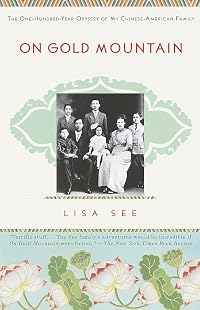
Lisa See was born in Paris but grew up in Los Angeles, spending much of her time in Chinatown. She is of Chinese decent. Her first book, On Gold Mountain: The One Hundred Year Odyssey of My Chinese-American Family (1995), was a national bestseller and a New York Times Notable Book. The book traces the journey of Lisa's great-grandfather, Fong See. show more Her first fiction novel, Flower Net (1997) was a national bestseller, a New York Times Notable Book, and on the Los Angeles Times Best Books List for 1997. Flower Net was also nominated for an Edgar award for best first novel. In addition to writing books, Ms. See was the Publishers Weekly West Coast Correspondent for 13 years. Her bestselling novels, all inspired by her Chinese heritage, include Snow Flower and the Secret Fan, A Peony in Love, Shanghi Girls, Dreams of Joy and China Dolls. Among her awards and recognitions are the Organization of Chinese Americans Women's 2001 award as National Woman of the Year and the 2003 History Makers Award presented by the Chinese American Museum. See serves as a Los Angeles City Commissioner. (Bowker Author Biography) show less
Awards and Honors
Awards
Work Relationships
Is abridged in
Common Knowledge
- Canonical title
- Peony in Love
- Original title
- Peony in love
- Original publication date
- 2007
- People/Characters
- Peony; Wu Ren; Baba (Peony's father); Mama (Peony's mother); Commisioner Tan (Baba's friend); Willow (Peony's maid) (show all 18); Madame Tan (Commissioner Tan's wife); Tan Ze (Madame Tan's daughter); Du Liniang (female character in The Peony Pavilion opera); Liu Menmei (male character in The Peony Pavilion opera); Broom (Peony's cousin); Lotus (Peony's cousin); Wu Ren (Peony's fiance); Tang Xianzu (author of The Peony Pavilion); Orchid (the youngest daughter of Second Aunt, Peony's cousin); Xiaoquing (concubine who died of lovesickness at age of 17); Second Aunt (Orchid's mother); Shao
- Important places
- China (17th century)
- Dedication
- For BOB LOOMIS, in celebration of his fifty years at Random House
- First words
- Two days before my sixteenth birthday, I woke up so early that my maid was still asleep on the floor at the foot of my bed.
- Last words
- (Click to show. Warning: May contain spoilers.)It would still be many years before my beautiful poet joined me in the plains of the underworld. Until then, I would live for him in my writings.
- Original language*
- Amerikanisch
*Some information comes from Common Knowledge in other languages. Click "Edit" for more information.
Classifications
- Genres
- Fiction and Literature, General Fiction, Historical Fiction, Romance
- DDC/MDS
- 813.54 — Literature & rhetoric American literature in English American fiction in English 1900-1999 1945-1999
- LCC
- PS3569 .E3334 .P46 — Language and Literature American literature American literature Individual authors 1961-
- BISAC
Statistics
- Members
- 3,455
- Popularity
- 4,817
- Reviews
- 159
- Rating
- (3.58)
- Languages
- 15 — Arabic, Catalan, Chinese, Danish, Dutch, English, Finnish, French, German, Italian, Norwegian (Bokmål), Polish, Portuguese, Croatian, Spanish
- Media
- Paper, Audiobook, Ebook
- ISBNs
- 50
- ASINs
- 13
