On This Page
Description
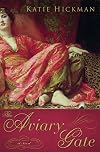
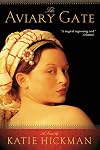
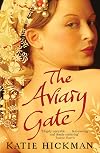
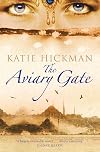
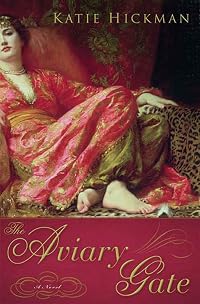
Elizabeth Staveley sits in the Bodleian library, holding in her trembling hands a fragment of ancient paper. It is the key to a story that has been locked away for four centuries-the story of a British sea captain's daughter held captive in the sultan's harem.Constantinople, 1599. There are rumors and strange stirrings in the sultan's palace. The chief black eunuch has been poisoned by a taste of a beautiful ship made of spun sugar. The sultan's mother faces threats to her power from her show more son's favorite concubine. And a secret rebellion is rising within the palace's most private quarters.Meanwhile, the merchant Paul Pindar, secretary to the English ambassador, brings a precious gift to the sultan. As he nears the palace, word comes to Pindar that the woman he once loved, Celia, may be alive and hidden among the ranks of slaves in the sultan's harem. Can this really be the same Celia who disappeared in a shipwreck? And if it is, can the two be reunited? show lessTags
Recommendations
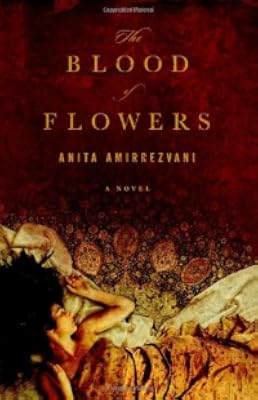

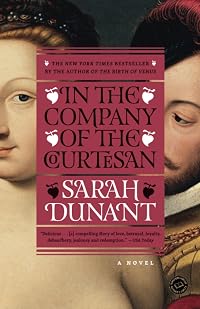
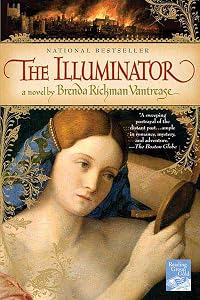
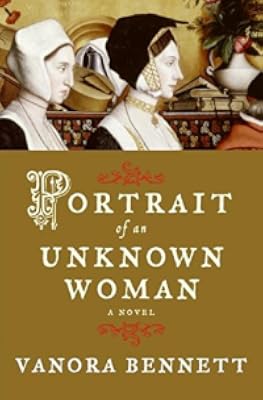


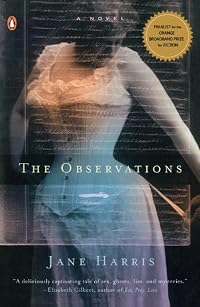
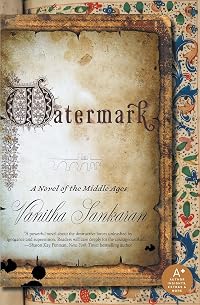
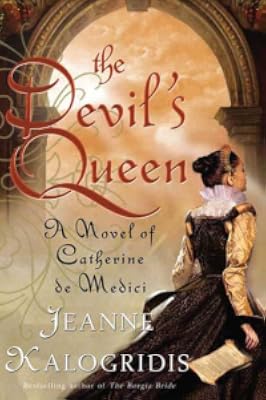

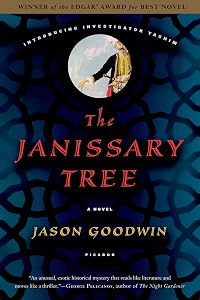






Member Recommendations

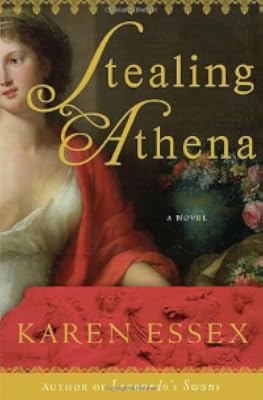
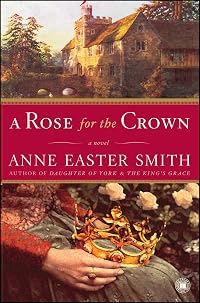
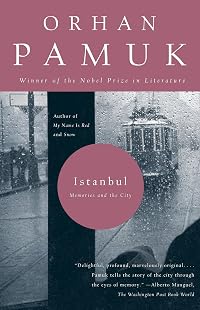
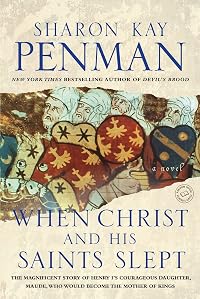
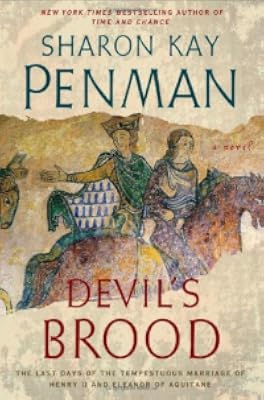
Caramellunacy Both stories focus on the intrigues and struggles for power in the harem of the Topkapi Palace. The Aviary Gate is a more literary historical novel set during England's Elizabethan era. Tears of Pearl is a historical mystery featuring a Victorian era couple as sleuths.
Member Reviews
The Aviary Gate by Katie Hickman is a work of historical fiction to be savored, with certain passages being re-read to ensure complete understanding and total enjoyment. It is not an overwhelming ponderous tome, yet at the same time the character list, glossary, and map of the harem will be quite helpful to anyone not familiar with Constantinople in the year 1599.
The story begins with Paul Pindar, a secretary to the English ambassador. He believes that he has lost his true love, Celia in a shipwreck. Two years later he is informed that Celia has been spotted among the slaves in the Sultan’s harem. He needs to find a way to be sure. It is also a big question of this story of whether they can be re-united again. All this takes place show more concurrently with a rebellion in the Sultan’s palace.
I liked the fact that you had to play your cards very carefully as there were spies everywhere. The penalty for going against the Sultan’s rules is that you are sewn in a burlap sack and thrown in the Bosphorous River and shots are fired alerting the palace that a traitor has been dealt with. It felt as if I was skulking around the Sultan’s palace with Celia just waiting for a big greasy eunuch to clamp his hands on my shoulders. The descriptions of the palace, clothes and jewels also kept my attention.
What is the Aviary Gate? You’ll find out when you read the book, but it is key. The literary search taking place in Oxford and modern day Constantinople wraps the threads of this story in a cocoon of knowledge. So it is like a candy, knowledge on the outside and a delicious mix of love and intrigue on the inside. This is a book with a little bit of zest, and it stands up for itself as it defies your expectations. It almost dares you for a re-read. I would recommend this book for anyone who takes theirs with a bit of panache. show less
The story begins with Paul Pindar, a secretary to the English ambassador. He believes that he has lost his true love, Celia in a shipwreck. Two years later he is informed that Celia has been spotted among the slaves in the Sultan’s harem. He needs to find a way to be sure. It is also a big question of this story of whether they can be re-united again. All this takes place show more concurrently with a rebellion in the Sultan’s palace.
I liked the fact that you had to play your cards very carefully as there were spies everywhere. The penalty for going against the Sultan’s rules is that you are sewn in a burlap sack and thrown in the Bosphorous River and shots are fired alerting the palace that a traitor has been dealt with. It felt as if I was skulking around the Sultan’s palace with Celia just waiting for a big greasy eunuch to clamp his hands on my shoulders. The descriptions of the palace, clothes and jewels also kept my attention.
What is the Aviary Gate? You’ll find out when you read the book, but it is key. The literary search taking place in Oxford and modern day Constantinople wraps the threads of this story in a cocoon of knowledge. So it is like a candy, knowledge on the outside and a delicious mix of love and intrigue on the inside. This is a book with a little bit of zest, and it stands up for itself as it defies your expectations. It almost dares you for a re-read. I would recommend this book for anyone who takes theirs with a bit of panache. show less
 This review was written for LibraryThing Early Reviewers.
This appealed for two reasons. Some months ago I read the third book in this trilogy, The House at Bishopsgate (not realising at the time that it was a third book). Impressed by its quality, I was keen to read the earlier novels. And, secondly, Hickman’s insight into the world of 16th-century Constantinople promised to reveal the answer to a question that intrigues me. What exactly happens in a harem? Yes, that, obviously, but what about the rest of the time? Surely it can’t be all about lying on a chaise longue while eunuchs fan you and feed you grapes? Well, according to this book, it’s also about poison, vaunting ambition, intrigue and the gradual erosion of everything you know beyond the walls of the ironically-named House of show more Felicity...
For the full post, please see my blog:
https://theidlewoman.net/2017/08/27/the-aviary-gate-katie-hickman/ show less
For the full post, please see my blog:
https://theidlewoman.net/2017/08/27/the-aviary-gate-katie-hickman/ show less
I am finding it hard to write this review. On the one hand, this book uses a lot of Orientalism cliches, as many of the other reviewers have already mentioned. Scheming concubines, erotic arts, dealings in sorcery, etc. The present day narrative was also just meh, although it did feature descriptions of Istanbul that renewed my fascination with visiting the city. The books also had nicely drawn characters (Jamal for example) that didn't really go anywhere. I also wish she had spent more time talking about the Three Nightingales and their combined backstory. The rest of the mystery would have made more sense and I would have cared about them.
With all of that said, however, I could not stop reading this book. In fact, I found myself show more sneaking reads of the book while at a professional conference during a boring presentation. She wrote the pacing and the descriptions of the palace well, and there was tension and anxiety build-up. So, all in all, an engrossing historical fiction read, with a few problems, that apparently did not detract from me devouring the book. show less
With all of that said, however, I could not stop reading this book. In fact, I found myself show more sneaking reads of the book while at a professional conference during a boring presentation. She wrote the pacing and the descriptions of the palace well, and there was tension and anxiety build-up. So, all in all, an engrossing historical fiction read, with a few problems, that apparently did not detract from me devouring the book. show less
This review was written for LibraryThing Early Reviewers.For a slightly expanded version of this review, see my blog:
http://jlshall.blogspot.com/2008/08/review-aviary-gate.html
Although it has elements of the romance novel, The Aviary Gate is nothing like a Harlequin. It's a thoroughly engrossing historical tale of murder and intrigue in the Sultan's harem in 16th Century Constantinople, juxtaposed with the story of a present-day academic whose research brings the episode to light.
Based partly on fact, Hickman's novel shifts back and forth between the story of Celia Lamprey, a sea captain's daughter lost in a late-16th Century shipwreck and sold into slavery at the Sultan's court, and that of Elizabeth Staveley, the Oxford researcher who becomes obsessed with finding out what actually happened show more to the young woman. Did she escape the Sultan's harem and return to England? Was she rescued by diplomat Paul Pindar, the man she was engaged to at the time of the shipwreck? Did she live out her life as a Sultan's concubine? Or was she somehow involved in the poisoning of the sultan's chief black eunuch and possibly imprisoned or even executed?
The ending wasn't really what I expected. But then the entire book was a pleasant surprise. And some of it was just, well, surprising. Like the descriptions of a 16th Century version of a bikini-wax session, and the mechanics of producing eunuchs to guard the sultan's harem (actually, I could have done without that last episode altogether).
The book does have its flaws. Some of the dialogue sounds a little too modern to be thoroughly believable Elizabethan speech: One of the characters agrees with another by remarking "I'll say!" and another expresses his doubt about the success of a plan by arguing that "we'll be dead meat." And the current-day story frequently seems rather lackluster in comparison with the thrills and escapades of the Sultan's palace. Perhaps the fact that Hickman's earlier work was mostly nonfiction might have something to do with that.
One of the interesting things the novel points out is just how much power women could attain in the ancient harem system. There were, of course, the "powers behind the throne" – the Sultan's mother, and chief wives and concubines. But for the other most-favored slaves, there was also the possibility of a marriage outside the court, to a rich and powerful nobleman or merchant. These women were highly sought after because of their ties to the royal circle.
The Aviary Gate is a fascinating combination of academic mystery, historical adventure, and thrilling love story. I can heartily recommend it as a romance novel for people who hate romance novels. show less
http://jlshall.blogspot.com/2008/08/review-aviary-gate.html
Although it has elements of the romance novel, The Aviary Gate is nothing like a Harlequin. It's a thoroughly engrossing historical tale of murder and intrigue in the Sultan's harem in 16th Century Constantinople, juxtaposed with the story of a present-day academic whose research brings the episode to light.
Based partly on fact, Hickman's novel shifts back and forth between the story of Celia Lamprey, a sea captain's daughter lost in a late-16th Century shipwreck and sold into slavery at the Sultan's court, and that of Elizabeth Staveley, the Oxford researcher who becomes obsessed with finding out what actually happened show more to the young woman. Did she escape the Sultan's harem and return to England? Was she rescued by diplomat Paul Pindar, the man she was engaged to at the time of the shipwreck? Did she live out her life as a Sultan's concubine? Or was she somehow involved in the poisoning of the sultan's chief black eunuch and possibly imprisoned or even executed?
The ending wasn't really what I expected. But then the entire book was a pleasant surprise. And some of it was just, well, surprising. Like the descriptions of a 16th Century version of a bikini-wax session, and the mechanics of producing eunuchs to guard the sultan's harem (actually, I could have done without that last episode altogether).
The book does have its flaws. Some of the dialogue sounds a little too modern to be thoroughly believable Elizabethan speech: One of the characters agrees with another by remarking "I'll say!" and another expresses his doubt about the success of a plan by arguing that "we'll be dead meat." And the current-day story frequently seems rather lackluster in comparison with the thrills and escapades of the Sultan's palace. Perhaps the fact that Hickman's earlier work was mostly nonfiction might have something to do with that.
One of the interesting things the novel points out is just how much power women could attain in the ancient harem system. There were, of course, the "powers behind the throne" – the Sultan's mother, and chief wives and concubines. But for the other most-favored slaves, there was also the possibility of a marriage outside the court, to a rich and powerful nobleman or merchant. These women were highly sought after because of their ties to the royal circle.
The Aviary Gate is a fascinating combination of academic mystery, historical adventure, and thrilling love story. I can heartily recommend it as a romance novel for people who hate romance novels. show less
When I was younger, harems intrigued me and enough of that fascination is left for me to pick up books like the Aviary Gate from time to time and immerse myself in the world of scheming women who are focused on a single man (and my inner feminist dies a little each time). This book makes for a compelling enough tale, caught between the present day world and a 16th-century Ottoman harem as a modern historian attempts to track down a English girl who may have ended up in the sultan's harem. Fun reading, although the ending left too many loose ends for sanctification.
The book is set in the time of Queen Elizabeth I in the Ottoman Empire and current times. You become engrossed right away in whatever time period you are reading and when the scene abruptly changes to the alternate time period, you find yourself wishing it hadn't . The harem scenes are vivid and enthralling, making it quite easy to picture the surroundings and feelings of the slaves, concubines and eunichs. The only issue I have with this book is that the ending is quite abrupt and unsatisfying.
Katie Hickman's engrossing novel takes readers from present-day England to the 16th century harem of the Turkish sultan. I found the book riveting and evocative, as it brought the sultan's court to life with lush detail. Ultimately a story of love and loss, "The Aviary Gate" chronicles the story of Celia Lamprey, who is initially thought to be lost at sea, and Paul Pindar, secretary to the British Embassy in Constantinople. The book is loaded with intrigue, cases of mistaken identity, and close encounters, which make for very exciting reading.
The book's sequel, "The Pindar Diamond," while well-done, was less compelling.
The book's sequel, "The Pindar Diamond," while well-done, was less compelling.
This review was written for LibraryThing Early Reviewers.Members
- Recently Added By
Author Information

13 Works 2,140 Members
Katie Hickman was born into a diplomatic family in 1960 and has spent more than twenty-five years living abroad in Europe, the Far East and Latin America. She is the author of three previous books.
Series

Common Knowledge
- Canonical title
- The Aviary Gate
- People/Characters
- Celia Lamprey; Paul Pindar; Annetta (Ayshe); Valide Sultan; Gulay Haseki; Elizabeth Staveley (show all 8); John Carew; Hassan Aga
- Important places
- Constantinople, Byzantine Empire; Ottoman Empire; Topkapi Palace, Istanbul, Turkey
- Epigraph
- Footfalls echo in the memory, Down the passage we did not take, Towards the door we never opened, Into the rose garden. My words echo Thus, in your mind. -T.S. Eliot-The Four Queens
- Dedication
- This book is for my son, Luke Nur 'Aynayya Light of My Eyes who was there at the very beginning.
- First words
- The parchment, when Elizabeth found it, was the amber colour of old tea, frail as leaf mould.
- Last words
- (Click to show. Warning: May contain spoilers.)Now whatever made her say that.
- Original language
- English
Classifications
Statistics
- Members
- 497
- Popularity
- 60,478
- Reviews
- 53
- Rating
- (3.29)
- Languages
- 9 — Danish, Dutch, English, French, German, Italian, Norwegian (Bokmål), Croatian, Spanish
- Media
- Paper, Audiobook, Ebook
- ISBNs
- 35
- ASINs
- 5