
The Gargoyle
by Andrew Davidson
On This Page
Description
A very contemporary cynic, physically beautiful and sexually adept, crashes his car into a ravine and suffers horrible burns over much of his body. As he recovers in a burn ward, undergoing the tortures of the damned, he awaits the day when he can leave the hospital and commit carefully planned suicide--for he is now a monster in appearance as well as in soul. Then a beautiful and compelling, but clearly unhinged, sculptress of gargoyles by the name of Marianne Engel appears at the foot of show more his bed and tells him that they were once lovers in medieval Germany.--From publisher description. show lessTags
Recommendations
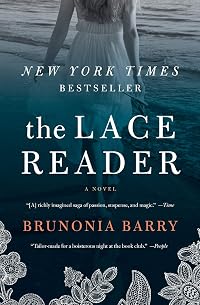


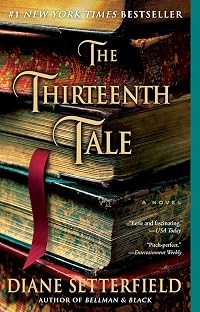
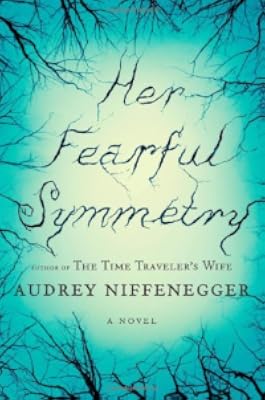
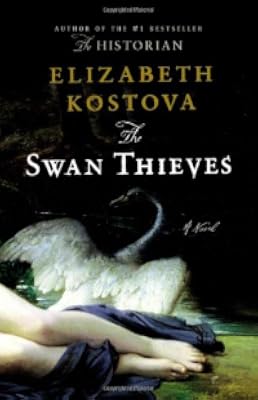


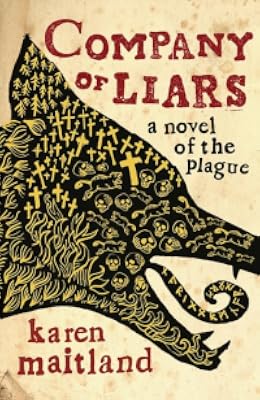

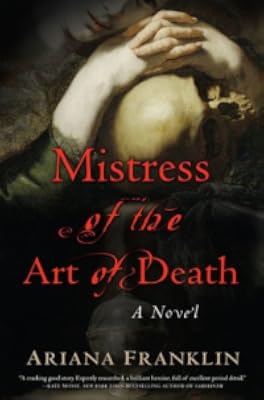

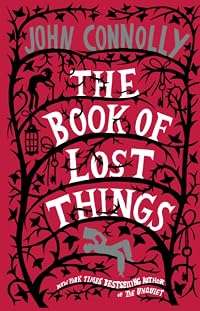



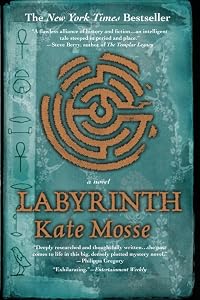

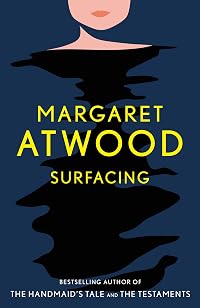

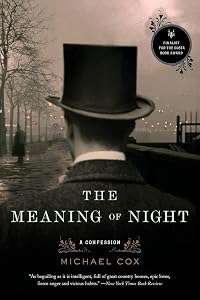
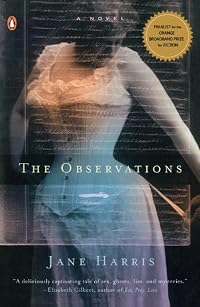
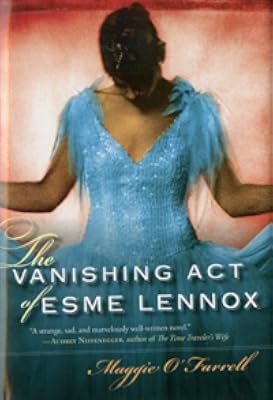


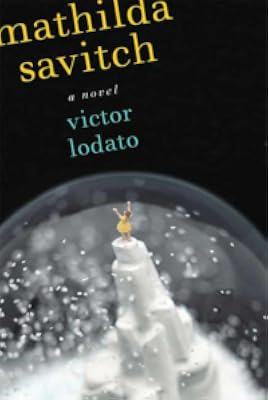

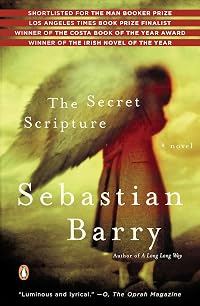
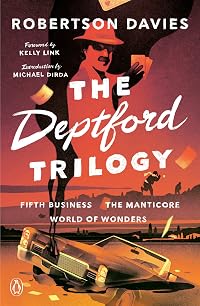

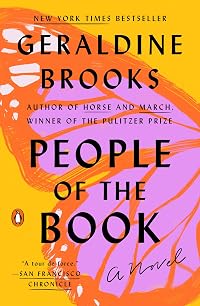
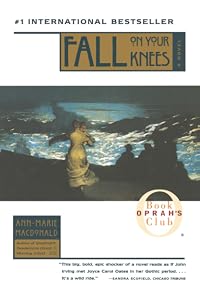
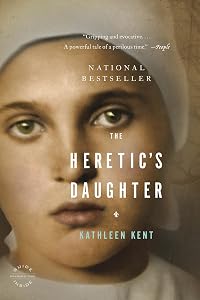





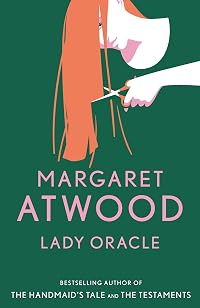


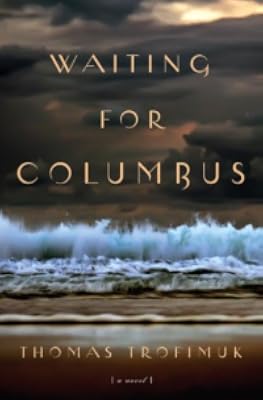




Member Recommendations
heidilove If the power of story compels you, you'll like this as well.
62
BookshelfMonstrosity Both novels have a generally dark mood and complex characters who are searching for answers. The Gargoyle is more graphic and violent, but both weave together the past and present in an intricate plot that encourages self-reflection.
40
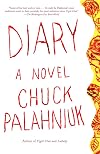
twomoredays Though very different, the entire time I was reading The Gargoyle I was reminded of Palahniuk's work. Marianne of The Gargoyle reminds me of some of Palahniuk's female characters, but at the same time everything is cast in such a different light in Davidson's work. It is certainly a book that fans of Diary should investigate.

Avalon by Anya Seton
by themephi
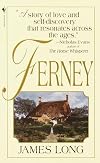
Ferney by James Long
shelfoflisa Similar theme of a life repeated and two souls linked together through time, but less violent!
Member Reviews
Note: I am physically disabled and have bipolar disorder aka manic depression aka the (or one of the) mood disorder that the love interest has in this book. Why is this important? Because the main character is disabled--he's been severely burned--and the love interest, Marianne, has schizophrenia or bipolar disorder (or both). And it's like Andrew Davidson read a one-sentence summary of bipolar and went, "oh! I got it!" and wrote this ableist-as-hell book.
This is perhaps the most distasteful wreck of a novel I've ever finished--and I only did finish because I wanted to see if it ever got better. Or to see how much worse it could get. It's obvious this wasn't ever meant to be disability representation. Rather, it's meant for able-bodied, show more neurotypical readers to read about us disabled people and go, "oh wow, look at these strange crazy things, haha!"
Book content warnings:
ableism!!
ableist slurs
sexism
racism
racist slurs
homophobia (& homophobic violence)
suicide
self harm
drug addiction
(probably more; forgive me if I forgot anything!)
The nameless protagonist, a past porn star, wakes up in the burn ward of a hospital after a car crash. His once flawless skin is covered with burns; his penis has to be removed. He slumps into deep depression until Marianne Engel, a mentally ill woman comes to visit, telling him stories of love and of a past he and she supposedly shared together in the 1300s. The more she visits, the more he learns about love and the more he begins to see life and his body in a new way.
I picked this book up in the hopes that it would somehow be like Tarsem Singh's masterpiece movie The Fall (in which a suicidal disabled man in the hospital is visited by a little girl; he tells her stories, and they grow to be good friends and learn more about hope and love, etc.).
Unfortunately, no such luck here.
The nasty stuff starts right away--as early as p.17. "I had no idea whether she was Chinese or Japanese or Vietnamese; she just had Asian skin color and eyes and she was barely as tall as I."
. . . Asian skin color and eyes. I . . . don't even know how to deal with the ignorance and racism of this phrase. I'm not even sure Andrew Davidson knows what countries are included in Asia to be honest (Asia doesn't consist of just Eastern-Asian countries . . . but also of countries like India, Thailand, Cambodia, etc.), which are home to many darker-skinned people . . .
The very unlikable protagonist also calls a Japanese woman by a racist slur, and then backpedals for a huge half-page paragraph in his internal monologue, going into why he chose that particular slur, why he's not racist really, etc. etc. etc. It sounds exactly like that insensitive friend who you call out for being an asshole and then who (doesn't really) apologizes by explaining their motivations for being an asshole rather than actually apologizing and meaning that apology.
Our nameless protagonist is also a sexist, misogynistic dick whose views on women are never actually challenged and whose opinions never change throughout the book. Let's take a look at these grotesques:
"Jack Meredith was more like the cartoon of a woman who wished that she were a man."
"Fat, but not water balloon fat; with flesh not flabby, but round like it's looking for a place to explode. Age, fifties? Hard to tell, but probably. She didn't have wrinkles; her face was too spherical. Cropped hair, too much rouge on her cheeks . . ."
Almost every woman this guy sees is critically evaluated and found wanting. The narration literally stops so he can point out all their flaws.
"She was not what anyone would call a classic beauty. Her teeth were perhaps a little too small for her mouth, but I've always found microdentia rather sexy. I suppose her eyebrows might be too bushy for some men but, to be frank, those men are idiots. The only acceptable point of contention would be her nose, which was not too large, mind you, but certainly not delicate. A small bump on the bridge indicated that there had been a break at one time, but I thought it gave her character. A case could be made that her nostrils were slightly too flared, but any reasonable judge would have thrown that case out of court."
Lord. Shut this guy up. Is he capable of describing a woman without critique? In any case, the description doesn't even make sense. If he didn't think those things (her nostrils weren't too flared), then he wouldn't have mentioned it. He's so full of shit--and the fact the author found this funny or witty to include is so telling of his character.
The homophobia. Why does Andrew Davidson include mentions of gay people when all he does with these mentions is turn them into jokes, tragedies, or . . . really strange homophobic statements? I bet (just like him writing about mental illness), he assumed he was being "diverse".
When talking about his past porn career, the narrator always talks about the men who was willing to do "homosexual work" as being sooooo brave (because wtf does that even mean?)--and then immediately goes on to mentioning bestiality . . . because that's comparable (it's not).
One of the stories Marianne tells the narrator is about a gay Viking who falls in love with a married man. Eventually, one night these two men drink and the gay Viking confesses. What happens? WELL, of course the other guy suddenly becomes enraged and beats the gay Viking to nearly death. And then the gay Viking dies in the house fire the married Viking starts. Lovely. Love this gay representation (not).
There's also this: "All the men in my life have been such shits that while Ted [her son] was growing up, I secretly wished he'd turn out gay."
. . . .
I'm sorry, but men do not stop being men, even if they are gay? The volumes this statement says . . . yikes.
Okay, now to the main event! Ableism! Joy.
The main character is covered in burn scars, and is of course disabled. He suffers from a lot of internalized ableism, which is understandable (so do I!). It's a hard thing to get over. But there are many mentions of penance, which makes me incredibly uncomfortable, especially as a disabled person, because we are constantly fed the idea that we have somehow done something to deserve our disabilities. At the end, the narrator accepts that he is serving his penance here on Earth. Bile literally crawls up my throat at this.
Marianne Engel has mystery wrapped around her the entire book, and it's left that way even after you're done reading. Is she really a woman who was born in the 1300s with thousands of hearts? Or is she only a woman with schizophrenia and/or bipolar disorder? The book doesn't leave you with one or the other (think Inception). But in doing so, it treats these conditions (and real mentally ill people) abysmally! You thought this was representation? Ha, no. She was a woman treated unfairly by those "EVIL" psychiatrists.
Marianne's psychiatrist, Gregor, a man who claims often he can't tell the narrator too much, often tells him way too damn much! I don't think Andrew Davidson knows anything about mental health practice. Gregor apparently is able to tell the narrator about things Marianne has done--when she last was admitted because she was seen "talking to ghosts". He also says "It beats me what's wrong with Marianne." What's WRONG with Marianne! There is no way in hell a psychiatrist should say something like this about a patient!! Also--if you think this way, you should educate yourself about mental illnesses and neuro-atypical conditions. If you do not have mental illnesses, you aren't normal. You aren't the right, and we are not the wrong. We clear??
"They let schizophrenics drive? Apparently so."
ha ha, you're right, sorry. All mentally ill people are useless crazies who should be institutionalized, sorry.
"The woman had looked at us and thought Marianne was the normal one."
Good lord.
I can't believe this book passed so many eyes, so many conscious people who read it and thought, "Yeah, this seems okay to publish". I'm ashamed at how many people rate it highly on this site. Reading it made me more ashamed to be who I am, and that's not okay. I can't recommend it to anyone. show less
This is perhaps the most distasteful wreck of a novel I've ever finished--and I only did finish because I wanted to see if it ever got better. Or to see how much worse it could get. It's obvious this wasn't ever meant to be disability representation. Rather, it's meant for able-bodied, show more neurotypical readers to read about us disabled people and go, "oh wow, look at these strange crazy things, haha!"
Book content warnings:
ableism!!
ableist slurs
sexism
racism
racist slurs
homophobia (& homophobic violence)
suicide
self harm
drug addiction
(probably more; forgive me if I forgot anything!)
The nameless protagonist, a past porn star, wakes up in the burn ward of a hospital after a car crash. His once flawless skin is covered with burns; his penis has to be removed. He slumps into deep depression until Marianne Engel, a mentally ill woman comes to visit, telling him stories of love and of a past he and she supposedly shared together in the 1300s. The more she visits, the more he learns about love and the more he begins to see life and his body in a new way.
I picked this book up in the hopes that it would somehow be like Tarsem Singh's masterpiece movie The Fall (in which a suicidal disabled man in the hospital is visited by a little girl; he tells her stories, and they grow to be good friends and learn more about hope and love, etc.).
Unfortunately, no such luck here.
The nasty stuff starts right away--as early as p.17. "I had no idea whether she was Chinese or Japanese or Vietnamese; she just had Asian skin color and eyes and she was barely as tall as I."
. . . Asian skin color and eyes. I . . . don't even know how to deal with the ignorance and racism of this phrase. I'm not even sure Andrew Davidson knows what countries are included in Asia to be honest (Asia doesn't consist of just Eastern-Asian countries . . . but also of countries like India, Thailand, Cambodia, etc.), which are home to many darker-skinned people . . .
The very unlikable protagonist also calls a Japanese woman by a racist slur, and then backpedals for a huge half-page paragraph in his internal monologue, going into why he chose that particular slur, why he's not racist really, etc. etc. etc. It sounds exactly like that insensitive friend who you call out for being an asshole and then who (doesn't really) apologizes by explaining their motivations for being an asshole rather than actually apologizing and meaning that apology.
Our nameless protagonist is also a sexist, misogynistic dick whose views on women are never actually challenged and whose opinions never change throughout the book. Let's take a look at these grotesques:
"Jack Meredith was more like the cartoon of a woman who wished that she were a man."
"Fat, but not water balloon fat; with flesh not flabby, but round like it's looking for a place to explode. Age, fifties? Hard to tell, but probably. She didn't have wrinkles; her face was too spherical. Cropped hair, too much rouge on her cheeks . . ."
Almost every woman this guy sees is critically evaluated and found wanting. The narration literally stops so he can point out all their flaws.
"She was not what anyone would call a classic beauty. Her teeth were perhaps a little too small for her mouth, but I've always found microdentia rather sexy. I suppose her eyebrows might be too bushy for some men but, to be frank, those men are idiots. The only acceptable point of contention would be her nose, which was not too large, mind you, but certainly not delicate. A small bump on the bridge indicated that there had been a break at one time, but I thought it gave her character. A case could be made that her nostrils were slightly too flared, but any reasonable judge would have thrown that case out of court."
Lord. Shut this guy up. Is he capable of describing a woman without critique? In any case, the description doesn't even make sense. If he didn't think those things (her nostrils weren't too flared), then he wouldn't have mentioned it. He's so full of shit--and the fact the author found this funny or witty to include is so telling of his character.
The homophobia. Why does Andrew Davidson include mentions of gay people when all he does with these mentions is turn them into jokes, tragedies, or . . . really strange homophobic statements? I bet (just like him writing about mental illness), he assumed he was being "diverse".
When talking about his past porn career, the narrator always talks about the men who was willing to do "homosexual work" as being sooooo brave (because wtf does that even mean?)--and then immediately goes on to mentioning bestiality . . . because that's comparable (it's not).
One of the stories Marianne tells the narrator is about a gay Viking who falls in love with a married man. Eventually, one night these two men drink and the gay Viking confesses. What happens? WELL, of course the other guy suddenly becomes enraged and beats the gay Viking to nearly death. And then the gay Viking dies in the house fire the married Viking starts. Lovely. Love this gay representation (not).
There's also this: "All the men in my life have been such shits that while Ted [her son] was growing up, I secretly wished he'd turn out gay."
. . . .
I'm sorry, but men do not stop being men, even if they are gay? The volumes this statement says . . . yikes.
Okay, now to the main event! Ableism! Joy.
The main character is covered in burn scars, and is of course disabled. He suffers from a lot of internalized ableism, which is understandable (so do I!). It's a hard thing to get over. But there are many mentions of penance, which makes me incredibly uncomfortable, especially as a disabled person, because we are constantly fed the idea that we have somehow done something to deserve our disabilities. At the end, the narrator accepts that he is serving his penance here on Earth. Bile literally crawls up my throat at this.
Marianne Engel has mystery wrapped around her the entire book, and it's left that way even after you're done reading. Is she really a woman who was born in the 1300s with thousands of hearts? Or is she only a woman with schizophrenia and/or bipolar disorder? The book doesn't leave you with one or the other (think Inception). But in doing so, it treats these conditions (and real mentally ill people) abysmally! You thought this was representation? Ha, no. She was a woman treated unfairly by those "EVIL" psychiatrists.
Marianne's psychiatrist, Gregor, a man who claims often he can't tell the narrator too much, often tells him way too damn much! I don't think Andrew Davidson knows anything about mental health practice. Gregor apparently is able to tell the narrator about things Marianne has done--when she last was admitted because she was seen "talking to ghosts". He also says "It beats me what's wrong with Marianne." What's WRONG with Marianne! There is no way in hell a psychiatrist should say something like this about a patient!! Also--if you think this way, you should educate yourself about mental illnesses and neuro-atypical conditions. If you do not have mental illnesses, you aren't normal. You aren't the right, and we are not the wrong. We clear??
"They let schizophrenics drive? Apparently so."
ha ha, you're right, sorry. All mentally ill people are useless crazies who should be institutionalized, sorry.
"The woman had looked at us and thought Marianne was the normal one."
Good lord.
I can't believe this book passed so many eyes, so many conscious people who read it and thought, "Yeah, this seems okay to publish". I'm ashamed at how many people rate it highly on this site. Reading it made me more ashamed to be who I am, and that's not okay. I can't recommend it to anyone. show less
The Gargoyle is saved from dipping into magical realism, by the fact that you never know if the events that are alleged to have transpired are induced by the main characters' mental illness, drug addiction or just a vivid imagination. The dissolute life of the protagonist changes abruptly when he's involved in an alcohol related vehicle crash resulting in life altering burns. While recovering, a mentally ill scuptress fancies they've been lovers in past lives and carries him off when he's released, and of course she's conveniently wealthy. In reality of course, once the burn victim's assets had been liquidated he would have been popped off to a state supported nursing home and with no friends or family the system would have washed its show more hands of him. The hospital would certainly never have released him into the custody of one of their own psychiatric patients. Nevertheless, if these impossible things hadn't transpired we would have no story, which turns out to be a pretty good one indeed. The medieval history is well researched and the treatment of traumatic burn victims was especially so, though it can be a bit hard to take. show less
I’m always a sucker for a love story, and for me The Gargoyle rates as one of the two best love stories ever. The two main characters are a man who is recovering from horrific burns, who has never really known love, and a woman suffering a psychotic episode, whose ramblings at the outset seem delusional. But the way that Andrew Davidson slowly but surely enfolded me into this multi-layered tale meant that by the end I too believed every word she uttered. It’s impossible to read the climax without blubbering; I’m usually tearing up well before then – always the sign of a great read. Magic realism at its very best.
Okay...so this book was really very good. BUT, I gotta tell you, it’s so intense and overpowering, I sometimes felt like looking up from the pages and taking a deep breath. I haven’t read a book that made me feel like that since I read Anne Rice’s Violin way back when.
The plot? A very narcissistic male porn star narrates this tale, that starts with the moment his car careens over an edge and erupts into flames, burning him beyond recognition. It’s first person, which adds to the sense of being completely overwhelmed by the emotions he’s going through. He’s a cynic, and before his accident, was beautiful and rich and sexually adept, even if he was still a cynic inside. After the accident, he figures he’s got nothing left to show more live for, and plans to survive his stay in the burn ward, living only for the time when he can leave the ward and commit a very carefully planned suicide. It’s what he lives for, because he figures he’s got nothing else.
And then, Marianne walks into his room. She tells him that they’d been lovers in medieval germany and many other lifetimes before that as well. She tells him she’s been alive for 700 years. She starts telling him stories...their stories. And really, that’s only the beginning.
Marianne is part Scheherazade, part fanatic, part lover, part crazy...but all of those parts are so beautifully and wonderfully described. This is a very deep, moving book. It’s not easy to get through, since the narrator goes into quite graphic detail about what happens to him in the burn ward, but it’s good. Really good. There was an intense satisfaction when I finished it. And, to be truthful, even the darker parts with the graphic, sometimes gruesome detail about his wounds and what he goes through, those are told in such a way, that you really get his voice - his cynicism, and in some parts, I definitely got his self-depreciating humor. And that made it a little easier to read through those parts (but I still winced). STILL...it’s definitely worth reading. Definitely. show less
The plot? A very narcissistic male porn star narrates this tale, that starts with the moment his car careens over an edge and erupts into flames, burning him beyond recognition. It’s first person, which adds to the sense of being completely overwhelmed by the emotions he’s going through. He’s a cynic, and before his accident, was beautiful and rich and sexually adept, even if he was still a cynic inside. After the accident, he figures he’s got nothing left to show more live for, and plans to survive his stay in the burn ward, living only for the time when he can leave the ward and commit a very carefully planned suicide. It’s what he lives for, because he figures he’s got nothing else.
And then, Marianne walks into his room. She tells him that they’d been lovers in medieval germany and many other lifetimes before that as well. She tells him she’s been alive for 700 years. She starts telling him stories...their stories. And really, that’s only the beginning.
Marianne is part Scheherazade, part fanatic, part lover, part crazy...but all of those parts are so beautifully and wonderfully described. This is a very deep, moving book. It’s not easy to get through, since the narrator goes into quite graphic detail about what happens to him in the burn ward, but it’s good. Really good. There was an intense satisfaction when I finished it. And, to be truthful, even the darker parts with the graphic, sometimes gruesome detail about his wounds and what he goes through, those are told in such a way, that you really get his voice - his cynicism, and in some parts, I definitely got his self-depreciating humor. And that made it a little easier to read through those parts (but I still winced). STILL...it’s definitely worth reading. Definitely. show less
I was immediately gripped by the opening chapters of this book, in which a man in his 30s is involved in a gruesome car crash that changes his appearance - and his life - beyond recognition.
Our unnamed narrator is a difficult bugger, but he's having a hard time. In his previous life of hedonism, he relied on his physical beauty and sexual prowess for income and pleasure. After the accident, none of this will be possible for him ever again (male readers beware that the 'euwww' factor goes up a notch!). I found these chapters quite affecting - aren't we all guilty of vanity? How would you feel if you became unrecognisable, and indeed grotesque? Very sobering stuff.
The cynical and miserable protagonist reluctantly faces a long period of show more rehabilitation in a hospital burns unit, and soon encounters a mysterious woman named Marianne Engel who claims that they have known each other in a former life. She becomes a regular visitor to his room, telling him beautifully romantic but ultimately tragic tales of love and loss and devotion, including the story of their own previous life together. But is she telling the truth?
This is a book heavy in symbolism. Gargoyles are variously described as being used to eject the water used for washing sacred vessels, and as being protection against evil spirits. And if you haven't already read Dante's Inferno, you'll soon want to. Admittedly some of the symbolism isn't so subtle: mere pages after we are told how lemurs got their name, we discover that Marianne lives in Lemuria Street, and the narrator's washing of Marianne as she carves hammers us over the head with his gargoyle attributes. However. Neither this, nor the religious thread that runs through The Gargoyle lessens the impact of the tale.
It is about personal hells and redemption and the meaning of beauty and love. I found it moving and thought-provoking and would recommend it in an instant. show less
Our unnamed narrator is a difficult bugger, but he's having a hard time. In his previous life of hedonism, he relied on his physical beauty and sexual prowess for income and pleasure. After the accident, none of this will be possible for him ever again (male readers beware that the 'euwww' factor goes up a notch!). I found these chapters quite affecting - aren't we all guilty of vanity? How would you feel if you became unrecognisable, and indeed grotesque? Very sobering stuff.
The cynical and miserable protagonist reluctantly faces a long period of show more rehabilitation in a hospital burns unit, and soon encounters a mysterious woman named Marianne Engel who claims that they have known each other in a former life. She becomes a regular visitor to his room, telling him beautifully romantic but ultimately tragic tales of love and loss and devotion, including the story of their own previous life together. But is she telling the truth?
This is a book heavy in symbolism. Gargoyles are variously described as being used to eject the water used for washing sacred vessels, and as being protection against evil spirits. And if you haven't already read Dante's Inferno, you'll soon want to. Admittedly some of the symbolism isn't so subtle: mere pages after we are told how lemurs got their name, we discover that Marianne lives in Lemuria Street, and the narrator's washing of Marianne as she carves hammers us over the head with his gargoyle attributes. However. Neither this, nor the religious thread that runs through The Gargoyle lessens the impact of the tale.
It is about personal hells and redemption and the meaning of beauty and love. I found it moving and thought-provoking and would recommend it in an instant. show less
Andrew Davidson’s debut novel, The Gargoyle is a fascinating look into the relationship between a man and a woman that may transcend time.
The novel opens with a spectacular sequence describing a hellacious car accident. The first few pages are so well written, that you find yourself laughing at the absurd reality of the accident, empathizing greatly if you’ve ever been in even the smallest accident and at the same time horrified that you find the humor in an accident that is this terrible. As the book proceeds our narrator is put through the pain of recovery, and again the descriptions of a burn ward are so on point that you feel his dread, pain and fear.
Enter the mysterious sculptress, Marianne Engel, who claims to be 700 years show more old, telling the narrator the tale of their love from medieval times. Interspersed with the telling of their tale, Marianne guides and encourages his recovery, whilst telling tales of other lost lovers. The story weaves its way through time and distant lands, medieval Germany, Italy during the Black Plague, ancient Japan, and ninth century Iceland. All these stories are woven into the fabric of our narrators life, showing some truth that he feels in his soul, and has never before recognized. The questions we are left, is Marianne simply crazy, or is she telling the truth? Is she telling a truth that only she feels, or is it merely a way to guide our narrator out of his suicidal sadness?
This is a great novel; it takes an unapologetic porn peddler, drug-abusing louse, and gives us insight into his heart and soul. It shows the redemptive quality of love, and especially spotlights what true love is. show less
The novel opens with a spectacular sequence describing a hellacious car accident. The first few pages are so well written, that you find yourself laughing at the absurd reality of the accident, empathizing greatly if you’ve ever been in even the smallest accident and at the same time horrified that you find the humor in an accident that is this terrible. As the book proceeds our narrator is put through the pain of recovery, and again the descriptions of a burn ward are so on point that you feel his dread, pain and fear.
Enter the mysterious sculptress, Marianne Engel, who claims to be 700 years show more old, telling the narrator the tale of their love from medieval times. Interspersed with the telling of their tale, Marianne guides and encourages his recovery, whilst telling tales of other lost lovers. The story weaves its way through time and distant lands, medieval Germany, Italy during the Black Plague, ancient Japan, and ninth century Iceland. All these stories are woven into the fabric of our narrators life, showing some truth that he feels in his soul, and has never before recognized. The questions we are left, is Marianne simply crazy, or is she telling the truth? Is she telling a truth that only she feels, or is it merely a way to guide our narrator out of his suicidal sadness?
This is a great novel; it takes an unapologetic porn peddler, drug-abusing louse, and gives us insight into his heart and soul. It shows the redemptive quality of love, and especially spotlights what true love is. show less
I often feel as though I'm always a little bit late to the party. I'm rarely, if ever, the first to read books that become 'must-reads,' more often than not it'll be in paperback form before I ever pick it up. It's not by design on my part. It just seems to be the way things go. So, with The Gargoyle I've sort of felt rather privileged that I'm somewhat ahead of the reading pack, so to speak. Not to say that there hasn't already been much tongue-wagging over this amazing debut novel, but as it's still yet to be released, I'm allowing myself a small amount of pleasure over the fact that I will be the one saying, "You should read this book..." And I do mean, you should read this book.
On the face of it, it's hard to determine just what show more makes the tale so special. It's the story of an unfortunate young man who's been badly burned as a result of a horrific car accident. As he's biding his time in the hospital with thoughts of suicide, he encounters an unusual woman who claims to be his lover from a past life in fifteenth century Germany.
I would say The Gargoyle is a love story, but it doesn't really capture the full scope of the work. That, and I'd hate to turn anyone off based on the idea that it's anything remotely resembling a gooey mush-fest. It's anything but. It's moving and honest, and at times brutal. It's also nearly impossible to put down. What is most astonishing, in my opinion, is that this is Andrew Davidson's first novel. His writing style is compelling yet easy to read, his characters are well-written, and his attention to detail is amazing. He evokes images that are at times almost too much to witness. The Gargoyle is certainly one of the best books I've read this year, and I'd recommend it wholeheartedly. show less
On the face of it, it's hard to determine just what show more makes the tale so special. It's the story of an unfortunate young man who's been badly burned as a result of a horrific car accident. As he's biding his time in the hospital with thoughts of suicide, he encounters an unusual woman who claims to be his lover from a past life in fifteenth century Germany.
I would say The Gargoyle is a love story, but it doesn't really capture the full scope of the work. That, and I'd hate to turn anyone off based on the idea that it's anything remotely resembling a gooey mush-fest. It's anything but. It's moving and honest, and at times brutal. It's also nearly impossible to put down. What is most astonishing, in my opinion, is that this is Andrew Davidson's first novel. His writing style is compelling yet easy to read, his characters are well-written, and his attention to detail is amazing. He evokes images that are at times almost too much to witness. The Gargoyle is certainly one of the best books I've read this year, and I'd recommend it wholeheartedly. show less
Members
- Recently Added By
Lists

Recommend the 20 best books you've read in the last five years
2,168 works; 606 members

Historical Fiction
889 works; 89 members

Magic Realism
371 works; 52 members

Top Five Books of 2014
1,064 works; 398 members

Summer Reads 2014
207 works; 69 members

Troublesome bodies
110 works; 7 members

Books I Re-read (...and re-read... and re-read)
25 works; 2 members

5 Best 5 Years
71 works; 4 members
First Novels
373 works; 16 members

Lucy's Long List
69 works; 1 member

Reading Glasses Podcast
410 works; 3 members

Books We Love to Reread
688 works; 296 members

Books Read in 2011
684 works; 19 members

Favorite Romance Fiction
247 works; 115 members

Favorite Animal Fiction
359 works; 156 members

Unshelved Book Clubs
579 works; 5 members

BingoDOG - Genre Benders
74 works; 14 members
Books That Made Us Cry
278 works; 145 members
Talk Discussions
Past Discussions
The Gargoyle in Book talk (March 2024)
Author Information

2 Works 4,472 Members
Some Editions
Awards and Honors
Awards
Distinctions
Notable Lists
Work Relationships
Has as a commentary on the text
Common Knowledge
- Canonical title
- The Gargoyle
- Original publication date
- 2008
- People/Characters
- Marianne Engel; Sayuri Mizumoto; Dr. Gregor Hnaciuk; Sister Christina; Brandeis
- Important places
- Engelthal, Bavaria, Germany; Mainz, Rhineland-Palatinate, Germany
- Epigraph
- "Love is as strong as death, as hard as Hell." Death separates the soul from the body, but love separates all things from the soul. - Meister Eckhart, German mystic. Sermon: "Eternal Birth".
- First words
- Accidents ambush the unsuspecting, often violently, just like love.
- Quotations
- Someday you'll have to learn that your big mouth is the front gate of all your misfortunes.
Love is an action you must repeat ceaselessly. - Last words
- (Click to show. Warning: May contain spoilers.)It is moving across time, coming to me in every language of the world, and it sounds like pure love.
- Blurbers
- Gruen, Sara; Straub, Peter
- Original language*
- Inglese
*Some information comes from Common Knowledge in other languages. Click "Edit" for more information.
Classifications
Statistics
- Members
- 4,527
- Popularity
- 3,239
- Reviews
- 294
- Rating
- (3.96)
- Languages
- 15 — Catalan, Chinese, Danish, Dutch, English, French, German, Hungarian, Italian, Polish, Portuguese, Romanian, Croatian, Spanish, Swedish
- Media
- Paper, Audiobook, Ebook
- ISBNs
- 56
- ASINs
- 9