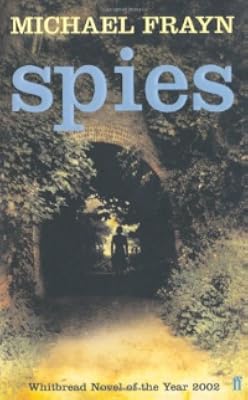
Spies
by Michael Frayn
On This Page
Description
In the quiet cul-de-sac where Keith and Stephen live the only immediate signs of the Second World War are the blackout at night and a single random bombsite. But the two boys start to suspect all is not as it seems when one day Keith announces a disconcerting discovery: the Germans have infiltrated his own family. And when the secret underground world they have dreamed up emerges from the shadows they find themselves engulfed in mysteries far deeper and more painful than they had bargained show more for. Winner of the Whitbread Novel of the Year Award. show lessTags
Recommendations


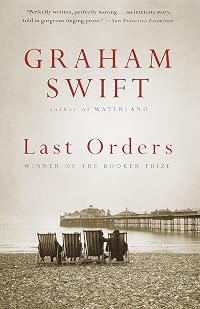
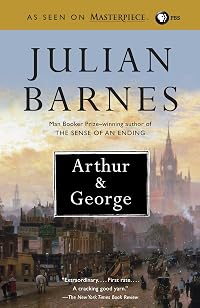
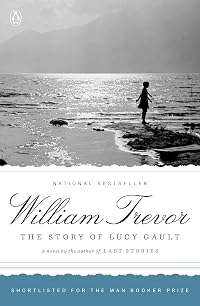
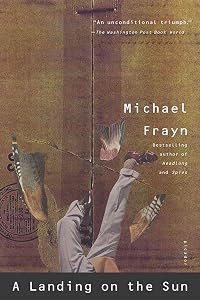





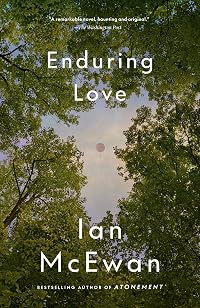
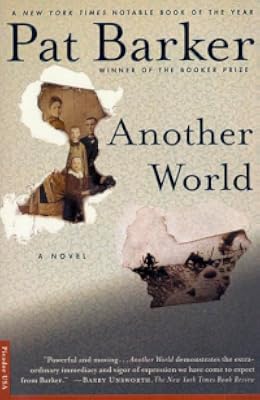
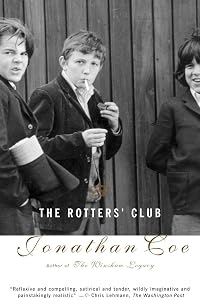
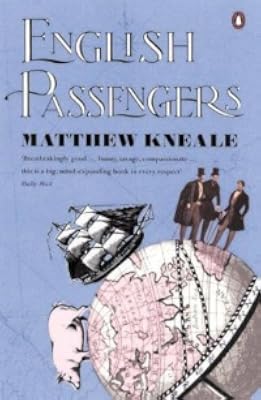














Member Recommendations
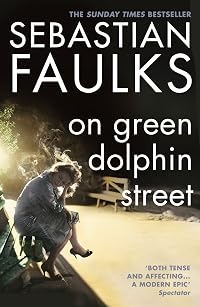
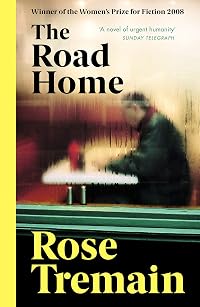
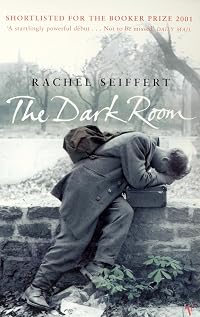
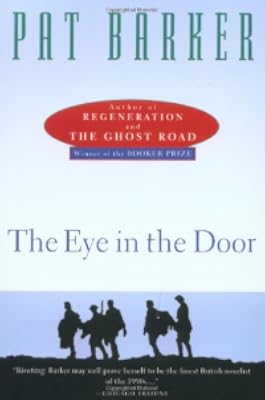
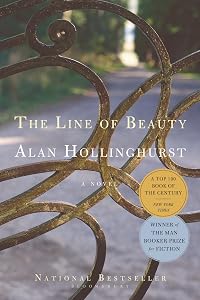
hazzabamboo Lots of strong similarities (coming of age tale, child narrator, thoroughly English, murky adult goings-on, even symbolic plants) but Hartley's is the superior novel.
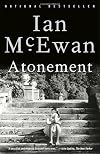

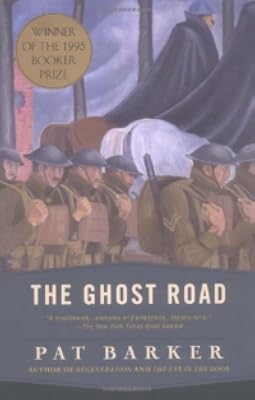
bernsad Similar oldef adult returns to the scene of their childhood neighbourhood and remembers friends and vignettes from their youth. Both have good descriptions of the scenes, smells, triggers and emotions they're reliving.
Member Reviews
Another from the 2002 Booker longlist, this one is a quiet revelation and a masterly piece of storytelling.
The action is narrated by an old man revisiting the scene and remembering his childhood adventures in suburban England during the Second World War. The story is narrated from the childhood Stephen's perspective, with occasional interludes in which the older man reflects on the story, the nature of childhood memories and what he did and didn't know when.
Stephen is a follower, not a leader, a second child prey to bullies at school, who is befriended by Keith, a lonely child from a better school. Keith develops a fantasy that his mother is a German spy, and co-opts Stephen into a scheme to spy on her. The game becomes more serious show more because she does indeed have secrets, and the nature of these secrets and their gradual revelation form the core of the book, along with what Stephen learns about his own family.
Some of the key revelations are held back until very late in the book, others are hinted at earlier, but the whole is very satisfying. A lovely book which deserved better than a mere longlisting. show less
The action is narrated by an old man revisiting the scene and remembering his childhood adventures in suburban England during the Second World War. The story is narrated from the childhood Stephen's perspective, with occasional interludes in which the older man reflects on the story, the nature of childhood memories and what he did and didn't know when.
Stephen is a follower, not a leader, a second child prey to bullies at school, who is befriended by Keith, a lonely child from a better school. Keith develops a fantasy that his mother is a German spy, and co-opts Stephen into a scheme to spy on her. The game becomes more serious show more because she does indeed have secrets, and the nature of these secrets and their gradual revelation form the core of the book, along with what Stephen learns about his own family.
Some of the key revelations are held back until very late in the book, others are hinted at earlier, but the whole is very satisfying. A lovely book which deserved better than a mere longlisting. show less
An elderly man goes back to the English village of his childhood and looks back at events during WWII. He recounts and examines his friendship with Keith, another boy in the village and an only child (and he is basically Keith's only friend). Everything changes when one day Keith announces his mother is a German spy.
This is a story that plays with perspective. It was interesting how the narrator sometimes referred to his childhood self in the 3rd person - distancing himself, examining this stranger's actions, looking back in puzzlement or dismay at who this person was. Other times he tells the story in the 1st person - bringing the reader in to the immediacy and urgency of the events, the importance that the boys gave them at the time, show more but also to keep the reader from fully knowing what is really going on (though we clearly know more than the boys). Frayn creates a tense atmosphere and mounting dread about what the truth behind the boys' suspicions is. He takes a fun child's game of spying on and tailing neighbors and makes it ominous, laden with layers & real dangers that the narrator only understands better in his adulthood. At the same time, he brings you in to his frustrations - those moments as a child when you want to do the right thing (or something other than what you actually do) but find yourself doing something else. Highly recommended. show less
This is a story that plays with perspective. It was interesting how the narrator sometimes referred to his childhood self in the 3rd person - distancing himself, examining this stranger's actions, looking back in puzzlement or dismay at who this person was. Other times he tells the story in the 1st person - bringing the reader in to the immediacy and urgency of the events, the importance that the boys gave them at the time, show more but also to keep the reader from fully knowing what is really going on (though we clearly know more than the boys). Frayn creates a tense atmosphere and mounting dread about what the truth behind the boys' suspicions is. He takes a fun child's game of spying on and tailing neighbors and makes it ominous, laden with layers & real dangers that the narrator only understands better in his adulthood. At the same time, he brings you in to his frustrations - those moments as a child when you want to do the right thing (or something other than what you actually do) but find yourself doing something else. Highly recommended. show less
The novel opens with Stephen Wheatley, as an older man, reflecting on his childhood days during World War II when he and his friend Keith were playing at tracking German spies. Stephen’s naïve enthusiasm for their spy games gradually transforms into fear and confusion when he stumbles upon real secrets in the adult world. The storyline explores how innocence and imagination can lead to dramatic misunderstandings with serious consequences.
It is an unusual coming-of-age novel in that it focuses on psychological factors from a child’s perspective. Stephen narrates the story, so we are privy to his inner thoughts. I think the use of the same person in different stages of life is quite effective. Of course, Stephen as an adult can show more provide the context that younger Stephen misses entirely.
It is both a story of wartime intrigue and an exploration of how memory, perception, and guilt leave lasting effects. Frayn’s use of the setting, an isolated English neighborhood, enhances the suspense and sense of entrapment. The wartime atmosphere with its pervasive paranoia adds to the dramatic tension. Readers know something bad is going to happen and will try to anticipate what it might be. The author does a great job of keeping it under wraps until the end and I suggest going into it without knowing too much ahead of time. This is an impressive and well-crafted novel with something to say about how childhood experiences shape our adult lives. I loved it. show less
It is an unusual coming-of-age novel in that it focuses on psychological factors from a child’s perspective. Stephen narrates the story, so we are privy to his inner thoughts. I think the use of the same person in different stages of life is quite effective. Of course, Stephen as an adult can show more provide the context that younger Stephen misses entirely.
It is both a story of wartime intrigue and an exploration of how memory, perception, and guilt leave lasting effects. Frayn’s use of the setting, an isolated English neighborhood, enhances the suspense and sense of entrapment. The wartime atmosphere with its pervasive paranoia adds to the dramatic tension. Readers know something bad is going to happen and will try to anticipate what it might be. The author does a great job of keeping it under wraps until the end and I suggest going into it without knowing too much ahead of time. This is an impressive and well-crafted novel with something to say about how childhood experiences shape our adult lives. I loved it. show less
Read during Summer 2006
I read this and saw Frayn's play "Copenhagen" at the same time and it was an interesting compare and constrast. Both deal with the transitory nature of memory but Spies also has the overlap of kid and adult worlds. It was told by the adult verision of one of the children and I liked the way he drifted from the present to the past and back again. The two main children, Stephen and Kevin, are always involved in some complicated game that Kevin has made up but when he deceides his mother is a German spy (it is World War II), the game becomes very complicated. The real world and the pretend world intersect in very real ways. I became thoroughly engrossed in it and, even though the mysteries were not totally show more mysterious, it was still completely fascinating. I'm looking forward to read more by him. show less
I read this and saw Frayn's play "Copenhagen" at the same time and it was an interesting compare and constrast. Both deal with the transitory nature of memory but Spies also has the overlap of kid and adult worlds. It was told by the adult verision of one of the children and I liked the way he drifted from the present to the past and back again. The two main children, Stephen and Kevin, are always involved in some complicated game that Kevin has made up but when he deceides his mother is a German spy (it is World War II), the game becomes very complicated. The real world and the pretend world intersect in very real ways. I became thoroughly engrossed in it and, even though the mysteries were not totally show more mysterious, it was still completely fascinating. I'm looking forward to read more by him. show less
A gyermekkor és a felnőttkor közti távolság nem csak időbeli. Nem csak arról szól, hogy régen máshogy festettek az utcák, megvolt még az a fagyalsövény, amit azóta ledózeroltak, nem csak arról szól, hogy akkor még zajlott a második világháború, most meg már nem. A gyermekkor egyszerűen egy másik világ, gyermeknek lenni azt jelenti, hogy máshogy érzékelünk, más szabályok szerint cselekszünk. A felnőttek nyelve idegen nyelv, sőt, mintha más fajhoz tartoznának: nem lehet megérteni őket, ahogy ők se tudnak megérteni minket. Amikor egy felnőtt azt mondja: „Jaj, de szépen játszanak ezek a gyerekek”, akkor a gyerekek alkalmasint nem játszanak, hanem valami véresen komoly világot konstruálnak show more épp, amiben felhasználják azokat a töredékinformációkat, amelyek a felnőttek világából szivárognak le hozzájuk. Például ha a felnőttek német kémektől tartanak, akkor az ő világukban az, aki gyanúsan viselkedik, kém, mégpedig olyan bizonyosan, mint az egyszeregy. Amikor pedig megértik, hogy a gyanús viselkedés mögött talán a véltnél mélyebb drámák rejtőznek, bonyolult, érthetetlen titkok, komplex, veszélyes érzelmek – nos, az egyben a gyermekkor vége is. show less
A strangely detached, yet gripping story of wartime childhood secrets, told by Stephen Wheatley with fifty years hindsight. The framing device of the return trip to his childhood home is usefully deployed to obtain perspective and the ability to analyse what is now the past. And the story itself is beautifully and masterfully told, even if the level of detail recalled seems unrealistic to me.
As John Updike puts in his 2002 New Yorker review:
“Aside from the understated tact and ingenuity of its mystery plot, Frayn's novel excels in its rendering of the power of early impressions, a power that fetishizes and eternalizes such modest phenomena as certain vague smells, certain details of dress coded with signs of class and origin, certain show more sounds betraying the life in other houses, certain coveted elegancies...”
The book is a wonderfully wrought story, although the pace of the plot is somewhat too fast towards the end compared to the leisurely start. show less
As John Updike puts in his 2002 New Yorker review:
“Aside from the understated tact and ingenuity of its mystery plot, Frayn's novel excels in its rendering of the power of early impressions, a power that fetishizes and eternalizes such modest phenomena as certain vague smells, certain details of dress coded with signs of class and origin, certain show more sounds betraying the life in other houses, certain coveted elegancies...”
The book is a wonderfully wrought story, although the pace of the plot is somewhat too fast towards the end compared to the leisurely start. show less
In this 2002 Whitbread winner, an elderly man returns to the street in suburban London where he grew up during World War II. As he wanders the street, he relives one of the seminal events of his childhood.
As a boy, he was somewhat of a loner, but became friends with Keith, the boy across the street, who had similar problems fitting in. One day Keith says six words that will irrevocably change his life: 'My mother is a German spy.' The boys begin to monitor Keith's mother's movements, and indeed they find a lot of strange and inexplicable things going on. Their childish game, however, quickly develops into something much more sinister.
The author brilliantly evokes the sensibility and reasoning of an imaginative ten year old boy. In show more reading the book, we are truly returned to a world of childhood where the world of adults is puzzling and illogical.
Spies is similar to Atonement in that both explore the consequences of a child's misinterpretation of adult actions. The narrator in both books is the child looking back at these actions from the distance and wisdom of old age, trying to reconcile his/her childhood self with the person they have become. It's been a while since I read Atonement, but I think I liked Spies more than Atonement. It succeeds, where Atonement did not, in making a child's world very real to me.
This book was both humorous and tragic and I highly recommend it. show less
As a boy, he was somewhat of a loner, but became friends with Keith, the boy across the street, who had similar problems fitting in. One day Keith says six words that will irrevocably change his life: 'My mother is a German spy.' The boys begin to monitor Keith's mother's movements, and indeed they find a lot of strange and inexplicable things going on. Their childish game, however, quickly develops into something much more sinister.
The author brilliantly evokes the sensibility and reasoning of an imaginative ten year old boy. In show more reading the book, we are truly returned to a world of childhood where the world of adults is puzzling and illogical.
Spies is similar to Atonement in that both explore the consequences of a child's misinterpretation of adult actions. The narrator in both books is the child looking back at these actions from the distance and wisdom of old age, trying to reconcile his/her childhood self with the person they have become. It's been a while since I read Atonement, but I think I liked Spies more than Atonement. It succeeds, where Atonement did not, in making a child's world very real to me.
This book was both humorous and tragic and I highly recommend it. show less
Members
- Recently Added By
Lists

The Guardian's 1000 Novels Everyone Must Read
1,005 works; 548 members

Booker Prize
491 works; 62 members

Books Read in 2023
5,617 works; 145 members

Man Booker Prize Longlist 2002
20 works; 2 members
Author Information

86+ Works 9,677 Members
Michael Frayn is the author of the award-winning "Copenhagen" & twelve other plays, including "Noises Off". The most recent of his nine novels is "Headlong", a New York Times Editor's Choice & Booker Prize finalist. He lives in London. (Bowker Author Biography)
Some Editions
Awards and Honors
Series
Belongs to Publisher Series
Keltainen kirjasto (348)
dtv (13435)
Work Relationships
Has as a student's study guide
Common Knowledge
- Original title
- Spies
- Original publication date
- 2002
- People/Characters
- Keith; Stephen Wheatley
- Important events
- World War II
- First words
- The third week of June, and there it is again: the same almost embarrassingly familiar breath of sweetness that comes every year about this time.
- Last words
- (Click to show. Warning: May contain spoilers.)Even here, after all. Even now.
Classifications
Statistics
- Members
- 1,680
- Popularity
- 13,295
- Reviews
- 43
- Rating
- (3.68)
- Languages
- 11 — English, Esperanto, Estonian, Finnish, French, German, Portuguese, Russian, Slovenian, Spanish, Swedish
- Media
- Paper, Audiobook, Ebook
- ISBNs
- 41
- ASINs
- 11