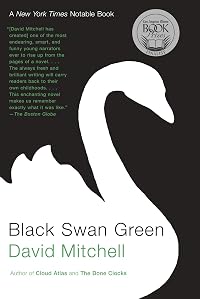
Black Swan Green
by David Mitchell
On This Page
Description
By the New York Times bestselling author of The Bone Clocks and Cloud Atlas | Longlisted for the Man Booker Prize Selected by Time as One of the Ten Best Books of the Year | A New York Times Notable Book | Named One of the Best Books of the Year by The Washington Post Book World, The Christian Science Monitor, Rocky Mountain News, and Kirkus Reviews | A Los Angeles Times Book Prize Finalist | Winner of the ALA Alex Award | Finalist for the Costa Novel Award From award-winning writer David show more Mitchell comes a sinewy, meditative novel of boyhood on the cusp of adulthood and the old on the cusp of the new. Black Swan Green tracks a single year in what is, for thirteen-year-old Jason Taylor, the sleepiest village in muddiest Worcestershire in a dying Cold War England, 1982. But the thirteen chapters, each a short story in its own right, create an exquisitely observed world that is anything but sleepy. A world of Kissingeresque realpolitik enacted in boys' games on a frozen lake; of "nightcreeping" through the summer backyards of strangers; of the tabloid-fueled thrills of the Falklands War and its human toll; of the cruel, luscious Dawn Madden and her power-hungry boyfriend, Ross Wilcox; of a certain Madame Eva van Outryve de Crommelynck, an elderly bohemian emigré who is both more and less than she appears; of Jason's search to replace his dead grandfather's irreplaceable smashed watch before the crime is discovered; of first cigarettes, first kisses, first Duran Duran LPs, and first deaths; of Margaret Thatcher's recession; of Gypsies camping in the woods and the hysteria they inspire; and, even closer to home, of a slow-motion divorce in four seasons. Pointed, funny, profound, left-field, elegiac, and painted with the stuff of life, Black Swan Green is David Mitchell's subtlest and most effective achievement to date. Praise for Black Swan Green "[David Mitchell has created] one of the most endearing, smart, and funny young narrators ever to rise up from the pages of a novel. . . . The always fresh and brilliant writing will carry readers back to their own childhoods. . . . This enchanting novel makes us remember exactly what it was like."--The Boston Globe "[David Mitchell is a] prodigiously daring and imaginative young writer. . . . As in the works of Thomas Pynchon and Herman Melville, one feels the roof of the narrative lifted off and oneself in thrall."--Time show lessTags
Recommendations





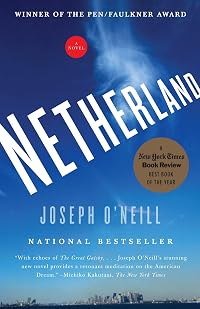
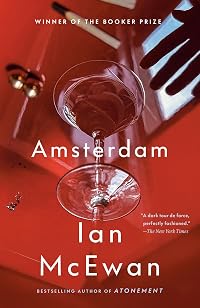

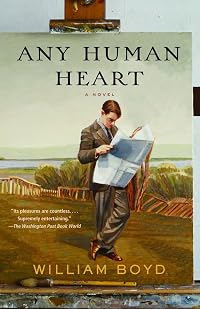
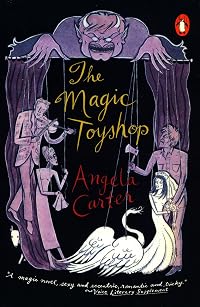
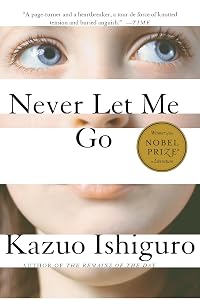


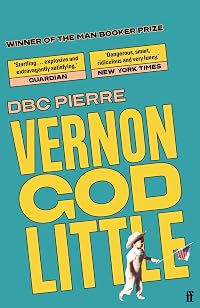
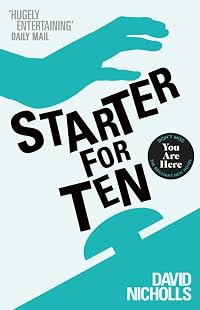
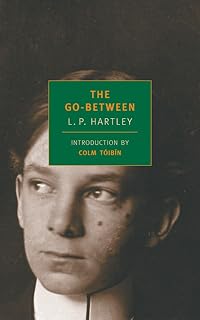



Member Recommendations
sirfurboy Finn's going is written from the viewpoint of a 10 year old, and extremely well done. It is also well written, has hidden depths and deals with issues of grief. An excellent work that deserves more attention.

lyzadanger Some similarity of tone; intense coming-of-age in Ireland, with murder mystery.
11

petterw To veldig forskjellige oppvekstromaner, men som står godt til hverandre.

Slam by Nick Hornby
SimoneA These are both books about a teenage boy growing up with lots of problems, written with a lot of wit.
33


Member Reviews
Jason, the narrator and protagonist of Black Swan Green, is thirteen years old. Perhaps that’s why this is marketed as a YA title. But older readers will enjoy it, too, no matter how long it has been since they were thirteen.
It doesn’t merit a spoiler alert to say the book is about growing pains. Added to the normal burden of being a young teen, Jason stammers (I was glad to learn the distinction between stuttering and stammering). This singles him out for bullying.
Worse, Jason writes poetry, but he hides that. “If you show someone something you’ve written, you give them a sharpened stake, lie down in your coffin and say, ‘When you’re ready.’” I liked how Mitchell has Jason mix the acute observation of a budding poet show more with inarticulate slang (now dated — the book is set in 1982).
Aficionados of David Mitchell’s books know that a central theme is recurrence. In Black Swan Green, he expresses this by bringing in Eva de Crommelynck, who readers first encountered as a headstrong eighteen-year-old in Mitchell’s previous book, Cloud Atlas. I enjoyed her appearance here as an imperious old lady.
My enjoyment grew from then on. The climax is perfectly placed, the denouement poignant, and the last line the best I’ve read in a long time. Docked one star for too many names of movies, television shows, and pop songs show less
It doesn’t merit a spoiler alert to say the book is about growing pains. Added to the normal burden of being a young teen, Jason stammers (I was glad to learn the distinction between stuttering and stammering). This singles him out for bullying.
Worse, Jason writes poetry, but he hides that. “If you show someone something you’ve written, you give them a sharpened stake, lie down in your coffin and say, ‘When you’re ready.’” I liked how Mitchell has Jason mix the acute observation of a budding poet show more with inarticulate slang (now dated — the book is set in 1982).
Aficionados of David Mitchell’s books know that a central theme is recurrence. In Black Swan Green, he expresses this by bringing in Eva de Crommelynck, who readers first encountered as a headstrong eighteen-year-old in Mitchell’s previous book, Cloud Atlas. I enjoyed her appearance here as an imperious old lady.
My enjoyment grew from then on. The climax is perfectly placed, the denouement poignant, and the last line the best I’ve read in a long time. Docked one star for too many names of movies, television shows, and pop songs show less
Our narrator, Jason Taylor is thirteen years old at the beginning of 1982 and tells us about his daily life, his family, his experiences with boys in his neighbourhood of Black Swan Green, a fictional village in Worcestershire, England. Jason is an especially sensitive boy who publishes his poetry in the local parish bulletin, but as he tells us early on, writing poetry is "gay" so he does so under a pseudonym and is careful not to let his secret out. And with good reason; having developed a speech impediment, Jason sees his popularity sink over the course of the following year, becoming the victim of relentless bullying, while weathering through a tense environment at home, where his mother and father are continually at war with one show more another, with intimations that Mr Taylor has taken out a second mortgage on the family home secretly and that there might be another woman in the wings. What made this coming of age story especially appealing is that it true and seemed all too familiar to me. Like David Mitchell, I too was born in 1969 and saw life through a similar perspective as that shown by the author in this semi-autobiographical novel. For Jason, the Falklands War is an exciting event and an opportunity for hero worship; his reverence and trust in Margaret Thatcher is both preposterous and endearing, and is a strong signal that we can't entirely rely on this clearly inexperienced narrator. Many references to pop culture, including the music and pastimes favoured by adolescents were similar to what I experienced, which reinforced a sense of familiarity for me, even though English culture and Canadian culture are were obviously very different in many ways. Mitchell writes very well and there's a strong sense of realism; toward the end of the story, our hero makes large strides towards asserting himself and figuring out what his priorities are, while the rest of his world remains as imperfect and fragile as it is in real life. Definitely recommended. show less
There are books that make you squirm. That bring an old, sick feeling back to your stomach. That make you want to climb back under the covers and and not come out until the book has gone away. Pretty much anything that covers going to school in the eighties and bullying and awkwardness and general cluelesness will do it for me.
Back Swan Green covers a year in the life of a boy in 1982. There is family discord. There's a big sister. There's bullies and mad mates and music and books and holidays and fairs and burgeoning literary ambition. It's a year of terror and transformation. magic and disillusionment, loss and enrichment, growth and change, loneliness and embarrassment, poetry and first kisses. It's brilliant, and if it had bee an show more iota less brilliant I wouldn't have been able to read it. Thanks for all the trauma, David Mitchell. It was epic. show less
Back Swan Green covers a year in the life of a boy in 1982. There is family discord. There's a big sister. There's bullies and mad mates and music and books and holidays and fairs and burgeoning literary ambition. It's a year of terror and transformation. magic and disillusionment, loss and enrichment, growth and change, loneliness and embarrassment, poetry and first kisses. It's brilliant, and if it had bee an show more iota less brilliant I wouldn't have been able to read it. Thanks for all the trauma, David Mitchell. It was epic. show less
Black Swan Green follows a thirteen year old boy around. He is a likeable young chap who is mega shy, has problems speaking and wants to write things down. There are other kids who are bothersome to him/make his soul hurt. His parents are trying hard to not let on that their marriage is in trouble. So far, so you or I or anyone and everyone.
Mitchell takes nostalgia and gleefully messes with the presumptions of this the reader may have. Each chapter is its own separate snapshot of Jason's existence at age thirteen in the early eighties. Being an eighties kid this is nothing but pure joy for me, though I usually recoil from nostalgia as too much of a refuge. Here Mitchell uses as much period detail as is possible; every chapter is rammed show more with it, and very pointedly so. To me this was about memory and the way we recall our lives, especially as crucial times slip further from us into a mist that turns into a fog. These trigger points of common reference whilst setting a very clear sense of time and place also highlight through their commonality the alienating nature of things familiar to everyone. After all, there is no better measure of a failing friendship than if all you talk about are things you once did together or tv shows you saw as a kid ("Do you remember 'Mysterious Cities of Gold', or 'Ulysses' or Mr Noseybonk" etc).
As a child from a broken home I have had some of the conversations Jason has in this book. They are understated and awful and full of people trying to do their best and failing but absolutely full of the painful shifting truths that seem catastrophic at the time but ultimately embolden us as we reach over and around our fears and challenges. Mitchell shows this so simply and skilfully I almost want to hug him. It is also a brave book in that the central crux is Jason and his struggle to find a way to deal with life, not what actually happens to him. Life will always have its way of sideswiping you, and Mitchell demonstrates this by phasing into and out of the different incidences in Jason's life, all the while maintaining a focus on the arc of Jason's inner world.
I have to say this did remind me of one excruciating school disco trying to do a dance routine to Taylor Dayne's Tell It to My Heart with badly crimped hair and being pointed at constantly by Laura Wooldridge. Still brings me out in a cold sweat.
Pretty wonderful. show less
Mitchell takes nostalgia and gleefully messes with the presumptions of this the reader may have. Each chapter is its own separate snapshot of Jason's existence at age thirteen in the early eighties. Being an eighties kid this is nothing but pure joy for me, though I usually recoil from nostalgia as too much of a refuge. Here Mitchell uses as much period detail as is possible; every chapter is rammed show more with it, and very pointedly so. To me this was about memory and the way we recall our lives, especially as crucial times slip further from us into a mist that turns into a fog. These trigger points of common reference whilst setting a very clear sense of time and place also highlight through their commonality the alienating nature of things familiar to everyone. After all, there is no better measure of a failing friendship than if all you talk about are things you once did together or tv shows you saw as a kid ("Do you remember 'Mysterious Cities of Gold', or 'Ulysses' or Mr Noseybonk" etc).
As a child from a broken home I have had some of the conversations Jason has in this book. They are understated and awful and full of people trying to do their best and failing but absolutely full of the painful shifting truths that seem catastrophic at the time but ultimately embolden us as we reach over and around our fears and challenges. Mitchell shows this so simply and skilfully I almost want to hug him. It is also a brave book in that the central crux is Jason and his struggle to find a way to deal with life, not what actually happens to him. Life will always have its way of sideswiping you, and Mitchell demonstrates this by phasing into and out of the different incidences in Jason's life, all the while maintaining a focus on the arc of Jason's inner world.
I have to say this did remind me of one excruciating school disco trying to do a dance routine to Taylor Dayne's Tell It to My Heart with badly crimped hair and being pointed at constantly by Laura Wooldridge. Still brings me out in a cold sweat.
Pretty wonderful. show less
Living in New Zealand, I've found it hard to explain to friends, who are lovers of David Mitchell, why this is such a good book. For me it represents my childhood in the '80s and all the delicious details of those times are brought back for me with relish. Of course I also love Mitchell's obligatory self-referential excerpts and Black Swan Green's connection to one of one of the most haunting tales from Cloud Atlas.
I loved this book. It demonstrated for me that Mitchell can do more than multi-narrative inter-woven post-post-modernism and most importantly can delve deep within characters and show their inner workings, whilst still retaining their humanity.
Although it may not be as self-consciously intellectual as some of his other show more works, I really enjoyed the accessibilty of this story and was ultimately saddened by its finale. show less
I loved this book. It demonstrated for me that Mitchell can do more than multi-narrative inter-woven post-post-modernism and most importantly can delve deep within characters and show their inner workings, whilst still retaining their humanity.
Although it may not be as self-consciously intellectual as some of his other show more works, I really enjoyed the accessibilty of this story and was ultimately saddened by its finale. show less
Filled with 1980’s nostalgia, Black Swan Green transports the reader to a small town in Worcestershire, England, where thirteen-year-old narrator and protagonist Jason Taylor is dealing with the familiar challenges of adolescence. We follow his life in this small town as he seeks acceptance, observes the growing disharmony in his parents’ marriage, clashes with schoolyard bullies, battles a stammer that makes him agonizingly self-conscious, secretly writes poetry, and begins to mature into a more self-aware individual.
This book paints a portrait of an innocent youth starting to deal with the often-painful realities of life and learning that appearances can be deceptive. It is a character-driven story told linearly in thirteen show more chapters. I thought Mitchell did an excellent job of capturing the voice of a teenage boy, and the writing is reflective of how an adolescent would talk. A large portion of the book is spent inside Jason’s head listening to his inner dialogue around such topics as his discomfort around his parents’ marital troubles, dealing with the ridicule of his schoolmates, his push/pull relationship with his sister, his attempts to overcome speech difficulties, reactions to the Falklands War, and guilt over specific actions. I felt his pain and became invested finding out what was going to happen with him.
It takes a while to ramp up and builds momentum towards the end. I thought certain chapters were brilliant. I especially enjoyed the chapter entitled “Solarium” that features a flamboyantly eccentric character, Madame Crommelynck, an elderly Belgian woman who engages him in conversations about art, music, poetry, literature, and language. It contains elegant observations about youth and age, life and death, beauty and truth.
This book is filled with meaningful examinations on the vulnerabilities in human relationships and the difficulties in being true to oneself while feeling pressured to fit in. Although the story is narrated by a teen, I felt I got more out of it reading it as an adult than I would have when I was much younger. Recommended to those that enjoy subtle, contemplative, character-driven stories, especially those related to coming-of-age. show less
This book paints a portrait of an innocent youth starting to deal with the often-painful realities of life and learning that appearances can be deceptive. It is a character-driven story told linearly in thirteen show more chapters. I thought Mitchell did an excellent job of capturing the voice of a teenage boy, and the writing is reflective of how an adolescent would talk. A large portion of the book is spent inside Jason’s head listening to his inner dialogue around such topics as his discomfort around his parents’ marital troubles, dealing with the ridicule of his schoolmates, his push/pull relationship with his sister, his attempts to overcome speech difficulties, reactions to the Falklands War, and guilt over specific actions. I felt his pain and became invested finding out what was going to happen with him.
It takes a while to ramp up and builds momentum towards the end. I thought certain chapters were brilliant. I especially enjoyed the chapter entitled “Solarium” that features a flamboyantly eccentric character, Madame Crommelynck, an elderly Belgian woman who engages him in conversations about art, music, poetry, literature, and language. It contains elegant observations about youth and age, life and death, beauty and truth.
This book is filled with meaningful examinations on the vulnerabilities in human relationships and the difficulties in being true to oneself while feeling pressured to fit in. Although the story is narrated by a teen, I felt I got more out of it reading it as an adult than I would have when I was much younger. Recommended to those that enjoy subtle, contemplative, character-driven stories, especially those related to coming-of-age. show less
Jace’s ace!
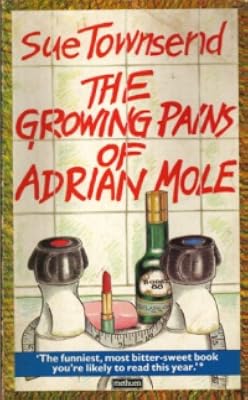
Jason Taylor is Will McKenzie, Adrian Mole and Benjamin Trotter with spokey dokeys on. I just loved everything about Black Swan Green – the characters, the content, the style, the setting, the local dialect, the humour and the nostalgia.
The characters spring to life in a single sentence.
“Alex is seventeen but he’s got bubonic zits and his body’s three sizes too large for him”.
“The man’s lips were gnarled and his sooty hair had a streak of white like combed-in bird crap”.
The cultural references to the early Eighties are spot on and I was instantly transported back to 1982 relishing Findus Crispy Pancakes and Butterscotch Angel Delight for tea and finding a furry stick of Wrigley’s juicy fruit chewing gum show more in my duffle coat pocket.
Adolescent angst - the horrors of school discos, wanting to be one of cool kids but knowing you’ll always be middle-ranking at best, trying to stay well below the radar and finding your parents cringingly embarrassing - was made all too real.
The reported speech had the local Worcestershire accent down to a T and the lyrical language reflecting Jason’s poetic bent was simply heavenly.
“The big field was full of wary ewes and spanking-new lambs. The lambs tiggered up close, bleeping like those crap Fiat Noddy cars, idiotically pleased to see me.”
I read most of this book with a smile on my face and laughed out loud in places.
But it’s not all ha-ha-ha. There’s serious stuff in here too. Coping with and trying to overcome a speech defect, being bullied, marriage break-ups, dementia, dysfunctional families, the personal consequences of the Falklands War and life-changing motorbike accidents. A little bit of everything.
This was my first David Mitchell novel and I hit pay dirt.
I can’t recommend Black Swan Green highly enough. show less
Jason Taylor is Will McKenzie, Adrian Mole and Benjamin Trotter with spokey dokeys on. I just loved everything about Black Swan Green – the characters, the content, the style, the setting, the local dialect, the humour and the nostalgia.
The characters spring to life in a single sentence.
“Alex is seventeen but he’s got bubonic zits and his body’s three sizes too large for him”.
“The man’s lips were gnarled and his sooty hair had a streak of white like combed-in bird crap”.
The cultural references to the early Eighties are spot on and I was instantly transported back to 1982 relishing Findus Crispy Pancakes and Butterscotch Angel Delight for tea and finding a furry stick of Wrigley’s juicy fruit chewing gum show more in my duffle coat pocket.
Adolescent angst - the horrors of school discos, wanting to be one of cool kids but knowing you’ll always be middle-ranking at best, trying to stay well below the radar and finding your parents cringingly embarrassing - was made all too real.
The reported speech had the local Worcestershire accent down to a T and the lyrical language reflecting Jason’s poetic bent was simply heavenly.
“The big field was full of wary ewes and spanking-new lambs. The lambs tiggered up close, bleeping like those crap Fiat Noddy cars, idiotically pleased to see me.”
I read most of this book with a smile on my face and laughed out loud in places.
But it’s not all ha-ha-ha. There’s serious stuff in here too. Coping with and trying to overcome a speech defect, being bullied, marriage break-ups, dementia, dysfunctional families, the personal consequences of the Falklands War and life-changing motorbike accidents. A little bit of everything.
This was my first David Mitchell novel and I hit pay dirt.
I can’t recommend Black Swan Green highly enough. show less
Members
- Recently Added By
Published Reviews
ThingScore 88
Fleshing out such elementary wisdom is what coming-of-age novels are about. No doubt, that label will make some grimace and others wax nostalgic, but this novel is OK with caressing its traditional parameters. It settles for the sparks of verisimilitude instead of the fireworks of reinvention, while transmitting the uncomfortably comfortable sensation of smacking into the participants in show more one’s young life. show less
added by paradoxosalpha
The episodic narrative thus proceeds through numerous embarrassments and enlightenments, within the confusing contexts of the Falklands War (Great National Crusade, or chauvinist folly?), Black Swan Green’s communal plans to regulate the lives of its new gypsy population and Jason’s painful adjustment to his own emergent life and the fact that the stable family relationship that has always show more sheltered as well as smothered him is a thing equally capable of growth, change and confusion.
Great Britain’s Catcher in the Rye—and another triumph for one of the present age’s most interesting and accomplished novelists. show less
Great Britain’s Catcher in the Rye—and another triumph for one of the present age’s most interesting and accomplished novelists. show less
added by Richardrobert
Mitchell is so good at inhabiting other voices that halfway through his ambitious "Cloud Atlas" (2004) — the characters include a 19th-century traveler in the Chatham Islands and a genetically engineered slave in a futuristic Korean dystopia — I began to suspect that Mitchell himself might actually be a noncorpum, a spirit who has commandeered the body of a young Englishman to type out its show more books.
Anxious, perhaps, about being mistaken for a supernatural being, Mitchell set himself a different sort of challenge in his brilliant new novel, "Black Swan Green." The book, set almost exclusively in a village of that name in quiet, provincial Worcestershire, follows 13-year-old Jason Taylor through 13 months, each folded into a storylike chapter.
. . . In Jason, Mitchell creates an evocative yet authentically adolescent voice, an achievement even more impressive than the ventriloquism of his earlier books. show less
Anxious, perhaps, about being mistaken for a supernatural being, Mitchell set himself a different sort of challenge in his brilliant new novel, "Black Swan Green." The book, set almost exclusively in a village of that name in quiet, provincial Worcestershire, follows 13-year-old Jason Taylor through 13 months, each folded into a storylike chapter.
. . . In Jason, Mitchell creates an evocative yet authentically adolescent voice, an achievement even more impressive than the ventriloquism of his earlier books. show less
added by jlelliott
Lists

Recommend the 20 best books you've read in the last five years
2,168 works; 601 members

Booker Prize
491 works; 62 members

Top Five Books of 2014
1,064 works; 397 members

Adult Books for YA Readers
194 works; 6 members

A Novel Cure
742 works; 23 members

Man Booker Prize Longlist 2006
19 works; 2 members

Animals in the Title
498 works; 11 members

Books Read in 2017
4,249 works; 129 members
Books Set in Small Towns and Villages
278 works; 16 members

Tonikat reading completed on Librarything journals
329 works; 2 members

A Rainbow of Books: Colors in the Title
570 works; 24 members
World Books
51 works; 4 members

Books We Love to Reread
688 works; 296 members
Author Information

18+ Works 50,314 Members
Some Editions
Awards and Honors
Awards
Distinctions
Work Relationships
Common Knowledge
- Canonical title
- Black Swan Green
- Original title
- Black Swan Green
- Original publication date
- 2006
- People/Characters
- Jason Taylor; Eva van Crommelynck; Dean Moran; Neal Brose; Hugo Lamb; Holly Deblin (show all 15); Ross Wilcox; Julia Taylor; Craig Salt; Gary Drake; Michael Taylor; Helena Taylor; Alan Wall; Ant Little; Darren Croome
- Important places
- Black Swan Green, Worcestershire, England, UK; Cheltenham, Gloucestershire, England, UK; Dorset, England, UK; Gloucestershire, England, UK; Lyme Regis, Dorset, England, UK; Worcestershire, England, UK
- Important events
- Falklands War (1982-04-02 | 1982-06-14)
- First words
- Do not set foot in my office.
- Quotations
- "The world never stops unmaking what the world never stops making. But who says the world has to make sense?"
- Last words
- (Click to show. Warning: May contain spoilers.)"That's because it's not the end."
- Blurbers
- Thorne, Matt; Boyd, William; Byatt, A. S.; Macfarlane, Robert; Ingham, Peter; Urquhart, James
- Original language*
- Engels
*Some information comes from Common Knowledge in other languages. Click "Edit" for more information.
Classifications
Statistics
- Members
- 5,576
- Popularity
- 2,382
- Reviews
- 225
- Rating
- (3.98)
- Languages
- 14 — Czech, Danish, Dutch, English, Finnish, French, German, Greek, Italian, Lithuanian, Polish, Portuguese, Romanian, Spanish
- Media
- Paper, Audiobook, Ebook
- ISBNs
- 52
- UPCs
- 1
- ASINs
- 18