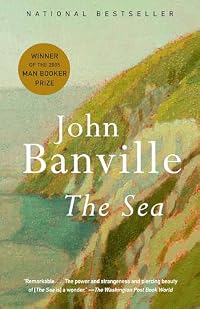
The Sea
by John Banville
On This Page
Description
The author of The Untouchable ("contemporary fiction gets no better than this"--Patrick McGrath, The New York Times Book Review) now gives us a luminous novel about love, loss, and the unpredictable power of memory.The narrator is Max Morden, a middle-aged Irishman who, soon after his wife's death, has gone back to the seaside town where he spent his summer holidays as a child--a retreat from the grief, anger, and numbness of his life without her. But it is also a return to the place where show more he met the Graces, the well-heeled vacationing family with whom he experienced the strange suddenness of both love and death for the first time. The seductive mother; the imperious father; the twins--Chloe, fiery and forthright, and Myles, silent and expressionless--in whose mysterious connection Max became profoundly entangled, each of them a part of the "barely bearable raw immediacy" of his childhood memories. Interwoven with this story are Morden's memories of his wife, Anna--of their life together, of her death--and the moments, both significant and mundane, that make up his life now: his relationship with his grown daughter, Claire, desperate to pull him from his grief; and with the other boarders at the house where he is staying, where the past beats inside him "like a second heart."What Max comes to understand about the past, and about its indelible effects on him, is at the center of this elegiac, vividly dramatic, beautifully written novel--among the finest we have had from this extraordinary writer. show lessTags
Recommendations
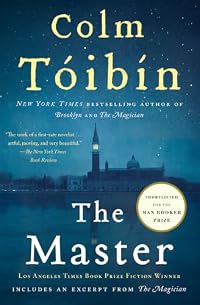
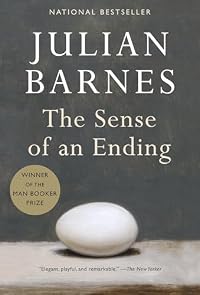
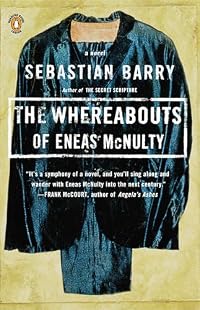










Member Recommendations

Member Reviews
“Although it was autumn and not summer the dark-gold sunlight and the inky shadows, long and slender in the shape of felled cypresses, were the same, and there was the same sense of everything drenched and jewelled and the same ultramarine glitter on the sea. I felt inexplicably lightened; it was as if the evening, in all the drench and drip of its fallacious pathos, had temporarily taken over from me the burden of grieving.” – John Banville, The Sea
Max Morden, narrator of The Sea, is an aging, recently bereaved art historian. He has returned to a small Irish seaside town where his family took their holidays in his youth. Max’s recent loss triggers nostalgia, and his thoughts freely float between current and past events. The show more plot revolves around the narrator’s recent and past traumatic experiences, which are gradually revealed. Themes include memory, grief, regret, and love.
John Banville writes atmospheric evocative prose and is a wonderful wordsmith. Fittingly for a book featuring the sea, the pace contains a rhythmic component, ebbing and flowing. It is a memorable, but melancholy, meditation on the loss of innocence and the transience of life. Spurred by his traumas, the narrator engages in many self-reflections, such as:
“Life, authentic life, is supposed to be all struggle, unflagging action and affirmation, the will butting its blunt head against the world's wall, suchlike, but when I look back I see that the greater part of my energies was always given over to the simple search for shelter, for comfort, for, yes, I admit it, for cosiness. This is a surprising, not to say shocking, realisation. Before, I saw myself as something of a buccaneer, facing all-comers with a cutlass in my teeth, but now I am compelled to acknowledge that this was a delusion. To be concealed, protected, guarded, that is all I have ever truly ever wanted, to burrow down into a place of womby warmth and cower there, hidden from the sky's indifferent gaze and the air's harsh damagings. That is why the past is just such a retreat for me, I go there eagerly, rubbing my hands and shaking off the cold present and the colder future. And yet, what existence, really, does it have, the past? After all, it is only what the present was, once, the present that is gone, no more than that. And yet.”
This book is my first by Banville but won’t be my last. It won the Man Booker Prize for Fiction in 2005. show less
Max Morden, narrator of The Sea, is an aging, recently bereaved art historian. He has returned to a small Irish seaside town where his family took their holidays in his youth. Max’s recent loss triggers nostalgia, and his thoughts freely float between current and past events. The show more plot revolves around the narrator’s recent and past traumatic experiences, which are gradually revealed. Themes include memory, grief, regret, and love.
John Banville writes atmospheric evocative prose and is a wonderful wordsmith. Fittingly for a book featuring the sea, the pace contains a rhythmic component, ebbing and flowing. It is a memorable, but melancholy, meditation on the loss of innocence and the transience of life. Spurred by his traumas, the narrator engages in many self-reflections, such as:
“Life, authentic life, is supposed to be all struggle, unflagging action and affirmation, the will butting its blunt head against the world's wall, suchlike, but when I look back I see that the greater part of my energies was always given over to the simple search for shelter, for comfort, for, yes, I admit it, for cosiness. This is a surprising, not to say shocking, realisation. Before, I saw myself as something of a buccaneer, facing all-comers with a cutlass in my teeth, but now I am compelled to acknowledge that this was a delusion. To be concealed, protected, guarded, that is all I have ever truly ever wanted, to burrow down into a place of womby warmth and cower there, hidden from the sky's indifferent gaze and the air's harsh damagings. That is why the past is just such a retreat for me, I go there eagerly, rubbing my hands and shaking off the cold present and the colder future. And yet, what existence, really, does it have, the past? After all, it is only what the present was, once, the present that is gone, no more than that. And yet.”
This book is my first by Banville but won’t be my last. It won the Man Booker Prize for Fiction in 2005. show less
More than once, our narrator, Max Morden, describes himself as a “revenant,” one who returns to a place after a long absence, or more popularly, someone who returns from the dead to finish something left undone.
The narrative itself is a kind of cyclical returning as Morden revisits and intertwines memories of his wife’s (Anna) recent death from cancer as well as summers from his childhood getting to know the Grace family, whom he vacationed near. In the present day, Morden has returned to The Cedars, the estate where he came to know the Graces, particularly the children, Chloe and Myles. Morden has returned to this place in search of something left behind.
What drives the novel is Morden’s search, which has no clear aim from the start. Instead, he appears drawn to The Cedars, as I imagine a revenant might be, compelled by some unknown impulse to return for some unknown purpose. Unlike Anna, who left behind “her dossier” of photographs and a loving daughter, both of which attest to her living presence, even in death, Morden acts as if he fears he is leaving no similar trace. His estrangement from his daughter and his unfinished book on Pierre Bonnard supply no distinct and lasting sense of self. Through these inkling reflections it becomes clear that Morden is at The Cedars searching for himself, for some metaphysical understanding of who he is or what is left of him after all he has lost.
Morden seems to identify the erosion of self as something that started with the Graces:
As he recovers partial memories he finds that the pieces do not fit together. He misremembers who said something or where something was or what time of day it was. He recalls details about Chloe Grace but concedes: “All this I remember, intensely remember, yet it is all disparate, I cannot assemble it into a unity” (104). The memory offers no totality, no clear and distinct images, no certainty, suggesting that one can never come to knowledge of a thing by recollection —some aspect of it is lost, dead, as unrecoverable as a body lost at sea.
The sea, which draws Morden looms large with significance lent by being the title of book, but also sensorily, by its immensity and apparent stasis. This stasis, however, is an illusion. Upon closer inspection and reflection, the sea is revealed to be a roil of change, the surface a swirl of indistinct and shifting color, the odors cloying and fading with the wind, the waves rhythmically lapping at the shore but never the same waves, as Heraclitus observed of the dynamic unity of the universe represented in the flow of a river one never steps foot in twice.
This is a beautifully written, sad, and elegiac novel, but it is galling that Morden feels the most acute loss for his loss of self. The passages about other losses (no spoilers) are delivered with such stony passivity. There is a kind of self-centeredness and disengagement that keeps me at a distance from Morden. As he says of The Cedars: “[b]eing here is just a way of not being anywhere” (143). Maddeningly, Morden finds little of himself in his relationship to his now-estranged daughter, who accompanies him.
Throughout this review, I have frequently mistyped Morden and Modern, and it makes me wonder if this subtle transposition is something Banville intended, a hint that Morden’s metaphysical malaise is something belonging to a time rather than a person. show less
The narrative itself is a kind of cyclical returning as Morden revisits and intertwines memories of his wife’s (Anna) recent death from cancer as well as summers from his childhood getting to know the Grace family, whom he vacationed near. In the present day, Morden has returned to The Cedars, the estate where he came to know the Graces, particularly the children, Chloe and Myles. Morden has returned to this place in search of something left behind.
“True, there will be something of us that will remain, a fadingshow more
photograph, a lock of hair, a few fingerprints, a sprinkling of atoms in the air of the room where we breathed our last, yet none of this will be us, what we are and were, but only the dust of the dead” (87)
What drives the novel is Morden’s search, which has no clear aim from the start. Instead, he appears drawn to The Cedars, as I imagine a revenant might be, compelled by some unknown impulse to return for some unknown purpose. Unlike Anna, who left behind “her dossier” of photographs and a loving daughter, both of which attest to her living presence, even in death, Morden acts as if he fears he is leaving no similar trace. His estrangement from his daughter and his unfinished book on Pierre Bonnard supply no distinct and lasting sense of self. Through these inkling reflections it becomes clear that Morden is at The Cedars searching for himself, for some metaphysical understanding of who he is or what is left of him after all he has lost.
Morden seems to identify the erosion of self as something that started with the Graces:
“In Chloe the world was first manifest for me as an objective entity” … “In severing me from the world and making me realise myself in being thus severed, she expelled me from that sense of the immanence of all things, the all things that had included me, in which up to then I had dwelt, in more or less blissful ignorance” (125).
As he recovers partial memories he finds that the pieces do not fit together. He misremembers who said something or where something was or what time of day it was. He recalls details about Chloe Grace but concedes: “All this I remember, intensely remember, yet it is all disparate, I cannot assemble it into a unity” (104). The memory offers no totality, no clear and distinct images, no certainty, suggesting that one can never come to knowledge of a thing by recollection —some aspect of it is lost, dead, as unrecoverable as a body lost at sea.
The sea, which draws Morden looms large with significance lent by being the title of book, but also sensorily, by its immensity and apparent stasis. This stasis, however, is an illusion. Upon closer inspection and reflection, the sea is revealed to be a roil of change, the surface a swirl of indistinct and shifting color, the odors cloying and fading with the wind, the waves rhythmically lapping at the shore but never the same waves, as Heraclitus observed of the dynamic unity of the universe represented in the flow of a river one never steps foot in twice.
This is a beautifully written, sad, and elegiac novel, but it is galling that Morden feels the most acute loss for his loss of self. The passages about other losses (no spoilers) are delivered with such stony passivity. There is a kind of self-centeredness and disengagement that keeps me at a distance from Morden. As he says of The Cedars: “[b]eing here is just a way of not being anywhere” (143). Maddeningly, Morden finds little of himself in his relationship to his now-estranged daughter, who accompanies him.
Throughout this review, I have frequently mistyped Morden and Modern, and it makes me wonder if this subtle transposition is something Banville intended, a hint that Morden’s metaphysical malaise is something belonging to a time rather than a person. show less
2005 bekam John Banville für dieses Buch den Man Booker Prize verliehen - völlig zu recht wie ich finde. Auch im Deutschen (dank der herausragenden Übersetzerin Christa Schuenke) fühlte ich mich beim Lesen, als ob ich an der Seite des Protagonisten wäre. Ich roch und schmeckte das Meer, den Herbst, den Sommer. Es gibt sicherlich nur wenige Bücher, in denen ich so unmittelbar am Erleben der Figuren teilgenommen habe wie hier.
Die Geschichte an sich ist eher unauffällig: Ein Mann, Max Morden, ein Kunsthistoriker in den Sechzigerin, verliert seine Frau durch eine Krankheit und fährt in seiner Trauer an einen Ort seiner Kindheit; dort, wo er die Ferien verbrachte. Hier erinnert er sich an längst und jüngst Vergangenes, an die show more Urlaube als Kind, die letzten Monate während der Krankheit seiner Frau, ihre erste gemeinsame Zeit. Alles fließt ineinander über und doch sind die verschiedenen Lebensabschnitte leicht voneinander zu unterscheiden. Fast wirkt es wie im Film, wenn durch geschickte Überblendungen der Wechsel in eine andere Zeitebene erfolgt - John Banville beherrscht diese Kunst grandios. Max' Erinnerungen, wiederholt ausgelöst durch Vergleiche mit der bildenden Kunst, nimmt er auch zum Anlass, sich Selbstreflektionen hinzugeben, die teilweise zu philosophischen Betrachtungen werden. Wann entsteht Bewusstsein? Das Bewusstsein seiner Selbst? Was ist Arbeit? Banville besitzt unter anderem nicht nur ein bewunderswertes Wissen über Kunst, sondern beispielsweise auch über Neurophilosophie, an dem er die Lesenden teilhaben lässt.
Doch über Allem steht dieser wunderbare Schreibstil, der exemplarisch zeigt, zu was Sprache fähig ist. "Sommerlicht, dick wie Honig ...", "Draußen gab es noch mehr Palmen, zerzauste, gakelige Dinger, deren graue Borke dick und zäh wie Elefantenhaut aussah." Banville ist ein unglaublich aufmerksamer Beobachter mit einem Blick für kleinste Details, die er in solch bildhafte Worte fasst, dass man wirklich Alles vor sich sieht.
Bemerkenswert empfand ich auch die Darstellung des Protagonisten. Max, der einen von Beginn an durch seine schon fast poetische Sprache praktisch völlig für sich einnimmt, sich jedoch entlarvt durch kleine Nebensätze als ein nicht gerade sympathisches Exemplar seiner Gattung. Amüsant empfand ich seine Abneigung gegenüber Männern, an denen er exakt das missbilligte, was er darstellte: das Vortäuschen einer Figur, die er nicht ist, was mir jedoch erst gegen Ende bewusst wurde.
Ein Buch, in dem so viel mehr steckt als nur die Geschichte eines trauernden Mannes. Ganz große Kunst! show less
Die Geschichte an sich ist eher unauffällig: Ein Mann, Max Morden, ein Kunsthistoriker in den Sechzigerin, verliert seine Frau durch eine Krankheit und fährt in seiner Trauer an einen Ort seiner Kindheit; dort, wo er die Ferien verbrachte. Hier erinnert er sich an längst und jüngst Vergangenes, an die show more Urlaube als Kind, die letzten Monate während der Krankheit seiner Frau, ihre erste gemeinsame Zeit. Alles fließt ineinander über und doch sind die verschiedenen Lebensabschnitte leicht voneinander zu unterscheiden. Fast wirkt es wie im Film, wenn durch geschickte Überblendungen der Wechsel in eine andere Zeitebene erfolgt - John Banville beherrscht diese Kunst grandios. Max' Erinnerungen, wiederholt ausgelöst durch Vergleiche mit der bildenden Kunst, nimmt er auch zum Anlass, sich Selbstreflektionen hinzugeben, die teilweise zu philosophischen Betrachtungen werden. Wann entsteht Bewusstsein? Das Bewusstsein seiner Selbst? Was ist Arbeit? Banville besitzt unter anderem nicht nur ein bewunderswertes Wissen über Kunst, sondern beispielsweise auch über Neurophilosophie, an dem er die Lesenden teilhaben lässt.
Doch über Allem steht dieser wunderbare Schreibstil, der exemplarisch zeigt, zu was Sprache fähig ist. "Sommerlicht, dick wie Honig ...", "Draußen gab es noch mehr Palmen, zerzauste, gakelige Dinger, deren graue Borke dick und zäh wie Elefantenhaut aussah." Banville ist ein unglaublich aufmerksamer Beobachter mit einem Blick für kleinste Details, die er in solch bildhafte Worte fasst, dass man wirklich Alles vor sich sieht.
Bemerkenswert empfand ich auch die Darstellung des Protagonisten. Max, der einen von Beginn an durch seine schon fast poetische Sprache praktisch völlig für sich einnimmt, sich jedoch entlarvt durch kleine Nebensätze als ein nicht gerade sympathisches Exemplar seiner Gattung. Amüsant empfand ich seine Abneigung gegenüber Männern, an denen er exakt das missbilligte, was er darstellte: das Vortäuschen einer Figur, die er nicht ist, was mir jedoch erst gegen Ende bewusst wurde.
Ein Buch, in dem so viel mehr steckt als nur die Geschichte eines trauernden Mannes. Ganz große Kunst! show less
A recently-widowed art historian goes to stay in the seaside village that was the scene of his first great romance, during a childhood summer holiday. The plot, with its Bridesheadish theme of a boy of modest origins being taken up into the life of a rather grander family that then proceeds to fall apart around him, turns out not to be that important, except as a framework for the narrator's philosophical reflections on childhood and adulthood, love and loneliness, and life and bereavement. There's just enough witty observation of the social complexities of a dingy Irish holiday resort to keep the tone from getting too maudlin, and there's an occasional descriptive epiphany that's entirely worthy of the Bonnard paintings the narrator is show more meant to be writing about. A book that skates on pretty thin ice, in all sorts of ways, but manages to get away with it, somehow. Because Banville is obviously very good at this sort of thing. show less
Rating: 3.5* of five
The Book Description: When Max Morden returns to the coastal town where he spent a holiday in his youth he is both escaping from a recent loss and confronting a distant trauma.
The Grace family appear that long ago summer as if from another world. Drawn to the Grace twins, Chloe and Myles, Max soon finds himself entangled in their lives, which are as seductive as they are unsettling. What ensues will haunt him for the rest of his years and shape everything that is to follow.
John Banville is one of the most sublime writers working in the English language. Utterly compelling, profoundly moving and illuminating, The Sea is quite possibly the best thing he has ever written.
My Review: The experience of reading Banville show more is akin to the experience of going to a whole museum dedicated to Renoir or Monet: At first, the awestruck lip-smacking chin-drooling moaning of readerly joy:
This gorgeous, sumptuous repast, this unsettling, foreboding atmosphere, this unbearably tense muscle in the brain MUST be leading to some cathartic, catastrophic release! There is a great change coming, there is something to contrast this soft and lovely tone, this unsettling beauty, this pastry cream in a pool of custard frosted with whipped cream with. Well, now:
And there it is, the catharsis. Sorta kinda, anyway. As much as you'll be getting, so take it and like it. There's a backstory to the catharsis, but it's all written in the ever-so-much of a writer's writing, and like the sugary sweetness of Renoir and Monet, in large doses it simply doesn't wear all that well. One longs for a smudge of dirt on the painting, or a misplaced modifier in the sentence, or even no modifier at all. But no. No indeed, there is no surcease, and therefore there is surfeit.
Now if the assembled company will pardon me, I am off to eat plain Zweiback, drink tap water, and stare at a blank wall for a while, until my senses are defatted. show less
The Book Description: When Max Morden returns to the coastal town where he spent a holiday in his youth he is both escaping from a recent loss and confronting a distant trauma.
The Grace family appear that long ago summer as if from another world. Drawn to the Grace twins, Chloe and Myles, Max soon finds himself entangled in their lives, which are as seductive as they are unsettling. What ensues will haunt him for the rest of his years and shape everything that is to follow.
John Banville is one of the most sublime writers working in the English language. Utterly compelling, profoundly moving and illuminating, The Sea is quite possibly the best thing he has ever written.
My Review: The experience of reading Banville show more is akin to the experience of going to a whole museum dedicated to Renoir or Monet: At first, the awestruck lip-smacking chin-drooling moaning of readerly joy:
They departed, the gods, on the day of the strange tide. All morning under a milky sky the waters in the bay had swelled and swelled, rising to unheard-of heights, the small waves creeping over parched sand that for years had known no wetting save for rain and lapping the very bases of the dunes. The rusted hulk of the freighter that had run aground at the far end of the bay longer ago than any of us could remember must have thought it was being granted a relaunch. I would not swim again, after that day. The seabirds mewled and swooped, unnerved, it seemed, by the spectacle of that bowl of water bulging like a blister, lead-blue and malignantly agleam.(p3, Picador hardcover edition)
This gorgeous, sumptuous repast, this unsettling, foreboding atmosphere, this unbearably tense muscle in the brain MUST be leading to some cathartic, catastrophic release! There is a great change coming, there is something to contrast this soft and lovely tone, this unsettling beauty, this pastry cream in a pool of custard frosted with whipped cream with. Well, now:
Could we, could I, have done otherwise? Could I have lived differently? Fruitless interrogation. Of course I could, but I did not, and therein lies the absurdity of even asking. Anyway, where are the paragons of authenticity against whom my concocted self might be measured? In those final bathroom paintings that Bonnard did of the septuagenarian Marthe he was still depicting her as the teenager he had thought she was when he first met her. Why should I demand more veracity of vision of myself than of a great and tragic artist?(p218, Picador hardcover edition)
And there it is, the catharsis. Sorta kinda, anyway. As much as you'll be getting, so take it and like it. There's a backstory to the catharsis, but it's all written in the ever-so-much of a writer's writing, and like the sugary sweetness of Renoir and Monet, in large doses it simply doesn't wear all that well. One longs for a smudge of dirt on the painting, or a misplaced modifier in the sentence, or even no modifier at all. But no. No indeed, there is no surcease, and therefore there is surfeit.
Now if the assembled company will pardon me, I am off to eat plain Zweiback, drink tap water, and stare at a blank wall for a while, until my senses are defatted. show less
A book written in the abstract that won a prize (2005 Booker) given in the abstract.
The title gives everything away: this book is about the sea itself, making details like plot and meaning irrelevant. Told in 1P POV, the main character is bravely unlikable: a misogynist needing the approval of women, a crude child who abused animals and wasn’t the sharpest tool in the shed when it came to other people who became an art historian, possibly seeking a place of beauty to hide from his own ugliness. No hero’s journey here: not so much a meditation as a rumination on memory as a fragile and eroding support pier amid ever-changing and indifferent tides.
The style (and this book is about style as the substance) can be both annoying in show more literary overkill and sweetly rewarding in lush prose: perhaps a reflection of life itself. None of the characters are all that interesting; like us, they are there and then they are not. I was excited to read this work right from the first paragraph, which was stunning, an unbelievable lesson on craft on so many levels. Ultimately, the book did not deliver for me. The thrill of the stylistic endeavor eventually waned and while I wanted to be carried off into the depths, everything stayed on the surface too much.
Two things prevented me from agreeing with the Booker Prize selection. 1) I’m too old — if I had read this book in my twenties, even my thirties, I would have been incredibly impressed. But any reasonably well-read person over, say, 45, has seen this overall or at least desired effect done before, with greater meaning. I did love how the narrator states outright that exact details really do not matter; 2) however much I truly enjoyed specific passages, appreciated how hard the author was working on my behalf, the book simply didn’t stay with me enough, and that is a final test for me. Kazuo Ishiguro's “Never Let Me Go” was shortlisted that year and probably would have won if “The Remains of the Day” hadn’t won previously.
It’s still a win for literature as art, as a novel presented on the same plane as a painting, but on an emotional level strangely vacant. Possibly that was the intent, as we’re all just flotsam anyway. show less
The title gives everything away: this book is about the sea itself, making details like plot and meaning irrelevant. Told in 1P POV, the main character is bravely unlikable: a misogynist needing the approval of women, a crude child who abused animals and wasn’t the sharpest tool in the shed when it came to other people who became an art historian, possibly seeking a place of beauty to hide from his own ugliness. No hero’s journey here: not so much a meditation as a rumination on memory as a fragile and eroding support pier amid ever-changing and indifferent tides.
The style (and this book is about style as the substance) can be both annoying in show more literary overkill and sweetly rewarding in lush prose: perhaps a reflection of life itself. None of the characters are all that interesting; like us, they are there and then they are not. I was excited to read this work right from the first paragraph, which was stunning, an unbelievable lesson on craft on so many levels. Ultimately, the book did not deliver for me. The thrill of the stylistic endeavor eventually waned and while I wanted to be carried off into the depths, everything stayed on the surface too much.
Two things prevented me from agreeing with the Booker Prize selection. 1) I’m too old — if I had read this book in my twenties, even my thirties, I would have been incredibly impressed. But any reasonably well-read person over, say, 45, has seen this overall or at least desired effect done before, with greater meaning. I did love how the narrator states outright that exact details really do not matter; 2) however much I truly enjoyed specific passages, appreciated how hard the author was working on my behalf, the book simply didn’t stay with me enough, and that is a final test for me. Kazuo Ishiguro's “Never Let Me Go” was shortlisted that year and probably would have won if “The Remains of the Day” hadn’t won previously.
It’s still a win for literature as art, as a novel presented on the same plane as a painting, but on an emotional level strangely vacant. Possibly that was the intent, as we’re all just flotsam anyway. show less
Ah, the sea - especially the smell of the sea, a phrase as familiar as the idea that aromas have a visceral power to exhume memories we didn’t know we had ever had and lost.
Smells of all sorts permeate the pages of this book and waft up, creating a synaesthetic connection to people and places in Max’s life. My second-hand paper book added a medley of vague aromas of its own. Not something to read on Kindle (though for me, nothing is).
Scents
This is an intensely sensual book, but not in the usual sense. It’s about the power of one of the senses, smell, in the context of bereaved reminiscence. Max frequently mentions the smell of things. Not all are pleasant, but they colour his memories in a profound way.
Smell and taste are show more interdependent. Unlike the other senses, it’s almost impossible to describe them except in comparison with other smells and tastes - hence wines with undertones of apricot, accents of peat, and aftertaste of daisies. I think it’s also why it's so difficult to remember, let alone imagine smells at will. One's mind's eye and ear are so much more biddable. Even touch is easier to recall and describe. Banville prompted me to to try, though.
Sit or lie somewhere comfortable, quiet, and dark. Touch is easy: start by noticing what you can actually feel: the curve of the chair, the fabric and seams of your clothes, the warmth of the sun on your skin.
Then remember or imagine touches: the shrill blast of a strong salt sea breeze on your face, stroking the soft silky fur of a cat, the abrasion of warm, wet, sand between your toes.
Now add sights and sounds: the view of the ocean and howl of the wind, the purring of the inscrutable black cat, the colour of the sand and the hiss of the waves coming down on it. You can see and hear and feel it all.
But smell and taste? Much harder. Think of a favourite food (siu mai). You can see it, you can feel its texture, and hear the sound as you bite into it. But can you describe, let alone experience its taste and smell?
Maybe it’s precisely because smells don’t readily convert to similes and metaphors that they are such powerful triggers?
Back to the book...
Narrators: Banville = Morden = Cleave?
“We sought to escape from an intolerable present in the only tense possible, the past.”
Max Morden is barely distinguishable from Alex Cleave in the Eclipse, Shroud, Ancient Light trilogy (Ancient Light reviewed HERE), who is apparently rather similar to Banville. Max and Alex narrate in exactly the same rambling, occasionally introspective, self-centred, curmudgeonly, largely guilt-free, and invariably misogynistic voice. The writing is sweet and sour. And beautiful.
Fluency disguises an underlying inarticulacy in the face of recent and ancient tragedies, where “the cruel complacency of ordinary things” is epitomised by “tight-lipped awkwardness” of furniture, and for the people involved, “From this day forward, all would be dissembling. There would be no other way to live with death.” Even the land is inarticulate: “Marsh and mud flats where everything seemed turned away from the land, looking desperately towards the horizon as if in mute search for a sign of rescue.” And web-toed Myles is literally mute: “Being alone with Myles was like being in a room which someone had just violently left. His muteness was a pervasive and cloying emanation.”
Both narrators are forever questioning their own motives and pointing out the inconsistencies of their memories: “It has all begun to run together, past and possible future and impossible present”. As an art historian, Max is familiar with touching up portraits: “Memories are always eager to match themselves seamlessly to the things and places of a revisited past”
Alex, and especially Max, are trying to write. They both have a problematic daughter, referred to by two names beginning with C. Both had, or fantasised about, a youthful relationship with a mother figure, the similarly named Mrs Grace and Mrs Gray. And in this case, the inadvertent temptress even offers him an apple.
Most importantly, both have past and present tragedies, and revisit the former to understand and cope with the latter.
The ending is rushed (too many events and revelations) and I do not like Max or Alex - to the extent I almost wonder why I like these books: “With women, wait long enough and one will have one’s way” and his reveries are “in the unvarying form of pursuit and capture and violent overmastering”! Nevertheless, Banville’s skill is such that I have some sympathy for them, and I want to know their stories.
Quotes - Smells
* “My daughter… usually has no smell at all” unlike her mother, “whose feral reek, for me the stewy fragrance of life itself, and which the strongest perfume could not quite suppress, was the thing that first drew me to her.”
* “In her last months, she smelt, at her best, of pharmacopoeia.”
* “The cool thick secret smell of milk made me think of Mrs Grace.”
* “A mingled smell of spilt beer and stale cigarette smoke.”
* “As I was heaving myself over in a tangle of sheets… I caught a whiff of my own warm cheesy smell.”
* “She smelled of sweat and cold cream and, faintly, of cooking fat.”
* “A whiff of her sweat-dampened civet scent.”
* “Her milk-and-vinegar smell.”
* “Little animals we were, sniffing at each other. I liked in particular… the cheesy tang in the crevices of her elbows and knees… In general she gave off… a flattish, fawnish odour, like that which comes out of, which used to come out of, empty biscuit tins in shop.”
* Recently bereaved, new places are “like a wedding suit smelling of moth-balls and no longer fitting.”
* “Peppermints… the faint sickly smell of which pervades the house”.
* “The squat black gas stove sullen in its corner and smelling of the previous lodger’s fried dinners.”
* “The smell in the hall was like the smell of my breath when I breathed and rebreathed it into my cupped hands.”
* “Smells of exhaust smoke, the sea, the garden’s autumn rot.”
* Railway “giving off its mephtic whiff of ash and gas.”
* In a tree, “at this height the breeze… smelling of inland things, earth, and smoke, and animals”.
* An abandoned beach hut, “smelling of old urine”.
* On the point of death, “her breath gave off a mild, dry stink, as of withered flowers”.
Quotes - Sea
* "The waves clawed at the suave sand along the waterline, scrabbling to hold their ground but steadily failing."
* “Lead-blue and malignantly agleam.”
* "A white seabird, dazzling against the wall of cloud, flew up on sickle wings and turned with a soundless snap and plunged itself, a shutting chevron, into the sea's unruly back."
* “The seabirds rose and dived like torn scraps of rag.”
* “The salt-sharpened light.”
* “By the sea, there is a special quality to the silence at night… It is like the silence that I knew in the sickrooms of my childhood… It is a place like the place where I feel that I am now, miles from anywhere, and anyone.”
* “Hearing the monotonously repeated ragged collapse of waves down on the beach.”
Quotes - Memories, Aging, Past, Future
* “The past beats inside me like a second heart.”
* “I have been elbowed aside by a parody of myself.”
* “These days I must take the world in small and carefully measured doses, it is a sort of homeopathic cure… Perhaps I am learning to live amongst the living again… But no, that’s not it. Being here is just a way of not being anywhere.”
* “The image that I hold of her in my head is fraying, bits of pigment, flakes of gold leaf, are chipping off.”
* “Happiness was different in childhood… a matter of simple accumulation, of taking things… and applying them like so many polished tiles to what would someday be the marvellously finished pavilion of the self.”
Quotes - Other
* "To be concealed, protected, guarded, that is all I have ever truly wanted, to burrow down into a place of womby warmth, and cower there, hidden from the sky's indifferent gaze and the harsh air's damagings."
* “Rust has reduced its struts to a tremulous filigree.” A gate.
* The wink of a new neighbour, “jaunty, intimate and faintly satanic”.
* “The smile she reserved for him [husband], sceptical, tolerant, languidly amused.”
* “The chalet that we rented was a slightly less than life-sized wooden model of a house.”
* Father returns “in a wordless fury, bearing the fruits of his day like so much luggage clutched in his clenched fists.”
* “Their unhappiness was one of the constants of my earliest years, a high, unceasing buzz just beyond hearing… I loved them, probably. Only they were in my way, obscuring my view of the future. In time I would be able to see right through them, my transparent parents.”
* “Even from inside the car we could hear the palms on the lawn in from dreamily clacking their dry fronds.”
* “Despite the glacial air a muted hint of past carousings lingered.”
* “Beyond the smouldering sunlight there is the placid gloom of indoors.”
* “Perhaps all life is no more than a long preparation for the leaving of it.”
* “Light of summer thick as honey fell from the tall windows and glowed on the figured carpets.”
* “That fretful, dry, papery rustle that harbinges autumn.”
* “The Godhead for me was a menace, and I responded with fear and its inevitable concomitant, guilt.” But that’s as a child.
* “Devout as holy drinkers, dipped our faces towards each other… I tasted her urgent breath.”
* “It was as if the evening, in all the drench and drip of its fallacious pathos, had temporarily taken over from me the burden of grieving.”
* “The open doorway from which a fat slab of sunlight lay fallen at our feet. Now and then a breeze from outside would wander in absent-mindedly.”
* "For even at such a tender age I knew there is always a lover and a loved, and knew which one, in this case, I would be.”
* “A series of more or less enraptured humiliations. She accepted me as a supplicant at her shrine with disconcerting complacency… Her willful vagueness tormented and infuriated me.”
* “Is this not the secret aim of all of us, to be no longer flesh but transformed utterly into the gossamer of unsuffering spirit?”
* “A chintz-covered sofa sprawls as if aghast, its two arms flung wide and cushions sagging… Piano, its lid shut, stands against the back wall as if in tight-lipped resentment of its gaudy rival opposite.”
* “The canned audience doing our laughing for us.”
* “The polished pewter light of the emptied afternoon.”
“The copper-coloured light of the late-autumn evening.”
* “Puddles on the road that now were paler than the sky, as if the last of day were dying in them.”
* “Drowning is the gentlest death.”
See Also The Sea, The Sea
I was strongly reminded of this Banville book (and also his Ancient Light) when I read Iris Murdoch's one from 30 years earlier: the title, setting, the narrator's character and introspection. See my review HERE. Banville is more lyrical, slightly less philosophical, and Morden less unpleasant.
Image source of nose sculpture on a beach at Colmslie Beach Reserve in Brisbane:
http://www.weekendnotes.com/im/002/05/wnphoto4452212_lg.JPG
Originally recommended by Dolors, in relation to The Sense of an Ending. Her review of this is here: http://www.goodreads.com/review/show/625167731 show less
Smells of all sorts permeate the pages of this book and waft up, creating a synaesthetic connection to people and places in Max’s life. My second-hand paper book added a medley of vague aromas of its own. Not something to read on Kindle (though for me, nothing is).
Scents
This is an intensely sensual book, but not in the usual sense. It’s about the power of one of the senses, smell, in the context of bereaved reminiscence. Max frequently mentions the smell of things. Not all are pleasant, but they colour his memories in a profound way.
Smell and taste are show more interdependent. Unlike the other senses, it’s almost impossible to describe them except in comparison with other smells and tastes - hence wines with undertones of apricot, accents of peat, and aftertaste of daisies. I think it’s also why it's so difficult to remember, let alone imagine smells at will. One's mind's eye and ear are so much more biddable. Even touch is easier to recall and describe. Banville prompted me to to try, though.
Sit or lie somewhere comfortable, quiet, and dark. Touch is easy: start by noticing what you can actually feel: the curve of the chair, the fabric and seams of your clothes, the warmth of the sun on your skin.
Then remember or imagine touches: the shrill blast of a strong salt sea breeze on your face, stroking the soft silky fur of a cat, the abrasion of warm, wet, sand between your toes.
Now add sights and sounds: the view of the ocean and howl of the wind, the purring of the inscrutable black cat, the colour of the sand and the hiss of the waves coming down on it. You can see and hear and feel it all.
But smell and taste? Much harder. Think of a favourite food (siu mai). You can see it, you can feel its texture, and hear the sound as you bite into it. But can you describe, let alone experience its taste and smell?
Maybe it’s precisely because smells don’t readily convert to similes and metaphors that they are such powerful triggers?
Back to the book...
Narrators: Banville = Morden = Cleave?
“We sought to escape from an intolerable present in the only tense possible, the past.”
Max Morden is barely distinguishable from Alex Cleave in the Eclipse, Shroud, Ancient Light trilogy (Ancient Light reviewed HERE), who is apparently rather similar to Banville. Max and Alex narrate in exactly the same rambling, occasionally introspective, self-centred, curmudgeonly, largely guilt-free, and invariably misogynistic voice. The writing is sweet and sour. And beautiful.
Fluency disguises an underlying inarticulacy in the face of recent and ancient tragedies, where “the cruel complacency of ordinary things” is epitomised by “tight-lipped awkwardness” of furniture, and for the people involved, “From this day forward, all would be dissembling. There would be no other way to live with death.” Even the land is inarticulate: “Marsh and mud flats where everything seemed turned away from the land, looking desperately towards the horizon as if in mute search for a sign of rescue.” And web-toed Myles is literally mute: “Being alone with Myles was like being in a room which someone had just violently left. His muteness was a pervasive and cloying emanation.”
Both narrators are forever questioning their own motives and pointing out the inconsistencies of their memories: “It has all begun to run together, past and possible future and impossible present”. As an art historian, Max is familiar with touching up portraits: “Memories are always eager to match themselves seamlessly to the things and places of a revisited past”
Alex, and especially Max, are trying to write. They both have a problematic daughter, referred to by two names beginning with C. Both had, or fantasised about, a youthful relationship with a mother figure, the similarly named Mrs Grace and Mrs Gray. And in this case, the inadvertent temptress even offers him an apple.
Most importantly, both have past and present tragedies, and revisit the former to understand and cope with the latter.
The ending is rushed (too many events and revelations) and I do not like Max or Alex - to the extent I almost wonder why I like these books: “With women, wait long enough and one will have one’s way” and his reveries are “in the unvarying form of pursuit and capture and violent overmastering”! Nevertheless, Banville’s skill is such that I have some sympathy for them, and I want to know their stories.
Quotes - Smells
* “My daughter… usually has no smell at all” unlike her mother, “whose feral reek, for me the stewy fragrance of life itself, and which the strongest perfume could not quite suppress, was the thing that first drew me to her.”
* “In her last months, she smelt, at her best, of pharmacopoeia.”
* “The cool thick secret smell of milk made me think of Mrs Grace.”
* “A mingled smell of spilt beer and stale cigarette smoke.”
* “As I was heaving myself over in a tangle of sheets… I caught a whiff of my own warm cheesy smell.”
* “She smelled of sweat and cold cream and, faintly, of cooking fat.”
* “A whiff of her sweat-dampened civet scent.”
* “Her milk-and-vinegar smell.”
* “Little animals we were, sniffing at each other. I liked in particular… the cheesy tang in the crevices of her elbows and knees… In general she gave off… a flattish, fawnish odour, like that which comes out of, which used to come out of, empty biscuit tins in shop.”
* Recently bereaved, new places are “like a wedding suit smelling of moth-balls and no longer fitting.”
* “Peppermints… the faint sickly smell of which pervades the house”.
* “The squat black gas stove sullen in its corner and smelling of the previous lodger’s fried dinners.”
* “The smell in the hall was like the smell of my breath when I breathed and rebreathed it into my cupped hands.”
* “Smells of exhaust smoke, the sea, the garden’s autumn rot.”
* Railway “giving off its mephtic whiff of ash and gas.”
* In a tree, “at this height the breeze… smelling of inland things, earth, and smoke, and animals”.
* An abandoned beach hut, “smelling of old urine”.
* On the point of death, “her breath gave off a mild, dry stink, as of withered flowers”.
Quotes - Sea
* "The waves clawed at the suave sand along the waterline, scrabbling to hold their ground but steadily failing."
* “Lead-blue and malignantly agleam.”
* "A white seabird, dazzling against the wall of cloud, flew up on sickle wings and turned with a soundless snap and plunged itself, a shutting chevron, into the sea's unruly back."
* “The seabirds rose and dived like torn scraps of rag.”
* “The salt-sharpened light.”
* “By the sea, there is a special quality to the silence at night… It is like the silence that I knew in the sickrooms of my childhood… It is a place like the place where I feel that I am now, miles from anywhere, and anyone.”
* “Hearing the monotonously repeated ragged collapse of waves down on the beach.”
Quotes - Memories, Aging, Past, Future
* “The past beats inside me like a second heart.”
* “I have been elbowed aside by a parody of myself.”
* “These days I must take the world in small and carefully measured doses, it is a sort of homeopathic cure… Perhaps I am learning to live amongst the living again… But no, that’s not it. Being here is just a way of not being anywhere.”
* “The image that I hold of her in my head is fraying, bits of pigment, flakes of gold leaf, are chipping off.”
* “Happiness was different in childhood… a matter of simple accumulation, of taking things… and applying them like so many polished tiles to what would someday be the marvellously finished pavilion of the self.”
Quotes - Other
* "To be concealed, protected, guarded, that is all I have ever truly wanted, to burrow down into a place of womby warmth, and cower there, hidden from the sky's indifferent gaze and the harsh air's damagings."
* “Rust has reduced its struts to a tremulous filigree.” A gate.
* The wink of a new neighbour, “jaunty, intimate and faintly satanic”.
* “The smile she reserved for him [husband], sceptical, tolerant, languidly amused.”
* “The chalet that we rented was a slightly less than life-sized wooden model of a house.”
* Father returns “in a wordless fury, bearing the fruits of his day like so much luggage clutched in his clenched fists.”
* “Their unhappiness was one of the constants of my earliest years, a high, unceasing buzz just beyond hearing… I loved them, probably. Only they were in my way, obscuring my view of the future. In time I would be able to see right through them, my transparent parents.”
* “Even from inside the car we could hear the palms on the lawn in from dreamily clacking their dry fronds.”
* “Despite the glacial air a muted hint of past carousings lingered.”
* “Beyond the smouldering sunlight there is the placid gloom of indoors.”
* “Perhaps all life is no more than a long preparation for the leaving of it.”
* “Light of summer thick as honey fell from the tall windows and glowed on the figured carpets.”
* “That fretful, dry, papery rustle that harbinges autumn.”
* “The Godhead for me was a menace, and I responded with fear and its inevitable concomitant, guilt.” But that’s as a child.
* “Devout as holy drinkers, dipped our faces towards each other… I tasted her urgent breath.”
* “It was as if the evening, in all the drench and drip of its fallacious pathos, had temporarily taken over from me the burden of grieving.”
* “The open doorway from which a fat slab of sunlight lay fallen at our feet. Now and then a breeze from outside would wander in absent-mindedly.”
* "For even at such a tender age I knew there is always a lover and a loved, and knew which one, in this case, I would be.”
* “A series of more or less enraptured humiliations. She accepted me as a supplicant at her shrine with disconcerting complacency… Her willful vagueness tormented and infuriated me.”
* “Is this not the secret aim of all of us, to be no longer flesh but transformed utterly into the gossamer of unsuffering spirit?”
* “A chintz-covered sofa sprawls as if aghast, its two arms flung wide and cushions sagging… Piano, its lid shut, stands against the back wall as if in tight-lipped resentment of its gaudy rival opposite.”
* “The canned audience doing our laughing for us.”
* “The polished pewter light of the emptied afternoon.”
“The copper-coloured light of the late-autumn evening.”
* “Puddles on the road that now were paler than the sky, as if the last of day were dying in them.”
* “Drowning is the gentlest death.”
See Also The Sea, The Sea
I was strongly reminded of this Banville book (and also his Ancient Light) when I read Iris Murdoch's one from 30 years earlier: the title, setting, the narrator's character and introspection. See my review HERE. Banville is more lyrical, slightly less philosophical, and Morden less unpleasant.
Image source of nose sculpture on a beach at Colmslie Beach Reserve in Brisbane:
http://www.weekendnotes.com/im/002/05/wnphoto4452212_lg.JPG
Originally recommended by Dolors, in relation to The Sense of an Ending. Her review of this is here: http://www.goodreads.com/review/show/625167731 show less
Members
- Recently Added By
Published Reviews
ThingScore 100
"It won last year's Booker prize, so does not exactly need the oxygen of publicity: but this almost airless, deliberately stifled book is one of the more interesting titles that the prize has been conferred upon recently."
added by bookfitz
"His descriptive passages are dense and almost numbingly gorgeous."
added by bookfitz
"It confirms Banville's reputation as once of finest prose stylists working in English today and, in the sheer beauty of its achievement, is unlikely to be bettered by any other novel published this year."
added by bookfitz
Lists

1001 Books You Must Read Before You Die
1,448 works; 1,132 members

Best 21st Century Books (So Far)
670 works; 86 members

Best Contemporary Literary Fiction (Around the Last 30 Years)
388 works; 124 members
Booker Prize
491 works; 62 members

Best Beach Reads
99 works; 61 members

Books Read in 2023
5,547 works; 144 members
Booker Prize Shortlist: Titles Read
103 works; 10 members

Unreliable Narrators
170 works; 43 members

40 Books to Read Before You’re 40
40 works; 4 members

Unread books
1,063 works; 82 members
1,001 BYMRBYD Concensus
723 works; 27 members

Five star books
1,755 works; 108 members

BBC Radio 4 Bookclub
340 works; 13 members

Blue Pyramid 1,276 Best Books of All Time
1,248 works; 32 members

Man Booker Prize Longlist 2005
17 works; 3 members

Books Featured on Readers' Review of the Diane Rehm Show
161 works; 8 members

Authors from Ireland
17 works; 1 member

Summer Books
82 works; 9 members

Books Read in 2019
4,052 works; 110 members

Biggest Disappointments
606 works; 168 members

My TBR
371 works; 3 members

Allie's Wishlist
217 works; 2 members

Books With Water Words in the Title
186 works; 12 members

Books You Couldn't Finish
202 works; 32 members

Book Club suggestions
20 works; 1 member

.
184 works; 1 member

Fiction (Non-Fantasy) by Irish Authors Set in Ireland
87 works; 3 members
Talk Discussions
Past Discussions
The Sea by John Banville - Group Read December 2012 in 75 Books Challenge for 2012 (October 2023)
Group Read, May 2023: The Sea in 1001 Books to read before you die (May 2023)
Author Information

90+ Works 27,985 Members
Some Editions
Awards and Honors
Awards
Distinctions
Series
Belongs to Publisher Series
Work Relationships
Is contained in
Has the adaptation
Common Knowledge
- Canonical title*
- De zee
- Original title
- The Sea
- Original publication date
- 2005
- People/Characters
- Max Morden; Chloe Grace; Myles Grace; Mrs Grace; Anna Morden
- Important places
- Ireland
- Related movies
- The Sea (2011 | IMDb)
- Dedication
- To Colm, Douglas, Ellen, Alice
- First words
- They departed, the gods, on the day of the strange tide.
- Last words
- (Click to show. Warning: May contain spoilers.)A nurse came to fetch me, and I turned and followed her inside, and it was as if I were walking into the sea.
- Blurbers*
- Michaël Zeeman
- Original language
- English
*Some information comes from Common Knowledge in other languages. Click "Edit" for more information.
Classifications
Statistics
- Members
- 5,991
- Popularity
- 2,122
- Reviews
- 180
- Rating
- (3.48)
- Languages
- 22 — Catalan, Czech, Danish, Dutch, English, Estonian, French, German, Greek, Hebrew, Italian, Latvian, Lithuanian, Norwegian (Bokmål), Polish, Portuguese, Romanian, Croatian, Slovenian, Spanish, Swedish, Turkish
- Media
- Paper, Audiobook, Ebook
- ISBNs
- 79
- ASINs
- 30