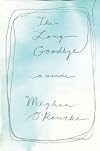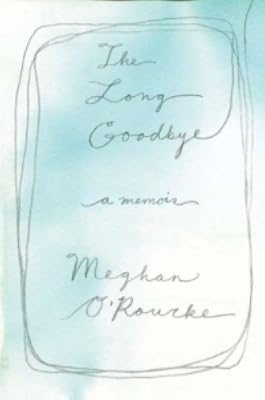
The Long Goodbye: A Memoir
by Meghan O'Rourke
On This Page
Description
From one of America's young literary voices, this is a portrait of the unbearable anguish of grief and the enduring power of familial love. What does it mean to mourn today, in a culture that has largely set aside rituals that acknowledge grief? After her mother died of cancer at the age of fifty-five, the author found that nothing had prepared her for the intensity of her sorrow. In the first anguished days, she began to create a record of her interior life as a mourner, trying to capture show more the paradox of grief, its monumental agony and microscopic intimacies, an endeavor that ultimately bloomed into a profound look at how caring for her mother during her illness changed and strengthened their bond. Her story is one of a life gone off the rails, of how watching her mother's illness, and separating from her husband, left her fundamentally altered. But it is also one of resilience, as she observes her family persevere even in the face of immeasurable loss. This work conveys the fleeting moments of joy that make up a life, and the way memory can lead us out of the jagged darkness of loss. Blending research and reflection, the personal and the universal, this memoir about the death of her mother and grieving aftermath, the author, both a poet and journalist, ponders the eternal human question: how do we live with the knowledge that we will one day die? show lessTags
Recommendations



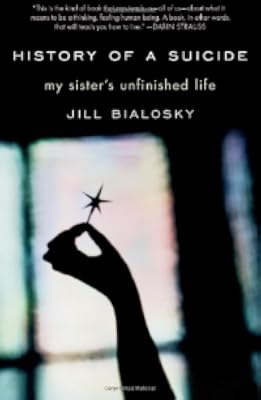

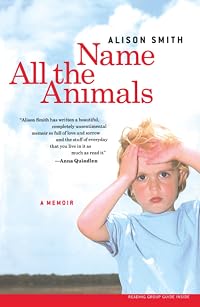
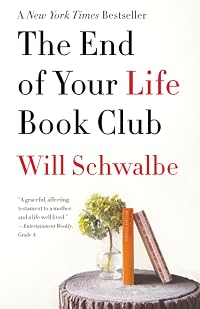
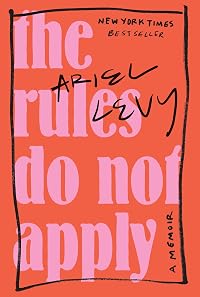

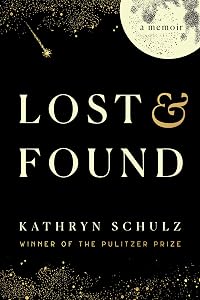
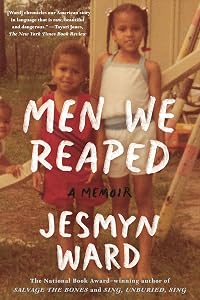
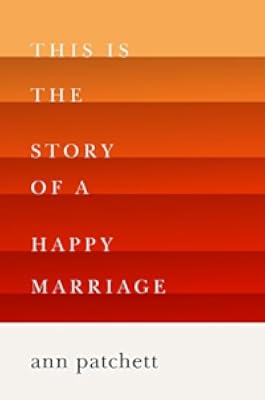
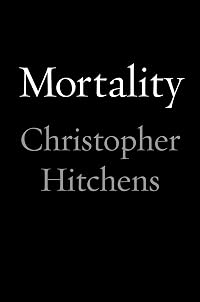
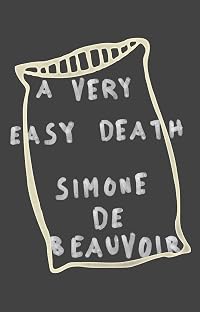
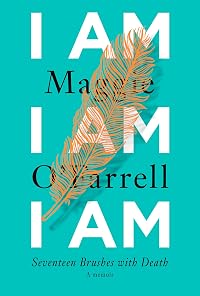
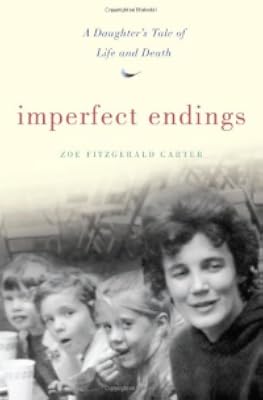
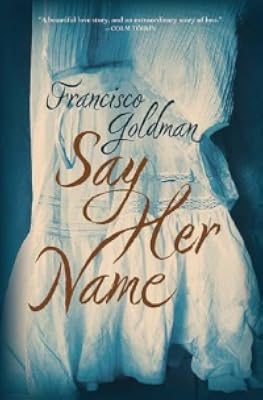
Member Recommendations
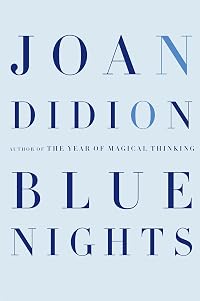
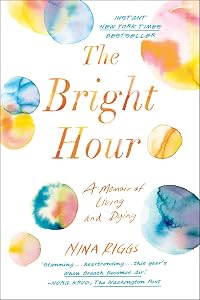
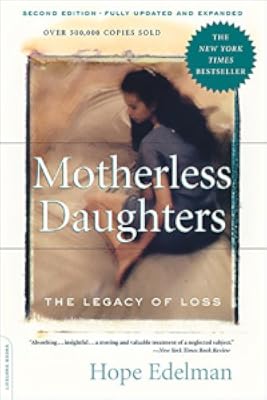
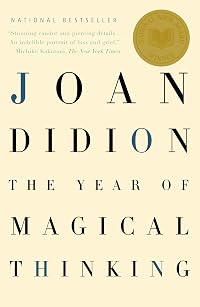
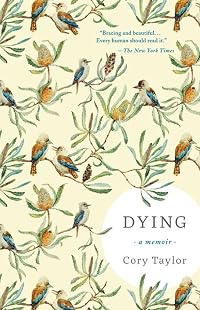
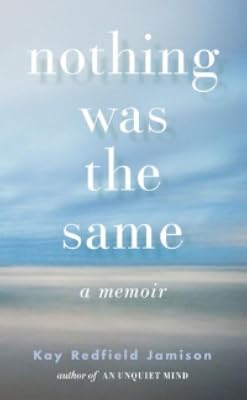
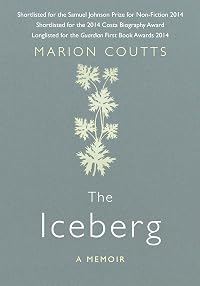
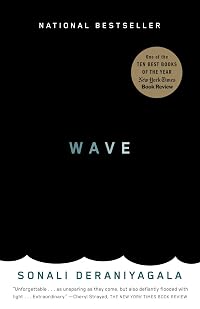
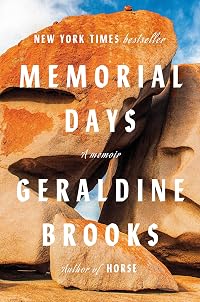
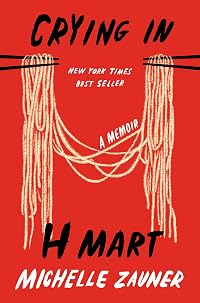
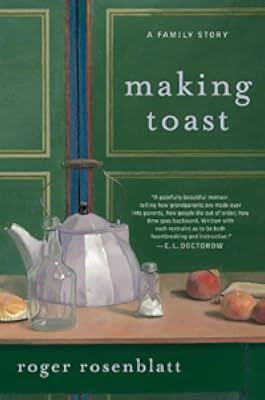
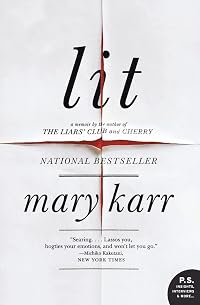
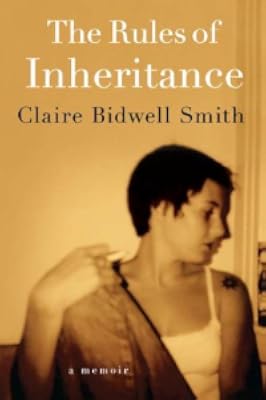
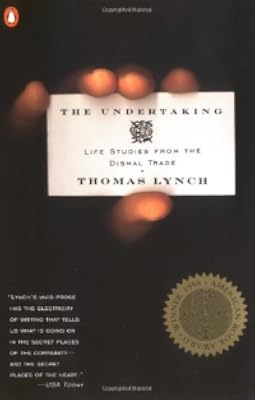
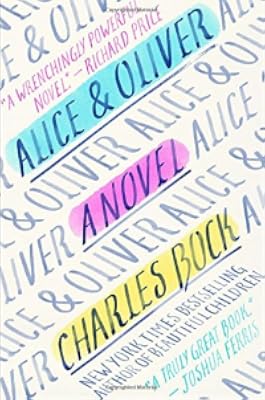
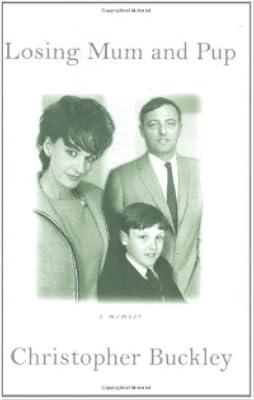
whymaggiemay Although these books certainly have differences, both are beautifully written, and both are about a year of grieving, each in their own way.
Member Reviews
Losing a loved one is a very private and personal thing in our society today. We share memories of the person, commemorate their life in a funeral or memorial service and then get back to the business of living. At least this is the commonly accepted course of things. Meghan O'Rourke, in her hauntingly beautiful meditation on losing her mother and the personal nature of grief, suggests that this is not at all how we fold grief into our lives.
O'Rourke tells a deeply personal and at the same time universal tale. She shares the year and half after her mother's diagnoses with colorectal cancer, her death, and the subsequent year and a half as Meghan learned to live in a world without her mother. The narrative flip flops between flashbacks show more to a past untouched by cancer, the deep suffering time before her mother's death, and the frozen time afterwards when grief stabs and recedes. In addition to her own personal experience, O'Rourke peppers the narrative with sociological insights into the way we grieve and how we have hidden away our mourning rituals, leaving those most sunk by grief adrift without public support or acknowledgement. In examining her own feelings and the ways that they do not conform to the expected arc, she questions our assumptions about the mourner's course.
The writing is gorgeous and touching. O'Rourke's love for her mother and her devastation at becoming motherless is absolutely palpable. Despite the intense and overwhelming sorrow, there is no point in the book where the reader feels manipulated. All the empathy is solidly earned. This is also not a neat and tidy tale of grieving. O'Rourke allows her innermost self to show no matter whether she comes off well or not. She is not afraid to let the push back against her mother's iminent death, the child's claim on the parent she is losing, stand starkly testament to the magnitude of the loss. This is truly a beautiful memoir, one that looks unafraid at the face of grief, recognizing its place in our hearts forever. O'Rourke has captured the last part of her mother's life and her death and done so with the strong and steady hand of her extraordinary mother's extraordinary daughter. show less
O'Rourke tells a deeply personal and at the same time universal tale. She shares the year and half after her mother's diagnoses with colorectal cancer, her death, and the subsequent year and a half as Meghan learned to live in a world without her mother. The narrative flip flops between flashbacks show more to a past untouched by cancer, the deep suffering time before her mother's death, and the frozen time afterwards when grief stabs and recedes. In addition to her own personal experience, O'Rourke peppers the narrative with sociological insights into the way we grieve and how we have hidden away our mourning rituals, leaving those most sunk by grief adrift without public support or acknowledgement. In examining her own feelings and the ways that they do not conform to the expected arc, she questions our assumptions about the mourner's course.
The writing is gorgeous and touching. O'Rourke's love for her mother and her devastation at becoming motherless is absolutely palpable. Despite the intense and overwhelming sorrow, there is no point in the book where the reader feels manipulated. All the empathy is solidly earned. This is also not a neat and tidy tale of grieving. O'Rourke allows her innermost self to show no matter whether she comes off well or not. She is not afraid to let the push back against her mother's iminent death, the child's claim on the parent she is losing, stand starkly testament to the magnitude of the loss. This is truly a beautiful memoir, one that looks unafraid at the face of grief, recognizing its place in our hearts forever. O'Rourke has captured the last part of her mother's life and her death and done so with the strong and steady hand of her extraordinary mother's extraordinary daughter. show less
3.5 stars Meghan O'Rourke is a poet and that is evident in her prose as well. A memoir about her mother's illness and death, this book vacillates between deeply personal and somewhat clinical as she strives to make sense of her loss. Her mother was only 55 -- it was a fast-moving invasive cancer. Meghan is in her early 30s and the book is written only about 18 mos. after the event, so feelings are rather raw, but very authentic. She doesn't try to sugar coat things or make herself or her family look ideal -- she has regrets and she is admittedly self-centered at times. In trying to understand her deep sorrow and her visceral response to it, she has read widely and distills those other works nicely with key quotes and explanations show more "believing in some primitive part of my brain that if I read them all, if I learn everything there is to know, I'll solve the problem." (290) "Death and the sun are not to be looked at steadily" she quotes La Rochefoucauld, but only by facing it head-on is she able to make any headway. She also examines, briefly our American culture's fear of death and the rituals we have lost in encountering it, especially for those who have no faith tradition. She misses a public ability to mourn and to have her mourning recognized. This is a book that speaks to the uniqueness of grief to each individual and each situation, despite common threads and trends. I appreciate her beautiful writing and the sentiments she expresses, but it felt a little self-indulgent at times and therefore hard to relate to, but thankfully, I have not lost a mother. (a condition for which there is no word, she notes). There is a helpful index in the back of some of her thorough reading, which is a benefit. Reading this book was a witness to catharsis. show less
Truly haunting. This book was extremely emotional, in that it actually provoked a wide range of emotions. I imagine it was quite therapeutic for the author to write this, to both memorialize her mother and process her emotions during and after her mother's death. Though this book is quite well-written, it also incredibly difficult to read. At times, it feels a bit voyeuristic, spying on a family's pain. However, it is probably the best rumination on a beloved family member's death that I could ever hope to read.
As an aside, it is nice to read this book and see that the author had a genuine, loving, functional relationship with her mother (and father, I suppose, though he's not as much of the story). This really is a story of the show more author's grief, and not a story of trying to come to terms with a difficult childhood, or an abusive parent, or even worse, a cliche about not reconciling before death. In that sense, this memoir was almost refreshing. show less
As an aside, it is nice to read this book and see that the author had a genuine, loving, functional relationship with her mother (and father, I suppose, though he's not as much of the story). This really is a story of the show more author's grief, and not a story of trying to come to terms with a difficult childhood, or an abusive parent, or even worse, a cliche about not reconciling before death. In that sense, this memoir was almost refreshing. show less
 This review was written for LibraryThing Early Reviewers.
Horror. That’s the dominant feeling I had reading Meghan O’Rourke’s The Long Goodbye.
In a way, that’s a testament to how good a writer she is, since you feel like you’re viscerally experiencing her intense pain over her mother’s death. O’Rourke, faced with being motherless at age 31, wrote the memoir as a way to come to terms with her grief.
But the horror lies in how awful every part of her journey seems, from her divorce when her mother was in chemo, to seeing how confused her mother becomes in her last days, to her poor father trying to help his three children. Since the author and I are roughly the same age, both close to our mothers, with similar occupations, there was an intensely disquieting feeling that I was show more reading an alternative version of my life. I read a lot of books about death and loss, but the dominant feeling I had reading The Long Goodbye is “well, this sounds so abysmal and it seems like she will never recover. Clearly I will just have to make my parents immortal.”
I thought O’Rourke’s essays on her mother and grief on Slate were immensely compelling and moving. Yet it’s far easier for the reader to read The Long Goodbye in short bursts, rather than from start to finish. So the question is not whether you should read this book if you still have both your parents—probably not, especially if you’re prone to anxiety about death—but if it would bring you comfort if faced with such a loss. Maybe. I know several people my age who have lost a parent, but I believe it’s nothing you truly understand until you have been there. I have to imagine that there are people who will have an intense relief of reading this book and imaging they aren’t alone. By the end, O’Rourke does prove more resilient than she thinks she is; and that in itself may offer hope to someone reeling in grief.
This review first appeared on www.elizabethsbooks.com show less
In a way, that’s a testament to how good a writer she is, since you feel like you’re viscerally experiencing her intense pain over her mother’s death. O’Rourke, faced with being motherless at age 31, wrote the memoir as a way to come to terms with her grief.
But the horror lies in how awful every part of her journey seems, from her divorce when her mother was in chemo, to seeing how confused her mother becomes in her last days, to her poor father trying to help his three children. Since the author and I are roughly the same age, both close to our mothers, with similar occupations, there was an intensely disquieting feeling that I was show more reading an alternative version of my life. I read a lot of books about death and loss, but the dominant feeling I had reading The Long Goodbye is “well, this sounds so abysmal and it seems like she will never recover. Clearly I will just have to make my parents immortal.”
I thought O’Rourke’s essays on her mother and grief on Slate were immensely compelling and moving. Yet it’s far easier for the reader to read The Long Goodbye in short bursts, rather than from start to finish. So the question is not whether you should read this book if you still have both your parents—probably not, especially if you’re prone to anxiety about death—but if it would bring you comfort if faced with such a loss. Maybe. I know several people my age who have lost a parent, but I believe it’s nothing you truly understand until you have been there. I have to imagine that there are people who will have an intense relief of reading this book and imaging they aren’t alone. By the end, O’Rourke does prove more resilient than she thinks she is; and that in itself may offer hope to someone reeling in grief.
This review first appeared on www.elizabethsbooks.com show less
I was pulled into Meghan O’Rourke’s The Long Goodbye, a memoir on the loss of her mother, because I myself had recently endured the loss of my own baby daughter. You cannot compare one loss to another, but the grief that ensues is universal and relatable. Frankly, I had a hard time reading any books on grief because it made my loss all the more real.
But the plunge into O’Rourke’s memoir was effortless. Following her voice, intelligent and real, while hopeful and optimistic, I became enveloped not only in her story, but into her poetic world, where events, emotions and yearnings are transferred into stunning prose. Though O’Rourke is a poet, and her poetic voice gleams through every page, she is also down-to-earth and show more approachable. In fact, she speaks so intimately, and with such sincerity, that after reading her memoir, I felt I had met every single one of her family members and become a trusted friend.
Her story begins with the death of her mother to colorectal cancer and her immediate reaction to this shocking reality. She is processing the event, flashbacking to her mother’s healthier days and when she learns of the cancer for the first time. The narrative then climaxes to the moment when her mother is admitted to the hospital, where it is discovered that her cancer has returned after a brief remission. O’Rourke’s portrayal of her mother is pitch perfect and so tangible, that I could feel how her mother moved, almost predicting her expressions and reactions. Barbara O’Rourke was a gifted woman, the headmaster of a private school, a mother of three children, a devoted wife, caretaker, lover of pets, with a passion for books, which she passed on to her children.
Together with chronicling the illness of her mother in the first part of her memoir, the author also recounts her marriage and subsequent divorce. This double loss is palpable. In the second and third parts she shares her journey in processing it all, consulting books, turning to poems, anything to make sense of this loss, which she likens to an amputation—the days get better but you always feel the loss. So true. Also compelling is her discussion of present day society’s handling of grief, how it has become a private, lonely, silent passage unlike the rituals of the past. O’Rourke is not religious, but she admits to an “intuition of God,” an attraction to spirituality, and concedes near the end of her book that she did feel the interconnectedness of things, that there was something out there, as Tolstoy said in his own memoir.
I’ve read memoirs on a loss of a spouse, Joan Didion’s The Year of Magical Thinking, and the loss of a child, Ann Hood’s Comfort, but I had yet to read of a loss of a parent. As the author says, what can be a greater bond than a mother to a child, as one comes out of another? The person who loved me most in the world was about to be dead, she says. How to cope with such a loss? As logical and empirical as O’Rourke can be, she succumbs to the notion that perhaps the dead never really leave us. They are still around; they are with us more than ever before; we just have to adjust to this new reality.
There are times that the narrative meanders, and breaks off into little vignettes of memories of her mother, or unconnected instances of time, like watching an injured hawk writhe in pain on the street one moment, and almost miraculously fly up the next. Parts are slow to start, others humming beautifully along; I feel I am in and out of the story. Sometimes O’Rourke is angry and not particularly likeable, sometimes sympathetic and grateful. But almost uncannily, this pattern mimics grief, which is not always so clean-cut—yes, sometimes it’s even messy. But it’s the truth. What more can we expect from a writer?
“One day as the winter gave way to spring,” O’Rourke writes, “I woke up, startled, to realize that I wanted to feel pleasure—that I missed reveling in the world.” show less
But the plunge into O’Rourke’s memoir was effortless. Following her voice, intelligent and real, while hopeful and optimistic, I became enveloped not only in her story, but into her poetic world, where events, emotions and yearnings are transferred into stunning prose. Though O’Rourke is a poet, and her poetic voice gleams through every page, she is also down-to-earth and show more approachable. In fact, she speaks so intimately, and with such sincerity, that after reading her memoir, I felt I had met every single one of her family members and become a trusted friend.
Her story begins with the death of her mother to colorectal cancer and her immediate reaction to this shocking reality. She is processing the event, flashbacking to her mother’s healthier days and when she learns of the cancer for the first time. The narrative then climaxes to the moment when her mother is admitted to the hospital, where it is discovered that her cancer has returned after a brief remission. O’Rourke’s portrayal of her mother is pitch perfect and so tangible, that I could feel how her mother moved, almost predicting her expressions and reactions. Barbara O’Rourke was a gifted woman, the headmaster of a private school, a mother of three children, a devoted wife, caretaker, lover of pets, with a passion for books, which she passed on to her children.
Together with chronicling the illness of her mother in the first part of her memoir, the author also recounts her marriage and subsequent divorce. This double loss is palpable. In the second and third parts she shares her journey in processing it all, consulting books, turning to poems, anything to make sense of this loss, which she likens to an amputation—the days get better but you always feel the loss. So true. Also compelling is her discussion of present day society’s handling of grief, how it has become a private, lonely, silent passage unlike the rituals of the past. O’Rourke is not religious, but she admits to an “intuition of God,” an attraction to spirituality, and concedes near the end of her book that she did feel the interconnectedness of things, that there was something out there, as Tolstoy said in his own memoir.
I’ve read memoirs on a loss of a spouse, Joan Didion’s The Year of Magical Thinking, and the loss of a child, Ann Hood’s Comfort, but I had yet to read of a loss of a parent. As the author says, what can be a greater bond than a mother to a child, as one comes out of another? The person who loved me most in the world was about to be dead, she says. How to cope with such a loss? As logical and empirical as O’Rourke can be, she succumbs to the notion that perhaps the dead never really leave us. They are still around; they are with us more than ever before; we just have to adjust to this new reality.
There are times that the narrative meanders, and breaks off into little vignettes of memories of her mother, or unconnected instances of time, like watching an injured hawk writhe in pain on the street one moment, and almost miraculously fly up the next. Parts are slow to start, others humming beautifully along; I feel I am in and out of the story. Sometimes O’Rourke is angry and not particularly likeable, sometimes sympathetic and grateful. But almost uncannily, this pattern mimics grief, which is not always so clean-cut—yes, sometimes it’s even messy. But it’s the truth. What more can we expect from a writer?
“One day as the winter gave way to spring,” O’Rourke writes, “I woke up, startled, to realize that I wanted to feel pleasure—that I missed reveling in the world.” show less
This review was written for LibraryThing Early Reviewers.This is possibly the most honest review I'll ever write. I read O'Rouke’s book as part of the TLC Book Tour and if I hadn’t had an actual deadline to read and review the book by, I’m not sure I would have made it all the way through it.
It was incredibly hard for me to finish this book, but that’s not because it wasn’t excellent, it’s because it hit too close to home. I saw too much of myself in the circumstances of Meghan's mother's death. My own mom was diagnosed with cancer, then after months of chemo she was declared in remission. A few months after that she relapsed and the cancer killed her after a two-year battle. She was exactly ten years younger than Meghan's mom. I read The Long Goodbye sobbing through many of its show more pages. As most people who know me well could attest, I don’t cry easily or often. When my own mom died, most of my weeping was done in the middle of the night when no one was around, so when I say I couldn't stop crying while reading this, that's no small thing.
O'Rouke's memoir is so painfully honest. She writes of arguments with her mom, trying to escape the situation and pretend like it wasn't happening, fights with her siblings or Dad, she doesn't hold back on the all-encompassing pain that death causes. It's amazing how far away you can feel from you own family when experiencing a loss like this. Even though you are all losing the same person, you experience that loss in such different ways that it's hard to connect with them.
Then there are the dreams. After losing your mother, this person who has literally brought you into the world, you can't stop dreaming about them. Those dreams, so real that you wake and have to remember their death all over again, haven't stopped for me after 13 years. I still see her, so close to me, and then wake to have to process the loss all over again.
Of course Meghan wasn't perfect while dealing with doctors and people in her own life, but none of us are. We see death closing in and we panic. We decide we can fight it if we just know enough about the disease. Then when that doesn't work we pray, then we argue, then we hope, then, finally, we understand that we can't control it and we grieve.
O’Rouke’s memoir is intensely personal and looks at her own relationships and reactions to the death, but it also deals with broader issues. She discusses American’s lack of traditions and rituals in grieving. We don’t wear black for months anymore or wail with anguish or tear our clothes. Grieving has become the final taboo. You’re supposed to act like everything is ok, when you feel the opposite. No one wants to hear about your grief, especially if it has been a couple months.
I can’t explain quite how much her memoir meant to me. It was like reading my own grief. She put words to so many of my feelings and I completely agree with both her and Iris Murdoch, who once said, “The bereaved cannot communicate with the unbereaved.” To me, this book was one bereaved woman speaking to another.
“When we are learning the world, we know things we cannot say how we know. When we are relearning the world in the aftermath of loss, we feel things we had almost forgotten, old things, beneath the seat of reason.” show less
It was incredibly hard for me to finish this book, but that’s not because it wasn’t excellent, it’s because it hit too close to home. I saw too much of myself in the circumstances of Meghan's mother's death. My own mom was diagnosed with cancer, then after months of chemo she was declared in remission. A few months after that she relapsed and the cancer killed her after a two-year battle. She was exactly ten years younger than Meghan's mom. I read The Long Goodbye sobbing through many of its show more pages. As most people who know me well could attest, I don’t cry easily or often. When my own mom died, most of my weeping was done in the middle of the night when no one was around, so when I say I couldn't stop crying while reading this, that's no small thing.
O'Rouke's memoir is so painfully honest. She writes of arguments with her mom, trying to escape the situation and pretend like it wasn't happening, fights with her siblings or Dad, she doesn't hold back on the all-encompassing pain that death causes. It's amazing how far away you can feel from you own family when experiencing a loss like this. Even though you are all losing the same person, you experience that loss in such different ways that it's hard to connect with them.
Then there are the dreams. After losing your mother, this person who has literally brought you into the world, you can't stop dreaming about them. Those dreams, so real that you wake and have to remember their death all over again, haven't stopped for me after 13 years. I still see her, so close to me, and then wake to have to process the loss all over again.
Of course Meghan wasn't perfect while dealing with doctors and people in her own life, but none of us are. We see death closing in and we panic. We decide we can fight it if we just know enough about the disease. Then when that doesn't work we pray, then we argue, then we hope, then, finally, we understand that we can't control it and we grieve.
O’Rouke’s memoir is intensely personal and looks at her own relationships and reactions to the death, but it also deals with broader issues. She discusses American’s lack of traditions and rituals in grieving. We don’t wear black for months anymore or wail with anguish or tear our clothes. Grieving has become the final taboo. You’re supposed to act like everything is ok, when you feel the opposite. No one wants to hear about your grief, especially if it has been a couple months.
I can’t explain quite how much her memoir meant to me. It was like reading my own grief. She put words to so many of my feelings and I completely agree with both her and Iris Murdoch, who once said, “The bereaved cannot communicate with the unbereaved.” To me, this book was one bereaved woman speaking to another.
“When we are learning the world, we know things we cannot say how we know. When we are relearning the world in the aftermath of loss, we feel things we had almost forgotten, old things, beneath the seat of reason.” show less
I almost didn't finish this book. Multiple times. I had at least one anxiety attack in the middle of it. It's taken me almost two weeks to get to the end. It's one of the most painful books I've ever read, unvarnished sorrow, alarming in how realistic it seemed. I picked it up after my dog died but as I was coming out of my grief, I fell into Meghan O'Rourke's -- a ravaging, fierce grief that, while very specific, also spoke to the universality of the awful experience of losing someone close.
I found the first half of the book almost unreadable. Not because of the writing, which was exquisite and delicate and vociferously sincere, but because the experience of watching your mother die slowly felt so excruciating. At one point, toward show more the end of her mother's life, faced with the inevitability of my own looming demise, I had to put the book down for a few days and think about what I'm doing with my life. The second half, too, was harrowing -- the author felt her mother's absence so sharply, and there was no way for her to overcome the pain.
I loved how, after her mother's death, O'Rourke starts recovering and seeing the world in a new light. To me, it seemed like she saw everything in a new color, everything weighted down by its mortality but also freed of another kind of weight. The beautiful excerpts of other people's experiences of grief were powerful, too. I should re-read this book one day in a slower, more careful manner to fully comprehend O'Rourke's pain. show less
I found the first half of the book almost unreadable. Not because of the writing, which was exquisite and delicate and vociferously sincere, but because the experience of watching your mother die slowly felt so excruciating. At one point, toward show more the end of her mother's life, faced with the inevitability of my own looming demise, I had to put the book down for a few days and think about what I'm doing with my life. The second half, too, was harrowing -- the author felt her mother's absence so sharply, and there was no way for her to overcome the pain.
I loved how, after her mother's death, O'Rourke starts recovering and seeing the world in a new light. To me, it seemed like she saw everything in a new color, everything weighted down by its mortality but also freed of another kind of weight. The beautiful excerpts of other people's experiences of grief were powerful, too. I should re-read this book one day in a slower, more careful manner to fully comprehend O'Rourke's pain. show less
Members
- Recently Added By
Lists

Deathreads
78 works; 2 members
Author Information

13+ Works 842 Members
Meghan Q'Rourke is Editor of The Yale Review and the author of the best-selling memoir The Long Goodbye and the poetry collections Once, Halflife, and Sun in Days. She is currently completing a book about contested chronic illness.
Awards and Honors
Distinctions
Notable Lists
Common Knowledge
- Canonical title
- The Long Goodbye: A Memoir
- Epigraph
- “O Gilgamesh, where are you wandering?
You cannot find the life you seek:
When the gods created mankind,
For mankind they established death,
Life they kept for themselves.
You, Gilgamesh, let you belly be ful... (show all)l,
Keep enjoying yourself, day and night!
Every day make merry,
Dance and play day and night!”
-THE EPIC OF GILGAMESH,
TRANSLATED BY ANDREW GEORGE
Th bereaved cannot communicate with the unbereaved.
IRIS MURDOCH - Dedication
- for my brothers and father,
and
in memory of Barbara Kelly O'Rouke - First words
- My mother died of metastatic colorectal cancer shortly before three p.m. on Christmas Day of 2008.
- Blurbers
- Ford, Richard; Oates, Joyce Carol
Classifications
Statistics
- Members
- 333
- Popularity
- 95,407
- Reviews
- 40
- Rating
- (3.91)
- Languages
- Dutch, English, Italian
- Media
- Paper, Audiobook, Ebook
- ISBNs
- 14
- ASINs
- 4