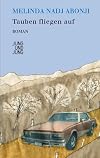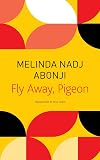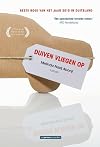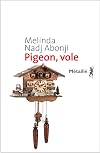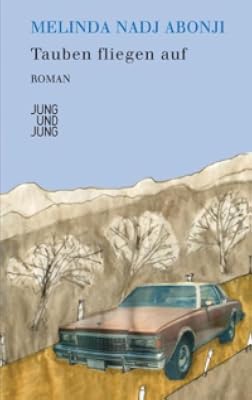
Fly Away, Pigeon
by Melinda Nadj Abonji
On This Page
Description
Fly Away, Pigeon tells the heart-wrenching story of a family torn between emigration and immigration and paints evocative portraits of the former Yugoslavia and modern-day Switzerland. In this novel, Melinda Nadj Abonji interweaves two narrative strands, recounting the history of three generations of the Kocsis family and chronicling their hard-won assimilation. Originally part of Serbia's Hungarian-speaking minority in the Vojvodina, the Kocsis family immigrates to Switzerland in the early show more 1970s when their hometown is still part of the Yugoslav republic. Parents Miklos and Rosza land in Switzerland knowing just one word - "work." And after three years of backbreaking, menial work, both legal and illegal, they are finally able to obtain visas for their two young daughters, Ildiko and Nomi, who safely join them. However, for all their efforts to adapt and assimilate they still must endure insults and prejudice from members of their new community and helplessly stand by as the friends and family members they left behind suffer the maelstrom of the Balkan War. With tough-minded nostalgia and compassionate realism, Fly Away, Pigeon illustrates how much pain and loss even the most successful immigrant stories contain. It is a work that is intensely local, while grounded in the histories and cultures of two distinctive communities. Its emotions and struggles are as universal as the human dilemmas it portrays. show lessTags
Recommendations



















Member Recommendations
Member Reviews
The author, Melinda Nadj Abonji, was born in Vojvodina when it was still a part of Yugoslavia. Today it is a part of Serbia. The family belonged to the Hungarian minority of the region and moved to Switzerland in the 1970s. Ildíko, the narrator of the novel, has a similar life story - although it is not an autobiography, there are definitely some parallels. And this small list of places might already show the reader that the question of belonging, of identity, is central to this novel and that it might not be easy to find an answer.
Ildíko tells her story in a stream of consciousness: Her old home in Vojvodina, and her wish that nothing will ever change there, and that her grandmother will always be there in her old house, a safe show more haven and anchor. There are those long-awaited visits home, full of bliss, but also of new disappointments when Ildíko and her sister learn that indeed they have changed, their perspective has changed, and they are seen in a different light now.
The parents' hopes when they come to Switzerland, disappointment and sorrow, feelings of guilt, fears because of the war. Above everything, there is the pressure to conform, to fit in, not to stand out - because it is the only way Ildíko's parents can see in order not to lose the only chance they have, the chance to build a life in this new country. But Ildíko and her sister slowly realize that it is not their way and that, like pigeons, they have to fly, to find their new identity in the in-between.
Chapter after chapter the reader gets more glimpses into Ildíko's everyday life, from one time of her life or the other: Parties and political discussions back in Vojvodina, the casual racism of the customers in the family's restaurant, conservations with her parents trying to make them understand her point of view, new freedoms, but also new conflicts. The stream of consciousness and many flash backs and time warps made it a bit hard to get into the narration at first, but after some time, I settled into it and appreciated the way the author tells this story: Directly, raw and emotional.
I feel like I cannot do this novel justice in my review, but I want to end with the statement that it will stay with me for a very long time. show less
Ildíko tells her story in a stream of consciousness: Her old home in Vojvodina, and her wish that nothing will ever change there, and that her grandmother will always be there in her old house, a safe show more haven and anchor. There are those long-awaited visits home, full of bliss, but also of new disappointments when Ildíko and her sister learn that indeed they have changed, their perspective has changed, and they are seen in a different light now.
The parents' hopes when they come to Switzerland, disappointment and sorrow, feelings of guilt, fears because of the war. Above everything, there is the pressure to conform, to fit in, not to stand out - because it is the only way Ildíko's parents can see in order not to lose the only chance they have, the chance to build a life in this new country. But Ildíko and her sister slowly realize that it is not their way and that, like pigeons, they have to fly, to find their new identity in the in-between.
Chapter after chapter the reader gets more glimpses into Ildíko's everyday life, from one time of her life or the other: Parties and political discussions back in Vojvodina, the casual racism of the customers in the family's restaurant, conservations with her parents trying to make them understand her point of view, new freedoms, but also new conflicts. The stream of consciousness and many flash backs and time warps made it a bit hard to get into the narration at first, but after some time, I settled into it and appreciated the way the author tells this story: Directly, raw and emotional.
I feel like I cannot do this novel justice in my review, but I want to end with the statement that it will stay with me for a very long time. show less
I had to read this book for school, and unlike almost everybody else in class, I really really really enjoyed it (ok, I am 100% I am the only person in class who actually read it). It has a certain style of writing that just captivates what this book is about. Style and content really connect with this novel.
I had to read this book for school, and unlike almost everybody else in class, I really really really enjoyed it (ok, I am 100% I am the only person in class who actually read it). It has a certain style of writing that just captivates what this book is about. Style and content really connect with this novel.
Das zeichnet ein ehrliches Bild einer Migranten Biographie. Die Konflikte im neuen Land, die Konflikte zwischen den Generationen, aber auch die Träumen von Menschen die nicht nur an einem Ort zuhause sind.
Die Familie von Ildiko zieht aus der jugoslawischen Vojvodina in die Schweiz. Das Buch erzählt das Leben und die Fremdheit eines Migrantenkindes aus einer Familie, die "es schafft". Denn trotz allen Erfolges in der sauberen Schweiz: Hier ist man fremd wie dort, und das beschreibt die Autorin in eindrucksvollen Bildern und mit präziser Sprache.
Zu allem kommt dann noch der Krieg in Jugoslawien, der Fremdheit unüberwindbar macht, der Sprachlosigkeit und Trauer schürt.
Aus meiner Sicht ist dies ein sehr gutes Buch. Ich kenne selbst eine Familie aus Bosnien ziemlich gut. Und vieles, was hier geschrieben wird, kann ich auch dort vorfinden.
Ich finde das Buch wichtig, weil es gleich mehrere Erfahrungen der modernen Migration beschreibt und show more zwar so, dass es auch für uns Seßhafte nachvollziehbar und erschütternd wird. Zudem versucht die Autorin nicht zu erklären, sie schildert und ihre Schilderungen sind unerklärlich und doch plausibel. show less
Zu allem kommt dann noch der Krieg in Jugoslawien, der Fremdheit unüberwindbar macht, der Sprachlosigkeit und Trauer schürt.
Aus meiner Sicht ist dies ein sehr gutes Buch. Ich kenne selbst eine Familie aus Bosnien ziemlich gut. Und vieles, was hier geschrieben wird, kann ich auch dort vorfinden.
Ich finde das Buch wichtig, weil es gleich mehrere Erfahrungen der modernen Migration beschreibt und show more zwar so, dass es auch für uns Seßhafte nachvollziehbar und erschütternd wird. Zudem versucht die Autorin nicht zu erklären, sie schildert und ihre Schilderungen sind unerklärlich und doch plausibel. show less
Nov 23, 2011German
En immigrantfamiljs berättelse. I det här fallet en Ungersk familj som etablerar sig i Schweitz men det kan nog vara var som helst. Svårigheten att bli accepterad och hemma i ett nytt land. Det är lösryckta scener från olika tidsepoker både i Ungern och Schweitz, Bra beskrivna känslor och stämningar men lite för osammanhängande för att riktigt gripa tag, finns ingen egentlig handling utan lösryckta händelser.
Mar 2, 2016Swedish
2010 wurde der Deutsche Buchpreis auf der Frankfurter Buchmesse zum ersten Mal für einen Debutroman verliehen. Die Preisträgerin Melinda Nadj Abonji erzählt in ihrem auto-biografischen Roman «Tauben fliegen auf» die Geschichte einer ungarischen Familie aus der serbischen Vojvodina, die in die Schweiz übersiedelt und sich dort eine Existenz aufbaut. Trotzdem gehören sie nicht so ganz dazu, weder die Eltern noch die Kinder, und der Roman beginnt auch mit der alljährlichen Rückkehr in das Heimatdorf in der Vojvodina, wo alles noch so ist wie in den früheren Jahren. Aber in diesem Sommer verändert sich das Leben im Dorf, denn Tito ist seit drei Monaten tot, Jugoslawien zerfällt und der Krieg beginnt. Melinda Nadj Abonji show more beschreibt klangvoll und direkt das Leben diese Familie zwischen den drei Kulturen: Ungarn, Serbien und der Schweiz. show less
Jan 25, 2011German
Members
- Recently Added By
Published Reviews
ThingScore 94
The Swiss writer Melinda Nadj Abonji, who was born in Serbia, has won this year's German Book Prize. In her moving narrative about emigration, she addresses yearning for one's native country. (...)
Nadj Abonji's book is about the calamity of communism. It's about war and the Hungarian minority in Serbia, but - more than anything - it's about living life in several cultures at once and the show more confusion that comes along with it. In "Falcons without Falconers," for instance, when Ildiko leaves her hometown, she notices that the name is written three times on the sign: in Serbo-Croatian, Cyrillic letters and Hungarian. The author's writing reflects her love of languages - of both Hungarian and German - and conveys the positive power of memory. show less
Nadj Abonji's book is about the calamity of communism. It's about war and the Hungarian minority in Serbia, but - more than anything - it's about living life in several cultures at once and the show more confusion that comes along with it. In "Falcons without Falconers," for instance, when Ildiko leaves her hometown, she notices that the name is written three times on the sign: in Serbo-Croatian, Cyrillic letters and Hungarian. The author's writing reflects her love of languages - of both Hungarian and German - and conveys the positive power of memory. show less
added by jimroberts
Vergleicht man "Tauben fliegen auf" allerdings mit den anderen Romanen der Shortlist, wird man feststellen, dass in keinem anderen soviel von der europäischen Realität des Jahres 2010 steckt. Mit Melinda Nadj Abonj hat der Deutsche Buchpreis nicht nur die deutschen Grenzen überwunden - er ist in der Gegenwart angekommen.
added by jimroberts
Melinda Nadj Abonji, deren vielversprechender erster Roman «Im Schaufenster im Frühling» (2004) noch unter einem etwas verkrampften Kunstwillen litt, hat mit «Tauben fliegen auf» ein in seiner Art nahezu perfektes Buch geschrieben, in einer Sprache, die sich ebenso der mündlichen Rede anschmiegen kann wie zu Assoziationsflügen hoch hinauf- und davonschwingen. Ein Lichtblick in einem show more nicht gerade überreichen Schweizer Literaturjahr. Dass der Roman auf die Longlist des Deutschen Buchpreises gesetzt wurde, zeigt, dass er auch über die Landesgrenzen hinaus Anerkennung findet. show less
added by jimroberts
Lists

Books featuring grandmothers
56 works; 12 members
Author Information

3+ Works 183 Members
Awards and Honors
Awards
Series
Belongs to Publisher Series
dtv (14078)
Common Knowledge
- Canonical title
- Fly Away, Pigeon
- Original title
- Tauben fliegen auf
- Original publication date
- 2010-08-28
- People/Characters
- Ildíko Kocsis; Nomi Kocsis
- Important places*
- Vojvodina, Serbien; Schweiz
- Important events*
- Siege of Sarajevo; Balkan Wars
- First words*
- Als wir nun endlich mit unserem amerikanischem Wagen einfahren, einem tiefbraunem Chevrolet, schokoladenfarbenen, könnte man sagen, brennt die Sonne unbarmherzig auf die Kleinstadt, hat die Sonne die Schatten der Häuser und... (show all) die Bäume beinahe restlos aufgefressen, zur Mittagszeit also fahren wir ein, recken unsere Hälse, um zu sehen, ob alles noch da ist, ob alles noch so ist wie im letzten Sommer und all die Jahre zuvor.
- Last words*
- (Click to show. Warning: May contain spoilers.)...; an diesem blauen Novembertag dachten wir an unsere Verstorbenen, Grosstanten und Grossonkel, an unsere Grosseltern, die wir nie kennengelernt haben, Mutters Mutter und Papuci, für Sie, Mamika, haben wir ein Lied gesungen, und in Ihrem Namen haben wir darum gebeten, dass die Lebenden nicht vor ihrer Zeit sterben.
- Original language*
- Deutsch
*Some information comes from Common Knowledge in other languages. Click "Edit" for more information.
Classifications
Statistics
- Members
- 165
- Popularity
- 198,644
- Reviews
- 10
- Rating
- (3.91)
- Languages
- 10 — Czech, Dutch, English, French, German, Hungarian, Italian, Spanish, Swedish, Turkish
- Media
- Paper, Audiobook, Ebook
- ISBNs
- 18
- ASINs
- 1