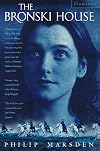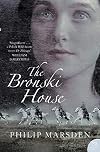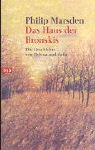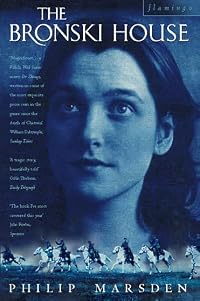
The Bronski House: A Return to the Borderlands
by Philip Marsden
On This Page
Description
In the summer of 1992, the exiled poet Zofia Ilinska stepped into the Belorussian village where she'd spent her childhood. It was 53 years since the day she'd been forced to flee. In part, this is the remarkable story of what she found, the account of a woman coming face-to-face with her own past. But it is also the reconstruction of a world which vanished in 1939 when Soviet tanks rolled into eastern Poland.Tags
Recommendations











Member Reviews
This close and intimate book is beautifully and sensitively written by Philip Marsden. It tells us something of his relationship with Zofia Ilinska, Cornish neighbours and their trips to Poland and Belarus together. Zofia gave Philip Marsden access to the papers and letters of her mother, Helena and it is Helena's voice that we hear very strongly in the novel. We hear Zofia's voice on the trips she shares with Philip to her old home in former Poland and these sections are emotional and sensitively written. Zofia is shown as a warm, generous and insightful woman and Philip's admiration of her shows through. The reunions in Belarus are heartwarming and poignant after so much time, as Zofia finds what has happened to her family home and show more visits family graves. The book is also full of information about this area of Eastern Europe as different armies march through it and borders change. The inter-war period when the part of Belarus Zofia lived in became part of Poland is depicted as a magical and very happy period. show less
Review previously posted on Amazon:
I loved the intimacy of this book. The sense of the relationship between the writer and his subject - a dear friend - and between those that peopled Zofia's life, predominantly her family, in Belorussia, Russia and Poland. The only thing lacking for me was that I liked Zofia, and want to know more about her life when she came to England, a different life, coloured very differently from the one she knew, which is recorded here. I wanted to know more about her poetry and how she came to it. And more of those she came to love here. If you like people you will love this book. If you are facinated by other cultures, other voices, then this book should be one on your list. It evokes its 'characters' vividly show more and the senses of sound, smell, sight and texture roll through the pages - you will be there. It is all between these covers. A passionate recommendation for a book of the drama and passion of a Slavic life! And the solidity and warmth of a Cornish friendship. show less
I loved the intimacy of this book. The sense of the relationship between the writer and his subject - a dear friend - and between those that peopled Zofia's life, predominantly her family, in Belorussia, Russia and Poland. The only thing lacking for me was that I liked Zofia, and want to know more about her life when she came to England, a different life, coloured very differently from the one she knew, which is recorded here. I wanted to know more about her poetry and how she came to it. And more of those she came to love here. If you like people you will love this book. If you are facinated by other cultures, other voices, then this book should be one on your list. It evokes its 'characters' vividly show more and the senses of sound, smell, sight and texture roll through the pages - you will be there. It is all between these covers. A passionate recommendation for a book of the drama and passion of a Slavic life! And the solidity and warmth of a Cornish friendship. show less
A woman Sofia living in Cornwall but brought up in the area between Belarus, Lithuania and Poland has the diary and letters of he mother Helena. These are the source of information for this book. It is he story of her landowner family's difficulties in World War I with the Germans on one side and the Russians of the czar initially and then the bolsheviks on the other. Aft WWI with Poland's independence there was an idyllic period between the wars. Then WWII: the escaped from the Russians and the Germans to Vilnius and eventually to England. The author is a young friend to the daughter Sofia. He focuses exclusively on the information from Helena's diary and letters. It is hard not to think of the fact that this area was heavily populated show more with Jews and almost none survived. show less
The interesting thing is they were originally IRISH!
Ilinska, Zofia > Travel > Belarus/Broânska, Helena, 1898-1981/Poles > Belarus > Biography/Belarus > Description and travel/Poland > Social life and customs > 1918-1945
Een schets van de dichteres Zofia Ilinska (Bronski was haar eigen familienaam), die samen met haar moeder Polen verliet in September 1939.
Zofia was toen 17 jaar en de tweede Wereldoorlog was net begonnen.
Helena – de moeder van Zofia – en zijzelf vestigden zich in Cornwall, een stadje aan de Engelse kust. Hun huis droeg de naam Braganza. Daar werd Zofia bevriend met de schrijver Philip Marsden.
Marsden belooft Zofia – nu al op leeftijd – te vergezellen naar haar geboortedorp Mantuska, dichtbij Wilno en dat nu in Wit Rusland gelegen is.
Marsden duikt voor de reis in de dagboeken en brieven van Zofia’s moeder en voelt een nauwe verwantschap met deze vrouw. Hij ziet de symmetrie tussen de beider levens van moeder en dochter.
De rij show more aanbidders van Helena associeert hij aan het komen en gaan van de soldaten, die Zofia zag. De veranderingen in haar leven met overal omgewaaide bomen, vernieling.
Zofia gaat op zoek naar haar jeugd, naar haar aristocratische familieleden waarvan ze werd weggejaagd door de Bolsjewieken.
Marsden is niet voorbereid op de pijn, het verlies en de moed (polot) van beide vrouwen. Zofia is op zoek naar haar geboortehuis en het zilver dat ze in de bossen begroef. Marsden ontdekt enkel een platgebrand huis, een resterende muur en enkele botten in het familiegraf. Geen zilver, enkel omgewaaide bomen. Alleen de dagboeken en brieven van Helena laten de reconstructie toe van Zofia’s jeugd. We krijgen een prachtige indruk van de Poolse geschiedenis, van de overwinnaar, van de overwonnene. Een impressie van de Russische Revolutie in Sint Petersburg en het einde van het communisme.
Zofia getuigt net als haar moeder van grote emoties, liefde, charme, lef en moed. De Bronski Kroniek inspireert de lezer tot hoop wandelend door de geschiedenis van deze twee heldhaftige vrouwen. Een ontzettend meeslepend boek over liefde en verlies uit een verloren gegaan cultuur. show less
Zofia was toen 17 jaar en de tweede Wereldoorlog was net begonnen.
Helena – de moeder van Zofia – en zijzelf vestigden zich in Cornwall, een stadje aan de Engelse kust. Hun huis droeg de naam Braganza. Daar werd Zofia bevriend met de schrijver Philip Marsden.
Marsden belooft Zofia – nu al op leeftijd – te vergezellen naar haar geboortedorp Mantuska, dichtbij Wilno en dat nu in Wit Rusland gelegen is.
Marsden duikt voor de reis in de dagboeken en brieven van Zofia’s moeder en voelt een nauwe verwantschap met deze vrouw. Hij ziet de symmetrie tussen de beider levens van moeder en dochter.
De rij show more aanbidders van Helena associeert hij aan het komen en gaan van de soldaten, die Zofia zag. De veranderingen in haar leven met overal omgewaaide bomen, vernieling.
Zofia gaat op zoek naar haar jeugd, naar haar aristocratische familieleden waarvan ze werd weggejaagd door de Bolsjewieken.
Marsden is niet voorbereid op de pijn, het verlies en de moed (polot) van beide vrouwen. Zofia is op zoek naar haar geboortehuis en het zilver dat ze in de bossen begroef. Marsden ontdekt enkel een platgebrand huis, een resterende muur en enkele botten in het familiegraf. Geen zilver, enkel omgewaaide bomen. Alleen de dagboeken en brieven van Helena laten de reconstructie toe van Zofia’s jeugd. We krijgen een prachtige indruk van de Poolse geschiedenis, van de overwinnaar, van de overwonnene. Een impressie van de Russische Revolutie in Sint Petersburg en het einde van het communisme.
Zofia getuigt net als haar moeder van grote emoties, liefde, charme, lef en moed. De Bronski Kroniek inspireert de lezer tot hoop wandelend door de geschiedenis van deze twee heldhaftige vrouwen. Een ontzettend meeslepend boek over liefde en verlies uit een verloren gegaan cultuur. show less
Mar 26, 2026Dutch
Ratings
Members
- Recently Added By
Published Reviews
The late poet Zofia Ilinska, nee Bronski, fled Poland in September 1939 at the start of World War II; she was 17. Along with her mother, Zofia settled on the English coast in Cornwall. In 1993, after receiving a letter from a cousin in Poland asking her to visit, Zofia returned to her native village. She was accompanied by her longtime friend, writer Philip Marsden. She looked for the family show more home and the silver candlesticks she had buried in the forest. She found neither, but a few of the villagers remembered her. Marsden intertwines the story of Zofia's journey with her mother's letters, notebooks, and diaries, hundreds of pages that bring the world of Zofia's family's prewar past in Europe to life. Both a requiem for a vanished world and a tribute to a remarkable woman. show less
added by chidori
Author Information

11+ Works 791 Members
Common Knowledge
- Original publication date
- 1995
- Important places
- Vilnius, Lithuania; Lithuania; Belarus
- Original language
- English
Classifications
- Genres
- Travel, Biography & Memoir, Nonfiction
- DDC/MDS
- 920 — History & geography Biographies, Genealogy, Healdry Biographies
- LCC
- DK507.35 .P6 .M37 — History of Europe, Asia, Africa and Oceania Russia. Soviet Union. Former Soviet Republics – Poland History of Russia. Soviet Union. Former Soviet Republics Local history and description Belarus. Byelorussian S.S.R. White Russia
- BISAC
Statistics
- Members
- 107
- Popularity
- 302,064
- Reviews
- 6
- Rating
- (3.79)
- Languages
- Dutch, English, German
- Media
- Paper, Ebook
- ISBNs
- 16
- ASINs
- 1