On This Page
Description
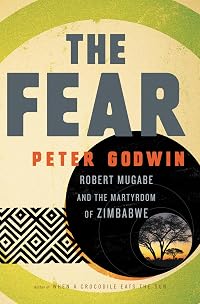
In this remarkable look inside Mugabe's isolated yet restive Zimbabwe, journalist Godwin and his sister, Georgina, return to their childhood home and tour the economically devastated and state-terrorized cities, farms, and diamond mines at considerable personal risk, gathering candid interviews with dispossessed farmers, marginalized elites, and former insiders to cast a light on the workings of Mugabe's dictatorship and psychology, and the "fear factor" crucial to his control.Tags
Recommendations
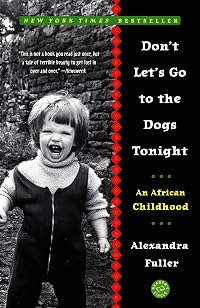
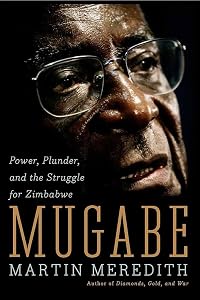
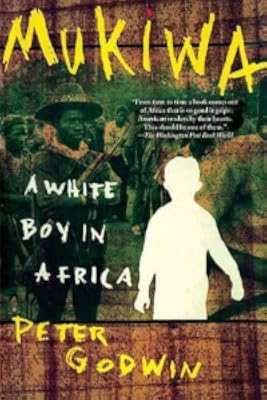
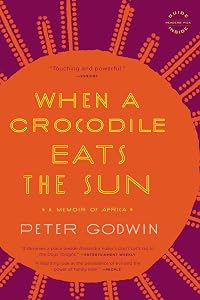
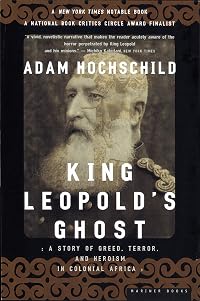
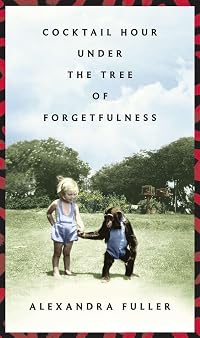
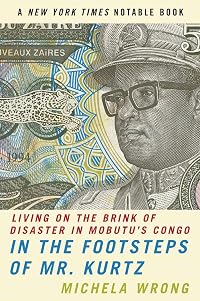
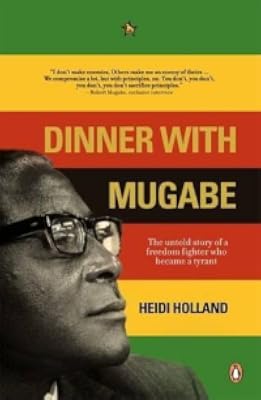
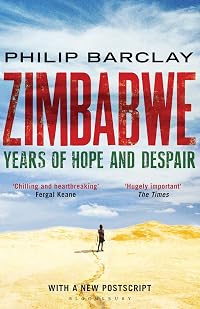
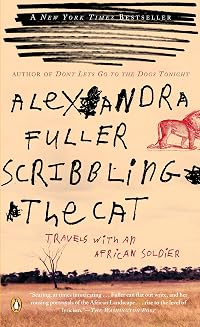
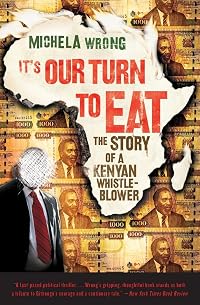
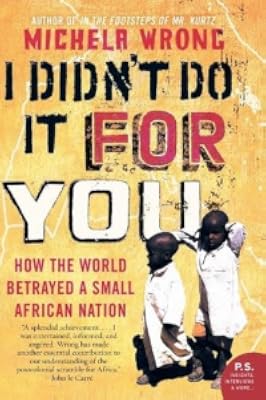

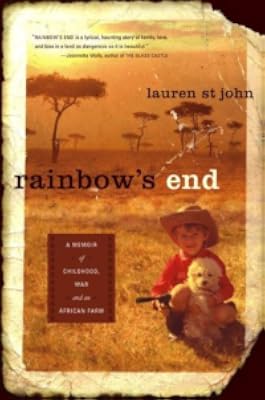
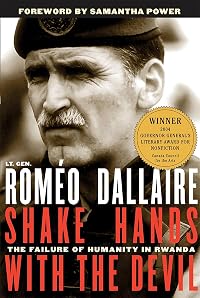
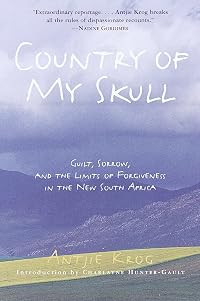
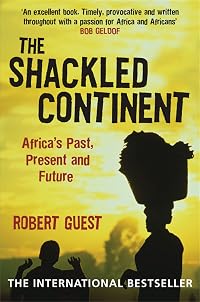
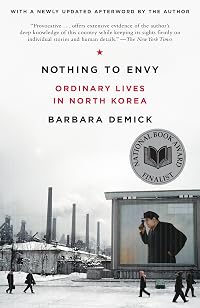
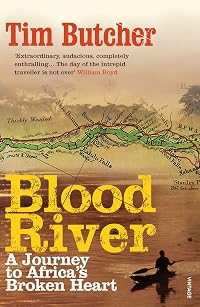
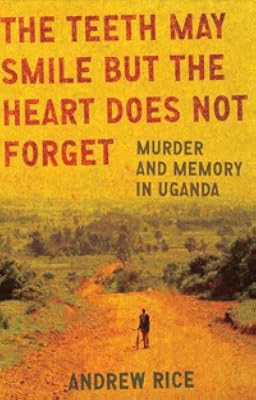
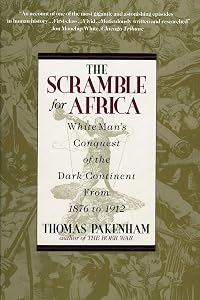
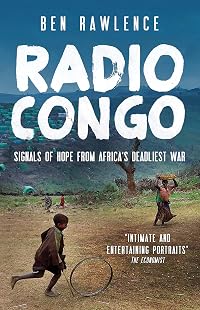
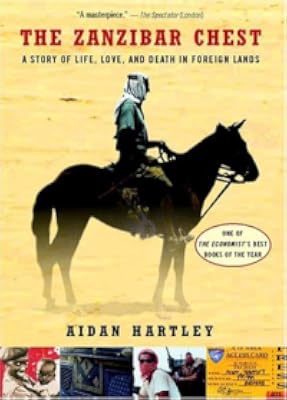
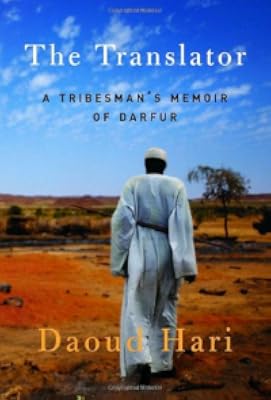
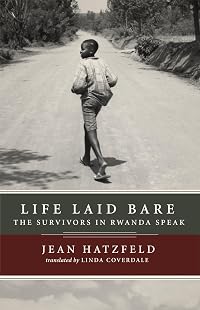
Member Recommendations
Popup-ch Both books show the absurdities of Mugabes reign. Rogers through light-hearted (rather black) humour, and Godwin through the well-documented atrocities of the regime.
Rogers is the Graham Greene to Godwins Solzhenitsyn.
Member Reviews
Every day when we wake up, we quickly take stock of our surroundings. Is light pouring through cracks in the bedroom curtains? Where is the end of the bed, so I don’t bang my foot against it in the dark again? How long do I have to snooze before I absolutely must get ready for work? These are the types of questions that plague many people each morning. Yet for others, those unlucky enough to be living under the rule of a corrupted and violent government, the only question each morning is more like, “Will I live to see another day?” History has shown many times before how the oppressed can quickly become the oppressor once power sinks its claws in and Zimbabwe, under the rule of President Robert Mugabe, now stands at the pinnacle, show more waving a flag boasting leadership and unity on one side, but the other a desperate cry for help. Which one will the world respond to?
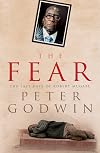
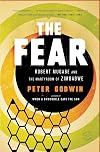
The Fear: Robert Mugabe and the Martyrdom of Zimbabwe is a harrowing travelogue by Peter Godwin, detailing his trip back to his homeland after an election, which should have ousted their despotic leader, but instead unleashed a paranoid and chaotic fury unlike anything seen before. Peter moves in and out of danger, trying to document as clearly as he can the abuses and tragedies inflicted upon the people who dared to challenge the status quo and spoke their mind in this fledgling democracy.
The set up to this barbarism was a recent national election for Zimbabwe in 2008, where Robert Mugabe, the country’s longtime president, lost to Morgan Tsvangirai in bogus political theater gone wrong (or right, depending on which side you were on). Mugabe and all of his generals had the opportunity to walk away with plumped up golden parachutes and immunity from any number of crimes they committed during his reign. Instead, the madman showed his true colors, not the green, yellow, red and black stripes of their flag, but rather the green of greed and the red of rage towards those who voted against him. With the assistance of his generals, already hardened by previous extreme civil wars, and brutal war veterans who saw Mugabe as the savior and bringer of their true freedom, he set about intimidating, torturing and killing anyone who spoke out against his legitimacy as the one true ruler. Untold numbers have already died in the struggle for true democracy there and even more are living with the physical and mental scarring left behind by roving gangs of power-hungry war vets and brainwashed youth who have been taught torture and death dealing as a civil trade.
Godwin does an amazing job detailing out these horrors, while posting them up against the background of the natural beauty and serenity Zimbabwe can hold underneath. The country, itself awash with the blood of wars between the tribes and now overflowing once again with the bodies of its people, still manages to capture a sense of timelessness and purity in their countryside and jungles. Godwin tries to show that side of his home and prove that keeping those people and their traditions alive, outside the despotism of Mugabe, is truly something worth fighting for, possibly dying for.
The examples and scenarios of intimidation and murder unleashed by Mugabe go far beyond the pale of human rights abuses, causing the international community to balk at recognizing him as the true leader. The opposing party (known as the MDC) has refused to give up and endured years of assassinations and trumped up prison stays in conditions rivaling those in medieval times. Today, you will find a GNU (Government of National Unity) set up in Zimbabwe consisting of members of Mugabe’s cabinet and those of the MDC, but Godwin pulls back the sheen of stability to show the fallacy of this tenuous brotherhood of man. Heads of the opposition only agreed to stop the continued bloodshed and in hopes of staving off outright civil war, but with a new election coming around the bend, people are once again worried they will be targeted for their votes. Towns loyal to the MDC fear they will once again be burned, looted, pillaged and their women raped by roving gangs of Mugabe conscripts.
The Fear was the nickname given by the people to the blanket of intimidation laid over the country by Mugabe and the book reads like something from hundreds of years ago when countries were conquered and re-settled by vicious landlords. Yet, when you let it sink in that these horrible actions are being carried out even to this very day, it chills even the most disconnected reader. It is an eye-opening look into a world many of us would never know, or care to know, exists, but once you see it, you will not be able to look away. For those who do read the book and want to help the cause, there are various ways listed out on Godwin’s website. show less
The Fear: Robert Mugabe and the Martyrdom of Zimbabwe is a harrowing travelogue by Peter Godwin, detailing his trip back to his homeland after an election, which should have ousted their despotic leader, but instead unleashed a paranoid and chaotic fury unlike anything seen before. Peter moves in and out of danger, trying to document as clearly as he can the abuses and tragedies inflicted upon the people who dared to challenge the status quo and spoke their mind in this fledgling democracy.
The set up to this barbarism was a recent national election for Zimbabwe in 2008, where Robert Mugabe, the country’s longtime president, lost to Morgan Tsvangirai in bogus political theater gone wrong (or right, depending on which side you were on). Mugabe and all of his generals had the opportunity to walk away with plumped up golden parachutes and immunity from any number of crimes they committed during his reign. Instead, the madman showed his true colors, not the green, yellow, red and black stripes of their flag, but rather the green of greed and the red of rage towards those who voted against him. With the assistance of his generals, already hardened by previous extreme civil wars, and brutal war veterans who saw Mugabe as the savior and bringer of their true freedom, he set about intimidating, torturing and killing anyone who spoke out against his legitimacy as the one true ruler. Untold numbers have already died in the struggle for true democracy there and even more are living with the physical and mental scarring left behind by roving gangs of power-hungry war vets and brainwashed youth who have been taught torture and death dealing as a civil trade.
Godwin does an amazing job detailing out these horrors, while posting them up against the background of the natural beauty and serenity Zimbabwe can hold underneath. The country, itself awash with the blood of wars between the tribes and now overflowing once again with the bodies of its people, still manages to capture a sense of timelessness and purity in their countryside and jungles. Godwin tries to show that side of his home and prove that keeping those people and their traditions alive, outside the despotism of Mugabe, is truly something worth fighting for, possibly dying for.
The examples and scenarios of intimidation and murder unleashed by Mugabe go far beyond the pale of human rights abuses, causing the international community to balk at recognizing him as the true leader. The opposing party (known as the MDC) has refused to give up and endured years of assassinations and trumped up prison stays in conditions rivaling those in medieval times. Today, you will find a GNU (Government of National Unity) set up in Zimbabwe consisting of members of Mugabe’s cabinet and those of the MDC, but Godwin pulls back the sheen of stability to show the fallacy of this tenuous brotherhood of man. Heads of the opposition only agreed to stop the continued bloodshed and in hopes of staving off outright civil war, but with a new election coming around the bend, people are once again worried they will be targeted for their votes. Towns loyal to the MDC fear they will once again be burned, looted, pillaged and their women raped by roving gangs of Mugabe conscripts.
The Fear was the nickname given by the people to the blanket of intimidation laid over the country by Mugabe and the book reads like something from hundreds of years ago when countries were conquered and re-settled by vicious landlords. Yet, when you let it sink in that these horrible actions are being carried out even to this very day, it chills even the most disconnected reader. It is an eye-opening look into a world many of us would never know, or care to know, exists, but once you see it, you will not be able to look away. For those who do read the book and want to help the cause, there are various ways listed out on Godwin’s website. show less
Short Version:
“This a book by a brave man about people who are braver still. Peter Godwin brings us closer to the filth of the Mugabe tyranny than is bearable and portrays with subtlety, authority, and respect those who, against all odds and at the cost of unimaginable suffering, continue the resistance against it. Their courage is the stuff of myth, and in Godwin they have found their chronicler.”
David Rieff
Long Version:
Some books are tough to read. Some we need to read. Peter Godwin’s newest, The Fear, is one of those books. By far one of the most haunting books I have ever read, this work chronicles the fate of Zimbabwe’s opposition after their victory, in a democratic election, to oust dictator Robert Mugabe after his thirty show more years of despotic rule. For their bravery in standing up and saying, “No more!”, followers of the MDC party faced torture, terror, intimidation, and death.
Right about the time that I felt as if this would be a book that I could not finish Peter returned to his wife and two young sons in New York, and he was feeling much the same way. While playing dinos with his boy he envisioned a chart hanging on the end of a young torture victim’s bed, upon which the nurses had put a fierce-some T-rex sticker-a symbol of the boy’s spirit. The dichotomy of his sons’ lives and those of the children in the land of his birth overwhelmed him.
In every act, every conversation, he flashed back to his homeland, and in doing so, he realized that he didn’t write this book for himself-he wrote it for the thousands of victims of thirty years of Mugabe rule in his beloved Zimbabwe. This was a story he was called to tell, for the simple reason that he could. He must bear witness to The Fear, bring the truth of it to the attention of the outside world, and bring hope to those actively engaged in their country’s fight for freedom from tyranny.
Knowing that Peter Godwin is a print journalist, I fully expected excellent reporting, and he definitely delivered. The book is well organized and any digressions from chronology are clear and well transitioned. Despite dealing with a huge cast of players, he gave enough information to remind the reader where they had met a person previously, and no person ever felt extraneous. Some levity is injected into an otherwise dark narrative in the form of an almost gallowsish humor. What I did not expect was the formidable strength of his ability to paint Zimbabwe in my mind-her stunning natural beauty, economic free-fall, collapsed civil structure, and complex society were vibrant within his prose.
Above all else, this book is about the triumph of humanity in the most wretched of circumstances. It is the story of people who stand, in the face of a reality so horrific that most of us can not even apprehend it, and refuse to be silenced, even unto death. Please read their story. Let Peter’s decision to write this difficult tale gain traction in your ability to share your reading experience with others you know. The fight in Zimbabwe is ongoing. If democracy is to prevail-and the suffering of thousands of torture victims be vindicated-the world must listen and speak and stand.
Star ranking: absolutely five stars show less
“This a book by a brave man about people who are braver still. Peter Godwin brings us closer to the filth of the Mugabe tyranny than is bearable and portrays with subtlety, authority, and respect those who, against all odds and at the cost of unimaginable suffering, continue the resistance against it. Their courage is the stuff of myth, and in Godwin they have found their chronicler.”
David Rieff
Long Version:
Some books are tough to read. Some we need to read. Peter Godwin’s newest, The Fear, is one of those books. By far one of the most haunting books I have ever read, this work chronicles the fate of Zimbabwe’s opposition after their victory, in a democratic election, to oust dictator Robert Mugabe after his thirty show more years of despotic rule. For their bravery in standing up and saying, “No more!”, followers of the MDC party faced torture, terror, intimidation, and death.
Right about the time that I felt as if this would be a book that I could not finish Peter returned to his wife and two young sons in New York, and he was feeling much the same way. While playing dinos with his boy he envisioned a chart hanging on the end of a young torture victim’s bed, upon which the nurses had put a fierce-some T-rex sticker-a symbol of the boy’s spirit. The dichotomy of his sons’ lives and those of the children in the land of his birth overwhelmed him.
In every act, every conversation, he flashed back to his homeland, and in doing so, he realized that he didn’t write this book for himself-he wrote it for the thousands of victims of thirty years of Mugabe rule in his beloved Zimbabwe. This was a story he was called to tell, for the simple reason that he could. He must bear witness to The Fear, bring the truth of it to the attention of the outside world, and bring hope to those actively engaged in their country’s fight for freedom from tyranny.
Knowing that Peter Godwin is a print journalist, I fully expected excellent reporting, and he definitely delivered. The book is well organized and any digressions from chronology are clear and well transitioned. Despite dealing with a huge cast of players, he gave enough information to remind the reader where they had met a person previously, and no person ever felt extraneous. Some levity is injected into an otherwise dark narrative in the form of an almost gallowsish humor. What I did not expect was the formidable strength of his ability to paint Zimbabwe in my mind-her stunning natural beauty, economic free-fall, collapsed civil structure, and complex society were vibrant within his prose.
Above all else, this book is about the triumph of humanity in the most wretched of circumstances. It is the story of people who stand, in the face of a reality so horrific that most of us can not even apprehend it, and refuse to be silenced, even unto death. Please read their story. Let Peter’s decision to write this difficult tale gain traction in your ability to share your reading experience with others you know. The fight in Zimbabwe is ongoing. If democracy is to prevail-and the suffering of thousands of torture victims be vindicated-the world must listen and speak and stand.
Star ranking: absolutely five stars show less
A chilling account of a nation's total breakdown into violent chaos when Mugabe's pet killers and thugs spread across a bleeding, dysfunctional nation to ensure they steal the election. Heartbreaking, but with inspiring portraits of people who refuse to be silenced in spite of the constant threats of torture and death that hang over them.
Peter Godwin, a white Zimbabwean, is a very talented writer. This book recalls his visits home in the aftermath of Robert Mugabe's stunning defeat by the MDC candidate in 2008. Refusing to cede power, Mugabe and his loyal followers launched a campaign to kill and torture their opponents. Since becoming Prime Minister in 1980 and President in 1987, Mugabe has destroyed the economy (by stealing or "jambanja'ing" farms), education (previously 92% literacy, highest in Africa), and culture. This book presents a stark and brutal picture of an African despot, who has amazingly managed to avoid the civilized world's wrath.
Peter Godwin is a white Zimbabwean who clearly loves his native country. He returns after the 2008 presidential elections because he expects to join with his fellow citizens in "dancing on Robert Mugabe's political grave." But what he finds himself doing over the next three months is bearing witness to Mugabe's brutal crackdown on the opposition who have clearly defeated him at the ballot box, but to whom he refuses to relinquish power. Godwin documents the systematic terrorizing of men, women and children through murder, torture, imprisonment and arson by government forces. Through it all, he documents also the steely determination of the Zimbabwean people to claim their political right to dissent and representative government. Gripping.
In 2008, there was a “democratic” election in Zimbabwe, which apparently defeated its long-time leader/dictator, Robert Mugabe. Mugabe, however, wouldn’t accept it, so while there was to be a re-vote, Mugabe’s people hunted down and tortured and/or murdered people known to be voting against him. The (white) author, who had been born in Zimbabwe, and was now a journalist elsewhere, decided to head back and talked to Zimbabwean people to bear witness.
The book followed the author as he travelled across the country to talk to the people. There were a lot of people and much of the book, particularly the first half, focused on telling the stories of those who had been tortured. Because there were so many people, I sometimes found it show more hard to follow – is this a new person, or is this one of the people already mentioned? Some of the other parts were a bit dry for me. It’s horrible, everything that happened, but I found much of the book (though not all) a dry read, unfortunately.
This book is copyrighted 2010, so I looked up Mugabe. The man, at 90-something years old now, is still alive and sadly, still the leader of the country. show less
The book followed the author as he travelled across the country to talk to the people. There were a lot of people and much of the book, particularly the first half, focused on telling the stories of those who had been tortured. Because there were so many people, I sometimes found it show more hard to follow – is this a new person, or is this one of the people already mentioned? Some of the other parts were a bit dry for me. It’s horrible, everything that happened, but I found much of the book (though not all) a dry read, unfortunately.
This book is copyrighted 2010, so I looked up Mugabe. The man, at 90-something years old now, is still alive and sadly, still the leader of the country. show less
Except that it wasn't of course. But as Godwin returns again to the country of his birth in 2008 it seems that way, culminating in the election that Mugabe lost, but continued in power anyway. Godwin's connection with Zimbabwe are profound and have been told in several books, all of which are worth reading. He writes about a country and a people that he loves, but more than a place of sentimental attachment it a place of broken promise, betrayal and greed. What is in no doubt is Godwin's bravery, and the bravery of many ordinary Zims who don't have his option to leave and save their lives, and he's repaid his many obligations to them by telling their story, that the reader might share in their story and appreciation of their courage and show more spirit.
See also: A review from the Guardian newspaper, and Peter Godwin's own website. show less
See also: A review from the Guardian newspaper, and Peter Godwin's own website. show less
Members
- Recently Added By
Published Reviews
ThingScore 100
Godwin... successfully straddles the many divides in Zimbabwe today – between urban and rural, black and white, rich and poor – to give a well-balanced picture, with exquisite attention to detail, of the reality of life in Zimbabwe today.
added by chazzard
This is a moving, evocative and strangely tender book.
added by chazzard
Author Information

7+ Works 1,768 Members
Peter Godwin is the award-winning author of the memoirs When a Crocodile Eats the Sun and Mukiwa. Born and raised in Zimbabwe, he was educated at Cambridge and Oxford and became a foreign correspondent, reporting from more than sixty countries. In 2010 he was awarded a Guggenheim. Fellowship. He lives in Manhattan with his family.
Awards and Honors
Series

Common Knowledge
- Canonical title
- The Fear: Robert Mugabe and the Martyrdom of Zimbabwe
- People/Characters
- Robert Mugabe; Peter Godwin
- Important places
- Zimbabwe
- Epigraph
- "I learned that courage was not the absence of fear, but the triumph over it. The brave man is not he who does not feet afraid, but he who conquers that fear." Nelson Mandela
- Dedication
- This book is dedicated to the many Zimbabweans who have been threatened, hurt of killed in the struggle to be free from the dictatorship. May their sacrifice not be forgotten.
- First words
- My mother lies on her bed and tries to see the sky.
- Last words
- (Click to show. Warning: May contain spoilers.)Their voices rise, soft among the balancing boulders, as they sit in their circle of hard-back charis with their newly issued koki pens and their pads of paper, trying to draw away their suffering, struggling to heal themselves, because no one else will.
- Blurbers
- Finnegan, William; Rieff, David; Freed, Lynn; Hammer, Joshua; Orner, Peter; Wilkinson, Alec (show all 7); Mbanga, Wlif
Classifications
- Genres
- Nonfiction, History, General Nonfiction, Biography & Memoir, Politics and Government
- DDC/MDS
- 968.9105 — History & geography History of Africa Southern Africa: Botswana, Zimbabwe, Zambia, Malawi Zambia, Zimbabwe, Malawi Zimbabwe, Mostly
- LCC
- DT2996 .G64 — History of Europe, Asia, Africa and Oceania Africa History of Africa Zimbabwe. Southern Rhodesia History
- BISAC
Statistics
- Members
- 278
- Popularity
- 115,897
- Reviews
- 17
- Rating
- (4.08)
- Languages
- Dutch, English, Polish
- Media
- Paper, Audiobook, Ebook
- ISBNs
- 11
- ASINs
- 6