On This Page
Description
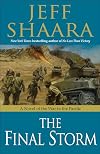
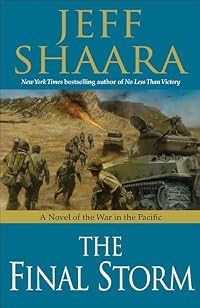
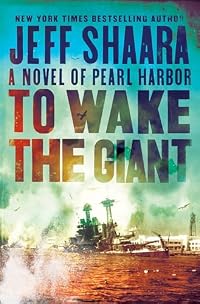
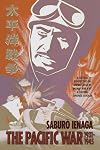
A fictional account of the struggle for Okinawa through the eyes of combatants on both sides: Private Clay Adams, Admiral Chester Nimitz, General Simon Bolivar Buckner, Jr., and General Mitsura Ushijima, the Japanese general in charge of defending the island.Tags
Recommendations


Member Recommendations
Member Reviews
I am a big Jeff Shaara fan, but this is not one of his best. For some reason, like many others he has chosen to ignore most of the War in the Pacific. Apparently he was badgered into writing this book by Marines who complained about the situation. Unlike his other books, this one doesn't cover a time period of the war, it covers the attack on Okinawa and the very end of the war. It is a very brutal and personal account of the shocking fighting that took place on Okinawa. As is usual for his books it is well researched and very in depth, written from the point of view of several participants, including a Marine private and a Japanese commander. Very insightful and clear and detailed. However, like some of his books it lacks a bit of an show more overall tactical and strategic view and stuck to 1 point of view a bit too much. These are minor points though, it is still a very good book about the end of the war, just a little limited in scope. show less
Jeff Shaara’s concluding volume of his World War 2 novels, this one takes place in the Pacific and focuses mostly on the ghastly engagement on Okinawa - a battle that takes some three months to conclude - to the dropping of the atom bomb on Hiroshima. As with all of Jeff Sahara’s novels he tells the story through the eyes of real persons, both high ranking and enlisted, both military and civilian, and tells that story as best he can from their point of view with as little bias as reasonably possible.
“If you are looking for either a strident argument in favor of the atomic bomb, or an apology for American immorality, you will find neither here. The story is told through the eyes of the participants, whose perspectives and decisions show more and experiences reflected what was happening around them. There is no judgement in hindsight, no moral verdict on my part. That just isn’t my job.” This is from his preface, page xi. What a refreshing approach.
As my own personal observation, if anybody reading this does have a “strident argument” one way or another, you should definitely read this book. It just might give you a new perspective regardless of your “strident perspective.”
The fanaticism of the Japanese continues to amaze me. Numerous examples are highlighted in this novel. The Yamato, the largest battleship of the war, was sent by Japan to Okinawa to assist the Japanese garrison. Without enough fuel for a return trip it was intercepted by American aircraft and sunk. “Those few Japanese who survived were rescued by their own ships after the American planes had gone home. Whether those rescued sailors regretted the complete absence of lifeboats, no one would dare complain. It was tradition onboard Japanese naval vessels that life boats were a symbol of defeat, that sailors who did not die with their ship would suffer a shameful indignity if they survived.” (P. 121).
Don’t get too attached to any of the characters in Jeff Sahara’s novels. They are taken from real life and and someone you may find interesting might be dead by the next page. And his descriptions of one’s life ebbing away can be breathtaking.
Some of the description of combat on Okinawa could get a bit tedious, but this battle was a long, extended, brutal engagement with absolutely unspeakable personal experiences. I can recommend anything by this incredible author. show less
“If you are looking for either a strident argument in favor of the atomic bomb, or an apology for American immorality, you will find neither here. The story is told through the eyes of the participants, whose perspectives and decisions show more and experiences reflected what was happening around them. There is no judgement in hindsight, no moral verdict on my part. That just isn’t my job.” This is from his preface, page xi. What a refreshing approach.
As my own personal observation, if anybody reading this does have a “strident argument” one way or another, you should definitely read this book. It just might give you a new perspective regardless of your “strident perspective.”
The fanaticism of the Japanese continues to amaze me. Numerous examples are highlighted in this novel. The Yamato, the largest battleship of the war, was sent by Japan to Okinawa to assist the Japanese garrison. Without enough fuel for a return trip it was intercepted by American aircraft and sunk. “Those few Japanese who survived were rescued by their own ships after the American planes had gone home. Whether those rescued sailors regretted the complete absence of lifeboats, no one would dare complain. It was tradition onboard Japanese naval vessels that life boats were a symbol of defeat, that sailors who did not die with their ship would suffer a shameful indignity if they survived.” (P. 121).
Don’t get too attached to any of the characters in Jeff Sahara’s novels. They are taken from real life and and someone you may find interesting might be dead by the next page. And his descriptions of one’s life ebbing away can be breathtaking.
Some of the description of combat on Okinawa could get a bit tedious, but this battle was a long, extended, brutal engagement with absolutely unspeakable personal experiences. I can recommend anything by this incredible author. show less
The Final Storm took me by surprise. I rarely read historical fiction because the there is generally a viewpoint to sell and I enjoy making mine from scratch. That is definitely not the case here. There are no overblown heroes from the "winning" side. Jeff Shaara tells a tale of people at war; leaving the judgments to the reader.
The book tells the story of the war in the Pacific from Okinawa to the Japanese surrender from both sides. The differences in culture and viewpoint are there, but they are more matters of fact than author bias. This makes for enjoyable reading. The book moves along quickly weaving battles of fictional Pvt. Adams with the views of historical figures.
The Final Storm is both entertaining and thoughtful; as all show more good stories are. I was especially impressed with the post-war depiction Pvt. Adams--it is as real as history itself. Read this book. show less
The book tells the story of the war in the Pacific from Okinawa to the Japanese surrender from both sides. The differences in culture and viewpoint are there, but they are more matters of fact than author bias. This makes for enjoyable reading. The book moves along quickly weaving battles of fictional Pvt. Adams with the views of historical figures.
The Final Storm is both entertaining and thoughtful; as all show more good stories are. I was especially impressed with the post-war depiction Pvt. Adams--it is as real as history itself. Read this book. show less
 This review was written for LibraryThing Early Reviewers.
The best of Shaara's books on WWII, The Final Storm paints a vivid picture of the ugly struggle on Okinawa near the end of the war. Following his fictional character, Marine Clay Adams, Shaara avoids on of the weaknesses of historical fiction, stick figures of real people become novel devices. Read this not for the implicit advocacy for the dropping of the atomic bomb, but rather for its descriptions of the dehumanizing heroism of war.
I have been searching my brain for a good adjective to describe this author’s writing style. I found it: “subtle.” You’ll be reading along, absorbed in the story and in the history, when suddenly you’ll find yourself on the verge of tears. Some movies slap you in the face. Others creep up on you. Some books slap you in the face. Others, like this one, creep up on you. This is not to say that Mr. Shaara doesn’t describe the effects of having a buddy’s being blown up right beside you or the other horrible happenings of war. He does. He simply leads you to it in a very gentle way. Even though his style is rather low-key, he paints a vivid picture.
This book covers the Pacific Theater of Operation during World War II. The show more author follows both enlisted men and officers, both Japanese and American, through many battles, the most coverage being given to Okinawa. He also takes you inside the mind of Col. Paul Tibbetts, the pilot of the Enola Gay, which, in case you didn’t know, is the name of the plane that dropped the atomic bomb on Hiroshima.
Mr. Shaara furnishes a picture of the psyche of the Japanese soldier, from the lowest rank to the highest. Most people in Western cultures simply do not understand the Japanese concept of honor. Too many people just consider the Japanese of old to be savages with no morals, much in the same way the Native Americans were judged to be.
I especially appreciated the Afterword section, which contains short articles telling what happened after the war to the major characters in the book. I had thought the ending was one of the most poignant, yet unlikely scenarios, until I found in the Afterword that Pvt. Clayton Adams was a real person. Of course, I knew the famous characters were real people, but Pvt. Adams was a wonderful surprise. The ending remained poignant, made more so by the fact that it was true, but not unlikely.
The Final Storm is beyond my ability to review properly. All I can say is that it is one of the best war-story books I have ever read, and I encourage you to read it for yourself. I don’t think you will be disappointed. show less
This book covers the Pacific Theater of Operation during World War II. The show more author follows both enlisted men and officers, both Japanese and American, through many battles, the most coverage being given to Okinawa. He also takes you inside the mind of Col. Paul Tibbetts, the pilot of the Enola Gay, which, in case you didn’t know, is the name of the plane that dropped the atomic bomb on Hiroshima.
Mr. Shaara furnishes a picture of the psyche of the Japanese soldier, from the lowest rank to the highest. Most people in Western cultures simply do not understand the Japanese concept of honor. Too many people just consider the Japanese of old to be savages with no morals, much in the same way the Native Americans were judged to be.
I especially appreciated the Afterword section, which contains short articles telling what happened after the war to the major characters in the book. I had thought the ending was one of the most poignant, yet unlikely scenarios, until I found in the Afterword that Pvt. Clayton Adams was a real person. Of course, I knew the famous characters were real people, but Pvt. Adams was a wonderful surprise. The ending remained poignant, made more so by the fact that it was true, but not unlikely.
The Final Storm is beyond my ability to review properly. All I can say is that it is one of the best war-story books I have ever read, and I encourage you to read it for yourself. I don’t think you will be disappointed. show less
This review was written for LibraryThing Early Reviewers.Yet another chapter of war written by one of the masters... Shaara captures the horror of one of the fiercest and costliest Pacific battles in WW II. He finishes the book with a dramatic tension building description of the dropping of the A-bomb, along with quite a bit of commentary on the ethics of whether to drop the bomb... coming down pretty squarely on the positive side. A nice addition to the Pacific theater genre.
This review was written for LibraryThing Early Reviewers.NOTE: This review is from an "uncorrected proof" copy.
After reading one of Jeff Shaara's books, I always think to myself "this is the best one"! The trouble is, is that I've felt that way after every book he's written. This one is no exception. My words fall short of how much I loved this book. Each chapter is told from the perspective of a different person: a private on the front lines, a Japanese general, a Japanese doctor, Harry Truman, and the pilot who dropped the atomic bomb on Hiroshima. They are all extremely detailed and insightful. As Mr. Shaara says at the beginning of the book, this isn't about whether or not these events should or shouldn't have taken place. It is about the facts as he knows them, based on research from show more letters, notes, interviews with families and other sources.
I was curious about why he chose the battle of Okinawa vs. the battle of Iwo Gima. My uncle fought and survived Iwo Gima, so I was hoping to read about it. I had always heard that Iwo Gima was the bloodiest battle of the war in which the Americans suffered the most massive losses. Wrong. It was Okinawa. Some of the details made me cringe. I now have a good sense of what Iwo Gima must have been like; it was very similar.
I wondered why he chose not to include the perspective of Douglas MacArthur. It doesn't lessen the story, I was just curious.
Jeff Shaara is a master storyteller. I could see the images clearly in my mind and I was completely lost in the descriptions. I can't say enough about Mr.Shaara's gift of writing. It's a shame that his books weren't a part of my high school or college curriculums, instead of the dry history books I was required to read. He brings events and people to life. show less
After reading one of Jeff Shaara's books, I always think to myself "this is the best one"! The trouble is, is that I've felt that way after every book he's written. This one is no exception. My words fall short of how much I loved this book. Each chapter is told from the perspective of a different person: a private on the front lines, a Japanese general, a Japanese doctor, Harry Truman, and the pilot who dropped the atomic bomb on Hiroshima. They are all extremely detailed and insightful. As Mr. Shaara says at the beginning of the book, this isn't about whether or not these events should or shouldn't have taken place. It is about the facts as he knows them, based on research from show more letters, notes, interviews with families and other sources.
I was curious about why he chose the battle of Okinawa vs. the battle of Iwo Gima. My uncle fought and survived Iwo Gima, so I was hoping to read about it. I had always heard that Iwo Gima was the bloodiest battle of the war in which the Americans suffered the most massive losses. Wrong. It was Okinawa. Some of the details made me cringe. I now have a good sense of what Iwo Gima must have been like; it was very similar.
I wondered why he chose not to include the perspective of Douglas MacArthur. It doesn't lessen the story, I was just curious.
Jeff Shaara is a master storyteller. I could see the images clearly in my mind and I was completely lost in the descriptions. I can't say enough about Mr.Shaara's gift of writing. It's a shame that his books weren't a part of my high school or college curriculums, instead of the dry history books I was required to read. He brings events and people to life. show less
This review was written for LibraryThing Early Reviewers.Members
- Recently Added By
Lists

Favourite Books
1,817 works; 316 members
Author Information

33+ Works 18,448 Members
Jeff Shaara was born in New Brunswick, New Jersey on February 21, 1952. He received a degree in criminology from Florida State University in 1974. He was a professional dealer in rare coins for many years and operated his own business in Tampa until the death of his father, Michael Shaara, in 1988, when he became actively involved in the elder show more Shaara's literary estate. He continued his father's work by researching the history of the characters his father had brought to life in The Killer Angels, and in 1996 his prequel, Gods and Generals, was published. The book was awarded the American Library Association's Boyd Award for Excellence in Military Fiction and was adapted into a motion picture in 2003. His other works include The Last Full Measure, Rise to Rebellion, The Glorious Cause, The Steel Wave, No Less Than Victory, The Final Storm, A Blaze of Glory, A Chain of Thunder, The Smoke at Dawn, and The Fateful Lightning. He received another Boyd Award for To the Last Man. (Bowker Author Biography) show less
Some Editions
Awards and Honors
Distinctions
Series

Common Knowledge
- Canonical title
- The Final Storm
- Original publication date
- 2011
- People/Characters
- Clay Adams (Private); Chester W. Nimitz (Admiral); Simon Bolivar Buckner, Jr. (General); Mitsura Ushijima (General); Harry S. Truman; Okiro Hamishita (show all 7); Jesse Adams
- Important places
- Tokyo, Japan; Okinawa, Japan; Hiroshima, Japan; USA; Pacific Ocean
- Important events
- World War II (1939 | 1945); World War II, Pacific Theater (1941-12-07 | 1945-09-02); Battle of Okinawa (1945); Atomic Bombings of Hiroshima and Nagasaki (1945)
- Dedication
- For Brenda - at last
Classifications
Statistics
- Members
- 522
- Popularity
- 56,858
- Reviews
- 25
- Rating
- (4.02)
- Languages
- Chinese, English, French, German
- Media
- Paper, Audiobook, Ebook
- ISBNs
- 12
- ASINs
- 6