The Profession
by Steven Pressfield
On This Page
Description
In a near-future world in which governments and corporations are forced to hire cutting-edge mercenary armies to protect their wealth, the globe's largest private military launches a campaign to take over the United States.Tags
Recommendations




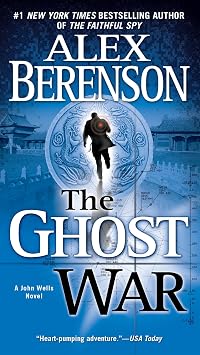
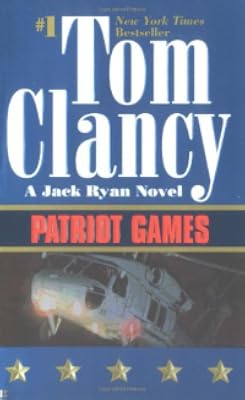
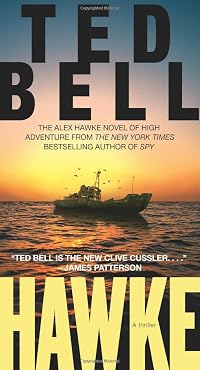
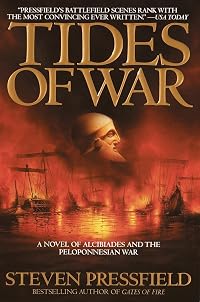

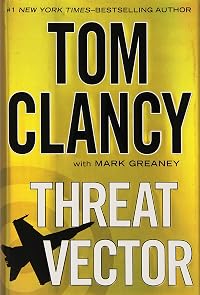
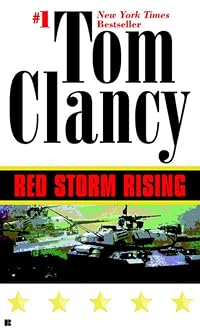
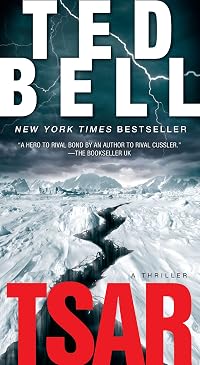

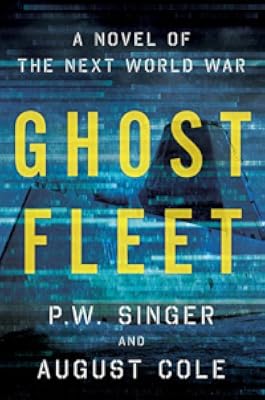








Member Recommendations

by anonymous user

by anonymous user

by anonymous user
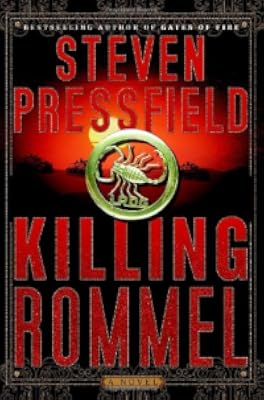
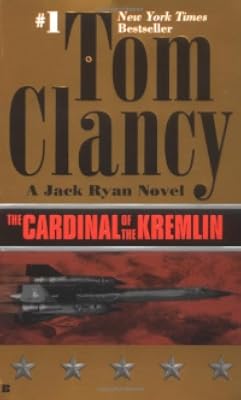
viking2917 The Profession seems strongly based on Tides of War...
Member Reviews
While I don't consider myself a judgemental person, I am always a little disappointed to see Early Reviewers posting reviews saying they didn't finish the book. While I appreciate the honesty, I just think it's only fair to give the full book a chance when the publisher gave you a free book. Alas, here I am, with a confession. I couldn't do it. I just couldn't read this book. It was fucking terrible. Vulgarity being necessary to insure the reader of this review understands just how bad it was.
The Profession is so burdened with military-related techno-jargon that it completely destroys any amount of readability the book may have had. It's excessive. Steven Pressfield excessively and needlessly lists all kinds of weapons and equipment show more that surrounds the main character. The summary states "Infused by a staggering breadth of research in military tactics." I'm all for knowledgeable, educated writing. If Pressfield did a ton of research to make his novel more realistic then I fully support that. He mishandles his research, however, and it makes the book nigh unreadable.
I want to make it clear that it isn't that I didn't understand the jargon, but that it was so frequent that it destroys the flow of the novel and makes it feel like you are reading an instruction manual. It was bland, boring, and not at all fun to read. I made it 20 pages, and I forced myself to read 15 of those.
Maybe it's because I was reading an uncorrected proof, maybe the finished product is much better. I certainly hope so. This is just awful. It's a shame because he wrote one of my favorite historical fiction novels, Gates of Fire. This, however, might very well be the opposite. show less
The Profession is so burdened with military-related techno-jargon that it completely destroys any amount of readability the book may have had. It's excessive. Steven Pressfield excessively and needlessly lists all kinds of weapons and equipment show more that surrounds the main character. The summary states "Infused by a staggering breadth of research in military tactics." I'm all for knowledgeable, educated writing. If Pressfield did a ton of research to make his novel more realistic then I fully support that. He mishandles his research, however, and it makes the book nigh unreadable.
I want to make it clear that it isn't that I didn't understand the jargon, but that it was so frequent that it destroys the flow of the novel and makes it feel like you are reading an instruction manual. It was bland, boring, and not at all fun to read. I made it 20 pages, and I forced myself to read 15 of those.
Maybe it's because I was reading an uncorrected proof, maybe the finished product is much better. I certainly hope so. This is just awful. It's a shame because he wrote one of my favorite historical fiction novels, Gates of Fire. This, however, might very well be the opposite. show less
 This review was written for LibraryThing Early Reviewers.
In short this is "Hammers Slammers" placed in near future. In more details ... this is story set a decade in the future, that is warning on what happens when charismatic person shows up during the turbulent times for a nation and unleashes his natural ambition to reach the highest position possible. Author manages to tell the story in very clear and fast paced way, with excellent portrayal of mercenaries themselves, media that will follow whomever pays the more (or whomever they are too much afraid to antagonize) and two-faced politicians. Battle scenes are fast, bloody and merciless as they are, technology is given as part of scenery (which is the way I like it, no constant bombardment of various weapon specs) and you can just show more visualize light assault vehicles chasing one another and exchanging fire or strike team infiltrating the heavily protected area to destroy their target.
If your first thought when I mentioned charismatic, ambitious military leader was Julius Caesar - you are right. Story revolves around USMC general Salter, military genius, retired (to be more precise dishonorably discharged) who becomes field commander of the largest mercenary forces in the world - Force Insertion. After several successful campaigns in the Middle East he soon becomes the CEO of the freelancer's company. His goals are not know to anyone, officers and soldiers are told only what is required to execute the mission and nothing more. He commands units and equipment sub-contracted from other mercenary troops in the world, light infantry, black ops, artillery, tanks, assault helicopters, fighter crafts, drones ... name it Force Insertion has it. Battle hardened troops are organized along the lines of Roman legions and cover area from Saudi Arabia to former Soviet republics in Central Asia bordering with Russia, China and India. All's good until Salter initiates operation that strikes fear into the Western world because no-one is sure what is happening.
Told from the perspective of Gent (Southern States' surname that I cannot spell :) ), commander under Salter in Marines and then commander of the numerous strike teams in Force Insertion (again under Salter). Through Gent we get details on how Salter lost his USMC commission, how Gent became his confidant and most importantly on ethics and morale when it comes to ruling the men that do fight for money first and foremost but generally they are living for a thrill of action and battle zone. To some it might sound barbarous and macho but in general military life did not change for centuries - only thing that changed in last 100 or so years was decline in number of fielded mercenaries on the battlefields and unfortunately that seems to be changing and mercs (like this fictional Force Insertion) are yet again becoming more and more widespread.
As time goes by and details (and methods) of Salter's and his political allies' actions start to surface Gent will have to make a decision - to fight with or against Salter. Salter, great game-player and manipulator extreme, ready to make a scene from every public event, scene that will bring him more popular support.
Ending was rather realistic (btw if you expect happy ending, you might want to skip this one) - at the end all power structures are mercenaries (as proved by the last year) and ready to do whatever is necessary to stay in power. I could not feel nothing but contempt for former secretary in US government from the book who tried to get place in future Salter's government but lost and then decided to change tactics. People might not like the forces who now form the "rebellion" but again, "enemy of my enemy is my friend".
In difficult times for every nation most dangerous are strong, capable and highly ambitious men and women capable to circumventing the laws of the nation and forcing their rule on the nation. People, masses, who are constantly in fear and having difficulties will always welcome that person (especially if money and gold is mentioned) - and voila, republic is lost and tyranny is born. Problem with tyrannies (kingdoms, empires and likes) is that while they can be established by capable men and women their successors are usually such failures that [following succession] nation find themselves in more precarious position (fast backward to city revolutions in 18th, 19th and 20th centuries...... hopefully in the future we wont have repetition of these same fights for freedom and rights). As Salter himself says, when people start to venerate warrior codes, be it mercenary code or Samurai code, then that signals that something is very very wrong with the society itself, it is indicator of coming turmoil.
And lets be honest - this person (or persons) does not need to come from what is traditional conservative organizations like army (excellent "Seven Days of May" comes to mind when it comes to coup d'etats). If last year proved anything is that all the little bureaucrats, mayors and governors, not to mention high-level politicians and/or their sponsors, are tyrants-in-making, so ready to take off liberties from others and so slow to give their ever greater powers back. And they will cling to power as long as they have convenient crisis at hand to use it to feed and boost that fear and melodrama so present and wanted in the general populace.
If one sentence can describe the book then it is - people that do not learn from history are destined to repeat it.
Excellent book on contemporary politics, mercenaries, warrior code and history. Highly recommended. show less
If your first thought when I mentioned charismatic, ambitious military leader was Julius Caesar - you are right. Story revolves around USMC general Salter, military genius, retired (to be more precise dishonorably discharged) who becomes field commander of the largest mercenary forces in the world - Force Insertion. After several successful campaigns in the Middle East he soon becomes the CEO of the freelancer's company. His goals are not know to anyone, officers and soldiers are told only what is required to execute the mission and nothing more. He commands units and equipment sub-contracted from other mercenary troops in the world, light infantry, black ops, artillery, tanks, assault helicopters, fighter crafts, drones ... name it Force Insertion has it. Battle hardened troops are organized along the lines of Roman legions and cover area from Saudi Arabia to former Soviet republics in Central Asia bordering with Russia, China and India. All's good until Salter initiates operation that strikes fear into the Western world because no-one is sure what is happening.
Told from the perspective of Gent (Southern States' surname that I cannot spell :) ), commander under Salter in Marines and then commander of the numerous strike teams in Force Insertion (again under Salter). Through Gent we get details on how Salter lost his USMC commission, how Gent became his confidant and most importantly on ethics and morale when it comes to ruling the men that do fight for money first and foremost but generally they are living for a thrill of action and battle zone. To some it might sound barbarous and macho but in general military life did not change for centuries - only thing that changed in last 100 or so years was decline in number of fielded mercenaries on the battlefields and unfortunately that seems to be changing and mercs (like this fictional Force Insertion) are yet again becoming more and more widespread.
As time goes by and details (and methods) of Salter's and his political allies' actions start to surface Gent will have to make a decision - to fight with or against Salter. Salter, great game-player and manipulator extreme, ready to make a scene from every public event, scene that will bring him more popular support.
Ending was rather realistic (btw if you expect happy ending, you might want to skip this one) - at the end all power structures are mercenaries (as proved by the last year) and ready to do whatever is necessary to stay in power. I could not feel nothing but contempt for former secretary in US government from the book who tried to get place in future Salter's government but lost and then decided to change tactics. People might not like the forces who now form the "rebellion" but again, "enemy of my enemy is my friend".
In difficult times for every nation most dangerous are strong, capable and highly ambitious men and women capable to circumventing the laws of the nation and forcing their rule on the nation. People, masses, who are constantly in fear and having difficulties will always welcome that person (especially if money and gold is mentioned) - and voila, republic is lost and tyranny is born. Problem with tyrannies (kingdoms, empires and likes) is that while they can be established by capable men and women their successors are usually such failures that [following succession] nation find themselves in more precarious position (fast backward to city revolutions in 18th, 19th and 20th centuries...... hopefully in the future we wont have repetition of these same fights for freedom and rights). As Salter himself says, when people start to venerate warrior codes, be it mercenary code or Samurai code, then that signals that something is very very wrong with the society itself, it is indicator of coming turmoil.
And lets be honest - this person (or persons) does not need to come from what is traditional conservative organizations like army (excellent "Seven Days of May" comes to mind when it comes to coup d'etats). If last year proved anything is that all the little bureaucrats, mayors and governors, not to mention high-level politicians and/or their sponsors, are tyrants-in-making, so ready to take off liberties from others and so slow to give their ever greater powers back. And they will cling to power as long as they have convenient crisis at hand to use it to feed and boost that fear and melodrama so present and wanted in the general populace.
If one sentence can describe the book then it is - people that do not learn from history are destined to repeat it.
Excellent book on contemporary politics, mercenaries, warrior code and history. Highly recommended. show less
Try as I might, I simply cannot bring myself to give this book anything close to five stars. I've read practically all Pressfield's other books, and while his earlier book on Rommel was a let down, I had high hopes for this 'thriller'. Unfortunately, what started off slow and ponderous, only to pick up a little in the middle, ended just as slow and ponderous as it began. There are various narratives going side by side throughout the story and jumping from one point in time to another takes a toll on the reader's attention and interest. Describing the world at various points in the future to fill the reader in on what's going on in 2032, and has been going on, is needed as the book simply jumps into the 'action' on page one. But each show more vignette could have been made into its own volume. There was enough storyline that this one slim book could have been stretched into two or three and might have benefited both the author and reader in that a much more carefully crafted story would have been the end result, and the reader might have actually felt something for any of the main characters. But as this final product proved, there is a large disconnect between this reader and Pressfield's characters. At best they are two-dimensional, offering regular cliched phrases and ideas when the time seems right or the occasion presents itself. This book is also so full of acronyms that at times it's like reading a shorthand shopping list, far from the 'thriller' experience I was expecting. Even worse, since it's the future, Pressfield feels obligated to make half of them up on the spot, so even if you're familiar with military acronym's that won't save you. Can't say I'd recommend this one. show less
This review was written for LibraryThing Early Reviewers.BLUF: a great premise marred by flawed execution and negligible character development, and overburdened by exposition and the sheer inertia of plot with little to connect once scene to the other. All the more disappointing because it could have been so good.
Pressfield's novel was simply aggravating, not the least reason for which is that it had so much potential which was ultimately squandered. The premise is sound: the year is 2032 and private military companies are the new face of armed power, especially in the volatile Middle East where the massive oil conglomerates hire mercenaries such as those in Force Insertion to protect and stabilize oil fields. Disgraced Marine LtGen James Salter is the face of Force Insertion, and those men show more working for him would rather die than let him down. When Salter has a chance to reshape the United States - and the face of the world - it remains to be see just what his men (especially "Gent," the narrator) will do.
But with that established, the book careens all over the place, never lingering long enough on one location or scene to engross a reader at all. We're in Basra; we're in Dushanbe; we're in Washington; and it's all happening much too quickly to care. Pressfield worships at the altar of plot and exposition, and while I would be the first to admit I occasionally find those elements conspicuously absent from certain fiction styles, in this they are first, middle, and last on the author's priority sheet. Events unfold too quickly and without enough attention to context to draw in the reader. The whole book should really have been at least twice as long as it turned out to be, in order to flesh out the (non-existent) character development and elements aside from plot that can make fiction and literature such a delight to read.
It pains me to say this - again, because the premise is such a good start - but The Profession compares rather unfavorably to Tom Clancy. While Clancy's characters may have been one-dimensional, he at least took the time to sketch out that whole dimension, and wrote enough to compel the reader to follow along. Pressfield does neither, and this novel suffers dearly for that.
Though I must say (for those that will know what I'm talking about): it was nice to see "zenpundit.com" get a shout-out as a journalistic outlet of the future. show less
Pressfield's novel was simply aggravating, not the least reason for which is that it had so much potential which was ultimately squandered. The premise is sound: the year is 2032 and private military companies are the new face of armed power, especially in the volatile Middle East where the massive oil conglomerates hire mercenaries such as those in Force Insertion to protect and stabilize oil fields. Disgraced Marine LtGen James Salter is the face of Force Insertion, and those men show more working for him would rather die than let him down. When Salter has a chance to reshape the United States - and the face of the world - it remains to be see just what his men (especially "Gent," the narrator) will do.
But with that established, the book careens all over the place, never lingering long enough on one location or scene to engross a reader at all. We're in Basra; we're in Dushanbe; we're in Washington; and it's all happening much too quickly to care. Pressfield worships at the altar of plot and exposition, and while I would be the first to admit I occasionally find those elements conspicuously absent from certain fiction styles, in this they are first, middle, and last on the author's priority sheet. Events unfold too quickly and without enough attention to context to draw in the reader. The whole book should really have been at least twice as long as it turned out to be, in order to flesh out the (non-existent) character development and elements aside from plot that can make fiction and literature such a delight to read.
It pains me to say this - again, because the premise is such a good start - but The Profession compares rather unfavorably to Tom Clancy. While Clancy's characters may have been one-dimensional, he at least took the time to sketch out that whole dimension, and wrote enough to compel the reader to follow along. Pressfield does neither, and this novel suffers dearly for that.
Though I must say (for those that will know what I'm talking about): it was nice to see "zenpundit.com" get a shout-out as a journalistic outlet of the future. show less
This book is a lot of fun to read, if a bit scary. Set in 2032, Pressfield takes things happening today and projects them forward into a plausibly-constructed future that makes one reconsider the time in which we now live. At the same time, he builds a character in "Gent" about which the reader comes to care. Definitely a recommended read.
This review was written for LibraryThing Early Reviewers.The Profession by Steven Pressfield is the story of Gent, a soldier employed by the single largest standing army in the world, that of the mercenary firm Force Insertion. Set in the year 2032, the narrative illustrates the geopolitical events that gave rise to resurgence of the mercenary profession. From dwindling oil reserves to growing Chinese and Iranian power to continuing Middle East and African unrest, each piece adds to a futuristic geopolitical maelstrom that, if not a prophesy of things to come, is at least frighteningly plausible.
But as intriguing as all of that sounds, it’s not the real story of The Profession. The real story is the fall of the American Republic, and that’s what makes Pressfield’s vision of the near show more future so very haunting.
The novel opens with Gent and his team on a mission for Force Insertion (don’t get me started on name symbolism here—Pressfield might as well have called it “Rape Squad”) to extract a team of engineers and the ground survey report they possess from an Iraqi city that has devolved into a war zone overnight. After the successful extraction, the pace slows down somewhat as Gent relates his own personal history, the history of Force Insertion’s commander, General James Salter (the real protagonist of the story), Gent’s interactions with the Salter, and an exposition of how the world of 2032 got so hosed up. He explains that Salter, a charismatic American Marine Corps General whom Gent admires like a father, was disgraced and ultimately removed from command when he disobeyed direct Presidential orders a la Douglas MacArthur (in fact, many parallels are drawn between the two). After a congressional inquiry Salter and leaves the country to take command of the Force Insertion mercenary firm. Troops from every nation and creed flocked to his command for the opportunity to fight for a warrior’s warrior and a substantially larger paycheck. Force Insertion became the premiere fighting force in the world almost overnight.
With all the exposition out of the way the narrative really takes off. Salter begins making strategic moves, taking lands, overthrowing governments, generally making a mess of the Middle East in an effort to seize valuable resources and pit world powers against each other. Gent is one of his right hand men during all of it. Back home, an election season is brewing, and the name topping the polls is a name that isn’t even on the ballot—General James Salter. Quickly it becomes apparent that the American people are scared. They want a warrior at the helm, someone who kick ass and take names and ensure both the country’s oil supplies and its national security. A proposal is soon put forth to institute an “emergency powers” amendment to the constitution in which an individual can be appointed de facto dictator (even though they call it something else, that’s what it is) over the U.S. in order to provide the action and energy that a gridlocked congress cannot. While Force Insertion continues to stir the pot in the Middle East, Salter, seeing that his “duty” is calling him back home, sends his trusted associates and political allies back to the U.S. to begin laying the groundwork for his return. Gent is one of these, but he quickly begins to see things he wished he hadn’t. Force Insertion seizes the Saudi and Iraqi oil fields. The provisions of the emergency powers act become horrifyingly clear. Salter’s political enemies start dying. Slowly his awareness changes and he begins to doubt Salter’s course of action, which puts Gent on a collision course with his mentor and the people that seek to put him in power.
I won’t give away the ending, but suffice to say that it won’t disappoint. The twist seems to come out of left field a little bit, but it does tie in well with the prologue. While both of these elements seem somewhat disjointed from the rest of the novel, in the end it worked. And the more I thought about it, the more I felt it was an apropos way to end the book.
Throughout the novel there are many parallels to historical events and personalities. General Salter is explicitly compared to MacArthur, but there are also implicit comparisons to Pericles, Alexander the Great, and Julius Caesar. In each case, a charismatic military general seized and consolidated power to become dictator of his nation while conquering or making war on other countries. They were able to do so because their people wanted a strong, energetic leader to secure wealth and resources for the state through decisive action. The same thing has happened countless times throughout history: Napoleon, Cromwell, Hitler, the list goes on. Almost every time—no matter how well intentioned from the start—dictatorships have ended badly. And as Georges Santayana so famously wrote, “Those who do not study history are doomed to repeat it.”
That’s what, to me, made Pressfield’s novel so intriguing. In the United States (and just about any other developed country) governmental permanence is looked upon with utmost certainty. Here in the States, few people think about the possibility of the Republic’s demise. As an institution it has been around as long as any of our citizens have been alive, and therefore it is looked upon with the same aura of permanence as the sun or the seas or God himself. But history shows that the flame of liberty and of self-governance can be snuffed out in the blink of an eye—not by foreign invaders or by rogue politicians, but by the will of the masses. As soon as the people believe that security is more important than liberty, then the Republic dies. Pressfield’s novel is not only a good story. It’s a warning. It’s a lesson in history. It’s a prophecy of what could be.
The copy I received had “UNCORRECTED PROOF” printed across the cover, so I assume they’re still going to be tweaking the manuscript a little bit. That’s probably why I noticed a few typos, and why the narrative seemed a little disjointed at times. Or maybe the disjointedness was on purpose since the story is being told by a battle-hardened merc. Whatever the reason, I was more than willing to overlook it due to the strength of the story, the speculative premise, and the research and thought that Pressfield put into it. Even if you’re not a fan of military fiction (it’s by no means my go-to genre either), I would still recommend The Profession for its uncompromising look at what the near future could hold in store.
http://readabookonce.blogspot.com/2011/11/profession-by-steven-pressfield.html show less
But as intriguing as all of that sounds, it’s not the real story of The Profession. The real story is the fall of the American Republic, and that’s what makes Pressfield’s vision of the near show more future so very haunting.
The novel opens with Gent and his team on a mission for Force Insertion (don’t get me started on name symbolism here—Pressfield might as well have called it “Rape Squad”) to extract a team of engineers and the ground survey report they possess from an Iraqi city that has devolved into a war zone overnight. After the successful extraction, the pace slows down somewhat as Gent relates his own personal history, the history of Force Insertion’s commander, General James Salter (the real protagonist of the story), Gent’s interactions with the Salter, and an exposition of how the world of 2032 got so hosed up. He explains that Salter, a charismatic American Marine Corps General whom Gent admires like a father, was disgraced and ultimately removed from command when he disobeyed direct Presidential orders a la Douglas MacArthur (in fact, many parallels are drawn between the two). After a congressional inquiry Salter and leaves the country to take command of the Force Insertion mercenary firm. Troops from every nation and creed flocked to his command for the opportunity to fight for a warrior’s warrior and a substantially larger paycheck. Force Insertion became the premiere fighting force in the world almost overnight.
With all the exposition out of the way the narrative really takes off. Salter begins making strategic moves, taking lands, overthrowing governments, generally making a mess of the Middle East in an effort to seize valuable resources and pit world powers against each other. Gent is one of his right hand men during all of it. Back home, an election season is brewing, and the name topping the polls is a name that isn’t even on the ballot—General James Salter. Quickly it becomes apparent that the American people are scared. They want a warrior at the helm, someone who kick ass and take names and ensure both the country’s oil supplies and its national security. A proposal is soon put forth to institute an “emergency powers” amendment to the constitution in which an individual can be appointed de facto dictator (even though they call it something else, that’s what it is) over the U.S. in order to provide the action and energy that a gridlocked congress cannot. While Force Insertion continues to stir the pot in the Middle East, Salter, seeing that his “duty” is calling him back home, sends his trusted associates and political allies back to the U.S. to begin laying the groundwork for his return. Gent is one of these, but he quickly begins to see things he wished he hadn’t. Force Insertion seizes the Saudi and Iraqi oil fields. The provisions of the emergency powers act become horrifyingly clear. Salter’s political enemies start dying. Slowly his awareness changes and he begins to doubt Salter’s course of action, which puts Gent on a collision course with his mentor and the people that seek to put him in power.
I won’t give away the ending, but suffice to say that it won’t disappoint. The twist seems to come out of left field a little bit, but it does tie in well with the prologue. While both of these elements seem somewhat disjointed from the rest of the novel, in the end it worked. And the more I thought about it, the more I felt it was an apropos way to end the book.
Throughout the novel there are many parallels to historical events and personalities. General Salter is explicitly compared to MacArthur, but there are also implicit comparisons to Pericles, Alexander the Great, and Julius Caesar. In each case, a charismatic military general seized and consolidated power to become dictator of his nation while conquering or making war on other countries. They were able to do so because their people wanted a strong, energetic leader to secure wealth and resources for the state through decisive action. The same thing has happened countless times throughout history: Napoleon, Cromwell, Hitler, the list goes on. Almost every time—no matter how well intentioned from the start—dictatorships have ended badly. And as Georges Santayana so famously wrote, “Those who do not study history are doomed to repeat it.”
That’s what, to me, made Pressfield’s novel so intriguing. In the United States (and just about any other developed country) governmental permanence is looked upon with utmost certainty. Here in the States, few people think about the possibility of the Republic’s demise. As an institution it has been around as long as any of our citizens have been alive, and therefore it is looked upon with the same aura of permanence as the sun or the seas or God himself. But history shows that the flame of liberty and of self-governance can be snuffed out in the blink of an eye—not by foreign invaders or by rogue politicians, but by the will of the masses. As soon as the people believe that security is more important than liberty, then the Republic dies. Pressfield’s novel is not only a good story. It’s a warning. It’s a lesson in history. It’s a prophecy of what could be.
The copy I received had “UNCORRECTED PROOF” printed across the cover, so I assume they’re still going to be tweaking the manuscript a little bit. That’s probably why I noticed a few typos, and why the narrative seemed a little disjointed at times. Or maybe the disjointedness was on purpose since the story is being told by a battle-hardened merc. Whatever the reason, I was more than willing to overlook it due to the strength of the story, the speculative premise, and the research and thought that Pressfield put into it. Even if you’re not a fan of military fiction (it’s by no means my go-to genre either), I would still recommend The Profession for its uncompromising look at what the near future could hold in store.
http://readabookonce.blogspot.com/2011/11/profession-by-steven-pressfield.html show less
This review was written for LibraryThing Early Reviewers.Let me preface this by saying I am a big fan of Mr. Pressfield's work. However, I do not feel that this is one of his better entries. It was hard for me to get started and it was a bit of a disappointing finish. Strangely, I found the middle of the book to be quite a page turner. Since I received this book late, there are many fine reviews discussing the substance, etc., so I won't bother repeating it here. In some ways, this book reminded me of Fatherland, by Robert Harris. In all, it was an interesting read, but not one that I would recommend to everyone. Thanks LT for the book.
Bob in Chicago
Bob in Chicago
This review was written for LibraryThing Early Reviewers.Members
- Recently Added By
Author Information

42+ Works 15,553 Members
Author Steven Pressfield was born in Port of Spain, Trinidad in September 1943. He graduated from Duke University in 1965 and joined the Marine Corps. Before becoming a full-time writer, he worked as a copy writer, taxi driver, bartender, tractor-trailer driver, fruit picker, and worked on oil rigs. He then moved to California and began writing show more screenplays. In 2000, his debut novel, The Legend of Bagger Vance, was made into a movie starring Matt Damon and Will Smith. He primarily writes military historical fiction set in classical antiquity. Most of his novels are told from the first-person perspective of the main character. (Bowker Author Biography) show less
Common Knowledge
- Canonical title
- The Profession
- Original publication date
- 2011
- People/Characters
- General James Salter; Gilbert "Gent" Gentilhomme
- Important places
- USA; Cairo, Egypt
Classifications
Statistics
- Members
- 228
- Popularity
- 142,466
- Reviews
- 42
- Rating
- (3.37)
- Languages
- English
- Media
- Paper, Audiobook, Ebook
- ISBNs
- 12
- ASINs
- 1