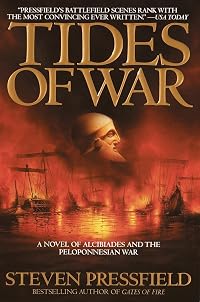
Tides of War
by Steven Pressfield
On This Page
Description
With his acclaimed best-seller Gates of Fire, Steven Pressfield established himself as a powerful new voice in historical fiction. In Tides of War, he returns to ancient Greece for an even more ambitious epic novel that vividly brings to life two of the greatest warring cities in history. Nearly 50 years after Sparta and Athens combined to defeat the Persian empire, tension between the two cities is at a fever pitch. Thus begins the 27-year Peloponnesian War. At the center of the action is show more Alcibiades, favorite son of Athens due to his physical attractiveness, matchless intelligence, and brilliant leadership. But when Athens turns its back on him, Alcibiades turns to Sparta, and the Athenians dispatch an old friend to assassinate their former hero. Pressfield weaves Homeric passages with gritty battlefield scenes and colorful dialogue, never allowing for a moment's breath in this action-packed tale. George Guidall's narration brings this extraordinary war to life, capturing both the poetry and brutality of Pressfield's remarkable work. show lessTags
Recommendations
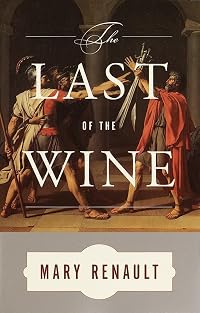
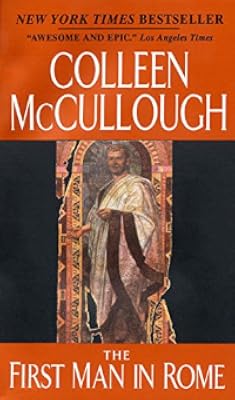

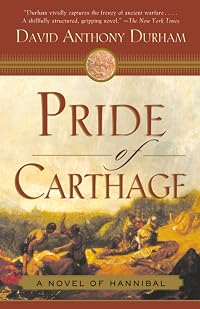
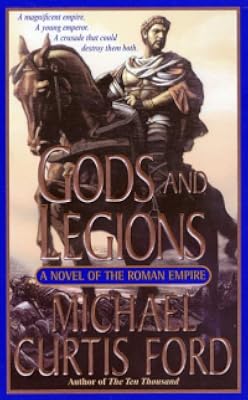


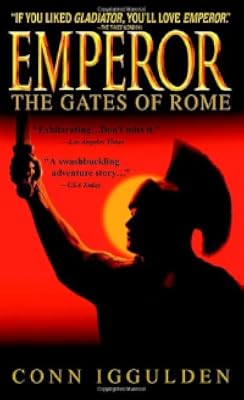

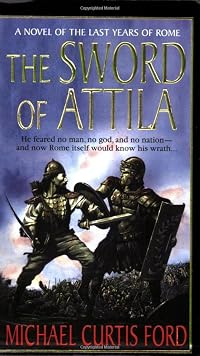
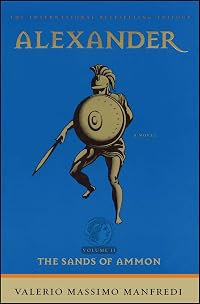

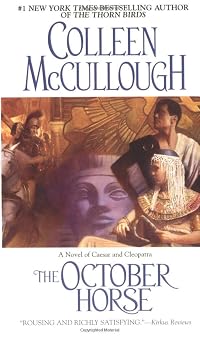




Member Recommendations

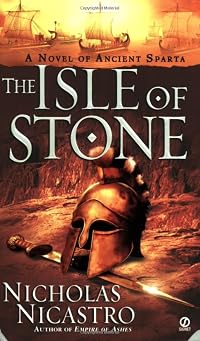
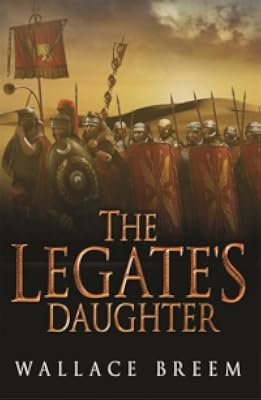
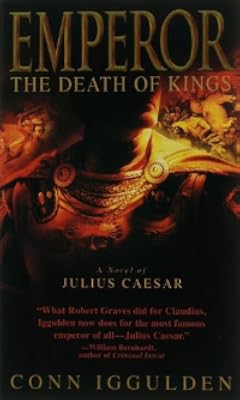
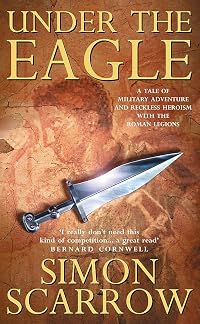
viking2917 The Profession seems strongly based on Tides of War...
Member Reviews
Pressfield is hard to fault in this historical fiction centred around the Athenian general Alcibiades. If I have any criticism, it is of the format, where one narrator is written entirely in italics for pages at a time, and the reader must be constantly on guard to remember which narrator is at work, and to plow through the italicised text without giving up in despair. I was fortunate to have read Thucydides' History of the Peloponnesian War before reading Tides of War, and this work fills in many gaps, particularly those glossed over by Thucydides. Whether this is a result of Thucydides' not completing the history to the bitter end, where Alcibiades plays a more prominent role, I am not sure. Nevertheless, Pressfield's research is show more evident, and while he admits that the work is historical fiction and he has exercised literary licence to make the story work, his approach, much like in Gates of Fire, is as clever as being independently wealthy. There are many themes, ideas, philosophies, and sentiments weaved in and throughout the story that force one to think about democracy then and as we experience it today. It is hard not to draw parallels of the end of the Athenian Empire with the end of the American Empire I would argue we are witnessing today. That said, Pressfield has not written a political commentary, but rather a story about individuals and their actions against a backdrop of social and political turmoil. The reader can only hope that Alcibiades was as great as he is depicted by Pressfield, and take solace in the extent of his foibles so that it might give lesser mortals a sense of hope despite their own inadequacies. Is this better than Gates of Fire? I think his earlier novel reads better, but the lessons to be gleaned from Tides of War seem less-clichéd than the done-to-death exploits of the 300 at Thermopylae, and for this, I think, this work deserves the gong. While George Bernard Shaw's masterpiece was, for him and me, Back to Methuselah, Pygmalion will always be the popular standout. I think it is the same with these two great novels of historical fiction, but you could do worse than to read anything written by this author. show less
A fictional account of the Peloponnesian War. This was slow going, with my main problem being the distance between me (as reader) and the protagonist.
This is the story of the conflict between Athens and Sparta in the 4th century BC. The main focus of the story is one fictional Athenian’s life, Polemides, from boyhood to his time in a prison cell awaiting trial for murder. It is also the story of Polemides' relationship with Alcibiades, one of the Athenian generals, as he falls in and out of favour with the Athenian people, in times of leadership and exile. The story is filtered through an old man (Jason) relating the story to his grandson. Jason does this as he is the man defending Polemides. In the same prison is Socrates in his last show more days before he drinks hemlock.
I sort of understand why Pressfield does this. It gives him an opportunity to tell the story where Polemides is not present and also have an additional storyline of Socrates last days. A chance to debate the philosophy of democracy and the purpose of Law.
So this book tries to be an account of the Peloponnesian war from Polemides' (and Jason's and snippets of other people's letters which Jason has somehow acquired) view; also Polemides' view of Alcibiades and how he survived as the ultimate chameleon (changing himself depending on where he found his life taking him) and also a tale of the fall of Athens.
But it is an attempt to pack in too much, which leaves it as a muddled and confused account. In places Jason just says Polemides didn't want to talk about this or that aspect of his life (mainly about family and relationships) which is frustrating and annoying; as though Pressfield doesn't want to fill in certain details of Athenian life and just wanted to concentrate on the battles and army life. A pity as I think if this had been a straight story of one Athenian's experience of life during the Peloponnesian war it might have been a better book.
Therefore, in my opinion, this is too dry an account, in some ways reading more like a much-expanded history book than a piece of historical fiction. show less
This is the story of the conflict between Athens and Sparta in the 4th century BC. The main focus of the story is one fictional Athenian’s life, Polemides, from boyhood to his time in a prison cell awaiting trial for murder. It is also the story of Polemides' relationship with Alcibiades, one of the Athenian generals, as he falls in and out of favour with the Athenian people, in times of leadership and exile. The story is filtered through an old man (Jason) relating the story to his grandson. Jason does this as he is the man defending Polemides. In the same prison is Socrates in his last show more days before he drinks hemlock.
I sort of understand why Pressfield does this. It gives him an opportunity to tell the story where Polemides is not present and also have an additional storyline of Socrates last days. A chance to debate the philosophy of democracy and the purpose of Law.
So this book tries to be an account of the Peloponnesian war from Polemides' (and Jason's and snippets of other people's letters which Jason has somehow acquired) view; also Polemides' view of Alcibiades and how he survived as the ultimate chameleon (changing himself depending on where he found his life taking him) and also a tale of the fall of Athens.
But it is an attempt to pack in too much, which leaves it as a muddled and confused account. In places Jason just says Polemides didn't want to talk about this or that aspect of his life (mainly about family and relationships) which is frustrating and annoying; as though Pressfield doesn't want to fill in certain details of Athenian life and just wanted to concentrate on the battles and army life. A pity as I think if this had been a straight story of one Athenian's experience of life during the Peloponnesian war it might have been a better book.
Therefore, in my opinion, this is too dry an account, in some ways reading more like a much-expanded history book than a piece of historical fiction. show less
This novel just didn't work for me. From the start, I found the framing device and levels of narration annoying and contrived--I know Pressfield did similar things in Gates of Fire and The Virtues of War and it suddenly occurred to me that I'm pretty sure I've heard that kind of thing was used in ancient texts. But the way Pressfield does it still feels contrived and hence annoying. And for a novel in which Alcibiades is fairly central, Alcibiades seems distant and doesn't really come alive, which means it's hard to understand why people were so seduced by him and would put up with hardship to fight in his army/navy.
Tides of War is a good historical novel. However, it's for readers that can tolerate a complex narrative that describes events over the 27 year span of the Peloponnesian War (431 to 404 BCE). The story is told through three narrators; a man interviewing his grandfather Jason who in turn was a lawyer who many years earlier represented Polymides who was a close confidant of Alcibiades. In other words, it's a description of an interview in which an older person is describing earlier conversations with still another person who told him about many still earlier conversations and events. These three narrators are fictional characters, however Alcaibiades was an actual historical soldier extraordinaire. Who was Alcibiades? Well, if you make it show more through this book you will never forget the name. The question I'm asking after this book is why is Alcibiades so relatively unknown?
I find that the book's format allows the various narrators as they pass along the story to ponder the meaning of life and history during a time of war. In doing this the book gives a look into the thinking of the era. But to understand the book the reader needs to keep reminding him/herself who's doing the talking and when the current conversation being described took place. But the reader who becomes immersed in the story will be rewarded with a description of a time and place (the end of the classical period of ancient Greek history) that has the ring of authenticity. Socrates makes a number of appearances in the book. As a matter of fact, the climax of the story occurs on the same day that Socrates takes the hemlock.
One can find many scary parallels with current international relations and domestic politics. In case you're not up on the details of the Peloponnesian War, the historic cradle of democracy, Athens, lost the war. show less
I find that the book's format allows the various narrators as they pass along the story to ponder the meaning of life and history during a time of war. In doing this the book gives a look into the thinking of the era. But to understand the book the reader needs to keep reminding him/herself who's doing the talking and when the current conversation being described took place. But the reader who becomes immersed in the story will be rewarded with a description of a time and place (the end of the classical period of ancient Greek history) that has the ring of authenticity. Socrates makes a number of appearances in the book. As a matter of fact, the climax of the story occurs on the same day that Socrates takes the hemlock.
One can find many scary parallels with current international relations and domestic politics. In case you're not up on the details of the Peloponnesian War, the historic cradle of democracy, Athens, lost the war. show less
Excellent. Pressfield ticks all the boxes.
The story of Alcibiades, somewhat sympathetically told, as he strives to win for Athens glory and success, which was ultimately to prove disastrous both for Athens and himself. Well written, obviously well researched, entertaining, but sad, for anyone who values the ancient Greek world, and Athens at the height of its cultural glory.
The story of Alcibiades, somewhat sympathetically told, as he strives to win for Athens glory and success, which was ultimately to prove disastrous both for Athens and himself. Well written, obviously well researched, entertaining, but sad, for anyone who values the ancient Greek world, and Athens at the height of its cultural glory.
Another captivating education of Ancient Greece. Pressfield tells the story of Alcibiades, along with some timely morals about the perils of public opinion in a democracy.
Story of Alcibiades, Athenian noble, who changed sides during the Peloponnesian war one time too many, making enemies in almost every nation he ever served.
Narrative is somewhat confusing and this may repel readers - I advise them to persevere, it's worth it.
Narrative is somewhat confusing and this may repel readers - I advise them to persevere, it's worth it.
Members
- Recently Added By
Lists

Historical Fiction
889 works; 90 members

Historical Fiction Lovers
88 works; 4 members

THE WAR ROOM
813 works; 24 members
Author Information

43+ Works 15,626 Members
Author Steven Pressfield was born in Port of Spain, Trinidad in September 1943. He graduated from Duke University in 1965 and joined the Marine Corps. Before becoming a full-time writer, he worked as a copy writer, taxi driver, bartender, tractor-trailer driver, fruit picker, and worked on oil rigs. He then moved to California and began writing show more screenplays. In 2000, his debut novel, The Legend of Bagger Vance, was made into a movie starring Matt Damon and Will Smith. He primarily writes military historical fiction set in classical antiquity. Most of his novels are told from the first-person perspective of the main character. (Bowker Author Biography) show less
Common Knowledge
- Canonical title*
- I venti dell'Egeo
- Original title
- Tides of War
- Original publication date
- 2000
- Original language
- English
*Some information comes from Common Knowledge in other languages. Click "Edit" for more information.
Classifications
Statistics
- Members
- 1,028
- Popularity
- 25,350
- Reviews
- 18
- Rating
- (3.54)
- Languages
- 8 — Czech, English, German, Greek, Italian, Portuguese, Spanish, Turkish
- Media
- Paper, Audiobook, Ebook
- ISBNs
- 23
- ASINs
- 4