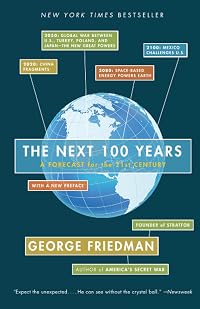
The Next 100 Years: A Forecast for the 21st Century
by George Friedman
On This Page
Description
Utilizing 2000-year-old geopolitical models, expert weather forecaster George Friedman reviews major historical changes and predicts what changes await humanity in the 21st Century.Tags
Recommendations


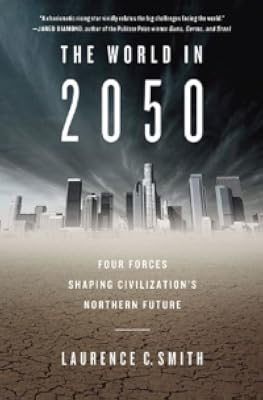
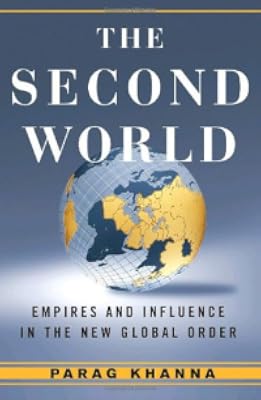


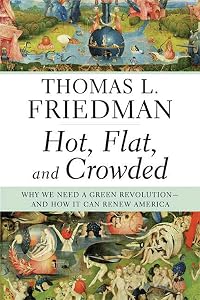
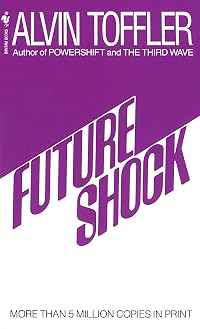
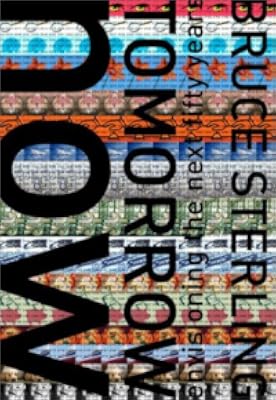
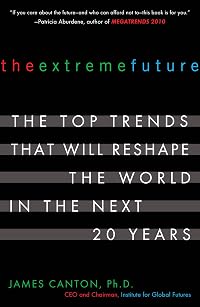
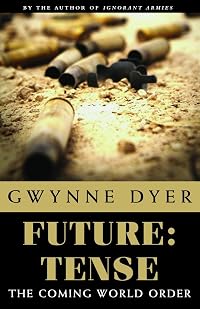

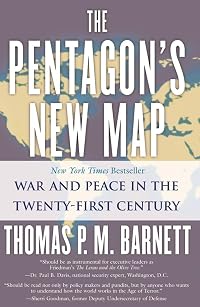
Member Recommendations
Member Reviews
This is a quick and fun read, although I approached its promise of prophecy with trepidation. I recall how far off the mark was the prediction of H.G. Wells in The Outline of History, Vols. I and II that WWI was so terrible it would prevent later global wars. However, this 2009 work seems prescient on many points now coming to pass: drones in wars, Russia grabbing at Ukraine, and even Turkey beginning to assert itself as an Islamic imperialist hegemon. (Might the Haghia Sophia return to being a mosque?) Also an eventual return to the global stage of a muscular Mexico and Poland feel substantiated. Lunar military bases, "battle stars", and space-based solar power? Well, I dunno... But, well...
Back in the day I liked to read Friedman's Stratfor site to get a contrarian response to the apogee of globalist/"end of history" thinking, though I never forgot that he was the gentleman who blessed us with that hundred-percent wrong futurist polemic "The Coming War With Japan." Flash forward a generation and what do you have; a book where Friedman forecasts the coming war with...wait for it...Japan! In alliance with Turkey!
To be fair, Friedman has learned some lessons since the early 90s, and this book is mostly about demographics, technology, and the unchanging factors of geopolitics. This is not to mention that the author hedges his bets just a little bit. What really takes me aback is that Friedman has come up with this bizarre show more typology as a cultural tool of analysis, where he has a spectrum running from "barbarism" through "civilization" and ending up at "decadence." The first category essentially meaning being unthinkingly willing to fight, the second meaning showing conscious restraint, the last being unwilling to fight for one's values and interests. This throwback to organicist thinking about society seems mostly to exist to reassure American readers we still have some time in the sun left to us (as our culture is only adolescent according to Friedman), while giving Friedman an easy out to justify throwing Western Europe on the trash heap of history. Right.
This is not to mention that if we are really going to have confrontations with Russia and China by 2020, I somehow doubt that the leaders of those two states are going to liquidate themselves as supinely as Friedman imagines. Call this a think piece bloated to short book size, and lacking a bibliography and an index!
I mostly read this book for amusement and so should you. show less
To be fair, Friedman has learned some lessons since the early 90s, and this book is mostly about demographics, technology, and the unchanging factors of geopolitics. This is not to mention that the author hedges his bets just a little bit. What really takes me aback is that Friedman has come up with this bizarre show more typology as a cultural tool of analysis, where he has a spectrum running from "barbarism" through "civilization" and ending up at "decadence." The first category essentially meaning being unthinkingly willing to fight, the second meaning showing conscious restraint, the last being unwilling to fight for one's values and interests. This throwback to organicist thinking about society seems mostly to exist to reassure American readers we still have some time in the sun left to us (as our culture is only adolescent according to Friedman), while giving Friedman an easy out to justify throwing Western Europe on the trash heap of history. Right.
This is not to mention that if we are really going to have confrontations with Russia and China by 2020, I somehow doubt that the leaders of those two states are going to liquidate themselves as supinely as Friedman imagines. Call this a think piece bloated to short book size, and lacking a bibliography and an index!
I mostly read this book for amusement and so should you. show less
I treated this book as a light, speculative and not too serious read of the future of the 21st century geopolitics. In this fashion, it was highly entertaining and even gleamed plenty of insights. I found it via Kindle Unlimited, so it was an easy 'purchase'.
One thing I was pleasantly surprised was with certain factors Friedman was already thinking of a decade ago, such as declining fertility rates and its effects upon immigration and the impending population pyramid economic crisis. I guess analysts are supposed to think of them but being part of the general public, I've only noticed these things come to the limelight for the last few years. Anyways, it was cool to see him extend these present occurrences into the logical next step. show more So a declining fertility rate means a stagnating population growth which means labor gets more valued which means immigration becomes prized. Other things such as soldiers' lives get more valued too, thereby pushing investment into things like robotic or autonomous technology. These notions certainly bring food for thought.
Friedman also brings plenty of history to his approach, and utilises it as an outline of a general pattern we can see with certain nations in certain markers of theirs' such as geography or natural resources. One example that is a foundation of this book is the United States' virtually untouchable geography. It was a sizeable advantage in the WW2 and the Cold War and it will continue to be one. Another example is Japan's weakness for natural resources and its essential importing of energy. This played a dominant effect in WW2 and likewise, will continue to do so.
This may be the book to finally make me pivot from watching YouTube clips of geopolitical takes (with guilty pleasure), to reading books on geopolitical takes (again, with guilty pleasure).
Geopolitics is a fascinating way to view the world and I hope to learn more about it. I would appreciate any recommendations! show less
One thing I was pleasantly surprised was with certain factors Friedman was already thinking of a decade ago, such as declining fertility rates and its effects upon immigration and the impending population pyramid economic crisis. I guess analysts are supposed to think of them but being part of the general public, I've only noticed these things come to the limelight for the last few years. Anyways, it was cool to see him extend these present occurrences into the logical next step. show more So a declining fertility rate means a stagnating population growth which means labor gets more valued which means immigration becomes prized. Other things such as soldiers' lives get more valued too, thereby pushing investment into things like robotic or autonomous technology. These notions certainly bring food for thought.
Friedman also brings plenty of history to his approach, and utilises it as an outline of a general pattern we can see with certain nations in certain markers of theirs' such as geography or natural resources. One example that is a foundation of this book is the United States' virtually untouchable geography. It was a sizeable advantage in the WW2 and the Cold War and it will continue to be one. Another example is Japan's weakness for natural resources and its essential importing of energy. This played a dominant effect in WW2 and likewise, will continue to do so.
This may be the book to finally make me pivot from watching YouTube clips of geopolitical takes (with guilty pleasure), to reading books on geopolitical takes (again, with guilty pleasure).
Geopolitics is a fascinating way to view the world and I hope to learn more about it. I would appreciate any recommendations! show less
Spoilers and whatnot below
A good history to start with and Friedman very much sticks to the belief that history will repeat itself with Poland as the new Germany in Europe trapped between Germany and Russia, two historic enemies. The US will treat it as it did West Germany. Turkey will rise as a Muslim power in the world. Poland is a bit of a stretch I feel. I would not have made Turkey a first choice, but Friedman backs up his argument pretty well, although he tends to forget that Turkey is very much a secular state.
Three things are needed for a nation to remain a superpower. Military, political, and economic power. The US is the only nation with all three. Japan lacks the military and political power. China lacks the military power show more projection. Yes they have nuclear weapons, but the are still incapable of taking Taiwan. They are a regional power and and exert their influence as needed in Korea and Vietnam. America has it all our navy controls the sea (and commerce) and our satellites monitor the entire planet. We have militarized space. Since the 1980s we have had air launched anti-satellite missiles. Not only can we see, but we can prevent others from seeing.
Friedman makes the case that we became an empire by accident, by trying to be defensive we gained much more territory. The same could be said of the Soviets after WWII. Our purchase of Alaska and the annexation of Hawaii gave us our satellite buffers to our west and the Monroe Doctrine security to the east.
Friedman makes a case for China to remain a regional power several ways. It's growth cannot continue forever. No growth does, the US started to have trouble in the 1970s as Japan and Germany recovered from WWII with new manufacturing facilities while the US never modernized. Japan stumbled through the 1990s; China's time will come. Second China is locked in on three sides. Two by geography and one by Russia. It will take time and money for China to develop a blue water navy and when and if it does, it will still remain a regional power in the Pacific Basin.
Russia will try and flex its military might more to save face than anything else. Its economy is now based on selling raw materials instead of finished goods, much like third world nations. The good think for Russia is that it has plenty of natural gas and Europe is addicted it.
A few things I have a problem with is the abundance of oil in his scenarios. With China and India's (virtually ignored in the book) growing "middle class" more and more cars are being produced, more and more oil will be needed. It will be some time before the middle of the century when China will have as many cars on the road as the US -- if there is enough oil to allow this. We are about to hit the downward slope of oil production while peaking in demand. Even if there is still oil for many years will production be able to keep up with the sky rocketing demand?
Another problem is that countries do not go to war with countries they are economically dependent on. International trade in itself is a major peacekeeper. International trade has brought about an era were countries do not produce everything they buy. We are dependent on Japan, China, Taiwan for many things we need. The European Union formed to increase trade in member nations. You are not going to war with a trading partner...you cannot afford to.
The war scenario would have been better if kept countries names out of it. Japanese secret moon base would be impossible with the present satellite surveillance.We do not wait for a press release from China to know they launched a rocket...let alone many, many trips by Japan to the dark side of the moon. I do think space will be militarized, it already is well on its way to being. It wouldn't take long to go from passive defense to active offense.
I am a bit disappointed that several countries were barely mentioned: India and Korea. The rise of Mexico is very probable and along those lines so is the rise of Brazil, Argentina and Chile. They remain isolated from world troubles and invasion. Brazil produces most if not all its energy.
It is difficult to predict the future and overall Friedman writes a good book. I do not agree with several points, but they do make you think and that's the main thing. show less
A good history to start with and Friedman very much sticks to the belief that history will repeat itself with Poland as the new Germany in Europe trapped between Germany and Russia, two historic enemies. The US will treat it as it did West Germany. Turkey will rise as a Muslim power in the world. Poland is a bit of a stretch I feel. I would not have made Turkey a first choice, but Friedman backs up his argument pretty well, although he tends to forget that Turkey is very much a secular state.
Three things are needed for a nation to remain a superpower. Military, political, and economic power. The US is the only nation with all three. Japan lacks the military and political power. China lacks the military power show more projection. Yes they have nuclear weapons, but the are still incapable of taking Taiwan. They are a regional power and and exert their influence as needed in Korea and Vietnam. America has it all our navy controls the sea (and commerce) and our satellites monitor the entire planet. We have militarized space. Since the 1980s we have had air launched anti-satellite missiles. Not only can we see, but we can prevent others from seeing.
Friedman makes the case that we became an empire by accident, by trying to be defensive we gained much more territory. The same could be said of the Soviets after WWII. Our purchase of Alaska and the annexation of Hawaii gave us our satellite buffers to our west and the Monroe Doctrine security to the east.
Friedman makes a case for China to remain a regional power several ways. It's growth cannot continue forever. No growth does, the US started to have trouble in the 1970s as Japan and Germany recovered from WWII with new manufacturing facilities while the US never modernized. Japan stumbled through the 1990s; China's time will come. Second China is locked in on three sides. Two by geography and one by Russia. It will take time and money for China to develop a blue water navy and when and if it does, it will still remain a regional power in the Pacific Basin.
Russia will try and flex its military might more to save face than anything else. Its economy is now based on selling raw materials instead of finished goods, much like third world nations. The good think for Russia is that it has plenty of natural gas and Europe is addicted it.
A few things I have a problem with is the abundance of oil in his scenarios. With China and India's (virtually ignored in the book) growing "middle class" more and more cars are being produced, more and more oil will be needed. It will be some time before the middle of the century when China will have as many cars on the road as the US -- if there is enough oil to allow this. We are about to hit the downward slope of oil production while peaking in demand. Even if there is still oil for many years will production be able to keep up with the sky rocketing demand?
Another problem is that countries do not go to war with countries they are economically dependent on. International trade in itself is a major peacekeeper. International trade has brought about an era were countries do not produce everything they buy. We are dependent on Japan, China, Taiwan for many things we need. The European Union formed to increase trade in member nations. You are not going to war with a trading partner...you cannot afford to.
The war scenario would have been better if kept countries names out of it. Japanese secret moon base would be impossible with the present satellite surveillance.We do not wait for a press release from China to know they launched a rocket...let alone many, many trips by Japan to the dark side of the moon. I do think space will be militarized, it already is well on its way to being. It wouldn't take long to go from passive defense to active offense.
I am a bit disappointed that several countries were barely mentioned: India and Korea. The rise of Mexico is very probable and along those lines so is the rise of Brazil, Argentina and Chile. They remain isolated from world troubles and invasion. Brazil produces most if not all its energy.
It is difficult to predict the future and overall Friedman writes a good book. I do not agree with several points, but they do make you think and that's the main thing. show less
Friedman is all about geopolitics. He believes politicians and other "powerful" people are limited and constrained by forces beyond their control. By tracking those forces, he hopes to paint the broad strokes of the 21st century. Initially skeptical, I found his reasoning plausible and integrated a great deal of the reading I've done on modern history. He emphasizes the unintended consequences of decision makers, who take risks and make assumptions that don't hold up. Probably the shocker is that he sees America at the brink of war with Mexico (?!) by the end of the century. The creepy thing is, as one who grew up in the Southwest, he makes sense! Another fact that has yet to appear on American public consciousness is that the global show more population explosion is over. Already. And this single demographic will dramatically affect real estate, immigration (nations will be competing for 'em), and changes in the social relationships of families. An excellent read. show less
For the first few chapters I was sold - some fascinating analysis of the forces that shape culture and history.
Unfortunately these were the ones that largely dealt with the past and present. When it came to discussing the future (most of the rest of the book), it totally jumped the shark.
At one point the author writes "this may seem like science fiction". Well, yes, but *bad* science fiction - you know, the kind that is unintentionally steampunk because it doesn't recognise just how many anachronistic assumptions it projects into the future?
It is kind of pointless to delve into a point-by-point rebuttal, as there is no reason why I should be any better than the author at predicting the future. But I can probably summarise my disquiet in show more a couple of themes:
1. Technology - The author massively underestimates and seems quite blind to the impact of technology, especially computing. The internet only gets a passing reference and is not linked to any major factors in the author's thesis. Worse yet, some of the author's most important points are founded on assumptions that are already being eroded by technology in 2013. Case in point is the surveillance and command-and-control imperatives that the author believes will lead to the US establishing "battlestars" in space, which in turn will lead to "World War III" .. yet we are already seeing advances in terrestrial drones outstrip even what the author believe battlestars will be capable of in another 30 years.
2. Sovereign States - there seems to be an underlying assumption that sovereign states are really the only actors on the stage that will shape how history unfolds. It all feels very 18th century - I'm not even sure this is true now, let alone for the next 100 years. It ignores the fact that people are getting harder to control en-masse thanks to globalisation and communications (who predicted the "Arab Spring"?), and it diminishes the influence of other forces, like corporations, or even nature (climate change or not). I'd believe the author's moon settlements more if he cast them as products of private enterprise - lead by the likes of Elon Musk aka Tony Stark - rather than a phoenix-like re-emergence of massive government space programs.
Rating the book is an unexpected quandary. On the one hand, I was engaged enough to enjoy reading to the end. However it was more with comic relief than any sense that I was exploring what might really happen this century. And for a book that is purportedly to be about the future to leave me totally incredulous is kind of the ultimate sin, hence the 1-star.
So unless you are an academic who needs to research everything, I think time might be better spent re-watching something like "Terminator", or "The Day After Tomorrow" - far more enjoyable, and probably just as likely visions of the future. Or more constructively, read Black Swan, because they too seem to be missing from this story. show less
Unfortunately these were the ones that largely dealt with the past and present. When it came to discussing the future (most of the rest of the book), it totally jumped the shark.
At one point the author writes "this may seem like science fiction". Well, yes, but *bad* science fiction - you know, the kind that is unintentionally steampunk because it doesn't recognise just how many anachronistic assumptions it projects into the future?
It is kind of pointless to delve into a point-by-point rebuttal, as there is no reason why I should be any better than the author at predicting the future. But I can probably summarise my disquiet in show more a couple of themes:
1. Technology - The author massively underestimates and seems quite blind to the impact of technology, especially computing. The internet only gets a passing reference and is not linked to any major factors in the author's thesis. Worse yet, some of the author's most important points are founded on assumptions that are already being eroded by technology in 2013. Case in point is the surveillance and command-and-control imperatives that the author believes will lead to the US establishing "battlestars" in space, which in turn will lead to "World War III" .. yet we are already seeing advances in terrestrial drones outstrip even what the author believe battlestars will be capable of in another 30 years.
2. Sovereign States - there seems to be an underlying assumption that sovereign states are really the only actors on the stage that will shape how history unfolds. It all feels very 18th century - I'm not even sure this is true now, let alone for the next 100 years. It ignores the fact that people are getting harder to control en-masse thanks to globalisation and communications (who predicted the "Arab Spring"?), and it diminishes the influence of other forces, like corporations, or even nature (climate change or not). I'd believe the author's moon settlements more if he cast them as products of private enterprise - lead by the likes of Elon Musk aka Tony Stark - rather than a phoenix-like re-emergence of massive government space programs.
Rating the book is an unexpected quandary. On the one hand, I was engaged enough to enjoy reading to the end. However it was more with comic relief than any sense that I was exploring what might really happen this century. And for a book that is purportedly to be about the future to leave me totally incredulous is kind of the ultimate sin, hence the 1-star.
So unless you are an academic who needs to research everything, I think time might be better spent re-watching something like "Terminator", or "The Day After Tomorrow" - far more enjoyable, and probably just as likely visions of the future. Or more constructively, read Black Swan, because they too seem to be missing from this story. show less
I found this book really interesting. For me, the point of this book is not whether the author will be right on any of his predictions - he probably won't be - but in the thought experiment of attempting to predict the unpredictable. He makes interesting points about the distant and recent past in his attempt to predict the future, and those points are worth considering.
Since I'm reading this book so long after it was first published, it's easy to see some areas where the author is already off track. I couldn't buy into the predictions about Poland, Turkey, Germany, or Japan at all, but the prediction about U.S.-Mexico relations seems plausible.
Since I'm reading this book so long after it was first published, it's easy to see some areas where the author is already off track. I couldn't buy into the predictions about Poland, Turkey, Germany, or Japan at all, but the prediction about U.S.-Mexico relations seems plausible.
Members
- Recently Added By
Lists

Futurism Works
25 works; 6 members

Speculative non-fiction
25 works; 2 members
Author Information

George Friedman is an American political scientist and author. He is the founder, chief intelligence officer, financial overseer, and CEO of the private intelligence corporation Stratfor. He has authored several books, including America's Secret War, The Intelligence Edge, and The Future of War. Friedman spent almost twenty years in academia, show more teaching political science at Dickinson College. He received a B.A. from the City College of New York, where he majored in political science, and a Ph.D. in Government from Cornell University. He is married to Meredith Friedman (née LeBard), has four children and lives in Austin, Texas. (Bowker Author Biography) show less
Awards and Honors
Distinctions
Common Knowledge
- Canonical title
- The Next 100 Years: A Forecast for the 21st Century
- Original publication date
- 2009
- Epigraph
- To him who looks upon the world rationally, the world in turn presents a rational aspect. The relation is mutual. - George W. F. Hegel
- Dedication
- For Meredith, muse and taskmaster
- Publisher's editor
- Kaufman, Jason
- Original language
- English
Classifications
- Genres
- General Nonfiction, Nonfiction, Politics and Government, History
- DDC/MDS
- 303.49 — Society, government, & culture Social sciences, sociology & anthropology Social processes Social change Social forecasts
- LCC
- JZ1305 .F75 — Political Science International relations International relations Scope of international relations. Political theory.
- BISAC
Statistics
- Members
- 1,313
- Popularity
- 18,487
- Reviews
- 45
- Rating
- (3.38)
- Languages
- 11 — Czech, Dutch, English, French, German, Japanese, Korean, Polish, Portuguese, Spanish, Turkish
- Media
- Paper, Audiobook, Ebook
- ISBNs
- 40
- ASINs
- 8