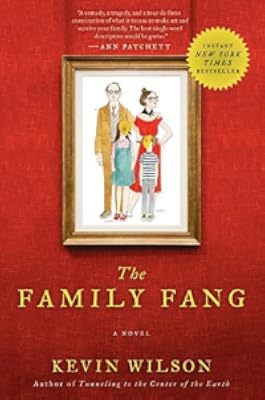
The Family Fang
by Kevin Wilson
On This Page
Description
Performance artists Caleb and Camille Fang dedicated themselves to making great art. But when an artist's work lies in subverting normality, it can be difficult to raise well-adjusted children. Just ask Buster and Annie Fang. For as long as they can remember, they starred (unwillingly) in their parents' madcap pieces. But now that they are grown up, the chaos of their childhood has made it difficult to cope with life outside the fishbowl of their parents' strange world. When the lives show more they've built come crashing down, brother and sister have nowhere to go but home, where they discover that Caleb and Camille are planning one last performance-- their magnum opus-- whether the kids agree to participate or not. Soon, ambition breeds conflict, bringing the Fangs to face the difficult decision about what's ultimately more important: their family or their art. The novel displays a keen sense of the complex performances that unfold in the relationships of people who love one another. show lessTags
Recommendations

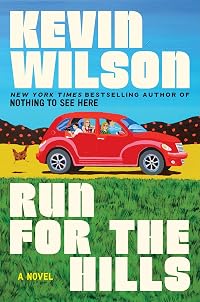
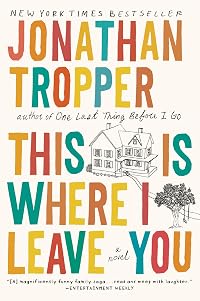
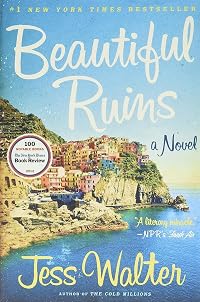

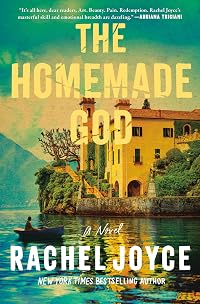
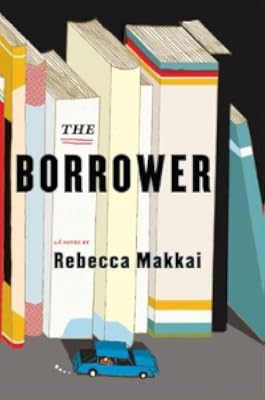
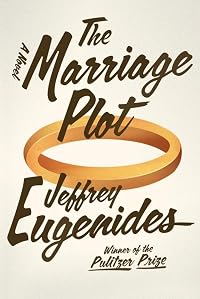
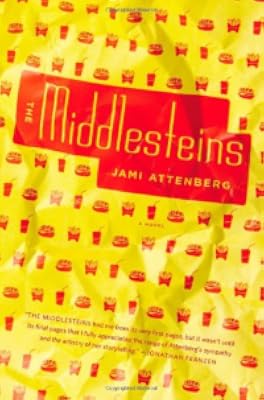
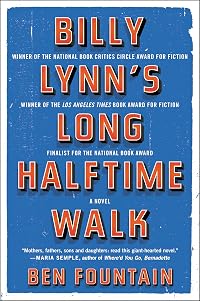
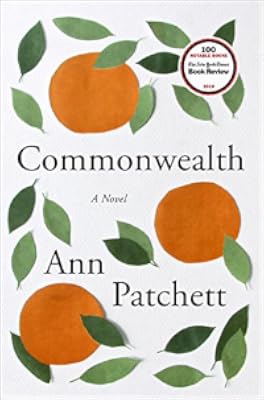
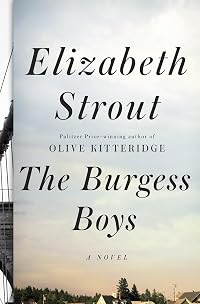
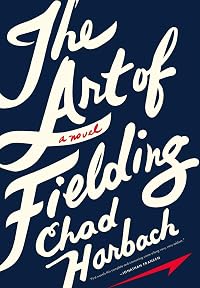
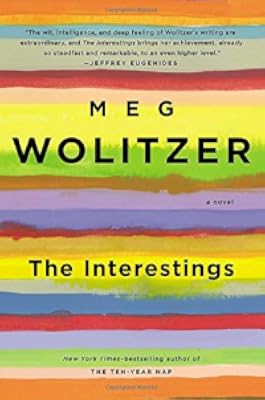

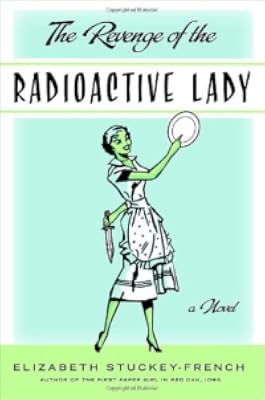
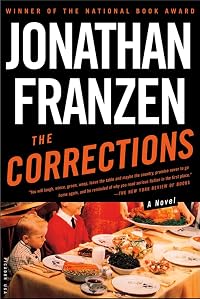
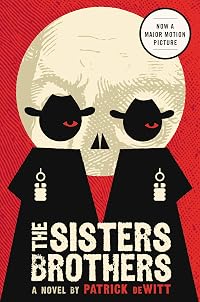

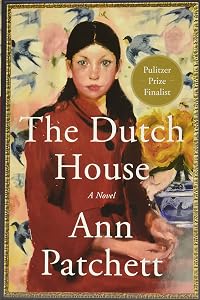
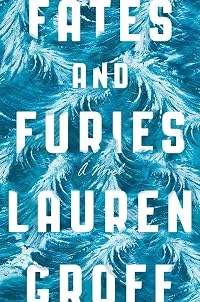
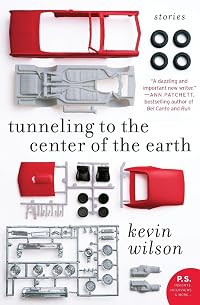
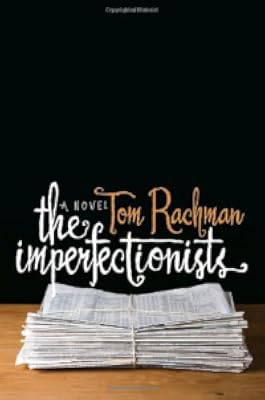
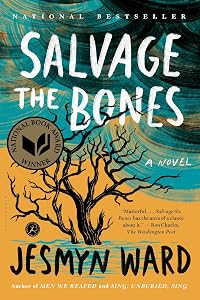

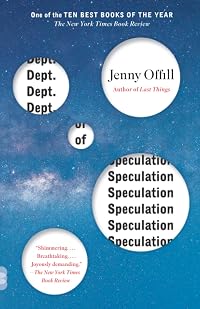
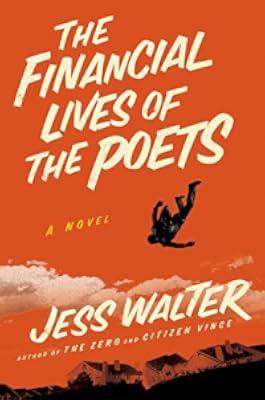
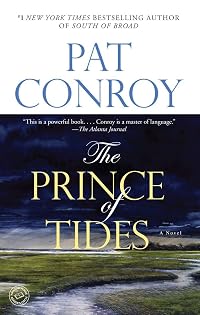
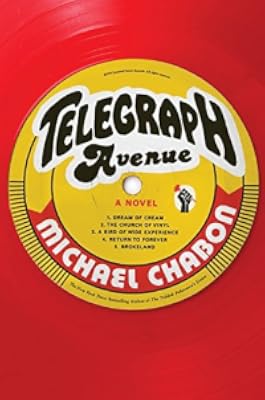
Member Recommendations
Auto_Da_Fe Some similarity in outsider families and, while this is not at all bad - Geek Love is much better.
cransell Both quirky, humorous reads.
Member Reviews
Can being a family be a performance piece? In The Family Fang we see the humor and the pit falls in being raised in an overly artistic house hold. Anne and Buster were actors in their parent’s performance pieces since childhood. They grew up making scenes in malls and compelling mobs to watch the seemingly spontaneous shenanigans of the Fang family. But when you’re whole life is a performance how do you distinguish fact from Fang fiction? This book was wonderfully written and a delightful new take on dysfunctional families. However, while The Family Fang is a funny novel, I found it somewhat bittersweet because Anne and Buster were always wondering if family was just an act. ~ED
THE FAMILY FANG by Kevin Wilson is a different sort of novel in a completely wonderful way. It’s an examination of a family, but the Fangs are messed up in a way unlike any other family I’ve met in literature. The parents, Caleb and Camille, are performance artists. The Fangs create their art by taking mundane settings and situations, and making them completely uncomfortable for unsuspecting onlookers. When the Fangs have children, it seems natural to bring them into the family business, and Annie and Buster (Child A and Child B) become part of every performance. As one would expect, such a nontraditional upbringing creates interesting adults who aren’t sure what constitutes normal behavior. As one of Buster’s girlfriends tells show more him after they’ve dated a year, “It’s like your family trained you to react to the world in a way that was so specific to their art that you don’t know how to interact with people in the real world. You act like every conversation is just a buildup to something awful.” The girlfriend is spot-on, and the novel follows Annie and Buster as they make disastrous decisions in their adult lives that prompt them to have to return home to Caleb and Camille. What follows is a fun and disturbing look at present-day Annie and Buster interspersed with flashbacks to some Fang family performances. The Fang children’s collapses along with the flashbacks are definitely the most entertaining parts of the novel, and although the plot drags a bit toward the end of the book, the writing still has enough little gems to keep the reader engaged and interested in how it all turns out.
This book isn’t for everyone, but if you like a bizarre story that has humor and heart, I strongly recommend you pick this one up. show less
This book isn’t for everyone, but if you like a bizarre story that has humor and heart, I strongly recommend you pick this one up. show less
For Caleb and Camille Fang, art is not paintings nor sculptures nor theater. Instead, the Fang's art is deeply disturbing to those who see it, drawing the audience in to be a part of the scene. The Fang's children, Annie and Buster (known to the world as Child A and Child B), grow up as a part of these escapades. For example, Annie and Buster pretend to be untalented child musicians who are heckled by strangers (actually, their parents) to see how the crowd will react. In fact, that is one of the milder of the Fang's performances. Descriptions of these performances are interspersed with the actual story, which takes place after Annie and Buster have grown up and are leading (unsurprisingly) somewhat dysfunctional adult lives. But it is show more when Annie, an actress, and Buster, a writer, decide to go home to deals with their problems that the real problems begin.
I loved this book. It's quirky plot paired with very real emotions worked for me. Wilson takes time to create multi-layered characters before introducing the turning point of the plot. As a result, Annie and Buster's reactions to a somewhat unlikely event felt very real. My one complaint was that the ending felt a bit abrupt, but despite that, I still found this to be a highly satisfying read. show less
I loved this book. It's quirky plot paired with very real emotions worked for me. Wilson takes time to create multi-layered characters before introducing the turning point of the plot. As a result, Annie and Buster's reactions to a somewhat unlikely event felt very real. My one complaint was that the ending felt a bit abrupt, but despite that, I still found this to be a highly satisfying read. show less
If I could write a book it would be this one. Smart, funny, modern, creative, engaging, suspensful, and entertaining, Wilson has written what may prove to be this year's finest novel. Anytime a main character is accidentally maimed with a potato launcher the reader's experience shifts into "I can't put this down" mode. Parental units Caleb and Camille Fang are renowned performance artists and flashbacks to their happenings from the 1980's show how their two children, Annie and Buster, were central to their mission of creating havoc. Long empty nesters, the parents have set about to create their final and most outrageous act while the adult children finally try to find autonomy from a dysfunctional life they never wanted. No doubt this show more should be made into a movie (think Royal Tenenbaums or Little Miss Sunshine) but remember the book is always better. show less
As Wilson weaves the pieces of his novel into a satisfying ending, the youngest, Buster Fang who'd spent portions of the story as lost child and hapless victim, provides one of the major epiphanies, saying "Whatever it is, I think you'll be terrified when it happens. Don't let that stop you." And with that piece of advice he pulls wisdom from the chaos created by the art, and the lack of a boundary between art and life, of his parents. The book's quirkiness may not appeal to some. Some have mentioned The Royal Tenenbaums and Confederacy of Dunces. I'd also found shades of Pynchon's The Crying of Lot 49, both in the journey and in the creation of stories and minor works of art within the story that seemed at first so much random chaos show more until a consistent thread began to emerge. Wilson lets the reader observe the act of creation and his meditation on art, whether it's in the conception of the artist or in the reaction of the viewer, provides an idea that sticks with the reader even after the last word is read and the cover is closed. show less
Annie and Buster Fang, like so many twenty-somethings, blame their parents for the lack of fulfillment and success they find in their careers and in their personal lives. However, unlike many twenty-somethings, Annie and Buster may have a valid claim for blaming their parents for their seeming lack of autonomy and self-actualization. That's because the Fang children's parents were artists--as in Artists (that's right with a capital A and italics). And not just any kind of artists, but performance artists hell bent on causing chaos in established patterns and the unexpected in the routines of daily life.
Their parents, Caleb and Camille Fang, are nothing if not utterly dedicated to their art, which involves creating elaborate show more "happenings" in the most predictable of American venues: the mega-mall. People lulled into hypnotic trances by muzak, colorful window displays, and giant pretzels are prime targets for the art favored by the Fangs. Always admonished by their mentor that "children kill art," the Fangs create an unconventional solution to preserve their art and raise their family; Annie and Buster become Child A and Child B, props used by their parents to pull off the increasingly elaborate happenings.
Flash forward to Annie and Buster as adults. Both have managed to completely FUBAR their adult lives and return to the Fang family nest for a time-out from the real world and are immediately drawn back into the weirdness created by their parents. They immediately revert to their childhood roles. Buster becomes the sensitive younger child, always anxious to please his parents, while Annie becomes the protective older sister, encouraging Buster to challenge their parents' authority. Shortly after their return, the Fangs disappear and foul play is suspected by the authorities. Annie and Buster, however, believe this is another elaborate art piece created by their parents and must examine their seriously dysfunctional relationship with them as they search for the truth.
The Family Fang explores a dilemma faced by every family. Most parents consciously or unconsciously push their children toward their own personal passions and expect this shared love (whether it be art, football, reading, politics, etc.) to create a bond that no one can break. Problems inevitably ensue when the child begins exploring the world on his own terms and begins to assert himself as his own being. In the case of the Fangs, Annie and Buster try to create art on their own terms (in her case, acting, and, in his case, writing), but find that, after years of controlling and shaping events around them, they are ill-equipped to just let life happen.
If all of this sounds weird, it is. But it's also very entertaining and not nearly as dark as one might expect. Populated with quirky characters and clever dialogue, Wilson's narrative avoids taking itself too seriously by inserting absurdity and humor in all the right places (especially in the scenes where Annie and Buster bicker and banter like close siblings do). This is a solid 3 1/2 stars and the only reason I didn't give it a 4 is because I enjoyed the first half immensely; however, after the Fangs disappear, I felt as though the shift to the mystery plot was too abrupt and unexpected (granted, that was probably the point, but it just didn't work for me). show less
Their parents, Caleb and Camille Fang, are nothing if not utterly dedicated to their art, which involves creating elaborate show more "happenings" in the most predictable of American venues: the mega-mall. People lulled into hypnotic trances by muzak, colorful window displays, and giant pretzels are prime targets for the art favored by the Fangs. Always admonished by their mentor that "children kill art," the Fangs create an unconventional solution to preserve their art and raise their family; Annie and Buster become Child A and Child B, props used by their parents to pull off the increasingly elaborate happenings.
Flash forward to Annie and Buster as adults. Both have managed to completely FUBAR their adult lives and return to the Fang family nest for a time-out from the real world and are immediately drawn back into the weirdness created by their parents. They immediately revert to their childhood roles. Buster becomes the sensitive younger child, always anxious to please his parents, while Annie becomes the protective older sister, encouraging Buster to challenge their parents' authority. Shortly after their return, the Fangs disappear and foul play is suspected by the authorities. Annie and Buster, however, believe this is another elaborate art piece created by their parents and must examine their seriously dysfunctional relationship with them as they search for the truth.
The Family Fang explores a dilemma faced by every family. Most parents consciously or unconsciously push their children toward their own personal passions and expect this shared love (whether it be art, football, reading, politics, etc.) to create a bond that no one can break. Problems inevitably ensue when the child begins exploring the world on his own terms and begins to assert himself as his own being. In the case of the Fangs, Annie and Buster try to create art on their own terms (in her case, acting, and, in his case, writing), but find that, after years of controlling and shaping events around them, they are ill-equipped to just let life happen.
If all of this sounds weird, it is. But it's also very entertaining and not nearly as dark as one might expect. Populated with quirky characters and clever dialogue, Wilson's narrative avoids taking itself too seriously by inserting absurdity and humor in all the right places (especially in the scenes where Annie and Buster bicker and banter like close siblings do). This is a solid 3 1/2 stars and the only reason I didn't give it a 4 is because I enjoyed the first half immensely; however, after the Fangs disappear, I felt as though the shift to the mystery plot was too abrupt and unexpected (granted, that was probably the point, but it just didn't work for me). show less
“Mr. and Mrs. Fang called it art. Their children called it mischief.”
Meet the Fang family! Caleb and Camille and their children, Annie and Buster, known simply as Child A and Child B. The parents are performance artists, spending their lives, creating art out of bizarre everyday situations. The kids play along, mostly because they have no choice, setting them on a disturbing road to adulthood, mined with many psychological pitfalls.
This is a fresh and funny novel, but does contain a healthy share of dark and unsettling moments. It will not be for every reader, there is child abuse, but if you lock in, there is much pleasure to be had.
“Your in a weird place right now?’ Buster said, his voice rising. ‘Right now, right this very show more minute, I’m sitting on my childhood bed, drinking Percocet-laced orange soda out of a straw that I’m holding in the gap where my tooth used to be, before it was shattered by a potato. Mom and Dad are in the living room listening to La Monte Young’s Black Record at a ridiculously loud volume. They’re wearing Lone Ranger masks, which seems to be a recurring thing for them.” show less
Meet the Fang family! Caleb and Camille and their children, Annie and Buster, known simply as Child A and Child B. The parents are performance artists, spending their lives, creating art out of bizarre everyday situations. The kids play along, mostly because they have no choice, setting them on a disturbing road to adulthood, mined with many psychological pitfalls.
This is a fresh and funny novel, but does contain a healthy share of dark and unsettling moments. It will not be for every reader, there is child abuse, but if you lock in, there is much pleasure to be had.
“Your in a weird place right now?’ Buster said, his voice rising. ‘Right now, right this very show more minute, I’m sitting on my childhood bed, drinking Percocet-laced orange soda out of a straw that I’m holding in the gap where my tooth used to be, before it was shattered by a potato. Mom and Dad are in the living room listening to La Monte Young’s Black Record at a ridiculously loud volume. They’re wearing Lone Ranger masks, which seems to be a recurring thing for them.” show less
Members
- Recently Added By
Published Reviews
ThingScore 92
Somewhere between those happy families that Tolstoy felt were all alike and the unhappy families he claimed were unhappy in their own ways lie the quirky families we all love....With their eccentric relatives always up to crazy shenanigans, this vast fictional genealogy reflects our conflicted embarrassment and affection for the people who raised us....It’s a delightfully odd story about the show more adult children of a pair of avant-garde performance artists. Since leaving home, Annie and Buster Fang have done everything they can to avoid their parents’ outlandish behavior, but self-destructive wackiness seems to run in their genes. ..the poignant truth Wilson captures beneath the humor of this peculiar family: Our crazy parents’ offenses sometimes loom so large that we don’t realize just what they did for us until it’s too late. Here, in the pages of this droll novel, is a chance to come home and make up. show less
added by vancouverdeb
But Mr. Wilson, though he writes wittily about various outré Fang performance pieces, resists putting too much emphasis on the family gimmick. These events have names (the kids’-singing-angers-heckler bit is loftily called “The Sound and the Fury”) and dates and artistic goals. But they also have consequences. That’s what makes this novel so much more than a joke.
Mr. Wilson explores show more the damage inflicted on children raised in an atmosphere that is intentionally confusing. ...Although Mr. Wilson sometimes hints too neatly at where his book is headed, he manages to make the final stages genuinely shocking. This last part of “The Family Fang” packs a wallop because the rest of the book has been so quirky and seemingly light. But the stakes in the Fang war of wills get higher as the book proceeds, and they move from the specific to the universal. show less
Mr. Wilson explores show more the damage inflicted on children raised in an atmosphere that is intentionally confusing. ...Although Mr. Wilson sometimes hints too neatly at where his book is headed, he manages to make the final stages genuinely shocking. This last part of “The Family Fang” packs a wallop because the rest of the book has been so quirky and seemingly light. But the stakes in the Fang war of wills get higher as the book proceeds, and they move from the specific to the universal. show less
added by vancouverdeb
A Delightful Portrait Of The Screwball 'Family Fang...That's why it's such a minty fresh delight to open up Kevin Wilson's debut novel, The Family Fang, and feel the revitalizing blast of original thought, robust invention, screwball giddiness....a family story that's out-of-the-box, and funny, and, also, genuinely moving. Wilson's inventive genius never stops for a rest break. ..Wilson might show more as well have been writing a review for his own strange and wonderful novel, for The Family Fang indeed reads as a work of "choreographed spontaneity" that will linger in your mind long after the mall has closed and the mess in the restaurant has been cleaned up. show less
added by vancouverdeb
Lists

Top Five Books of 2013
1,562 works; 721 members

the mother of all novels (parenting theme)
15 works; 4 members

Dysfunctional Families
133 works; 7 members

Unshelved Book Clubs
579 works; 5 members

Top Five Books of 2025
954 works; 303 members
Author Information

7+ Works 6,969 Members
Awards and Honors
Awards
Distinctions
Notable Lists
Common Knowledge
- Canonical title
- The Family Fang
- Original title
- The Family Fang
- Original publication date
- 2011-08-09
- People/Characters
- Annie Fang; Buster Fang; Caleb Fang; Camille Fang
- Related movies
- The Family Fang (2015 | IMDb)
- Epigraph
- It is grotesque how they go on
loving us, we go on loving them
The effrontery, barely imaginable,
of having caused us. And of how.
Their lives: surely
we can do better than that.
—WILLIAM MEREDITH, ... (show all)"PARENTS"
"It wasn't real; it was a stage set, a stagy stage set."
—DOROTHY B. HUGHES, IN A LONELY PLACE - Dedication
- For Leigh Anne
- First words
- Mr. and Mrs. Fang called it art. Their children called it mischief.
- Last words
- (Click to show. Warning: May contain spoilers.)She looked into the distance and smiled, held on to Lucy, and watched the fire, which seemed as though it would last forever, that no amount of effort would ever snuff it out.
Classifications
Statistics
- Members
- 1,804
- Popularity
- 12,107
- Reviews
- 84
- Rating
- (3.64)
- Languages
- 8 — Dutch, English, French, German, Italian, Portuguese, Spanish, Turkish
- Media
- Paper, Audiobook, Ebook
- ISBNs
- 24
- UPCs
- 1
- ASINs
- 9