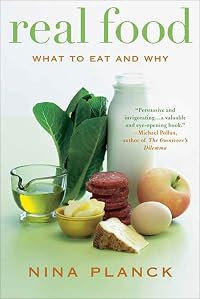
Real Food: What to Eat and Why
by Nina Planck
On This Page
Description
Cooking & Food. Health & Fitness. Nonfiction. HTML:Hailed as the "patron saint of farmers' markets" by the Guardian and called one of the "great food activists" by Vanity Fair's David Kamp, Nina Planck was on the vanguard of the real food movement, and her first book remains a vital and original contribution to the hot debate about what to eat and why.In lively, personal chapters on produce, dairy, meat, fish, chocolate, and other real foods, Nina explains how ancient foods like beef and show more butter have been falsely accused, while industrial foods like corn syrup and soybean oil have created a triple epidemic of obesity, diabetes, and heart disease. The New York Times said that Real Food "poses a convincing alternative to the prevailing dietary guidelines, even those treated as gospel."
A rebuttal to dietary fads and a clarion call for the return to old-fashioned foods, Real Food no longer seems radical, if only because the conversation has caught up to Nina Planck. Indeed, it has become gospel in its own right.
This special tenth-anniversary edition includes a foreword by Nina Teicholz (The Big Fat Surprise) and a new introduction from the author. show less
Tags
Recommendations
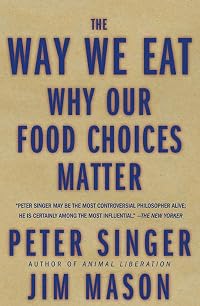
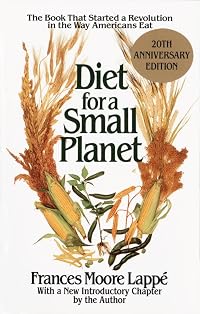
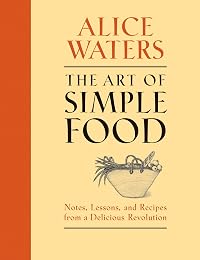
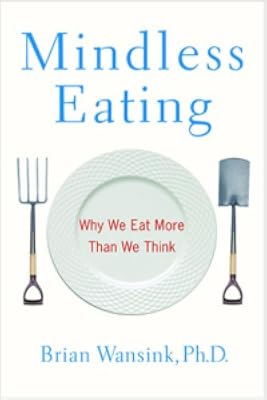
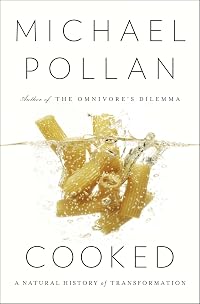
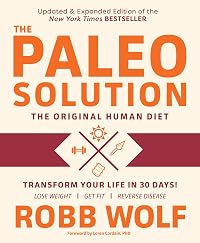
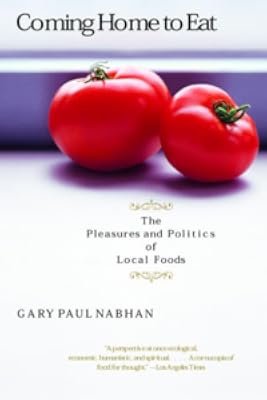
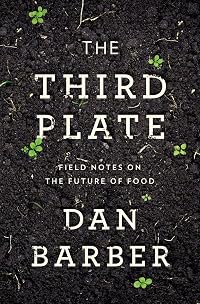
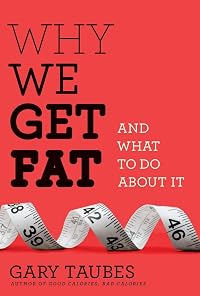
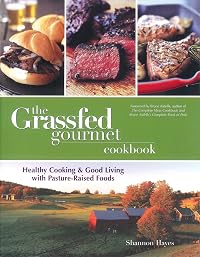
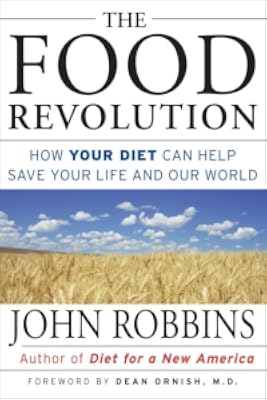
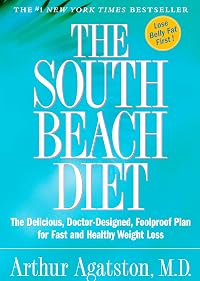
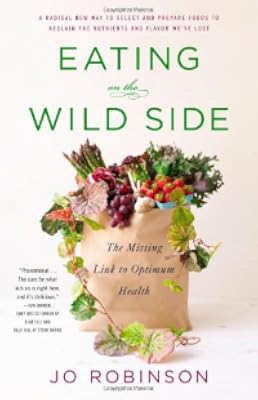
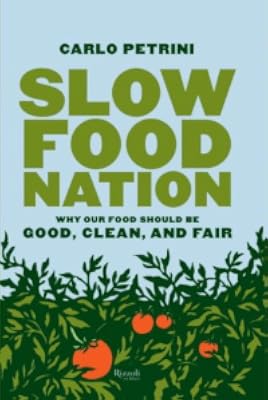
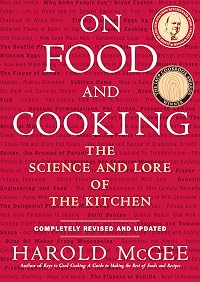
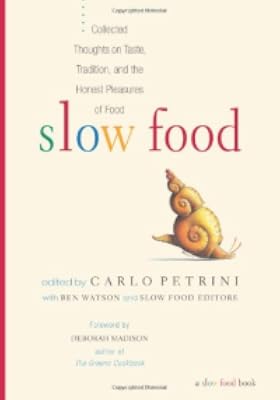
Member Recommendations
Member Reviews
Real Food is not a cookbook, but it is a strident plea for a return to common sense eating at a time when our approach to food ventures on the manic and paranoid. Besieged by frightening reports of poisoned pet food on the one hand, and a bewildering array of “scientific” (and often contradictory) health reports on the other, left to navigate a veritable minefield of dietary regimens that measure your caloric intake and cholesterol levels with the kind of intensity the IRS usually reserves for corporate CEOs with too many offshore accounts, eating in this country has ceased to be an act of pleasure or an opportunity for social interaction. All too often it is now a source of stress and even fear.
“Enough!” cries Planck, “Get a show more grip!” Planck faces off against most of the current food fads and fashions in her book and argues—passionately—for a more reasoned approach to eating that can be summed up in the comment she makes when she talks about her own migration from strict vegetarian to a more rounded diet founded on the pleasures of eggs, dairy, and bacon. “Without really trying,” she says, “I stopped thinking about the food and started tasting it.” . . .read the full review show less
“Enough!” cries Planck, “Get a show more grip!” Planck faces off against most of the current food fads and fashions in her book and argues—passionately—for a more reasoned approach to eating that can be summed up in the comment she makes when she talks about her own migration from strict vegetarian to a more rounded diet founded on the pleasures of eggs, dairy, and bacon. “Without really trying,” she says, “I stopped thinking about the food and started tasting it.” . . .read the full review show less
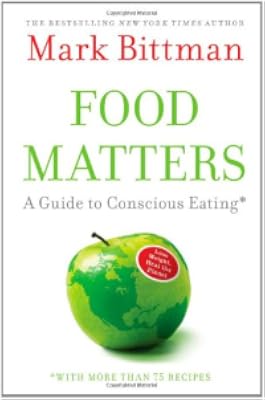
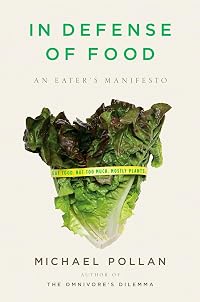
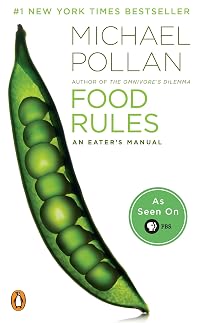
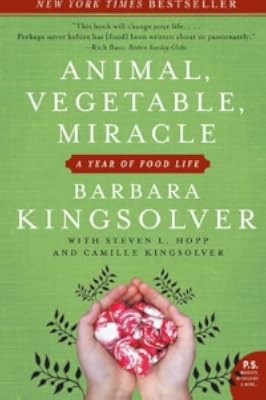
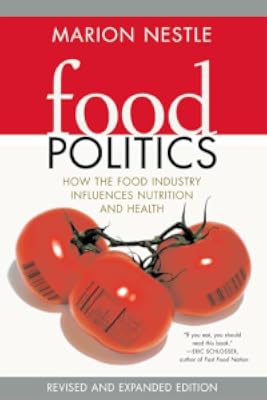
I'd really love to be able to believe everything in this book, but as someone who takes medicine every day for high this and that, I probably shouldn't. There has been a plethora of books lately about what one should eat, and I've read a good many of them: [a:Marion Nestle|11506|Marion Nestle|http://www.goodreads.com/images/nophoto/nophoto-U-50x66.jpg]'s [b:What to Eat|268963|What to Eat|Marion Nestle|http://photo.goodreads.com/books/1316727562s/268963.jpg|72722], [a:Michael Pollan|2121|Michael Pollan|http://photo.goodreads.com/authors/1258275549p2/2121.jpg]'s [b:Food Rules|7015635|Food Rules An Eater's Manual|Michael Pollan|http://photo.goodreads.com/books/1308972711s/7015635.jpg|7261546], [a:Barbara Kingsolver|3541|Barbara show more Kingsolver|http://photo.goodreads.com/authors/1257817545p2/3541.jpg]'s [b:Animal Vegetable Miracle|25460|Animal, Vegetable, Miracle|Barbara Kingsolver|http://photo.goodreads.com/books/1167733922s/25460.jpg|1582285] and [a:Marc Bittman|1785|Mark Bittman|http://photo.goodreads.com/authors/1272595204p2/1785.jpg]'s [b:Food Matters|3698601|Food Matters A Guide to Conscious Eating with More Than 75 Recipes|Mark Bittman|http://photo.goodreads.com/books/1225942065s/3698601.jpg|3742113]. They agree on many things, disagree on some, and each has different emphases. (There are also a number of books which focus more on how our eating habits affect the wider world, and I'll be reporting on a few of those in future.)
As I said, I'd like to be able to believe everything [a:Nina Planck|42682|Nina Planck|http://www.goodreads.com/images/nophoto/nophoto-F-50x66.jpg] says in this book, and to have the money to put it all into practice. Her basic thesis is that if we eat fresh food, raised, gathered or grown as naturally as possible, all foods are healthy for us (although she does encourage strict limitations on white sugar and flour). Grass-fed beef and raw dairy products from grass-fed cows; pork and lard from pigs who roam freely, rooting in woods and pasture; free-range eggs and chickens; wild-caught shrimp and salmon all figure in her ideal diet. No worries about cholesterol or saturated fats -- just steer clear of what she calls "industrial food" and you'll be fine. Industrial food includes not only things like cake mix, Twinkies and fast food, but margarine, canola oil, and of course, factory-farmed animals. I do, in fact, try to get the "good" foods whenever possible, but right now, for instance, I am struggling over whether it's OK to pay $4 a pound for a Thanksgiving turkey to get one that's organic and free-range.
There is a catch besides the economic one. Careful reading reveals that there is another secret to Planck's self-described good health: this woman eats lots and lots of fruits and vegetables. At a time when the public is urged (usually without much success) to eat 5 servings of produce a day, Planck reports that she often serves and eats four vegetables at a meal, in addition to so much salad that her household of two goes through two heads of lettuce a day. In other words, this is not the Atkins diet. It seems to me that eating this quantity of plants would make the meats, cheeses, eggs and fats Planck recommends more like condiments on the side rather than the centerpiece of the meal, and would fill you up so much that you'd be unable to fit in too much of the foods that doctors tell us to avoid.
The major thing I took from this book was a resolve to get more vegetables into the family diet. I'm also going to experiment with using olive oil and a few of the other fats she mentions in cooking and baking, rather than canola oil. The discussion of various oils and how heat affects them was quite informative. Ms. Planck does go overboard on occasion, but I would still recommend her book to anyone concerned about nutrition and ecology. show less
As I said, I'd like to be able to believe everything [a:Nina Planck|42682|Nina Planck|http://www.goodreads.com/images/nophoto/nophoto-F-50x66.jpg] says in this book, and to have the money to put it all into practice. Her basic thesis is that if we eat fresh food, raised, gathered or grown as naturally as possible, all foods are healthy for us (although she does encourage strict limitations on white sugar and flour). Grass-fed beef and raw dairy products from grass-fed cows; pork and lard from pigs who roam freely, rooting in woods and pasture; free-range eggs and chickens; wild-caught shrimp and salmon all figure in her ideal diet. No worries about cholesterol or saturated fats -- just steer clear of what she calls "industrial food" and you'll be fine. Industrial food includes not only things like cake mix, Twinkies and fast food, but margarine, canola oil, and of course, factory-farmed animals. I do, in fact, try to get the "good" foods whenever possible, but right now, for instance, I am struggling over whether it's OK to pay $4 a pound for a Thanksgiving turkey to get one that's organic and free-range.
There is a catch besides the economic one. Careful reading reveals that there is another secret to Planck's self-described good health: this woman eats lots and lots of fruits and vegetables. At a time when the public is urged (usually without much success) to eat 5 servings of produce a day, Planck reports that she often serves and eats four vegetables at a meal, in addition to so much salad that her household of two goes through two heads of lettuce a day. In other words, this is not the Atkins diet. It seems to me that eating this quantity of plants would make the meats, cheeses, eggs and fats Planck recommends more like condiments on the side rather than the centerpiece of the meal, and would fill you up so much that you'd be unable to fit in too much of the foods that doctors tell us to avoid.
The major thing I took from this book was a resolve to get more vegetables into the family diet. I'm also going to experiment with using olive oil and a few of the other fats she mentions in cooking and baking, rather than canola oil. The discussion of various oils and how heat affects them was quite informative. Ms. Planck does go overboard on occasion, but I would still recommend her book to anyone concerned about nutrition and ecology. show less
If you've read anything like this book, then there is no need to read this one also. It will simply be a tiresome repeat of what you've already researched. However, if you are new to the Real Food ideology, then this is a fine starting place. Planck goes through each food group - dairy, plants, proteins - and explains their importance to the body, the nutrients they provide, and what source provides the most. Planck's writing style if cheerful and clear, and she's obviously done her research. Information about nutrition is sprinkled with personal anecdotes and stories. The list of resources in the back is helpful and extensive. But despite all this, I have some issues with this book.
First, she commits my greatest pet-peeve when it show more comes to diet books - extolling foods that are expensive and hard to find. Not everyone has access to the places and shops and vendors that supply these foods. Nor can we afford pasture-raised organic meats or grass-fed fresh raw milk or just picked heirloom tomatoes. This sort of grocery list is only for someone who makes significantly more than your average person. And yes, one might argue that spending on good food prevents spending on medicine and medical bills later. But a weekly budget of this sort of food for a family of four might run you $250 easy - which is ridiculous! This is even assuming one lives near real-round farmer's markets or vendor's selling raw milk - which I don't. In the end, for someone on a budget, her ideology, while sound and wise, isn't feasible for most people.
Second, there are no recipes or meal plans or anything practical to assist the reader. It merely tells you what to eat, but doesn't help you take practical steps. Any no, I don't count telling you to "drink raw milk" as a how-do.
In the end, this is a good book for a concise, clear explanation for how to make better choices for food. But it's not anything different that what you might find in many other books on the same thing. show less
First, she commits my greatest pet-peeve when it show more comes to diet books - extolling foods that are expensive and hard to find. Not everyone has access to the places and shops and vendors that supply these foods. Nor can we afford pasture-raised organic meats or grass-fed fresh raw milk or just picked heirloom tomatoes. This sort of grocery list is only for someone who makes significantly more than your average person. And yes, one might argue that spending on good food prevents spending on medicine and medical bills later. But a weekly budget of this sort of food for a family of four might run you $250 easy - which is ridiculous! This is even assuming one lives near real-round farmer's markets or vendor's selling raw milk - which I don't. In the end, for someone on a budget, her ideology, while sound and wise, isn't feasible for most people.
Second, there are no recipes or meal plans or anything practical to assist the reader. It merely tells you what to eat, but doesn't help you take practical steps. Any no, I don't count telling you to "drink raw milk" as a how-do.
In the end, this is a good book for a concise, clear explanation for how to make better choices for food. But it's not anything different that what you might find in many other books on the same thing. show less
i am trying to be more liberal with my 5 star ratings, and this book happens to be the first beneficiary.
the premise of this book is similar to the premise of a lot of books that have come out recently. the most healthy things to eat are real foods, foods that were eaten hundreds of years ago. meat, dairy, real fats, etc... what i liked about it is she went into detail with what the nutritional value of different food items. she explained the nutritional differences between powdered milk, grain fed cow milk, and grass fed cow milk. she also explained how certain industrial food is processed and how the processing diminishes the nutrition. i learned a lot more than i thought i would from this book.
a lot of it, i couldn't really show more understand, for the life of me i'll never understand omega-3 and omega-6 and fatty acid chains and the chemical structures of saturated, unsaturated, polyunstaturated, fats...
i hesitate to give this book 5 stars for 2 reasons.
1. at times the tone was quite pretentious. if she said one more thing about the delicacies of her vegetables sauteed in real butter with raw milk yogurt and cheese on the side, i think i may have lost it.
2. going along with point 1, i think this book had very much of a preaching to the choir tone. since i guess i am part of the choir, i liked it, but it very well could have been because it was what i wanted to hear, so i wasn't reading with any skepticism. she didn't present many opposing view-points or give much credibility to the fact that maybe conventional nutritional wisdom has a little something to offer... what i actually want to do is read a book that counters some of the points that she makes..
...but really i liked the book. it made me want to eat more good meat, more fish, more whole milk foods, and start cooking with coconut oil and lard. show less
the premise of this book is similar to the premise of a lot of books that have come out recently. the most healthy things to eat are real foods, foods that were eaten hundreds of years ago. meat, dairy, real fats, etc... what i liked about it is she went into detail with what the nutritional value of different food items. she explained the nutritional differences between powdered milk, grain fed cow milk, and grass fed cow milk. she also explained how certain industrial food is processed and how the processing diminishes the nutrition. i learned a lot more than i thought i would from this book.
a lot of it, i couldn't really show more understand, for the life of me i'll never understand omega-3 and omega-6 and fatty acid chains and the chemical structures of saturated, unsaturated, polyunstaturated, fats...
i hesitate to give this book 5 stars for 2 reasons.
1. at times the tone was quite pretentious. if she said one more thing about the delicacies of her vegetables sauteed in real butter with raw milk yogurt and cheese on the side, i think i may have lost it.
2. going along with point 1, i think this book had very much of a preaching to the choir tone. since i guess i am part of the choir, i liked it, but it very well could have been because it was what i wanted to hear, so i wasn't reading with any skepticism. she didn't present many opposing view-points or give much credibility to the fact that maybe conventional nutritional wisdom has a little something to offer... what i actually want to do is read a book that counters some of the points that she makes..
...but really i liked the book. it made me want to eat more good meat, more fish, more whole milk foods, and start cooking with coconut oil and lard. show less
I found her discussion of "real" vs industrial foods helpful--a distinction that I like better than processed/unprocessed. Eat whole grains, vegetables, and fish is a familiar message. Eat non-industrial fats (butter, lard, etc), eggs, and milk from grass-fed cows is less so, and was thus the most interesting part. I wished that the author had better educational and professional qualifications to write the book, but she had clearly done a lot of research. Also, (for my friends on GoodReads) this is a lendable Kindle book, so I'd be glad to loan it to you if you have a Kindle.
This book is extremely interesting. I am not 100% sure that I agree completely with her view on saturated fats as there is a lot of science that provides a different opinion. The authors points regarding non-processed foods are dead on, and I have begun to alter my diet towards whole foods. Still eating chicken and lean meats vice high fat foods, but I do once a week have 8 ounces of raw milk. This book is an interesting read, and anyone that wants to take a different look at diet and nutrition I highly recommend this book. It will make you at least think about conventional wisdom, even if you don't follow her lead 100% of the time.”
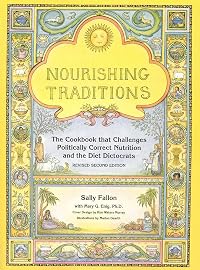
I just was poking through this at a friend's house. It's very readable, but a bit of a Pollan-lite. Or Nourishing Traditions-lite. Which there's a time and place for, obviously.
Members
- Recently Added By
Author Information
5 Works 682 Members
Nina Planck, author of Real Food and The Farmers' Market Cookbook, is an expert on local and traditional food. In 1999, she created the first farmers' markets in London, England. In New York City, she ran the legendary Greenmarkets. Nina lives in Greenwich Village with cheese monger Rob Kaufelt and their son, Julian.
Classifications
Statistics
- Members
- 522
- Popularity
- 57,277
- Reviews
- 13
- Rating
- (3.79)
- Languages
- English
- Media
- Paper, Ebook
- ISBNs
- 6
- ASINs
- 2