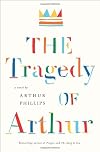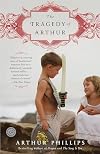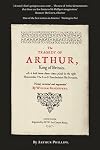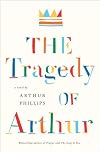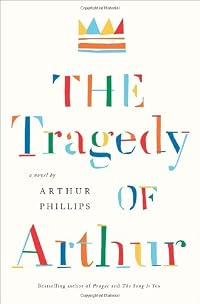
The Tragedy of Arthur
by Arthur Phillips 
On This Page
Description
The Tragedy of Arthur is an emotional and elaborately constructed tour de force from "one of the best writers in America" (The Washington Post). Its doomed hero is Arthur Phillips, a young novelist struggling with a con artist father who works wonders of deception. Imprisoned for decades and nearing the end of his life, Arthur's father reveals a treasure he's kept secret for half a century: The Tragedy of Arthur, a previously unknown play by William Shakespeare. Arthur and his twin sister show more inherit their father's mission: to see the manuscript published and acknowledged as the Bard's last great gift to humanity . . . unless it's their father's last great con. By turns hilarious and haunting, this virtuosic novel, which includes Shakespeare's (?) lost play in its entirety, brilliantly subverts our notions of truth, fiction, genius, and identity, as the two Arthurs--the novelist and the ancient king--play out their strangely intertwined fates.A New York Times Notable BookA New Yorker Reviewers' Favorite of the YearA Wall Street Journal Best Novel of the YearA San Francisco Chronicle Best Book of the YearA Chicago Tribune Favorite Book of the YearA Library Journal Top Ten Book of the YearA Kirkus Reviews Best Book of the YearOne of Salon's five best novels of the year
Look for special features inside. Join the Circle for author chats and more.
. show less
Tags
Recommendations








Member Recommendations

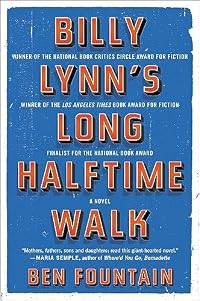
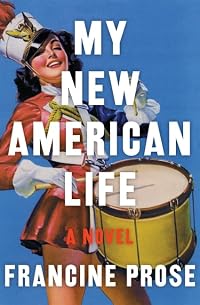
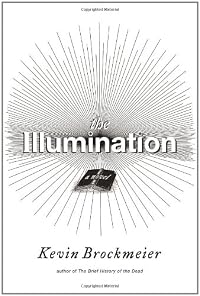
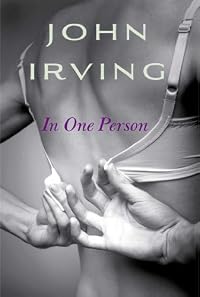
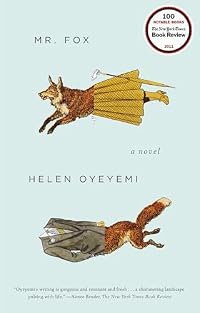
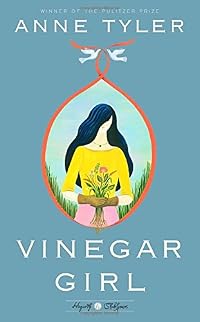
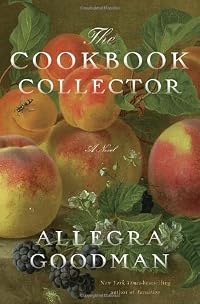
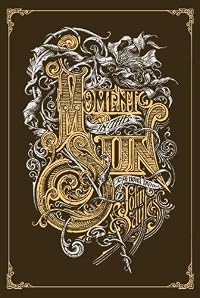
Lirmac Another great work of metafiction where the novel comprises the work of one 'author' with notes and introductory material by another.
Lirmac Although set in very different locations, both are 'autofictional' works dealing with an adult author coming to terms with his childhood and troubled relationship with his father.
Lirmac Two books that explore creativity, crime and their connection to Shakespeare.
Member Reviews
I was engrossed in this novel. It was clever, deep, and fun at the same time. It had me reflecting on truth, deception, and perception even when I wasn't reading it because there are so many layers to its puzzle. And of course, I'm also kind of obsessed with wondering how much Phillips was drawing from his real life. I've read The Egyptologist and The Song is You, and I enjoyed them, but I enjoyed The Tragedy of Arthur much more. I docked a half-star, however, for a couple of things that irritated me: the interlude with Heidi was tedious and took away from the story (and the narrator's letter to his sister describing the encounter with such phrases as "silken nicotine whorls"? give me a break); and although the narrator was a colossal show more jerk, I didn't believe that he'd be such a jerk to his own twin sister. Note to future readers: read the play first as is advised in the "preface" from the "Random House editors." show less
 This review was written for LibraryThing Early Reviewers.
Summary: This novel is not a novel, it is a newly discovered play of Shakespeare's called "The Tragedy of Arthur". Arthur Phillips never much liked Shakespeare; it's one of the few things he didn't share with his twin sister Dana, who obsessively read Shakespeare with their equally obsessed father… or at least she did when he was out of prison. He was mostly a small-time con artist and forger, and judging by how frequently he got caught, not a very good one. Arthur grows up in this world where the power of the written word to create magic is revered, yet trust in another person typically leads to heartbreak, eventually becoming a novelist himself. But not until he's an adult does his father disclose a family secret: he's got a copy of show more a previously unknown play by Shakespeare, and he wants Arthur to publish it. Arthur, still secretly hungry for his father's approval, agrees, but the further and more inextricably he gets involved in the process, the more he begins to wonder: is the play legit? Or is it the last, greatest con his father will ever pull?
Review: This book was brilliant. So brilliant. My summary is much more of the plot than I would normally give away, but at the same time, it's not really giving anything away, because that's all essentially given away in the first few pages, even if Arthur doesn't get around to the details until late in the book, and really, the details are where the story actually is.
Okay, let me back up. The structure of the book is an annotated edition of the play. The first few pages are a Preface introducing the new edition, by the editors at Random House. Next is the introduction to the play, written by Arthur Phillips, that takes up the bulk of the pages. And then comes the play itself, the full five-act Shakespeare: The Tragedy of Arthur, in all its iambic pentametric glory (with footnotes both by Phillips and by a Shakespearean scholar).
So let's talk about the play first. The play reads like Shakespeare. As the Introduction points out, maybe not like the best Shakespeare, but like one of the earlier history plays. I am not a particular fan of the history plays, but in general, it's good, some of the scenes are very good, it's believably Shakespearean, it doesn't break iambic pentameter during the important speeches (and if you think I wasn't constantly drumming out the rhythm with the hand that wasn't holding the book, just to check, think again. I do things like count neck vertebrae on biological illustrations of mythical creatures; of course I'm going to be checking for meter in Shakespeare.) It is good enough that it makes the rest of the book that much better, because it *is* believable, that while you know that Arthur Phillips (the novelist, not the protagonist) wrote it, that it's a modern invention, there's always that niggling question: do you *know* you know that it's modern? Are you sure it's not authentic? And that's one of the themes of the book, of how and why we say that something is and isn't Shakespeare, and if we want it to be, then we'll find ways to prove that it is, and vice-versa, and why it's important one way or another, if it brings a little more joy and magic into the world, but would that joy and magic be there if we knew that it *wasn't* Shakespeare? And why do we like Shakespeare anyways? Is it just because that's what we've preserved? Or have we preserved him because he really was the best? And did he really create all the basic plots, or are we just drawing parallels because we think we should? (And boy howdy, there are plenty of parallels to be drawn between Arthur's story and various Shakespeare plays… but are you going to get that every time you've got a set of twins?)
The whole thing is so layered, and so meta, that it could have easily spun out of control. (It certainly made talking about this book at book club a little confusing, trying to differentiate Arthur Phillips the novelist from Arthur Phillips his protagonist.) Normally overly meta books that are trying to be clever just wind up annoying me (see: How to Live Safely in a Science Fictional Universe), but Phillips layers it all so intricately, and makes it all hang together so well, that every bit you think might be a loose end just opens up a whole different web of connections that you hadn't seen before. I can see how this book would bug if you don't like unresolved endings that are open to interpretation, but since that is so much of Phillips's point, it actually made the book stronger that you come out of it not really knowing one way or the other.
So, yes, I loved this book, despite the introduction (which is most of the book) having a definite whiff of "look at my terrible childhood" memoir (or fake memoir) (or is it?) that is the genre that put me off of memoirs in the first place. I love Shakespeare, and I love clever books that make me feel clever too, and books that make me think while still telling a good story, and this book has got all of that and then some. (Where "some" equals a full five-act Shakespearean play. I mean, damn.) 5 out of 5 stars.
Recommendation: A lot of the thematic ideas were reminiscent of The Forgery of Venus - the question of forgery, and if you like something when it's got an old master's name, why does it become any less good if you find out it was painted last week? But the reading experience was actually much more reminiscent of Ella Minnow Pea: a book that is clever, that is a brainteasing puzzle, but one that is so intricately and elegantly crafted that it's completely seamless and totally enjoyable. Normally I'd recommend it to Shakespeare fans, but honestly, anti-Shakespeareans would probably find just as much interest in this book as well. Recommended for people who like puzzles, unresolvable philosophical debates, and feeling clever?
(And for the record, I think I'm leaning towards the side of "Shakespeare did it".) show less
Review: This book was brilliant. So brilliant. My summary is much more of the plot than I would normally give away, but at the same time, it's not really giving anything away, because that's all essentially given away in the first few pages, even if Arthur doesn't get around to the details until late in the book, and really, the details are where the story actually is.
Okay, let me back up. The structure of the book is an annotated edition of the play. The first few pages are a Preface introducing the new edition, by the editors at Random House. Next is the introduction to the play, written by Arthur Phillips, that takes up the bulk of the pages. And then comes the play itself, the full five-act Shakespeare: The Tragedy of Arthur, in all its iambic pentametric glory (with footnotes both by Phillips and by a Shakespearean scholar).
So let's talk about the play first. The play reads like Shakespeare. As the Introduction points out, maybe not like the best Shakespeare, but like one of the earlier history plays. I am not a particular fan of the history plays, but in general, it's good, some of the scenes are very good, it's believably Shakespearean, it doesn't break iambic pentameter during the important speeches (and if you think I wasn't constantly drumming out the rhythm with the hand that wasn't holding the book, just to check, think again. I do things like count neck vertebrae on biological illustrations of mythical creatures; of course I'm going to be checking for meter in Shakespeare.) It is good enough that it makes the rest of the book that much better, because it *is* believable, that while you know that Arthur Phillips (the novelist, not the protagonist) wrote it, that it's a modern invention, there's always that niggling question: do you *know* you know that it's modern? Are you sure it's not authentic? And that's one of the themes of the book, of how and why we say that something is and isn't Shakespeare, and if we want it to be, then we'll find ways to prove that it is, and vice-versa, and why it's important one way or another, if it brings a little more joy and magic into the world, but would that joy and magic be there if we knew that it *wasn't* Shakespeare? And why do we like Shakespeare anyways? Is it just because that's what we've preserved? Or have we preserved him because he really was the best? And did he really create all the basic plots, or are we just drawing parallels because we think we should? (And boy howdy, there are plenty of parallels to be drawn between Arthur's story and various Shakespeare plays… but are you going to get that every time you've got a set of twins?)
The whole thing is so layered, and so meta, that it could have easily spun out of control. (It certainly made talking about this book at book club a little confusing, trying to differentiate Arthur Phillips the novelist from Arthur Phillips his protagonist.) Normally overly meta books that are trying to be clever just wind up annoying me (see: How to Live Safely in a Science Fictional Universe), but Phillips layers it all so intricately, and makes it all hang together so well, that every bit you think might be a loose end just opens up a whole different web of connections that you hadn't seen before. I can see how this book would bug if you don't like unresolved endings that are open to interpretation, but since that is so much of Phillips's point, it actually made the book stronger that you come out of it not really knowing one way or the other.
So, yes, I loved this book, despite the introduction (which is most of the book) having a definite whiff of "look at my terrible childhood" memoir (or fake memoir) (or is it?) that is the genre that put me off of memoirs in the first place. I love Shakespeare, and I love clever books that make me feel clever too, and books that make me think while still telling a good story, and this book has got all of that and then some. (Where "some" equals a full five-act Shakespearean play. I mean, damn.) 5 out of 5 stars.
Recommendation: A lot of the thematic ideas were reminiscent of The Forgery of Venus - the question of forgery, and if you like something when it's got an old master's name, why does it become any less good if you find out it was painted last week? But the reading experience was actually much more reminiscent of Ella Minnow Pea: a book that is clever, that is a brainteasing puzzle, but one that is so intricately and elegantly crafted that it's completely seamless and totally enjoyable. Normally I'd recommend it to Shakespeare fans, but honestly, anti-Shakespeareans would probably find just as much interest in this book as well. Recommended for people who like puzzles, unresolvable philosophical debates, and feeling clever?
(And for the record, I think I'm leaning towards the side of "Shakespeare did it".) show less
Arthur Phillips' The Tragedy of Arthur (forthcoming from Random House) includes the text of a newly rediscovered Shakespeare play. Or it doesn't. Either way, it's a delightful examination of books and forgeries and Shakespeare scholarship, wrapped up in a meta-narrative and tied with a bow.
Phillips' father (also Arthur) is a Shakespeare fanatic, a gene which passed not to Phillips himself but to his twin sister Dana, whose relationships with her brother, father, the Bard, and others form a major part of the story here. The elder Arthur was also a forger, whose exploits landed him in prison over and over again. When he reveals to Arthur fils, our narrator, that he's got a quarto edition of an unknown Shakespeare play stashed in a safety show more deposit box, and that he wants Phillips to edit an edition of it, this book is born.
The Tragedy of Arthur (the book beside me as I type) consists of Phillip's narrative introduction to the play, in the form of a memoir interspersed with short summaries of the play's plot. Included also are a selection of correspondence between Phillips and his editors at Random House, as well as letters from the various scholars brought in to authenticate "The Tragedy of Arthur" (the play, by Shakespeare), which takes up about the final third of the book (and is accompanied by Phillips' notes).
This book made me smile. I love the playfulness of the concept and the different levels of meta- that Phillips is able to pull in, as well as the commentary on how we view Shakespeare and his works.
http://philobiblos.blogspot.com/2011/03/book-review-tragedy-of-arthur.html show less
Phillips' father (also Arthur) is a Shakespeare fanatic, a gene which passed not to Phillips himself but to his twin sister Dana, whose relationships with her brother, father, the Bard, and others form a major part of the story here. The elder Arthur was also a forger, whose exploits landed him in prison over and over again. When he reveals to Arthur fils, our narrator, that he's got a quarto edition of an unknown Shakespeare play stashed in a safety show more deposit box, and that he wants Phillips to edit an edition of it, this book is born.
The Tragedy of Arthur (the book beside me as I type) consists of Phillip's narrative introduction to the play, in the form of a memoir interspersed with short summaries of the play's plot. Included also are a selection of correspondence between Phillips and his editors at Random House, as well as letters from the various scholars brought in to authenticate "The Tragedy of Arthur" (the play, by Shakespeare), which takes up about the final third of the book (and is accompanied by Phillips' notes).
This book made me smile. I love the playfulness of the concept and the different levels of meta- that Phillips is able to pull in, as well as the commentary on how we view Shakespeare and his works.
http://philobiblos.blogspot.com/2011/03/book-review-tragedy-of-arthur.html show less
Arthur Phillips' brilliant new book tackles the biggest target in English literature: William Shakespeare himself. And when he tackles him, he comes at the subject from every possible angle. At the core of the story, we have a hiterto-unknown play, The Tragedy of Arthur, which Phillips' con man-forger father has bequeathed him for publication. As Phillips, himself never a Shakespeare enthusasist (unlike his father and twin sister, both devotees of the Bard), wrestles with the manuscript, he becomes convinced it is nothing more than yet another of his father's forgeries. Scholars, styolometers, editors, &c beg to differ.
So Phillips' novel is a preparation for publication of this (maybe) Shakespearian play, but it is also memoir (and how show more many grains of salt do we take it with?), struggle to come to terms with his father, saga of failed relationships, sublimated fears about his own writing (oft-referenced in the novel), and so much more. All this is packed into the so-called introduction to the play, which also covers the topic of people's undying love for all things Shakespearian (with plenty of swideswipes at academics and leading academic theories along the way). There's even a little sidetrip into the world of anti-Stradfordians (the novel positvely teems with things Shakespearean; you don't have to be a Shakespeare lover or a Shakespeare fan to delight in these little nuggets of information, so entertainingly presented are they), which is how Phillips' sister expresses her teenage rebellion. Exchanges between editors and scholars pepper the text, that, between those, the Shakespeare references, and the play that concludes the text, there's so much intertextuality I don't quite even know where to begin discussing it.
It's pretty much a cultural norm that it's taboo to state that you dislike Shakespeare, so Phillips, in his humorous and brash way, comes right out and does just that-- while managing to tangle all his other relationships into this fraught relationship. Hilarity ensures. To cap it all off, we have a complete faux Shakespeare play-- the titular Tragedy of Arthur-- at the end of the novel, complete with dueling footnotes between a cynical Phillips and an objecting Shakespearean scholar. Phillips is playing with the reader on so many levels-- novel, memoir, scholarly introduction, play-- that putting a label on this like a "novelistic memoir-style introduction to an invented play" only goes to show how many balls Phillips is simultaneously keeping in the air.
This book-- whatever it is-- is a real treat. show less
So Phillips' novel is a preparation for publication of this (maybe) Shakespearian play, but it is also memoir (and how show more many grains of salt do we take it with?), struggle to come to terms with his father, saga of failed relationships, sublimated fears about his own writing (oft-referenced in the novel), and so much more. All this is packed into the so-called introduction to the play, which also covers the topic of people's undying love for all things Shakespearian (with plenty of swideswipes at academics and leading academic theories along the way). There's even a little sidetrip into the world of anti-Stradfordians (the novel positvely teems with things Shakespearean; you don't have to be a Shakespeare lover or a Shakespeare fan to delight in these little nuggets of information, so entertainingly presented are they), which is how Phillips' sister expresses her teenage rebellion. Exchanges between editors and scholars pepper the text, that, between those, the Shakespeare references, and the play that concludes the text, there's so much intertextuality I don't quite even know where to begin discussing it.
It's pretty much a cultural norm that it's taboo to state that you dislike Shakespeare, so Phillips, in his humorous and brash way, comes right out and does just that-- while managing to tangle all his other relationships into this fraught relationship. Hilarity ensures. To cap it all off, we have a complete faux Shakespeare play-- the titular Tragedy of Arthur-- at the end of the novel, complete with dueling footnotes between a cynical Phillips and an objecting Shakespearean scholar. Phillips is playing with the reader on so many levels-- novel, memoir, scholarly introduction, play-- that putting a label on this like a "novelistic memoir-style introduction to an invented play" only goes to show how many balls Phillips is simultaneously keeping in the air.
This book-- whatever it is-- is a real treat. show less
This book is odd. It is set up as a memoir, but it's not. The author takes a fictional account of his family and includes the Arthur legend in it with some Shakespeare thrown in. It shouldn't have worked, but honestly the book as a whole really does work if you read the play first (it's in the back) and work back through the fictional introduction by the author talking about him wanting to show the world about his father. And as we know about the Arthur legend, it is ultimately a tale of fathers and stand in fathers.
Starting with the play, this is written by Shakespeare and looks into Arthur being the son of the King Uter Pendragon and a noblewoman that Uter raped. After Uter's death, Arthur's right to rule is challenged by heir to the show more crown of Pictland, Mordred. Mordred's father is King Loth who refuses to go to war with Arthur. This play is about how of course these two men to do go to war. And how Arthur is brought low due his love of a woman who caused him to forget that above all else he was king.
I honestly think this book would be cool to borrow just to read the play itself. I do think though that the play does not read like Shakespeare at all to me. Maybe because I recently got done reading 10 of his plays. But, for me, it was very nice mimicry.
Then you go back to the introduction by Phillips who begins to tell the tale of his father who is a forger. Arthur's father is in and out of jail for most of his life and eventually when he is younger, his mother divorces him and marries someone from her hometown. Arthur and his twin sister Dana have a lot of ups and downs through the years. Though twins, they differ on the subject of their father. Dana defends him and Arthur I find saw through his father the most.
Eventually though, the introduction does turn into a mini-walk though Shakespeare here and there. You have some references to A Midsummer Night's Dream and Twelfth Night.
We have the character of Arthur trying to be honest and I thought this faux memoir was very well done. We get to see an imperfect man and husband and father. And yes even son and brother. But I think he also shone a light on an imperfect family that refused to acknowledge the truth about each other.
In the end, a twist worthy of Shakespeare has Arthur out in the cold away from his family. That was the one part that didn't feel real to me. It also didn't make sense his own mother would somehow go along with things. And the character of Petra really didn't evolve more beyond somehow being the perfect woman. I thought she played a lot of games and I didn't much care for her or Dana in the end. show less
Starting with the play, this is written by Shakespeare and looks into Arthur being the son of the King Uter Pendragon and a noblewoman that Uter raped. After Uter's death, Arthur's right to rule is challenged by heir to the show more crown of Pictland, Mordred. Mordred's father is King Loth who refuses to go to war with Arthur. This play is about how of course these two men to do go to war. And how Arthur is brought low due his love of a woman who caused him to forget that above all else he was king.
I honestly think this book would be cool to borrow just to read the play itself. I do think though that the play does not read like Shakespeare at all to me. Maybe because I recently got done reading 10 of his plays. But, for me, it was very nice mimicry.
Then you go back to the introduction by Phillips who begins to tell the tale of his father who is a forger. Arthur's father is in and out of jail for most of his life and eventually when he is younger, his mother divorces him and marries someone from her hometown. Arthur and his twin sister Dana have a lot of ups and downs through the years. Though twins, they differ on the subject of their father. Dana defends him and Arthur I find saw through his father the most.
Eventually though, the introduction does turn into a mini-walk though Shakespeare here and there. You have some references to A Midsummer Night's Dream and Twelfth Night.
We have the character of Arthur trying to be honest and I thought this faux memoir was very well done. We get to see an imperfect man and husband and father. And yes even son and brother. But I think he also shone a light on an imperfect family that refused to acknowledge the truth about each other.
In the end, a twist worthy of Shakespeare has Arthur out in the cold away from his family. That was the one part that didn't feel real to me. It also didn't make sense his own mother would somehow go along with things. And the character of Petra really didn't evolve more beyond somehow being the perfect woman. I thought she played a lot of games and I didn't much care for her or Dana in the end. show less
A comedy of Nabokovian proportions, the latest novel from Arthur Phillips is a fictional rendering of a long lost play purported to be by William Shakespeare. The play, however, is prefaced with a 256 page fictional memoir that tells the story of Arthur Phillips and his family and the trials and tribulations of his experience with Shakespearean tragedy. You know you are in for an interesting ride when the first line of the book is "I have never much liked Shakespeare." This is a narrator that you can trust to lead you on every chance he gets, and there are many of them. I enjoyed the wit, the wordplay, the sheer audacity of the story of Arthur with a father in jail much of the time and a twin, Dana, who "first fell for Shakespeare" when show more reading his plays about twins -- Twelfth Night and The Comedy of Errors. The question of authenticity is underlined when encountering references to James Frey's infamous memoir providing further clues to his project. As the memoir progresses it seems more and more imbued with the ghost of Shakespeare. With the addition of the annotated text of "Shakespeare's" The Tragedy of Arthur Phillips completes his most excellent and delightfully comical novel. show less
This review was written for LibraryThing Early Reviewers.Arthur Phillips’s new novel The Tragedy of Arthur was great fun. I’ve seen comparisons of this book to Nabokov’s Pale Fire, and the comparison works to a certain extent — they have a similar structure, both made up of a primary text and a commentary on that text — but it’s a rather unfortunate comparison for Phillips’s sake because who can compare to the great Nabokov? This book doesn’t have the insane brilliance of Pale Fire, but there’s a charm and wit to it that are appealing.
The text in Phillips’s case is a “newly discovered” long-lost Shakespeare play, printed in its entirety in the back of the book. The commentary takes the form of a memoir and fills up the first 250 or so pages. This commentary/memoir was show more supposed to be a standard critical introduction, but the guy who owns the manuscript, a character named Arthur Phillips, agreed to publish the introduction himself and decided to do it exactly as he wanted. It takes the unusual form of a long self-justification including his entire life story and an argument about the play’s authenticity. This question of authenticity is at the heart of the book, and it’s a particularly vexed question because the man who “discovered” the play, Arthur Phillips’s father, is a notorious con man who spent much of his adult life in jail for various forgeries (another book hovering in the background is William Gaddis’s The Recognitions, which is also about artistic forgeries and a difficult father/son relationship).
In this memoir of sorts — which describes a life at least superficially resembling the real Arthur Phillips’s life, both people having published the same novels and lived in at least some of the same places — Phillips tells the story of what it was like to grow up with a criminally unreliable father. This is a father who woke his two children up in the middle of the night, Arthur and his twin sister Dana, and dragged them around a field with strange, heavy machinery for hours and hours in order to convince people that aliens had left crop circles. Arthur grows up not knowing whether anything his father gives him — a signed baseball for example — is real or a forgery. As you can imagine, Arthur has some psychological issues to work out.
His father’s legacy wasn’t all about forgery, however. The cons and forgeries had at their root — or at least this is how the father would explain it — a certain creativity and love of creating experiences of wonder. Thinking about the crop circle and the farmer who originally found it, Arthur writes,
My father didn’t want to make people stupider or mock stupidity or celebrate stupidity. When the farmer said, “The shape. The shape is so … beautiful, so …” and trailed off, my father was right there with him in spirit. I suspect that he wished, of all the participants in this whole enterprise, to be that farmer, to be fooled. My father had given him (and the world) this glimpse of something hidden. He was only dissatisfied to be the giver and not the recipient.
The father is also, along with Dana, thoroughly obsessed with Shakespeare. Arthur grew up with Shakespeare’s language forever in his ears. But this also is a complicated legacy. Arthur decides early on that he doesn’t like Shakespeare much, and while he correctly points out that this isn’t at all unusual, in his case it has at least something to do with the fact that Dana and their father bond over a love of the playwright and Arthur feels left out. He loves his sister dearly and feels he has some very weighty competition for her attention.
So, when his father bequeaths Arthur the lost Shakespeare play, Arthur has some serious thinking to do. Is it possible that this one time his father is telling the truth?
The memoir part of this book is a mix of a whole bunch of things — in addition to memoir, it’s also an anti-memoir, as Arthur complains about the genre every chance he gets, although it’s clear he needs the genre in order to make his point about his father and thus about the Shakespeare (?) play. It also contains a synopsis of the play, because that’s what an introduction is supposed to do, of course, and in that same spirit, it discusses the play’s themes and background. In addition to being all mixed up with the personal stories, however, this critical material is shaped in such a way as to further Arthur’s arguments about his father. It all ultimately revolves around Arthur himself — is the character Arthur in the play The Tragedy of Arthur supposed to be him? Was his father sending him a message?
Arthur writes notes for the play as well, and here it’s personal too: some of the notes speculate on where his father might have gotten his material from, if indeed he did write the play himself. In addition to Arthur’s notes, there are notes from a Shakespeare scholar, and these two voices contradict each other. In addition to everything else going on in this book, it’s also about the uncertainty of scholarship and the impossibility of finding a truly objective point of view. Arthur is obviously a biased reader — given the circumstances there is no way he could be anything else — but the scholar’s readings struck me as questionable as well. It’s clear that he wants the play to be authentic and some of his justifications and explanations seemed just as unreliable as Arthur’s speculations.
As for the play itself, it’s not bad. Those who claim it’s authentic say that it’s clearly very early Shakespeare, which means readers should not expect greatness of the Hamlet level and that is most certainly not what you get. But for what it is — whatever that is — it’s entertaining, with some fine speeches, interesting action, and a little bit of humor.
This is a playful book — complete with author biographies and publication lists of both Arthur Phillips and Shakespeare, because Shakespeare deserves credit, of course! — and I love that spirit. Give me a highly literary, self-reflexive, self-aware book that’s good but doesn’t take itself too seriously, and I’m a happy reader.
Review posted at Of Books and Bicycles. show less
The text in Phillips’s case is a “newly discovered” long-lost Shakespeare play, printed in its entirety in the back of the book. The commentary takes the form of a memoir and fills up the first 250 or so pages. This commentary/memoir was show more supposed to be a standard critical introduction, but the guy who owns the manuscript, a character named Arthur Phillips, agreed to publish the introduction himself and decided to do it exactly as he wanted. It takes the unusual form of a long self-justification including his entire life story and an argument about the play’s authenticity. This question of authenticity is at the heart of the book, and it’s a particularly vexed question because the man who “discovered” the play, Arthur Phillips’s father, is a notorious con man who spent much of his adult life in jail for various forgeries (another book hovering in the background is William Gaddis’s The Recognitions, which is also about artistic forgeries and a difficult father/son relationship).
In this memoir of sorts — which describes a life at least superficially resembling the real Arthur Phillips’s life, both people having published the same novels and lived in at least some of the same places — Phillips tells the story of what it was like to grow up with a criminally unreliable father. This is a father who woke his two children up in the middle of the night, Arthur and his twin sister Dana, and dragged them around a field with strange, heavy machinery for hours and hours in order to convince people that aliens had left crop circles. Arthur grows up not knowing whether anything his father gives him — a signed baseball for example — is real or a forgery. As you can imagine, Arthur has some psychological issues to work out.
His father’s legacy wasn’t all about forgery, however. The cons and forgeries had at their root — or at least this is how the father would explain it — a certain creativity and love of creating experiences of wonder. Thinking about the crop circle and the farmer who originally found it, Arthur writes,
My father didn’t want to make people stupider or mock stupidity or celebrate stupidity. When the farmer said, “The shape. The shape is so … beautiful, so …” and trailed off, my father was right there with him in spirit. I suspect that he wished, of all the participants in this whole enterprise, to be that farmer, to be fooled. My father had given him (and the world) this glimpse of something hidden. He was only dissatisfied to be the giver and not the recipient.
The father is also, along with Dana, thoroughly obsessed with Shakespeare. Arthur grew up with Shakespeare’s language forever in his ears. But this also is a complicated legacy. Arthur decides early on that he doesn’t like Shakespeare much, and while he correctly points out that this isn’t at all unusual, in his case it has at least something to do with the fact that Dana and their father bond over a love of the playwright and Arthur feels left out. He loves his sister dearly and feels he has some very weighty competition for her attention.
So, when his father bequeaths Arthur the lost Shakespeare play, Arthur has some serious thinking to do. Is it possible that this one time his father is telling the truth?
The memoir part of this book is a mix of a whole bunch of things — in addition to memoir, it’s also an anti-memoir, as Arthur complains about the genre every chance he gets, although it’s clear he needs the genre in order to make his point about his father and thus about the Shakespeare (?) play. It also contains a synopsis of the play, because that’s what an introduction is supposed to do, of course, and in that same spirit, it discusses the play’s themes and background. In addition to being all mixed up with the personal stories, however, this critical material is shaped in such a way as to further Arthur’s arguments about his father. It all ultimately revolves around Arthur himself — is the character Arthur in the play The Tragedy of Arthur supposed to be him? Was his father sending him a message?
Arthur writes notes for the play as well, and here it’s personal too: some of the notes speculate on where his father might have gotten his material from, if indeed he did write the play himself. In addition to Arthur’s notes, there are notes from a Shakespeare scholar, and these two voices contradict each other. In addition to everything else going on in this book, it’s also about the uncertainty of scholarship and the impossibility of finding a truly objective point of view. Arthur is obviously a biased reader — given the circumstances there is no way he could be anything else — but the scholar’s readings struck me as questionable as well. It’s clear that he wants the play to be authentic and some of his justifications and explanations seemed just as unreliable as Arthur’s speculations.
As for the play itself, it’s not bad. Those who claim it’s authentic say that it’s clearly very early Shakespeare, which means readers should not expect greatness of the Hamlet level and that is most certainly not what you get. But for what it is — whatever that is — it’s entertaining, with some fine speeches, interesting action, and a little bit of humor.
This is a playful book — complete with author biographies and publication lists of both Arthur Phillips and Shakespeare, because Shakespeare deserves credit, of course! — and I love that spirit. Give me a highly literary, self-reflexive, self-aware book that’s good but doesn’t take itself too seriously, and I’m a happy reader.
Review posted at Of Books and Bicycles. show less
This review was written for LibraryThing Early Reviewers.Members
- Recently Added By
Lists

International IMPAC Dublin Literary Award
179 works; 6 members

2008-2012 Notable Books for Adults
127 works; 10 members

Literary Forgeries
212 works; 4 members

Fiction with Men's Given Names in the Title
302 works; 10 members
Author Information

6+ Works 5,244 Members
Arthur Phillips was born in Minneapolis and educated at Harvard. He has been a child actor, a jazz musician, a speechwriter, a failed entrepreneur and a five-time Jeopardy champion. He lived in Budapest from 1990 to 1992 and now lives in Paris with his wife and son. (Publisher Fact Sheets)
Arthur Phillips is a LibraryThing Author, an author who lists their personal library on LibraryThing.
Awards and Honors
Awards
Distinctions
Common Knowledge
- Canonical title
- The Tragedy of Arthur
- Original publication date
- 2011-04-19
- People/Characters
- Arthur Phillips; William Shakespeare; Dana Phillips; King Arthur; Roland Verre; Petra
- Important places
- Minneapolis, Minnesota, USA
- First words
- I have never much liked Shakespeare.
- Last words
- (Click to show. Warning: May contain spoilers.)Raise sepulchres for both great queen and king and for their souls, and ours, raise voice and sing.
Classifications
Statistics
- Members
- 644
- Popularity
- 44,801
- Reviews
- 61
- Rating
- (3.57)
- Languages
- English, French
- Media
- Paper, Audiobook, Ebook
- ISBNs
- 11
- ASINs
- 3